
The Tokugawa Shogunate and Urbanization: Changes in Edo and Beyond

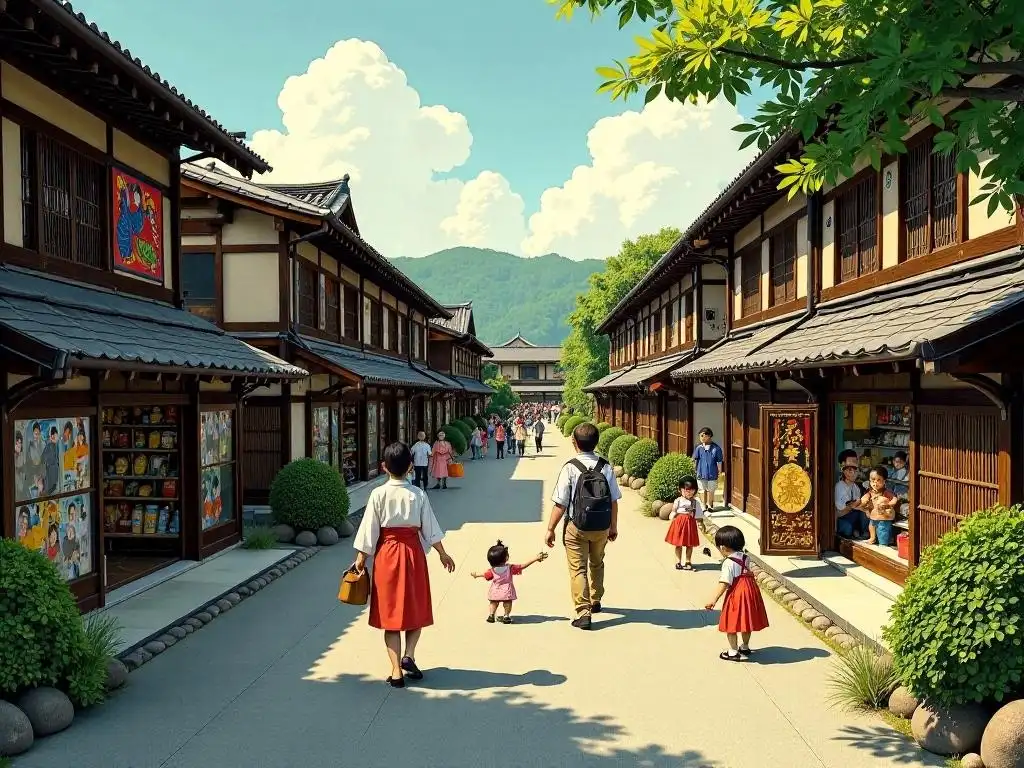
Welcome to Feudal Japan History! Embark on a captivating journey through the intricate tapestry of Japan’s feudal era, where the echoes of the past resonate in every alley and structure. In our featured article, “The Tokugawa Shogunate and Urbanization: Changes in Edo and Beyond,” we unravel the dynamic transformations that shaped urban life under the Tokugawa Shogunate.
Discover how this pivotal period not only redefined cities like Edo but also laid the groundwork for modern Japan. Prepare to delve deeper into the political and cultural shifts that influenced society, and ignite your curiosity about the fascinating world of feudal Japan!
The Tokugawa Shogunate, lasting from 1603 to 1868, marks a transformative period in Japan's history characterized by profound political stability, economic growth, and significant urban development. This era saw the consolidation of power under the Tokugawa family, which established a centralized feudal system that not only reshaped Japan's political landscape but also catalyzed the growth of cities, particularly Edo.
As the shogunate enforced peace and order, various social, cultural, and economic changes flourished, leading to Edo becoming one of the largest cities in the world by the 18th century. This article delves into the intricate relationship between the Tokugawa Shogunate and urban development, with a focus on the evolution of Edo and its surrounding regions.
Introduction to the Tokugawa Shogunate
Overview of the Tokugawa Shogunate Era
The Tokugawa Shogunate, also known as the Edo period, was a time of remarkable stability following the tumultuous Sengoku period of warring states. Founded by Tokugawa Ieyasu, this era is often noted for its strict social hierarchy, isolationist foreign policies, and the flourishing of arts and culture. The shogunate implemented policies that promoted agricultural productivity and trade, which in turn spurred urban growth. As a result, cities like Edo, Osaka, and Kyoto became bustling centers of commerce and culture, significantly altering the landscape of Japanese society.
Key Figures in the Tokugawa Shogunate
Several influential figures shaped the course of the Tokugawa Shogunate. Key among them is Tokugawa Ieyasu, the founder, whose strategic prowess and political acumen laid the groundwork for a unified Japan. His successors, especially Tokugawa Iemitsu, further entrenched the shogunate's power and implemented policies that enhanced urban growth and cultural developments. Notable cultural figures, such as Murasaki Shikibu and Seami Motokiyo, also emerged during this period, contributing to the rich tapestry of Japanese literature and performing arts.
The Rise of Edo: A Center of Urban Development
Historical Context of Edo Before the Tokugawa Shogunate
Before the Tokugawa Shogunate, Edo was a small fishing village. Its strategic location near the Sumida River and its proximity to the coast made it an ideal site for trade. However, it was not until the late 16th century, when Tokugawa Ieyasu established his power base there, that Edo began its transformation into a major urban center.
Transformation of Edo into Japan's Capital
With the establishment of the Tokugawa Shogunate, Edo was designated as the political center of Japan, prompting extensive urban development. The shogunate invested heavily in infrastructure, including roads, bridges, and canals, facilitating trade and communication. By the mid-18th century, Edo had grown to house over a million residents, making it the largest city in the world at the time. This rapid urbanization was marked by the emergence of a vibrant merchant class, cultural innovations, and an intricate social structure that defined life in Edo and beyond.
As we explore the intertwining narratives of the Tokugawa Shogunate and urban development, the impact on Edo and its legacy will become increasingly evident, shaping not only the city itself but the entire nation of Japan.
Factors Driving Urban Development in the Tokugawa Era
The Tokugawa Shogunate, which lasted from 1603 to 1868, marked a significant period of transformation in Japan, particularly in urban development. Several factors contributed to this urbanization, shaping cities like Edo into vibrant centers of culture, commerce, and governance. Understanding these driving forces provides insight into how the Tokugawa era laid the foundation for modern Japan.
Economic Policies and Trade Expansion
One of the primary factors behind urban development during the Tokugawa Shogunate was the implementation of strategic economic policies. The Shogunate established a stable political environment that encouraged trade and commerce.
- Sakoku Policy: The isolationist Sakoku policy (1635) limited foreign trade to certain ports, yet it also allowed for robust domestic trade among the feudal domains (han). This policy promoted the growth of local economies and inter-domain commerce, significantly boosting urban centers like Edo.
- Market Regulation: The Shogunate regulated markets to ensure fair trade practices. This regulation helped foster a competitive environment where merchants could thrive, leading to the development of bustling marketplaces in urban areas.
- Taxation and Revenue: The Shogunate's taxation system, which included land taxes and merchant taxes, funded public works and infrastructure improvements, further enhancing urban growth.
These economic policies contributed to the prosperity of cities and established Edo as the political and cultural capital of Japan.
Infrastructure Improvements: Roads and Transportation
Infrastructure development was crucial in facilitating urbanization during the Tokugawa era.
- The Five Routes: The Tokugawa Shogunate established five major highways connecting Edo with other regions, including the Tōkaidō, which linked Edo to Kyoto. These roads enabled the efficient movement of goods and people, promoting trade and travel.
- Post Towns: Along these routes, post towns (shukuba) developed, providing rest stops and services for travelers. This network contributed to the growth of urban areas by connecting rural regions to the cities.
- River Transportation: The extensive use of rivers for transportation also played a vital role. Edo, situated at the confluence of major rivers, became a hub for shipping goods, which supported local commerce and craft industries.
These improvements in infrastructure not only facilitated trade but also made urban life more accessible and interconnected.
Population Growth and Its Impact on Urban Life
The combination of economic prosperity and improved infrastructure led to significant population growth in urban areas, particularly in Edo.
- Migration to Cities: Many people moved from rural areas to cities in search of better economic opportunities. This influx of migrants contributed to the urban population boom, with Edo's population reaching over a million by the mid-18th century, making it one of the largest cities in the world at the time.
- Urban Challenges: The rapid population growth presented challenges, including housing shortages and sanitation issues. However, it also led to the emergence of diverse neighborhoods and a dynamic urban culture, where various social classes coexisted.
- Social Mobility: The growth of urban centers offered opportunities for social mobility, particularly for the emerging merchant class, which began to assert influence over the traditional samurai and aristocratic classes.
This demographic shift fundamentally transformed urban life, laying the groundwork for Japan's modern societal structure.
Cultural Changes Influencing Urbanization
Cultural shifts during the Tokugawa era significantly impacted urbanization, contributing to the development of a unique urban identity.
The Role of Arts and Entertainment in Edo
Edo became a cultural epicenter during the Tokugawa period, with arts and entertainment playing a central role in urban life.
- Theatrical Arts: Kabuki and bunraku (puppet theater) flourished, attracting large audiences and fostering a vibrant entertainment landscape. These art forms not only entertained but also reflected and shaped societal values and norms.
- Literature and Publishing: The rise of popular literature, particularly ukiyo-zōshi (floating world novels), catered to the growing urban populace. The publishing industry thrived, enhancing cultural literacy and urban culture.
- Culinary Arts: The development of food culture, including street food and specialty restaurants, added to the urban experience, making dining a significant aspect of life in Edo.
These cultural developments contributed to a sense of community and identity among urban residents.
The Emergence of the Merchant Class and Their Influence
The rise of the merchant class during the Tokugawa period played a pivotal role in urbanization and economic growth.
- Wealth Accumulation: Merchants gained substantial wealth through trade, often surpassing the traditional samurai class in financial power. This shift changed social dynamics as merchants began to invest in urban infrastructure and cultural projects.
- Consumer Culture: With increased disposable income, the urban population began to demand luxury goods and services, leading to a burgeoning consumer culture. This demand spurred economic activity and the establishment of various businesses and crafts.
- Social Status: The merchant class began to assert influence in society, contributing to the decline of the samurai's traditional dominance. This shift redefined social hierarchies and contributed to the overall urbanization process.
The merchant class not only drove economic growth but also played a crucial role in shaping urban culture and identity.
Religious and Philosophical Shifts in Urban Settings
The Tokugawa era also witnessed significant religious and philosophical changes that influenced urban life.
- Buddhism and Shinto: The Shogunate promoted Buddhism and Shinto as central components of Japanese culture, leading to the establishment of temples and shrines in urban areas. These spiritual centers became focal points for community gatherings and cultural events.
- Confucianism: The adoption of Confucian ideals emphasized education, moral governance, and social harmony, which resonated with urban residents. This philosophical framework influenced social conduct and the organization of urban communities.
- Civic Engagement: The urban population became increasingly engaged in community affairs, often organizing festivals and events that blended religious and cultural practices. This engagement fostered a sense of belonging and identity among urban residents.
These religious and philosophical shifts enriched urban life, contributing to the cultural tapestry of Tokugawa cities.
Urban Planning and Architecture in Edo
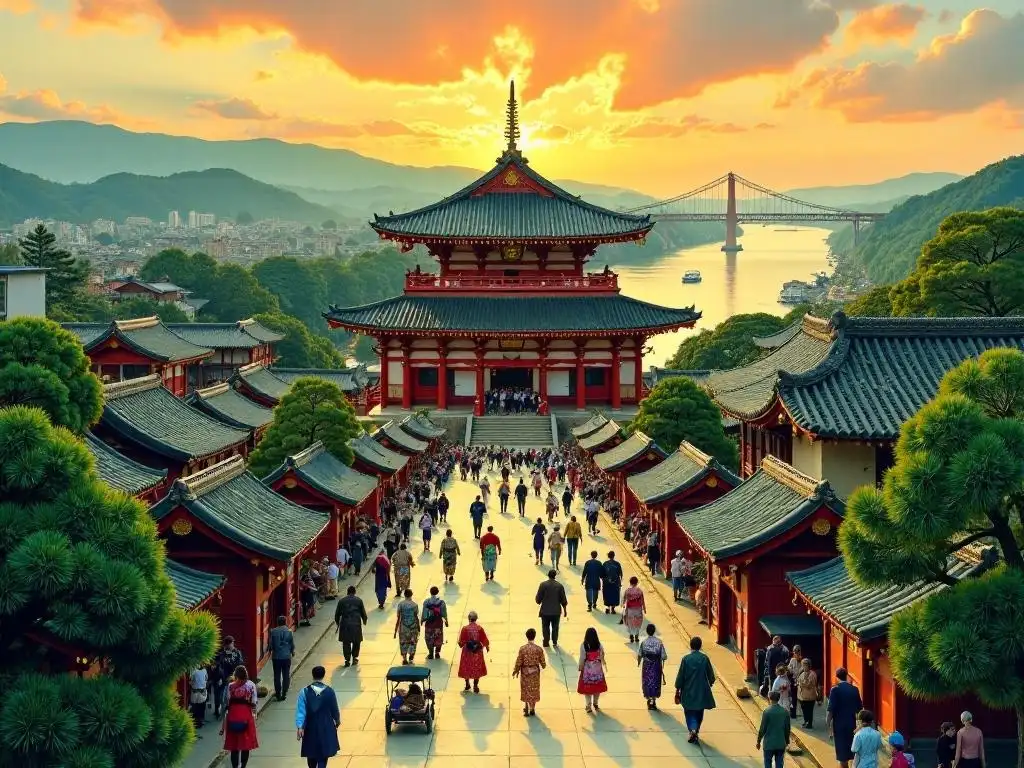
Edo, the capital of the Tokugawa Shogunate, underwent significant urban development that transformed it into one of the largest cities in the world during the early modern period. The careful planning and architectural advancements in Edo set a precedent for urban development in Japan. The city was strategically positioned along the Sumida River, which facilitated trade and communication. As the shogunate prioritized stability and security, urban planning in Edo reflected these values, resulting in a well-organized city layout that catered to various social classes while promoting economic growth.
The urban planning of Edo emphasized functionality, aesthetics, and accessibility. Streets were designed in a grid pattern, which simplified navigation and contributed to efficient transport of goods and people. The incorporation of green spaces, such as parks and gardens, provided residents with recreational areas, enhancing the quality of urban life. Additionally, the architecture of Edo was characterized by wooden structures, which not only showcased traditional Japanese craftsmanship but also allowed for flexibility and adaptability in the face of natural disasters, such as earthquakes.
Layout and Design of Edo: A Model for Urban Development
Edo's layout was a remarkable example of urban design that prioritized both defense and commerce. The city was divided into distinct districts, each serving specific purposes. The central area housed the shogunate's government buildings, while residential neighborhoods were allocated for the samurai class and merchants.
Key features of Edo's design included:
- Moat and Walls: Surrounding the city, these structures ensured security against potential threats.
- Main Thoroughfares: Wide roads connected important districts, facilitating trade and movement.
- Zoning: The separation of residential, commercial, and administrative areas minimized conflict between different social classes and activities.
This model of urban design influenced the layout of subsequent Japanese cities, showcasing the Tokugawa Shogunate's commitment to creating functional and harmonious urban environments.
Key Architectural Styles and Their Significance
Edo's architectural landscape was diverse, with several styles emerging that reflected the city's cultural and social dynamics. Among the main architectural styles were:
- Sukiya-zukuri: This style emphasized simplicity and natural materials, often seen in tea houses and residential buildings. It embodied the aesthetic principles of wabi-sabi, which celebrates imperfection and transience.
- Shinmei-zukuri: Characterized by its use of pure and symmetrical forms, this style was prevalent in religious structures such as shrines. It represented the spiritual connection of the people to their environment.
- Giyōfū: This Western-influenced style emerged later in the period, showcasing the blending of traditional Japanese architecture with foreign elements, symbolizing the openness of Edo to new ideas.
These architectural styles not only served functional purposes but also contributed to the cultural identity of Edo, illustrating the interplay between tradition and innovation during the Tokugawa period.
Comparison of Edo's Urban Layout with Other Japanese Cities
When compared to other contemporary Japanese cities, Edo's urban layout was notably more systematic and expansive. Unlike Kyoto, which retained a more traditional and organic development pattern reflecting its imperial history, Edo was planned with a focus on commerce and governance.
Key comparisons include:
- Kyoto: Known for its historical significance, Kyoto's streets were often narrow and winding, lacking the grid pattern that characterized Edo.
- Osaka: As a commercial hub, Osaka shared similarities with Edo in terms of economic focus, yet its urban design was less rigid, leading to a more chaotic layout.
- Nara: With its ancient temples, Nara's urban layout was heavily influenced by spiritual considerations, contrasting with Edo's pragmatic focus on security and commerce.
Edo's unique approach to urban planning not only facilitated rapid population growth but also established it as a blueprint for future urban centers in Japan.
The social structure of urban Edo was intricate, reflecting the values and hierarchies of the Tokugawa Shogunate. The city was home to a diverse population, with interactions among various social classes shaping the cultural and economic landscape.
The rigid class system defined societal roles and expectations, influencing daily life and interactions within the urban environment. The dynamics between the ruling samurai, the emerging merchant class, and the farmers who supplied goods were complex, resulting in both collaboration and tension.
The Four Main Social Classes and Their Roles
The Tokugawa society was stratified into four main classes, each with distinct roles:
- Samurai: As the ruling elite, samurai were responsible for maintaining law and order. They lived in designated areas of the city and enjoyed privileges, including stipends from the shogunate.
- Farmers: Considered the backbone of society, farmers provided essential food supplies. While they lived primarily in rural areas, many traveled to Edo for trade, contributing to the urban economy.
- Artisans: Skilled craftsmen played a crucial role in urban development, creating goods and services that supported the growing population. Their neighborhoods were often characterized by workshops and marketplaces.
- Merchants: This class thrived in Edo, benefiting from the city's commercial activities. Although initially looked down upon, merchants gained wealth and influence, leading to a shift in social dynamics.
This hierarchical structure dictated interactions and relationships among the classes, with the samurai maintaining authority while the merchants gradually gained economic power.
Interactions Between Samurai, Merchants, and Farmers
Interactions among the different classes in Edo were characterized by a mix of cooperation and competition. Samurai often relied on merchants for goods and services, leading to a complex relationship where economic dependency existed alongside social hierarchy.
- Trade and Commerce: Merchants played a vital role in the economic life of Edo, engaging in trade that supported the samurai's lifestyle. In return, samurai provided protection and stability.
- Cultural Exchange: The interactions among classes fostered cultural developments, with merchants patronizing artisans and encouraging the proliferation of unique arts and crafts.
- Tensions: Despite interdependence, tensions often arose, particularly as merchants began to accumulate wealth and challenge the traditional authority of the samurai. This dynamic foreshadowed significant social changes in the later periods of Japanese history.
The interactions in urban Edo thus illustrate the complex social fabric of the Tokugawa era, where economic interests often transcended rigid class boundaries.
The Emergence of a New Urban Middle Class
As Edo thrived, a new urban middle class emerged, primarily composed of merchants and skilled artisans. This class played a transformative role in shaping urban culture and society.
- Economic Influence: The wealth accumulated by merchants allowed them to invest in businesses and properties, granting them a foothold in the economy and a voice in civic affairs.
- Cultural Developments: The urban middle class became patrons of the arts, leading to a flourishing of cultural practices such as kabuki theater, ukiyo-e prints, and literature, which reflected their values and aspirations.
- Social Mobility: This class challenged the rigid social hierarchies of the time, as wealth began to correlate with power, leading to shifts in societal norms and the eventual questioning of the established order.
The emergence of this new urban middle class marked a significant development in the socio-economic landscape of Edo, setting the stage for the dramatic transformations that would follow in modern Japanese history.
Challenges Faced by Urban Centers During the Tokugawa Shogunate
The Tokugawa Shogunate, which spanned from 1603 to 1868, marked a significant period of urbanization in Japan, particularly in its capital, Edo (modern-day Tokyo). However, this rapid urban growth brought about numerous challenges that the governance struggled to address effectively. These challenges not only shaped the experience of city life during this era but also laid the groundwork for future urban developments in Japan.
Overpopulation and Its Consequences
The population of Edo swelled dramatically during the Tokugawa era, reaching over one million by the mid-18th century. This explosion in population can be attributed to factors such as the relative peace established by the shogunate, which led to increased agricultural productivity and migration from rural areas to urban centers in search of better economic opportunities.
The consequences of this rapid urbanization were profound. Overpopulation led to a strain on resources, including housing, food, and public services. Many residents lived in cramped conditions, increasing the risk of fires, which were common in Edo. The lack of adequate housing and infrastructure resulted in a significant disparity between the wealthy elite and the impoverished urban masses, contributing to social tensions and unrest within the city.
Sanitation and Public Health Issues
With the burgeoning population, sanitation became a critical issue in Edo and other urban centers. The rapid increase in residents led to inadequate waste management systems, which resulted in unsanitary living conditions. Open sewers and contaminated water supplies were common, exacerbating public health crises.
Epidemics of diseases such as cholera and smallpox were frequent, leading to high mortality rates. The shogunate struggled to implement effective public health measures, often relying on traditional practices and local governance to address these challenges. Despite some attempts to improve sanitation, such as the establishment of designated waste disposal areas, the overall public health situation remained precarious throughout much of the Tokugawa period.
Natural Disasters and Urban Resilience
Edo was not only challenged by human-induced issues but also by natural disasters. Earthquakes, fires, and floods regularly impacted the city, testing its resilience. The Great Ansei Earthquake of 1855, for instance, caused widespread destruction and loss of life, leading to significant rebuilding efforts.
In response to these disasters, urban planning and construction techniques evolved. The Tokugawa Shogunate implemented measures to improve fire prevention, such as regulating building materials and establishing firebreaks. Additionally, the community played a vital role in disaster recovery, demonstrating a strong sense of resilience and cooperation among Edo's residents. These experiences would influence future urban planning strategies in Japan, emphasizing the importance of disaster preparedness.
Legacy of the Tokugawa Shogunate on Modern Urbanization
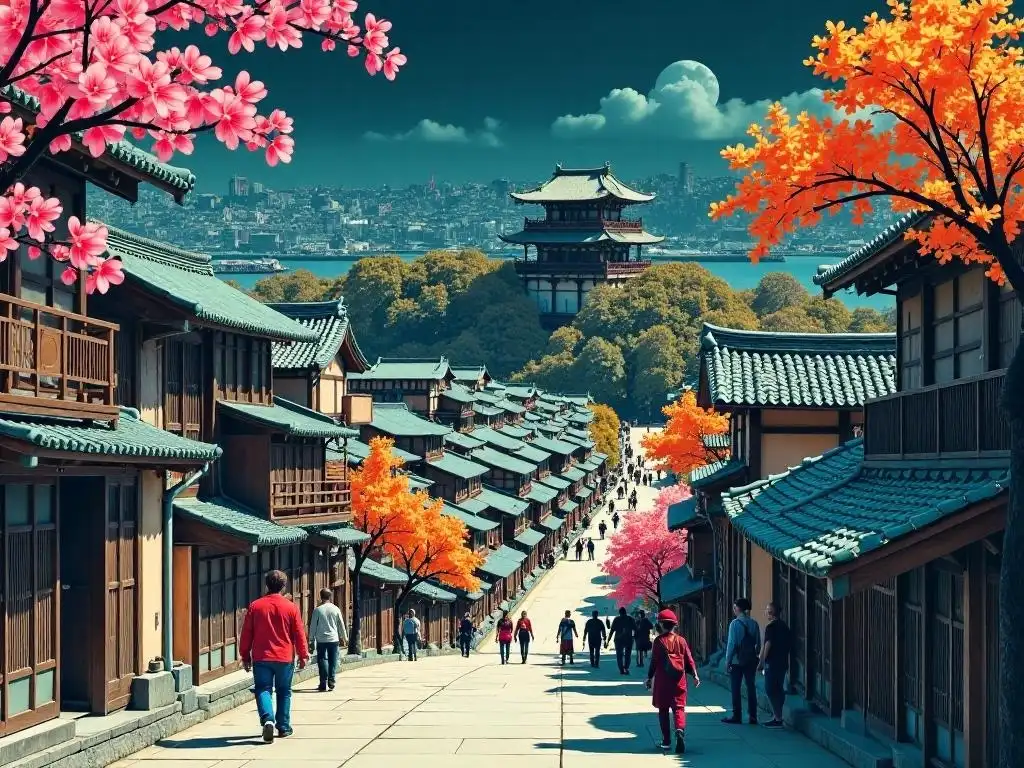
The Tokugawa Shogunate's era of urbanization left a profound legacy on Japan's urban landscape that can still be observed today. The experiences and challenges faced during this period shaped the evolution of urban planning and development in modern Japan.
The Enduring Influence of Edo's Urban Design
Edo's urban design has had a lasting influence on contemporary Japanese cities. The city's layout, characterized by a hierarchical structure with a central castle and surrounding neighborhoods, established a model for urban organization. The focus on accessibility and the integration of natural elements, such as parks and rivers, has resonated in modern urban planning.
Moreover, Edo's development of public spaces, such as markets and temples, laid the groundwork for modern public infrastructure. The emphasis on community engagement in urban governance during the Tokugawa period has also influenced contemporary approaches to city planning, promoting participatory development.
Continuities and Changes in Japanese Urban Development Post-Tokugawa
Following the fall of the Tokugawa Shogunate in 1868 and the subsequent Meiji Restoration, Japan underwent rapid modernization and industrialization. While many aspects of urban life transformed during this period, certain continuities from the Tokugawa era remained evident.
For instance, the concept of urban zoning, which began to solidify during the Tokugawa period, continued to evolve in modern cities. However, the Meiji era also introduced Western urban planning influences, leading to a blend of traditional Japanese design and modern architectural styles. This duality can be seen in contemporary Japanese cities, where historical elements coexist alongside modern infrastructure.
Lessons Learned from the Tokugawa Shogunate Urban Experience
The challenges and responses to urbanization during the Tokugawa Shogunate offer critical lessons for contemporary urban development. The importance of sustainable urban planning, effective public health measures, and community resilience remains relevant in today's rapidly urbanizing world.
As cities continue to grow, the need for comprehensive waste management, disaster preparedness, and inclusive urban policies is paramount. The Tokugawa experience underscores the value of integrating historical insights into modern practices, fostering environments that are not only functional but also culturally and socially cohesive. Through understanding the past, planners and policymakers can create urban spaces that honor historical legacies while addressing contemporary needs.
Conclusion
The Tokugawa Shogunate marked a significant period in Japan's history, characterized by profound urbanization and transformation, particularly in Edo. The policies and governance established by the Tokugawa regime not only shaped the political landscape but also facilitated a remarkable evolution of urban life. As the capital city, Edo became a focal point for cultural exchange, commerce, and social stratification, reflecting the intricate dynamics of feudal Japan. The urban development during this era laid the groundwork for modern Japanese society, establishing patterns of urban living and governance that continue to resonate today.
Summary of Key Points on Tokugawa Shogunate Urban Development
- Edo as a Cultural Hub: Edo evolved into one of the world's largest cities, with a diverse population that fostered a rich cultural scene, including theater, literature, and art.
- Infrastructure Advancements: The Tokugawa Shogunate invested in infrastructure, such as roads and waterways, enhancing transportation and facilitating commerce.
- Social Hierarchy: The urban landscape reflected a rigid social structure, with samurai, merchants, and artisans occupying distinct roles, contributing to a vibrant economy.
- Economic Growth: The era witnessed the rise of a merchant class, driven by increased trade and the development of markets, which contributed significantly to Edo's prosperity.
- Public Spaces: The creation of parks, temples, and public marketplaces transformed Edo into a place that balanced urban density with communal and recreational spaces.
The Importance of Edo's Transformation in Japanese History
Edo's transformation during the Tokugawa Shogunate represents a critical chapter in Japanese history, illustrating the shift from a feudal society to a more urbanized and interconnected community. This period laid the foundations for Japan's modernization in the Meiji era, as the infrastructure, social systems, and economic practices established during the Tokugawa period influenced subsequent developments.
Edo's urbanization served as a model for other cities, demonstrating the potential for urban life to adapt and thrive within a complex socio-political framework. Additionally, the cultural innovations that emerged during this time continue to inform and enrich Japanese identity, making Edo's transformation an essential subject of study for understanding Japan's historical trajectory.
References
Suggested Further Reading on Tokugawa Shogunate and Urbanization
- "Japan's Early Modern History: 1600-1868": by William G. Beasley. This comprehensive book explores the political, social, and economic aspects of Japan's early modern period, with a focus on the Tokugawa Shogunate.
- "Edo: The City That Became Tokyo": by Hiroshi Watanabe. This work provides an in-depth look at the development of Edo, highlighting its significance in Japanese urban history.
- "Urbanization in Japan: Historical Perspectives": by Takashi Kawai. This book discusses urban growth in Japan, particularly during the Tokugawa era, and examines its lasting impact on contemporary society.
Key Academic Sources on Edo's Urban Development
- "The Urban History of Edo" by Eiko Ikegami. This scholarly article delves into the urban planning and social dynamics that shaped Edo during the Tokugawa period.
- "Commerce and Culture in Edo Japan" by Peter Nosco. This research highlights the interplay between economic practices and cultural developments in Edo, providing insights into urban life.
- "The Tokugawa Shogunate and the Rise of the Merchant Class" by David L. Swain. This study analyzes the socio-economic transformations that occurred during the Tokugawa era, focusing on the emergence of a powerful merchant class in Edo.
- Introduction to the Tokugawa Shogunate
- The Rise of Edo: A Center of Urban Development
- Factors Driving Urban Development in the Tokugawa Era
- Cultural Changes Influencing Urbanization
- Urban Planning and Architecture in Edo
- Social Structure and Class Dynamics in Urban Edo
- Challenges Faced by Urban Centers During the Tokugawa Shogunate
- Legacy of the Tokugawa Shogunate on Modern Urbanization
- Conclusion
- References
- What was the Tokugawa Shogunate's impact on urban development in Japan?
- How did the urbanization during the Tokugawa period affect society?
- What were the key features of Edo's urban development?
- How did cultural aspects evolve in urban centers during the Tokugawa Shogunate?
- What role did trade play in the urbanization of the Tokugawa period?
Frequently Asked Questions
What was the Tokugawa Shogunate's impact on urban development in Japan?
The Tokugawa Shogunate significantly influenced urbanization, particularly in Edo, transforming it into one of the largest cities in the world during its time, with advancements in infrastructure and commerce.
How did the urbanization during the Tokugawa period affect society?
During this period, urbanization led to the emergence of a new merchant class, changes in social hierarchies, and greater cultural exchanges, shaping the social fabric of Japan.
What were the key features of Edo's urban development?
Edo was characterized by innovative urban planning, including canals, roads, and public spaces that facilitated trade, improved transportation, and enhanced the overall quality of life for its inhabitants.
How did cultural aspects evolve in urban centers during the Tokugawa Shogunate?
The period saw a flourishing of arts and culture, with theater, literature, and visual arts thriving in urban centers, reflecting the dynamic society that urbanization created.
What role did trade play in the urbanization of the Tokugawa period?
Trade was a driving force behind urbanization, as it led to increased economic activity, the growth of markets, and the establishment of commercial districts, significantly shaping urban life.
Final Reflection: The Enduring Legacy of Tokugawa Shogunate Urban Development
The Tokugawa Shogunate's influence on urban development remains profoundly relevant today as we navigate the complexities of modern city life. The transformation of Edo into a bustling metropolis not only reshaped the social and economic landscape of Japan but also set a precedent for urban planning that resonates in contemporary society. As we face challenges such as overcrowding, sustainability, and cultural preservation, the lessons learned from this pivotal era in Japanese history become increasingly significant.
Cultural and social dynamics during the Tokugawa period have left an indelible mark on Japan's identity and continue to influence urbanization across the globe. The intricate balance of tradition and innovation seen in Edo serves as a reminder of the potential for cities to evolve while honoring their heritage. Cities are the greatest creations of humanity, and they reflect our values, aspirations, and struggles.
This quote encapsulates the ongoing dialogue about urban development, urging us to consider how we can build cities that are not only functional but also enriching to the human experience.
As we reflect on the lessons of the Tokugawa Shogunate, I invite you to consider your own relationship with urban spaces. How can you contribute to the development of your community in a way that honors its history while embracing the future? Whether through advocating for sustainable practices, supporting local culture, or engaging in community planning, each of us has the power to shape the urban landscape. Let us take inspiration from the past to create vibrant, inclusive, and resilient cities for generations to come.
Unveil the Legacy: Transform Your Understanding of Edo's Urban Evolution!
Thank you for diving into the fascinating world of the Tokugawa Shogunate and the vibrant urbanization of Edo! Your interest in this pivotal era has undoubtedly deepened your appreciation for how history shapes our modern landscape. Now, it's time to take the insights you've gained and turn them into action!
- Explore further: Discover more about Edo's dynamic culture by visiting local museums or virtual exhibits that showcase its historical significance.
- Join a conversation: Share your thoughts and discuss the impact of urbanization in Edo with fellow history enthusiasts on our community forum.
- Experience history: Consider trying your hand at a traditional recipe from Edo or participating in an event that brings this remarkable period to life.
What aspect of Edo's transformation intrigues you the most, and how do you think it influences our cities today? Let's discuss!