
The Influence of Seasonal Markets on Feudal Japan’s Commerce

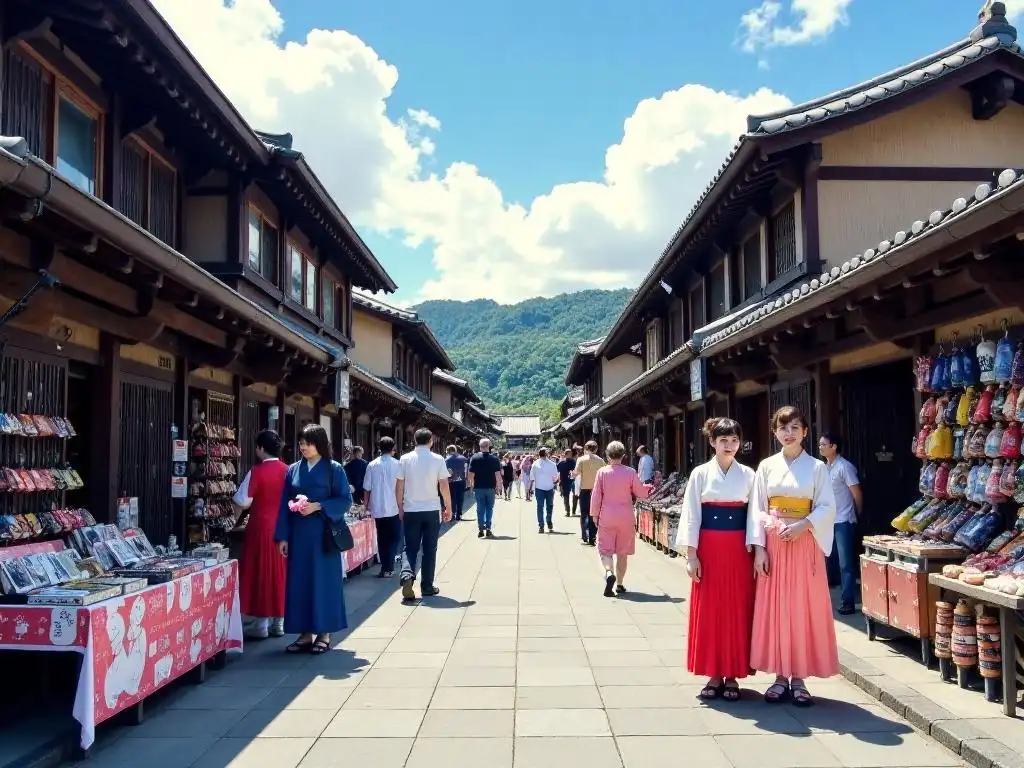
Welcome to Feudal Japan History, where we invite you to embark on a captivating journey through the intricate tapestry of Japan’s feudal era. Delve into the dynamic world of seasonal markets in feudal Japan, a fascinating aspect that shaped commerce and culture alike. Discover how these vibrant marketplaces not only fueled the economy but also fostered social connections and cultural exchanges. Are you ready to uncover the secrets of this bustling historical phenomenon? Join us as we explore the profound influence of seasonal markets on the fabric of feudal society!
Introduction to Seasonal Markets in Feudal Japan
The concept of seasonal markets played a crucial role in shaping the economic landscape of feudal Japan, acting as vital hubs of trade and commerce during a time when the country was characterized by a complex social hierarchy and a predominantly agrarian economy. These markets, often held in conjunction with local festivals or agricultural cycles, not only facilitated the exchange of goods but also fostered community ties and cultural exchange. The intricate dynamics of these seasonal markets reveal much about the broader economic practices of the era, highlighting how commerce adapted to the rhythms of nature and society.
Understanding the significance of seasonal markets in feudal Japan allows us to appreciate their influence on local economies, social structures, and even the political landscape of the time. By examining these markets, we can gain insights into the ways in which commerce was interwoven with the cultural and agricultural practices of feudal Japan, showcasing the multifaceted nature of its economic history.
Definition of Seasonal Markets
Seasonal markets, known as “shukuba” or “eki” in Japanese, were temporary trading sites that operated at specific intervals throughout the year, typically aligned with agricultural cycles or local festivals. These markets served as platforms where farmers, artisans, and merchants came together to buy and sell a variety of goods, ranging from agricultural produce to crafted items. The markets were not merely about commerce; they were vibrant social gatherings that reinforced community bonds.
Key features of seasonal markets include:
- Timing: Markets were often held after harvests or during festival periods.
- Location: Typically situated near temples or along trade routes to maximize attendance.
- Diversity of Goods: A wide range of products, including food, textiles, and tools, were available.
Importance of Seasonal Markets in Feudal Japanese Society
The significance of seasonal markets extended beyond mere transactions; they were crucial for the social fabric of feudal Japan. These markets provided opportunities for local farmers and merchants to interact, share news, and engage in social activities, thus strengthening community ties.
Moreover, seasonal markets contributed to the economic stability of local regions by:
- Facilitating Trade: They allowed for the exchange of surplus goods and the acquisition of necessary items not produced locally.
- Supporting Local Economies: By generating income for local artisans and traders, these markets played a key role in sustaining the livelihoods of many families.
- Cultural Exchange: Seasonal markets often coincided with festivals, allowing for the exchange of ideas, traditions, and practices among different communities.
Historical Context of Commerce in Feudal Japan
To fully appreciate the impact of seasonal markets, it is essential to understand the broader historical context of commerce in feudal Japan. The period from the late 12th century to the mid-19th century was marked by a distinct economic structure that shaped trade practices and social interactions.
Overview of Feudal Japan’s Economic Structure
Feudal Japan's economy was primarily agrarian, relying heavily on rice cultivation, which served as both a staple food and a form of currency. The economic structure was hierarchical, with landowners (daimyō) dominating the agricultural landscape, while peasants worked the land. This system generated a surplus of goods that facilitated trade.
Key characteristics of the economic structure include:
- Land Ownership: Wealth was concentrated among the ruling class, influencing trade dynamics.
- Barter System: Currency was often limited, leading to the reliance on barter for trade.
- Regional Specialization: Different regions specialized in certain products, fostering inter-regional trade.
Key Players in Feudal Japan’s Trade System
The trade system in feudal Japan was composed of various key players, each contributing to the functioning of seasonal markets and overall commerce:
- Farmers: The backbone of the economy, responsible for producing the goods sold at markets.
- Artisans: Skilled workers who created tools, textiles, and other goods, enhancing the variety available at markets.
- Merchants: Facilitators of trade who connected different regions and played a vital role in distributing goods.
The interplay between these groups not only shaped the seasonal markets but also influenced the overall economic stability and cultural evolution of feudal Japan, illustrating the complex relationship between commerce and society during this fascinating historical period.
Characteristics of Seasonal Markets
Seasonal markets in feudal Japan were vibrant hubs of commerce that thrived during specific times of the year, influenced by agricultural cycles and festive occasions. These markets were characterized by their temporary nature, often set up in designated areas such as village squares or near temples, and they typically operated for a few days to a week. The bustling atmosphere was enhanced by the sight and sound of merchants showcasing a variety of goods, from fresh produce to handcrafted items.
The items sold at these markets varied widely, reflecting the local agricultural output and artisan skills. Seasonal markets not only provided a platform for trading goods but also served as social gathering points where communities came together to celebrate and exchange information. The markets were marked by a festive ambiance, with traditional music and food stalls, creating a cultural tapestry that went beyond mere economic transactions. The unique attributes of these markets allowed them to play a crucial role in the socio-economic dynamics of feudal Japan.
Types of Seasonal Markets in Feudal Japan
Feudal Japan saw the emergence of various types of seasonal markets, each serving distinct functions based on local customs and economic needs. Some of the most notable types included:
- Agricultural Markets: These were typically held during harvest seasons, allowing farmers to sell surplus crops directly to consumers. Common products included rice, vegetables, and fruits, which were essential for local diets.
- Festival Markets: Linked to religious or seasonal festivals, these markets featured not only food and agricultural products but also crafts and goods related to the festival theme. They attracted larger crowds due to the festive atmosphere and were often accompanied by traditional performances.
- Crafts and Goods Markets: Focusing on handicrafts, these markets showcased items produced by local artisans. This included textiles, pottery, and metalwork, providing a means for craftsmen to reach a broader audience and sell their creations.
- Specialty Markets: Some markets specialized in specific goods such as fish or textiles, often held in coastal regions or urban centers where demand for such products was higher. These markets catered to both local needs and long-distance traders looking for unique items.
The diversity of seasonal markets reflects the agricultural and cultural richness of feudal Japan, highlighting the interconnectedness of local economies with broader trade networks.
Seasonal Cycles and Their Impact on Trade
The seasonal cycles had a profound impact on trade in feudal Japan, influencing both the timing and nature of market activities. The agricultural calendar dictated when crops were planted, harvested, and sold, directly correlating to the types of goods available in seasonal markets. For instance, rice harvests would typically lead to increased market activity in late autumn, as farmers sought to sell their surplus before winter.
Moreover, the seasons affected transportation and trade routes. During the rainy season, for instance, rivers would swell, making it easier to transport goods via waterways, which facilitated trade between regions. Conversely, harsh winters could limit access to markets, leading to a dependency on seasonal cycles for economic stability.
Seasonal festivals also played a significant role, as they were often timed to coincide with agricultural events. This synchronization encouraged community participation and stimulated economic activity, as people traveled from neighboring villages to participate in the festivities and trade at the markets. Overall, the interplay between seasonal cycles and trade contributed to the economic rhythm of feudal Japan, fostering a culture of commerce that was both dynamic and interconnected.
The Role of Seasonal Markets in Regional Trade
Seasonal markets were pivotal in shaping regional trade dynamics in feudal Japan, acting as conduits for the exchange of goods and services between local communities and distant regions. They provided an essential platform for the distribution of agricultural products, allowing surplus from rural areas to reach urban centers where demand was higher.
The importance of these markets extended beyond mere trade; they also facilitated the movement of ideas, cultural practices, and social interactions among diverse groups. This interaction among merchants, farmers, and artisans not only enriched the local economy but also contributed to a shared cultural identity across regions.
Local vs. Long-Distance Trade in Feudal Japan
In feudal Japan, seasonal markets primarily supported local trade, enabling farmers and artisans to sell their products directly to consumers within their communities. This local trade was crucial for sustaining village economies and ensuring that essential goods were available to residents.
However, these markets also acted as gateways for long-distance trade. Merchants from distant regions would travel to seasonal markets to access local goods that were not available in their own areas. For instance, a merchant from a coastal region might visit an inland market to acquire agricultural products, while local farmers could exchange their goods for specialty items such as textiles or ceramics. This interaction fostered a network of trade that spanned across the archipelago, connecting various regions and contributing to the overall economic growth of feudal Japan.
How Seasonal Markets Facilitated Regional Economic Exchange
Seasonal markets played a critical role in facilitating regional economic exchange by providing a structured environment for trade. They allowed for the efficient distribution of goods, enabling producers to reach a larger customer base and consumers to access a wider variety of products. The regularity of these markets created a sense of predictability that encouraged participation from both buyers and sellers.
Additionally, the markets served as venues for the exchange of information regarding agricultural practices, market trends, and pricing, which were vital for the economic decision-making of local producers. This information sharing enhanced the overall efficiency of the trade system, enabling communities to adapt to changing market conditions.
The impact of seasonal markets extended beyond economics; they fostered social ties and strengthened community bonds. By bringing together individuals from various backgrounds, these markets played a crucial role in promoting regional identity and cooperation, making them indispensable to the economic and social fabric of feudal Japan.
Cultural Significance of Seasonal Markets
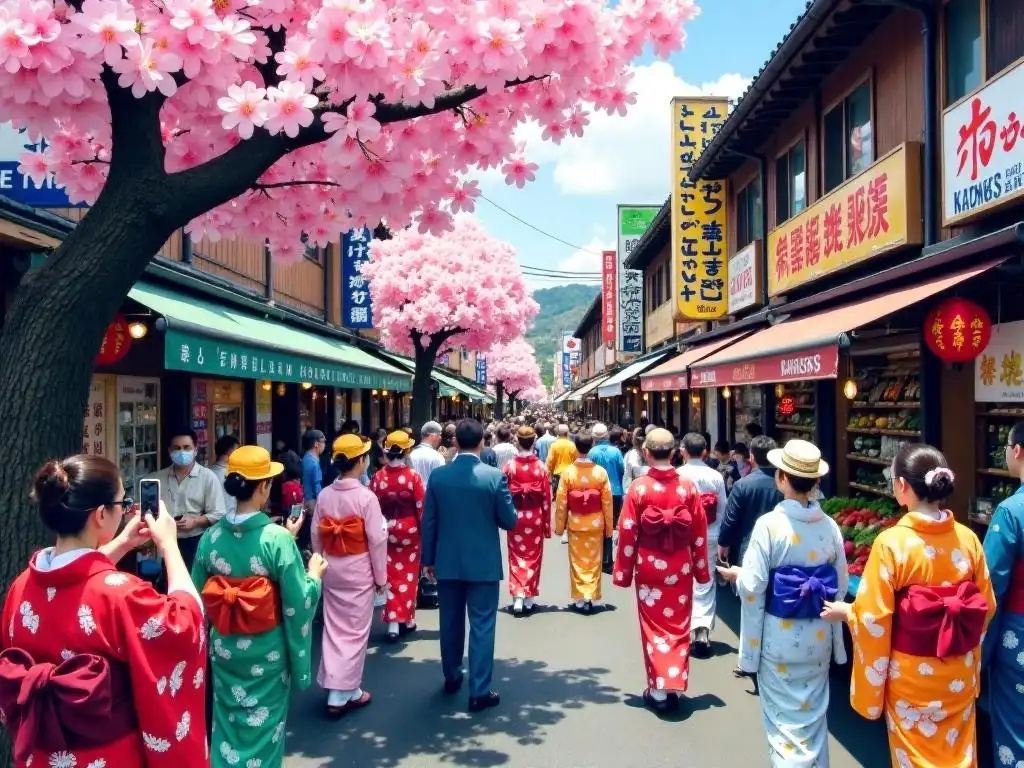
Seasonal markets in feudal Japan were more than mere trading venues; they were vibrant cultural hubs that reflected the traditions and customs of local communities. These markets not only facilitated the exchange of goods but also acted as a stage for the display of cultural identity and social cohesion. People from various regions would gather to celebrate seasonal changes, showcasing their unique crafts, foods, and performances.
The markets often coincided with agricultural cycles, allowing farmers to sell their harvests and artisans to present seasonal specialties. This connection between commerce and culture fostered a sense of community, as individuals would engage in social interactions, share stories, and participate in communal activities. The lively atmosphere created by seasonal markets enriched the cultural landscape of feudal Japan, strengthening communal bonds and preserving local traditions.
Seasonal Festivals and Their Connection to Commerce
Seasonal festivals, or "matsuri," played a crucial role in the functioning of seasonal markets. These festivals were often rooted in Shinto and Buddhist beliefs, celebrating the changing seasons and honoring deities associated with agriculture and nature. During these occasions, markets would flourish as people flocked to participate in festivities, which included food stalls, games, and traditional performances.
The connection between these festivals and commerce was mutually beneficial. While festivals attracted large crowds, vendors capitalized on the influx of visitors to sell their goods, often featuring seasonal products that highlighted local agricultural outputs. For example, spring festivals would showcase fresh produce like strawberries and cherry blossom-themed items, while autumn markets might emphasize rice harvests and traditional sweets made from seasonal ingredients. This synergy between culture and commerce ensured that seasonal markets thrived and became integral parts of local economies.
The Influence of Seasonal Markets on Local Culture and Traditions
Seasonal markets influenced local culture and traditions by acting as platforms for the preservation and evolution of regional practices. As various communities came together during market days, they exchanged not only goods but also cultural knowledge, such as culinary techniques, artistic styles, and local lore. This exchange facilitated a blending of traditions, allowing communities to adapt and innovate while maintaining their unique cultural identities.
Moreover, seasonal markets often featured performances of traditional music, dance, and theater, which were essential in promoting local folklore and storytelling. These cultural expressions were deeply intertwined with the rhythm of life in feudal Japan, reinforcing social ties and providing a sense of belonging among community members. The ongoing evolution of these traditions, influenced by interactions at seasonal markets, ensured that cultural heritage was both preserved and dynamically adapted.
Economic Impact of Seasonal Markets
The economic impact of seasonal markets on feudal Japan was profound, as they served as vital nodes in the trade and distribution networks. By facilitating the exchange of goods between rural producers and urban consumers, these markets contributed significantly to the overall economic vitality of the region. The seasonal nature of these markets allowed for the efficient movement of surplus produce and artisanal goods, thereby enhancing local economies.
Seasonal Markets and Agricultural Production
Seasonal markets were directly linked to agricultural production, as they provided farmers with essential venues to sell their crops. The timing of these markets was typically aligned with harvest periods, allowing farmers to capitalize on the freshness of their produce. This relationship not only ensured that local populations had access to fresh food but also served as a barometer for agricultural success.
Farmers would often bring their best produce to the markets, which encouraged healthy competition and innovation in agricultural practices. As farmers sought to attract consumers, they would experiment with new crops and techniques, enhancing overall agricultural productivity. The resulting increase in agricultural output not only supported local economies but also contributed to the broader economic framework of feudal Japan.
The Effect of Seasonal Markets on Local Economies
The presence of seasonal markets had a substantial effect on local economies by stimulating trade and creating job opportunities. These markets attracted merchants, artisans, and consumers, fostering a bustling economic environment. The influx of visitors and traders often resulted in increased demand for various goods and services, leading to the growth of local businesses and the creation of new economic activities.
Additionally, seasonal markets promoted the development of infrastructure, such as roads and transportation systems, as towns sought to improve access for traders and consumers. This infrastructural growth further enhanced economic interactions, allowing for a more interconnected regional economy. As a result, seasonal markets played a pivotal role in shaping the economic landscape of feudal Japan, driving prosperity and supporting community resilience.
Challenges Faced by Seasonal Markets
Seasonal markets in feudal Japan were vital for local economies, offering unique opportunities for commerce and trade. However, these markets faced numerous challenges that affected their operations and sustainability. The geographical diversity of Japan, with its mountainous terrain and varying climate conditions, meant that the accessibility and viability of seasonal markets fluctuated greatly. Additionally, the reliance on agricultural cycles made these markets vulnerable to fluctuations in crop yields.
One of the most significant challenges was the impact of natural disasters. Typhoons, earthquakes, and flooding could devastate crops and disrupt trade routes, leading to shortages of goods and increased prices. Moreover, the economic disparities that existed among different regions often limited access to seasonal markets for certain communities, further complicating the landscape of trade during this period.
Natural Disasters and Their Impact on Seasonal Trade
Natural disasters posed a significant threat to the stability and functionality of seasonal markets in feudal Japan. The country's geographical layout made it prone to a variety of disasters, including typhoons, earthquakes, and floods. For instance, typhoons could wipe out harvests in a matter of hours, leading to a scarcity of produce at seasonal markets. This scarcity often resulted in inflated prices, making it difficult for lower-income citizens to afford basic necessities.
In the case of earthquakes, the infrastructure needed to support trade, such as roads and bridges, could be severely damaged, disrupting the flow of goods. Flooding could similarly affect market operations, rendering them inaccessible for extended periods. Such disruptions not only impacted local economies but also had ripple effects throughout the broader economic system, as markets relied heavily on the timely exchange of goods.
Economic Disparities and Access to Seasonal Markets
The economic landscape of feudal Japan was marked by significant disparities between regions, which directly affected access to seasonal markets. Wealthier regions, often with more productive agricultural output, had better access to seasonal markets, allowing them to benefit from trade. In contrast, poorer regions struggled to participate in these markets due to limited production and lack of resources.
These economic inequalities meant that while some communities thrived through robust trade at seasonal markets, others languished without access to vital goods and services. Furthermore, the samurai class and wealthy merchants often monopolized trade opportunities, further marginalizing less affluent farmers and artisans. This disparity hindered the overall growth of a cohesive economic structure in feudal Japan, as many communities were unable to fully participate in the benefits of seasonal markets.
Conclusion: The Legacy of Seasonal Markets in Feudal Japan’s Commerce
The legacy of seasonal markets in feudal Japan is multifaceted, reflecting both the vibrancy of local economies and the significant challenges they faced. These markets were not just venues for commerce; they were essential in shaping social interactions, cultural exchanges, and the flow of goods across regions. Despite the challenges posed by natural disasters and economic disparities, seasonal markets played a crucial role in sustaining and developing local economies.
Summary of Key Points
Seasonal markets were pivotal to the commerce of feudal Japan, providing critical economic opportunities for various communities. However, the challenges they faced, including natural disasters and economic disparities, greatly influenced their effectiveness and sustainability. The interplay between these factors not only shaped the economic landscape of the time but also laid the groundwork for future developments in trade and commerce.
Lasting Influence on Modern Japanese Commerce
The influence of seasonal markets in feudal Japan can still be observed in contemporary Japanese commerce. Modern markets often reflect the same principles of local sourcing and community engagement that characterized seasonal markets of the past. Additionally, the concept of seasonal festivals and markets continues to thrive in Japan today, celebrating regional products and fostering community ties. This enduring legacy underscores the importance of seasonal markets in Japan's historical and economic narrative, highlighting their role in shaping not only local economies but also the cultural identity of the nation.
- Introduction to Seasonal Markets in Feudal Japan
- Historical Context of Commerce in Feudal Japan
- Characteristics of Seasonal Markets
- The Role of Seasonal Markets in Regional Trade
- Cultural Significance of Seasonal Markets
- Economic Impact of Seasonal Markets
- Challenges Faced by Seasonal Markets
- Conclusion: The Legacy of Seasonal Markets in Feudal Japan’s Commerce
- What were seasonal markets in feudal Japan?
- How did seasonal markets impact the economy of feudal Japan?
- What types of goods were commonly traded at seasonal markets?
- How did seasonal markets influence social interactions in feudal Japan?
- Did seasonal markets have any cultural significance in feudal Japan?
Frequently Asked Questions
What were seasonal markets in feudal Japan?
Seasonal markets were temporary trading hubs that operated during specific times of the year, allowing farmers and merchants to exchange goods and services, boosting local economies.
How did seasonal markets impact the economy of feudal Japan?
These markets facilitated trade and commerce, enabling rural communities to engage with broader markets, which in turn stimulated economic growth and diversity in available goods.
What types of goods were commonly traded at seasonal markets?
At these markets, you could find a variety of goods, including agricultural products, handcrafted items, and other local specialties, reflecting the region's cultural and economic diversity.
Seasonal markets served as important social gathering points, where people could interact, share news, and strengthen community ties, contributing to the social fabric of feudal Japan.
Did seasonal markets have any cultural significance in feudal Japan?
Yes, they played a crucial role in the cultural exchange, showcasing local traditions, craftsmanship, and allowing for the spread of ideas and practices among different regions.
Final Reflection: The Enduring Legacy of Seasonal Markets in Feudal Japan
The intricate web of commerce woven through seasonal markets in feudal Japan continues to resonate in today's economic landscape. These markets were not merely places of trade; they were vibrant hubs of culture, community, and innovation that shaped the very fabric of society. As we navigate our modern world, the lessons learned from these historical marketplaces remind us of the importance of connection and adaptability in commerce.
The influence of seasonal markets extends far beyond their historical context, shaping cultural practices and social interactions that persist today. The communal spirit fostered in these markets can be seen in contemporary local farmers' markets and craft fairs, where community members gather to celebrate local produce and craftsmanship. As historian John W. Hall aptly stated, Markets are not just about goods; they are about people and the relationships that bind them.
This perspective underscores the significance of these markets in creating a sense of belonging and identity, which remains crucial in our increasingly globalized world.
As we reflect on the lessons of seasonal markets in feudal Japan, I invite you to consider how you can cultivate connections within your own community. Take a moment to explore local markets, support small businesses, and engage with those around you. By doing so, you not only honor the legacy of these historical marketplaces but also contribute to a thriving, interconnected community that values relationships as much as transactions. Let us carry forward the spirit of feudal Japan's seasonal markets, fostering a culture of collaboration and support in our own lives.
Explore the Vibrant World of Feudal Japan’s Seasonal Markets!
Thank you for diving into the fascinating interplay between seasonal markets and commerce in Feudal Japan! Your interest in this vibrant historical period is truly appreciated, and you’ve just uncovered how these markets shaped trade and culture. Now, let’s take the next step to deepen your understanding and connection with this rich heritage.
Here’s how you can engage further:
- Visit a local historical market or fair to experience the buzz and trade reminiscent of Feudal Japan's seasonal markets. Observe how community connections and commerce flourish in modern settings.
- Share your new insights with friends or on social media—discuss how seasonal markets not only influenced commerce but also the culture of the time. You might inspire others to appreciate our historical roots!
- Join a community group or forum focused on Japanese history. Engaging with like-minded enthusiasts can lead to enriching discussions and discoveries about the nuances of this era.
Which aspect of seasonal markets do you find most intriguing— the economic impact, cultural exchanges, or their role in shaping community life? Share your thoughts below!