
Top 10 MustVisit Feudal Castles in Japan for History Enthusiasts


Welcome to Feudal Japan History, where the echoes of samurai and shoguns come alive! If you've ever wondered about the majestic feudal castles in Japan, you're in for a treat. Our featured article, "Top 10 Must-Visit Feudal Castles in Japan for History Enthusiasts," will take you on an unforgettable journey through time, revealing the architectural marvels and rich stories behind these historical fortresses. Prepare to be captivated as you uncover the secrets of Japan's feudal era—your adventure begins now!
- Introduction to Feudal Castles in Japan
- Criteria for Selecting the Top Feudal Castles
- 1. Himeji Castle: The Pinnacle of Feudal Architecture
- 2. Matsumoto Castle: The Black Crow Castle
- 3. Kumamoto Castle: A Symbol of Resilience
- 4. Nagoya Castle: The Jewel of the Tokugawa Clan
- 5. Okayama Castle: The Black Fortress
- 6. Nijo Castle: A UNESCO World Heritage Site
- 7. Osaka Castle: A Historic Landmark of Power
- 8. Kanazawa Castle: A Testament to Feudal Japan
- 9. Shirakawa-go: The Unique Gassho-zukuri Style
- 10. Takeda Castle: The Castle in the Sky
- Conclusion: Explore the Feudal Castles of Japan
- Additional Resources for History Enthusiasts
- Frequently Asked Questions
- Final Reflection: Embracing the Legacy of Feudal Castles in Japan
- Embark on Your Journey Through Japan's Rich History!
Introduction to Feudal Castles in Japan
Japan's feudal era, spanning from the late 12th century to the early 19th century, is a fascinating period marked by the rise of samurai culture, powerful clans, and intricate political structures. At the heart of this era stand the majestic feudal castles, which served not only as military fortifications but also as symbols of power and authority.
These castles, with their unique architectural styles and rich histories, offer a captivating glimpse into the life and times of feudal Japan. This article delves into the top 10 must-visit feudal castles in Japan, providing history enthusiasts with an insightful journey through these remarkable structures that have withstood the test of time.
The Importance of Feudal Castles in Japanese History
Feudal castles in Japan played a crucial role in shaping the nation's history. They were more than mere strongholds; they were centers of administration, culture, and military strategy.
- Military Significance: Castles were often built in strategic locations, enabling lords to defend their territories against rival clans. The design of these castles, including moats, high walls, and watchtowers, reflects their primary function as fortifications.
- Cultural Hubs: Beyond their military role, feudal castles were also cultural centers where art, literature, and philosophy flourished. Many castles housed beautiful gardens, temples, and teahouses, reflecting the aesthetic values of the period.
- Political Power: Castles symbolized the power of the feudal lords, or daimyōs, who governed the surrounding lands. The grandeur of a castle often reflected the wealth and influence of its owner, making them pivotal in the feudal hierarchy.
Overview of Japan’s Feudal Era
Japan’s feudal era, known as the shogunate period, began with the establishment of the Kamakura Shogunate in 1185, following the Genpei War. Over the centuries, various shogunates, including the Ashikaga and Tokugawa, contributed to the development of a complex social structure characterized by:
- Samurai Class: The samurai emerged as the ruling warrior class, adhering to the code of bushido, which emphasized loyalty, honor, and martial skill.
- Land Ownership: The feudal system was based on land ownership, where lords granted land to vassals in exchange for military service. This relationship created a network of loyalty and obligation that defined the political landscape.
- Isolation and Trade: The Tokugawa Shogunate (1603-1868) enforced a policy of isolation, limiting foreign influence and trade. This period, known as sakoku, allowed for the consolidation of power and the preservation of Japanese culture, but it also limited technological advancements.
As we explore the top 10 must-visit feudal castles in Japan, we will uncover the stories behind these monumental structures and their significance in the broader context of Japan's feudal history. Each castle holds a unique tale, reflecting the era's architectural ingenuity and the socio-political dynamics that shaped the nation.
Criteria for Selecting the Top Feudal Castles
When compiling a list of the top feudal castles in Japan, several critical criteria must be considered to ensure that each selection holds historical and cultural importance for history enthusiasts.
Historical Significance of Each Castle
Each castle included in this list is evaluated based on its historical backdrop. This involves examining the events that transpired within its walls, the role it played during the feudal period, and its connection to prominent historical figures. For instance, Himeji Castle is not only a UNESCO World Heritage Site but also a symbol of the power of the Akamatsu clan during the 14th century.
The historical significance can also be reflected in the castle's involvement in major battles or its strategic importance in defense against invaders. An example is Matsumoto Castle, which was crucial during the Sengoku period as a stronghold for the Takeda clan.
Architectural Features and Cultural Impact
The architectural design of each castle is another vital criterion, as it reflects the era's aesthetic values and technological advancements. Nagoya Castle, with its iconic shachihoko (mythical fish) roof ornaments, showcases the elaborate designs characteristic of the Edo period. Additionally, the construction techniques, such as the use of stone walls and moats, provide insight into the defensive strategies of the time.
Furthermore, the cultural impact of these castles cannot be overlooked. Many castles serve as museums today, where visitors can engage with artifacts, art, and exhibitions that tell the story of feudal Japan. For example, Nijo Castle in Kyoto is renowned for its Ninomaru Palace, which features stunning fusuma (sliding doors) paintings that reflect the period's artistry and cultural heritage.
Accessibility for Travelers and Tourists
Accessibility is a practical yet essential criterion for modern-day travelers. Castles located in urban areas or near major transport hubs tend to attract more visitors. Osaka Castle, for instance, is easily reachable via public transit and is surrounded by a spacious park, making it a popular destination for both tourists and locals.
In contrast, some castles, like Shuri Castle in Okinawa, although rich in history, may require additional travel time and effort to reach, which could deter some visitors. Therefore, evaluating each castle's accessibility ensures that history enthusiasts can easily plan their visits without logistical challenges.
The criteria for selecting the top feudal castles in Japan encompass historical significance, architectural features, cultural impact, and accessibility. Each of these elements contributes to the overall experience and understanding of Japan's feudal era, making these castles not only worth visiting but also essential for appreciating the rich tapestry of Japanese history.
1. Himeji Castle: The Pinnacle of Feudal Architecture
Historical Overview of Himeji Castle
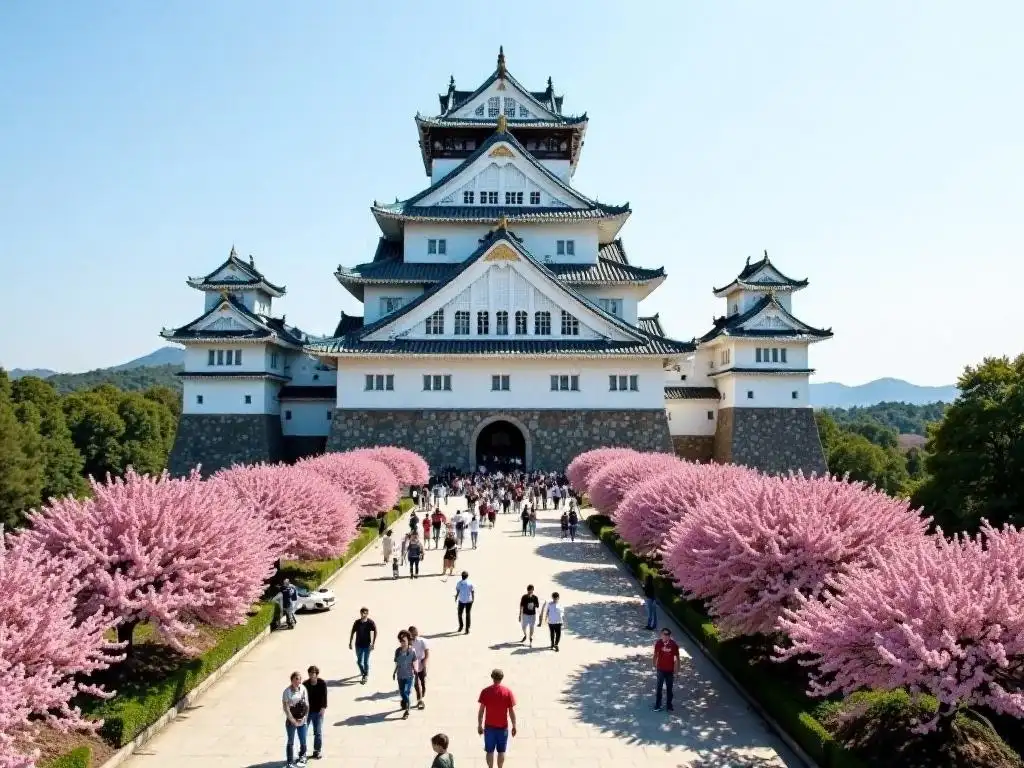
Himeji Castle, often referred to as "Shirasagijo" or "White Heron Castle," is one of Japan's most iconic feudal castles, celebrated for its stunning architecture and historical significance. Constructed in the early 17th century during the Edo period, the castle was completed in 1609 under the supervision of Ikeda Terumasa. Its strategic location atop Himeyama Hill allowed it to function as a vital military stronghold.
The castle’s design showcases the pinnacle of feudal architecture, reflecting both defensive prowess and aesthetic elegance. In 1993, Himeji Castle was designated a UNESCO World Heritage Site, recognized for its outstanding universal value and well-preserved state. The castle has survived numerous historical events, including wars and natural disasters, which further enhances its allure for history enthusiasts.
Unique Features of Himeji Castle
Himeji Castle is renowned for several unique features that set it apart from other feudal castles in Japan:
- Architectural Design: The castle exemplifies a hirajiro style, characterized by its wooden structures and white plaster walls, which not only provide beauty but also serve a defensive purpose. The multi-tiered roofs gracefully curve upwards, creating a striking silhouette against the sky.
- Complex Layout: The castle complex is intricately designed with multiple baileys and defensive walls, making it challenging for attackers to navigate. This layout includes a series of gates, watchtowers, and moats that add to its formidable defenses.
- Interior Features: Inside, visitors can explore several rooms that exhibit traditional Japanese architecture. The main keep, or tenshu, houses a museum featuring artifacts, replicas, and historical documents related to the castle's past.
- Surrounding Gardens: The castle is complemented by beautifully maintained gardens, particularly the Kokoen Garden, which offers a serene environment showcasing traditional Japanese landscaping.
Visitor Information and Nearby Attractions
Himeji Castle is a must-visit destination for history enthusiasts, offering ample opportunities to explore its grandeur. Here’s what you need to know for planning your visit:
- Location: Himeji Castle is located in Himeji City, Hyogo Prefecture. The castle is easily accessible via public transport, with Himeji Station being the nearest major train station.
- Opening Hours: The castle is generally open from 9:00 AM to 5:00 PM, with extended hours during peak seasons. It is advisable to check the official website for the most current information.
- Admission Fees: A nominal entrance fee is charged, providing access to both the castle grounds and the main keep. Discounts may be available for groups and students.
- Nearby Attractions:
- Kokoen Garden: Located adjacent to the castle, this garden features nine different types of traditional Japanese gardens, making it a perfect spot for relaxation and reflection.
- Engyoji Temple: Situated on Mount Shosha, this temple complex is accessible by a scenic ropeway and offers a glimpse into Japan's spiritual heritage.
- Himeji City Museum of Art: This museum showcases a collection of artworks, including pieces inspired by Himeji Castle, allowing visitors to delve deeper into the local culture.
Visiting Himeji Castle not only provides insight into Japan's feudal history but also immerses you in the beauty and tranquility of its surroundings. This experience is essential for anyone passionate about feudal castles in Japan and their historical significance.
2. Matsumoto Castle: The Black Crow Castle
The History Behind Matsumoto Castle
Matsumoto Castle, also known as the Black Crow Castle due to its striking black exterior, is one of Japan's most beautiful and well-preserved feudal castles. Construction began in 1504 during the Sengoku period and was completed in 1593. The castle was initially built as a fortification to defend against enemy attacks, strategically located near the Japan Alps in Nagano Prefecture.
Throughout its history, Matsumoto Castle played a significant role in the region's power dynamics. It served as the seat of the Matsumoto clan and later came under the control of the Takeda and Tokugawa clans. The castle's design reflects the military necessity of the time, with its thick walls and strategically placed towers. In 1884, Matsumoto Castle was designated as a National Historic Site, and it remains a symbol of the city's rich history.
Architectural Highlights and Design Elements
Matsumoto Castle is renowned for its unique architectural features, which blend both defensive and aesthetic elements typical of the feudal era. Here are some key highlights:
- Multi-layered Structure: The castle has a unique five-story main keep (tenshu) and three-story secondary keep, showcasing the layered complexity of feudal architecture.
- Black Exterior: The distinctive black lacquered walls not only give the castle its nickname but also serve a practical purpose by making it less visible in the dark, thus aiding in its defense.
- Moat and Stone Walls: The castle is surrounded by a deep moat and formidable stone walls, enhancing its defensive capabilities. The moat is particularly picturesque during cherry blossom season when the trees reflect in the water.
- Interior Design: Inside, visitors can explore wooden beams, tatami mat flooring, and traditional sliding doors (fusuma), providing a glimpse into the living conditions of the samurai class.
| Feature | Description |
|---|---|
| Style | Japanese castle architecture |
| Materials | Wood, stone, and clay |
| Significance | National Historic Site, cultural heritage |
Best Time to Visit and Tour Options
The best time to visit Matsumoto Castle is during the spring and autumn months. In spring, cherry blossoms bloom around the castle grounds, creating a stunning backdrop for photographs. Autumn offers vibrant foliage, enhancing the castle's beauty against the backdrop of the changing leaves.
Tour Options:
- Guided Tours: Visitors can join guided tours led by knowledgeable historians who provide in-depth insights into the castle's history and architecture.
- Self-Guided Tours: For those who prefer to explore at their own pace, self-guided tours are available, with informative displays throughout the castle grounds.
- Special Events: Throughout the year, Matsumoto Castle hosts various events, including traditional performances and seasonal festivals, which enrich the visitor experience.
Visitor Tips:
- Opening Hours: Matsumoto Castle is typically open from 8:30 AM to 5:00 PM, but hours may vary by season.
- Admission Fee: An entrance fee is required, but discounts may be available for groups and students.
- Accessibility: The castle grounds are accessible, but be prepared for some steep stairways inside the main keep.
Matsumoto Castle stands as a testament to Japan's feudal history, offering visitors not only a glimpse into the architectural prowess of the era but also an opportunity to experience the cultural heritage of Japan.
3. Kumamoto Castle: A Symbol of Resilience

The Story of Kumamoto Castle Through the Ages
Kumamoto Castle, one of the most iconic feudal castles in Japan, boasts a rich and tumultuous history that reflects the resilience of Japanese architecture and culture. Originally constructed in 1467 by the powerful Hosokawa clan, the castle has undergone numerous renovations and expansions, transforming it into a formidable fortress.
The castle is renowned for its unique defensive design, featuring stone walls, moats, and towers strategically positioned to deter invaders. Notable historical events include the Siege of Kumamoto during the Satsuma Rebellion in 1877, where the castle withstood a lengthy siege, showcasing both its architectural strength and the skill of its defenders. The structure was largely spared from destruction during the Meiji Restoration, which led to the downfall of the feudal system; however, it still faced challenges, including damage from earthquakes in 2016.
Kumamoto Castle is not just a structure; it represents the spirit of the people of Kumamoto and their enduring connection to their historical roots. Today, it stands as a testament to the past and a symbol of resilience, attracting thousands of visitors eager to learn about its storied legacy.
Restoration Efforts and Current Condition
In the aftermath of the 2016 earthquakes, significant efforts have been initiated to restore Kumamoto Castle to its former glory. The damage was substantial, with many parts of the castle complex, including the iconic Main Keep (Tenshukaku), suffering severe structural damage. Restoration projects have been carefully planned to preserve the castle's historical integrity while employing modern techniques to ensure its longevity.
Current restoration efforts are focused on:
- Reinforcing structural integrity: Using advanced engineering methods to stabilize the castle's foundations and walls.
- Reconstructing damaged parts: Careful restoration of historical features, including wooden beams and plasterwork, using traditional materials.
- Updating visitor facilities: Enhancing accessibility and providing educational resources for visitors to better understand the castle's history.
As of now, parts of the castle have reopened to the public, and ongoing restoration work is closely monitored, ensuring that Kumamoto Castle remains a vital part of Japan's cultural heritage. The project is expected to take several years, with completion aimed for 2037, coinciding with the 500th anniversary of the castle's founding.
Visitor Amenities and Local Experiences
Kumamoto Castle not only offers a glimpse into Japan’s feudal history but also provides a range of amenities and experiences for visitors. Upon arriving, guests can enjoy the following:
- Visitor Center: A well-equipped center that provides detailed information about the castle's history, restoration efforts, and guided tours.
- Exhibitions: Displays of historical artifacts, samurai armor, and weaponry, offering insight into the lives of those who lived and fought in the castle.
- Scenic gardens: Surrounding the castle are beautiful gardens, ideal for leisurely strolls and photography, particularly during cherry blossom season.
Additionally, visitors can immerse themselves in local culture by participating in:
- Traditional tea ceremonies: Experience Japanese hospitality and culture in the serene setting of the castle grounds.
- Kimono rentals: Dress in traditional attire for a memorable photo opportunity against the backdrop of the castle.
- Local cuisine: Sample Kumamoto's renowned dishes, such as "basashi" (raw horse meat) and "karashi renkon" (lotus root stuffed with mustard), at nearby restaurants.
Kumamoto Castle remains a must-visit destination for history enthusiasts, offering a unique blend of education, culture, and breathtaking views of this remarkable feudal gem.
4. Nagoya Castle: The Jewel of the Tokugawa Clan
Historical Background of Nagoya Castle
Nagoya Castle, known as 名古屋城 (Nagoya-jō), is a premier example of the architectural and military prowess of the Tokugawa clan, who ruled Japan during the Edo period. Constructed in 1610 under the orders of Tokugawa Ieyasu, the castle served not only as a military fortification but also as a symbol of power and prestige within the region.
The castle's strategic location in the center of Japan made it an essential stronghold, protecting vital trade routes and acting as a base for the clan's forces. Its distinctive design, featuring a unique golden shachihoko (a mythical creature with the body of a fish and the head of a tiger) adorning the roof, exemplifies the ornate aesthetics typical of feudal castles in Japan.
After surviving numerous conflicts, including the devastating bombings of World War II, Nagoya Castle underwent extensive reconstruction, with the main keep (tenshu) completed in 1959. Today, it stands as a vital link to Japan's feudal history, showcasing the architectural ingenuity of the era.
Notable Artifacts and Exhibits
Inside Nagoya Castle, visitors can explore a wealth of artifacts and exhibits that provide insight into the feudal period of Japan. The castle houses several important collections, including:
- Samurai Armor and Weapons: A display of authentic samurai armor, swords, and other weaponry, illustrating the martial culture of the Tokugawa period.
- Historical Documents: Original scrolls and manuscripts detailing the history of Nagoya and the Tokugawa clan, offering a glimpse into the political and social dynamics of the time.
- Artistic Works: Traditional paintings and crafts that reflect the aesthetic values of the era, including intricate woodblock prints and ceramics.
These exhibits not only enhance the educational experience but also immerse visitors in the rich cultural heritage of feudal Japan. The castle's museum regularly hosts special exhibitions, making each visit unique.
How to Reach Nagoya Castle
Reaching Nagoya Castle is straightforward thanks to its central location and convenient transportation options. Here are some recommended methods:
- By Train:
- Nagoya Station: Take the JR Tōkaidō Shinkansen or other local trains to Nagoya Station. From there, you can transfer to the Meitetsu Nagoya Line and get off at Shiyakusho Station, which is a short walk from the castle.
- By Subway:
- Take the Higashiyama Line to Sakae Station, then transfer to the Meijo Line and alight at Nagoya Castle Station. The castle is a mere 10-minute walk from the station.
- By Bus:
- Several local bus lines connect to Nagoya Castle, providing easy access from various parts of the city.
- Walking:
- If you are staying in the vicinity, Nagoya Castle is also accessible by foot, allowing you to enjoy the surrounding parks and neighborhoods.
With its rich history, stunning architecture, and accessible location, Nagoya Castle is a must-visit for anyone interested in feudal castles in Japan.
5. Okayama Castle: The Black Fortress
The Historical Significance of Okayama Castle
Okayama Castle, often referred to as the "Black Fortress" due to its striking black exterior, is a remarkable example of Japanese feudal architecture. Constructed in 1597 by the feudal lord Toyotomi Hideyori, the castle was strategically positioned on the Asahi River to oversee the region's important trade routes. The castle played a pivotal role during the Edo period, serving as a residence for the local daimyo, or feudal lords, and influencing the socio-political landscape of Okayama.
One of the most notable events in the castle's history was the Siege of Okayama in 1680, where it was besieged for 100 days but ultimately held strong. This resilience contributed to its reputation as a symbol of strength and loyalty during Japan's turbulent feudal times. Although much of the original structure was destroyed during World War II, the castle was meticulously reconstructed in 1966, preserving its historical essence while incorporating modern safety features.
Scenic Views and Surrounding Parks
Visitors to Okayama Castle are treated to breathtaking views of the surrounding landscape, including the iconic Korakuen Garden, one of Japan's three great gardens. The juxtaposition of the castle's dark exterior against the lush greenery of the gardens creates a picturesque scene, especially during cherry blossom season. The castle grounds also feature a variety of cherry trees, providing stunning views in spring and making it a popular spot for hanami (flower viewing) picnics.
In addition, the nearby Asahi River offers a tranquil setting for leisurely strolls. The riverside paths are perfect for taking in the scenery, and boat tours provide an alternative view of the castle from the water, enhancing the experience for visitors. The combination of natural beauty and historical architecture makes Okayama Castle a must-visit destination for history enthusiasts and nature lovers alike.
Tips for Visiting and Exploring the Area
When planning a visit to Okayama Castle, consider the following tips to make the most of your experience:
- Timing Your Visit: Spring (March to May) is the best time to visit for cherry blossoms, while autumn (September to November) offers vibrant foliage.
- Getting There: Okayama Castle is easily accessible from Okayama Station via a short tram ride or a pleasant 20-minute walk.
- Exploration:
- Castle Tours: Guided tours are available, providing in-depth insights into the castle's history and architecture.
- Photography: Early mornings or late afternoons are ideal for capturing stunning photographs of the castle against the backdrop of the sun.
- Local Cuisine: Don't miss trying Okayama's famous dishes, such as unagi (grilled eel) and kibi dango (sweet rice flour snacks), available at nearby eateries.
By following these tips, visitors can immerse themselves in the rich history and beauty of Okayama Castle, ensuring a memorable experience that highlights the significance of feudal castles in Japan.
6. Nijo Castle: A UNESCO World Heritage Site
Overview of Nijo Castle’s History and Importance
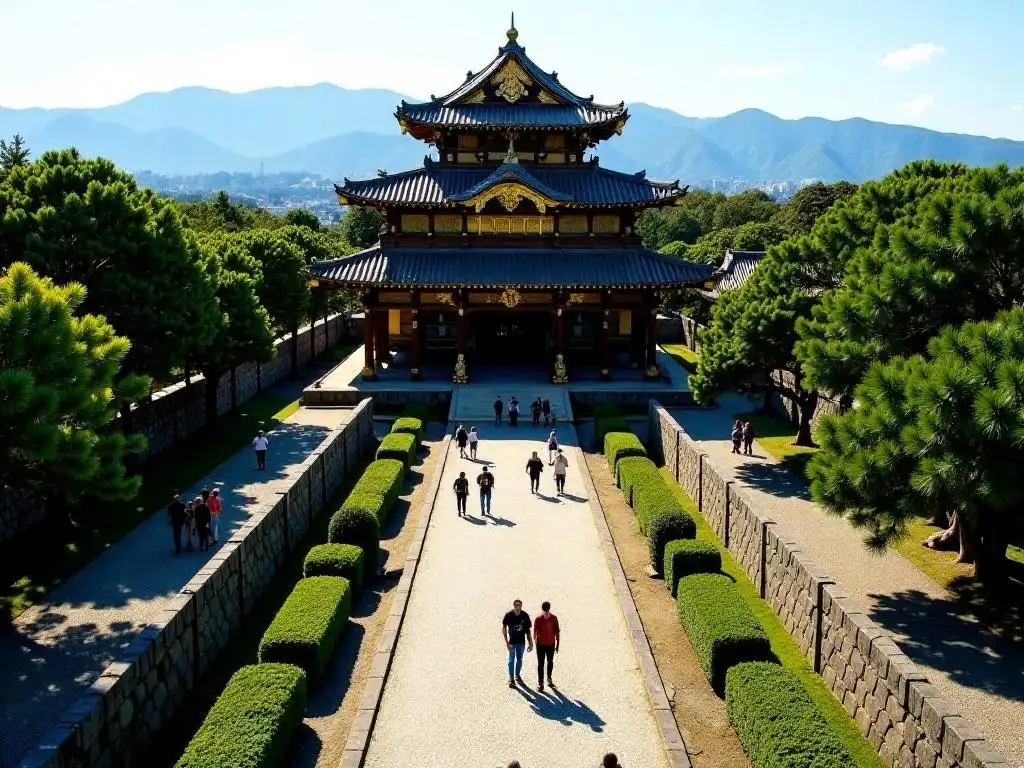
Nijo Castle, located in Kyoto, Japan, is a remarkable example of feudal architecture and a testament to the power of the Tokugawa shogunate. Constructed in 1603 as the residence of Tokugawa Ieyasu, the founder of the shogunate, this castle played a pivotal role in the political landscape of Japan during the Edo period. The castle served not only as a residence but also as a venue for important ceremonies and meetings with visiting dignitaries.
The historical significance of Nijo Castle is underscored by its designation as a UNESCO World Heritage Site in 1994, acknowledging its cultural value and its role in representing the feudal era of Japan. The castle complex includes extensive gardens, walls, and moats, illustrating the typical features of a feudal stronghold while also showcasing the aesthetic ideals of the time.
Architectural Features and Cultural Events
Nijo Castle is renowned for its distinctive architectural style, which combines elements of traditional Japanese construction with features that reflect the grandeur of the Tokugawa regime. Key architectural highlights include:
- Ninomaru Palace: This is the main structure within the castle, famous for its beautiful sliding doors (fusuma) adorned with stunning paintings depicting nature and seasonal themes. The palace is notable for its "nightingale floors," which chirp when walked upon, serving as a security measure against intruders.
- Gardens: The castle gardens are meticulously designed to reflect the principles of Japanese landscape aesthetics. Visitors can stroll through various paths, enjoying seasonal flowers, ponds, and the carefully arranged rocks and trees that embody harmony with nature.
- Defensive Features: The castle walls and moats are not only functional but also serve to enhance the overall beauty of the site. The stone walls are constructed using a technique called "dry masonry," showcasing the craftsmanship of feudal artisans.
Cultural events are often held at Nijo Castle, including seasonal festivals and traditional performances that allow visitors to immerse themselves in the rich cultural heritage of Japan. Special exhibitions highlight the castle's history and its role within the broader context of Japanese feudalism.
Visitor Experience and Accessibility
Nijo Castle offers a unique visitor experience that combines education with the enjoyment of natural beauty. The site is easily accessible from central Kyoto, making it a must-visit for history enthusiasts and casual tourists alike. Here are some key details about the visitor experience:
- Guided Tours: The castle provides guided tours in multiple languages, allowing visitors to gain deeper insights into the historical context and architectural features of the site. Audio guides are also available for those who prefer a self-guided experience.
- Opening Hours: Nijo Castle is open year-round, with seasonal variations in hours. It is advisable to check the official website for the latest information before planning a visit.
- Admission Fees: There is a nominal entrance fee, which goes towards the maintenance and preservation of the castle. Special discounts may apply for students and groups.
- Accessibility: The castle is equipped with facilities to accommodate visitors with disabilities, including wheelchair access to key areas, ensuring that everyone can enjoy this historical treasure.
With its rich history, stunning architecture, and vibrant cultural events, Nijo Castle stands out as one of the top feudal castles in Japan, offering a captivating glimpse into the past for anyone interested in the nation's feudal era.
7. Osaka Castle: A Historic Landmark of Power
The Rise and Fall of Osaka Castle
Osaka Castle, or Ōsaka-jō, stands as a symbol of the tumultuous history of feudal Japan. Originally constructed in the late 16th century by Toyotomi Hideyoshi, the castle was built to impress and establish power in the newly unified Japan. Its strategic location in Osaka made it an essential military stronghold during the Sengoku period (1467-1603).
The castle's architecture showcased the power and ambition of Hideyoshi, featuring a five-story main tower adorned with gold leaf and intricate decorations. However, it was not merely a fortification; it was also a luxurious residence that hosted members of the ruling class and served as a center for political activities.
Following Hideyoshi's death, the castle witnessed significant turmoil. In 1615, the Tokugawa shogunate laid siege to Osaka Castle, resulting in its destruction and the fall of the Toyotomi clan. Although it was rebuilt in the 1620s, the castle never regained its former glory and underwent several renovations and restorations over the centuries. This rich history reflects the rise and fall of feudal lords and their aspirations during Japan's feudal era.
Key Historical Events Associated with Osaka Castle
- Construction (1583): The foundation of Osaka Castle was laid, marking the beginning of its status as a key political and military center.
- Siege of Osaka (1614-1615): The Tokugawa shogunate's campaign to eliminate the Toyotomi clan led to two significant sieges, culminating in the castle's destruction. This event marked a pivotal shift in power dynamics in Japan.
- Restoration (1620s): Following its destruction, the castle was reconstructed, although it was not as grand as its original form. The new structure included defensive walls and a moat that enhanced its fortifications.
- Meiji Restoration (1868): With the fall of the Tokugawa shogunate, the castle lost its military significance and was repurposed for various uses, reflecting the changing political landscape of Japan.
- Post-War Restoration (1931): The current structure of Osaka Castle was completed, and it was opened to the public as a museum that showcases the history of the castle and the era it represents.
Practical Information for Tourists
Visiting Osaka Castle offers a blend of history, culture, and stunning architecture. Here’s what tourists should know:
| Aspect | Details |
|---|---|
| Location | Chūō-ku, Osaka, Japan |
| Access | Easily accessible via public transportation, particularly the Osaka Loop Line. The nearest station is Osaka Castle Park Station. |
| Opening Hours | Daily from 9:00 AM to 5:00 PM (last entry at 4:30 PM) |
| Admission Fee | Approximately 600 yen (adults); discounts available for students and seniors. |
| Facilities | Includes a museum, souvenir shop, and scenic surrounding gardens. |
| Best Time to Visit | Spring (for cherry blossoms) and autumn (for foliage) offer stunning views. |
Visitors can explore the Osaka Castle Park, which spans over 2 square kilometers and features beautiful gardens, walking paths, and historical monuments. The castle itself provides panoramic views of the city from its observation deck, making it a must-visit for history enthusiasts and travelers alike.
Osaka Castle not only represents a critical piece of Japan's feudal history but also serves as a breathtaking landmark for those looking to delve deeper into the nation's rich cultural heritage.
8. Kanazawa Castle: A Testament to Feudal Japan
Historical Context of Kanazawa Castle
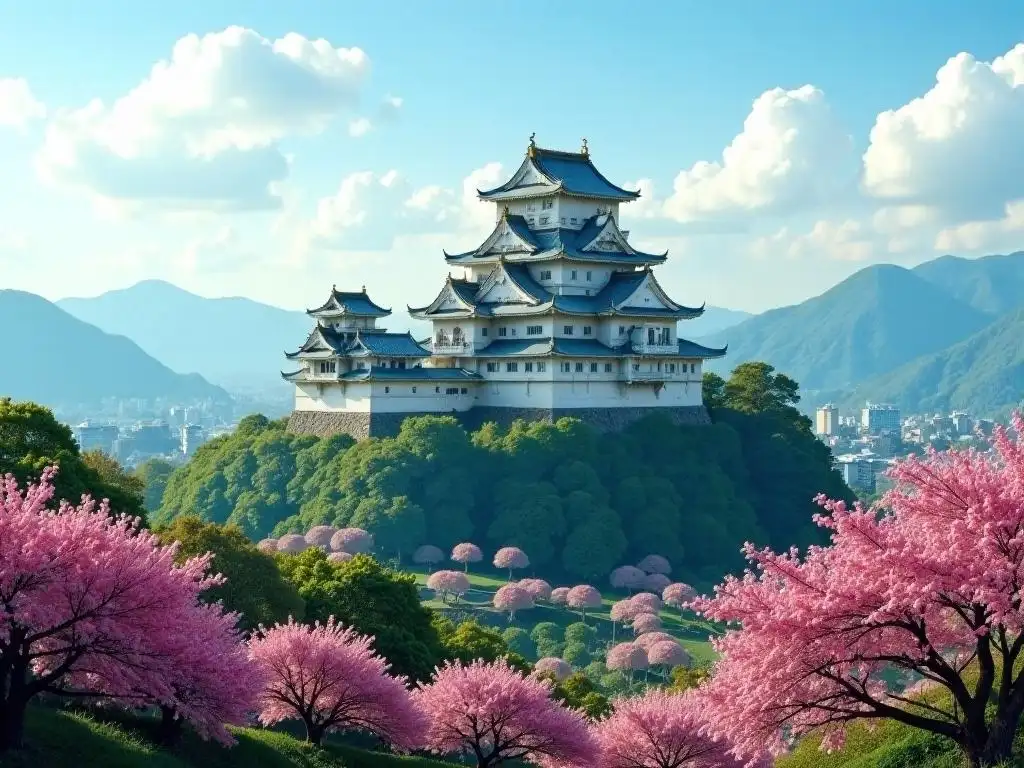
Kanazawa Castle, located in Ishikawa Prefecture, is a significant symbol of Japan's feudal era, particularly associated with the Maeda clan, one of the most powerful families during the Edo period (1603-1868). Construction of the castle began in 1580 by Lord Toshiie Maeda, and it served as the primary residence for the Maeda lords who governed the Kaga Domain, one of the wealthiest regions in Japan at that time.
The castle's architectural style reflects the military prowess and the aesthetic sensibilities of the period. Notably, Kanazawa Castle features a unique combination of stone walls, wooden structures, and intricate roof designs. The castle has been reconstructed several times due to fires and natural disasters, with the current structures primarily dating back to the 19th century.
Kanazawa Castle not only served as a fortress but also as a center of politics, culture, and economics for the region. It played a pivotal role in the defense against external threats and showcased the power and influence of the Maeda clan. The castle and its surrounding area are now recognized as important cultural heritage sites, attracting history enthusiasts from around the world.
Gardens and Surrounding Attractions
Adjacent to Kanazawa Castle lies one of Japan's most stunning landscape gardens, Kenrokuen, which is considered one of the "Three Great Gardens of Japan." This sprawling garden beautifully complements the castle, featuring lush greenery, vibrant seasonal flowers, and serene ponds. The garden's design embodies the six essential qualities that make a perfect garden: spaciousness, tranquility, artificiality, antiquity, water, and scenic views.
In addition to Kenrokuen, visitors can explore several other nearby attractions:
- Higashi Chaya District: A historic geisha district lined with traditional wooden houses and tea shops, offering a glimpse into the cultural life of feudal Japan.
- Nagamachi Samurai District: This area showcases well-preserved samurai residences, where visitors can learn about the lifestyle and customs of the samurai class.
- 21st Century Museum of Contemporary Art: A modern contrast to the historical surroundings, this museum features innovative works from both Japanese and international artists.
These attractions enhance the overall experience of visiting Kanazawa, providing a rich understanding of both historical and contemporary Japanese culture.
Travel Tips for Visiting Kanazawa
When planning a trip to Kanazawa Castle and its surrounding attractions, consider the following travel tips to enhance your experience:
- Best Time to Visit: The ideal seasons to visit Kanazawa are spring (March to May) and autumn (September to November). During these times, the weather is pleasant, and the gardens, especially Kenrokuen, are in full bloom or showcasing vibrant autumn foliage.
- Transportation: Kanazawa is accessible via the Hokuriku Shinkansen (bullet train) from major cities like Tokyo and Osaka. Once in Kanazawa, local buses and trams provide convenient access to the castle and nearby attractions.
- Admission Fees: While Kanazawa Castle is free to enter, Kenrokuen Garden has a small admission fee. It's advisable to check the latest fees and opening hours online before your visit.
- Guided Tours: Consider joining a guided tour for deeper insights into the history and significance of the castle and its surroundings. Local guides often provide fascinating anecdotes and context that enrich the visitor experience.
- Cultural Etiquette: Be respectful of the historical sites. Follow local customs, such as removing shoes when entering certain buildings and maintaining a quiet demeanor in serene areas like gardens.
By keeping these tips in mind, visitors can fully immerse themselves in the historical richness and cultural beauty of Kanazawa Castle and its stunning surroundings, making for an unforgettable experience in feudal Japan.
9. Shirakawa-go: The Unique Gassho-zukuri Style
Overview of Shirakawa-go and Its Historical Context
Shirakawa-go is a UNESCO World Heritage site nestled in the mountainous region of Gifu Prefecture. Renowned for its picturesque landscapes and traditional gassho-zukuri farmhouses, this village offers a unique glimpse into Japan's feudal past. The term "gassho-zukuri" translates to "constructed like hands in prayer," referring to the steep thatched roofs designed to withstand heavy snowfall. These homes, some dating back to the 18th century, reflect the ingenuity of the people who adapted their architecture to the harsh climate of the region.
Historically, Shirakawa-go was a remote area that flourished through agriculture, particularly rice farming. The village's isolation helped preserve its traditional lifestyle, providing insights into the feudal system that dominated Japan from the 12th to the 19th century. The local economy was largely self-sufficient, with villagers working together to ensure survival during the long winters. The preservation of Shirakawa-go offers an invaluable perspective on rural life during Japan's feudal era.
Architectural Significance of Feudal Structures
The gassho-zukuri style of architecture is not only aesthetically pleasing but also functionally robust. The steeply pitched roofs, which can reach angles of up to 60 degrees, are designed to prevent the accumulation of snow. This architectural feature exemplifies the resourcefulness of the feudal Japanese in adapting to their environment. Each farmhouse can have multiple stories, with the upper levels traditionally used for silkworm cultivation, a crucial industry in feudal Japan.
| Feature | Description |
|---|---|
| Roofing Material | Thatch made from local grasses, primarily rice straw |
| Structural Design | Wooden beams and posts, often using no nails |
| Interior Layout | Open spaces for communal activities and storage |
| Cultural Symbolism | Represents harmony with nature and community spirit |
The craftsmanship involved in constructing these homes highlights the skills passed down through generations. In addition, the use of locally sourced materials showcases a sustainable approach to building that was prevalent during the feudal period, emphasizing a deep connection to the land.
How to Experience Shirakawa-go as a Tourist
Visiting Shirakawa-go provides a unique opportunity to step back in time and experience Japan's feudal heritage firsthand. Here are some key ways to enjoy your visit:
- Guided Tours: Consider joining a guided tour that delves into the history and significance of the gassho-zukuri structures. Local guides can offer insights that enrich your understanding of the area.
- Stay in a Gassho-zukuri House: For a truly immersive experience, book a night in one of the traditional farmhouses. Many homes have been renovated to accommodate guests, allowing you to experience life as it was during the feudal era.
- Seasonal Festivals: Plan your visit around one of Shirakawa-go’s seasonal festivals, such as the winter illumination event, where the village is beautifully lit up against the snowy backdrop. This event showcases the village's charm and provides a magical atmosphere.
- Photography Opportunities: With its stunning views and unique architecture, Shirakawa-go is a haven for photographers. Capture the essence of feudal Japan by exploring the scenic landscapes and traditional homes.
- Local Cuisine: Don’t miss trying local delicacies, such as gohei-mochi (grilled rice cakes) and regional sake, which reflect the agricultural heritage of the area.
By immersing yourself in the rich history and culture of Shirakawa-go, you can gain a deeper appreciation for the feudal castles in Japan and the lifestyle that shaped them.
10. Takeda Castle: The Castle in the Sky

The Myth and History of Takeda Castle
Takeda Castle, often referred to as the "Castle in the Sky," is a remarkable example of Japanese feudal architecture perched on a mountain ridge in Hyogo Prefecture. Constructed in the late 16th century, this castle served as a strategic military outpost during the Sengoku period. Its location offered a commanding view of the surrounding landscape, making it an ideal defensive position against rival clans.
The castle was built by the powerful Takeda clan, who were known for their military prowess and strategic acumen. Despite its impressive construction, Takeda Castle experienced a relatively short period of prominence. It was abandoned by the end of the Edo period in the 17th century, but its ruins continue to capture the imagination of visitors. The castle's ethereal presence amidst the clouds has led to numerous legends and tales, adding to its mystique.
Today, Takeda Castle is recognized as a Historic Site of Japan, and its striking silhouette against the sky has made it a popular subject for photographers and historians alike. Visitors often speak of the enchanting atmosphere that surrounds the castle, especially during early morning hours when fog envelops the ruins, creating an otherworldly scene.
Hiking Trails and Scenic Views
Reaching Takeda Castle requires a bit of effort, but the journey is well worth it. There are several hiking trails that lead to the castle, each offering unique scenic views of the surrounding countryside. The most popular route is the Takeda Castle Ruins Trail, which is approximately 2.5 kilometers long and takes about 1-2 hours to hike.
Trail Highlights:
- Steep Ascents: The trail features steep sections, which provide an invigorating workout and reward hikers with stunning vistas of the Tajima region.
- Nature's Beauty: Along the way, hikers can enjoy the vibrant flora and fauna, especially during spring when cherry blossoms bloom and in autumn when the foliage turns brilliant shades of red and orange.
- Photography Opportunities: Numerous lookout points along the trail offer breathtaking panoramic views, making it a photographer's paradise.
Once at the top, visitors are greeted with the majestic ruins of Takeda Castle, surrounded by a sea of clouds during certain seasons. This phenomenon has given rise to its nickname, "Castle in the Sky," as it appears to float above the landscape.
Visitor Information and Best Times to Visit
Visiting Takeda Castle is an unforgettable experience, but it's essential to plan ahead to make the most of your trip.
Opening Hours and Access
- Opening Hours: The castle grounds are open year-round, but the main hiking trails are best accessed during daylight hours.
- Access: The closest train station is Takeda Station, which is approximately 30 minutes by bus or 45 minutes on foot from the station.
Best Times to Visit
- Spring (April - May): Ideal for cherry blossom viewing.
- Autumn (October - November): The foliage provides a stunning backdrop for the castle.
- Winter (December - February): Offers a unique experience, as snow can blanket the ruins, creating a picturesque winter scene.
Tips for Visitors
- Dress Appropriately: Ensure you wear sturdy hiking shoes and dress in layers, as temperatures can change rapidly in the mountains.
- Bring Water and Snacks: While the hike is manageable, it’s always wise to stay hydrated and energized.
- Camera Ready: Don't forget your camera; the views from the castle are breathtaking, especially during sunrise and sunset.
Takeda Castle is a must-visit for history enthusiasts and nature lovers alike, offering a unique glimpse into Japan's feudal past while surrounded by breathtaking natural beauty.
Conclusion: Explore the Feudal Castles of Japan
Summary of the Top 10 Feudal Castles in Japan
Japan's feudal castles are not just remnants of the past; they are testimonies to a rich and complex history. Each castle on our list offers a unique glimpse into the architectural ingenuity and strategic importance of these fortifications during the feudal era. Below is a summarized table of the top 10 must-visit feudal castles in Japan:
| Castle Name | Location | Notable Features |
|---|---|---|
| Himeji Castle | Hyogo Prefecture | World Heritage Site, stunning white façade |
| Matsumoto Castle | Nagano Prefecture | Unique wooden structure, scenic moat |
| Nagoya Castle | Aichi Prefecture | Iconic golden shachihoko, reconstructed interiors |
| Kumamoto Castle | Kumamoto Prefecture | Impressive stone walls, beautiful gardens |
| Osaka Castle | Osaka | Historical importance, expansive park grounds |
| Hikone Castle | Shiga Prefecture | Beautifully preserved, museum exhibits |
| Okayama Castle | Okayama | Black castle, lovely views over the adjacent garden |
| Nijo Castle | Kyoto | Stunning gardens, unique architecture |
| Tsuruga Castle | Fukui | Historical artifacts, picturesque surroundings |
| Fukuyama Castle | Hiroshima | Scenic views, rich history |
Each of these castles embodies the spirit of feudal Japan, and visiting them allows history enthusiasts to walk in the footsteps of samurai and shoguns.
Encouraging Historical Exploration through Travel
Traveling to these feudal castles in Japan is more than just an adventure; it's an opportunity to engage with the country's historical narrative. Each castle tells its own story through its architecture, artifacts, and surrounding landscapes. Here are some reasons why exploring these historical sites is beneficial:
- Cultural Understanding: Visiting feudal castles helps travelers gain insights into the social and political dynamics of the era, encouraging a deeper appreciation of Japanese culture.
- Educational Experience: Many castles offer guided tours and informative exhibits, providing a wealth of knowledge about the feudal system, architecture, and daily life during that time.
- Architectural Marvels: Each castle reflects unique architectural styles that evolved over centuries, showcasing the craftsmanship and artistry of Japanese builders.
- Natural Beauty: Often set against stunning natural backdrops, these castles also offer breathtaking views, making them perfect destinations for photography and relaxation.
Final Thoughts on Visiting Japan’s Feudal Era Heritage
Exploring feudal castles in Japan is a rewarding experience for history enthusiasts and travelers alike. These magnificent structures stand as enduring symbols of Japan’s feudal past, offering a tangible connection to the stories of warriors, rulers, and everyday people who shaped the nation. As you plan your journey, consider not only the castles themselves but also the surrounding towns and landscapes that contribute to the rich tapestry of Japan's history.
Whether you are standing before the imposing walls of Himeji Castle or wandering through the serene gardens of Nijo Castle, each visit invites you to delve deeper into Japan's feudal heritage. Embrace the opportunity to explore these historical treasures and let them inspire your understanding of a fascinating era in Japan’s past. 🏯✨
Additional Resources for History Enthusiasts
Recommended Books on Japan’s Feudal History
For those looking to deepen their understanding of feudal Japan and its castles, several books stand out as essential reads. These texts not only provide historical context but also immerse the reader in the cultural intricacies of the era.
-
"Japan: A History" by John W. Dower
This comprehensive book covers Japan's history from ancient times to the modern era. Dower's insightful analysis of the feudal period is particularly noteworthy, providing readers with a robust understanding of the socio-political dynamics of the time.
-
"Samurai: The World of the Warrior" by Stephen Turnbull
Turnbull's work is an excellent resource for those fascinated by the samurai class, which played a pivotal role in Japan's feudal society. The book delves into the lives, battles, and codes of conduct that defined these iconic warriors.
-
"The Making of Modern Japan" by James L. McClain
McClain's book provides an in-depth look at the transition from feudalism to modernity in Japan. It explores the impact of feudal castles on the political landscape and cultural identity, making it a must-read for history enthusiasts.
-
"Hokkaido: A History of Japan's Northern Frontier" by William W. Fitzhugh
While not exclusively focused on the feudal era, this book offers insights into how feudal practices influenced regional governance and cultural exchanges in Hokkaido.
Online Courses and Documentaries
In addition to traditional literature, various online platforms offer courses and documentaries that explore the rich history of feudal Japan. Here are some highly recommended options:
-
Coursera: "The Age of Samurai: Japan's History from 1185 to 1868"
This course provides a detailed overview of the samurai's rise and fall, along with the political and social structures of feudal Japan. It includes video lectures from renowned historians and interactive discussions.
-
YouTube: "The Castles of Japan"
This documentary series provides a visual journey through some of the most significant feudal castles in Japan. Each episode highlights the architectural features, historical significance, and legends associated with these structures.
-
The Great Courses Plus: "Japan: From the Age of the Samurai to the Present"
This comprehensive series covers Japan's transformation over centuries, including the feudal period. It offers insights into how castles played a role in shaping the nation’s history.
Tours and Travel Packages to Explore Feudal Japan
For those eager to experience the grandeur of feudal castles firsthand, several travel packages are available that cater to history enthusiasts. Here are some popular options:
-
Feudal Japan Castle Tour
This guided tour takes visitors through several key feudal castles, including Himeji Castle and Matsumoto Castle. The package includes expert-led tours, providing historical context and stories behind each site.
-
Cultural Immersion Experience
Combining castle visits with cultural experiences, this package allows travelers to participate in traditional tea ceremonies, samurai workshops, and local festivals, enhancing their understanding of feudal Japan.
-
Self-Guided Castle Exploration
For those who prefer a more autonomous experience, various travel agencies offer self-guided itineraries that include detailed maps and historical information for visiting feudal castles throughout Japan.
By utilizing these resources, history enthusiasts can enrich their understanding of feudal castles in Japan, gaining deeper insights into the era's cultural and historical significance.
Frequently Asked Questions
What are feudal castles in Japan known for?
Feudal castles in Japan are historically significant structures that served as military strongholds and residences for daimyos (feudal lords). They often feature unique architectural styles and are surrounded by moats and walls.
Why are feudal castles important in Japanese history?
These castles symbolize the political power and social hierarchy of the feudal era. They played a crucial role in the defense and administration of territories during a time of constant conflict and warfare.
How many feudal castles still exist in Japan today?
While many feudal castles have been destroyed or dilapidated over time, about 100 original castles remain, with several being restored and preserved for historical significance and tourism.
What are some features of Japanese feudal castles?
Japanese feudal castles typically include multiple tiers, towers (tenshu), and defensive structures like walls and gates. They often reflect the aesthetic values of their time, showcasing intricate woodwork and landscaping.
Can visitors explore feudal castles in Japan?
Yes, many feudal castles are open to the public, offering guided tours, exhibits, and cultural activities. Visitors can learn about the history, architecture, and significance of these castles in Japan's feudal past.
Final Reflection: Embracing the Legacy of Feudal Castles in Japan
The allure of feudal castles in Japan transcends time, reminding us of the rich tapestry of history that has shaped the nation. Today, as we navigate a world increasingly driven by technology and rapid change, these magnificent structures stand as testaments to resilience, artistry, and the complex narratives of power and culture that defined an era. The stories etched in their stones invite us to reflect on our own histories and the legacies we leave behind.
The influence of these castles extends beyond mere architecture; they are symbols of Japan's enduring spirit and cultural heritage. Each castle tells a story of feudal lords, battles fought, and peace forged, resonating with the values of honor and duty that still permeate Japanese society today. As the historian John W. Hall once said, "> History is a story that is always being rewritten." This notion reminds us that the past is not static; it evolves as we engage with it, shaping our understanding of identity and belonging in the present.
As you explore the enchanting world of feudal castles in Japan, I invite you to reflect on the lessons they impart. Consider how the values of perseverance, strategy, and community that these castles embody can inspire your own journey. Whether you are a history enthusiast or simply a curious traveler, let the stories of these magnificent structures encourage you to delve deeper into your own history and to appreciate the rich narratives that continue to shape our lives today. Embrace the opportunity to learn from the past and carry its wisdom into the future.
Embark on Your Journey Through Japan's Rich History!
Thank you for diving into our exploration of Japan's incredible feudal castles! We hope you’ve discovered a wealth of knowledge about these historical marvels and are eager to experience their majestic stories firsthand. Now, let’s take the next step together in uncovering the fascinating history that awaits you!
- Plan your visit to one of the highlighted castles— imagine walking through the same halls that were once graced by samurai!
- Join a local heritage group or community to share your experiences and connect with fellow history enthusiasts eager to discuss insights about feudal Japan.
- Share this article with friends or on social media— inspire others to explore Japan's remarkable historical sites!
Which castle are you most excited to visit, and what aspect of its history intrigues you the most?