
The Unsung Heroes: How Artisans Shaped Feudal Japan’s Cultural Landscape

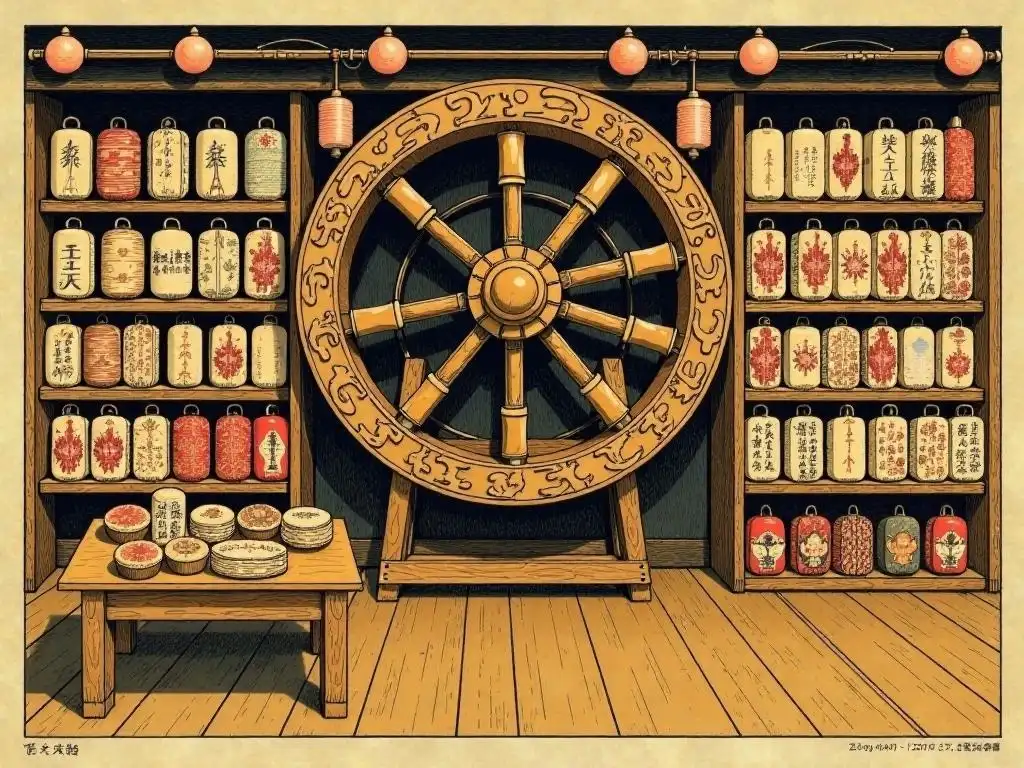
Welcome to Feudal Japan History, where we embark on a journey through the captivating tapestry of Japan's feudal era. Prepare to uncover the rich stories of the unsung heroes who shaped the cultural landscape with their remarkable craftsmanship and creativity.
In our featured article, "The Unsung Heroes: How Artisans Shaped Feudal Japan’s Cultural Landscape," we delve into the intricate world of artisans in Feudal Japan, revealing their pivotal role in society and the lasting impact of their artistry. Join us as we explore the fascinating interplay between history, culture, and society—each click leads you deeper into the legacy of this incredible period.
Artisans in Feudal Japan played a pivotal yet often overlooked role in shaping the cultural and societal fabric of the era. While samurai and nobility frequently dominate the historical narrative, it is essential to recognize that the artisans—skilled craftsmen, painters, potters, and weavers—were the backbone of daily life and culture. Their expertise not only contributed to the economic stability of their communities but also enriched Japan's artistic and cultural heritage. This article delves into the lives and contributions of these unsung heroes, exploring their significance within the broader tapestry of feudal society.
Introduction to Artisans in Feudal Japan
During the feudal period, which spanned from the late 12th century to the early 19th century, Japan experienced profound transformations in its social structure and cultural outputs. Artisans emerged as a distinct class, often categorized beneath the samurai and above peasants. This hierarchy, defined by skills and contributions to society, allowed artisans to cultivate a unique identity that bridged the gap between the ruling elite and the common folk.
Overview of the Role of Artisans
Artisans in Feudal Japan were responsible for creating various goods that were integral to both everyday life and ceremonial practices. Their crafts included:
- Pottery and Ceramics: Renowned for their aesthetics and functionality.
- Textiles: Weaving intricate patterns that reflected seasonal changes and societal status.
- Metalwork: Producing tools and weapons, as well as decorative items for the elite.
- Painting and Calligraphy: Capturing the essence of nature and philosophy through art.
Through their craft, artisans not only fulfilled the material needs of society but also contributed to the cultural identity of Japan, setting the stage for future artistic movements.
Importance of Artisans in Japanese Society
The importance of artisans in feudal Japan extends beyond their craftsmanship. They were instrumental in:
- Cultural Transmission: Artisans preserved and passed down traditional techniques and motifs, ensuring the continuity of Japanese culture.
- Economic Contributions: Their work stimulated trade and commerce, contributing to the growth of towns and marketplaces.
- Social Mobility: Skilled artisans could achieve relative wealth and status, allowing them to influence local governance and community affairs.
Historical Context of Artisans in Feudal Japan
Understanding the context in which artisans operated is crucial to appreciating their impact. The feudal era witnessed significant changes that directly affected their livelihoods and roles within society.
The Emergence of Artisans During the Feudal Era
Artisans began to gain prominence during the Kamakura period (1185-1333), as the rise of the samurai class shifted the social structure. The demand for specialized goods increased, leading to the establishment of guilds and workshops. These organizations not only regulated craftsmanship but also fostered innovation and collaboration among artisans.
Key Historical Events Impacting Artisans
Several key historical events influenced the lives of artisans throughout the feudal period:
- The Onin War (1467-1477): This conflict led to widespread destruction in Kyoto, displacing many artisans and prompting the migration of skilled laborers to other regions.
- The Rise of the Merchant Class: As commerce flourished, artisans often aligned with merchants, leading to the growth of urban centers and a shift in economic power dynamics.
- The Edo Period (1603-1868): A time of peace and stability that allowed artisans to thrive, leading to advancements in their crafts and the emergence of new artistic styles.
By examining these aspects, we can better appreciate how artisans not only shaped the material world of Feudal Japan but also contributed to its rich cultural narrative.
Types of Artisans in Feudal Japan
Feudal Japan was a complex society where artisans played a crucial role in shaping both the cultural and economic landscapes. The types of artisans varied greatly, and each group contributed uniquely to the richness of Japanese heritage. Some prominent categories included:
- Textile Artisans: These artisans specialized in weaving and dyeing fabrics. The creation of silk kimonos was particularly significant, with artisans often using traditional techniques that passed down through generations.
- Ceramicists: Known for their exquisite pottery, ceramicists crafted not only everyday items but also works of art that were highly prized. Regions like Arita became famous for porcelain, showcasing the skill and creativity of these artisans.
- Metalworkers: Blacksmiths and metal artisans forged tools, weapons, and intricate decorative items. Their work was fundamental in both martial and domestic spheres, exemplifying technical prowess and artistic flair.
- Carpenters: Skilled in woodworking, carpenters constructed everything from simple homes to elaborate temples and shrines. Their craftsmanship showcased a deep understanding of materials and design principles.
- Painters and Calligraphers: These visual artists played a vital role in documenting history and culture through their work. They often collaborated with other artisans to enhance the aesthetic appeal of various objects and spaces.
Craftsmanship: The Backbone of Cultural Heritage
Craftsmanship in Feudal Japan was not merely about producing goods; it represented a profound connection to cultural identity and tradition. Each artisan was often part of a family lineage dedicated to a specific craft, ensuring that skills and techniques were preserved over generations. This dedication fostered an environment where quality was paramount, leading to the development of distinct regional styles and methods.
Artisans engaged in craftsmanship were often associated with specific guilds, which regulated practices and maintained standards. These guilds ensured that knowledge was shared among members, supporting the growth of expertise within communities. For instance, the intricate designs of lacquerware were closely guarded secrets, with artisans employing unique methods that were passed down like sacred traditions.
Moreover, the rise of the samurai class and their patronage significantly influenced artisans' work. Many artisans found themselves creating items that were not only functional but also decorative, aimed at demonstrating status and refinement. The craftsmanship of the time is reflected in the detail and artistry of objects such as swords, armor, and ceremonial utensils, which remain highly valued today.
Artistic Expressions: The Role of Visual Artists
Visual artists in Feudal Japan comprised a diverse group, including painters, calligraphers, and woodblock printmakers. Their contributions were significant in shaping cultural narratives and reflecting societal values. One key aspect of their work was the portrayal of landscapes, historical events, and everyday life, which provided insight into the era's ethos and aesthetics.
Woodblock Printing became a particularly influential medium during the Edo period, allowing for the mass production of art. Artists like Hokusai and Hiroshige gained fame for their prints, which captured the beauty of nature and the vibrancy of urban life. These artworks not only served decorative purposes but also played a role in disseminating cultural stories and ideals to a broader audience.
In addition to visual representation, calligraphy was considered a high art form, with skilled practitioners elevating written characters to an aesthetic experience. The elegance of brush strokes and the choice of ink reflected the artist's personality and social standing, making calligraphy a prestigious pursuit.
Visual artists often collaborated with artisans in other fields, creating integrated works that highlighted the interplay between functionality and beauty. Their joint efforts in decorating ceramics, textiles, and architecture helped to create a cohesive cultural identity that celebrated Japan's artistic heritage.
The Economic Influence of Artisans in Feudal Japan
Artisans were not only cultural contributors; they were vital to the economic framework of Feudal Japan. Their work supported local economies and facilitated commerce, establishing a network of trade that sustained communities.
Artisans and the Growth of Local Economies
The presence of artisans in a region often spurred economic development. As artisans established workshops, they created job opportunities, not only for themselves but also for apprentices and laborers. This influx of skilled labor contributed to the overall prosperity of towns and villages, fostering a sense of community and collective identity.
Moreover, artisans frequently participated in local markets, selling their goods directly to consumers. This practice not only provided them with a source of income but also allowed them to respond to the demands of the market quickly. As a result, the quality and diversity of products available increased, benefiting both artisans and their customers.
Artisans also played a role in the regional specialization of crafts. Certain areas became known for specific products, such as the pottery of Kyushu or the textiles of Nishijin. This specialization encouraged trade between regions, as artisans exchanged their unique goods, promoting economic interdependence across Japan.
Trade Networks: Artisans’ Contributions to Commerce
Artisans were integral to the development of trade networks that spanned across Japan and beyond. Their specialized goods became highly sought after, leading to the establishment of trade routes that connected various regions. The movement of goods, such as ceramics, textiles, and metalwork, facilitated an exchange of ideas and cultural influences, enriching the social fabric of the nation.
In addition to local markets, artisans participated in larger trade fairs and events, where their products garnered attention from merchants and consumers alike. These gatherings provided opportunities for artisans to showcase their skills, build reputations, and establish valuable connections with traders.
Furthermore, as Japan entered periods of increased stability, such as the Edo period, the demand for luxury items grew. This demand spurred artisans to innovate and diversify their products, leading to the emergence of new styles and techniques. The economic impact of artisans thus extended beyond mere production; it influenced consumption patterns and shaped the cultural preferences of the time.
Artisans in Feudal Japan were unsung heroes whose contributions went far beyond the realms of craftsmanship and artistry. Their roles in both the cultural and economic spheres helped to shape a vibrant society that continues to resonate in Japan's modern identity.
Cultural Contributions of Artisans
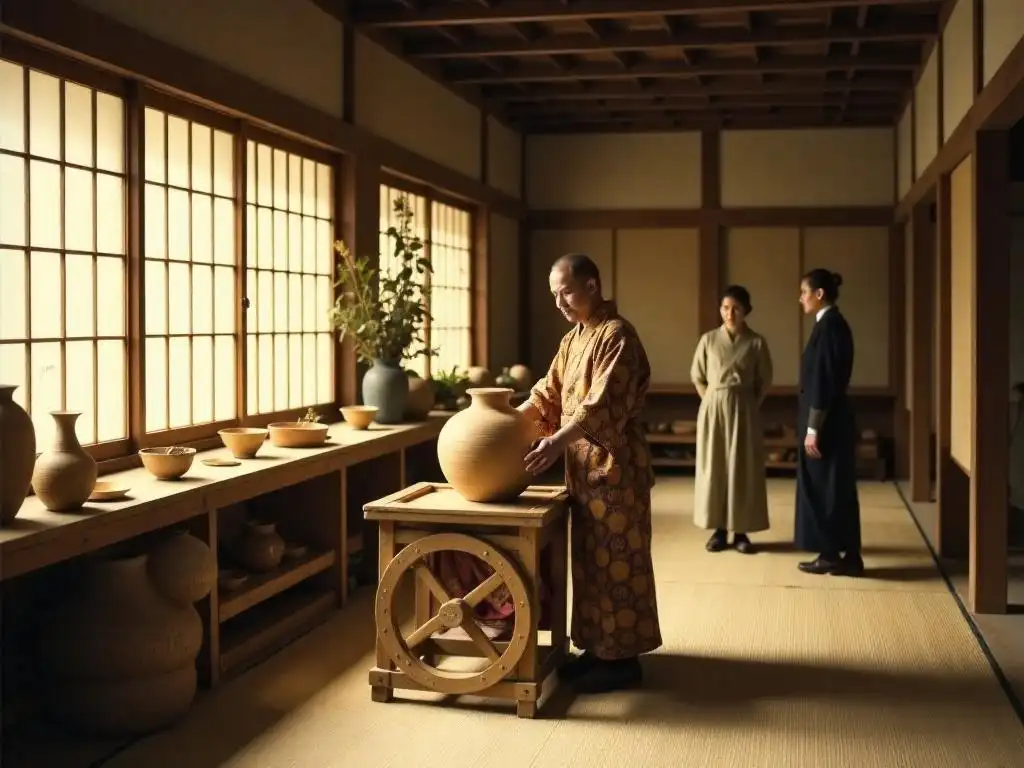
Artisans in Feudal Japan played a vital role in shaping the cultural landscape of the era through their unique crafts and skilled labor. Their contributions spanned various domains, including textiles, ceramics, woodworking, and metalwork, each reflecting the rich traditions and aesthetics of Japanese culture. Artisans were responsible for creating not only functional items but also works of art that embodied the values, beliefs, and artistic expressions of their time.
The intricate designs found in textiles, such as kimono fabrics, showcased the craftsmanship of dyers and weavers. Techniques like yuzen dyeing and shibori (tie-dye) emerged, allowing artisans to create beautiful patterns that conveyed seasonal motifs and cultural symbols. Similarly, potters and ceramicists contributed to the cultural narrative with their distinctive styles—like the rustic beauty of Raku ware, which became integral to the Japanese tea ceremony.
Artisans also influenced architectural styles, particularly in the construction of temples, shrines, and traditional homes. Their work not only met functional needs but also adhered to aesthetic principles that emphasized harmony with nature, an essential aspect of Japanese cultural philosophy. Thus, artisans served as both creators and preservers of cultural heritage, ensuring that their skills and artistry continued to resonate through generations.
Artisans as Cultural Custodians
Artisans of Feudal Japan were not merely laborers; they served as custodians of cultural traditions and practices, passing down their knowledge and skills through generations. Many artisans belonged to specific guilds or clans that upheld particular craft techniques, ensuring that these skills were preserved and refined over time. This system fostered a communal identity, where artisans worked collaboratively to maintain and innovate within their craft.
Moreover, artisans often incorporated elements of spirituality and symbolism into their work, drawing from Shinto and Buddhist influences. For instance, the intricate carvings of temple doors not only demonstrated technical skill but also conveyed spiritual narratives and beliefs integral to Japanese culture. This blending of artistry with cultural and religious significance allowed artisans to play a crucial role in the communal and spiritual life of their society.
The education of apprentices within guilds further solidified this custodial role. Young artisans learned not just the techniques of their trade but also the historical and cultural contexts of their crafts, ensuring that the essence of Japanese culture was embedded in their work. As a result, artisans became vital links between the past and present, ensuring that the cultural heritage of Feudal Japan remained vibrant and relevant.
Festivals and Celebrations: Artisans’ Impact on Community Life
Festivals and celebrations in Feudal Japan provided a platform for artisans to showcase their work and engage with the community. These events often featured elaborate displays of craftsmanship, from ornate floats adorned with intricate textiles to the stunning ceramics used in communal feasts. Such occasions were not only opportunities for artisans to display their skills but also moments for cultural exchange and community bonding.
Artisans often played key roles in the organization of festivals, contributing their expertise to create unique experiences that celebrated local traditions. For example, during the Gion Matsuri in Kyoto, artisans produced the beautiful yamaboko floats, which became a symbol of the city’s cultural identity. The craftsmanship involved in creating these floats, from the wooden structures to the decorative elements, highlighted the artisans' dedication to their craft and their community.
Furthermore, these festivals served as a means of social cohesion, allowing artisans to connect with patrons, fellow craftsmen, and community members. Through their participation, artisans reinforced their status within the social fabric of Feudal Japan, demonstrating that their contributions were not only valuable but also essential to the cultural vitality of their communities.
Challenges Faced by Artisans in Feudal Japan
Despite their significant contributions, artisans in Feudal Japan faced numerous challenges that impacted their lives and livelihoods. These challenges were often rooted in the rigid social structures and economic conditions of the time, which created barriers to their success and recognition.
Social Status and Class Structures
Artisans occupied a complex position within the social hierarchy of Feudal Japan, often regarded as lower in status compared to the samurai and nobility. This class structure limited their opportunities for upward mobility and recognition, despite the skill and creativity required in their trades. Artisans were often categorized within the shomin (commoners) class, which placed them at a disadvantage in terms of social prestige and economic power.
The perception of artisans as mere craftsmen rather than artists further complicated their social standing. While some artisans achieved recognition for their exceptional work, many remained anonymous, their contributions overshadowed by the elite classes. This lack of acknowledgment often led to a sense of frustration and a desire for greater respect and appreciation for their craft, as artisans strived to elevate their social status through the quality and uniqueness of their creations.
Economic Hardships and Competition
Artisans also faced significant economic hardships, exacerbated by competition and market fluctuations. The feudal economy was characterized by local and regional trade, and artisans often relied on patronage from wealthy individuals or temples to sustain their livelihoods. However, shifts in demand and changing tastes could threaten their economic stability.
Additionally, competition among artisans was fierce, with many vying for the same clientele. This competition sometimes led to a race to lower prices, which could undermine the quality of craftsmanship. To combat these economic challenges, artisans often diversified their skills or collaborated with other craftsmen to create unique products that would attract buyers. Nevertheless, the constant pressure to innovate while maintaining traditional techniques created a delicate balance that artisans had to navigate throughout their careers.
While artisans in Feudal Japan may have been considered the unsung heroes of their society, their cultural, social, and economic contributions were foundational to the rich tapestry of Japanese heritage. Their legacy persists in the appreciation of traditional crafts and styles that continue to influence modern Japanese culture.
Legacy of Artisans in Modern Japan
The legacy of artisans from Japan's feudal era is deeply woven into the fabric of contemporary Japanese culture. Their craftsmanship and innovative techniques have not only survived but have also evolved, influencing modern artisans and craftsmen across various fields. The skills honed during feudal times continue to inspire new generations, ensuring that traditional methods are not lost to the passage of time.
Many of the artisanal trades that flourished during the feudal period, such as pottery, textiles, lacquerware, and metalwork, maintain a significant presence in today’s markets. This connection helps sustain a sense of identity and continuity within Japanese culture. Furthermore, the respect for craftsmanship and the pursuit of perfection that characterized feudal artisans is mirrored in today’s artisans, who often strive to master their craft in homage to their predecessors.
The Influence of Feudal Artisans on Contemporary Crafts
The influence of feudal artisans on contemporary crafts is evident in various forms of art and design. For instance, the delicate aesthetics of Kintsugi—the art of repairing broken pottery with lacquer dusted with gold—originated during the feudal period. This technique not only celebrates the beauty in imperfection but also embodies the philosophy that flaws can enhance the value of an object. Modern artisans continue to draw inspiration from such traditional practices, creating works that resonate with both historical significance and contemporary relevance.
In the realm of textiles, the intricate weaving techniques developed by feudal artisans have influenced modern fashion designers who seek to incorporate traditional patterns and methods into their collections. The revival of Kimono making, with its elaborate designs and craftsmanship, showcases how historical techniques have been adapted for modern use, allowing artisans to create garments that honor their roots while appealing to contemporary tastes.
Preservation of Traditional Art Forms
The preservation of traditional art forms in Japan is largely attributed to the dedication of artisans who strive to keep ancient techniques alive. Various organizations and community groups have been established to promote and teach traditional crafts, ensuring that the skills of feudal artisans are passed down through apprenticeships and workshops.
For example, the Intangible Cultural Heritage programs initiated by the Japanese government play a crucial role in safeguarding traditional crafts. These programs not only provide support to artisans but also raise awareness about the cultural significance of their trades. Festivals and exhibitions celebrating traditional arts further contribute to the visibility and appreciation of these crafts, encouraging both locals and tourists to engage with Japan's rich artistic heritage.
Conclusion
Recap of the Significance of Artisans in Feudal Japan
Artisans in feudal Japan played a pivotal role in shaping the cultural landscape of the era. Their contributions to art, craft, and everyday objects created a rich tapestry of cultural expression that has endured over the centuries. From the intricate designs of Netsuke to the vibrant hues of Sumi-e painting, the creativity and skill of these artisans not only enhanced the quality of life during feudal times but also established enduring traditions that continue to resonate today.
Final Thoughts on Their Lasting Impact on Japanese Culture
The lasting impact of artisans from feudal Japan is a testament to their ingenuity and resilience. By preserving and evolving their craft, they have ensured that traditional Japanese culture remains vibrant and relevant in the modern world. As contemporary artisans draw inspiration from their feudal predecessors, they contribute to a dynamic cultural landscape that honors the past while embracing the future. This ongoing dialogue between tradition and innovation highlights the essential role artisans play in shaping Japan’s cultural identity, making them true unsung heroes of history.
- Introduction to Artisans in Feudal Japan
- Historical Context of Artisans in Feudal Japan
- Types of Artisans in Feudal Japan
- The Economic Influence of Artisans in Feudal Japan
- Cultural Contributions of Artisans
- Challenges Faced by Artisans in Feudal Japan
- Legacy of Artisans in Modern Japan
- Conclusion
- What role did artisans play in Feudal Japan?
- How did the social status of artisans compare to that of samurai and farmers?
- What were some common crafts or art forms practiced by artisans during this time?
- How did artisans influence the cultural landscape of Feudal Japan?
- Did artisans have any political power during the feudal era?
Frequently Asked Questions
What role did artisans play in Feudal Japan?
Artisans were essential to Feudal Japan's economy and culture, crafting everything from tools and weapons to ceramics and textiles that supported daily life and cultural practices.
While samurai held a higher social status and farmers were vital to sustenance, artisans were often regarded as skilled laborers with a unique cultural contribution, sometimes elevating their social standing.
What were some common crafts or art forms practiced by artisans during this time?
Artisans specialized in various crafts, including pottery, weaving, metalworking, and traditional painting, each contributing significantly to the cultural landscape of Feudal Japan.
How did artisans influence the cultural landscape of Feudal Japan?
Their crafts not only met everyday needs but also enriched Japanese culture through aesthetics, symbolism, and the preservation of traditions, allowing for a unique cultural identity to flourish.
Did artisans have any political power during the feudal era?
Generally, artisans did not hold significant political power, but their skills were highly valued, leading to economic influence and occasional involvement in local governance through guilds or associations.
Final Reflection: The Enduring Legacy of Artisans in Feudal Japan
The contributions of artisans in Feudal Japan remain profoundly relevant today, as they not only shaped the cultural landscape of their time but also laid the groundwork for the artistic traditions we cherish now. In an era where mass production often overshadows craftsmanship, the meticulous work of these unsung heroes reminds us of the value of skill, dedication, and the human touch in art. Their legacy is a testament to the idea that true artistry transcends time, continuing to inspire contemporary creators and enthusiasts alike.
Artisans in Feudal Japan were not merely creators; they were cultural custodians who infused everyday life with beauty and meaning. Their influence can be seen in the intricate designs of textiles, the delicate strokes of calligraphy, and the harmonious aesthetics of architecture that still resonate within Japanese culture today. As we reflect on their impact, we are reminded of the words of the artist Katsushika Hokusai: All things are the result of the work of artisans.
This acknowledgment of the artisans' role emphasizes the importance of their contributions, which continue to shape our understanding of art and culture.
As we move forward, let us take a moment to reflect on the lessons imparted by the artisans of Feudal Japan. Consider how you can incorporate craftsmanship and intentionality into your own life, whether through your work, hobbies, or interactions with others. Embrace the spirit of these artisans by valuing the process of creation and the stories behind each piece of art. In doing so, we honor their legacy and ensure that the essence of their craftsmanship lives on in our modern world.
Celebrate and Support Artisans Today!
Thank you for diving into the fascinating world of artisans in feudal Japan! By exploring their invaluable contributions, you’ve uncovered a piece of history that still resonates today. Now, let’s take that inspiration forward and make a difference.
Here’s how you can engage with this rich cultural legacy:
- Support local artisans by visiting craft fairs or purchasing handmade items from small businesses in your area.
- Explore traditional crafts through workshops—gain hands-on experience while keeping age-old techniques alive!
- Share this article with friends and family to spread awareness about the significance of artisans in our cultural heritage.
Which art form or craft from feudal Japan inspires you the most, and in what ways would you like to see it revived or celebrated in today’s world?