
Celebrating the New Year: Traditional Events and Customs in Japan

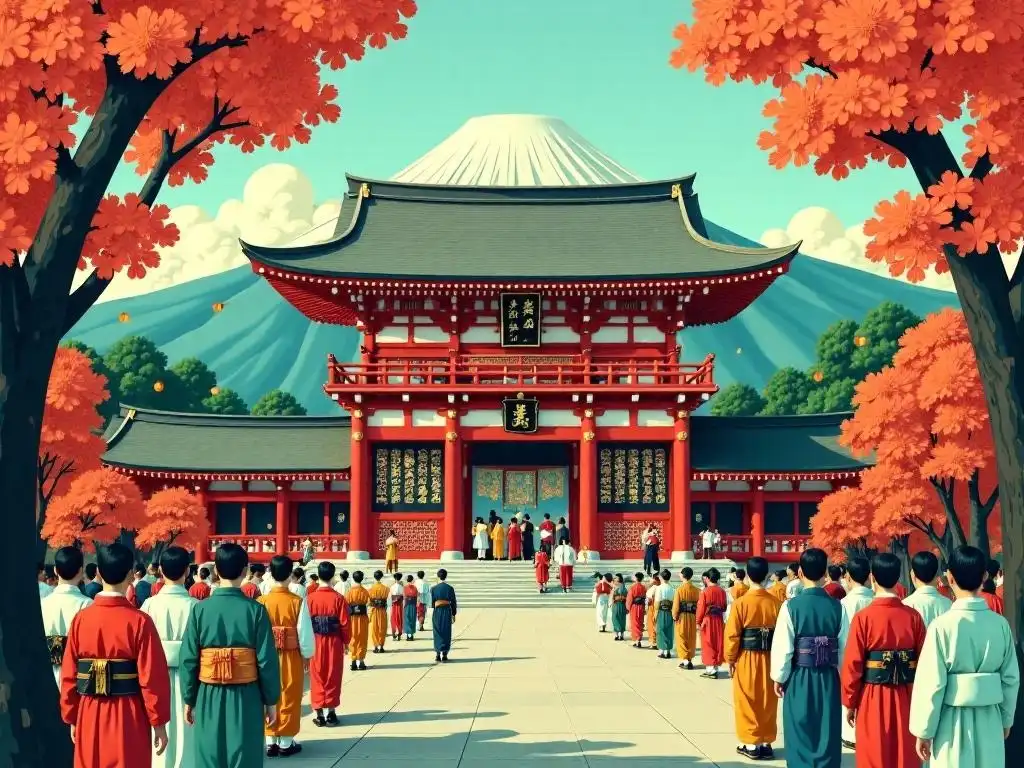
Welcome to Feudal Japan History, where we invite you to embark on a captivating journey through the rich tapestry of Japan's feudal era. Here, history meets culture in a profound exploration of the customs that shaped a nation.
In our featured article, “Celebrating the New Year: Traditional Events and Customs in Japan,” we unravel the fascinating traditions surrounding the Japanese New Year, offering insights that will deepen your appreciation for this vibrant culture. As you delve into the past, prepare to discover how these ancient practices continue to influence modern celebrations, sparking a curiosity that beckons you to explore further.
-
Celebrating the New Year: Traditional Japanese New Year Customs
- Understanding the Significance of New Year in Japan
- Traditional Japanese New Year Customs and Rituals
- Unique Events and Festivals During New Year in Japan
- Hatsumode: The First Shrine Visit of the Year
- New Year Festivals and Celebrations Across Japan
- How to Experience Traditional Japanese New Year Customs
- Conclusion: Embracing Traditional Japanese New Year Customs
- The Lasting Impact of New Year Traditions in Modern Japan
- Encouragement to Experience Japan's Cultural Heritage During New Year
- Frequently Asked Questions
- Final Reflection: Embracing the Spirit of Traditional Japanese New Year Customs
- Embrace the New Year Spirit: Celebrate with Tradition!
Celebrating the New Year: Traditional Japanese New Year Customs
The New Year, or Oshogatsu, is one of the most significant celebrations in Japan, steeped in centuries-old traditions and customs that reflect the rich tapestry of Japanese culture. This period is not merely a transition into another year; it embodies a time for renewal, reflection, and family gatherings, showcasing a blend of ancient rituals and modern practices.
As we delve into the essence of traditional Japanese New Year customs, we will explore the historical context, cultural significance, and various rituals that characterize this festive occasion. Understanding these customs offers a glimpse into the values and beliefs that have shaped Japanese society over the centuries, making Oshogatsu a vibrant celebration that resonates deeply with the people.
Understanding the Significance of New Year in Japan
The Historical Context of the New Year Celebration
The celebration of the New Year in Japan has evolved significantly throughout history. Initially influenced by the Chinese lunar calendar, the New Year was marked by various agricultural festivals and religious observances. However, with the adoption of the Gregorian calendar in the late 19th century, the New Year shifted to January 1st, leading to a blend of traditional and modern practices.
Over time, these celebrations have incorporated elements of Shinto and Buddhist beliefs, making them rich in symbolism and cultural heritage. For instance, the practice of visiting shrines during the New Year is rooted in the Shinto belief of purification and renewal.
Cultural Importance of Traditional Japanese New Year Customs
The cultural importance of traditional Japanese New Year customs cannot be overstated. These customs serve as a means of preserving Japanese identity and heritage, allowing families to connect with their ancestors and pass on traditions to future generations. The New Year symbolizes hope, prosperity, and the chance for a fresh start, and it is celebrated with various rituals that reflect these values. Families often gather to share meals, exchange gifts, and participate in activities that strengthen familial bonds, making it a time of joy and reflection.
Traditional Japanese New Year Customs and Rituals
Oshogatsu: The Japanese New Year Celebration
Oshogatsu is not just a day; it is a multi-day celebration filled with various customs and practices. Typically spanning from January 1st to January 3rd, this period is marked by several important activities. One of the most notable aspects of Oshogatsu is the preparation of osechi ryori, a special New Year’s meal that consists of various traditional dishes, each symbolizing different blessings for the upcoming year. The colorful presentation of osechi reflects the beauty and abundance of life, making it a centerpiece of the celebration.
Common New Year Customs in Japan
Several customs are commonly observed during the New Year celebrations in Japan. These include:
- Hatsumode: The first shrine visit of the year, where people pray for health and prosperity.
- Kagamimochi: A traditional decoration made of rice cakes, symbolizing the wish for a bountiful harvest.
- Nengajo: New Year's postcards sent to friends and family, expressing well-wishes for the coming year.
- Toshikoshi soba: Eating soba noodles on New Year's Eve, symbolizing a long life.
These customs, rich in meaning and significance, not only enhance the festive atmosphere but also reinforce the values of community, gratitude, and hope that are central to Japanese culture. Through this detailed exploration of traditional Japanese New Year customs, we gain greater insight into the heart of Japanese society and the enduring traditions that continue to thrive today.
Unique Events and Festivals During New Year in Japan
New Year in Japan, or Shōgatsu, is a time of both festive celebration and deep-rooted traditions. Various unique events and festivals mark this period, highlighting the cultural richness of the country. One of the most significant occasions is Hatsumode, the first shrine visit of the year, where people flock to shrines to pray for good fortune and blessings for the upcoming year. This custom is accompanied by the ringing of temple bells, which traditionally resonate 108 times, symbolizing the 108 human desires that one seeks to overcome.
In addition to Hatsumode, many towns and cities hold local festivals featuring traditional performances such as kagura (sacred music and dance), tea ceremonies, and the offering of mochi (rice cakes). Another notable event is the Oni Matsuri (Demon Festival), where participants dress as demons to ward off evil spirits. These events not only showcase Japan’s rich cultural heritage but also foster a sense of community as families and friends gather to celebrate together.
Hatsumode: The First Shrine Visit of the Year
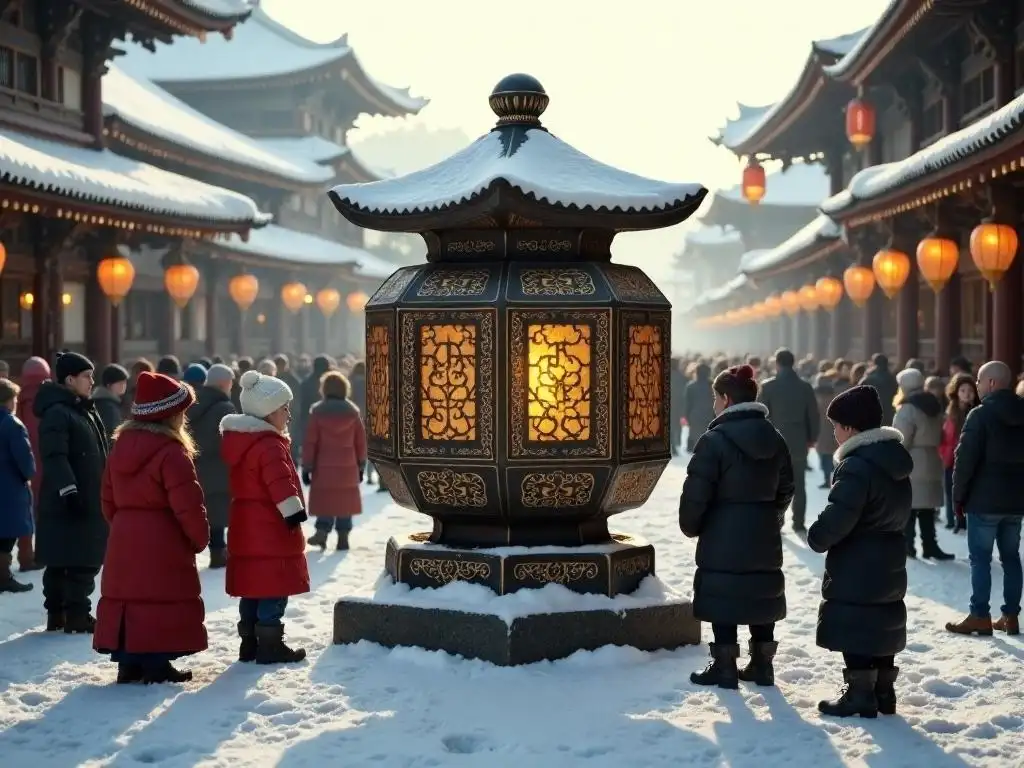
Hatsumode is a significant ritual that marks the beginning of the New Year in Japan. Typically, this event occurs during the first three days of January, where millions of people visit Shinto shrines and Buddhist temples to pray for health, happiness, and prosperity in the coming year.
The atmosphere during Hatsumode is vibrant, with stalls selling traditional foods and souvenirs, such as omikuji (fortunes), ema (wooden plaques for wishes), and shrine talismans. Visitors often dress in kimono, reflecting the importance of the occasion. The practice of throwing coins into the offering box while ringing the bell and bowing in prayer is a common ritual. Each shrine has its unique charm, with popular ones like Meiji Shrine in Tokyo and Fushimi Inari Shrine in Kyoto attracting large crowds.
New Year Festivals and Celebrations Across Japan
Across Japan, a variety of New Year festivals and celebrations take place, each showcasing local customs and traditions. For example, in Sapporo, the Sapporo Snow Festival features stunning ice sculptures and snow statues, attracting visitors from around the world. Meanwhile, in Osaka, the Tenjin Matsuri welcomes the New Year with boat parades and fireworks, celebrating the deity of learning and culture.
Additionally, the tradition of Kagamimochi, a decorative rice cake offering, is prevalent throughout the country. Families place this on their altars to invite good luck and ward off misfortune. Various regions also have their unique culinary delights during this period, such as osechi ryori, a special box of traditional foods that symbolizes wealth and happiness. Each item in osechi has a specific meaning, further enriching the cultural tapestry of New Year celebrations in Japan.
How to Experience Traditional Japanese New Year Customs
Experiencing traditional Japanese New Year customs can provide visitors with a deep understanding of Japan’s rich cultural heritage. Engaging in local events, trying out traditional foods, and participating in rituals like Hatsumode allow travelers to fully immerse themselves in the festive spirit of Shōgatsu.
Many shrines offer special New Year blessings and food stalls during this time, creating an unforgettable atmosphere. Participating in workshops to learn about making mochi or attending a kagura performance can also enhance the experience. A visit to Japan during this season promises not just sightseeing, but a journey into the heart of Japanese traditions.
Travel Tips for Experiencing New Year in Japan
To make the most of your New Year experience in Japan, consider the following travel tips:
- Plan Ahead: Book accommodations and travel arrangements well in advance, as this is a peak travel season.
- Visit Popular Shrines Early: Arrive at shrines early in the morning to avoid long lines and enjoy a more serene atmosphere.
- Dress Appropriately: While many wear traditional kimono, comfortable clothing is also advisable, especially for navigating crowds.
- Try Local Foods: Don’t miss the chance to taste osechi ryori and other New Year delicacies at local restaurants or food stalls.
- Engage with Locals: Participate in community events or ask locals about unique traditions in their area for an authentic experience.
Recommended Tours and Experiences
For those seeking guided experiences, several tours cater specifically to New Year traditions in Japan. Here are a few recommendations:
- Cultural Walking Tours: Discover the history and significance of various shrines and local customs with a knowledgeable guide.
- Mochi Making Classes: Participate in hands-on workshops to learn how to make traditional mochi, a staple during New Year celebrations.
- New Year Food Tours: Enjoy guided tours that focus on tasting and learning about various osechi dishes and other festive treats.
- Temple and Shrine Visits: Join tours that take you to multiple shrines, allowing you to experience Hatsumode at different locations.
These experiences not only enhance your understanding of Shōgatsu but also create lasting memories of your time in Japan during this culturally rich festival season.
Conclusion: Embracing Traditional Japanese New Year Customs
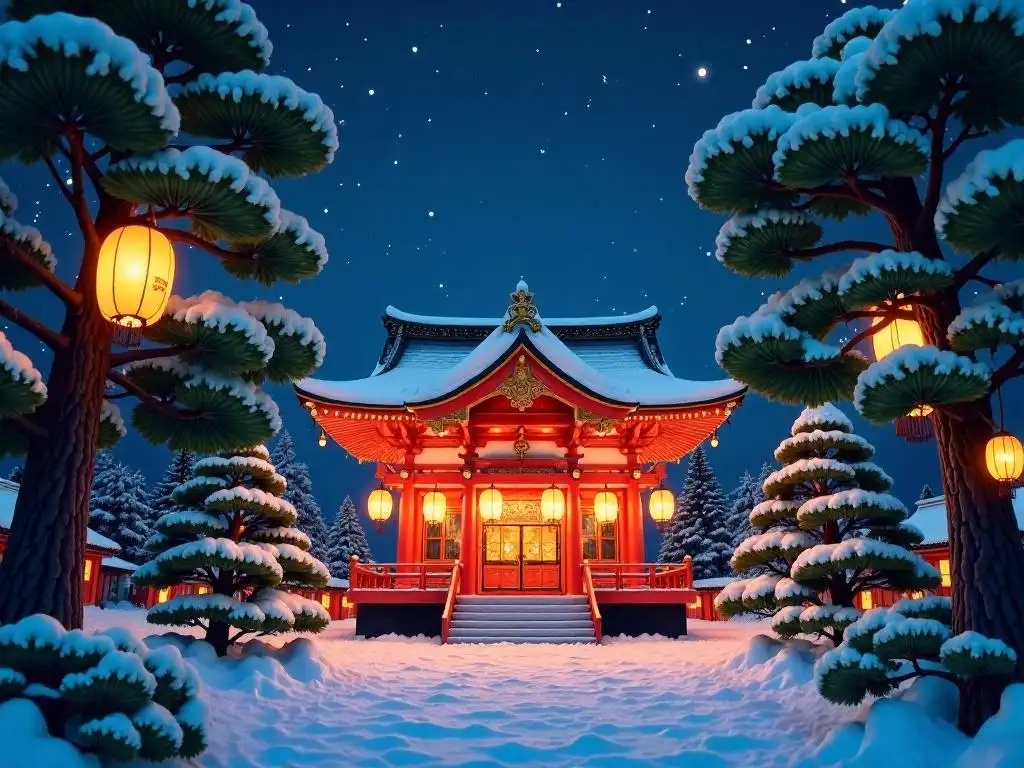
The celebration of the New Year in Japan is a rich tapestry of traditions that reflect the country’s deep cultural heritage and values. From the meticulous preparation of food to the intricate rituals performed at shrines, each custom serves to foster a sense of community, family bonding, and spiritual reflection. These practices, steeped in history, not only mark the beginning of a new year but also symbolize hope, renewal, and the collective aspirations of the Japanese people.
As Japan continues to modernize, the essence of these traditional customs remains vibrant, proving that they can coexist alongside contemporary life. The observance of Shōgatsu (正月) is a testament to the resilience of cultural practices, allowing the Japanese to honor their past while embracing the future. The New Year festivities serve as a reminder of the importance of family, gratitude, and the appreciation of one’s roots.
The Lasting Impact of New Year Traditions in Modern Japan
The impact of traditional Japanese New Year customs can be seen across various aspects of modern Japanese life. Many families still gather to share osechi ryori—the beautifully arranged New Year dishes that symbolize prosperity and happiness—reflecting the importance of family unity. These culinary traditions are often passed down through generations, creating a sense of continuity and identity among Japanese people.
Additionally, the cultural significance of events such as the first shrine visit, or hatsumode, emphasizes the spiritual connection that many Japanese feel towards their traditions. Even in urban areas where lifestyles may be fast-paced, the act of visiting a shrine during the New Year is a moment of pause, reflection, and hope for the year ahead.
Moreover, the influence of these customs extends beyond personal practices; they permeate community events, festivals, and even tourism. Visitors to Japan are often drawn to witness these richly woven traditions, which enhances cultural exchange and appreciation. As such, traditional Japanese New Year customs continue to shape not only the personal lives of individuals but also the broader societal landscape, reinforcing Japan’s cultural tapestry.
Encouragement to Experience Japan's Cultural Heritage During New Year
For those interested in immersing themselves in the rich cultural heritage of Japan, visiting during the New Year offers an unparalleled opportunity to witness these vibrant traditions firsthand. From the bustling streets adorned with decorations to the serene atmosphere of shrines filled with worshippers, the experience is unlike any other.
Travelers are encouraged to participate in local festivities, try traditional foods, and engage with community events. This not only enriches the visitor's experience but also supports the preservation of these customs. By embracing the local culture, visitors can gain deeper insights into the values and beliefs that shape Japanese society.
Whether it's enjoying a mochi pounding demonstration or participating in the New Year’s Eve countdown at a shrine, experiencing these traditions fosters a greater understanding of Japan’s cultural heritage. Ultimately, celebrating the New Year in Japan is a unique opportunity to connect with the past while looking forward to the future, creating memorable experiences that resonate long after the holiday ends.
Frequently Asked Questions
What are the main Traditional Japanese New Year customs?
The main customs include Osechi Ryori (traditional New Year food), Hatsumode (the first shrine visit), and Kagamimochi (decorative rice cakes). These practices symbolize prosperity, health, and good fortune for the coming year.
How do families typically celebrate the New Year in Japan?
Families often gather to share a feast of Osechi Ryori, engage in traditional games, and visit shrines. This time is characterized by family bonding and the reflection on the past year.
What is Hatsumode and why is it significant?
Hatsumode is the first shrine visit of the year, where people pray for health, happiness, and prosperity. It is significant as it represents a fresh start and a connection to spiritual beliefs.
What role does Kagamimochi play in New Year celebrations?
Kagamimochi is a traditional decoration made of stacked rice cakes. It symbolizes prosperity and is offered to deities as a gesture of gratitude and hope for a fruitful year ahead.
How have Traditional Japanese New Year customs evolved over time?
While many customs remain rooted in historical practices, modern influences have introduced variations. Today, some families blend traditional and contemporary celebrations, reflecting cultural shifts and globalization.
Final Reflection: Embracing the Spirit of Traditional Japanese New Year Customs
As we delve into the rich tapestry of traditional Japanese New Year customs, it becomes clear that these practices are not merely relics of the past but vibrant expressions of cultural identity that resonate deeply in today's society. The way in which these customs foster a sense of community, continuity, and hope for the future underscores their enduring relevance in our fast-paced world. In a time when globalization often dilutes cultural uniqueness, celebrating these traditions serves as a powerful reminder of the values and heritage that shape our identities.
The influence of traditional Japanese New Year customs extends far beyond the confines of Japan, permeating the global cultural landscape and inspiring countless individuals to reconnect with their roots. From the meticulous preparation of Osechi-ryori to the serene practice of Hatsumode, these customs invite us to reflect on the importance of family, gratitude, and renewal. As the renowned Japanese author Haruki Murakami once said, ">The world is full of things that are not what they seem." This quote resonates profoundly as we explore how these customs reveal deeper meanings about life, resilience, and the human experience.
As you reflect on the insights shared in this article, I invite you to consider how you can incorporate elements of these traditional customs into your own life, regardless of your cultural background. Whether it's setting intentions for the new year, sharing meals with loved ones, or simply taking a moment to appreciate the beauty of your heritage, these practices can enrich your life and foster a deeper connection to the world around you.
Let this New Year be an opportunity to celebrate not just the customs of Japan, but the universal themes of hope, renewal, and community that unite us all.
Embrace the New Year Spirit: Celebrate with Tradition!
Thank you for joining us on this journey through Japan's vibrant New Year customs! You've explored the rich tapestry of traditions that make this time of year so special. Now, it’s time to embrace that spirit and take action to celebrate in your own unique way.
Here are some enjoyable steps you can take:
- Host a Japanese-themed New Year gathering: Share the joy of your newfound knowledge with friends and family by preparing traditional dishes like **mochi** and **osechi ryori**. Let this gathering be a celebration of culture and togetherness.
- Create your own Japanese-inspired New Year decorations: Try making **kadomatsu** or **shimekazari** to adorn your home and welcome the New Year with plenty of good fortune.
- Learn a traditional Japanese game: Explore games such as **hanetsuki** or **karuta** and introduce your loved ones to the fun of cultural play. You might even discover a hidden talent for a new pastime!
As you reflect on these traditions, we invite you to consider: How can you incorporate elements of Japanese culture into your New Year celebrations to create lasting memories? Let’s inspire each other in the comments below!