
Samurai Sword Trends: What's Hot in Collecting Today?

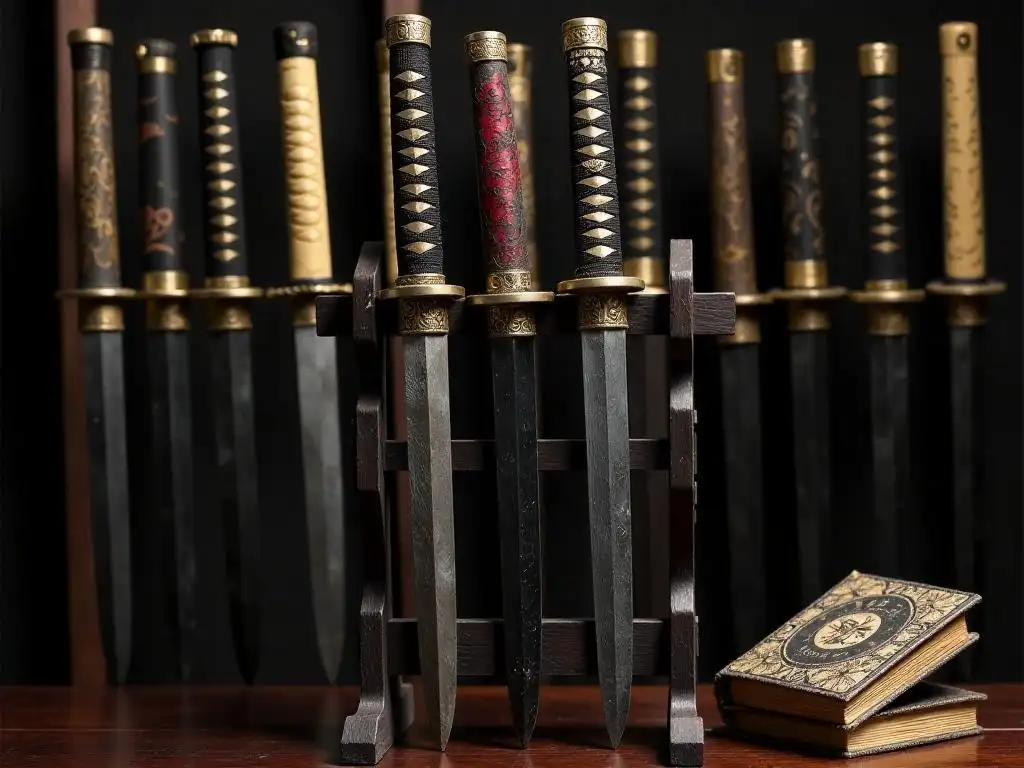
Welcome to Feudal Japan History, where we delve into the intriguing tapestry of Japan's feudal era, unveiling its rich historical, cultural, and societal layers. Are you ready to embark on a journey through time? In our latest article, "Samurai Sword Trends: What's Hot in Collecting Today?", we explore the captivating world of collecting samurai swords—a pursuit that blends artistry, history, and martial prowess. Join us as we uncover the latest trends in this fascinating market, and discover what makes these iconic blades so sought after. Your adventure into the heart of Japan's martial heritage awaits!
-
Collecting Samurai Swords Trends: An Overview of Current Market Dynamics
- Understanding Collecting Samurai Swords: The Cultural Significance
- Current Trends in Collecting Samurai Swords
- Featured Samurai Sword Types: What Collectors Are After
- Top Brands and Makers to Consider for Collecting Samurai Swords
- Key Factors Influencing Collecting Samurai Swords Trends
- Tips for New Collectors: Navigating the Samurai Sword Market
- Myths and Realities in Collecting Samurai Swords
- Conclusion: The Future of Collecting Samurai Swords
-
Frequently Asked Questions
- What are the current trends in collecting samurai swords?
- How can I determine the value of a samurai sword?
- What materials are commonly used in samurai sword production today?
- Are there any specific care tips for samurai sword collectors?
- Where can I find reputable sources for purchasing samurai swords?
- Final Reflection: Embracing the Art of Collecting Samurai Swords
- Unveil Your Next Samurai Sword – Join the Collecting Craze!
Collecting Samurai Swords Trends: An Overview of Current Market Dynamics
The world of collecting samurai swords has evolved significantly over the years, reflecting both historical appreciation and modern trends in the market. As enthusiasts and collectors delve into this fascinating aspect of Japan's feudal past, they encounter a rich tapestry of cultural significance, craftsmanship, and investment potential. Samurai swords, or nihonto, are not merely weapons; they are symbols of honor, artistry, and the storied history of Japan. Today's collectors are increasingly drawn to these artifacts, navigating a complex landscape shaped by authenticity, rarity, and the appreciation of traditional craftsmanship.
The current trends in collecting samurai swords reveal a dynamic interplay between traditional values and contemporary collector preferences. Whether driven by nostalgia, investment potential, or a genuine interest in Japanese culture, collectors are actively seeking out swords that embody the essence of the samurai spirit. In this article, we will explore the cultural significance of these swords, highlight the latest trends in collecting, and identify the types of samurai swords that are currently in demand among collectors.
Understanding Collecting Samurai Swords: The Cultural Significance
The samurai sword, often revered as a masterpiece of Japanese craftsmanship, carries deep cultural significance that extends beyond its physical form. Historically, these swords were not only tools of war but also integral to the samurai's identity, embodying their code of honor, known as Bushido. The craftsmanship involved in forging a samurai sword—often taking years to perfect—reflects a blend of artistry and functionality, making each piece a unique representation of its maker's skill and the era it hails from.
Collectors today are drawn to this rich heritage, often seeking swords that tell a story of the past. The historical context, such as the era of the sword's creation or its previous owners, can elevate its value and appeal. Moreover, as interest in Japanese culture continues to grow globally, the demand for samurai swords has surged, leading to a vibrant market where authenticity and provenance are of utmost importance.
Current Trends in Collecting Samurai Swords
The current landscape of samurai sword collecting is characterized by several key trends that highlight the evolving preferences of collectors. Some notable trends include:
- Emphasis on Authenticity: Collectors are increasingly prioritizing authentic, historically significant swords. Certificates of authenticity and detailed provenance are now essential for many buyers.
- Focus on Artisan Craftsmanship: There is a growing appreciation for the craftsmanship involved in sword-making. Collectors are seeking out blades from renowned smiths and those exhibiting unique features.
- Investment Potential: Many collectors view samurai swords as not just collectibles but also investment opportunities. The market for high-quality swords has shown resilience, with certain pieces appreciating significantly over time.
- Popularity of Reproductions: While authentic swords are highly sought after, there is also a burgeoning market for high-quality reproductions. These swords cater to new collectors who may find the prices of authentic pieces prohibitive.
Featured Samurai Sword Types: What Collectors Are After
As the market for samurai swords continues to thrive, certain types have emerged as particularly desirable among collectors. Here are some of the most sought-after categories:
- Katanas: The iconic curved sword, known for its sharpness and elegance, remains the most popular choice among collectors.
- Tantos: These shorter blades, often used as daggers, are valued for their craftsmanship and historical significance.
- Wakizashis: The companion sword to the katana, the wakizashi is sought after for its balanced design and versatility.
- Antique Swords: Collectors are particularly interested in swords from specific historical periods, such as the Edo period, due to their rarity and craftsmanship.
The trends surrounding collecting samurai swords reveal a fascinating intersection of history, culture, and modern consumer preferences. As collectors navigate this rich landscape, understanding the significance of these artifacts and the current market dynamics becomes essential for anyone looking to engage in this rewarding hobby.
Top Brands and Makers to Consider for Collecting Samurai Swords
When diving into the world of collecting samurai swords, it’s essential to recognize the leading brands and makers that define the market. Each brand offers unique craftsmanship, historical significance, and varying price points that cater to collectors of all levels.
- Masamune: Often regarded as one of the greatest swordsmiths in history, Masamune's blades are highly sought after. Collectors value these swords not just for their beauty but also for their historical legacy. Authentic Masamune swords can fetch millions at auctions.
- Muramasa: Another renowned name, Muramasa is known for producing swords that are said to possess mystical powers. These swords often come with compelling stories, making them particularly appealing to collectors interested in the lore surrounding samurai culture.
- Yoshindo Yoshihara: A contemporary swordsmith who blends traditional techniques with modern sensibilities, Yoshihara's swords are respected for their quality and aesthetic appeal. His pieces are great for collectors looking for a balance of tradition and contemporary design.
- Hokke: Known for producing high-quality swords that are accessible to a wider range of collectors, Hokke focuses on creating functional blades that maintain the traditional aesthetics of samurai swords.
- Bugei Trading Company: This company specializes in reproductions of historical swords, making them an ideal choice for collectors who want a piece of history without the high price tag of genuine antiques. Their swords are crafted with attention to detail and authenticity.
These brands represent just a fraction of the makers available in the market. Each has its own story and significance, helping collectors to make informed decisions based on their personal tastes and collecting goals.
Key Factors Influencing Collecting Samurai Swords Trends
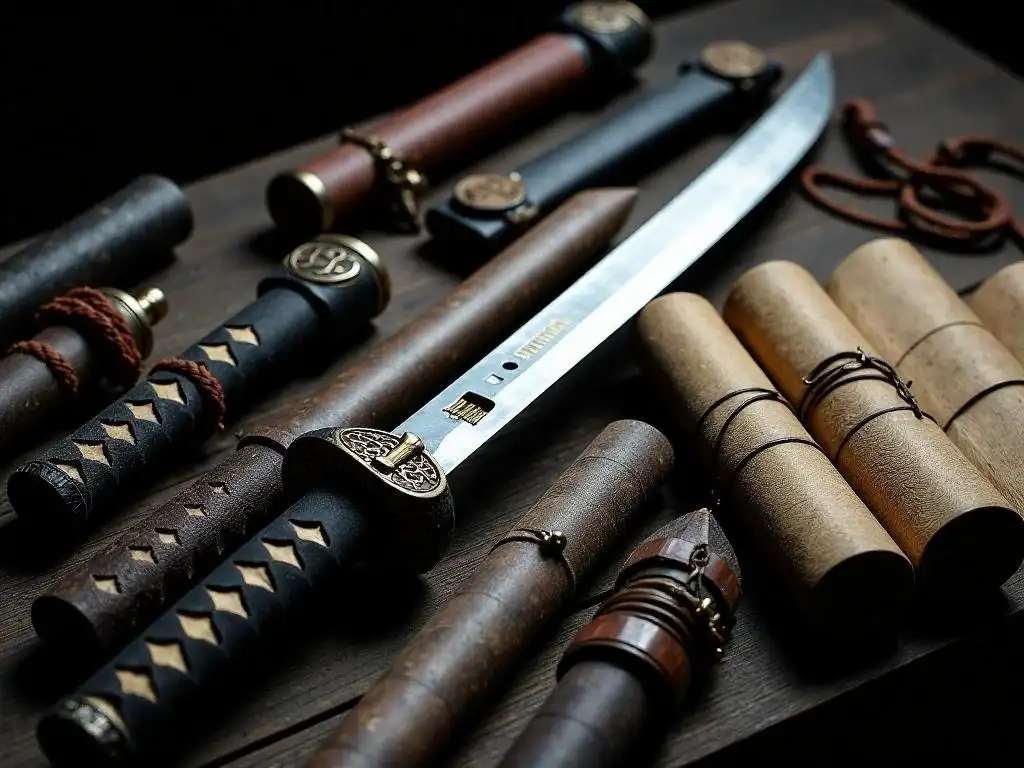
The trends in collecting samurai swords are influenced by several key factors that potential collectors should consider:
- Cultural Resurgence: There has been a growing interest in Japanese culture, particularly among younger generations. This resurgence has led to a spike in demand for samurai swords, as they symbolize not just martial prowess but also the rich history and artistry of Japan.
- Historical Significance: Swords with interesting backstories or historical importance are often more sought after. Collectors tend to gravitate towards pieces that were used in significant battles or belonged to notable figures.
- Market Accessibility: The rise of online marketplaces and auctions has made samurai swords more accessible to collectors worldwide. This convenience has expanded the collector base, driving trends based on availability and demand.
- Quality and Craftsmanship: The emphasis on quality has never been more pronounced. Collectors are increasingly discerning, favoring swords that showcase exceptional craftsmanship and traditional techniques. This focus on quality has influenced prices and desirability.
- Investment Potential: As with any collectible, the potential for value appreciation can drive trends. Collectors often consider the investment aspect when acquiring swords, leading to increased demand for rare and high-quality pieces.
Understanding these factors can help collectors navigate the evolving market and make informed decisions about their acquisitions.
Entering the world of samurai sword collecting can be daunting, but with the right approach, new collectors can find success. Here are some helpful tips:
- Educate Yourself: Before making any purchases, take time to learn about different types of samurai swords, their historical context, and the craftsmanship involved. Books, online forums, and collector groups can be invaluable resources.
- Start with Reproductions: For beginners, starting with high-quality reproductions can be an excellent way to familiarize yourself with the aesthetics and handling of samurai swords. This allows you to build confidence without the risk of significant financial investment.
- Attend Shows and Exhibitions: Participating in sword shows and exhibitions can provide firsthand experience and an opportunity to meet seasoned collectors and experts. This networking can lead to valuable advice and insights into the market.
- Seek Authenticity: Always ensure that swords come with proper authentication and documentation. Look for reputable dealers who provide provenance and details about the sword's history and craftsmanship.
- Join Collector Communities: Engaging with fellow enthusiasts can offer support and guidance. Online forums and social media groups can be great places to ask questions, share experiences, and learn from others in the community.
- Be Patient: Collecting is a journey, and it's essential to take your time. Avoid rushing into purchases and focus on building a collection that reflects your personal interests and values.
By following these tips, new collectors can navigate the samurai sword market more effectively, ensuring a rewarding collecting experience.
Myths and Realities in Collecting Samurai Swords
The world of collecting samurai swords is steeped in rich history and intrigue, but it also harbors a myriad of myths that can mislead both novice and experienced collectors. Understanding these myths is crucial for anyone looking to make informed purchasing decisions and truly appreciate the art of sword collecting.
- Myth: All Samurai Swords are Expensive
- Reality: While some samurai swords, especially well-preserved antiques from notable makers, can fetch astronomical prices, many swords are accessible to collectors on various budgets. For instance, modern replicas and less famous historical pieces can be found at more reasonable prices, often ranging from a few hundred to a few thousand dollars.
- Myth: Authenticity is Always Easy to Determine
- Reality: Identifying genuine samurai swords can be incredibly challenging, even for seasoned collectors. Factors such as the sword's condition, the signature (mei), and the presence of specific materials can all influence authenticity. Professional appraisals are often necessary to confirm a sword's provenance.
- Myth: Collecting Samurai Swords is Just a Hobby
- Reality: For many collectors, samurai swords represent more than just a pastime; they embody a deep appreciation for Japanese culture, history, and craftsmanship. Collecting can also be seen as an investment, as certain samurai swords can appreciate significantly in value over time, provided they are well-maintained and preserved.
- Myth: All Samurai Swords are Suitable for Display
- Reality: Not all samurai swords are made for display. Some swords are functional and crafted for use, while others, particularly those that are damaged or heavily restored, may not be suitable for display. Collectors should carefully consider the context and condition of each piece before showcasing it in their collection.
- Myth: You Need to Know Everything Before You Start Collecting
- Reality: While knowledge is undoubtedly beneficial, many collectors begin their journey with limited information. Engaging with the community, visiting exhibitions, and participating in forums can provide valuable insights. Starting with a few foundational pieces can help new collectors grow their understanding over time.
By debunking these myths, collectors can approach their passion for samurai swords with a clearer perspective, enabling them to make wiser choices and truly enjoy their collecting journey.
Conclusion: The Future of Collecting Samurai Swords
As we look towards the future of collecting samurai swords, several trends and dynamics are shaping the market. Collectors are becoming increasingly savvy, leveraging technology and resources to deepen their understanding and appreciation of these historical artifacts.
- Growing Interest in Japanese Culture
- The global fascination with Japanese culture continues to rise, with samurai swords being at the forefront of this interest. As more people seek to connect with Japan's historical legacy, the demand for samurai swords is likely to increase. This cultural renaissance also encourages collectors to explore not just the swords themselves, but also the stories and traditions that surround them.
- Digital Marketplaces and Auctions
- Online platforms are transforming the way collectors buy and sell samurai swords. Auctions and sales conducted through digital channels provide unprecedented access to a wide variety of swords, allowing collectors to find unique pieces from around the world. This trend is democratizing the market, making it easier for both novice and seasoned collectors to participate.
- Emphasis on Preservation and Restoration
- The future of samurai sword collecting is also marked by a heightened focus on preservation and restoration techniques. Collectors are increasingly prioritizing the maintenance of their swords, employing experts to restore and preserve these historical artifacts. This attention to care not only enhances the longevity of the swords but also increases their value in the collector's market.
- Educational Resources and Community Engagement
- The availability of educational resources, including books, documentaries, and online courses, is empowering collectors with knowledge. Additionally, the growth of online communities and forums fosters a collaborative spirit among collectors, facilitating knowledge exchange and mentorship opportunities. As the community grows, so does the appreciation for the art of sword collecting.
The future of collecting samurai swords is bright, characterized by an expanding market, deeper cultural connections, and enhanced educational resources. By embracing these trends, collectors can not only enjoy their passion but also contribute to the preservation of Japan's rich heritage. As the landscape of sword collecting evolves, enthusiasts can look forward to a vibrant and rewarding journey ahead.
Frequently Asked Questions
What are the current trends in collecting samurai swords?
The current trends in collecting samurai swords include a focus on authenticity, unique craftsmanship, and swords with significant historical value. Collectors are also interested in limited editions and modern interpretations of traditional designs.
How can I determine the value of a samurai sword?
To determine the value of a samurai sword, consider factors such as age, condition, provenance, and maker. Consulting with experts or using reputable appraisal services can provide a more accurate assessment.
What materials are commonly used in samurai sword production today?
Modern samurai swords are often made from high-carbon steel, which offers both durability and the ability to hold a sharp edge. Additionally, collectors may find swords featuring traditional forging techniques combined with modern materials for enhanced performance.
Are there any specific care tips for samurai sword collectors?
Yes, collectors should store their samurai swords in a dry environment, use oil to prevent rust, and regularly clean the blade. Proper handling and maintenance can significantly enhance the sword's longevity and value.
Where can I find reputable sources for purchasing samurai swords?
Reputable sources for purchasing samurai swords include specialized auction houses, antique shops, and certified dealers. Online platforms that focus on authentic collectibles can also be a good option, but ensure they have a solid reputation and customer reviews.
Final Reflection: Embracing the Art of Collecting Samurai Swords
In today's world, the allure of collecting samurai swords transcends mere hobbyism; it embodies a profound connection to history, craftsmanship, and cultural heritage. As we navigate through the modern landscape of collecting, the trends highlighted in this article remind us that these ancient weapons are not just artifacts but vessels of stories and artistry that continue to captivate collectors and enthusiasts alike. The resurgence of interest in samurai swords reflects a broader appreciation for the intricate craftsmanship and the rich narratives they carry, making them highly sought after in today's market.
The influence of samurai swords on contemporary culture is undeniable, as they serve as symbols of honor, discipline, and artistry. Collectors today are not merely amassing items; they are curators of history, preserving the legacy of the samurai spirit. As one collector aptly stated, Each sword tells a story, and in collecting them, we become part of that narrative.
This ongoing fascination fosters a community that values not only the aesthetic beauty of these blades but also the cultural significance they represent, bridging the gap between past and present.
As you reflect on the trends in collecting samurai swords, consider how this passion can enrich your life and understanding of history. I invite you to explore the world of samurai swords, whether through collecting, studying, or simply appreciating their artistry. Let the stories of these remarkable blades inspire you to seek out your own passions and connect with the deeper meanings behind the objects we cherish. Embrace the journey of discovery, and who knows what treasures await you in the realm of collecting!
Unveil Your Next Samurai Sword – Join the Collecting Craze!
Thank you for diving into the fascinating world of samurai sword collecting! You've uncovered the latest trends and insights that can elevate your collection to the next level. Now, it’s time to take action and let your passion for these exquisite artifacts shine!
Here are a few steps to get you started:
- Explore trusted online marketplaces to discover new additions for your collection that align with current trends.
- Consider joining online forums or local collector groups to share your knowledge and learn from fellow enthusiasts.
- Document your collection online, showcasing the history and origin of your swords to inspire others in the community!
As you embark on this exciting journey, what unique story will your next samurai sword tell?