
How to Plan Your Perfect CastleHopping Adventure in Japan

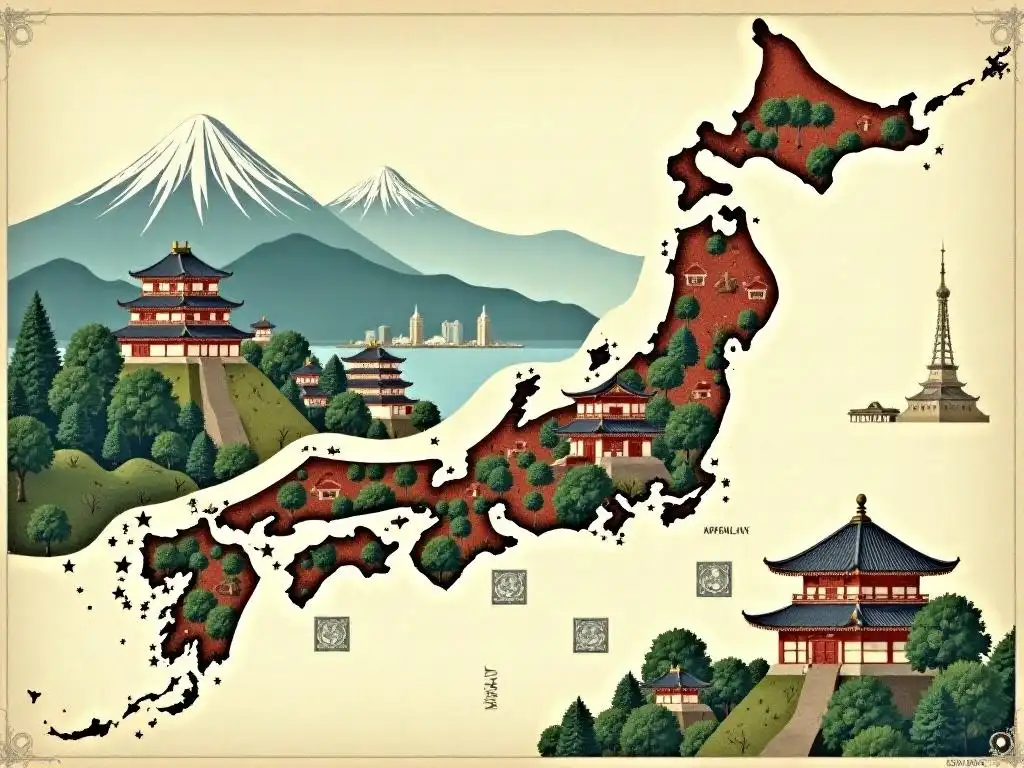
Welcome to Feudal Japan History, where the echoes of samurai and shoguns beckon you to embark on an unforgettable journey through time. Are you ready to uncover the secrets of Japan's majestic castles? Our latest article, "How to Plan Your Perfect Castle Hopping Adventure in Japan," serves as your ultimate guide to exploring these stunning historical landmarks. From the intricacies of castle architecture to the captivating stories of those who walked their halls, this adventure promises to ignite your wanderlust and deepen your appreciation of Japan’s feudal era. Dive in and let the adventure begin!
- Introduction to Japan Castle Hopping: Your Ultimate Guide
- Planning Your Castle Hopping Adventure in Japan
- Essential Castles to Visit on Your Japan Castle Hopping Journey
- Tips for a Memorable Castle Hopping Experience
- Recommended Services and Products for Your Castle Hopping Adventure
- Conclusion: Embrace the Adventure of Castle Hopping in Japan
- Frequently Asked Questions
- Final Reflection: Embrace the Journey of Castle Hopping in Japan
- Embark on Your Enchanting Castle-Hopping Journey Today!
Introduction to Japan Castle Hopping: Your Ultimate Guide
Planning a journey through Japan's stunning landscape of historic castles is an adventure steeped in the rich tapestry of the country's feudal past. The concept of castle hopping—visiting multiple castles in one trip—offers an immersive experience that allows travelers to connect with Japan's history, architecture, and culture.
This guide serves as your comprehensive resource for navigating the extraordinary world of Japan's feudal castles, helping you discover not only their architectural marvels but also the stories that breathe life into these ancient fortresses. By understanding the significance of these sites, you can enhance your travel experience and create unforgettable memories as you explore the legacy of the samurai and the shoguns.
The Allure of Japan's Feudal Castles
Japan's feudal castles are more than mere structures; they are a testament to the country's tumultuous history and artistic heritage. These castles, often perched upon hills or surrounded by serene moats, were built during a time when samurai ruled the land, and they served as both military fortifications and residences for the nobility. The allure of these castles lies in their majestic designs, intricate woodwork, and the breathtaking views they offer.
- Cultural Significance: Each castle tells a unique story, reflecting the power struggles and political intrigue of its time. For instance, Himeji Castle, a UNESCO World Heritage site, is renowned for its stunning white facade and strategic layout. It symbolizes the zenith of Japanese castle architecture and remains remarkably well-preserved.
- Architectural Wonders: The architectural diversity of Japan’s castles is astounding. From the imposing stone walls of Kumamoto Castle to the elegant wooden constructions of Matsumoto Castle, each site showcases different styles and techniques, providing insight into the regional variations and historical context of the era.
- Natural Beauty: Many castles are set against picturesque backdrops, surrounded by cherry blossoms in spring or vibrant foliage in autumn. This natural beauty enhances the experience of castle hopping, as visitors can enjoy both the historical and scenic aspects of their journey.
Understanding the Japan Castle Hopping Experience
Embarking on a castle hopping adventure in Japan requires careful planning and consideration of various factors to ensure a smooth and enjoyable experience. Here are some key elements to consider:
- Choosing Your Castles: With over 100 castles still standing throughout Japan, selecting which ones to visit can be daunting. Notable castles to include in your itinerary are:
- Himeji Castle (Hyogo Prefecture)
- Matsumoto Castle (Nagano Prefecture)
- Kumamoto Castle (Kumamoto Prefecture)
- Travel Logistics: Understanding the transportation options between castles is crucial. Japan's extensive rail network makes it relatively easy to travel between cities, but planning your routes and schedules will enhance your journey. Utilizing the Japan Rail Pass can offer significant savings for travelers aiming to visit multiple locations.
- Cultural Etiquette: Familiarizing yourself with Japanese customs and etiquette can enrich your experience. For example, it is respectful to remove your shoes when entering certain areas of a castle, and learning a few basic phrases in Japanese can help you connect with locals.
- Time Considerations: Allocate enough time at each castle to fully appreciate its history and beauty. Some castles have museums and gardens that warrant additional exploration, so plan your itinerary accordingly.
By understanding these essential components, you can create a fulfilling Japan castle hopping adventure that not only highlights the historical grandeur of feudal Japan but also allows you to immerse yourself in its captivating culture.
Planning Your Castle Hopping Adventure in Japan

Embarking on a castle hopping adventure in Japan is an exhilarating journey through the country’s rich feudal history and architectural marvels. To maximize your experience, careful planning is essential. This section will guide you through setting your itinerary, selecting the best regions, and the optimal times to visit these historical treasures.
Setting Your Itinerary: Key Locations for Castle Hopping
When planning your castle hopping itinerary, it’s crucial to identify the key locations that showcase the grandeur of Japan’s feudal era. Here are some notable castles to include:
- Himeji Castle (Hyogo Prefecture)
- A UNESCO World Heritage Site, Himeji Castle is renowned for its stunning white facade and intricate defensive systems.
- Matsumoto Castle (Nagano Prefecture)
- Known as the "Crow Castle" due to its black exterior, Matsumoto Castle is one of Japan’s most beautiful and well-preserved castles.
- Osaka Castle (Osaka Prefecture)
- A symbol of Osaka, this castle played a significant role in the unification of Japan during the 16th century.
- Kumamoto Castle (Kumamoto Prefecture)
- Famous for its imposing structure and extensive grounds, Kumamoto Castle offers a glimpse into the power of the Shimazu clan.
Top Regions for Castle Exploration: Honshu, Kyushu, and Shikoku
To enrich your castle hopping experience, focus on these three prominent regions:
- Honshu
- This main island houses the majority of Japan's prominent castles, including Himeji, Osaka, and Nagoya. The region is well-connected by public transport, making it easy to travel between sites.
- Kyushu
- Known for its unique architecture and volcanic landscapes, Kyushu offers castles like Kumamoto and Nagasaki. Here, visitors can enjoy the blend of feudal history and natural beauty.
- Shikoku
- This lesser-visited island features a collection of 12 historic castles, including Matsuyama Castle, which is known for its scenic hilltop location and beautiful cherry blossoms.
Best Time to Visit: Seasonal Tips for Your Japan Castle Hopping Guide
When planning your castle hopping adventure, the timing of your visit can greatly enhance your experience. Each season offers unique opportunities to appreciate Japan's castles.
Spring Blossoms vs. Autumn Leaves: A Visual Delight
- Spring (March to May)
- The cherry blossom season transforms many castle grounds into picturesque landscapes. Notable spots include Himeji Castle, where the cherry blossoms create a stunning backdrop. Expect vibrant festivals and events celebrating the season.
- Autumn (September to November)
- Autumn provides a breathtaking display of colorful foliage, particularly around castles like Matsumoto and Kumamoto. The warm hues of red and gold against the dark stone of the castles create a striking contrast, making for perfect photographs.
Recommendations:
- Spring Visit: Plan your trip for late March to early April to catch the peak cherry blossom bloom.
- Autumn Visit: Late October to early November is ideal for autumn leaves, with many castles hosting seasonal events and illuminations.
By carefully planning your itinerary and choosing the right time to visit, your castle hopping adventure in Japan will not only be enjoyable but also a deeply enriching experience that connects you with the country's fascinating feudal past.
Transportation Tips for Efficient Castle Hopping
Planning a castle hopping adventure in Japan requires careful consideration of transportation options to maximize your time and experience. With numerous historic castles scattered across the country, understanding how to navigate the transportation system can significantly enhance your journey. Here are some key tips to ensure your castle hopping adventure is both efficient and enjoyable.
Navigating Japan's Rail System: JR Pass and Other Options
Japan's rail system is renowned for its efficiency, punctuality, and extensive coverage. The Japan Rail (JR) network connects major cities and regions, making it an ideal choice for travelers looking to visit multiple castles. One of the best options for tourists is the Japan Rail Pass, which offers unlimited travel on JR trains, including the famous Shinkansen (bullet trains), for a set number of days.
- JR Pass Benefits:
- Cost-effective for long-distance travel.
- Flexibility to hop on and off trains without purchasing individual tickets.
- Access to a variety of trains, including express and local services.
In addition to the JR Pass, other options include regional rail passes, which can be more economical if you plan to explore a specific area, such as the Kansai or Kanto regions. Local transportation, including subways and buses, often complements the rail system, providing access to castles located within cities or rural areas.
- Other Rail Pass Options:
- Kansai Area Pass: Ideal for visiting castles in Kyoto and Osaka.
- Hokkaido Rail Pass: Perfect for exploring northern Japan's historical sites.
- Nikko Pass: Great for reaching the UNESCO World Heritage sites around Nikko.
By leveraging these rail options, you can easily access iconic feudal castles like Himeji Castle, Matsumoto Castle, and Nagoya Castle while enjoying Japan's scenic landscapes along the way.
Renting a Car vs. Public Transportation: Pros and Cons
When considering transportation for your castle hopping adventure, you may find yourself weighing the choice between renting a car and relying on public transportation. Both options have their advantages and disadvantages, depending on your travel style and itinerary.
Renting a Car: Pros and Cons
- Pros:
- Flexibility: You can explore off-the-beaten-path castles and rural areas not easily accessible by public transport.
- Convenience: Traveling at your own pace without adhering to train or bus schedules.
- Comfort: Allows for more luggage space and the ability to travel with a group.
- Cons:
- Cost: Renting a car can be expensive, considering fuel, tolls, and parking fees.
- Navigation: Driving in a foreign country can be challenging, especially with language barriers and unfamiliar road signs.
- Traffic and Parking: Urban areas may present challenges with traffic congestion and limited parking near popular tourist sites.
Public Transportation: Pros and Cons
- Pros:
- Affordability: Generally cheaper than renting a car, especially with rail passes.
- Efficiency: Japan's public transport is known for its speed and reliability.
- Eco-friendly: Using trains and buses reduces your carbon footprint.
- Cons:
- Limited Access: Some remote castles may not be reachable by public transport.
- Crowded: Trains and buses can become crowded during peak travel times, which may be uncomfortable.
- Schedules: You must plan your itinerary around the transport schedules, which can limit spontaneity.
Ultimately, the decision between renting a car and using public transportation will depend on your travel preferences, the castles you wish to visit, and your overall itinerary. Combining both methods can also be an effective strategy, allowing you to benefit from the strengths of each option during your castle hopping adventure.
Essential Castles to Visit on Your Japan Castle Hopping Journey
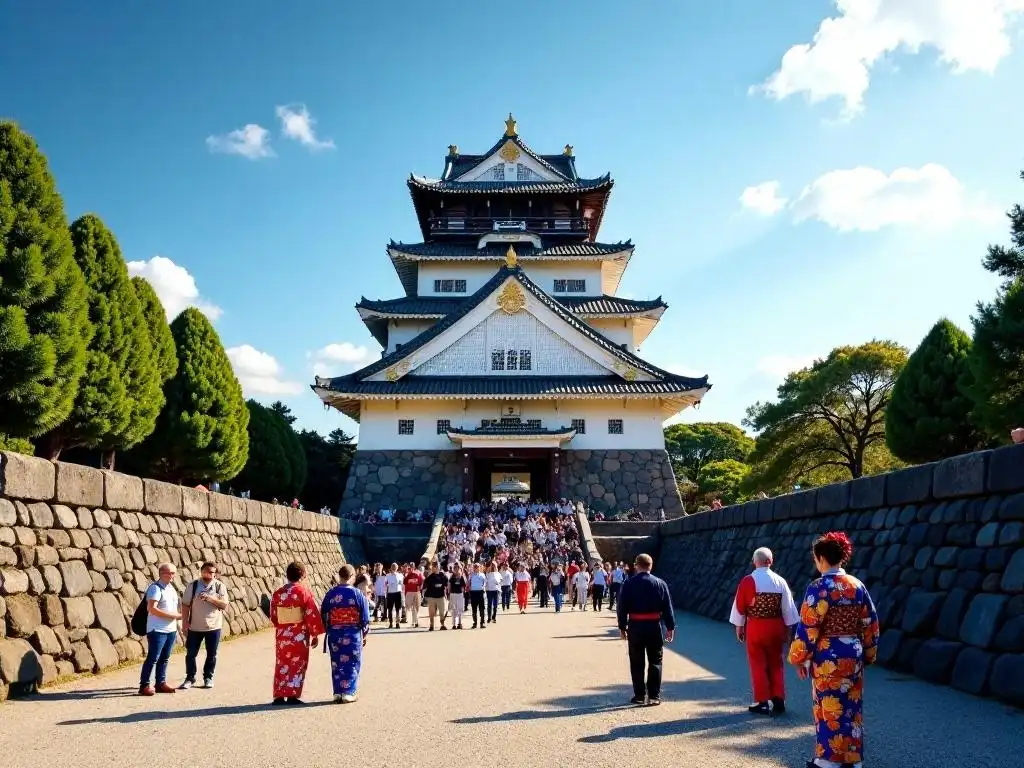
Himeji Castle: The Crown Jewel of Japan
Himeji Castle, known as Shirasagijo (White Heron Castle), is widely regarded as the finest surviving example of Japanese castle architecture. Situated in Himeji, Hyogo Prefecture, this UNESCO World Heritage Site showcases an incredible blend of beauty and fortification, making it a pivotal stop on any Japan castle hopping adventure.
Features of Himeji Castle: Architecture and History
Himeji Castle's construction dates back to 1333, with significant renovations completed in the early 17th century. Its distinctive white exterior is not only aesthetically pleasing but also serves a practical purpose, as the white plaster used helps to protect the wood from fire. Key features include:
- Multiple defensive layers: The castle complex is designed with a series of moats, walls, and gates that enhance its fortification.
- Beautiful gardens: The surrounding Kokoen Garden perfectly complements the castle's beauty, showcasing traditional Japanese landscaping.
- Intricate design: The castle features a complex of interconnected buildings, which is unique in its layout and design, allowing for both defense and residence.
Himeji Castle is often praised for its symmetrical design and the way it blends with the surrounding natural landscape, making it a prime example of Japanese aesthetics in architecture.
Why Himeji Castle is a Must-Visit
Visiting Himeji Castle is not just about witnessing architectural splendor; it is also about experiencing a piece of Japan's history. Here are several reasons why it should be on your itinerary:
- Cultural Significance: As one of the few castles that survived the turbulent periods of Japanese history, it offers insights into feudal Japan.
- Accessibility: Himeji Castle is conveniently located near major cities, such as Osaka and Kyoto, making it an easy day trip.
- Events and Festivals: The castle hosts various cultural events throughout the year, including cherry blossom festivals in spring, enhancing the experience for visitors.
Matsumoto Castle: The Black Crow Castle
Matsumoto Castle, often referred to as Kurojo (Black Castle), is another iconic structure that stands out in Japan's feudal castle landscape. Located in Matsumoto, Nagano Prefecture, it is the oldest wooden castle in Japan and offers a unique glimpse into the past.
Unique Characteristics of Matsumoto Castle
Matsumoto Castle is distinct for its black exterior, which sets it apart from many other castles that feature white facades. Key characteristics include:
- Moat and defensive structures: The castle is surrounded by a beautiful moat that enhances its defensive capabilities and provides stunning views.
- Interior features: Visitors can explore the castle’s well-preserved interior, including its trap doors and wooden beams, which reflect traditional Japanese construction techniques.
- Scenic backdrop: The castle is framed by the majestic Northern Japanese Alps, creating a breathtaking setting for photography.
These features contribute to Matsumoto Castle being a favorite among both tourists and historians alike.
Historical Significance and Attractions Nearby
Built during the Sengoku period (1467-1603), Matsumoto Castle played a crucial role in the region's defense strategies. Here are a few highlights of its historical significance and nearby attractions:
- Cultural Heritage: The castle has been designated as a National Treasure, preserving its historical integrity and allowing visitors to connect with Japan’s feudal past.
- Nearby attractions: The area surrounding Matsumoto Castle is rich in cultural experiences. Notable sites include:
- Nakamachi Street: Known for its traditional wooden buildings and shops.
- Matsumoto City Museum of Art: Featuring works from local artists, including the renowned Yayoi Kusama.
Both Himeji and Matsumoto Castles are essential stops on your Japan castle hopping guide. Their unique features and rich histories provide a captivating look into Japan's feudal era, ensuring that your adventure will be filled with unforgettable experiences.
Kumamoto Castle: Resilience and Restoration
Kumamoto Castle, known for its imposing structure and historical significance, is one of Japan's most celebrated feudal castles. Located in Kumamoto Prefecture, this castle has endured numerous challenges throughout its history, most notably the devastating earthquake in 2016 that inflicted severe damage. This resilient fortress symbolizes not only the architectural brilliance of the Edo period but also the spirit of restoration and preservation that characterizes modern Japan.
The castle was originally constructed in the early 1600s by the feudal lord Kato Kiyomasa. Its strategic design featured high stone walls, moats, and a complex network of fortifications, making it a formidable stronghold. Today, efforts are ongoing to restore Kumamoto Castle to its former glory, with a focus on both the structural integrity and the historical accuracy of the restoration process.
Exploring the History of Kumamoto Castle
Kumamoto Castle's history is rich and layered, beginning with its construction in 1601. The castle was designed not only as a military stronghold but also as a residence for the ruling samurai. Over the centuries, it has witnessed numerous battles and sieges, including the famous Siege of Kumamoto during the Boshin War in 1877.
The castle's most notable feature is its black exterior, which has earned it the nickname "the Black Castle." Its architectural style is a blend of traditional Japanese building techniques and innovative fortification methods. The castle grounds once included numerous buildings, including the main keep (tenshukaku), which provided panoramic views of the surrounding area.
Despite suffering extensive damage during World War II and the aforementioned earthquake, restoration efforts have been meticulous. Historical documents and photographs are used to ensure that the current restoration reflects the original design as closely as possible. Visitors can learn about this history through informative displays and guided tours available on-site.
Current Status and Visitor Information
As of now, Kumamoto Castle is undergoing extensive restoration, with certain areas open to the public while others remain closed for repairs. The main keep is a highlight for visitors, offering insights into the castle's past through exhibits and artifacts.
Visitor Information:
- Location: Kumamoto City, Kumamoto Prefecture
- Opening Hours: Daily from 8:30 AM to 6:00 PM
- Admission Fee: Approximately 500 yen for adults; discounts available for children and seniors.
- Access: Easily accessible via public transportation, including buses and trains from Kumamoto Station.
Visitors should check the official website for updates on restoration progress and any potential changes to access or admission fees.
Okayama Castle: The Black Castle of Okayama
Okayama Castle, often referred to as the "Black Castle" due to its striking black exterior, is another notable example of Japan's feudal architecture. Located in Okayama Prefecture, this castle stands on the banks of the Asahi River, providing a scenic backdrop that complements its historical significance.
Originally built in 1597 by the feudal lord Kobayakawa Takakage, Okayama Castle was designed to be a defensive stronghold. Its design features a unique three-tiered structure and a series of elegant turrets, which contribute to its majestic appearance. The castle is an important cultural property of Japan and offers visitors a glimpse into the architectural styles of the late Sengoku period.
Architectural Highlights of Okayama Castle
The architectural design of Okayama Castle is a masterpiece of Japanese castle construction. Its distinctive black walls, known as "kuro," are adorned with intricate wooden carvings and tiled roofs that give it a formidable presence. The main keep features a unique design that combines both military and residential elements, reflecting the dual purpose of the castle.
Interior spaces are decorated with traditional tatami mats and sliding doors, providing a glimpse into the lifestyle of the samurai lords. The castle's layout includes several defensive features, such as moats and stone walls, which were strategically designed to deter attackers.
Visitors can explore various parts of the castle, including the observation deck at the top of the main keep, which offers breathtaking views of the surrounding landscape and the adjacent Korakuen Garden.
Surrounding Gardens and Cultural Experience
Okayama Castle is surrounded by the beautiful Korakuen Garden, one of Japan's top three gardens. This picturesque landscape features a variety of seasonal flowers, ponds, and tea houses, creating a tranquil atmosphere that enhances the overall experience of visiting the castle.
In addition to the natural beauty, the area hosts various cultural events throughout the year, including traditional tea ceremonies, flower festivals, and historical reenactments. These events provide visitors with an opportunity to engage with Japanese culture and history in a meaningful way.
Visitors can easily spend a full day exploring both the castle and the garden, soaking in the rich history and stunning scenery that define this remarkable region of Japan. Whether you're a history enthusiast or simply looking to enjoy the beauty of Japan's feudal heritage, Okayama Castle and its surroundings offer a perfect blend of culture, architecture, and natural beauty.
Tips for a Memorable Castle Hopping Experience
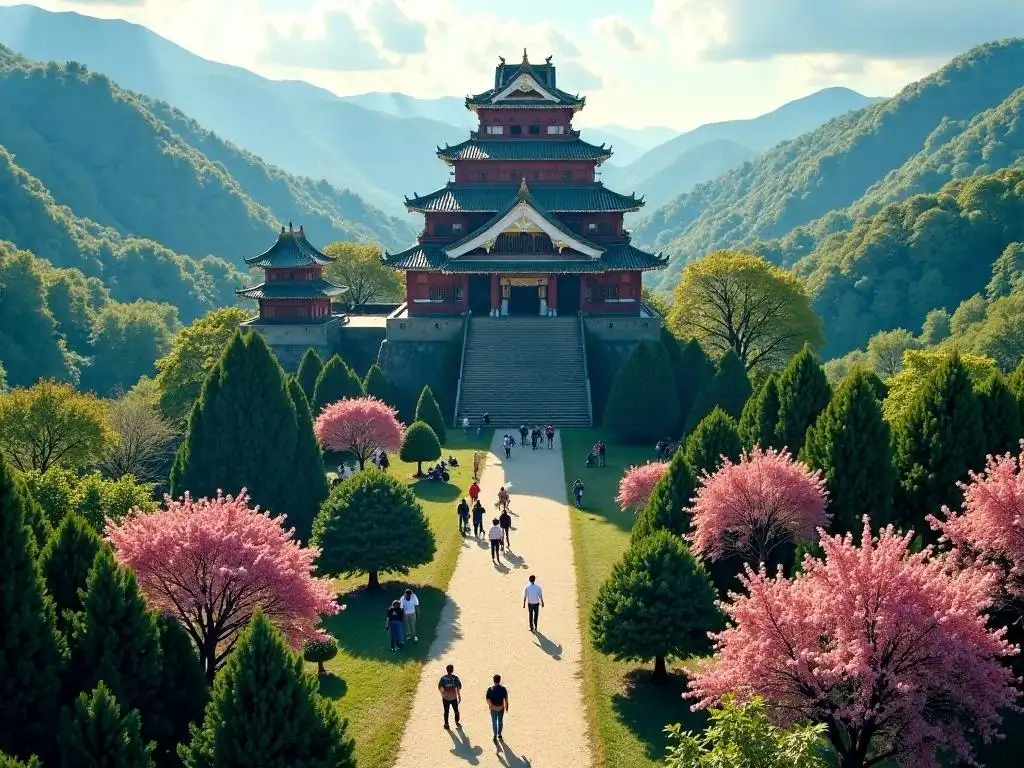
When embarking on a castle hopping adventure in Japan, a bit of planning can significantly enhance your experience. Here are some essential tips to ensure a fulfilling exploration of Japan's historic feudal castles:
- Research Your Destinations:
- Familiarize yourself with the history and significance of each castle you plan to visit.
- Consider the best times to visit, as some castles may have specific seasons when they are particularly beautiful, such as cherry blossom season or autumn foliage.
- Travel Smart:
- Utilize Japan's efficient public transportation system, including the Shinkansen (bullet trains) and local trains, to navigate between castle sites seamlessly.
- Consider getting a Japan Rail Pass for cost-effective travel if you plan on visiting multiple cities.
- Timing Your Visits:
- Visit early in the morning or later in the afternoon to avoid crowds and capture the serene beauty of the castles.
- Check the opening hours for each castle, as they may vary seasonally.
- Dress Comfortably:
- Wear comfortable shoes, as many castle grounds require walking and navigating uneven surfaces.
- Layer your clothing to adapt to changing weather conditions throughout the day.
- Immerse Yourself:
- Engage with local guides or participate in guided tours to gain deeper insights into the history and architecture of the castles.
- Take advantage of audio guides available at many sites for a self-paced exploration.
Engaging with Local Culture: Festivals and Events
Japan is rich in cultural traditions, many of which are celebrated near its historic castles. Engaging with local festivals and events can greatly enhance your castle hopping adventure. Here are some noteworthy cultural experiences to consider:
- Castle Festivals:
- Many castles host annual festivals that celebrate their history and the region’s culture. For instance, Himeji Castle hosts the Himeji Castle Cherry Blossom Festival in spring, attracting visitors from all over.
- Traditional Performances:
- Look for performances of traditional music, dance, or theater that may take place in or around the castle grounds. These performances often reflect the history and stories of the castle and its surroundings.
- Seasonal Events:
- Experience seasonal events like summer fireworks festivals or winter illuminations that often occur near castle sites, providing a unique backdrop for your visit.
Engaging with these cultural elements gives you a richer understanding of the local heritage and enhances your overall experience.
Photography Tips: Capturing the Beauty of Japan's Castles
Japan’s castles are not only architectural marvels but also picturesque landscapes that offer stunning photography opportunities. Here are some tips for capturing their beauty:
- Golden Hour:
- The best time for photography is during the golden hour—shortly after sunrise or before sunset—when the light is soft and warm, adding a magical quality to your photos.
- Use Different Angles:
- Experiment with various angles and perspectives. Capture wide shots that showcase the entire castle and close-ups that highlight intricate architectural details.
- Incorporate Surroundings:
- Include elements of the surrounding landscape, such as cherry blossom trees, moats, or mountains in the background, to create context and depth in your images.
- Night Photography:
- Many castles are beautifully illuminated at night. Bring a tripod for long exposure shots to capture the enchanting night scenery.
- Respect Local Etiquette:
- Be mindful of local customs, especially in sacred areas. Always ask for permission if you wish to photograph people or private properties.
With these tips, you can document your journey through Japan's historic castles beautifully and memorably.
Local Cuisine: Must-Try Foods Near Castle Sites
No castle hopping adventure in Japan is complete without indulging in the local cuisine. Each region boasts its own specialties that reflect the area's history and culture. Here are some must-try foods to enjoy during your travels:
- Kaiseki:
- A traditional multi-course meal that showcases seasonal ingredients and meticulous presentation. Many castles have nearby restaurants offering this exquisite dining experience.
- Soba and Udon Noodles:
- These local noodle dishes are often made fresh and can be found at eateries near castle sites. Enjoy them in a hot broth or chilled with dipping sauce.
- Yaki Niku:
- Grilled meat dishes are popular in many regions. Look for local restaurants that serve this flavorful dish, often featuring locally sourced beef.
- Street Food:
- Explore nearby markets for street food delights like takoyaki (octopus balls), yakitori (grilled chicken skewers), or sweet taiyaki (fish-shaped cakes filled with various fillings).
- Local Sweets:
- Don’t miss trying regional sweets, such as mochi or dorayaki, which make for perfect snacks while exploring the castles.
By savoring local flavors, you can further immerse yourself in the cultural heritage of each castle destination, making your adventure truly unforgettable.
Recommended Services and Products for Your Castle Hopping Adventure
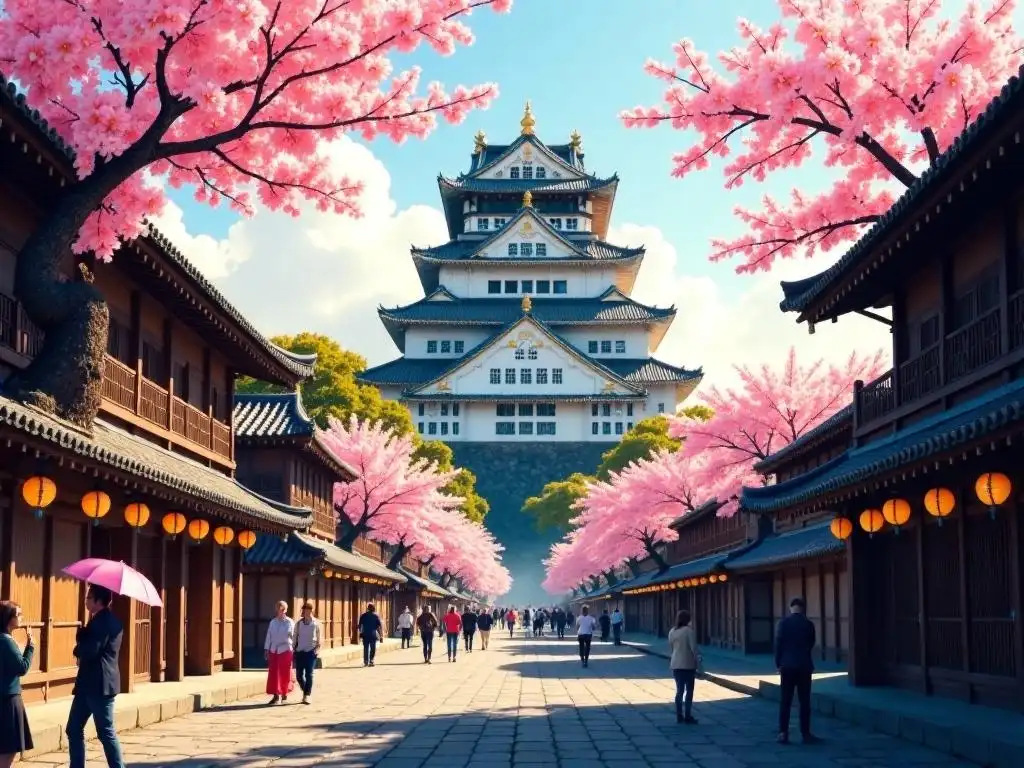
Embarking on a castle hopping adventure in Japan is an exhilarating experience filled with rich history, stunning architecture, and breathtaking landscapes. To make the most of your journey, consider utilizing various services and products tailored to enhance your exploration of Japan's historic feudal castles.
Guided Tours: Enhancing Your Experience with Local Experts
Engaging in guided tours is one of the best ways to immerse yourself in the history and culture surrounding Japan's feudal castles. Local experts not only provide insightful commentary but also share lesser-known stories and anecdotes that enrich your understanding of each site.
Top Rated Castle Hopping Tours in Japan
Here are some highly recommended tours that cater to castle enthusiasts:
- Japan Castle Tour: This comprehensive tour covers multiple iconic castles, including Himeji Castle and Matsumoto Castle. Participants enjoy guided walks, interactive sessions, and special access to areas typically closed to the public.
- Feudal Japan Experience: This immersive tour takes you through the ancient roads of samurai, complete with reenactments, traditional meals, and visits to several well-preserved castles.
- Thematic Castle Hopping: Focused on a specific theme, such as “The Rise of the Samurai,” this tour highlights castles related to significant historical events, providing context and depth to your visits.
Online Booking Platforms: Viator, Klook, GetYourGuide
Booking your castle hopping tours has never been easier, thanks to online platforms that offer a variety of options:
- Viator: Known for its extensive selection of guided tours, Viator allows you to compare reviews and choose packages that fit your interests and budget.
- Klook: Klook is popular for its user-friendly interface and competitive pricing for attractions and tours. It often includes exclusive deals and last-minute bookings.
- GetYourGuide: This platform features a wide range of tours, from private guides to group experiences, ensuring there's something for every type of traveler. Their cancellation policies are typically flexible, adding peace of mind to your travel plans.
Essential Gear for Your Adventure
Having the right gear is crucial for a successful and enjoyable castle hopping experience. Consider investing in the following essentials to ensure you are well-prepared.
Best Travel Backpacks for Castle Hoppers: Osprey, Deuter, North Face
When it comes to travel backpacks, comfort and durability are key. Here are some of the top-rated brands:
- Osprey: Renowned for their ergonomic designs, Osprey backpacks offer excellent support and ample storage. Models like the Osprey Atmos AG and Osprey Farpoint are popular choices among travelers.
- Deuter: Deuter backpacks are known for their robust build and practical features. The Deuter Futura Vario is ideal for long days spent exploring, offering ventilation and comfort.
- North Face: The North Face combines style and functionality. Their Borealis and Recon backpacks are excellent options, providing enough space for essentials while remaining lightweight.
Photography Equipment: DSLR Cameras, Tripods, Portable Lighting
Capturing the beauty of Japan's castles requires the right photography gear. Here are some recommendations:
- DSLR Cameras: Cameras like the Canon EOS Rebel T7 or Nikon D3500 are perfect for beginners and experienced photographers alike, providing high-quality images and versatility.
- Tripods: A sturdy tripod is essential for long exposure shots, especially during twilight hours. Consider lightweight options like the Manfrotto Befree or Joby GorillaPod for easy transport.
- Portable Lighting: To enhance your photos during indoor castle tours or low-light conditions, portable LED lights can make a significant difference. Look into brands like Neewer or Godox for budget-friendly options.
By utilizing these recommended services and products, you can ensure a seamless and enjoyable castle hopping adventure in Japan, allowing you to fully appreciate the grandeur of its historic feudal castles.
Conclusion: Embrace the Adventure of Castle Hopping in Japan
Final Thoughts on Your Japan Castle Hopping Guide
As you conclude your journey through the intricacies of planning a castle hopping adventure in Japan, it's essential to appreciate the unique blend of history, culture, and architecture that each castle represents. From the imposing structures of Himeji Castle, which boasts a UNESCO World Heritage designation, to the rustic charm of Matsumoto Castle, every castle tells a story of Japan's feudal past.
- Embrace the Diversity: Each castle has its own architectural style, historical significance, and surrounding landscapes. Some castles, like Nagoya Castle, are surrounded by beautiful gardens that bloom in spring, while others, such as Osaka Castle, offer panoramic views of vibrant city life against a historical backdrop.
- Plan Your Route: Depending on your interests—be it photography, history, or simply the thrill of exploration—map out your itinerary carefully. Utilize local transportation options such as trains and buses, which can efficiently connect you to these magnificent sites.
- Seasonal Considerations: Keep in mind the seasonal variations. Visiting during sakura (cherry blossom) season or autumn foliage can add a breathtaking dimension to your castle visits.
Incorporating these elements into your plan will enhance your overall experience, ensuring that your castle hopping adventure is not just a trip, but a deep dive into the legendary narratives of the samurai and shoguns of yore.
Encouragement to Explore and Discover Japan’s Feudal History
Now that you are equipped with your Japan castle hopping guide, it's time to take that first step towards an incredible adventure. Castles are not just structures; they are portals to a time when samurais wielded swords and feudal lords ruled vast territories.
- Engage with the Past: Take the opportunity to join guided tours or interactive exhibits often hosted at these sites. Knowledgeable guides can provide insights that enrich your understanding of the feudal system and its impact on modern Japan.
- Connect with Local Culture: Many castles are located near towns steeped in tradition. Try local foods, participate in cultural festivals, or even stay in a ryokan (traditional inn) to immerse yourself fully in the experience.
- Document Your Journey: Capture your experience through photographs and journaling. Not only will this serve as a beautiful keepsake, but it will also allow you to reflect on how Japan's feudal history has shaped its present and how it continues to captivate the hearts of travelers.
In embarking on this adventure, you not only explore Japan’s remarkable castles but also engage with a rich historical tapestry that continues to influence contemporary culture. So pack your bags, grab your camera, and get ready to uncover the stories hidden within the walls of Japan's majestic castles—your perfect castle hopping adventure awaits! 🏯✨
Frequently Asked Questions
What is castle hopping in Japan?
Castle hopping refers to the activity of visiting multiple historical castles across Japan, allowing travelers to explore the rich feudal history and architectural beauty of these structures.
How should I plan my castle hopping itinerary?
To plan your castle hopping itinerary, focus on key regions like Hokkaido, Honshu, and Kyushu, select castles based on historical significance, and consider travel times for a more enjoyable experience.
What are some must-visit castles in Japan?
Some must-visit castles include Himeji Castle, known for its stunning architecture, Matsumoto Castle, famous for its black exterior, and Osaka Castle, which offers insights into Japan's historical significance.
Are there any guides or resources for castle hopping?
Yes, there are many travel guides and websites dedicated to castle hopping in Japan, offering itineraries, historical context, and transportation tips to enhance your journey.
What is the best time of year for castle hopping in Japan?
The best time for castle hopping is during spring (March to May) for cherry blossoms or autumn (September to November) for beautiful foliage, providing a picturesque backdrop for your visits.
Final Reflection: Embrace the Journey of Castle Hopping in Japan
As we explore the enchanting world of Japan's castles, it becomes clear that this journey is not just about visiting historical sites; it’s about connecting with the rich tapestry of culture and heritage that defines Japan today. The allure of castle hopping lies in the stories these magnificent structures tell, bridging the past with the present and inviting us to reflect on our own adventures in life.
Castle hopping in Japan is more than a travel itinerary; it’s a cultural pilgrimage that influences how we perceive history and identity. Each castle stands as a testament to the resilience and artistry of the Japanese people, shaping our understanding of their traditions and values. Travel not to escape life, but so life doesn’t escape you.
This quote resonates deeply as we navigate through the majestic landscapes, reminding us that every step we take in these historic grounds enriches our own life story.
As you plan your perfect castle hopping adventure, I invite you to not only seek the beauty of these structures but also to reflect on the experiences that shape who you are. Consider how each castle visit can inspire you to embrace your own journey, fostering a deeper appreciation for history, culture, and the connections we forge along the way. Let this guide serve as a catalyst for your exploration, encouraging you to step into the past while crafting your own narrative in the present.
Embark on Your Enchanting Castle-Hopping Journey Today!
Thank you for diving into the fascinating world of Japan's castles with us! We hope you discovered inspiring insights and practical tips for planning an unforgettable adventure. Now, let’s turn that inspiration into action!
Here are a few steps to help you make the most of your castle-hopping experience:
- Start planning your itinerary: Choose at least three castles you'd love to visit and map out their locations. Make it an adventure by including lesser-known sites for a unique twist!
- Join a castle-hopping community: Share your plans and seek advice from fellow enthusiasts online. Social media groups and forums can be great resources for insider tips.
- Capture memories: Bring a journal or consider blogging about your travels to document your experiences. Your stories could inspire others to explore the rich history of Japan’s castles!
What unique history or secret stories do you hope to uncover on your castle-hopping adventure? We would love to hear your thoughts!