
The Power of Ritual in Bushido: Bridging Religion and Warfare

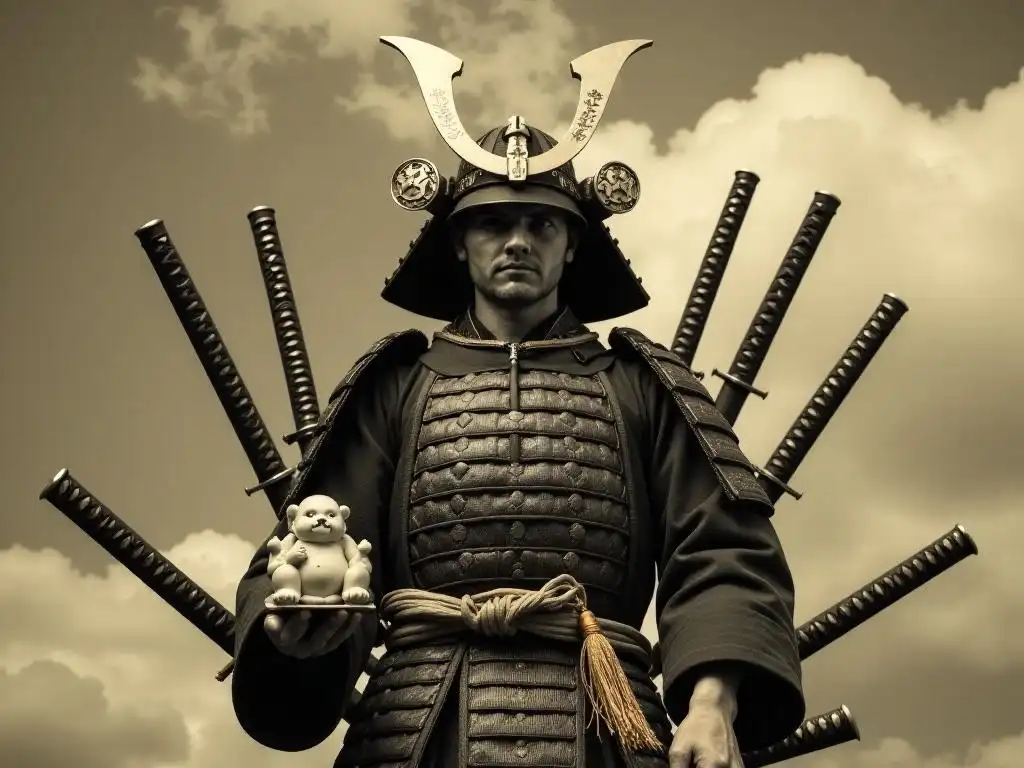
Welcome to Feudal Japan History, where we invite you to embark on a journey through the captivating feudal era of Japan. In our latest exploration, we delve into the intricate world of Bushido rituals and warfare, uncovering the profound connections between spirituality and the battlefield. What secrets lie within these ancient practices, and how did they shape the samurai's ethos? Prepare to be intrigued as we unveil the power of ritual in Bushido, bridging the realms of religion and philosophy. Your adventure into the depths of Japan's rich history begins here—dare to explore further!
Introduction to Bushido Rituals and Warfare
In the intricate tapestry of Feudal Japan, the concept of Bushido emerged as a guiding philosophy for the samurai class, intertwining the values of honor, loyalty, and martial prowess. Central to this code is the role of ritual, which serves not only as a framework for ethical conduct but also as a bridge linking the spiritual and martial realms.
The exploration of Bushido rituals and warfare unveils how these ceremonial practices infused daily life and combat with profound meaning, reinforcing the samurai's commitment to their duties and beliefs. Through a comprehensive examination of these rituals, we can better understand their critical function in shaping the warrior ethos and the cultural landscape of Japan during this era.
Definition of Bushido in the Context of Feudal Japan
Bushido, literally translating to "the way of the warrior," encapsulates the moral and ethical code adhered to by the samurai class in Feudal Japan. This code was not merely a set of rules but a holistic lifestyle that emphasized virtues such as bravery, honor, and benevolence. It drew heavily from Confucianism, Shinto, and Buddhism, creating a complex interplay of philosophies that guided the samurai in both warfare and daily conduct.
At its core, Bushido demanded unwavering loyalty to one's lord and strict adherence to a personal honor code. This philosophy became a defining characteristic of the samurai identity, influencing their actions on and off the battlefield. Rituals played an essential role in this context, providing a means through which samurai could express their allegiance and spiritual devotion, thereby reinforcing their commitment to these principles.
The Significance of Rituals in Japanese Culture
Rituals have long been an integral part of Japanese culture, serving as conduits for spiritual expression and communal bonding. In the context of Bushido, rituals such as tea ceremonies, purification rites, and martial arts practices were not only acts of discipline but also reflections of the samurai's inner life and connection to the divine. These rituals helped to cultivate a sense of mindfulness and presence, allowing samurai to prepare mentally and spiritually for the challenges of warfare.
Moreover, rituals in Japanese culture often embody the belief in the sacredness of life and death, reinforcing the samurai's acceptance of mortality. Through practices like seppuku (ritual suicide), the samurai could demonstrate their honor and commitment to Bushido, framing death not as an end but as a continuation of their legacy. This perspective on rituals enriches our understanding of their significance within the broader scope of Japanese society during the feudal era.
Historical Context of Bushido
Origins of Bushido: A Historical Overview
The emergence of Bushido can be traced back to the Kamakura period (1185–1333), a time when the samurai began to transition from mere warriors to a distinct social class with its own codes and values. As the political landscape shifted, with the rise of the shogunate, the samurai found themselves in a dual role as both military leaders and protectors of the realm. This transformation necessitated a cohesive code of conduct that could unite the samurai under shared principles.
The early manifestations of Bushido were influenced by existing warrior traditions and adapted to the changing socio-political environment. Over time, these principles were formalized and began to incorporate spiritual elements, particularly from Shinto and Buddhism, which emphasized virtues like loyalty, honor, and the pursuit of enlightenment. This synthesis of martial and spiritual ideals laid the groundwork for the rituals that would come to define Bushido.
The Influence of Shinto and Zen Buddhism on Bushido
The spiritual underpinnings of Bushido are deeply rooted in Shinto and Zen Buddhism, both of which profoundly shaped the samurai's worldview. Shinto, the indigenous spirituality of Japan, emphasized the veneration of kami (spirits) and the importance of ritual purity. This belief system fostered a sense of connection to the divine, prompting samurai to participate in rituals that honored their ancestors and the spirits of the land, thereby aligning their martial endeavors with a higher purpose.
Zen Buddhism introduced concepts such as mindfulness, meditation, and the acceptance of impermanence, which became pivotal in the samurai's approach to warfare. The practice of Zen meditation helped cultivate mental clarity and emotional resilience, enabling samurai to remain composed in the face of chaos and violence. Rituals associated with Zen, including the tea ceremony and koan practice, further reinforced the samurai's commitment to self-discipline and ethical living. This intersection of religion and warfare through ritual not only defined the samurai's identity but also illustrated the profound impact of Bushido on the cultural fabric of Feudal Japan.
The Role of Rituals in Bushido
Rituals play a pivotal role in Bushido, the code of conduct that guided the samurai class in feudal Japan. These rituals served multiple purposes, from cultivating discipline and enhancing morale to reinforcing the samurai's connection to their social and spiritual obligations. By integrating rituals into their daily lives, samurai maintained a sense of order and purpose, which was crucial in the chaotic environment of feudal Japan.
Rituals also provided a framework for the samurai to express their loyalty and commitment to their lords and families. Through ceremonies such as the tea ceremony or the practice of Zen meditation, samurai could cultivate an inner sense of peace and focus, essential for both personal development and military readiness. Moreover, these rituals often included elements of honor and respect, which were fundamental to the samurai identity.
Types of Bushido Rituals and Their Functions
Bushido encompasses various rituals that serve diverse functions within the samurai ethos. Here are some key types of rituals:
- Ceremonial Practices: These include formalized events such as the tea ceremony and the ritualized exchange of gifts, which fostered relationships and displayed social status.
- Martial Arts Training: Samurai engaged in rigorous training sessions that were often imbued with ritualistic elements. The practice of kenjutsu (swordsmanship) and other martial arts was not just about physical skill but also about spiritual growth and discipline.
- Funerary Rites: Rituals surrounding death were crucial for honoring fallen warriors. The proper observance of these rites ensured that the spirits of the deceased could rest peacefully, reflecting the samurai's deep reverence for life and death.
- Rituals of Veneration: The samurai often participated in Shinto and Buddhist rituals to pay respects to the kami (spirits) and ancestors, reinforcing their spiritual connection and seeking guidance or protection.
These rituals not only enhanced the samurai's martial capabilities but also intertwined their identity with a broader cultural and spiritual framework.
The Symbolism Behind Bushido Rituals
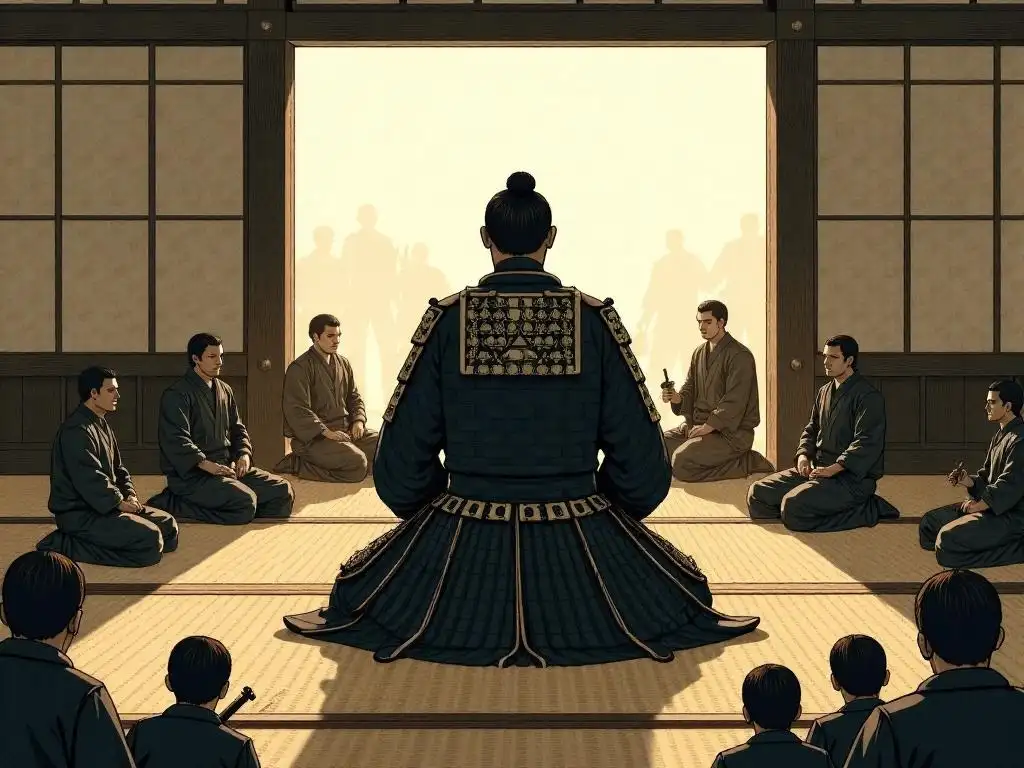
The symbolism within Bushido rituals is profound, reflecting the philosophical underpinnings of the samurai way of life. Each ritual carries specific meanings and serves to reinforce the core values of Bushido:
- Honor and Loyalty: Many rituals symbolize the unwavering loyalty of the samurai to their lords. For example, the act of seppuku (ritual suicide) is a powerful symbol of honor, signifying a samurai's commitment to his lord and the code of Bushido.
- Courage and Discipline: Rituals such as kendo (the way of the sword) training symbolize the courage required in battle and the discipline necessary to master one's skills. The repetitive nature of these practices instills a sense of perseverance and mental fortitude.
- Spiritual Connection: Rituals often incorporate elements of Shinto and Buddhism, highlighting the samurai's belief in a higher spiritual order. This connection is manifested in the offerings made to the kami or through meditation practices that aim to achieve enlightenment.
Through these symbols, samurai were not only trained for warfare but were also encouraged to embody the virtues that defined their existence.
The Intersection of Religion and Warfare in Bushido
In Bushido, the intersection of religion and warfare is a defining feature of the samurai's identity. The samurai viewed their martial duties not merely as a profession but as a sacred calling intertwined with their spiritual beliefs. This confluence shaped their approach to combat, imbuing it with a sense of righteousness and purpose.
The religious aspect of Bushido provided a moral framework that guided samurai decisions in warfare. The belief in divine favor influenced their actions on the battlefield, as they sought to align themselves with the will of the kami or Buddhist principles. This connection often manifested in pre-battle rituals, where samurai would pray for strength, clarity, and victory, reinforcing the idea that their martial prowess was a reflection of their spiritual state.
Spiritual Beliefs Guiding Samurai in Combat
The spiritual beliefs held by samurai were crucial in guiding their conduct during combat. These beliefs were rooted in a combination of Shintoism, Buddhism, and Confucianism, each contributing to the holistic worldview that shaped the samurai ethos.
- Shinto Influence: The samurai believed that the kami provided protection and guidance in battle. Rituals to honor these spirits were commonplace, as warriors sought to ensure divine favor for their endeavors.
- Buddhist Teachings: Concepts such as impermanence and the cycle of life and death influenced samurai perspectives on mortality. Embracing these teachings allowed them to confront fear and cultivate a sense of acceptance in the face of death, which was vital in the heat of battle.
- Confucian Values: The emphasis on duty and loyalty found in Confucian philosophy further reinforced the samurai's commitment to their lords and their responsibilities in warfare. This sense of duty often transcended the individual, linking personal honor to the greater good of society.
By integrating these spiritual beliefs into their martial practices, samurai were able to navigate the complexities of warfare with a sense of purpose and moral clarity.
The Rituals as a Means of Channeling Divine Favor
Rituals served as a crucial mechanism for samurai to channel divine favor in their endeavors. By engaging in specific practices, samurai believed they could invoke the blessings of the kami and secure protection in battle.
- Pre-Battle Rituals: Prior to engaging in combat, samurai would often conduct rituals that included prayers, offerings, and the performance of specific ceremonies aimed at appeasing the kami. These acts were not only expressions of faith but also served to bolster the morale of the warriors.
- Divination and Omens: Many samurai consulted diviners or engaged in practices to interpret omens before battles, believing that these insights could inform their strategies and choices in warfare.
- Post-Battle Rites: After a conflict, rituals to honor the fallen and give thanks for victory were standard practice. These ceremonies reinforced the connection between the spiritual and martial worlds, acknowledging the role of divine favor in their success or failure.
Through these rituals, samurai cultivated a profound relationship with the spiritual realm, allowing their beliefs to inform their actions on the battlefield and their understanding of honor and duty in warfare.
Case Studies of Bushido Rituals in Warfare
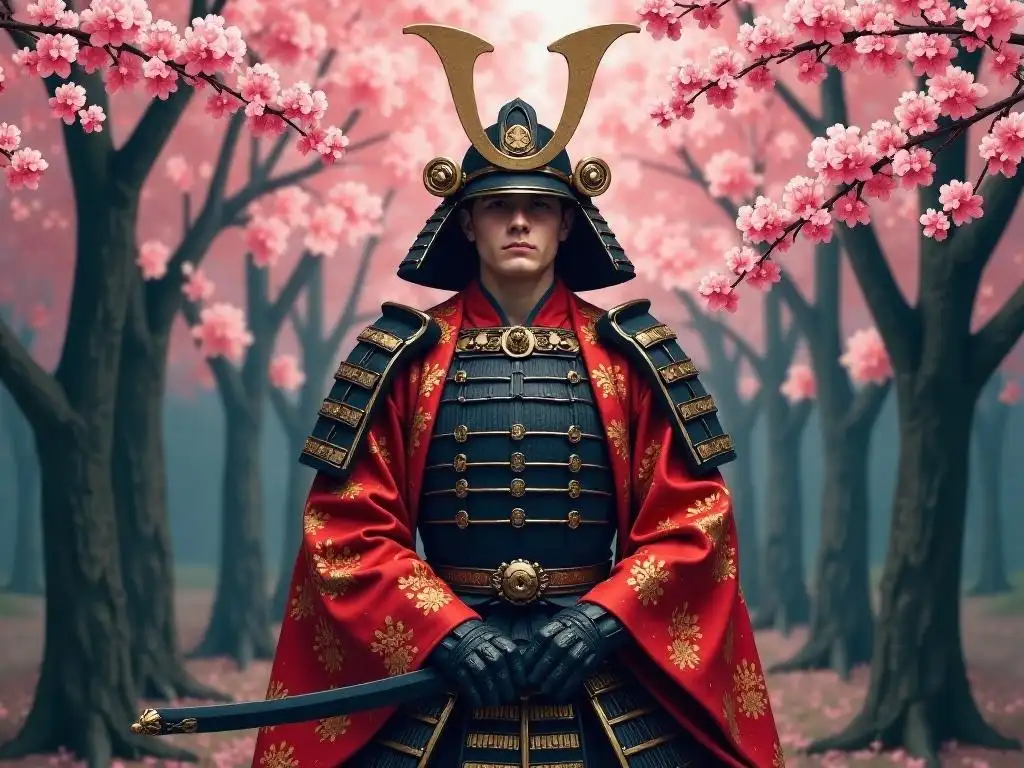
Bushido, the way of the warrior, is deeply intertwined with various rituals that underscore the moral and ethical framework of the samurai. These rituals were not merely ceremonial but served as a means to prepare warriors for the psychological and physical demands of battle. Studying specific instances where these rituals were enacted reveals their significance in shaping the samurai ethos and their approach to warfare.
Famous Battles and Their Associated Rituals
One of the most notable examples is the Battle of Sekigahara in 1600, which marked the beginning of the Tokugawa shogunate. Prior to the battle, samurai warriors participated in a series of rituals, including purification rites and offerings to deities. These practices aimed to ensure divine favor and strengthen the resolve of the troops. The samurai believed that such rituals could influence the outcome of the battle, reflecting the belief that spiritual readiness was as crucial as martial skill.
Another significant instance is the Siege of Osaka (1614-1615), where the defenders performed rituals to honor their ancestors and invoke protection from the gods. This ritualistic homage served to bolster their spirits and reaffirm their commitment to their cause. The intense emotional connection fostered by these ceremonies not only prepared them for the violence of warfare but also reinforced their sense of duty and honor, central tenets of Bushido.
The Impact of Rituals on Samurai Morale and Ethics
Rituals in Bushido played a pivotal role in shaping samurai morale and ethical conduct during warfare. Engaging in ritual practices fostered a sense of unity among warriors, creating a shared identity and purpose. This camaraderie was essential during protracted conflicts, as it helped maintain morale in the face of adversity.
Moreover, the ethical framework established through these rituals often dictated the behavior of samurai on the battlefield. For instance, the ritual of seppuku (ritual suicide) served as a powerful deterrent against dishonor, compelling warriors to act with courage and integrity. The fear of dishonor, reinforced by the prospect of such a ritual, often led samurai to fight with unwavering resolve, prioritizing their code of honor over personal survival. Thus, rituals were not merely cultural artifacts; they fundamentally influenced the conduct and mindset of warriors in the heat of battle.
The Evolution of Bushido Rituals Over Time
The rituals associated with Bushido have evolved significantly over the centuries, reflecting changes in societal values, political structures, and cultural influences. Understanding this evolution offers insight into how the samurai adapted their practices to remain relevant in a changing Japan.
Changes in Ritual Practices During the Edo Period
During the Edo period (1603-1868), Japan experienced relative peace under Tokugawa rule, which fundamentally altered the context in which Bushido rituals were practiced. With fewer opportunities for warfare, many martial rituals transitioned from practical applications to symbolic acts. Samurai began to emphasize rituals related to the art of living and governance rather than solely focusing on combat.
For example, tea ceremonies and poetry recitals became popular among the samurai class, reflecting a shift toward aesthetic and intellectual pursuits. While the martial spirit remained, much of the ritualistic practice was adapted to promote harmony and cultural refinement. This period saw the formation of schools dedicated to the study of Bushido, where rituals were preserved as a means of maintaining the warrior ethos in a peacetime society.
Modern Interpretations of Bushido Rituals
In contemporary Japan, the legacy of Bushido rituals continues to resonate, albeit in transformed forms. Modern martial arts schools, such as kendo and iaido, integrate traditional rituals into their practices, emphasizing respect, discipline, and the historical significance of the samurai code. These rituals are not only educational but serve to instill values such as perseverance and honor in practitioners.
Moreover, cultural events and ceremonies celebrating samurai heritage often incorporate elements of Bushido rituals. Festivals and reenactments provide a platform for the public to engage with this historical legacy, fostering a renewed appreciation for the samurai ethos. This ongoing evolution highlights how Bushido rituals have adapted to contemporary society while maintaining their core values, bridging the past and present in a meaningful dialogue.
Conclusion: The Enduring Legacy of Bushido Rituals and Warfare
The rituals associated with Bushido have left a profound imprint on Japanese culture and society, transcending the feudal era to influence modern practices and beliefs. The intertwining of spiritual and martial elements within Bushido created a unique framework where honor, discipline, and loyalty were paramount. This legacy is evident not only in the arts of warfare but also in various aspects of contemporary Japanese life, including business ethics, martial arts, and even popular culture. The rituals that once guided samurai warriors now serve as a reminder of the values that shaped Japan’s historical identity.
Summary of Key Insights
- Rituals and Spirituality: The rituals of Bushido were deeply intertwined with Shinto and Zen Buddhism, fostering a mindset that emphasized the importance of spiritual integrity alongside martial prowess.
- Moral Framework: Bushido rituals provided a moral compass for samurai, guiding their actions in warfare and daily life, ultimately shaping the ethical standards of the samurai class.
- Cultural Transmission: The legacy of Bushido rituals continues to permeate Japanese culture, influencing traditions, arts, and social behaviors that persist to this day.
- Symbolism in Warfare: Rituals such as the tea ceremony and various forms of martial arts training not only prepared warriors for battle but also instilled a sense of respect for life and death.
The Influence of Bushido Rituals on Contemporary Japanese Culture
Modern Japan still reflects the influence of Bushido rituals in various facets of its society. For instance, traditional martial arts such as Kendo and Aikido retain the philosophical and ritualistic elements of Bushido, emphasizing respect, discipline, and self-control. Additionally, the concept of "wa" (harmony) derived from these rituals is visible in contemporary Japanese business practices, where collective decision-making and consensus are prioritized.
Moreover, cultural events, such as festivals and ceremonies, often draw upon the symbolism and practices rooted in Bushido. The reverence for ancestral spirits, observed during rituals like Obon, echoes the samurai's respect for their lineage and the values that were central to their way of life. In this way, the rituals of Bushido continue to shape the ethos of modern Japanese society, bridging the past with the present.
Further Reading on Bushido and Rituals
To deepen your understanding of Bushido and its rituals, several resources provide insightful perspectives and analyses. These works explore the historical context, philosophical foundations, and cultural implications of Bushido in relation to warfare and spirituality.
Recommended Books and Articles on Bushido
| Title | Author | Description |
|---|---|---|
| Hagakure: The Book of the Samurai | Yamamoto Tsunetomo | A classic text detailing samurai philosophy, including the importance of rituals. |
| Bushido: The Soul of Japan | Inazo Nitobe | An exploration of the ethical and moral foundations of Bushido, emphasizing its ritualistic aspects. |
| The Book of Five Rings | Miyamoto Musashi | This famous treatise on strategy and martial arts includes insights into the spiritual practices of samurai. |
| Samurai Ethics and the Japanese Culture | Michael D. C. McCarty | Discusses how Bushido rituals have shaped modern Japanese societal values. |
Online Resources for Exploring Bushido Rituals and Warfare
- The Samurai Archives: This website offers a wealth of historical documents and interpretations related to the samurai, including their rituals and warfare practices.
- Bushido: The Way of the Warrior: An online course that delves into the principles of Bushido, providing multimedia resources on its rituals and historical significance.
- YouTube Channels: Channels like “The History of Japan” and “Japanese History Explained” feature engaging videos discussing Bushido and its impact on warfare and culture.
By exploring these resources, readers can gain a more comprehensive understanding of Bushido rituals and their enduring influence on Japanese society and culture.
- Introduction to Bushido Rituals and Warfare
- Historical Context of Bushido
- The Role of Rituals in Bushido
- Types of Bushido Rituals and Their Functions
- The Symbolism Behind Bushido Rituals
- The Intersection of Religion and Warfare in Bushido
- Spiritual Beliefs Guiding Samurai in Combat
- The Rituals as a Means of Channeling Divine Favor
- Case Studies of Bushido Rituals in Warfare
- The Evolution of Bushido Rituals Over Time
- Conclusion: The Enduring Legacy of Bushido Rituals and Warfare
- Further Reading on Bushido and Rituals
Frequently Asked Questions
What is Bushido?
Bushido is the samurai code of conduct that emphasizes virtues such as loyalty, honor, and discipline. It served as a guiding principle for the behavior and ethics of samurai warriors during the feudal era in Japan.
How did rituals play a role in Bushido?
Rituals were integral to Bushido, as they reinforced values such as honor and commitment. These practices helped to maintain the samurai's focus and dedication in both warfare and daily life.
What is the connection between religion and Bushido?
The connection lies in the spiritual beliefs that influenced samurai practices. Many Bushido rituals incorporated elements of Shinto and Buddhism, creating a blend of spiritual and martial discipline that shaped the samurai’s worldview.
How did Bushido influence warfare tactics?
Bushido greatly influenced warfare tactics by prioritizing honor in battle over mere victory. Samurai were trained to face their foes with courage, often adhering to a code that valued noble fighting over ruthless strategies.
Are there modern interpretations of Bushido rituals?
Yes, modern interpretations of Bushido rituals can be seen in various martial arts and cultural practices. These interpretations often emphasize the ethical and philosophical teachings of Bushido, adapting them for contemporary life.
Final Reflection: The Enduring Legacy of Bushido Rituals in Warfare
The exploration of Bushido rituals reveals their profound relevance in today's world, where the intersection of tradition and modernity continues to shape our understanding of honor and discipline. In a time when the values of commitment and respect are often overshadowed by fleeting trends, the principles embedded within Bushido remind us of the strength that comes from a deep-rooted belief system. The rituals that once guided samurai on the battlefield serve as a powerful reminder of how spiritual practices can inform and elevate our actions, even in the most challenging circumstances.
The influence of Bushido rituals extends far beyond the historical context of samurai warfare; they resonate within contemporary culture, inspiring individuals to seek purpose and integrity in their lives. The essence of these rituals can be seen in various aspects of modern society, from martial arts to leadership principles, emphasizing the importance of honor, loyalty, and self-discipline. As the philosopher Daisaku Ikeda once said, The true warrior is one who conquers himself.
This quote encapsulates the ongoing journey of self-mastery that Bushido rituals advocate, illustrating their timeless impact on personal and collective growth.
As we reflect on the lessons of Bushido, let us embrace the call to integrate these values into our daily lives. Consider how the principles of honor, respect, and discipline can guide your actions and decisions, both personally and professionally. In a world that often seems chaotic, the rituals of Bushido offer a pathway to clarity and purpose.
Take a moment to reflect on your own rituals and practices—what can you cultivate to honor your commitments and elevate your sense of self? The power of these ancient traditions lies not only in their history but in their ability to inspire us to forge a meaningful path forward.
Embrace the Spirit of Bushido: Transform Your Life Today!
Thank you for diving into the profound world of Bushido and its rituals. You’ve gained insights into how these practices bridge spirituality and discipline, shaping the samurai's way of life. Now it's your turn to apply their wisdom and courage!
Take these powerful next steps:
- Incorporate a daily ritual into your routine—whether it's meditation, a focused breathing exercise, or a moment of gratitude. This simple act can help refocus your mind and enhance your decision-making abilities.
- Join a local martial arts class or community that emphasizes discipline and respect for traditions. Engaging with like-minded individuals can enrich your understanding and practice of Bushido.
- Share this article with friends or family who may benefit from exploring how ancient principles can bring strength and purpose to their modern lives.
How do you envision integrating the values of Bushido into your everyday choices and challenges?