
Understanding the Bushido Code: Essential Reads on Samurai Ethics


Welcome to Feudal Japan History, where we invite you to embark on a fascinating journey through the rich tapestry of Japan's feudal era. In this exploration, we delve deep into the intriguing world of the Bushido code and samurai ethics, uncovering the principles that shaped the lives of these legendary warriors. Prepare to be captivated by expert-driven insights and in-depth articles that reveal the cultural and societal nuances of this remarkable period.
Are you ready to discover how the ideals of honor and loyalty intertwine with the very essence of samurai life? Dive in and uncover the secrets behind the Bushido code!
The Bushido Code is a vital aspect of Japanese history that encapsulates the ethical framework and moral principles guiding the samurai class during Japan's feudal era. This code not only influenced the behavior and mindset of samurai warriors but also permeated various facets of Japanese culture and society. Understanding the Bushido Code is crucial for anyone interested in the intricacies of feudal Japan, as it reflects the values of loyalty, honor, and discipline that were immensely significant during this period.
This article aims to provide a comprehensive exploration of the Bushido Code and samurai ethics, highlighting essential reads that delve into its historical significance, philosophical underpinnings, and cultural impact. By examining these resources, readers can gain a deeper insight into the samurai's way of life and the enduring legacy of their ethical principles.
Introduction to the Bushido Code and Samurai Ethics
The term Bushido, which translates to "the way of the warrior," embodies a strict ethical code that guided samurai conduct. Rooted in Zen Buddhism, Confucianism, and Shinto beliefs, Bushido emphasized virtues such as loyalty, courage, honor, and self-discipline. This moral compass was not merely an abstract concept but a practical guide that influenced the daily lives and actions of samurai.
Key principles of Bushido include:
- Loyalty: A samurai's unwavering allegiance to his lord was paramount.
- Honor: Maintaining personal and familial honor was essential; dishonor could lead to seppuku, a ritual form of suicide.
- Courage: The willingness to face danger without fear was celebrated as a virtue.
- Compassion: Samurai were expected to show benevolence towards others, particularly the weak and vulnerable.
These ethical standards significantly shaped the samurai's identity and their role in society, creating a complex interplay between duty and personal morality.
The Historical Context of the Bushido Code
To fully appreciate the Bushido Code, it is vital to understand the historical backdrop against which it developed. The samurai class emerged during the Heian period (794-1185) as a warrior elite serving powerful feudal lords, known as daimyōs. As Japan transitioned into the Kamakura period (1185-1333), the samurai began to solidify their status and influence, leading to a culture steeped in martial prowess and ethical conduct.
The following eras played significant roles in the evolution of Bushido:
- Kamakura Period: The establishment of the Kamakura shogunate marked the beginning of samurai rule and the codification of martial ethics.
- Muromachi Period: This period saw the rise of Zen Buddhism, which greatly influenced samurai philosophy and the concept of self-discipline.
- Edo Period: During this time, peace reigned, allowing the samurai to transition from warriors to bureaucrats, further embedding the Bushido principles into Japanese culture.
Understanding this historical context provides a framework for exploring the rich literature that has emerged around the Bushido Code, offering insights into the samurai's ethical life and the cultural legacy that continues to resonate in modern Japan.
Key Principles of the Bushido Code
The Bushido code, often referred to as the "Way of the Warrior," encompasses a set of ethical principles that guided the samurai class in feudal Japan. At its core, Bushido emphasizes the importance of honor, loyalty, and discipline. Here are some of its key principles:
- Rectitude (Gi): This principle advocates for righteousness and moral integrity. The samurai was expected to make decisions based on what was just and right, often prioritizing ethical considerations over personal gain.
- Courage (Yū): Courage is not just physical bravery; it entails the moral fortitude to confront challenges and stand up for one’s beliefs, even in the face of adversity. The samurai's courage often inspired those around them.
- Compassion (Jin): Compassion for others is another essential tenet of Bushido. Samurai were encouraged to show benevolence and kindness, particularly towards those who were weaker or in need of protection.
- Respect (Rei): Respect is fundamental in samurai culture, not only for one's superiors but also for peers and subordinates. This principle fosters a sense of community and mutual regard, reinforcing social harmony.
- Honesty (Makoto): Being true to one’s word was crucial in samurai ethics. Honesty was seen as a reflection of one’s character, and deception was frowned upon.
- Honor (Meiyo): Honor is arguably the most vital principle of Bushido. A samurai's honor was directly linked to their reputation and status. Maintaining honor was paramount, often leading to the practice of seppuku (ritual suicide) if it was ever compromised.
- Loyalty (Chūgi): Loyalty to one's lord and comrades was non-negotiable. Samurai were expected to demonstrate unwavering loyalty, often putting their lives on the line for their masters and fellow warriors.
These principles not only shaped the behavior of samurai but also influenced Japanese society as a whole, creating a legacy that is still admired today.
Best Books on Bushido Code and Samurai Ethics
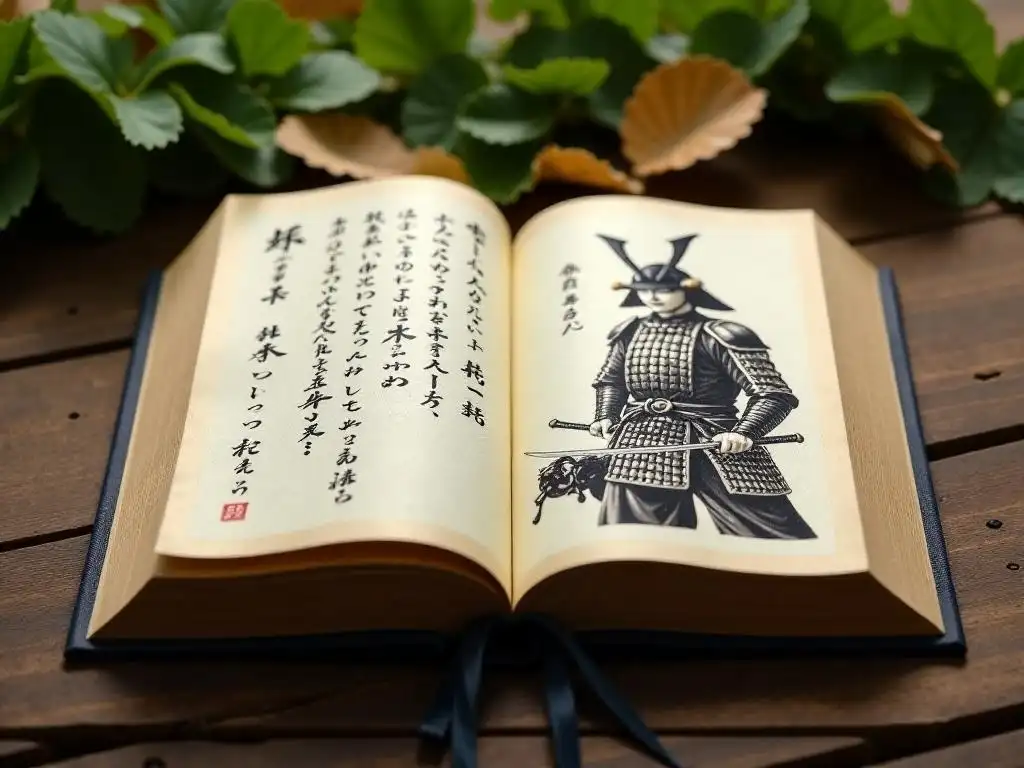
Exploring the Bushido code and samurai ethics through literature provides valuable insights into the values and beliefs that defined the samurai era. Below are some of the best books that delve into these themes:
1. "Hagakure: The Book of the Samurai"
Written by Yamamoto Tsunetomo in the early 18th century, "Hagakure" is a seminal work that encapsulates the essence of the samurai spirit. This text serves as a guide to the Bushido code, detailing the moral and ethical standards expected of a samurai. Tsunetomo shares personal anecdotes and reflections that highlight the virtues of loyalty, honor, and the acceptance of death. The book's profound insights into the samurai's way of life make it a must-read for anyone interested in understanding samurai ethics.
2. "The Book of Five Rings" by Miyamoto Musashi
Authored by the renowned swordsman Miyamoto Musashi, "The Book of Five Rings" is a treatise on strategy, philosophy, and martial arts. Musashi’s work transcends mere combat techniques, delving into the mental and spiritual aspects of being a warrior. He emphasizes the importance of discipline, adaptability, and the pursuit of mastery. The book serves as both a practical manual for martial artists and a philosophical guide for those seeking to understand the samurai mindset.
3. "Bushido: The Soul of Japan" by Inazo Nitobe
Inazo Nitobe’s "Bushido: The Soul of Japan" is a profound exploration of the ethical framework that underpins the samurai culture. Written in English in 1900, this work aims to introduce Western audiences to the values of the samurai. Nitobe intertwines historical context with personal reflections, examining how Bushido shaped Japanese identity and culture. This book is essential for readers seeking to grasp the spiritual and philosophical dimensions of the Bushido code.
4. "Samurai Wisdom: Lessons from Japan's Warrior Culture"
"Samurai Wisdom" is a collection of teachings and maxims from various samurai leaders and philosophers. This book distills the essence of samurai ethics into easily digestible lessons that can be applied to modern life. It covers a wide range of topics, including leadership, personal growth, and the importance of resilience. The wisdom expressed in this book serves as a bridge between the past and present, offering timeless insights into the samurai way of life.
These works provide a comprehensive understanding of the Bushido code and the ethical framework that guided the samurai, making them invaluable resources for anyone interested in feudal Japan's rich cultural heritage.
Comparative Analysis of the Recommended Books
When exploring the Bushido code and samurai ethics, it is essential to consider various works that provide different perspectives on these principles. The following are notable books that delve into the intricacies of the Bushido code, each offering unique insights:
-
"Bushido: The Soul of Japan" by Inazo Nitobe
This seminal work, written in 1900, serves as an introduction to the Bushido code from a Western perspective. Nitobe explores the moral foundations of the samurai, blending historical context with personal reflections. His emphasis on honor, loyalty, and self-discipline resonates through his prose, making it accessible for readers unfamiliar with Japanese culture.
-
"Hagakure: The Book of the Samurai" by Yamamoto Tsunetomo
A collection of aphorisms and reflections from a samurai who lived in the early 18th century, this book provides a direct insight into the mindset of the samurai. Tsunetomo's teachings focus on the importance of living fully in the present and understanding the transient nature of life, offering practical wisdom that is still applicable today.
-
"The Book of Five Rings" by Miyamoto Musashi
Written by the legendary swordsman Musashi, this text is not just about martial arts but also philosophy. Musashi discusses strategy and the mental aspects of combat, emphasizing the importance of introspection and adaptability—qualities intrinsic to the Bushido code.
-
"The Unfettered Mind" by Takuan Soho
This work highlights the Zen influence on samurai ethics, offering insights into achieving mental clarity and emotional discipline. Takuan's teachings encourage readers to transcend the confines of rigid thought patterns, which aligns closely with the Bushido principles of flexibility and awareness.
When comparing these texts, it becomes clear that while each author approaches the topic from different angles—historical, philosophical, or practical—they all converge on the core tenets of the Bushido code, including honor, courage, and loyalty. Readers will benefit from this varied exploration, as it provides a holistic understanding of the ethical framework that guided the samurai.
The Relevance of the Bushido Code Today
Despite being rooted in a bygone era, the Bushido code and samurai ethics remain remarkably relevant in contemporary society. This relevance can be seen in various domains:
-
Leadership and Management
The principles of loyalty, respect, and integrity found in the Bushido code are applicable in today’s corporate and leadership environments. Leaders who embody these values foster trust and inspire their teams, creating a culture of accountability and ethical behavior.
-
Personal Development
Concepts such as self-discipline, perseverance, and continuous self-improvement are central to the Bushido code. Individuals seeking personal growth can draw inspiration from these teachings to cultivate resilience and a strong moral compass in their lives.
-
Conflict Resolution
The emphasis on honor and respect in the Bushido code can guide individuals in conflict resolution. By prioritizing understanding and dialogue over aggression, one can navigate disputes in a manner that upholds dignity and fosters reconciliation.
-
Cultural Appreciation
As globalization continues to blur cultural boundaries, the Bushido code offers a framework for understanding and appreciating Japanese culture. Engaging with these ethical principles can deepen cross-cultural connections and promote mutual respect.
In sum, the enduring relevance of the Bushido code in modern life encourages individuals to reflect on their values and actions, fostering a sense of purpose and ethical integrity.
Conclusion: Embracing the Wisdom of the Bushido Code

The Bushido code and samurai ethics represent more than just historical principles; they offer timeless wisdom applicable to various aspects of life. Through the exploration of recommended literature, individuals can gain profound insights into the moral fabric that shaped the samurai culture.
By embracing the core tenets of the Bushido code— honor, loyalty, courage, and self-discipline—we can navigate the complexities of modern existence with clarity and purpose. These values not only enhance personal development but also contribute to fostering a more ethical society.
As readers engage with these texts, they are encouraged to internalize and practice the wisdom of the Bushido code, allowing it to influence their actions and decisions. In doing so, we honor the legacy of the samurai and continue to cultivate a life rooted in ethical principles and personal integrity.
Additional Resources for Exploring Samurai Ethics
In addition to the core texts on the Bushido code and samurai ethics, various resources can deepen your understanding of this complex moral framework. Here are some notable recommendations:
- Documentaries and Films:
- "The Last Samurai": This film, while dramatized, offers insight into the clash between traditional samurai values and the modernization of Japan.
- "Samurai: Behind the Blade": A documentary that explores the history of samurai warriors, their ethics, and their role in shaping Japanese culture.
- Online Courses:
- Platforms like Coursera and edX often host courses focusing on Japanese history, including the samurai era. Look for offerings that discuss the Bushido code and its implications in modern society.
- Academic Journals:
- Journals such as Japanese Studies and The Journal of Asian Studies frequently publish articles on samurai culture, ethics, and their historical context. These can provide in-depth analyses and contemporary interpretations of the Bushido code.
- Podcasts:
- "Samurai Archives": A podcast that delves into various aspects of samurai history, including their ethical codes and cultural significance.
- "History of Japan": This podcast provides a comprehensive overview, with episodes dedicated to the samurai and their moral philosophies.
- Websites and Blogs:
- Websites dedicated to Japanese history, such as Sengoku Period and Samurai Archives, offer articles, timelines, and discussions about samurai ethics and the Bushido code.
- Personal blogs by historians and enthusiasts can provide unique insights and interpretations of samurai philosophy.
These resources can augment your reading and provide varied perspectives on the Bushido code and samurai ethics, enriching your understanding of this significant aspect of Japanese history.
Final Thoughts on the Bushido Code and Samurai Ethics
The Bushido code represents more than just a set of ethical guidelines; it embodies the very essence of the samurai spirit and their commitment to honor, loyalty, and self-discipline. Understanding this code is crucial for anyone seeking to grasp the complexities of Japan’s feudal history and the cultural legacy of the samurai.
As we explore the texts and resources available, it becomes evident that the Bushido code has transcended its historical context. Its principles continue to resonate in modern Japanese society and beyond, influencing various aspects of life, including business ethics, martial arts, and personal development.
Moreover, the study of samurai ethics invites us to reflect on our values and how they shape our interactions with others. The virtues of courage, benevolence, and integrity, which are central to the Bushido code, can serve as timeless reminders of the importance of ethical conduct in our lives today.
Delving into the Bushido code and samurai ethics not only enriches our understanding of feudal Japan but also offers valuable insights into the universal human quest for moral clarity and purpose. Whether through books, films, or academic studies, the exploration of this profound ethical tradition promises to be both enlightening and inspiring.
- Introduction to the Bushido Code and Samurai Ethics
- The Historical Context of the Bushido Code
- Key Principles of the Bushido Code
- Best Books on Bushido Code and Samurai Ethics
- Comparative Analysis of the Recommended Books
- The Relevance of the Bushido Code Today
- Conclusion: Embracing the Wisdom of the Bushido Code
- Additional Resources for Exploring Samurai Ethics
- Final Thoughts on the Bushido Code and Samurai Ethics
Frequently Asked Questions
What is the Bushido code?
The Bushido code is a set of ethical principles that guided the behavior and actions of samurai warriors in feudal Japan, emphasizing values like loyalty, honor, and courage.
How did the Bushido code influence samurai culture?
The Bushido code profoundly shaped samurai culture by instilling a sense of duty and honor, which governed their conduct in battle and daily life, fostering a strong warrior identity.
What are some key principles of samurai ethics?
Key principles of samurai ethics include loyalty, honor, courage, compassion, and self-discipline, all of which reflect the moral framework within which samurai operated.
How has the Bushido code impacted modern Japanese society?
The Bushido code has left a lasting legacy on modern Japanese society, influencing contemporary values such as discipline, respect, and social harmony, often reflected in various aspects of Japanese culture.
Where can I find essential reads on the Bushido code and samurai ethics?
For essential reads on the Bushido code and samurai ethics, consider exploring historical texts, scholarly articles, and expert-driven content available on platforms dedicated to Japanese history and culture.
Final Reflection: Embracing the Wisdom of the Bushido Code
The principles of the Bushido code resonate profoundly in today's world, reminding us that honor, loyalty, and self-discipline are not just relics of the past but essential virtues for navigating modern life. In a time where ethical dilemmas abound and personal integrity is often compromised, the teachings of the samurai offer a guiding light. The Bushido code serves as a timeless framework, encouraging us to cultivate virtues that foster both personal growth and societal harmony.
The influence of samurai ethics extends beyond historical narratives; it shapes contemporary culture and personal values. The ideals of courage, respect, and compassion found within the Bushido code continue to inspire individuals and communities alike, urging us to reflect on our own moral compass. As the philosopher Yamamoto Tsunetomo once said, "> The way of the samurai is found in death." This profound statement invites us to consider the weight of our choices and the legacy we leave behind, emphasizing that living with purpose and integrity is paramount.
As you ponder the lessons of the Bushido code, I invite you to reflect on how these principles can be woven into the fabric of your daily life. Consider how you can embody the virtues of the samurai—honor, loyalty, and self-discipline—in your interactions and decisions. By embracing these timeless teachings, you can cultivate a life of meaning and impact, not only for yourself but for those around you. Let the spirit of the samurai guide you as you navigate your own path, fostering a world where ethics and honor prevail.
Embrace the Spirit of the Samurai: Take Action Today!
Thank you for diving into the rich world of the Bushido Code with us! We hope you’ve gained valuable insights into the ethics that shaped the legendary samurai. Now, it’s time to transform that knowledge into action!
- Explore further by reading one of our recommended texts on Bushido to deepen your understanding. Our curated reading list offers a variety of resources to guide you!
- Join the conversation: Share your thoughts on how samurai ethics resonate with modern life in our community forum, where engaging discussions await!
- Practice mindfulness by reflecting on the core principles of Bushido and considering how they can influence your daily decisions.
What do you believe is the most powerful lesson from the Bushido Code that can be applied to our lives today?