
The Sakoku Edict: Unpacking Japan's Isolationist Policies and Their Economic Impact

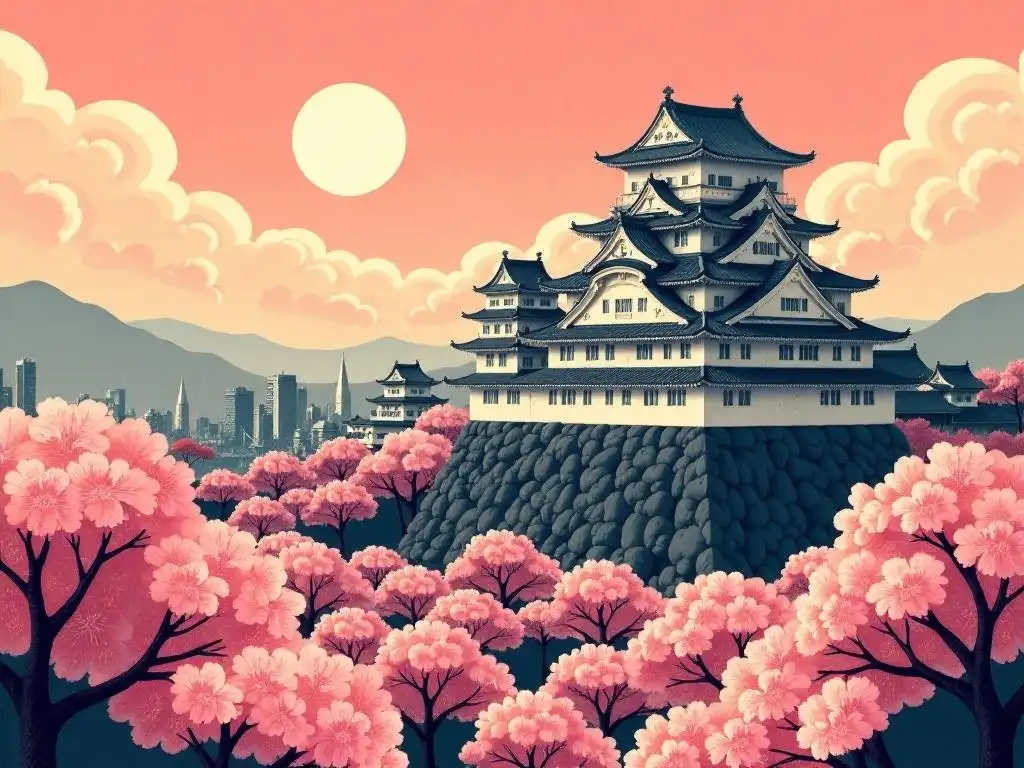
Welcome to Feudal Japan History, where we invite you to embark on a fascinating journey through the intricate tapestry of Japan’s feudal era. Here, we delve deep into the Sakoku isolationist policies that shaped a nation's economic landscape and cultural identity. Ever wondered how these policies influenced trade and societal structures during a time of profound transformation? Join us as we unpack the Sakoku Edict and uncover the hidden stories and economic ramifications that still resonate today. Your exploration of this captivating chapter in history begins now!
Introduction to the Sakoku Edict
The Sakoku Edict, enacted in the early 17th century, represents a pivotal moment in Japan's history, marking the country's profound shift towards isolationism. This policy not only shaped Japan's foreign relations but also significantly influenced its economic landscape during the Edo period (1603-1868). The term "Sakoku" translates to "locked country," aptly describing Japan's attempt to limit foreign influence and trade.
With the intention of preserving its unique culture and political structure, the Sakoku Edict sought to control interactions with the outside world, thus providing a fascinating lens through which to explore Japan's historical, cultural, and economic evolution. As we unpack the intricacies of Japan's Sakoku isolationist policies, we will delve into their implementation, key features, and the broader implications for trade and foreign relations.
Understanding the Concept of Sakoku
Sakoku represents a complex interplay of cultural preservation and economic strategy. The essence of the policy was to establish a self-sufficient society that minimized external influences, particularly from European powers. By restricting foreign trade and missionary activity, Japan aimed to maintain its traditional values and social order.
- Key Aspects of Sakoku:
- Cultural Preservation: By limiting foreign contact, Japan sought to protect its unique cultural identity.
- Economic Strategy: Isolationism allowed Japan to develop its internal markets and industries without competition from foreign entities.
This multifaceted approach to isolationism laid the groundwork for Japan's later economic policies and interactions with the world.
Historical Context of Isolationist Policies in Japan
The roots of Japan's isolationist policies can be traced back to the feudal conflicts of the late 16th century, which culminated in the rise of the Tokugawa shogunate. Following the unification of Japan under Tokugawa Ieyasu, the need for stability and control became paramount. The influx of European traders and Christian missionaries during the Nanban trade period raised concerns about foreign influence on Japanese society and politics.
- Timeline of Key Events Leading to Sakoku:
- 1543: Arrival of Portuguese traders in Japan.
- 1587: Toyotomi Hideyoshi issues an edict banning Christian missionaries.
- 1603: Tokugawa shogunate established, focusing on internal control.
These events created an environment ripe for the implementation of isolationist policies, ultimately leading to the Sakoku Edict.
The Sakoku Edict: Overview and Key Features
The Sakoku Edict, formalized in 1635, was a comprehensive policy that dictated the parameters of Japan's interactions with the outside world. This edict fundamentally transformed Japan's economic and political landscape, effectively sealing the country off from foreign influence for over two centuries.
The Implementation of Sakoku in 1635
The formal implementation of the Sakoku Edict in 1635 marked a critical juncture in Japan's governance. The shogunate enacted strict regulations that not only limited foreign trade but also dictated the conditions under which Japanese citizens could travel abroad.
- Key Regulations:
- Trade Restrictions: Only specific Dutch and Chinese traders were allowed limited access to Japanese ports.
- Travel Bans: Japanese citizens were prohibited from leaving the country, with severe penalties for those who attempted to do so.
This stringent enforcement ensured that Japan maintained tight control over its borders and limited foreign influences.
Major Provisions of the Sakoku Edict
The Sakoku Edict consisted of several major provisions that underscored Japan's commitment to isolationism.
- Major Provisions:
- Limited Foreign Trade: Only designated ports, such as Nagasaki, were open to foreign traders.
- Prohibition of Christianity: The edict banned the practice of Christianity and expelled missionaries, positioning Shinto and Buddhism as the dominant religions.
- Surveillance of Foreign Interactions: The shogunate established strict monitoring of foreign traders to prevent the spread of foreign ideas.
These provisions collectively reinforced Japan's isolationist stance and shaped its economic policies for generations.
Influences on Foreign Relations and Trade
The Sakoku Edict had profound implications for Japan's foreign relations and trade practices. By limiting contact with foreign nations, Japan was able to cultivate a unique economic environment that prioritized local production and trade.
- Economic Impact:
- Self-Sufficiency: Japan focused on developing its agriculture and crafts, leading to a flourishing domestic economy.
- Stability in Trade: The limited foreign presence resulted in stable trade relationships with select nations, such as the Dutch, who were permitted to operate within strict confines.
While the Sakoku policies successfully insulated Japan from external influences, they also set the stage for the eventual reopening of Japan to the world in the mid-19th century, highlighting the dynamic nature of its economic history.
The Economic Impact of Japan's Isolationist Policies
Japan's Sakoku edict, implemented in the early 17th century, profoundly influenced the country's economy by enforcing strict isolationist policies. These measures aimed to limit foreign influence and maintain social order during a period of significant internal strife following the unification of Japan under the Tokugawa shogunate. The economic impact of these policies was multifaceted, affecting trade, agriculture, industry, and social structures.
Effects on Domestic Economy During Sakoku
The Sakoku policies led to a significant shift in Japan's domestic economy. With foreign trade heavily restricted, the focus turned inward, prompting the development of self-sufficient agricultural practices. Farmers were encouraged to cultivate rice, which became the cornerstone of the economy, providing not only sustenance but also a standard measure of wealth. The government implemented land surveys to assess productivity and optimize production techniques, leading to increased agricultural output.
Moreover, the enforcement of isolationism fostered local industries. Craftsmen and artisans thrived as the demand for domestic goods rose, resulting in a flourishing of traditional Japanese crafts, such as pottery, textiles, and metalwork. This period also saw the rise of regional markets, where local economies became interconnected, allowing for the exchange of goods and services. Urban centers, especially Edo (modern-day Tokyo), experienced growth as they became hubs for commerce and culture, reflecting the dynamic nature of the domestic economy despite international isolation.
Trade Limitations and Their Economic Consequences
While the Sakoku edict successfully curtailed foreign influence, it also imposed significant limitations on trade, which led to both positive and negative consequences. Foreign trade was largely restricted to the Dutch and Chinese, who were allowed limited access to the port of Nagasaki. This arrangement created a monopolistic environment where Japan's economic interactions with the outside world were minimal, stifling potential growth and innovation.
The restrictions on trade meant that Japan missed out on advancements in technology and knowledge that were circulating globally during the early modern period. This isolation resulted in a lag in industrial development, as Japan relied heavily on traditional methods and materials. Furthermore, the limited availability of foreign goods fostered an environment of scarcity, which sometimes led to economic hardships and increased prices for certain commodities.
Despite these drawbacks, the regulated trade with specific countries helped Japan maintain a degree of stability. It allowed the shogunate to control the flow of foreign influence while still engaging in essential economic exchanges. Thus, while trade limitations stunted certain aspects of economic growth, they also provided a framework that preserved Japan's socio-political stability during a tumultuous era.
Cultural and Societal Implications of Isolationism
The Sakoku edict's isolationist policies had profound cultural and societal implications, fostering a unique Japanese identity while creating a rigid social structure. The emphasis on preserving Japanese culture meant that many traditional practices, languages, and art forms flourished during this period.
Preservation of Japanese Culture and Traditions
With foreign influences largely curtailed, Japan experienced a renaissance of its cultural identity. The isolationist policies encouraged the preservation of traditional arts such as Noh theater, tea ceremonies, and ukiyo-e (woodblock printing). These cultural practices not only served as a means of expression but also reinforced societal norms and values, emphasizing harmony, respect, and discipline.
Additionally, the period saw the rise of unique literary forms and philosophical schools, such as Confucianism, which became intertwined with Japanese culture. The promotion of indigenous beliefs and practices nurtured a sense of national identity that would resonate throughout Japan's history. This cultural preservation allowed Japan to maintain a distinct character that would later influence its modernization efforts in the 19th century.
Social Stratification and Class Structure
The Sakoku policies reinforced a rigid social hierarchy, delineating clear class distinctions that shaped Japanese society for centuries. The Tokugawa shogunate established a four-tiered class system consisting of samurai, farmers, artisans, and merchants. This stratification was not merely economic but also deeply ingrained in social interactions and cultural practices.
The samurai class held political power and social prestige, while farmers were revered for their role in producing food. Artisans and merchants, although economically vital, were often looked down upon due to their perceived lack of contribution to society. This social hierarchy cultivated a sense of order and stability but also led to tensions, particularly as the merchant class grew wealthier and sought greater influence.
Moreover, the Sakoku edict limited mobility between classes, solidifying the social structure. This rigidity fostered a sense of community within each class, leading to strong local identities and customs. However, it also created underlying social discontent that would later contribute to significant societal changes during Japan's transition to modernity in the Meiji Restoration.
Long-Term Consequences of Sakoku Policies
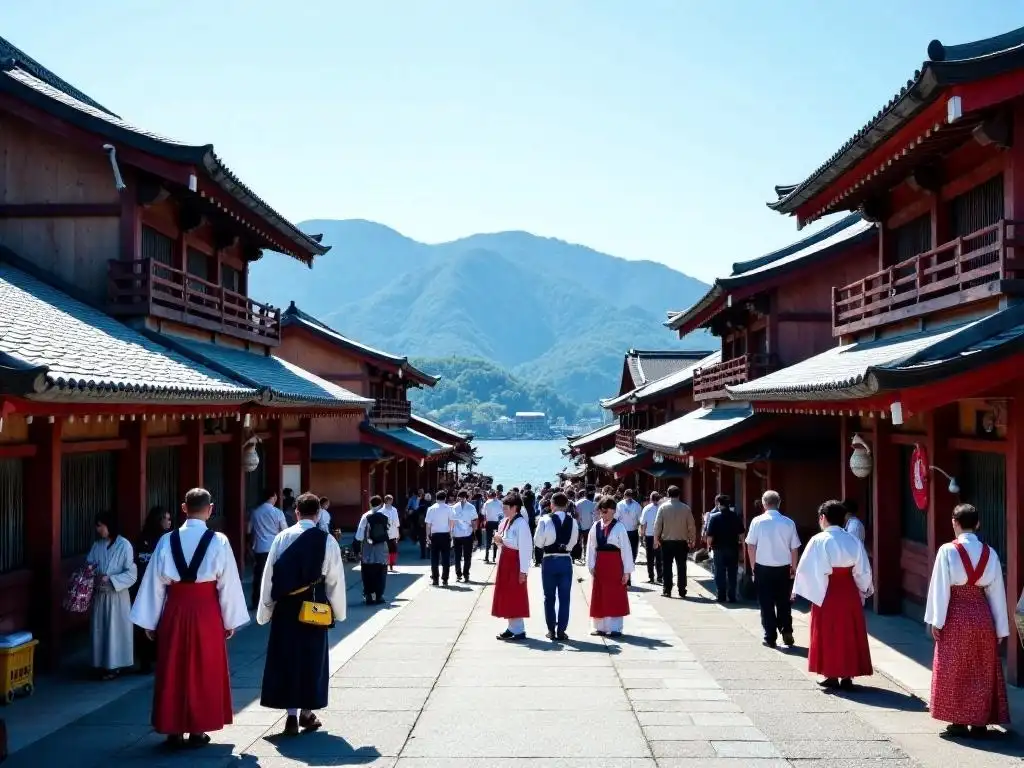
The Sakoku Edict, implemented in the 17th century, had profound long-term consequences that shaped Japan's trajectory for centuries. One of the most significant outcomes was the establishment of a rigid social structure. The policies reinforced the caste system, privileging samurai while restricting the mobility and economic potential of commoners. This stratification hindered social mobility and created a sense of stability, but ultimately stifled innovation and economic dynamism.
Furthermore, the isolationist policies led to a stagnation in technological advancement. While European nations were undergoing the Industrial Revolution, Japan remained largely cut off from these developments. This self-imposed seclusion meant that Japan missed out on critical advancements in science, technology, and industrialization that were shaping the global economy. Consequently, Japan found itself at a disadvantage when it eventually opened up to the world in the mid-19th century.
The economic implications of these policies were also profound. The focus on self-sufficiency meant that Japan developed a closed economy that prioritized agricultural production over trade. While this led to a stable food supply and rural prosperity, it also limited Japan's ability to engage in international commerce and benefit from foreign trade networks. The isolationist policies thus created a paradox where Japan was economically stable but ultimately unprepared for the competitive global market that awaited it upon reopening.
Transition from Isolationism to Opening Up
The transition from isolationism to reopening Japan to the world was a complex process that began in the mid-19th century. This shift was catalyzed by external pressures, notably the arrival of Commodore Matthew Perry and his "Black Ships" in 1853. Perry's expedition showcased Japan's vulnerability and the need for modernization to compete with Western powers.
After a series of negotiations, the Treaty of Kanagawa was signed in 1854, marking the end of Japan's isolationist policies. This treaty not only opened two ports to American ships but also initiated a series of unequal treaties with various Western nations. The opening of Japan led to an influx of foreign goods, ideas, and technology, profoundly altering Japanese society and economy.
However, this transition was not without its challenges. The sudden exposure to the global market disrupted traditional industries and caused significant social upheaval. Many samurai and merchants found their status threatened as new economic classes emerged. The Meiji Restoration of 1868 was a direct response to these challenges, leading to rapid industrialization and modernization efforts aimed at transforming Japan into a competitive global power.
Legacy of Sakoku in Modern Japan
The legacy of the Sakoku policies is still evident in modern Japan, particularly in its cultural and social fabric. The period of isolation fostered a unique Japanese identity, characterized by distinct traditions, arts, and philosophies that remain influential today. For instance, traditional Japanese arts, such as tea ceremony and ikebana, flourished during this time, and continue to be celebrated as integral parts of Japanese culture.
Moreover, the Sakoku period instilled a sense of nationalism and a collective identity that contributed to Japan's resilience in the face of foreign influence. This historical experience has shaped Japan's contemporary foreign policy, often characterized by a careful balance between openness and the preservation of cultural identity.
In terms of economic legacy, the policies laid the groundwork for a strong agricultural sector, which remained a significant part of Japan's economy even as it transitioned to industrialization. The emphasis on self-sufficiency during the Sakoku period also influenced modern agricultural practices and policies, reinforcing the importance of food security in Japan's economic planning.
Conclusion: The Sakoku Edict's Lasting Legacy
The Sakoku Edict, while restrictive, played a crucial role in shaping Japan's historical trajectory. Its lasting legacy is a complex interplay of cultural enrichment, societal structure, and economic foundations that influenced Japan's development long after the policies were lifted.
Summary of Economic and Cultural Impacts
The economic impacts of the Sakoku policies were dual-faceted: while they fostered local agricultural stability and a unique cultural identity, they also stunted technological growth and international trade relations. Culturally, the period enriched Japan's artistic expressions and philosophical thought, which were preserved and cherished even after reopening. The isolation allowed for a deepening of local traditions, creating a rich tapestry of Japanese culture that continues to thrive today.
Final Thoughts on Japan's Isolationist Policies
In retrospect, Japan's Sakoku isolationist policies underscore the complexities of national sovereignty and cultural identity in a rapidly globalizing world. While the edict provided a framework for stability and cultural development during a tumultuous period, it also served as a cautionary tale about the risks of isolation. As Japan continues to navigate its place in the world, the lessons learned from the Sakoku period remain relevant, illustrating the balance between embracing global influences and preserving national heritage.
References and Further Reading
The topic of Japan's Sakoku isolationist policies is rich and multifaceted, drawing interest from historians, economists, and cultural scholars alike. A variety of resources are available for those seeking a deeper understanding of the complexities and implications of this period. Below are some recommended books and academic articles that provide valuable insights into the isolationist policies of Japan and their economic impact.
Recommended Books on Japan's Isolationist Period
-
"The Making of Modern Japan" by John Dower
This comprehensive work explores the evolution of Japan from the feudal era to the modern age, including a detailed examination of the Sakoku period and its long-term effects on Japanese society and economy.
-
"Sakoku: The Japanese Policy of Isolation" by Richard Storry
Storry provides an in-depth analysis of Japan's isolationist policies, discussing the political, economic, and cultural ramifications of Sakoku. This book is particularly useful for understanding the motivations behind the edict.
-
"Japan's Economic Ascent: International Trade, Growth, and Structural Change" by H. A. Patil
While focusing on Japan's post-isolationist economic growth, this book contextualizes the Sakoku policies within Japan's broader economic history, offering insights into how isolation shaped future trade relations.
-
"The History of Japan" by Louis G. Perez
This book provides an accessible overview of Japanese history, with specific sections dedicated to the Sakoku period, highlighting its significance in shaping Japan’s unique cultural and economic landscape.
-
"Japan's Isolation and Its Impact on Global Trade" by Ikuo Kabashima
An analytical exploration of how Japan's isolationist policies affected international trade dynamics, providing perspectives on both historical and modern implications.
Academic Articles on Sakoku and Economic History
-
"The Economic Impact of the Sakoku Edict on Japan" by Takashi Yamamoto
This article presents a detailed analysis of the economic consequences of the Sakoku policies, discussing how isolation shaped domestic markets and international relations during the Edo period.
-
"Cultural and Economic Isolation in Early Modern Japan" by Naomi M. Hoshino
Hoshino examines the cultural ramifications of isolationist policies, linking them to economic outcomes and discussing the interplay between cultural preservation and economic stagnation.
-
"Trade and Isolation: Japan's Sakoku Policies in Historical Context" by Hiroshi Takemura
This scholarly work contextualizes the Sakoku policies within the global trade dynamics of the time, exploring the balance between isolation and the need for economic engagement.
-
"The Role of Foreign Relations in the Economic Development of Edo Japan" by Ryuichi Watanabe
Watanabe's article investigates how Japan's isolationist policies affected external relations and trade, providing insights into the economic structures that developed during this period.
-
"Revisiting the Sakoku Edict: Economic Policies and Their Legacy" by Akiko Tanaka
This paper offers a critical analysis of the Sakoku edict's economic policies, highlighting their long-term legacy in shaping Japan's modern economy.
These resources serve as a solid foundation for anyone interested in exploring the intricate relationships between Japan's Sakoku isolationist policies and their profound economic impacts.
- Introduction to the Sakoku Edict
- The Sakoku Edict: Overview and Key Features
- The Economic Impact of Japan's Isolationist Policies
- Cultural and Societal Implications of Isolationism
- Long-Term Consequences of Sakoku Policies
- Conclusion: The Sakoku Edict's Lasting Legacy
- References and Further Reading
Frequently Asked Questions
What was the Sakoku Edict?
The Sakoku Edict was a set of laws enacted in the 17th century that established Japan's isolationist policies, limiting foreign influence and trade.
How did the Sakoku policies affect Japan's economy?
The Sakoku policies led to a period of economic self-sufficiency in Japan, as it restricted foreign trade and promoted domestic industries, but also limited access to foreign technologies.
What were the main reasons for implementing isolationist policies?
The primary reasons for isolationist policies included the desire to maintain political stability, prevent foreign influence, and protect traditional Japanese culture from Western ideologies.
How did the Sakoku Edict influence Japanese society?
The Sakoku Edict significantly shaped Japanese society by fostering a sense of cultural identity and unity, while also leading to a lack of exposure to global ideas and advancements.
When did Japan's isolationist policies come to an end?
Japan's isolationist policies began to dissolve in the mid-19th century, culminating in the Meiji Restoration of 1868, which opened the country to foreign trade and modernization.
Final Reflection: The Enduring Legacy of Japan's Sakoku Isolationist Policies
The Sakoku Edict represents a pivotal moment in Japan's history, illustrating the complex interplay between isolationism and economic development. Today, as we navigate an increasingly interconnected world, the lessons from Japan's Sakoku period resonate more than ever. The delicate balance between protecting national interests and embracing global engagement is a challenge that many nations face, reminding us that isolation can have profound economic implications, both positive and negative.
The influence of Japan's Sakoku isolationist policies continues to shape cultural and social dynamics, not only within Japan but across the globe. This historical period serves as a reminder of the power of choice in governance and its far-reaching consequences. As we reflect on the past, we can draw parallels to contemporary issues of globalization and national sovereignty. In the midst of chaos, there is also opportunity.
– Sun Tzu. This quote encapsulates the essence of the Sakoku era, where Japan found strength in seclusion, ultimately leading to a unique cultural identity that still captivates the world today.
As we conclude this exploration of Japan's Sakoku isolationist policies, I invite you to reflect on how these historical lessons can inform our present and future. Consider how your own choices—whether in personal, professional, or societal contexts—can either isolate or connect you to the broader world. Embrace the opportunity to learn from the past, fostering a mindset that values both independence and collaboration as we move forward in an ever-evolving global landscape.
Unveil the Secrets of Japan's Isolationist Era!
Thank you for diving into the fascinating world of Japan's Sakoku Edict and its profound economic impact. Your interest in this pivotal moment not only enriches your understanding but also sheds light on how historical policies shape our world today. Now it's your turn to take what you've learned and explore further!
- Dive Deeper: Visit our curated resources on feudal history and discover more about Japan’s unique trade practices and cultural exchanges during its isolation.
- Join the Conversation: Share your thoughts and insights in the comments below—what do you think would have happened if Japan had remained more connected to the global trade network?
- Spread the Knowledge: Share this article with friends or on social media to spark discussions about how isolationist policies can impact economies in unexpected ways.
What aspects of Japan’s Sakoku policies fascinate you the most, and how do you think they resonate with modern economic strategies?