
Mastering Japanese Pronunciation: Lessons from Classic Samurai Movies


Welcome to Feudal Japan History, where we embark on a captivating journey through the rich tapestry of Japan’s feudal era. Here, you’ll uncover the intricate historical, cultural, and societal threads that shaped this fascinating period. Ever wondered how the Japanese pronunciation in your favorite samurai films brings authenticity to the screen? Our latest article, "Mastering Japanese Pronunciation: Lessons from Classic Samurai Movies," will not only enhance your understanding of language learning but also deepen your appreciation for these cinematic masterpieces. Dive in, and let the echoes of the past guide your exploration!
- Mastering Japanese Pronunciation in Samurai Films: An In-Depth Guide
- The Influence of Samurai Films on Japanese Language Learning
- Techniques for Mastering Japanese Pronunciation Through Samurai Films
- Breaking Down Pronunciation Challenges in Samurai Films
- Expert Insights on Japanese Pronunciation from Samurai Film Scholars
- Conclusion: The Journey to Mastering Japanese Pronunciation
-
Frequently Asked Questions
- What is the significance of Japanese pronunciation in samurai films?
- How can viewers improve their Japanese pronunciation using these films?
- Are there specific samurai films recommended for learning Japanese pronunciation?
- What role do subtitles play in learning Japanese pronunciation from samurai films?
- Can non-native speakers effectively learn Japanese pronunciation from samurai films?
- Final Reflection: The Art of Japanese Pronunciation Through Samurai Cinema
- Unleash Your Inner Samurai: Take Your Japanese Pronunciation to the Next Level!
Mastering Japanese Pronunciation in Samurai Films: An In-Depth Guide
Introduction to Japanese Pronunciation in Samurai Films
The rich tapestry of Japan's feudal era is not only captivating for its historical narratives and cultural depth but also serves as a unique backdrop for language learning. Samurai films, with their intricate plots and powerful dialogues, provide an excellent medium for mastering Japanese pronunciation. These films, often steeped in tradition and authenticity, showcase the nuances of the Japanese language in a way that textbooks alone cannot achieve.
Understanding Japanese pronunciation in samurai films is crucial for learners aiming to grasp the subtleties of the language as it was spoken during the feudal period. The dialogues often feature a mix of formal and colloquial speech, reflecting the social hierarchies and cultural contexts of the time. By immersing oneself in these cinematic experiences, learners can not only enhance their pronunciation skills but also gain insights into the cultural norms and values that shaped the language.
As we delve deeper into this exploration, we'll uncover the specific phonetic elements, intonations, and expressions commonly found in samurai cinema. Whether you're a novice eager to learn Japanese or an advanced student seeking to refine your skills, this guide will provide you with valuable lessons drawn from classic samurai films, empowering you to master the art of Japanese pronunciation.
Stay tuned as we embark on this journey through the captivating world of samurai cinema and its linguistic treasures!
The Influence of Samurai Films on Japanese Language Learning
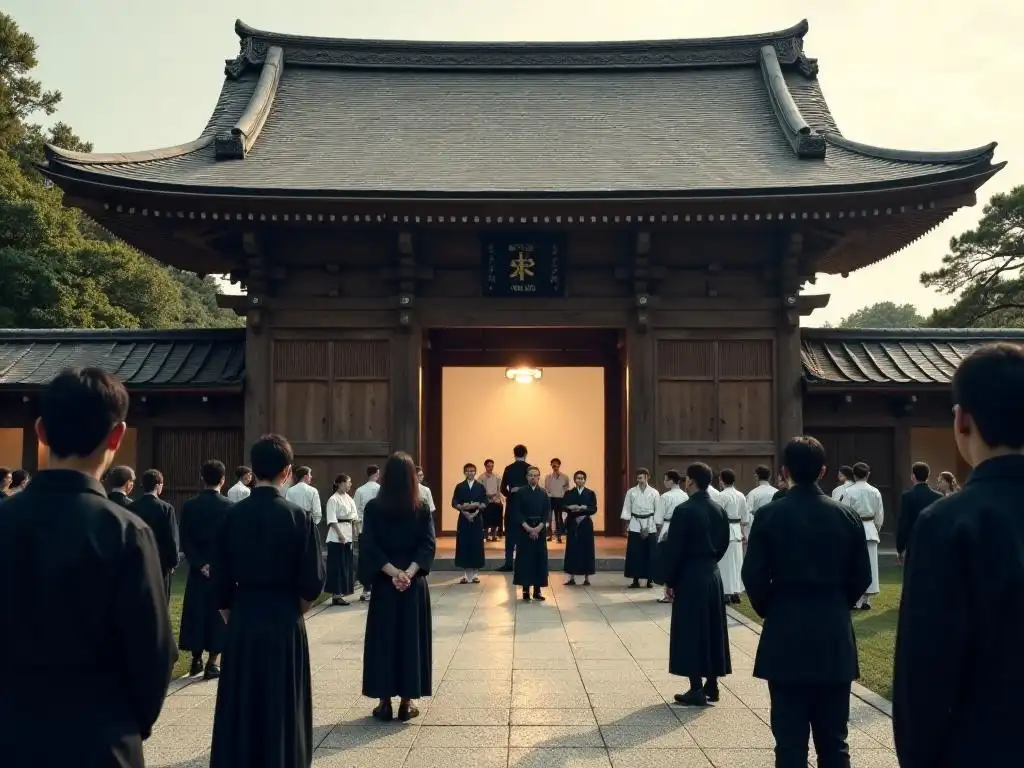
Samurai films, with their rich narratives and cultural depth, have played a significant role in the landscape of Japanese language learning. These films not only depict the valor and honor of samurai but also serve as a medium for viewers to immerse themselves in authentic Japanese dialogue. By watching these films, learners can grasp the nuances of the language, especially aspects related to pronunciation, intonation, and cultural context.
One of the primary attractions of samurai films is their historical setting, which often showcases the language as it was spoken in feudal Japan. This exposure allows learners to experience a form of Japanese that is less commonly encountered in contemporary media. As a result, viewers often find themselves captivated by the rhythm and flow of the dialogue, which is integral to mastering Japanese pronunciation.
Moreover, samurai films introduce learners to the honorifics and formal speech levels that are characteristic of Japanese culture. This aspect is crucial for understanding social hierarchies and relationships, which are pivotal in mastering the language. By engaging with the characters' dialogues, learners can practice pronunciation in context, making the language more relatable and easier to remember.
How Samurai Films Reflect Authentic Japanese Pronunciation
Samurai films often prioritize authenticity, striving to reflect the linguistic characteristics of their historical period. This commitment to realism not only enhances the storytelling but also provides valuable insights into the pronunciation of Japanese words and phrases. For instance, the use of archaic expressions and dialects in these films offers a unique opportunity to hear variations in pronunciation that are not typically encountered in standard Japanese language textbooks.
Key Features of Pronunciation in Samurai Films:
- Intonation and Emotion: The emotional delivery of lines in samurai films significantly impacts pronunciation. Characters often express strong feelings such as honor, loyalty, and betrayal, which affect the intonation patterns. Observing these variations helps learners understand how emotion can alter pronunciation.
- Dialect and Regional Variations: Different samurai films may feature characters from various regions of Japan, showcasing distinct dialects. This exposure helps learners appreciate the diversity within the Japanese language and understand how pronunciation can differ across geographical boundaries.
- Historical Context: The language used in samurai films often reflects the historical context of the era. By paying attention to the pronunciation of certain terms that may have fallen out of use, learners can gain insight into the evolution of the Japanese language over time.
Key Elements of Japanese Pronunciation Found in Samurai Films
To fully appreciate Japanese pronunciation as depicted in samurai films, it is essential to focus on several key elements:
- Syllable Structure: Japanese is a mora-timed language, meaning that each syllable has a relatively uniform duration. Samurai films often emphasize this aspect through the rhythmic delivery of dialogue, allowing learners to pick up on the natural pacing of the language.
- Pitch Accent: Unlike English, Japanese uses pitch accent to distinguish meanings between words. Samurai films often showcase this feature, guiding learners to recognize how a change in pitch can alter the meaning of a word. For example, the word "hashi" can mean "bridge" or "chopsticks" depending on the pitch used.
- Consonant and Vowel Sounds: Samurai films provide exposure to the distinct sounds of Japanese, including the subtle differences between similar consonants and vowels. The emphasis on clear enunciation in these films aids learners in mastering these sounds, leading to improved pronunciation.
- Cultural Context: Understanding the cultural context behind certain phrases and expressions enhances pronunciation skills. For instance, honorifics like "san" or "sama" are frequently used in samurai films, and knowing when and how to use them can significantly impact the overall pronunciation and appropriateness of speech.
By delving into these key elements, learners can leverage samurai films as an effective tool for mastering Japanese pronunciation, enriching their understanding of both the language and the cultural nuances embedded within it.
Techniques for Mastering Japanese Pronunciation Through Samurai Films
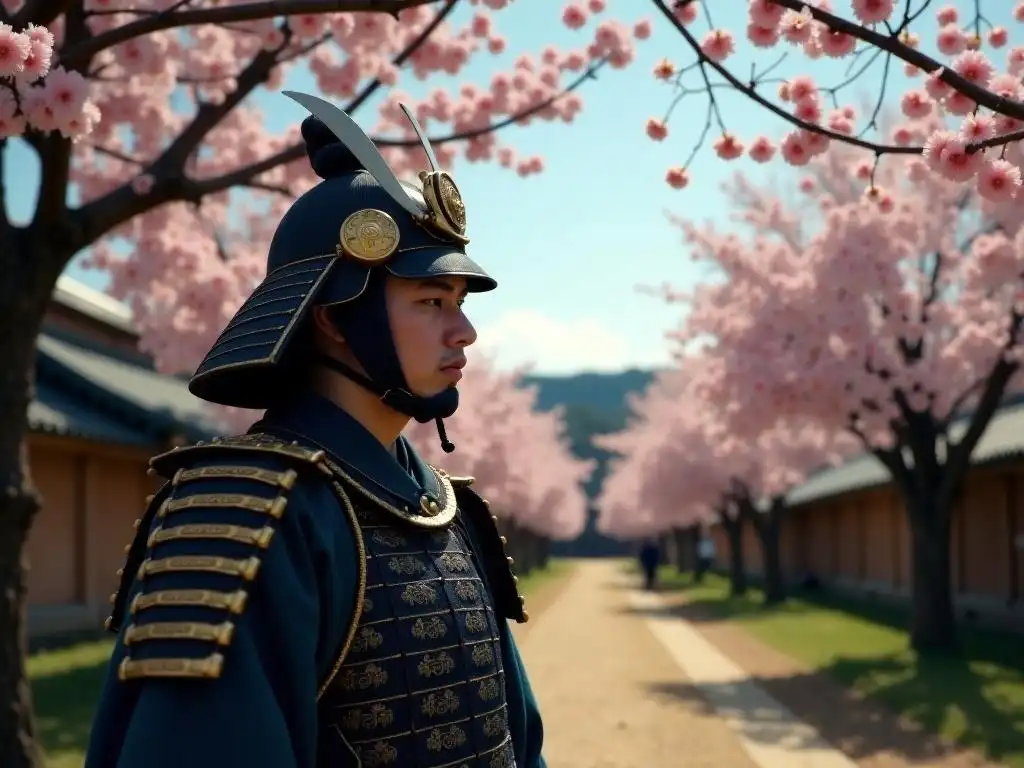
Listening and Imitation: A Practical Approach
Listening and imitation are foundational techniques for mastering Japanese pronunciation, particularly when utilizing samurai films as a learning tool. When engaging with these films, learners immerse themselves in the rich language and culture depicted. The dialogues often reflect historical speech patterns, offering a unique opportunity to hear authentic pronunciation.
-
Choose the Right Film:
Select classic samurai films such as Seven Samurai or Yojimbo. These films not only showcase engaging storylines but also feature actors who deliver lines with clear and precise pronunciation.
-
Active Listening:
- Focus on the dialogue without distractions.
- Pay attention to tone, pitch, and emotion.
- Note how words are pronounced in context, which can greatly aid in understanding nuances.
-
Use Subtitles Wisely:
- Begin with Japanese subtitles to connect spoken words with their written forms.
- Gradually switch to English subtitles to focus on understanding the story without losing track of pronunciation.
-
Imitation Exercises:
- After listening to a scene, pause and repeat lines aloud.
- Mimic the actors’ intonation and rhythm, which is crucial for natural-sounding Japanese pronunciation.
This method not only reinforces accurate pronunciation but also deepens comprehension of cultural context within the language.
Repetition and Shadowing: Learning from the Masters
Repetition and shadowing are powerful techniques that can significantly enhance one's ability to pronounce Japanese correctly, particularly when learned through samurai films. These methods rely on the reinforcement of sound patterns and rhythms found in spoken language.
- Repetition:
- Choose specific scenes or dialogues that resonate with you. Repeat them multiple times to internalize the pronunciation.
- Focus on challenging words or phrases, practicing them until they feel comfortable.
- Shadowing Technique:
- Play a short clip from a samurai film and listen to a segment of dialogue.
- Immediately after hearing the dialogue, try to speak along with the actors, matching their pace and intonation. This technique forces learners to think on their feet, enhancing fluency.
- Recording Yourself:
- Record your voice while shadowing. Listening to your recordings can highlight areas for improvement and help track progress over time.
- Engaging with Different Characters:
- Different samurai films feature various character archetypes, each with unique speech patterns and accents. Engaging with different characters helps to develop a rounded understanding of pronunciation across contexts.
- Creating a Vocabulary List:
- Compile a list of frequently used words or phrases encountered in samurai films. Regularly practice this vocabulary to solidify your pronunciation skills.
Conclusion
By integrating these techniques of listening, imitation, repetition, and shadowing with classic samurai films, learners can effectively enhance their Japanese pronunciation. Engaging deeply with the language in a culturally rich context not only aids in improving speech but also fosters a greater appreciation for Japan's feudal history and its linguistic nuances. As learners become more proficient, they will find that the lessons from these films extend beyond pronunciation, enriching their overall understanding of the Japanese language and culture.
Breaking Down Pronunciation Challenges in Samurai Films

The portrayal of samurai in films often showcases a unique blend of historical authenticity and dramatic flair. However, this can lead to various pronunciation challenges, especially for learners of the Japanese language. Understanding these challenges is essential for effective communication and appreciation of the cultural nuances embedded in samurai films.
Common Mispronunciations and How to Avoid Them
When watching samurai films, learners frequently encounter specific words and phrases that can be difficult to pronounce correctly. Below are some common mispronunciations along with tips to avoid them:
- Honorifics:
- Common Mistake: Mispronouncing terms like "san," "sama," or "sensei."
- Tip: Focus on the syllable structure. For instance, "san" should be pronounced as /san/ (similar to "sahn"), ensuring the vowel is clear.
- Long Vowels:
- Common Mistake: Shortening long vowels, such as in "ō" and "ū."
- Tip: Practice elongating these sounds. For example, "tōkyō" (Tokyo) should be pronounced with a prolonged "ō": /toːkʲoː/.
- Consonant Clusters:
- Common Mistake: Failing to articulate consonants in clusters, such as in "kensei" (swordsman).
- Tip: Break down the sounds. Pronounce it as /ken-sei/, ensuring each consonant is distinctly articulated.
- Pitch Accent:
- Common Mistake: Ignoring pitch accent, which can change meanings.
- Tip: Listen closely to how words are pronounced in films. For instance, "hashi" (bridge) vs. "hashi" (chopsticks) has different pitch accents.
- Dialect Differences:
- Common Mistake: Confusing regional dialects with standard Japanese.
- Tip: Familiarize yourself with the dialects portrayed in films. For example, the Kansai dialect may sound different from standard Tokyo Japanese.
By paying attention to these common mispronunciations, learners can significantly improve their Japanese pronunciation, enhancing their overall understanding of the language and its cultural context.
Utilizing Subtitles for Better Understanding
Subtitles in samurai films serve as an invaluable tool for learners looking to master Japanese pronunciation. Here’s how to effectively utilize them:
- Active Reading:
- Engage with the subtitles while listening to the audio. This helps in associating spoken words with their written forms, reinforcing correct pronunciation.
- Pause and Repeat:
- Use the pause function to repeat difficult phrases. For example, after hearing "Shinobi no Mono" (Ninja), pause and repeat it multiple times until you feel confident.
- Phonetic Breakdown:
- Break down complex phrases phonetically using subtitles. Create a list of challenging terms and practice them. For example:
- 侍 (samurai): /sa-ma-ra-i/
- 武士 (bushi): /bu-shi/
- Break down complex phrases phonetically using subtitles. Create a list of challenging terms and practice them. For example:
- Contextual Learning:
- Pay attention to how context influences pronunciation. Subtitles often provide insights into the emotional undertones of dialogue, which can aid in understanding how pronunciation varies with context.
- Reinforcement with Dialogue:
- Repeat dialogue after characters. This practice not only aids in pronunciation but also in grasping the flow of the language, enhancing both speaking and listening skills.
Incorporating subtitles into your learning routine can significantly enhance your grasp of Japanese pronunciation in samurai films, making the journey both educational and enjoyable.
Expert Insights on Japanese Pronunciation from Samurai Film Scholars
Interviews with Language Experts and Film Scholars
In the realm of Japanese pronunciation in samurai films, insights from language experts and film scholars play a crucial role in understanding the nuances and intricacies involved. Through interviews with notable figures in this field, we uncover valuable perspectives that highlight the importance of language authenticity in cinematic portrayals.
-
Dr. Hiroshi Tanaka, Linguist
Dr. Tanaka emphasizes that the dialects used in samurai films often reflect historical accuracy, showcasing regional accents that were prevalent during the feudal era. He notes,
The way a samurai speaks is not just about words; it's about their identity, their status, and their region. Each pronunciation carries a story.
-
Professor Akiko Saito, Film Studies
Professor Saito points out the role of film in shaping perceptions of Japanese culture abroad. She explains,
Many classic samurai films have set the standard for how Japanese is perceived internationally, which can sometimes lead to misconceptions. It's essential for learners to engage with the language as it was spoken in historical contexts.
-
Yuki Nakamura, Voice Coach
As a voice coach for actors in period films, Nakamura shares practical techniques for mastering pronunciation. She advises,
Listening to the rhythm and intonation of samurai dialogue is key. Practice mimicking their speech patterns to develop a more authentic sound.
Cultural Context: Understanding Pronunciation in Feudal Japan
Understanding Japanese pronunciation in samurai films requires a deep dive into the cultural context of feudal Japan. This era, spanning from the late 12th century to the early 19th century, was marked by distinct social hierarchies and regional dialects that influenced how language was spoken.
Dialects and Regional Variations
- Kanto Dialect: Predominantly spoken in the eastern regions, including Tokyo, this dialect has a relatively straightforward pronunciation, making it a common choice in samurai films.
- Kansai Dialect: Found in the western regions, such as Osaka and Kyoto, the Kansai dialect is characterized by a unique intonation and rhythm, often adding a layer of expressiveness to dialogue.
The portrayal of these dialects in films not only adds authenticity but also provides viewers with a rich linguistic tapestry reflective of the time.
Honorifics and Speech Levels
In feudal Japan, language served as a crucial tool for expressing social hierarchy. The use of honorifics and varying levels of formality in speech illustrates the relationships between characters. For instance:
- Keigo (敬語): This is the honorific language used to show respect, particularly toward superiors. Samurai films often depict characters engaging in keigo to highlight their status.
- Casual Speech: Among peers, samurai may use more relaxed forms of speech, showcasing camaraderie or rivalry.
Understanding these speech levels is essential for learners, as they are integral to authentic pronunciation and comprehension.
Influence of Historical Context on Pronunciation
The historical events and societal norms of feudal Japan shaped language and pronunciation. For example, the samurai ethos of honor and loyalty is often reflected in the solemnity and clarity of their speech. As viewers engage with samurai films, they can appreciate how the context enriches the dialogue, making pronunciation not just a technical skill but also a reflection of cultural values.
By immersing oneself in the linguistic elements of samurai films, learners can gain a more profound appreciation for Japanese pronunciation in samurai films, enhancing their understanding of the language and its cultural roots.
Conclusion: The Journey to Mastering Japanese Pronunciation
Mastering Japanese pronunciation is a multifaceted journey, especially when drawing inspiration from classic samurai films. These films not only provide a rich cultural context but also serve as a unique medium for language learning. By engaging with the characters and their dialogues, learners can absorb the nuances of pronunciation, intonation, and rhythm that are essential for effective communication in Japanese.
Recap of Key Lessons from Samurai Films
Here are the key lessons that can be gleaned from samurai films to enhance your understanding of Japanese pronunciation:
- Emphasis on Phonetics: Samurai films often feature clear and dramatic speech, making them excellent resources for understanding vowel and consonant sounds. Pay attention to the following:
- Vowel Sounds: Japanese has five primary vowel sounds (あ, い, う, え, お) that are crucial to master.
- Consonant Clarity: Notice how consonants are pronounced, particularly the differences between voiced and voiceless sounds.
- Intonation Patterns: The emotional delivery in samurai dialogues showcases various intonation patterns. Observe how:
- Rising Intonation is often used in questions.
- Falling Intonation conveys finality or certainty in statements.
- Contextual Understanding: The cultural context of samurai films provides a backdrop for proper pronunciation, especially in formal and honorific speech. Key phrases to observe include:
- Polite Forms: Understanding how politeness affects pronunciation and choice of words.
- Honorific Language: Notice the shifts in pronunciation when using honorifics and formal language.
By actively listening to the dialogue and repeating phrases, learners can significantly improve their pronunciation skills, making the most of the lessons embedded in these cinematic masterpieces.
Additional Resources for Learning Japanese Pronunciation
To further support your journey in mastering Japanese pronunciation, here are some valuable resources:
- Online Language Platforms:
- Duolingo: Offers interactive lessons focused on pronunciation and conversation.
- Rosetta Stone: Provides immersive language learning with pronunciation feedback.
- YouTube Channels:
- Learn Japanese with JapanesePod101: Features pronunciation tips and cultural insights.
- Nihongo no Mori: Focuses on different aspects of the Japanese language, including pronunciation.
- Mobile Applications:
- HelloTalk: Connect with native speakers for real-time language practice and pronunciation feedback.
- Tandem: Another language exchange app where you can practice speaking with native Japanese users.
- Pronunciation Guides:
- Forvo: A pronunciation dictionary where you can listen to native speakers pronounce words and phrases.
- JapanesePod101 Pronunciation Guide: Offers detailed lessons on specific sounds and pronunciation techniques.
By utilizing these resources alongside your exploration of samurai films, you can enhance your understanding of Japanese pronunciation and become more proficient in the language. Happy learning!
Frequently Asked Questions
What is the significance of Japanese pronunciation in samurai films?
The accuracy of Japanese pronunciation in samurai films enhances the authenticity of the dialogue and helps convey the cultural context and emotions of the characters.
How can viewers improve their Japanese pronunciation using these films?
By listening and repeating lines from classic samurai movies, viewers can practice and refine their pronunciation skills, particularly in understanding intonation and rhythm.
Are there specific samurai films recommended for learning Japanese pronunciation?
Yes, films like "Seven Samurai" and "Yojimbo" are often recommended because they feature clear dialogue and distinct character interactions that are great for pronunciation practice.
What role do subtitles play in learning Japanese pronunciation from samurai films?
Subtitles provide a visual aid that helps learners connect spoken words with their written forms, aiding in the understanding of pronunciation and vocabulary.
Can non-native speakers effectively learn Japanese pronunciation from samurai films?
Absolutely! Non-native speakers can benefit from the contextual and cultural nuances showcased in samurai films, making it an engaging way to learn and practice Japanese pronunciation.
Final Reflection: The Art of Japanese Pronunciation Through Samurai Cinema
Mastering Japanese pronunciation in samurai films is not just a linguistic endeavor; it is a gateway to understanding a rich cultural heritage. As we explore the intricate dialogue and powerful performances in these classic films, we uncover the nuances of language that resonate with the values of honor, loyalty, and courage. The way characters articulate their words reflects their inner strength and emotional depth, making the study of pronunciation in this context not only relevant but essential for anyone seeking to connect with Japanese culture on a profound level.
The influence of samurai films extends beyond entertainment; they serve as a cultural touchstone that shapes our understanding of Japanese identity and language. Through the lens of these cinematic masterpieces, we witness the evolution of Japanese pronunciation and its impact on modern communication. As filmmaker Akira Kurosawa once said, “In every film, there is a story that transcends language.” This sentiment underscores the importance of mastering pronunciation, as it allows us to appreciate the subtleties of expression that are often lost in translation.
As you reflect on the lessons drawn from these iconic films, consider how you can apply them to your own journey in mastering Japanese pronunciation. Embrace the challenge of articulating each word with the same passion and precision as the samurai warriors on screen. Let their stories inspire you to delve deeper into the language, fostering a connection that transcends mere words. Together, we can honor the legacy of these films by ensuring that their language lives on through our voices.
Unleash Your Inner Samurai: Take Your Japanese Pronunciation to the Next Level!
Thank you for diving into the fascinating world of the Japanese language through classic samurai films! You’ve gained valuable insights into mastering pronunciation that not only enhance your language skills but also deepen your appreciation for the culture.
Now, it’s time to put that knowledge into practice! Here are a few steps you can take to sharpen your pronunciation:
- Practice consistently: Dedicate some time each day to shadowing dialogue from your favorite samurai films. Listen closely and mimic the actors to refine your accent and intonation.
- Join a community: Connect with fellow language learners or enthusiasts online. Share your experiences and tips, and don’t hesitate to ask for feedback on your pronunciation!
- Record and evaluate: Use your phone or a recording app to capture your voice while practicing. Listen to the playback to gauge your progress and identify areas for improvement.
Which samurai movie will you choose to fine-tune your pronunciation? Share your selection and any effective techniques in the comments below!