
Engaging with History: Learning Japanese Through Feudal Samurai Stories


Welcome to Feudal Japan History, where the echoes of the past resonate through the tales of samurai valor and cultural richness! Here, we invite you to embark on a captivating journey that intertwines language learning with the legendary stories of feudal Japan. Our featured article, "Engaging with History: Learning Japanese Through Feudal Samurai Stories," reveals how the heroic narratives of samurai not only illuminate a fascinating era but also serve as a unique gateway to mastering the Japanese language.
Are you ready to uncover the secrets of the samurai and elevate your learning experience? Dive in and let history inspire your journey!
- Introduction to Learning Japanese Through Samurai History
- The Connection Between Language Learning and Samurai Culture
- Engaging with Samurai Films as a Learning Tool
- Techniques for Learning Japanese Through Feudal Samurai Stories
- Overcoming Challenges in Learning Japanese Through History
- Conclusion: The Benefits of Learning Japanese Through Samurai History
-
Frequently Asked Questions
- What is the main focus of the article "Engaging with History: Learning Japanese Through Feudal Samurai Stories"?
- How can learning about samurai history aid in understanding the Japanese language?
- What are some key themes covered in the article regarding samurai culture?
- Are there specific resources mentioned for learning Japanese through samurai stories?
- How does the article suggest integrating samurai stories into language learning?
- Final Reflection: Embracing the Past to Enrich the Present
- Unleash Your Inner Samurai!
Introduction to Learning Japanese Through Samurai History
Learning Japanese through the lens of samurai history offers a unique and engaging approach to language acquisition. This method not only immerses learners in the intricacies of the language but also connects them with a rich cultural heritage that has shaped Japan's identity. Samurai stories, with their themes of honor, loyalty, and courage, provide a compelling backdrop for understanding historical contexts and societal values that are integral to the language. As we delve into this fascinating subject, we'll explore how these narratives can enhance the learning experience, making it more relevant and memorable for students of the Japanese language.
The Importance of Samurai Stories in Language Acquisition
Samurai stories serve as a powerful tool for language learners for several reasons:
- Cultural Context: These narratives encapsulate essential cultural values and historical contexts, which can significantly enhance comprehension.
- Vocabulary Building: Engaging with samurai tales exposes learners to specialized vocabulary related to feudal Japan, warfare, and traditional customs.
- Narrative Engagement: The captivating plots and character developments in samurai stories stimulate interest, encouraging learners to explore language through storytelling.
- Listening and Speaking Skills: Many samurai stories are adapted into films and dramas, providing an excellent source for listening practice and opportunities to mimic dialogue, thus improving speaking skills.
Additionally, samurai stories often include idioms and expressions that reflect the nuances of the Japanese language, offering learners insights into how language is used in various contexts.
Overview of Feudal Japan and Its Cultural Impact on Language
Feudal Japan, spanning from the late 12th century to the mid-19th century, was characterized by a strict social hierarchy and a warrior class known as the samurai. This era had a profound influence on the Japanese language, shaping not only its vocabulary but also its structure and expressions. Key aspects include:
- Social Hierarchy: The rigid class system influenced language use, leading to the development of honorifics and formal speech that are still prevalent today.
- Literature and Arts: The flourishing of literature, including tales of heroic samurai, contributed to the evolution of the Japanese written language, particularly kanji.
- Cultural Artifacts: Artifacts from this period, such as poetry and historical texts, remain crucial in understanding the linguistic landscape of the time.
Engaging with feudal samurai stories is not only an exciting way to learn Japanese but also a gateway to appreciating the depth of Japan's cultural and historical narratives. This approach enriches the language learning experience, making it both effective and enjoyable.
The Connection Between Language Learning and Samurai Culture

The rich tapestry of samurai culture offers an engaging pathway for learners to immerse themselves in the Japanese language. The samurai were not just warriors; they were also philosophers, poets, and scholars, which means their stories are imbued with complex language and deep cultural significance.
Engaging with samurai narratives allows language learners to explore not only vocabulary and grammar but also the historical and cultural context that shapes the Japanese language. By studying the lives and ideals of the samurai, learners can gain insights into traditional Japanese values, ethics, and aesthetics, making the language learning experience more meaningful and relevant.
The concept of honnō (本能), meaning "innate knowledge," plays a crucial role in understanding how language is intertwined with cultural identity. Language is not merely a tool for communication; it embodies the thoughts, values, and traditions of a people. For instance, the samurai's use of honorifics and formal language reflects their social hierarchy and respect for others. Thus, learning Japanese through samurai history enriches the learner’s appreciation of the language's depth and the cultural nuances embedded within it.
Understanding the Language of the Samurai: Key Terms and Phrases
To effectively learn Japanese through samurai history, it is essential to familiarize oneself with key terms and phrases that encapsulate the samurai ethos. Here are some pivotal terms:
- Bushido (武士道): The "way of the warrior," a moral code that governed the conduct of samurai, emphasizing honor, loyalty, and discipline.
- Katana (刀): The iconic sword of the samurai, symbolizing their status and the art of combat.
- Seppuku (切腹): A ritual suicide by disembowelment, reflecting the samurai's commitment to honor even in death.
- Ronin (浪人): A masterless samurai; this term represents themes of loyalty and the consequences of losing one's lord.
- Daimyō (大名): Feudal lords who controlled vast territories and commanded samurai warriors.
These terms not only enrich the vocabulary of learners but also provide gateways to exploring the narratives and philosophies underlying samurai history. Engaging with stories that utilize these terms allows learners to see them in context, enhancing retention and understanding.
Additionally, learners can practice pronunciation and intonation by repeating significant phrases from samurai films and literature. For example, phrases like "Tatakau!" (戦う!) meaning "Fight!" or "Inochi o kakeru!" (命をかける!) meaning "I risk my life!" serve to deepen not only linguistic skills but also cultural appreciation.
The Role of Bushido in Language and Communication
Bushido, the code of conduct for samurai, deeply influences language and communication in Japanese culture. Its principles are reflected in the way language is used to express respect, humility, and honor. Understanding Bushido can significantly enhance a learner’s grasp of the Japanese language.
- Respectful Language (敬語): The samurai adhered to strict hierarchical structures, which dictated their use of respectful language or keigo (敬語). Learning to navigate keigo is crucial for any language learner, as it reflects the nuances of Japanese social interactions.
- Expressions of Loyalty and Honor: Phrases such as "Nakama" (仲間) meaning "comrade" or "Chūgi" (忠義) meaning "loyalty" encapsulate the samurai's values. These expressions are used not only in historical contexts but also in modern interactions, making them relevant for learners today.
- Storytelling and Morals: The samurai tales are rich in morals that convey the principles of Bushido. Engaging with these stories allows learners to practice their language skills while also understanding the ethical dimensions that are still relevant in contemporary Japanese society.
By incorporating the principles of Bushido into language learning, students can develop a more profound understanding of the cultural context behind the words they are learning. This approach not only improves linguistic proficiency but also fosters a deeper connection to Japanese heritage and values, making the journey of learning Japanese through samurai history both enriching and enjoyable.
Engaging with Samurai Films as a Learning Tool

Engaging with samurai films is an innovative and immersive approach to learning Japanese, enriching both language skills and cultural understanding. The narratives often steeped in history and tradition provide a compelling context that can captivate learners. This method not only makes the process enjoyable but also offers insights into the values, ethics, and societal norms of feudal Japan.
By watching samurai films, learners can experience the language in its natural setting, absorbing the nuances of pronunciation, intonation, and colloquial expressions. Additionally, the visual storytelling helps in contextualizing vocabulary, making it easier to remember and use in real-life situations. This combination of auditory and visual stimuli fosters a deeper connection to the language, enhancing both retention and comprehension.
Top Samurai Films for Learning Japanese: A Comprehensive List
Here’s a selection of notable samurai films that serve as excellent resources for learning Japanese:
| Film Title | Director | Release Year | Description |
|---|---|---|---|
| Seven Samurai | Akira Kurosawa | 1954 | A classic tale about a village hiring samurai to protect against bandits. |
| Rashomon | Akira Kurosawa | 1950 | A profound story exploring the nature of truth through multiple perspectives. |
| The Last Samurai | Edward Zwick | 2003 | A historical drama about a disillusioned American soldier in Japan. |
| Hara-Kiri | Masaki Kobayashi | 1962 | A poignant critique of the samurai code and the nature of honor. |
| 13 Assassins | Takashi Miike | 2010 | A thrilling tale of a group of samurai on a mission to assassinate an evil lord. |
These films not only provide rich narratives but also feature authentic language use, making them ideal for learners at various levels.
How Samurai Films Enhance Vocabulary and Listening Skills
Samurai films are a treasure trove for language learners, as they present a wealth of vocabulary and phrases commonly used in everyday interactions and historical contexts.
- Contextual Learning: Watching characters interact in various situations allows learners to see and hear vocabulary in context. For example, terms related to honor, battle, and loyalty are frequently used, illustrating their significance in samurai culture.
- Listening Practice: The distinct dialects and speech patterns help learners develop their listening skills. The use of honorifics and formal language in samurai films provides exposure to both modern and historical Japanese.
- Cultural Insights: Understanding the cultural references and the societal norms depicted in samurai films aids learners in grasping the subtleties of the language. This cultural competence is crucial for effective communication.
- Repetition and Reinforcement: Viewers often encounter the same phrases and words across different scenes and films, reinforcing their learning through repetition. This method enhances retention and recall.
Subtitles vs. Dubbing: Which is Better for Learning Japanese?
A common debate among language learners is whether to watch samurai films with subtitles or dubbed audio. Each option has its pros and cons:
Subtitles:
- Pros:
- Authenticity: Viewers hear the original Japanese dialogue, which preserves the actors' performances and emotional nuances.
- Reading Skills: Subtitles encourage reading practice, helping learners connect spoken and written forms of the language.
- Cons:
- Distraction: Some learners may find it challenging to read subtitles while focusing on the visuals, potentially missing important visual cues.
Dubbing:
- Pros:
- Accessibility: Dubbing can make films more accessible for beginners who may struggle with fast-paced dialogue.
- Focus on Visuals: It allows learners to concentrate on the visual storytelling without the distraction of reading.
- Cons:
- Loss of Authenticity: Dubbing may alter the tone and context of the original dialogue, leading to a less authentic experience.
- Limited Language Exposure: Learners miss out on hearing the natural cadence and pronunciation of native speakers.
Ultimately, the choice between subtitles and dubbing depends on individual learning styles. A balanced approach, where learners alternate between both methods, can maximize exposure to the language while enhancing understanding of the cultural context.
Techniques for Learning Japanese Through Feudal Samurai Stories

Immersive Learning: Watching and Analyzing Samurai Films
Engaging with samurai films provides an immersive experience that enhances the learning of Japanese language and culture. These films are not only entertaining but also rich in historical context and linguistic nuances. By observing the dialogues, expressions, and cultural references, learners can develop a deeper understanding of the language.
- Active Watching: When watching samurai films, consider the following techniques:
- Subtitles: Start with English subtitles to grasp the storyline, then switch to Japanese subtitles to match spoken language with written text.
- Pause and Replay: Don't hesitate to pause scenes to repeat dialogues, focusing on pronunciation and intonation.
- Note-taking: Jot down new vocabulary or phrases along with their contexts. This helps reinforce memory retention.
- Discussion Groups: Form or join a study group where samurai films are discussed. Sharing insights and interpretations can enhance comprehension and speaking skills.
- Cultural Context: Understanding the historical background of the samurai era enriches the viewing experience. Research the settings, conflicts, and values represented in the films, as this knowledge will aid in picking up idiomatic expressions and cultural references.
Incorporating Samurai Literature into Your Learning Routine
Samurai literature, including classic texts and modern interpretations, serves as an excellent resource for language learners. Engaging with these texts allows learners to explore complex vocabulary and traditional sentence structures used in historical contexts.
- Recommended Texts:
- The Tale of the Heike: A foundational epic that provides insights into samurai ethics and conflicts.
- Hagakure: A practical guide to the samurai way of life, offering philosophical reflections that can enhance language skills through thought-provoking content.
- Reading Strategies:
- Dual Reading: Read in both English and Japanese versions to compare translations and deepen understanding.
- Annotation: Mark unfamiliar words and phrases while reading, and look them up in a dictionary. Creating a personal vocabulary list can be particularly helpful.
- Writing Exercises: Summarize chapters in your own words or write reflections on themes found in the literature. This practice enhances writing skills while reinforcing vocabulary.
Using Online Resources and Language Apps for Samurai History
The digital age offers numerous tools to facilitate learning Japanese through samurai history. Leveraging online resources and language applications can significantly enhance the learning experience.
- Language Learning Apps:
- Duolingo and Rosetta Stone: These platforms often have specialized courses that incorporate cultural themes, including samurai history.
- Anki: Use Anki for flashcards that focus on samurai-related vocabulary and phrases encountered in films and literature.
- Online Courses & Webinars:
- Platforms such as Coursera or edX may offer courses related to Japanese culture, with modules dedicated to samurai history. Participating in these courses can provide structured learning.
- Web Resources:
- Websites dedicated to Japanese history often include articles, timelines, and interactive content about the samurai era. Engaging with these resources can enhance reading comprehension and cultural knowledge.
By integrating these techniques into your study routine, learning Japanese through samurai history becomes an enriching and engaging endeavor, allowing learners to appreciate the depth of the language and its cultural significance.
Overcoming Challenges in Learning Japanese Through History
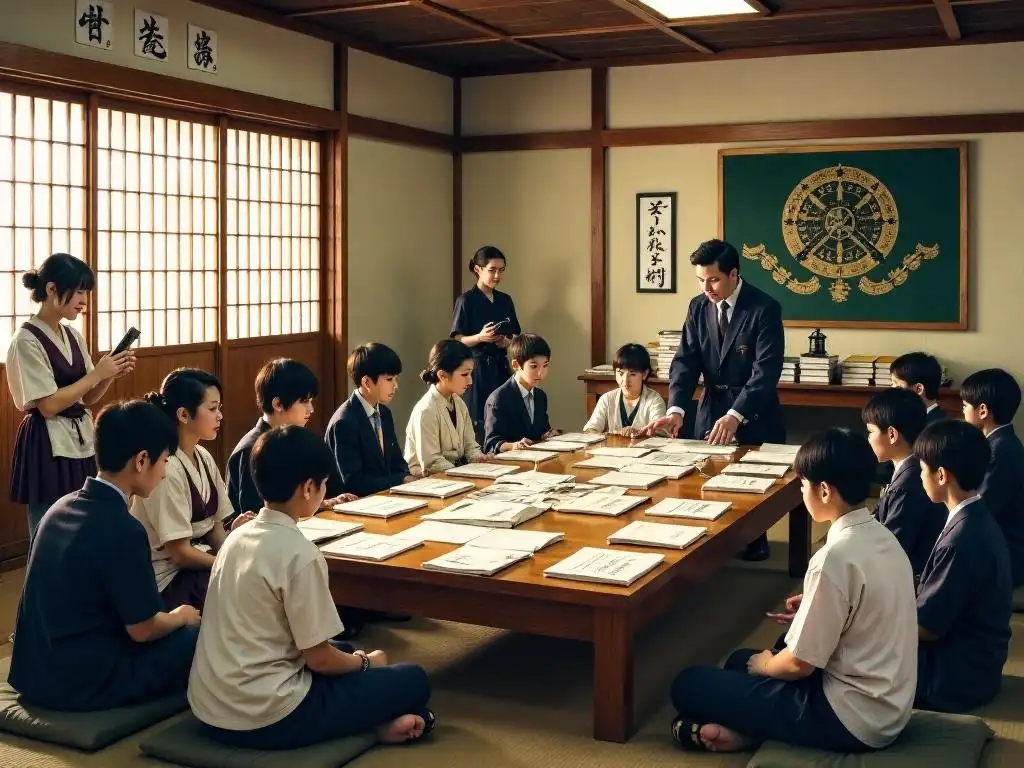
Common Language Learning Obstacles and How Samurai Stories Help
Learning Japanese presents numerous challenges, particularly for those who approach the language through the lens of historical narratives such as samurai stories. Here are some common obstacles:
- Complex Grammar Structures: Japanese grammar can be intricate, with varying levels of politeness and complex sentence constructions.
- Kanji Proficiency: The use of thousands of kanji characters can be daunting for learners, often leading to frustration.
- Cultural Nuances: Understanding the cultural context behind phrases and idioms is essential for effective communication but can be challenging for non-native speakers.
- Listening Comprehension: Differentiating between spoken forms in various contexts (formal, informal, historical) can be difficult.
Samurai stories offer a unique bridge for language learners. By incorporating these historical narratives, learners can gain contextual insights that aid comprehension. For example:
- Contextual Vocabulary: Samurai tales introduce specific vocabulary related to feudal Japan, such as katana (sword) and bushido (the way of the warrior), within a narrative context that makes it easier to remember.
- Cultural Understanding: These stories often encapsulate values, traditions, and societal norms of the time, providing learners with a richer understanding of cultural nuances embedded within the language.
- Engaging Formats: The storytelling format of samurai narratives can make learning more engaging, transforming the experience into a captivating journey rather than a monotonous study session.
- Visual and Auditory Learning: Samurai films and literature often come with rich visual and auditory elements that enhance retention and understanding of the language.
Through these elements, samurai stories become powerful tools in overcoming the hurdles of learning Japanese, making the process more relatable and enjoyable.
Tips for Engaging with Complex Historical Contexts in Language Learning
When delving into samurai history to enhance your Japanese language skills, consider these effective strategies:
- Utilize Multimedia Resources:
- Films and Documentaries: Watch samurai films, such as Seven Samurai or Harakiri. Pay attention to dialogue and subtitles, which can help reinforce vocabulary.
- Audiobooks and Podcasts: Listen to samurai stories narrated in Japanese to improve listening skills and pronunciation.
- Read Simplified Texts:
- Start with children's books or adapted stories focusing on samurai themes. This way, you can build vocabulary without getting overwhelmed by complex language.
- Engage in Discussions:
- Join language exchange groups focused on historical topics. Discussing samurai tales with others can deepen your understanding and retention of language and cultural context.
- Create a Vocabulary Journal:
- While exploring samurai stories, maintain a dedicated journal for new vocabulary and phrases. Include definitions, example sentences, and even illustrations to enhance memorization.
- Explore Historical Context:
- Research the historical background of the samurai era. Understanding the socio-political environment during this time will provide context to the language used in samurai stories.
- Practice Writing:
- Write summaries or reflections on the samurai stories you encounter. This will help reinforce grammar and vocabulary while encouraging creative expression in Japanese.
- Incorporate Role-Playing:
- Engage in role-playing exercises where you act out scenes from samurai stories. This dynamic approach can enhance conversational skills and make learning more enjoyable.
By integrating these strategies into your study routine, you can effectively engage with the complex historical contexts of samurai stories, enriching your journey in learning Japanese through samurai history.
Conclusion: The Benefits of Learning Japanese Through Samurai History
Summary of Key Takeaways for Language Learners
Learning Japanese through samurai history offers a unique and enriching experience for language learners. Here are some key takeaways that highlight the benefits of this approach:
- Cultural Context: Engaging with samurai stories provides insight into the values, ethics, and societal structures of feudal Japan. This cultural context enhances understanding of the language as it reveals nuances that may not be evident through traditional language learning methods.
- Vocabulary Expansion: Samurai narratives often incorporate specific terminology related to martial arts, honor, and the bushido code. Familiarizing oneself with this vocabulary not only increases language proficiency but also equips learners with terms that are culturally significant.
- Listening Skills: Many samurai stories are available in various media formats, including films, audiobooks, and podcasts. These resources expose learners to authentic language use, varying accents, and dialects, thereby improving listening comprehension and pronunciation.
- Engagement and Motivation: The dramatic and often heroic tales of samurai can captivate learners, making the language acquisition process more enjoyable. When learners are passionate about the content, they are more likely to invest time and effort into mastering the language.
- Historical Perspective: Understanding the historical context behind samurai stories provides a broader perspective on Japan's development. This knowledge can lead to more meaningful discussions and interactions with native speakers.
Encouragement to Explore More About Feudal Japan and Samurai Culture
Delving into the world of feudal Japan and samurai culture opens up a treasure trove of knowledge that goes beyond language learning. Here are some suggestions for further exploration:
- Read Historical Texts: Start with classic literature such as "The Tale of the Heike" or "The Book of Five Rings" by Miyamoto Musashi. These texts not only improve language skills but also offer profound insights into samurai philosophy.
- Watch Samurai Films: Films like "Seven Samurai" and "Yojimbo" are not only cinematic masterpieces but also rich in cultural references and language. Pay attention to dialogue and subtleties in character interactions to enhance comprehension.
- Visit Museums and Exhibits: Engaging with physical artifacts, clothing, and weaponry from the samurai era can deepen understanding and appreciation of this historical period. Many museums offer language resources to assist non-native speakers.
- Join Online Communities: Participating in forums or social media groups focused on samurai history and language learning can facilitate discussions, practice speaking, and provide valuable resources.
By embracing the stories and lessons of the samurai, learners can not only improve their Japanese language skills but also gain a deeper appreciation of Japan's rich cultural heritage. So, embark on this journey through time, and let the tales of honor, bravery, and discipline inspire your language learning adventure!
Frequently Asked Questions
What is the main focus of the article "Engaging with History: Learning Japanese Through Feudal Samurai Stories"?
The article focuses on exploring Japan's feudal era, particularly through the lens of samurai stories, to enhance the learning experience of the Japanese language.
How can learning about samurai history aid in understanding the Japanese language?
Studying samurai history offers insights into cultural contexts and historical references that enrich vocabulary and comprehension, making the language learning process more engaging and relevant.
What are some key themes covered in the article regarding samurai culture?
The article covers themes such as honor, loyalty, and warrior ethics, which are essential to understanding the samurai ethos and its impact on Japanese society and language.
Are there specific resources mentioned for learning Japanese through samurai stories?
Yes, the article suggests utilizing historical texts, literature, and films about samurai to provide a cultural backdrop that enhances language acquisition.
How does the article suggest integrating samurai stories into language learning?
It recommends using samurai narratives as a basis for discussion, writing exercises, and vocabulary building, creating a dynamic way to connect history with language practice.
Final Reflection: Embracing the Past to Enrich the Present
Engaging with history is not just a journey into the past; it is a vital pathway to understanding our present. The stories of feudal samurai, steeped in honor, discipline, and cultural richness, offer invaluable lessons that resonate with contemporary society. As we explore these narratives, we uncover the profound connections between language and culture, illustrating how learning Japanese through samurai history can deepen our appreciation for both the language and the values it embodies. In a world that often feels disconnected, these tales remind us of the enduring power of storytelling and its ability to bridge generations.
Cultural narratives shape our identities and influence our perspectives. The samurai's code of conduct, known as Bushido, teaches us about loyalty, respect, and perseverance—qualities that remain relevant today. As we immerse ourselves in these stories, we not only enhance our language skills but also cultivate a deeper understanding of the cultural nuances that define Japan. To know the way of the samurai is to know the way of life.
This quote encapsulates the essence of how these historical figures can guide us in navigating our own lives, fostering a sense of connection to a rich heritage that transcends time.
As you reflect on the themes presented in this article, I invite you to consider how you can incorporate the lessons of the samurai into your own journey of learning and personal growth. Engage with the stories, embrace the language, and allow the wisdom of the past to inspire your future. Whether you are a language learner, a history enthusiast, or simply someone seeking to enrich your life, let the legacy of the samurai serve as a beacon, guiding you toward a deeper understanding of yourself and the world around you.
Unleash Your Inner Samurai!
Thank you for diving into the captivating world of feudal Japan and exploring the rich narratives of samurai stories! By engaging with this vibrant history, you’ve opened the door to not only learning Japanese but also understanding the cultural fabric woven through time. Now, let’s take the next steps to deepen your journey!
- Start a storytelling journal: Reflect on what you’ve learned and write your own samurai-inspired tales in Japanese! This practice will enhance your language skills while fostering your creativity.
- Join a community: Connect with fellow language learners who share your passion for history. Consider participating in language exchange meetups or joining online forums that focus on Japanese culture.
- Explore further: Immerse yourself in samurai films or literature, and share your favorites with friends, sparking both language practice and engaging conversations!
Which samurai story inspires you the most, and how will you use it to enhance your language learning journey?