
The Influence of Samurai Cinema on Modern Japanese Language

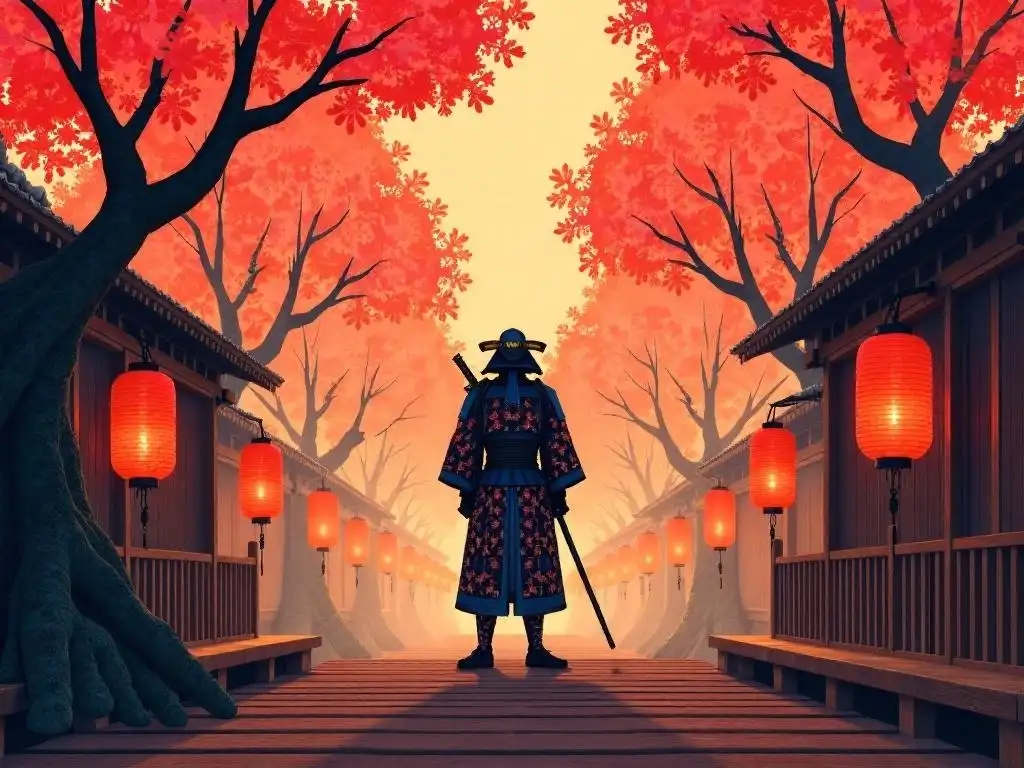
Welcome to Feudal Japan History, where the echoes of the past resonate through the vibrant narratives of a rich cultural tapestry. Dive into our latest exploration, “The Influence of Samurai Cinema on Modern Japanese Language,” and uncover how the legendary tales of the samurai have not only shaped Japan’s cinematic landscape but also left an indelible mark on the very language spoken today.
What secrets lie within the dialogue of these iconic films? Join us on this captivating journey as we unravel the connections between feudal traditions and contemporary linguistic expressions, igniting your curiosity and inspiring a deeper understanding of Japan's fascinating history.
The captivating world of samurai cinema not only showcases the valor and artistry of the legendary samurai but also plays a significant role in shaping modern Japanese language and culture. As cinematic representations of samurai stories have evolved, they have influenced the way contemporary Japanese is spoken and understood.
This article delves into the intricate relationship between samurai films and the Japanese language, exploring how these cinematic masterpieces contribute to linguistic development and cultural identity. By examining historical contexts, cinematic techniques, and linguistic features, we can appreciate how samurai cinema is more than mere entertainment; it is a powerful tool for language learning and cultural transmission.
Introduction to Samurai Cinema and Japanese Language
Samurai cinema, a genre that flourished particularly during the mid-20th century, is characterized by its portrayal of the samurai's code of honor, their struggles, and the societal norms of feudal Japan. Films such as "Seven Samurai" and "Yojimbo" have not only captured audiences worldwide but have also introduced unique linguistic elements that reflect the historical and cultural nuances of the era. The dialogues, idioms, and expressions used in these films often incorporate archaic language forms, providing learners with a glimpse into the past while simultaneously enriching their modern vocabulary.
The influence of samurai cinema extends beyond the screen; it informs contemporary Japanese language through:
- Cultural References: Many modern Japanese expressions owe their origins to samurai films, making them relevant in everyday conversation.
- Language Learning: The engaging narratives and dramatic dialogues in samurai cinema serve as effective tools for language learners, enhancing vocabulary and comprehension.
- Linguistic Evolution: The portrayal of samurai life has led to the adoption of specific terms and phrases that resonate with contemporary audiences.
Historical Background of Samurai Cinema
The roots of samurai cinema can be traced back to the early 20th century, but it gained significant popularity during the post-World War II era. Influential directors, such as Akira Kurosawa, propelled the genre to international acclaim. These films often reflect the tumultuous historical backdrop of Japan, showcasing the samurai's role in society and their moral dilemmas.
Key historical milestones include:
- Pre-War Cinema: Initial portrayals of samurai in silent films, focusing on heroic narratives.
- Post-War Renaissance: The emergence of films that explored deeper, more complex themes surrounding honor, loyalty, and sacrifice.
- Cultural Impact: Samurai films have contributed to Japan's cultural identity, influencing not just cinema but also literature, art, and language.
Linguistic Features in Samurai Cinema
The language used in samurai cinema is rich and varied, often blending formal and colloquial speech to create depth and authenticity. Some notable linguistic features include:
- Honorifics and Politeness Levels: The use of keigo (敬語) reflects the hierarchical nature of feudal society, offering insights into respectful communication.
- Archaic Vocabulary: Many films utilize words and phrases that may be unfamiliar to modern audiences, serving as a linguistic bridge to Japan's past.
- Proverbs and Sayings: Samurai cinema frequently incorporates traditional proverbs that encapsulate moral lessons and cultural values.
The influence of samurai cinema on modern Japanese language is profound, as it serves as both a mirror reflecting historical realities and a vehicle for cultural education. Through the exploration of this dynamic relationship, learners can gain a deeper understanding of the language while appreciating the artistry of samurai films.
Influence on Modern Japanese Language Usage
Samurai cinema has left an indelible mark on the modern Japanese language, influencing both colloquial and formal speech. The popularization of specific phrases and terminology associated with the samurai and their code of conduct, known as bushido, has permeated everyday conversations and written discourse. Terms like katana (刀, sword), sensei (先生, teacher), and ronin (浪人, masterless samurai) are frequently used, often beyond their original contexts.
Moreover, the stylistic dialogue in samurai films often incorporates archaic forms of Japanese, which, while not commonly spoken today, add a layer of depth and drama to the language. This revival of older expressions can be seen in contemporary literature and media, where authors and creators seek to evoke a sense of historical authenticity or cultural resonance. The influence is evident not just in vocabulary, but also in idiomatic expressions. Phrases like “sword of justice” or “honor before life” have found their way into modern parlance, reflecting the enduring values depicted in samurai narratives.
Learning Japanese Through Samurai Films
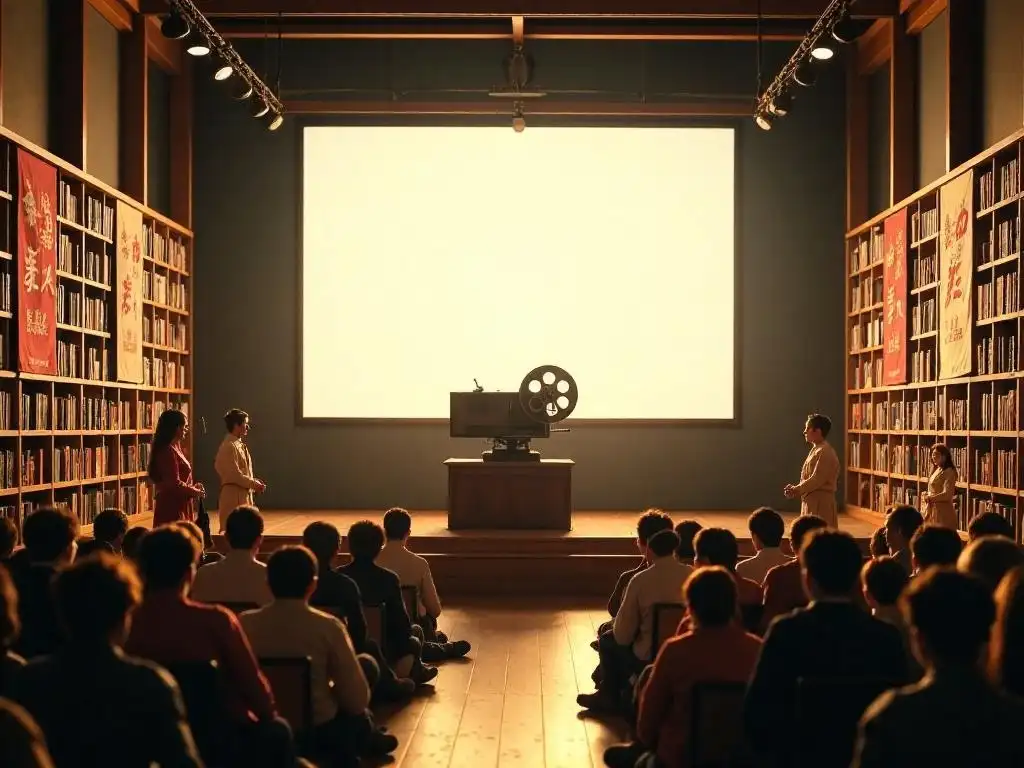
Using samurai films as a medium for learning Japanese offers a rich and engaging experience for language learners. These films provide exposure to various dialects, accents, and levels of formality, helping learners to grasp the nuances of the language. The dramatic context of samurai cinema often emphasizes emotional expression, allowing learners to better understand intonation and pronunciation through the characters' passionate dialogue.
Moreover, samurai films often incorporate historical and cultural references that enrich the learning process. For instance, as viewers encounter scenes depicting traditional ceremonies or the samurai's ethical dilemmas, they not only learn the language but also gain insights into Japanese culture and social norms. Subtitles in both Japanese and English can facilitate comprehension, making it easier for learners to follow along while picking up new vocabulary and phrases.
The Role of Samurai Cinema in Language Education
Samurai cinema plays a pivotal role in language education, serving as an invaluable resource for both formal classroom settings and self-directed learning. Educators often utilize samurai films to create immersive learning environments, where students can practice listening skills and engage in discussions about the themes, characters, and historical contexts of the films.
In addition, samurai films provide a visual context that aids in comprehension. The combination of visual storytelling and dialogue helps learners associate words with actions, enhancing memory retention. Furthermore, many language programs encourage students to mimic scenes from these films, which fosters confidence in speaking and improves their ability to express complex ideas in Japanese.
The popularity of samurai cinema also encourages community engagement among learners. Film clubs and discussion groups centered around samurai movies can create supportive environments where students practice conversational skills and share insights, thereby enhancing their overall language acquisition experience.
Samurai cinema not only enriches the lexicon of modern Japanese but also serves as a dynamic tool for language education, making it an essential aspect of learning Japanese through cultural lenses.
Conclusion: The Lasting Impact of Samurai Cinema on Language Learning
The influence of samurai cinema on modern Japanese language extends far beyond mere entertainment; it has become an integral part of linguistic education and cultural appreciation. As audiences engage with these films, they not only witness the valor and discipline of the samurai but also absorb the nuances of the language spoken during the feudal era. This cinematic representation has contributed significantly to the preservation and evolution of various dialects, phrases, and expressions that resonate with both historical and contemporary audiences.
One of the most remarkable outcomes of samurai cinema is its ability to introduce learners to authentic Japanese language usage in context. Through the dialogue of well-crafted characters, viewers encounter idiomatic expressions, archaic vocabulary, and cultural references that are often absent from conventional language learning materials. This exposure fosters a deeper understanding of the language, encouraging learners to appreciate the subtleties of Japanese communication.
Moreover, the genre's popularity has prompted a resurgence of interest in historical linguistics and cultural studies. Language learners often find themselves inspired to explore the historical context of the samurai and their societal structures, leading to a richer, more immersive learning experience. The dramatic narratives and intricate character development found in samurai films create a compelling backdrop for exploring themes of honor, loyalty, and conflict, all of which are deeply embedded in the fabric of the Japanese language.
In essence, samurai cinema serves as a bridge connecting the past with the present, allowing learners to engage with the language in a meaningful way. As they navigate the world of samurai films, learners not only enhance their linguistic skills but also gain valuable insights into Japan’s cultural heritage, making their journey through the language both rewarding and profound.
Further Reading and Resources
To deepen your understanding of the interplay between samurai cinema and the Japanese language, the following resources can be immensely helpful:
- Books:
- Samurai Cinema: The Influence of the Samurai Film Genre on Japanese Culture by David Desser
- Japanese Cinema: A History by Aoki Kiyoshi
- Online Resources:
- Various platforms offer curated lists of samurai films that highlight language usage, such as Film Archives Japan and The Criterion Collection.
- Language learning websites like WaniKani and BunPro often feature samurai-themed lessons that incorporate vocabulary and phrases from these films.
- Documentaries:
- The Samurai: A History of Japan's Warrior Class presents an overview of samurai culture alongside insights on how it has been depicted in cinema.
- Japan's Samurai: The Last Warriors explores the historical context and language evolution through film.
- Language Learning Communities:
- Joining forums or groups on platforms like Reddit and Discord dedicated to learning Japanese can provide recommendations for samurai films and discussions about their linguistic impact.
These resources will not only enhance your appreciation of samurai cinema but also support your journey in mastering the Japanese language, making learning both enjoyable and effective.
- Introduction to Samurai Cinema and Japanese Language
- Historical Background of Samurai Cinema
- Linguistic Features in Samurai Cinema
- Influence on Modern Japanese Language Usage
- Learning Japanese Through Samurai Films
- The Role of Samurai Cinema in Language Education
- Conclusion: The Lasting Impact of Samurai Cinema on Language Learning
- Further Reading and Resources
- What is Samurai cinema?
- How has Samurai cinema influenced modern Japanese language?
- Are there specific films that had a significant impact on language?
- Can you give examples of terms from Samurai cinema that are commonly used today?
- How does understanding Samurai cinema enrich the study of Japanese culture?
Frequently Asked Questions
What is Samurai cinema?
Samurai cinema refers to films that portray the life and values of samurai during feudal Japan, often showcasing themes of honor, loyalty, and conflict.
How has Samurai cinema influenced modern Japanese language?
Samurai cinema has contributed to the evolution of language, introducing specific terms and phrases that reflect the samurai ethos and cultural values, which are still used today.
Are there specific films that had a significant impact on language?
Yes, films like "Seven Samurai" and "Rashomon" not only shaped cinematic techniques but also popularized dialogues and expressions that have permeated everyday Japanese language.
Can you give examples of terms from Samurai cinema that are commonly used today?
Terms such as "bushido" (the way of the warrior) and "katana" (sword) are commonly used in modern contexts, often representing courage and honor.
How does understanding Samurai cinema enrich the study of Japanese culture?
Studying Samurai cinema provides insight into historical values, social issues, and the linguistic evolution that shapes contemporary Japanese society and identity.
Final Reflection: The Enduring Legacy of Samurai Cinema on Japanese Language
The exploration of samurai cinema's influence on modern Japanese language underscores a profound connection between art and communication. As we navigate a world increasingly shaped by cultural exchanges, the impact of samurai films transcends mere entertainment, becoming a vital thread in the fabric of contemporary Japanese identity. The way these films have enriched the language we use today is a testament to their lasting significance and cultural resonance.
The legacy of samurai cinema continues to shape not only the lexicon but also the very essence of how we perceive honor, duty, and resilience in Japanese culture. The dialogue crafted in these films has seeped into everyday conversations, enriching the language with expressions that evoke deep emotional and historical contexts. Cinema is a mirror by which we often see ourselves.
This quote reminds us that through the lens of samurai cinema, we gain insight into the values and narratives that define us, both as individuals and as a society.
As you reflect on the themes presented in this article, consider how the lessons of samurai cinema can inspire your own journey. Embrace the richness of language as a tool for connection and expression. Whether through learning new phrases or understanding the cultural nuances behind them, let the spirit of the samurai guide you in your exploration of language and identity. Take action by engaging with these films, discussing their impact, and sharing your insights with others, fostering a deeper appreciation for the art that shapes our world.
Unleash the Power of Samurai Cinema in Your Life!
Thank you for diving into the fascinating world of Samurai cinema and its impact on modern Japanese language! We hope you gained valuable insights into how these films shape our understanding and use of language today. Now it’s time to take action and let this knowledge resonate in your daily life!
- Immerse yourself by watching a classic Samurai film this week—pay attention to the language and cultural nuances presented.
- Join a discussion group or an online community to share your thoughts on how Samurai cinema influences language and culture—connect with fellow enthusiasts!
- Explore Japanese language courses that incorporate film analysis, allowing you to integrate what you've learned into practical language skills.
What elements of Samurai cinema do you find most intriguing, and how do you think they influence contemporary Japanese expressions today? Share your thoughts below!