
Festivals of Edo: How Celebrations Shaped Urban Identity

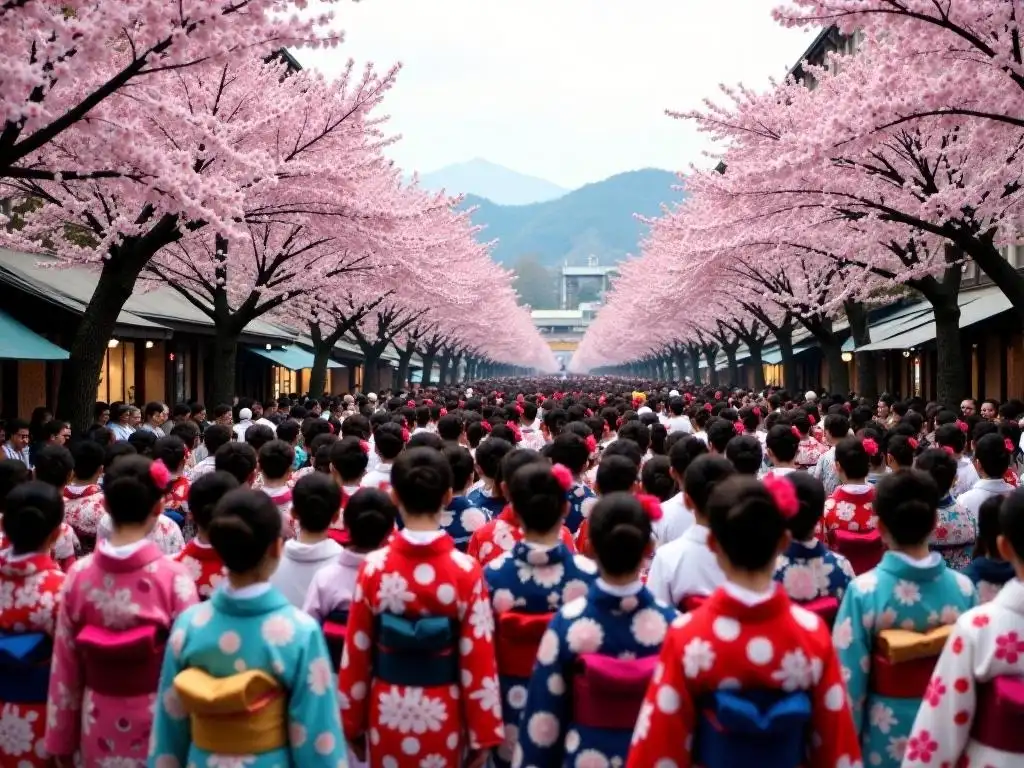
Welcome to Feudal Japan History, where we embark on a fascinating journey through the intricate tapestry of Japan's feudal era. In our latest article, we delve into the significance of Edo period festivals—celebrations that not only marked the calendar but also played a pivotal role in shaping urban identity and economic life. What secrets do these vibrant festivals hold about the society they thrived in? Join us as we uncover the layers of tradition and cultural richness that defined this captivating period. Your exploration awaits!
The Edo period, spanning from 1603 to 1868, was a transformative era in Japanese history, characterized by a remarkable urbanization process that reshaped not only the landscape but also the cultural and social fabric of Japan. In the bustling city of Edo, now known as Tokyo, festivals emerged as pivotal events that not only entertained but also fostered a sense of community and identity among its inhabitants.
This article delves into the significance of Edo period festivals, exploring how these vibrant celebrations influenced urban identity and reflected the complexities of society during this dynamic time. By examining the interplay between festivity and urban life, we aim to uncover the deeper meanings behind these celebrations, illustrating their role in shaping the ethos of Edo and its people.
The Role of Festivals in Edo Society
Festivals during the Edo period served multiple purposes, from religious observances to social gatherings, and they played an integral role in the daily lives of Edo's citizens.
- Cultural Expression: Festivals acted as a canvas for cultural expression, showcasing traditional arts such as kabuki theater, music, and dance. They provided a platform for artisans and performers, allowing them to share their crafts with the community.
- Religious Significance: Many celebrations were tied to Shinto and Buddhist practices, reflecting the spiritual beliefs of the populace. These events often included rituals that sought to honor deities and ensure good harvests, demonstrating the interconnectedness of religion and daily life.
- Social Cohesion: Festivals fostered a sense of belonging and collective identity among residents. They were occasions for people from different backgrounds to come together, reinforcing social bonds and community solidarity.
The vibrancy of these festivals not only highlighted the cultural richness of Edo but also contributed to the city's urban identity, establishing a unique sense of place that distinguished Edo from other regions in Japan.
Notable Festivals of the Edo Period
Several festivals became emblematic of Edo’s cultural landscape, each with its unique features and historical significance. Here are a few notable examples:
- Sanja Matsuri: Held at Asakusa Shrine, this festival celebrates the founding of the shrine and honors the three founders of Senso-ji Temple. It features elaborate processions and traditional performances, drawing crowds from across the city.
- Kanda Matsuri: This festival occurs in odd-numbered years and includes a grand parade of mikoshi (portable shrines). It symbolizes the protection of the city and its inhabitants, reflecting the communal spirit of Edo.
- Sumida River Fireworks Festival: Dating back to the 18th century, this event highlights Edo's summer celebrations and features stunning displays of fireworks. It serves as a reminder of the city's connection to nature and the changing seasons.
These festivals were not mere spectacles; they embodied the essence of Edo’s urban identity, intertwining history, culture, and community in a rich tapestry of celebration.
The Economic Impact of Festivals
The significance of festivals extended beyond social and cultural realms; they also had considerable economic implications for the city of Edo.
- Boosting Local Economy: Festivals attracted visitors both locally and from distant regions, providing a significant boost to local businesses. Merchants and artisans saw increased sales during these events, contributing to the overall economic vitality of the city.
- Tourism Development: As festivals gained popularity, they became central to Edo's identity, drawing tourists and pilgrims. This influx of visitors helped to establish Edo as a cultural hub, enhancing its status within Japan.
The economic impact of these celebrations played a crucial role in shaping the urban landscape, further solidifying Edo’s significance as a thriving metropolis during the feudal era.
Conclusion: The Lasting Legacy of Edo Period Festivals
The festivals of the Edo period were not only vital expressions of culture and community but also served as key drivers of urban identity and economic prosperity. They encapsulated the spirit of the era, reflecting the intricate interplay between tradition and urbanization. As we explore the significance of these celebrations, it becomes clear that they were instrumental in forging the unique identity of Edo, leaving a lasting legacy that continues to resonate in contemporary Japanese culture.
- The Role of Festivals in Edo Society
- Notable Festivals of the Edo Period
- The Economic Impact of Festivals
- Conclusion: The Lasting Legacy of Edo Period Festivals
Introduction to Edo Period Festivals Significance
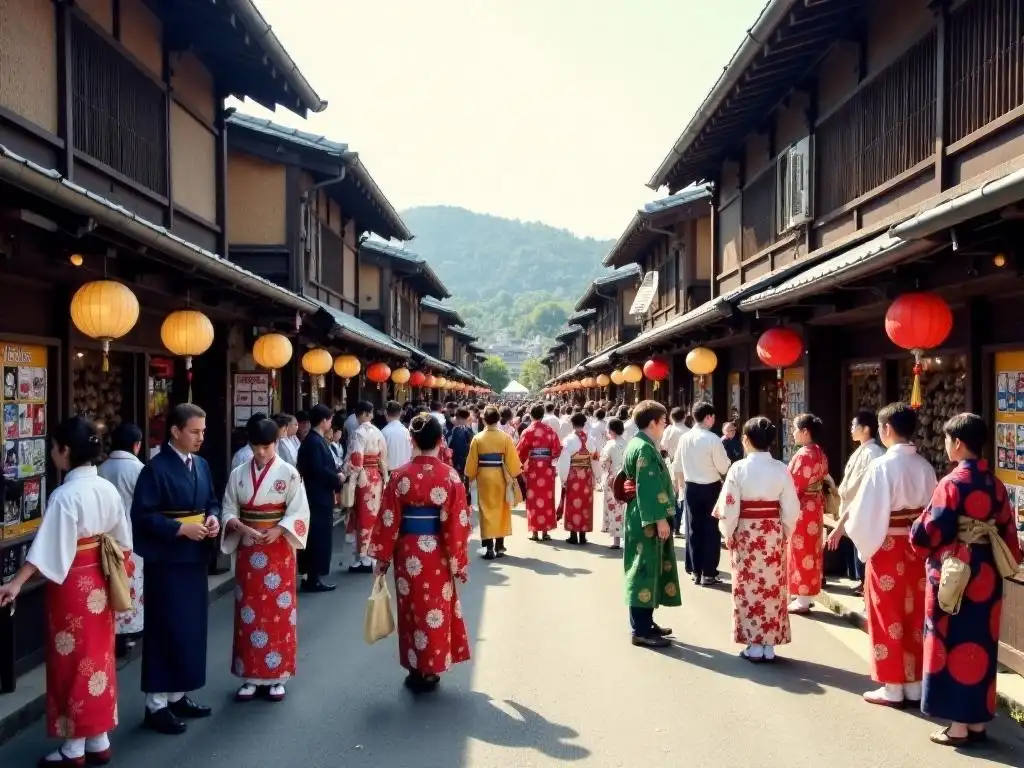
Edo period festivals played a crucial role in shaping urban identity and cultural expression in Japan from 1603 to 1868. These celebrations were not merely festive events; they were integral to the social, economic, and political fabric of Edo, now known as Tokyo. By examining the significance of these festivals, we can gain insight into how they influenced community cohesion, artistic expression, and the development of urban spaces.
Overview of the Edo Period (1603-1868)
The Edo period, also known as the Tokugawa period, was characterized by peace, stability, and isolation from foreign influences. With the establishment of the Tokugawa shogunate, Japan experienced a long era of relative tranquility, allowing for the flourishing of arts, culture, and commerce. The population of Edo expanded significantly, growing from around 200,000 at the start of the period to over a million by its end, making it one of the largest cities in the world at the time.
During this period, festivals became prominent as public events that reinforced community ties. They often involved elaborate rituals, processions, and performances that reflected local traditions and the unique identity of different neighborhoods. The significance of these festivals extends beyond mere entertainment; they served to uphold social hierarchies, promote local pride, and reinforce the shogunate's authority.
The Role of Festivals in Feudal Japan
Festivals in feudal Japan were multifaceted events that encapsulated various societal elements:
- Religious Significance: Many festivals were tied to Shinto or Buddhist traditions, celebrating deities, agricultural cycles, or seasonal changes. These events were believed to ensure good harvests and ward off disasters.
- Community Building: Festivals fostered a sense of belonging among residents. They brought people together, creating communal bonds through collective participation and shared experiences.
- Economic Activity: Festivals stimulated local economies. They attracted visitors, leading to increased commerce for merchants and artisans. Temporary stalls and marketplaces would spring up, providing goods and services.
- Artistic Expression: The festivals showcased artistic talents through performances, such as kabuki theater and traditional music. This allowed for cultural exchange and the preservation of local art forms.
- Political Messaging: The shogunate often used festivals to promote its legitimacy and reinforce social order. By sponsoring events, they could display their power and control over the populace.
In this way, festivals served as a mirror reflecting the complexities of feudal society, embodying its values, struggles, and aspirations.
Importance of Urban Identity in Edo
Urban identity during the Edo period was profoundly influenced by these festivals. They played a vital role in defining how residents of Edo perceived themselves and their community. Key aspects of this urban identity included:
- Neighborhood Pride: Each district developed its unique traditions and festivals, leading to a sense of rivalry and pride among neighborhoods. This competitive spirit fostered a vibrant urban culture.
- Cultural Exchange: Festivals allowed for the mingling of different social classes and cultural backgrounds, facilitating a unique blend of traditions that contributed to Edo's cosmopolitan nature.
- Artistic Innovation: The celebratory atmosphere of festivals encouraged creativity, leading to the emergence of new art forms and styles that reflected the dynamic urban life.
- Public Space Utilization: Festivals transformed urban spaces into lively centers of activity, where streets and plazas became stages for performances and gatherings, reshaping the physical landscape of Edo.
- Historical Continuity: Many festivals have persisted into modern times, maintaining a connection to Edo’s rich historical legacy. This continuity reinforces a sense of identity and belonging among contemporary residents.
The significance of Edo period festivals lies not only in their immediate enjoyment but also in their lasting impact on urban identity, community cohesion, and cultural expression in Japan. Understanding these celebrations provides valuable insight into the socio-economic dynamics of the Edo period and their influence on contemporary Japanese society.
Historical Context of Edo Period Festivals
Origins of Festivals in Edo
The festivals of the Edo period (1603-1868) have their roots deeply embedded in the agricultural practices and religious customs of Japan. Initially, festivals were primarily agrarian in nature, celebrating the seasonal cycles, harvests, and local deities. These events often included rituals to ensure bountiful crops and appease the spirits of nature.
As Edo transformed into a bustling urban center, these agrarian festivals evolved. For instance, the Gion Matsuri, which originated in Kyoto during the Heian period, made its way to Edo, adapting to the city's growing population. These festivals began to incorporate elements of local culture, community participation, and commercial significance.
Key Features of Edo Festivals:
- Religious Significance: Many festivals were linked to Shinto and Buddhist practices, serving as a means to honor deities and ancestors.
- Community Involvement: Festivals fostered a sense of community, as residents participated in organizing and celebrating these events together.
- Economic Activity: Festivals became centers for trade and commerce, showcasing local goods and crafts, thereby boosting the economy.
Key Historical Events Influencing Festival Development
Several key historical events significantly influenced the development of festivals during the Edo period. The establishment of peace under the Tokugawa shogunate led to a period of stability, allowing for the flourishing of culture and arts. This stability encouraged the growth of festivals as a means of expression and celebration.
- The Unification of Japan: With the end of the Sengoku period (Warring States), the unification brought about a new societal structure that emphasized order and cultural cohesion.
- Population Growth: Edo became one of the largest cities in the world, with its population swelling to over a million people. This urbanization directly impacted the scale and nature of festivals, which now catered to a diverse audience.
- Cultural Exchange: The Edo period saw an influx of cultural exchange, particularly through trade with foreign entities. This led to the incorporation of new ideas and practices into traditional festivals, enriching their significance.
Transition from Rural to Urban Celebrations
The transition from rural to urban celebrations during the Edo period marked a significant shift in the way festivals were perceived and celebrated. As people migrated to cities in search of better opportunities, festivals adapted to reflect urban realities.
- Urbanization Effects: The rapid urbanization of Edo led to the creation of new festivals that resonated with city dwellers. Celebrations began to focus on urban themes, such as commerce, crafts, and the arts.
- Diverse Participation: Urban festivals became more inclusive, inviting participation from various social classes and backgrounds. This inclusivity fostered a sense of shared identity among the city's residents.
- Commercialization: With the rise of merchant classes, festivals also became commercial ventures. Street vendors and artisans took advantage of the crowds, turning festivals into significant economic events, with food stalls, performances, and shopping opportunities.
The evolution of festivals during the Edo period not only shaped the cultural landscape of the time but also played a crucial role in forming the urban identity of Edo. These celebrations became a reflection of the city's diversity and economic vitality, leaving a lasting impact on Japan's cultural heritage.
Types of Festivals Celebrated in Edo
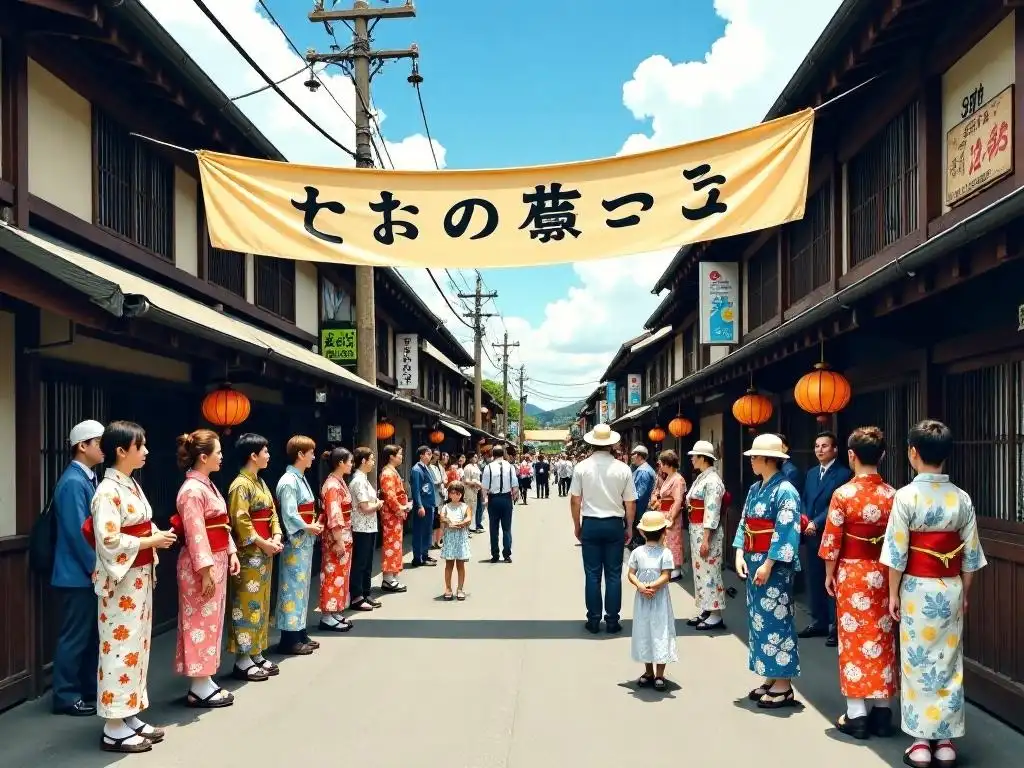
The Edo period, spanning from 1603 to 1868, was a transformative time in Japan, characterized by urban growth, cultural flourishing, and a burgeoning sense of identity among its inhabitants. Festivals during this era played a crucial role in shaping the urban landscape of Edo (modern-day Tokyo), reflecting the community's values, beliefs, and seasonal changes. Below, we explore the different types of festivals celebrated in Edo, highlighting their significance and impact on urban identity.
Seasonal Festivals: Celebrating Nature and Change
Seasonal festivals in Edo were deeply intertwined with the rhythms of nature, marking the changing seasons and agricultural cycles. These celebrations not only honored the environment but also provided opportunities for social cohesion and community participation.
- Hanami (Cherry Blossom Viewing)
- Timing: Early spring
- Significance: Hanami represents the fleeting beauty of cherry blossoms, symbolizing the transient nature of life. During this festival, people gathered in parks to admire the blossoms, partaking in picnics and festivities.
- Impact: This tradition fostered a communal spirit and appreciation for nature, reinforcing a sense of belonging among Edo's inhabitants.
- Tanabata (Star Festival)
- Timing: July 7
- Significance: Tanabata celebrates the meeting of two celestial lovers, Orihime and Hikoboshi. Customarily, people wrote wishes on colorful strips of paper and hung them on bamboo branches.
- Impact: This festival encouraged creativity and expression, as urban dwellers engaged in crafting and decorating their neighborhoods.
- Matsuri (Harvest Festivals)
- Timing: Varies based on local harvests
- Significance: Matsuri celebrated bountiful harvests, offering thanks to deities and spirits for the fertility of the land.
- Impact: These festivals were crucial for reinforcing agricultural traditions and ensuring community participation in local practices, thereby solidifying community bonds.
Religious Festivals: Spiritual Significance and Practices
Religious festivals in Edo were essential for expressing the spiritual life of the community, intertwining Shinto and Buddhist practices that shaped daily life. These festivals served not only as occasions for worship but also as platforms for social interaction.
- Setsubun (Bean-Throwing Festival)
- Timing: February 3 or 4
- Significance: Setsubun marks the beginning of spring and involves throwing roasted soybeans to drive away evil spirits and invite good fortune.
- Impact: The practice of bean throwing became a lively event, fostering a sense of hope and renewal as families and communities united in the ritual.
- Obon (Festival of the Dead)
- Timing: Mid-August
- Significance: Obon is a time to honor deceased ancestors, marked by rituals such as lantern lighting and family gatherings.
- Impact: This festival strengthened familial ties, allowing Edo residents to reflect on their heritage and the importance of their ancestors in shaping their identities.
- Jinja Matsuri (Shrine Festivals)
- Timing: Varies, often linked to specific shrines
- Significance: Jinja Matsuri involved processions and celebrations at local shrines, integrating community participation in religious observances.
- Impact: These festivals reinforced the social fabric of Edo, as they provided a space for both worship and communal engagement.
Cultural Festivals: Arts, Music, and Performance
Cultural festivals during the Edo period showcased the rich artistic heritage of the time, reflecting urban sophistication and creativity. These events served not only as entertainment but also as crucial venues for the dissemination of cultural practices.
- Nakamuraza Kabuki Performances
- Timing: Year-round, with special performances during festivals
- Significance: Kabuki theater became immensely popular, offering a blend of drama, music, and dance that attracted diverse audiences.
- Impact: The performances cultivated a vibrant urban culture, allowing citizens to engage with the arts and fostering a shared cultural identity.
- Kintsugi Workshops
- Timing: Throughout the year
- Significance: Kintsugi, the art of repairing broken pottery with gold, reflected themes of beauty in imperfection. Festivals often included workshops where artisans showcased their skills.
- Impact: This practice promoted appreciation for craftsmanship, encouraging Edo residents to value their local artisans and the stories behind their creations.
- Shishimai (Lion Dance)
- Timing: Celebrated during various festivals
- Significance: The Shishimai, or lion dance, was performed to ward off evil spirits and bring good fortune to the community.
- Impact: This electrifying performance not only entertained but also reinforced cultural beliefs, helping to solidify a collective identity among Edo's diverse population.
The festivals celebrated during the Edo period significantly influenced urban identity, weaving together communal values, spiritual beliefs, and cultural practices. These events not only provided joy and entertainment but also fostered a sense of belonging and pride among the people of Edo. Understanding the significance of these festivals allows us to appreciate the intricate tapestry of life in this vibrant historical period.
The Societal Impact of Festivals on Urban Identity
Community Building through Festivals
During the Edo period (1603-1868), festivals served as vital social events that fostered a sense of community among the inhabitants of Edo, now modern-day Tokyo. These celebrations were not merely public displays of culture but crucial gatherings that united people across different backgrounds and social classes. Festivals such as the Sanja Matsuri, held at Asakusa Shrine, attracted thousands of participants and spectators, reinforcing local ties and collective identity.
- Participation and Inclusion: Festivals often encouraged participation from all layers of society. Local residents, merchants, artisans, and even samurai would join in the celebrations, blurring the lines of social stratification for the duration of the event. This inclusivity was essential for creating communal bonds, as attendees shared experiences, stories, and traditions.
- Economic Interactions: The influx of visitors during festivals stimulated local economies. Street vendors would set up stalls selling food, crafts, and other goods, leading to lively market interactions. Such economic exchanges not only strengthened community ties but also cultivated a shared urban identity rooted in the collective experience of commerce and festivity.
- Ritual and Tradition: Festivals upheld long-standing traditions that were crucial for community cohesion. Rituals performed during these events, such as dances and parades, passed down cultural narratives that reinforced local identity and history. The strong emotional connection fostered through these rituals helped solidify community bonds, making festivals a cornerstone of social life in Edo.
Festivals in Edo were not devoid of social hierarchies; rather, they mirrored and sometimes reinforced the existing class structures. The organization and participation in these events often reflected the social standing of individuals and groups within Edo society.
- Hierarchy in Participation: Different classes participated in festivals in varying capacities. For instance, while commoners might engage in festive activities such as parades and games, the samurai class often took on roles of honor, overseeing ceremonies or leading processions. This delineation underscored societal structures while still allowing for a collective celebration.
- Sponsorship and Patronage: Wealthy merchants and local lords often sponsored major festivals, showcasing their status and influence. Their financial contributions to these events not only enhanced the scale and spectacle of the celebrations but also reinforced their standing in the community. This patronage system created a dynamic where festivals became a means of displaying power and wealth, intertwining social hierarchies with cultural expression.
- Local vs. Central Authority: Festivals also highlighted the tension between local identities and the overarching authority of the Tokugawa shogunate. While local communities expressed their unique cultural traits during festivals, the shogunate sought to maintain control over these celebrations, often imposing regulations that reflected their desire for order. This interplay between local autonomy and central control further emphasized social hierarchies during the Edo period.
Festivals and the Formation of Edo’s Unique Cultural Identity
The festivals of the Edo period played a pivotal role in shaping a unique cultural identity for the city, distinguishing it from other regions in Japan. This cultural identity was a synthesis of various influences, including religious beliefs, artistic expression, and the interactions of diverse social groups.
- Cultural Syncretism: Edo’s festivals were often marked by the blending of Shinto, Buddhist, and folk traditions, creating a rich tapestry of cultural practices. For example, the vibrant processions during the Gion Matsuri showcased not only Shinto beliefs but also incorporated elements from other cultural backgrounds, exemplifying the city’s diverse influences.
- Artistic Expression: Festivals served as platforms for artistic expression, featuring traditional music, dance, and theater, such as kabuki and Noh. These performances not only entertained but also educated participants and spectators about their cultural heritage, instilling a sense of pride and identity specific to Edo.
- Urban Identity and Modernity: As Edo evolved into a bustling urban center, its festivals adapted to reflect the changing dynamics of society. The integration of new forms of entertainment and the adaptation of traditional practices to fit urban life contributed to a unique cultural identity that was distinctly Edo. This identity was marked by a blend of reverence for tradition and an embrace of modern influences, laying the groundwork for contemporary Japanese culture.
The significance of Edo period festivals extends beyond mere celebration; they were instrumental in shaping community bonds, reflecting social hierarchies, and forging a unique cultural identity. These festivals not only enriched the urban experience of Edo but also played a critical role in the historical narrative of Japan’s urbanization and economic development during the feudal era.
The Economic Significance of Festivals in Edo
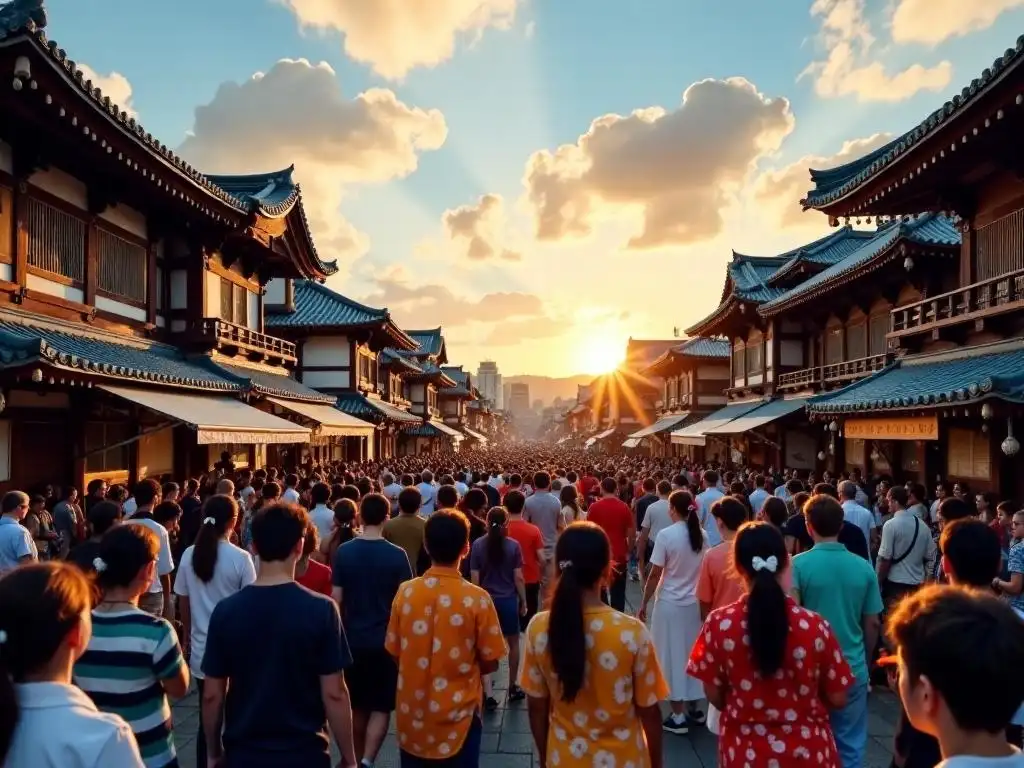
Festivals during the Edo period played a pivotal role not only in cultural expression but also as significant economic drivers. These gatherings brought together various elements of urban life, intertwining commerce, social interaction, and cultural identity. The economic significance of festivals in Edo can be observed through their ability to stimulate local economies, encourage trade, and foster a sense of community among residents.
Festivals as Economic Catalysts for Urban Growth
The Edo period (1603-1868) was marked by rapid urbanization, and festivals became crucial events that contributed to this growth. They attracted people from surrounding areas, creating a hustle and bustle that invigorated the economy.
- Increased Foot Traffic: Festivals drew large crowds, leading to increased commerce as local businesses capitalized on the influx of visitors. Shops and stalls would spring up to cater to the needs of festival-goers.
- Temporary Employment: Many locals found temporary work during festivals, whether as vendors, performers, or organizers. This not only provided income but also allowed community members to engage in the festivities, enhancing local solidarity.
- Cultural Products: Festivals often showcased unique cultural products, such as handmade crafts, traditional foods, and textiles, which became sought after commodities. This exchange of goods fostered innovation among artisans and spurred economic activity.
The cumulative effect of these factors meant that festivals were not merely celebrations; they were vital to the urban identity and economic landscape of Edo.
Marketplaces and Trade During Festivals
The marketplaces during festivals transformed into vibrant centers of trade and commerce. These temporary or expanded markets played a significant role in the economic fabric of Edo.
- Diverse Offerings: Festival markets featured a variety of goods, from food and drink to crafts and textiles. This diversity attracted different demographics, encouraging trade across social classes.
- Bartering and Negotiation: The festive atmosphere often led to a more relaxed environment for transactions, allowing for bartering and negotiation, which were integral to the economy of the time. This practice fostered relationships between buyers and sellers, enhancing community ties.
- Impact on Local Economy: The sales generated during festivals often contributed significantly to the annual incomes of local merchants and artisans. Reports indicate that certain festivals could generate profits that exceeded regular market days by several times.
By establishing these bustling marketplaces, festivals not only enriched the participants but also laid the groundwork for sustained economic development in urban areas.
The Role of Artisans and Merchants in Festival Celebrations
Artisans and merchants were at the heart of festival celebrations, playing crucial roles that intertwined their livelihoods with the cultural fabric of Edo.
- Artisans as Cultural Contributors: Local artisans contributed by creating festival-specific items, such as decorations, floats, and costumes. Their craftsmanship not only showcased their skills but also enhanced the visual and cultural experience of the festivals.
- Merchants as Economic Engines: Merchants seized the opportunity to promote their goods during festivals, often introducing special items or discounts. Their participation was essential in ensuring that festivals had the necessary supplies and products to meet the demands of the crowds.
- Collaboration and Community Building: Festivals encouraged collaboration between artisans and merchants, fostering a spirit of community. This cooperation often led to the establishment of long-term business relationships and networks that benefited all parties involved.
The contributions of artisans and merchants during festivals were fundamental in shaping the economic landscape of Edo, reinforcing the significance of these celebrations within the urban context.
Through the exploration of these elements, we can appreciate the multifaceted role that Edo period festivals played in shaping not only the cultural identity but also the economic vitality of urban life. The festivals' significance extended far beyond mere celebration; they were essential to the urbanization and economic development in Edo during this transformative era.
Case Studies of Notable Edo Period Festivals
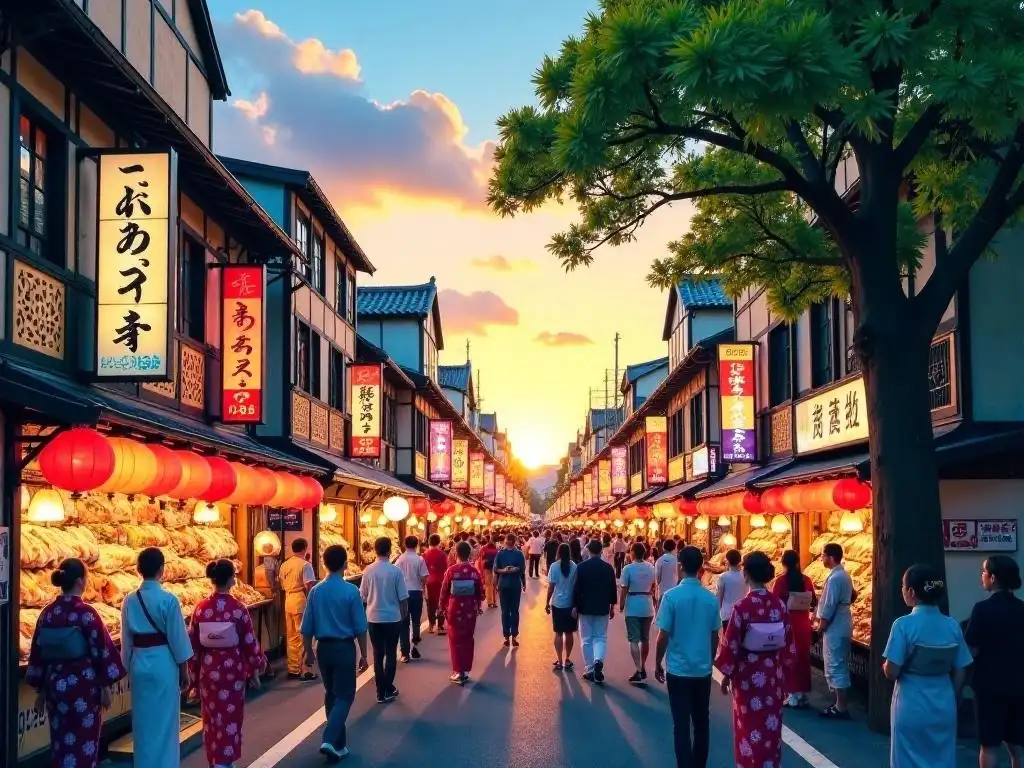
The Edo period (1603-1868) was characterized by a rich tapestry of festivals that played a crucial role in shaping urban identity and community cohesion in Japan. These festivals were not merely social events; they encapsulated cultural exchange, political power dynamics, and collective identity among the inhabitants of Edo (modern-day Tokyo). In this section, we will explore three prominent festivals: the Sanja Matsuri, the Gion Matsuri, and the Kanda Matsuri, each showcasing unique aspects of Edo period festivals significance.
The Sanja Matsuri: A Celebration of Community and Tradition
The Sanja Matsuri, held annually in May at Asakusa Shrine, is one of the most famous festivals of the Edo period. This vibrant event is dedicated to the three founders of Sensoji Temple, a significant religious site in Edo.
- Historical Roots: The festival's origins date back to 1649 when the local community celebrated the enshrinement of the temple's deities. Over the centuries, it evolved into a grand event that attracts millions of visitors.
- Cultural Significance: The Sanja Matsuri emphasizes the importance of community ties. Local neighborhoods participate through their respective mikoshi (portable shrines), fostering a sense of belonging and pride. This collective effort enhances urban identity, as residents unite to celebrate their shared heritage.
- Rituals and Activities: The festival features lively parades, traditional music, and dance performances. Additionally, the ritual of carrying the mikoshi through the streets symbolizes the deities' presence among the people, reinforcing spiritual connections within the urban environment.
The Gion Matsuri: Cultural Exchange and Urban Identity
The Gion Matsuri, celebrated in Kyoto throughout July, is another pivotal festival that reflects the Edo period's cultural exchange and urban identity formation.
- Origins and Development: Established in the 9th century, the Gion Matsuri originally served as a purification ritual to avert plagues. By the Edo period, it had transformed into a grand celebration highlighting Kyoto's cultural richness.
- Cultural Exchange: The Gion Matsuri is renowned for its spectacular processions of floats, known as yama and hoko. These floats, beautifully adorned with textiles and crafts, showcase not only local artisanship but also influences from other regions, promoting cultural exchange.
- Urban Identity Formation: The festival encourages participation from various districts in Kyoto, fostering inter-community relationships. As neighborhoods compete for the best float, the festival enhances a sense of urban pride and identity among residents.
The Kanda Matsuri: Politics, Power, and Public Celebrations
The Kanda Matsuri, held in May and October, is closely associated with the Kanda Myojin Shrine and reflects the interplay of politics, power, and public celebrations during the Edo period.
- Historical Context: First celebrated in the 17th century, the Kanda Matsuri was intended to ensure the prosperity and safety of the Tokugawa shogunate. The festival's alignment with political authority highlights the connection between governance and public celebration.
- Political Significance: The festival features a grand procession that includes samurai, government officials, and citizens. This blend of social classes showcases the power dynamics of the time, illustrating how festivals were used as a tool for the ruling class to assert their influence and legitimacy.
- Public Engagement: The Kanda Matsuri encourages broad public participation, allowing citizens to engage with authority figures in a celebratory context. This interaction fosters a sense of community and shared identity, even amidst the prevailing social hierarchies.
The festivals of the Edo period served as vital expressions of urban identity, community bonding, and political engagement. The unique characteristics of each festival reflect the complex interplay of cultural, social, and political elements that defined the era, highlighting the festivals' profound significance in shaping the urban landscape of Edo.
Modern Interpretations of Edo Period Festivals
Legacy of Edo Festivals in Contemporary Japan
The Edo period festivals have left a profound legacy in contemporary Japan, influencing modern celebrations and community identity. These festivals, rooted in the 17th to 19th centuries, were not only religious or agricultural in nature but also served as a means of social cohesion and urban identity. Today, many of these events continue to be celebrated, albeit with adaptations to suit the modern context.
- Continuation of Traditions: Many festivals, such as the Sanja Matsuri in Asakusa, have preserved traditional rituals, costumes, and performances. These events attract both locals and tourists, fostering a sense of pride in cultural heritage.
- Influence on Urban Culture: The urban landscape of Tokyo, which was previously Edo, has integrated the spirit of these festivals into its identity. Public spaces, such as parks and streets, become vibrant hubs for festivities, echoing the original purpose of these gatherings.
- Community Engagement: Festivals encourage community participation, creating opportunities for residents to come together. This engagement fosters a sense of belonging and reinforces the communal ties that were vital during the Edo period.
The significance of these festivals in contemporary society highlights their role as living traditions that adapt to changing times while retaining their historical essence.
Cultural Preservation and Revitalization Efforts
Efforts to preserve and revitalize Edo period festivals are crucial in maintaining cultural heritage. Various organizations, from local governments to cultural associations, are actively involved in these initiatives:
- Documentation and Research: Scholars and cultural historians are documenting traditional practices, ensuring that the nuances of each festival are recorded for future generations.
- Community Workshops: Local communities often organize workshops to teach younger generations about traditional crafts, performances, and rituals associated with festivals. This hands-on approach not only preserves the culture but also instills a sense of pride among participants.
- Government Support: National and local governments recognize the importance of these festivals and provide funding and resources for their organization. For example, the designation of certain festivals as Important Intangible Folk Cultural Assets has helped secure their future.
These preservation efforts are not just about maintaining the past; they also serve to educate and engage younger generations, ensuring that the spirit of the Edo period continues to thrive.
Festivals as Tourist Attractions: Economic Implications
The Edo period festivals have evolved into significant tourist attractions, contributing to the local economy in various ways. The economic implications of these festivals extend beyond mere visitor spending:
- Boosting Local Business: Festivals attract large crowds, benefiting local vendors and businesses. Food stalls, craft shops, and hotels see increased patronage, contributing to the economic vitality of the area.
- Job Creation: The organization and execution of festivals often require additional manpower, creating temporary jobs in event planning, security, and hospitality.
- Cultural Tourism: Many tourists are drawn to Japan specifically to experience its rich cultural heritage, including its festivals. This influx of visitors helps to promote Japan as a cultural destination, enhancing its global reputation.
- Sustainable Practices: There is a growing trend towards sustainable festival practices, aiming to minimize environmental impact while maximizing community benefits. This approach not only preserves the cultural significance of the festivals but also ensures their viability for future generations.
The significance of Edo period festivals transcends mere celebration; they are vital components of urban identity, cultural preservation, and economic growth, reflecting the enduring impact of Japan's feudal history on modern society.
Conclusion: The Lasting Significance of Edo Period Festivals
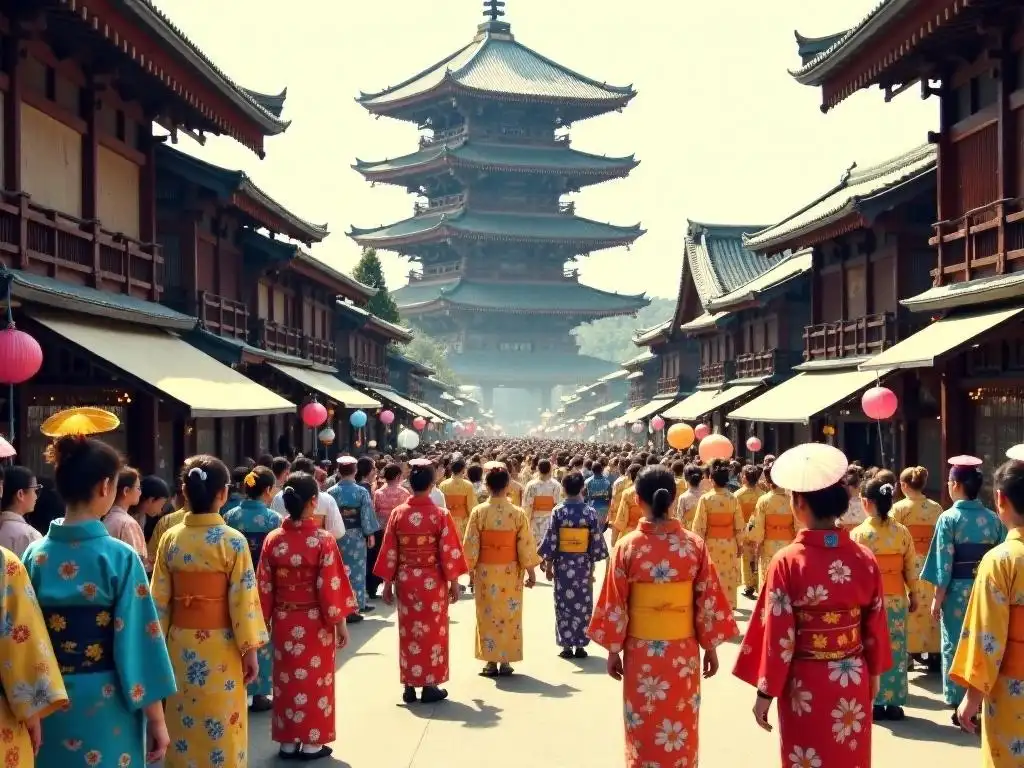
Edo period festivals were not merely celebratory events; they served as vital components of urban identity and community cohesion. These festivals played an instrumental role in shaping the social fabric of Edo (modern-day Tokyo) during the 17th to 19th centuries, fostering a sense of belonging among citizens. As urban centers grew, the festivals became a means for people to engage with their surroundings and express cultural values, ultimately defining the essence of life in Edo.
The significance of these festivals can be understood through various lenses, including economic, social, and cultural dimensions. The economic impact was profound, as festivals stimulated local economies through trade, tourism, and the promotion of crafts and goods. Socially, they provided a platform for the diverse populations of Edo to intermingle, fostering dialogue and interaction among different social classes, including samurai, merchants, and commoners. Culturally, festivals celebrated the richness of Japanese traditions, from religious rituals to theatrical performances, thereby preserving and transmitting cultural heritage.
Reflection on Urban Identity Shaped by Celebrations
The festivals in Edo were pivotal in cultivating urban identity, as they allowed citizens to engage with their community in meaningful ways. Events such as the Sanja Matsuri, celebrated at Asakusa Shrine, exemplified the integration of religious devotion and local pride. Participants would showcase their neighborhood's unique characteristics, including traditional costumes and local crafts, reinforcing a sense of identity tied to place.
Moreover, these celebrations often highlighted the seasonal changes and agricultural cycles, connecting urban dwellers with the rhythm of nature. For instance, the Hanami (flower viewing) festivals marked the arrival of spring, where people gathered to appreciate cherry blossoms. This collective experience fostered shared memories and values among the urban populace, contributing to a cohesive urban identity that transcended individual backgrounds.
The rituals and customs associated with these festivals also served to reinforce social hierarchies while simultaneously providing a space for temporary egalitarianism. For instance, during the Edo period, festivals allowed commoners to interact with the samurai class, albeit briefly, blurring the rigid social boundaries that defined everyday life. This interplay between celebration and social structure is a testament to the complexities of urban identity during this era.
The Ongoing Influence of Edo Period Festivals in Modern Society
The legacy of Edo period festivals continues to resonate in contemporary Japan, where many traditional celebrations have been preserved and adapted for modern audiences. Festivals like the Sanja Matsuri maintain their popularity, drawing both locals and tourists alike, thereby sustaining cultural continuity and economic vitality in urban centers.
In modern society, these festivals serve as a reminder of Japan's rich historical tapestry and cultural resilience. They provide opportunities for communities to come together, fostering social bonds and reinforcing local identity in an increasingly globalized world. Furthermore, the revival and adaptation of Edo period festivals reflect a broader trend of cultural heritage preservation, where communities recognize the significance of their traditions in shaping contemporary urban identities.
The significance of Edo period festivals thus extends beyond mere historical curiosity; they are living expressions of cultural heritage that continue to shape urban landscapes and identities today. As such, the ongoing celebration of these festivals underscores their enduring importance in the cultural and social life of Japan, highlighting how celebrations can forge connections across generations and maintain the spirit of community in a rapidly changing world.
Further Reading and Resources on Edo Period Festivals
Recommended Books and Articles
For those looking to delve deeper into the significance of Edo period festivals, several books and scholarly articles provide rich insights into the cultural and historical context. Here are some noteworthy recommendations:
-
"Edo Culture: Daily Life and Diversions in Urban Japan, 1600-1868" by Edward Seidensticker
This book offers a comprehensive overview of daily life in Edo, highlighting the role of festivals in shaping urban identity and community interactions. Seidensticker’s engaging narrative style brings the era to life, making it accessible for both casual readers and scholars.
-
"Festivals of the Edo Period" by David L. Swain
This detailed examination focuses specifically on the various festivals that took place during the Edo period, analyzing their social, political, and economic impacts. Swain’s work is particularly valuable for understanding how these celebrations fostered a sense of belonging among the urban populace.
-
"The Culture of Japanese Festivals" by Kuroda S.
This article explores the multifaceted nature of Japanese festivals, with a section dedicated to the Edo period. Kuroda discusses how these events were not only celebrations but also critical to the social fabric of Edo society.
-
"Urban Festivals and Their Roles in Japanese Society" by Tanaka Y.
A scholarly article that examines the evolution of urban festivals, including those in Edo, and their implications for urbanization and societal norms. Tanaka’s research emphasizes the festivals' significance in reflecting the collective identity of Edo's citizens.
Documentaries and Visual Media on Edo Festivals
Visual media can offer a vibrant perspective on Edo period festivals, providing audiences with a more immersive experience. Here are some recommended documentaries and visual resources:
-
"The Festivals of Japan: Edo Edition"
This documentary showcases various festivals celebrated during the Edo period, featuring reenactments and interviews with historians. It highlights the intricate rituals and the community spirit that defined these events.
-
"Edo: The City That Shaped Japan"
A documentary series that explores the urbanization of Edo, including its festivals. Episode 3 specifically focuses on how these celebrations contributed to the cultural identity of the city and its inhabitants.
-
"Edo Period in Color: Festivals and Traditions"
Utilizing a blend of historical illustrations and modern interpretations, this visual piece emphasizes the aesthetic aspects of festivals, including costumes, floats, and performances. It provides a vivid representation of how these events were celebrated.
-
YouTube Channels: "Japanese Festivals in History"
A series of short videos dedicated to various Japanese festivals, including those from the Edo period. These videos often include visual documentation and expert commentary, making them an excellent resource for quick learning.
By exploring these books and visual media, readers can gain a more profound understanding of the Edo period festivals significance and their lasting impact on Japanese culture and urban identity.
Frequently Asked Questions
What were the main festivals during the Edo period?
The Edo period featured numerous festivals such as Gion Matsuri and Sanja Matsuri, which played a significant role in cultural expression and community identity.
How did festivals influence urban identity in Edo?
Festivals helped to foster a strong sense of community and belonging among residents, shaping the urban identity of Edo through shared experiences and traditions.
What was the significance of Edo period festivals to society?
These festivals served as a means of social cohesion, allowing people from diverse backgrounds to come together and participate in celebration and ritual.
Did festivals have any economic impact during the Edo period?
Yes, festivals stimulated the local economy by attracting visitors, promoting trade, and supporting local artisans and vendors during the celebrations.
How are Edo period festivals celebrated today?
Many festivals have been preserved and continue to be celebrated, showcasing traditional practices while adapting to modern influences, thereby maintaining their cultural significance.
Final Reflection: Celebrating Identity Through Festivals
The significance of Edo period festivals resonates powerfully in today's world, reminding us that celebrations are not merely events but vital expressions of cultural identity. As we navigate an increasingly globalized society, the rich tapestry of traditions from the Edo period offers a profound insight into how festivals can shape urban identity and foster community bonds. The vibrancy and diversity of these celebrations serve as a reminder that our cultural heritage is a cornerstone of who we are, and it is essential to honor and preserve these traditions.
Cultural festivals have an enduring impact on our social landscape, influencing everything from community cohesion to individual identity. The festivals of Edo were not just occasions for merriment; they were pivotal in shaping the social fabric of the city, fostering a sense of belonging among its inhabitants. As we reflect on this, we can draw inspiration from the words of the renowned Japanese philosopher, Matsuo Bashō: Every day is a journey, and the journey itself is home.
This sentiment encapsulates the idea that our experiences—especially those shared during festivals—are integral to our sense of place and identity.
As we look to the future, let us embrace the lessons learned from the Edo period festivals and recognize the importance of celebrating our own cultural narratives. I invite you to reflect on the festivals that shape your community and to actively participate in preserving and promoting these traditions. By doing so, we not only honor our past but also enrich our present and future, ensuring that the spirit of celebration continues to thrive in our urban identities.
Embrace the Vibrancy of Edo's Festivals!
Thank you for diving into the rich history of Edo's festivals with us! You've uncovered how these celebrations shaped not only a city but also a lasting urban identity. Now, it's time to carry that knowledge forward and engage with the festival spirit.
Here are some exciting ways you can connect with the essence of Edo's festivals:
- Participate in Local Festivals: Look for cultural celebrations in your area that reflect the spirit of Edo’s festivals and join in the festivities!
- Share Your Insights: Discuss your newfound knowledge with friends and online communities—help spread the joy and stories that highlight Edo’s vibrancy!
- Explore Further: Visit museums or exhibitions that focus on traditional Japanese culture or festivals to enhance your understanding and appreciation.
Which **local festival** do you feel best embodies the spirit of community, and how would you celebrate it in your own life?