
Samurai Swords and Their Stories: The Best Pieces with Rich Histories

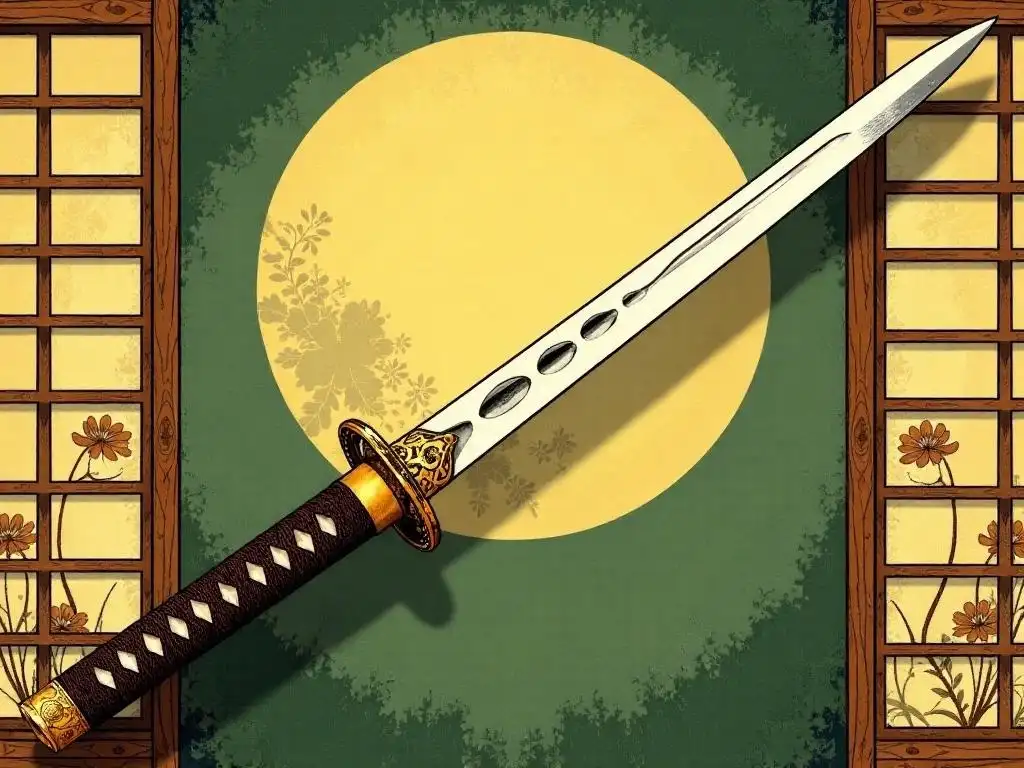
Welcome to Feudal Japan History, where we delve deep into the captivating world of Japan's feudal era. Here, you’ll uncover the rich tapestry of historical narratives that shaped a nation, from the rise of powerful clans to the intricate cultural practices that defined an age. In our featured article, "Samurai Swords and Their Stories: The Best Pieces with Rich Histories," we invite you to explore the historical significance of samurai swords—not just as weapons, but as symbols of honor, craftsmanship, and the warrior spirit.
Prepare to embark on a journey that will ignite your curiosity and connect you with the profound stories behind these legendary blades. Dive in and discover what makes these artifacts truly extraordinary!
- Samurai Swords Historical Significance: An Overview of Their Cultural Impact
- The Best Samurai Swords with Rich Histories
- The Craftsmanship Behind Samurai Swords: A Deep Dive into Techniques
- Collecting Samurai Swords: Tips for Enthusiasts
- Conclusion: The Enduring Legacy of Samurai Swords
- Frequently Asked Questions
- Final Reflection: The Enduring Legacy of Samurai Swords
- Unveil the Legacy of Samurai Swords Today!
Samurai Swords Historical Significance: An Overview of Their Cultural Impact
Samurai swords, or katana, are not merely weapons; they are emblematic of a rich tapestry of history, culture, and artistry that defines Japan's feudal era. These blades, forged with meticulous care and imbued with a spiritual significance, represent the identity and values of the samurai class. Their evolution reflects the changing dynamics of Japanese society, politics, and warfare.
In this article, we will delve into the historical significance of samurai swords, exploring their origins and the pivotal role they played in shaping Japanese culture and society. By understanding these aspects, collectors and enthusiasts alike can appreciate the depth of history behind each piece they encounter.
The Origins of Samurai Swords in Feudal Japan
The origins of samurai swords can be traced back to the early Heian period (794-1185), when the need for more effective weapons became apparent. Initially, swords in Japan were straight and double-edged, but as time progressed, a unique design emerged—one that would come to symbolize the samurai ethos.
- Development of the Katana:
- The katana evolved to feature a curved, single-edged blade, which allowed for quicker draw and strikes.
- This design was perfected during the Kamakura period (1185-1333), when the samurai class was firmly established.
- Craftsmanship and Artistry:
- The making of a samurai sword is an art form, involving multiple steps and a deep understanding of metallurgy.
- Swordsmiths, known as tōkō, used traditional methods passed down through generations, often taking years to master their craft.
- Spiritual Significance:
- Samurai swords were seen as a symbol of honor and were often regarded as the soul of the samurai.
- It was believed that the sword carried the spirit of its maker, adding a layer of reverence to its existence.
The historical journey of samurai swords is as layered as the intricate designs etched into their blades, making them a focal point of study for historians and collectors alike.
The Role of Samurai Swords in Japanese Society
In feudal Japan, the samurai sword was central not only to the warrior's identity but also to the societal structure of the time.
- Symbol of Status and Power:
- Owning a katana was a privilege reserved for the samurai class, symbolizing their status and authority.
- The number of swords a samurai possessed often indicated their rank and wealth.
- Cultural and Ritualistic Importance:
- Swords played a significant role in various ceremonies, including the daimyo’s formal presentations and seppuku (ritual suicide).
- The act of drawing a sword was steeped in tradition, reflecting the samurai's discipline and honor.
- Impact on Warfare and Tactics:
- The katana changed the face of warfare, emphasizing speed and precision over brute strength.
- The techniques developed for wielding the sword influenced martial arts and combat strategies throughout Japan.
The samurai sword is not just a weapon but a profound symbol of the cultural heritage and values of Japan. Its historical significance is intricately woven into the fabric of Japanese society, making it a vital subject for collectors who seek to understand and appreciate its legacy.
The Best Samurai Swords with Rich Histories
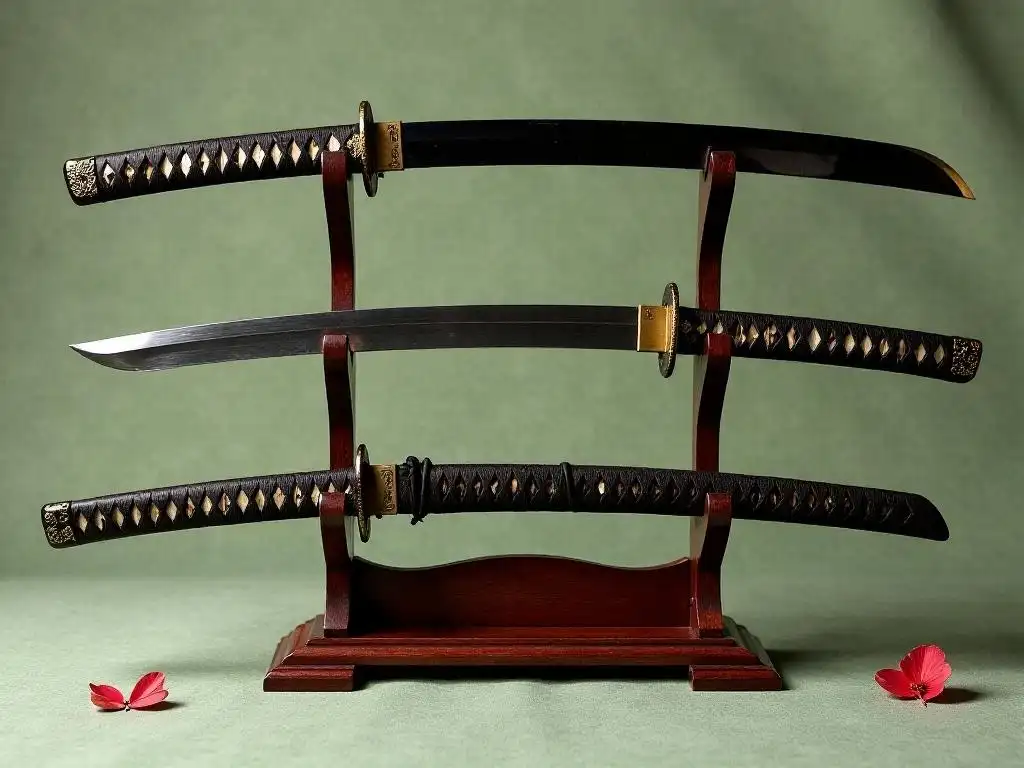
1. Katana: The Iconic Weapon of the Samurai
The katana is perhaps the most recognizable symbol of the samurai and holds immense historical significance in Japanese culture. Known for its distinctive curved blade, the katana is not only a weapon but also a work of art, representing the craftsmanship of the swordsmiths of feudal Japan.
Historically, the katana emerged during the Kamakura period (1185–1333) and became the primary weapon of the samurai class. Its design allowed for quick draws and swift strikes, making it particularly effective in combat. The blade typically measures between 60 to 80 centimeters, with a single edge and a sharp point, ideal for slashing and thrusting.
Notable Features of the Katana:
- Blade Construction: Traditionally made using a technique called tamahagane, where iron sand is smelted in a clay furnace, resulting in a high-quality steel.
- Tsuka (Grip): Wrapped in a manner that provides a secure hold, often adorned with intricate designs and materials.
- Tsuba (Guard): The handguard prevents the hand from slipping onto the blade and often features artistic engravings that reflect the owner's status or beliefs.
The katana's significance extends beyond its martial prowess; it embodies the samurai's code of honor, known as bushido, which emphasized loyalty, courage, and reverence for one's sword. The phrase "the sword is the soul of the samurai" encapsulates its importance in their lives.
2. Tachi: The Predecessor to the Katana
The tachi is a longer, more curved sword that predates the katana and was predominantly used by the samurai from the Heian period (794–1185) until the Kamakura period. While the katana was designed for quick-draw techniques suited for close combat, the tachi was primarily used for cavalry and battle formations.
Characteristics of the Tachi:
- Length: Typically longer than the katana, the tachi often spans over 90 centimeters in blade length.
- Curvature: The tachi has a more pronounced curve compared to the katana, which enhances its slicing ability when swung.
- Signature: Tachi are usually signed by the swordsmith on the tang in a way that reads upright when the sword is suspended edge-down, reflecting its use and tradition.
The tachi also holds considerable historical significance as it reflects the evolution of samurai warfare and the transition from mounted combat to foot-based tactics during the feudal era. As warfare tactics changed, the katana began to gain prominence, but the tachi remains a coveted piece among collectors due to its historical value and craftsmanship.
3. Wakizashi: The Short Companion Blade
The wakizashi is a shorter blade, typically measuring between 30 to 60 centimeters, and serves as the companion sword to the katana. This dual-sword set, known as daisho, symbolizes the social status of the samurai and their readiness for battle at all times.
Significance of the Wakizashi:
- Practicality: The wakizashi was often used for close combat and as a tool for everyday tasks, making it versatile for samurai life.
- Cultural Role: The wakizashi was worn indoors, while the katana was reserved for outdoor use, reflecting the samurai's lifestyle and the importance of being prepared for any situation.
- Ceremonial Use: In addition to its combat utility, the wakizashi was used in seppuku (ritual suicide), signifying its deep cultural importance.
The wakizashi, while often overshadowed by the katana, is a vital element in understanding the samurai's relationship with their weapons. Its historical significance lies in its representation of the samurai's duality—both a warrior and a member of society, adhering to the values of honor and duty. Collectors highly prize the wakizashi for its craftsmanship and the stories it carries from Japan's feudal past.
4. Tanto: The Dagger of the Samurai
The tanto, a traditional Japanese dagger, holds a unique place in the history and culture of the samurai. With a blade typically measuring between 6 to 12 inches, the tanto was both a practical weapon and a symbol of status. It was often worn as part of the samurai's daisho, the paired set of swords that included the katana and wakizashi, but its significance transcended mere functionality.
Historical Significance
The origins of the tanto can be traced back to the Heian period (794-1185), where it began as a utility tool before evolving into a weapon favored by samurai. Unlike longer swords, the tanto was designed for close combat, making it particularly effective in situations where mobility was limited. The blade's design showcased a unique curvature that not only enhanced its cutting ability but also made it an aesthetically pleasing piece of art.
As the samurai class solidified its power during the Kamakura period (1185-1333), the tanto emerged as a status symbol. Many samurai commissioned elaborate tanto, often featuring intricate designs and high-quality materials, which highlighted their craftsmanship and artistic sensibilities. Collectors today highly value these pieces, as they carry not just the weight of history but also the story of the individual samurai who wielded them.
Cultural Importance
The tanto also played a role in the samurai's code of honor, known as bushido. In times of dire straits, a samurai could use the tanto for seppuku, a ritual suicide that demonstrated loyalty and courage. This practice further ingrained the tanto into the cultural psyche of Japan, symbolizing both the warrior's resolve and the somber realities of a life governed by honor and duty.
Additionally, the tanto's presence in Japanese art and literature cannot be understated. It is frequently depicted in paintings and tales, often representing the fierce spirit of the samurai. These cultural depictions have ensured that the tanto remains a vital element of Japan's historical narrative.
Modern Collecting and Appreciation
Today, the tanto is sought after by collectors and martial artists alike. Authentic tanto, especially those crafted by renowned smiths, can fetch high prices on the market. Collectors are drawn not only to the craftsmanship and beauty of these daggers but also to the rich histories that accompany them.
As interest in martial arts and Japanese culture continues to grow worldwide, the tanto remains a significant piece of historical significance. Its intriguing blend of functionality, artistry, and cultural importance ensures that the tanto will always have a prominent place in the story of the samurai and the broader narrative of feudal Japan.
The tanto is more than just a weapon; it embodies the spirit of the samurai, carrying with it tales of valor, honor, and artistry that continue to resonate with enthusiasts and historians today.
The Craftsmanship Behind Samurai Swords: A Deep Dive into Techniques
The art of crafting samurai swords, known as nihonto, is a meticulous process that reflects centuries of tradition and skill. Each sword is not just a weapon but a symbol of the samurai's honor and heritage. The craftsmanship involved in creating these blades is steeped in historical significance, showcasing a blend of artistry and functionality that has captivated collectors and historians alike.
Traditional Sword-Making Techniques
The traditional method of samurai sword-making involves several key techniques that have been perfected over generations. Below are some of the most notable processes involved:
-
Tamahagane Steel Production
Tamahagane is the primary material used for crafting samurai swords. This steel is produced from iron sand in a tatara furnace, where the iron is smelted and then cooled to form a type of steel that possesses both hardness and flexibility. The quality of tamahagane directly influences the sword's durability and cutting ability.
-
Forging and Folding
The forging process involves repeatedly heating and folding the steel. This technique not only helps to eliminate impurities but also enhances the strength of the blade. It can involve folding the steel over itself up to 16 times, resulting in a blade with a unique grain pattern called hada. This intricate process adds to the aesthetic appeal while ensuring a resilient structure.
-
Shaping the Blade
Once the tamahagane has been forged, the smith shapes the blade using traditional tools. The curvature, known as tachi-saki, is essential for the sword’s balance and cutting motion. Each blade is crafted with specific angles and dimensions that reflect the smith's expertise and the intended use of the sword.
-
Heat Treatment
After the blade has been shaped, it undergoes a heat treatment process called yaki-ire. This involves heating the blade to a specific temperature and then quenching it in water. This technique hardens the edge while maintaining a softer spine, creating a blade that can withstand the rigors of combat. The result is a sharp, resilient edge that is a hallmark of samurai swords.
-
Polishing and Finishing
The final steps in sword-making involve meticulous polishing to achieve a razor-sharp edge and a beautiful finish. Polishing is done using multiple grades of polishing stones, allowing the smith to refine the blade's surface and reveal the intricate patterns formed during the forging process. This step is crucial for not only aesthetics but also for preserving the blade's functionality.
Modern Replicas vs. Authentic Samurai Swords
In recent years, the market has seen a surge in both authentic samurai swords and modern replicas. Understanding the distinction between these two can help collectors make informed decisions.
- Authentic Samurai Swords
- Historical Significance: Authentic samurai swords are often centuries old and carry substantial historical value. Each sword tells a story, reflecting the era in which it was made, the smith’s lineage, and often, the battles in which it participated.
- Craftsmanship: Crafted by skilled artisans, these swords embody the traditional techniques mentioned above. The quality of materials, the intricacy of the forging process, and the unique characteristics of each piece contribute to their high value.
- Certification: Many authentic swords come with certification from national or local authorities, verifying their age and origin. This certification is crucial for collectors seeking genuine items.
- Modern Replicas
- Affordability: Replicas are generally more affordable and accessible to a wider audience, making them a popular choice for enthusiasts and casual collectors. They can range from simple decorative pieces to high-quality functional replicas.
- Material Quality: While some modern replicas utilize high-quality materials and techniques that mimic traditional methods, they often lack the historical significance and authenticity of original swords. Collectors should be cautious and seek reputable manufacturers.
- Purpose: Many modern replicas are designed for display or practice rather than combat. It's essential to evaluate the intended use before purchasing, as some may not meet the functional standards of authentic swords.
The craftsmanship behind samurai swords is a testament to the rich history and culture of Japan. Understanding the traditional techniques and the differences between authentic swords and modern replicas is vital for collectors aiming to appreciate the historical significance of these remarkable pieces.
Collecting Samurai Swords: Tips for Enthusiasts
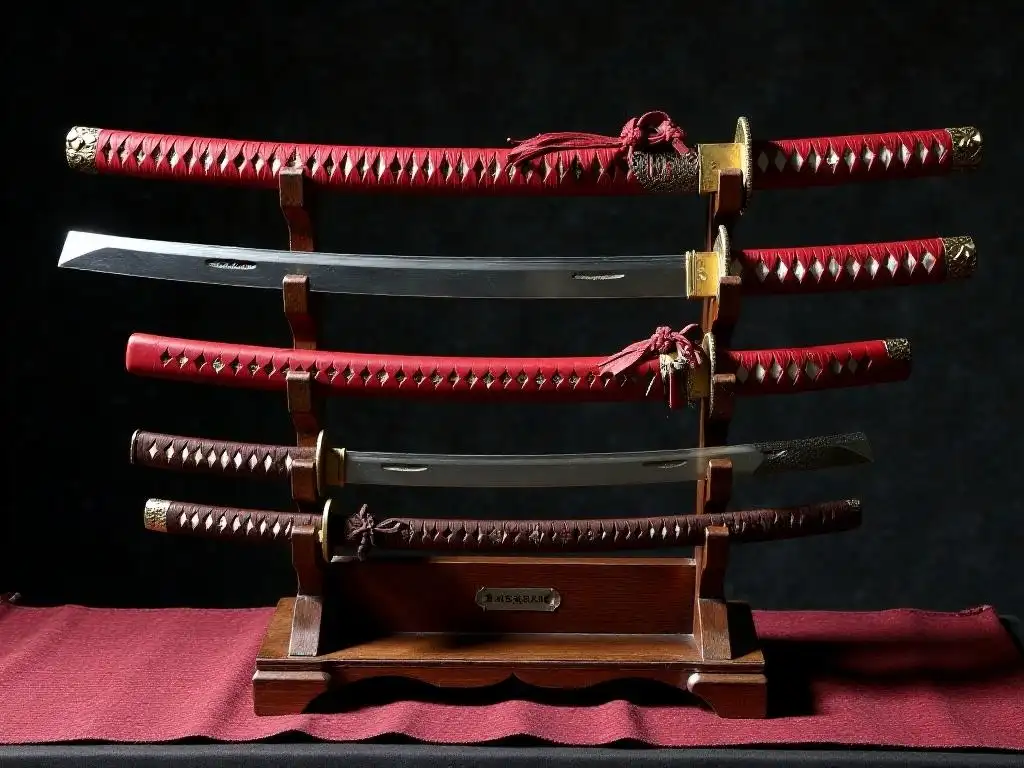
Collecting samurai swords is not merely about acquiring beautiful weapons; it’s an immersion into the rich tapestry of Japanese history and culture. Enthusiasts often find themselves captivated by the craftsmanship and stories behind each piece. Here are some essential tips for those looking to start or expand their collection of these historically significant artifacts.
Understanding the Market for Samurai Swords
The market for samurai swords can be both exhilarating and complex. It is important to recognize the various factors that influence the value and authenticity of these swords.
- Types of Samurai Swords:
- Katana: The most iconic samurai sword, characterized by its curved, single-edged blade.
- Wakizashi: A shorter sword often paired with the katana, used for close combat.
- Tanto: A small dagger that was also an essential tool for samurai.
- Authenticity:
- Always verify the authenticity of a sword before purchasing. Look for signatures (mei) on the tang (nakago) and consult experts if necessary.
- Be cautious of reproductions, which can flood the market. Authentic blades are often worth significantly more.
- Condition and Craftsmanship:
- Inspect the sword for condition. Key aspects include the blade’s polish, the quality of the hamon (temper line), and the overall integrity of the fittings (tsuba, fuchi, and kashira).
- Historical significance can also add to the value. Swords from renowned smiths or those with unique stories are often sought after.
- Market Trends:
- Stay informed about current trends in the samurai sword market. Prices can fluctuate based on collector interest and availability.
- Participate in forums and attend exhibitions to gain insights from experienced collectors.
- Documentation and Provenance:
- Aim to obtain documentation for your swords, including certificates of authenticity and historical provenance. This not only adds value but also enhances the story behind each piece.
Maintaining Your Samurai Sword Collection
Once you have begun your collection of samurai swords, proper maintenance is crucial to preserve their beauty and historical integrity.
- Cleaning and Care:
- Regularly clean your swords to prevent rust and corrosion. Use a soft cloth to wipe the blade, and apply a light coat of oil (specifically, choji oil) to protect the surface.
- Avoid using abrasive materials that could scratch the blade.
- Storage:
- Store your swords in a controlled environment. Humidity and extreme temperatures can damage the blade and fittings.
- Consider using a sword stand or a display case to showcase your collection while keeping it safe.
- Handling:
- Always handle your swords with care. Use gloves to prevent oils from your skin from affecting the blade.
- When drawing the sword from its sheath (saya), do so smoothly to avoid any accidental nicks.
- Professional Maintenance:
- For significant restorations or repairs, consult a professional sword polisher or restorer who specializes in Japanese swords.
- Regular inspections by a professional can help identify any issues before they become major problems.
- Education:
- Continuously educate yourself about samurai swords, their history, and maintenance techniques. Books, workshops, and online resources can provide invaluable knowledge.
By following these guidelines, collectors can not only enjoy their samurai swords as exquisite pieces of art but also as significant historical artifacts that tell the stories of Japan's feudal past. Collecting should be a journey of discovery, appreciation, and respect for the rich heritage embodied in each blade.
Conclusion: The Enduring Legacy of Samurai Swords
The legacy of samurai swords, or katana, transcends mere weaponry; these blades are emblematic of a complex historical narrative that intertwines artistry, craftsmanship, and cultural ethos. The samurai swords have evolved from practical tools of war into symbols of honor, discipline, and tradition. Their historical significance is deeply rooted in the social fabric of feudal Japan, where they were not only a means of defense but also a representation of the samurai's status and moral code.
The meticulous craftsmanship involved in forging a samurai sword is a testament to the skill and dedication of the artisans, known as tosho. The traditional methods, which include folding the steel multiple times to create a strong and resilient blade, have been passed down through generations, reflecting the importance of heritage in Japanese culture. Each sword carries with it a unique story, marked by the historical events and personal journeys of its owners.
Moreover, samurai swords continue to serve as a source of inspiration in various aspects of contemporary Japanese culture, from martial arts to literature and cinema. They symbolize the ideals of bushido, the way of the warrior, which emphasizes virtues such as loyalty, bravery, and honor. As such, samurai swords are not merely artifacts of the past; they are living relics that keep the spirit of the samurai alive.
Why Samurai Swords Remain Significant Today
The significance of samurai swords in modern times can be attributed to several factors that resonate with contemporary values and interests:
- Cultural Heritage: Samurai swords are a vital part of Japan's cultural identity. They are often displayed in museums, featured in films, and celebrated in festivals, attracting worldwide interest in Japanese history and craftsmanship.
- Artistry and Craftsmanship: The intricate designs and techniques involved in creating samurai swords have made them coveted collectibles. Each blade tells a story through its unique markings and craftsmanship, appealing to collectors and enthusiasts alike.
- Martial Arts: Samurai swords play a crucial role in various martial arts, particularly in disciplines such as Kendo and Iaido. Practitioners respect these swords not just as tools of combat, but as instruments that embody discipline and focus.
- Symbolism of Values: In a fast-paced modern world, the ideals represented by samurai swords—honor, loyalty, and respect—continue to resonate. They serve as reminders of the importance of personal integrity and ethical conduct.
- Investment and Collectibility: The rarity and historical significance of authentic samurai swords make them valuable investments. Collectors often seek out these blades, understanding their worth not just in financial terms but also as pieces of history.
The historical significance of samurai swords lies not only in their physical attributes but also in their enduring cultural relevance. They are a bridge connecting the past with the present, continuing to inspire awe and reverence in those who encounter them. The stories behind each sword, steeped in the rich tapestry of feudal Japan, ensure that these remarkable artifacts will remain significant in the hearts and minds of people around the world for generations to come.
Frequently Asked Questions
What are samurai swords historically significant for?
Samurai swords, or katana, are historically significant as they symbolize the warrior class in Japan, representing honor, discipline, and skill in battle.
How did the production of samurai swords evolve over time?
The production of samurai swords evolved from basic iron tools to highly crafted works of art, utilizing advanced techniques like folding steel to enhance strength and flexibility.
What role did samurai swords play in Japanese culture?
Samurai swords played a crucial role in Japanese culture by embodying the bushido code, which emphasized values such as loyalty, courage, and self-discipline.
Are there different types of samurai swords?
Yes, there are several types of samurai swords, including the katana, wakizashi, and tanto, each serving different purposes and reflecting various aspects of samurai life.
How are samurai swords viewed in modern times?
In modern times, samurai swords are viewed as cultural artifacts and symbols of Japanese heritage, often sought after by collectors and enthusiasts for their aesthetic beauty and historical significance.
Final Reflection: The Enduring Legacy of Samurai Swords
Samurai swords are not merely weapons; they are profound symbols of honor, tradition, and artistry that resonate deeply in today's world. As we explore the historical significance of these remarkable blades, we uncover stories that transcend time, reminding us of the values of discipline, craftsmanship, and the warrior spirit that continue to inspire individuals across cultures.
Culture is shaped by the stories we tell and the artifacts we cherish, and samurai swords are a testament to this enduring narrative. Their intricate designs and the meticulous process of their creation reflect a deep respect for heritage and skill that remains relevant in our fast-paced, modern lives. A sword is a reflection of its maker, and a samurai's spirit is embedded in every blade.
This quote encapsulates the profound connection between the sword, its creator, and the warrior who wields it, highlighting how these pieces of history continue to influence our understanding of honor and identity.
As you reflect on the stories behind samurai swords, consider how their lessons can be applied to your own life. Embrace the values of perseverance, respect, and dedication that these historical artifacts embody. Let the legacy of the samurai inspire you to forge your own path, honoring your journey with the same craftsmanship and passion that went into creating these magnificent swords. The stories of the past can guide us toward a more meaningful future—one where we carry forward the essence of what it means to be a true warrior in our own lives.
Unveil the Legacy of Samurai Swords Today!
Thank you for diving into the fascinating world of samurai swords and their rich histories. We hope you found inspiration in the stories of these remarkable pieces of craftsmanship. Now, it’s time to take the next step and connect with this vibrant culture!
Here are a few ways you can deepen your appreciation and involvement:
- Explore your local museum or historical exhibitions to see samurai swords up close and learn more about their artistry.
- Join an online forum or community focused on Japanese history to share insights and engage in discussions about samurai culture.
- Start your own collection by researching authentic samurai swords or high-quality replicas to enhance your understanding of their craftsmanship.
As you continue your journey through history, consider this: What story do you believe a samurai sword would tell if it could speak?