Exploring the Peasant Life: Books That Highlight the Everyday in Feudal Japan
🌸 Delve into the rich tapestry of peasant life in feudal Japan through compelling literature that captures their struggles, traditions, and daily…
Read article
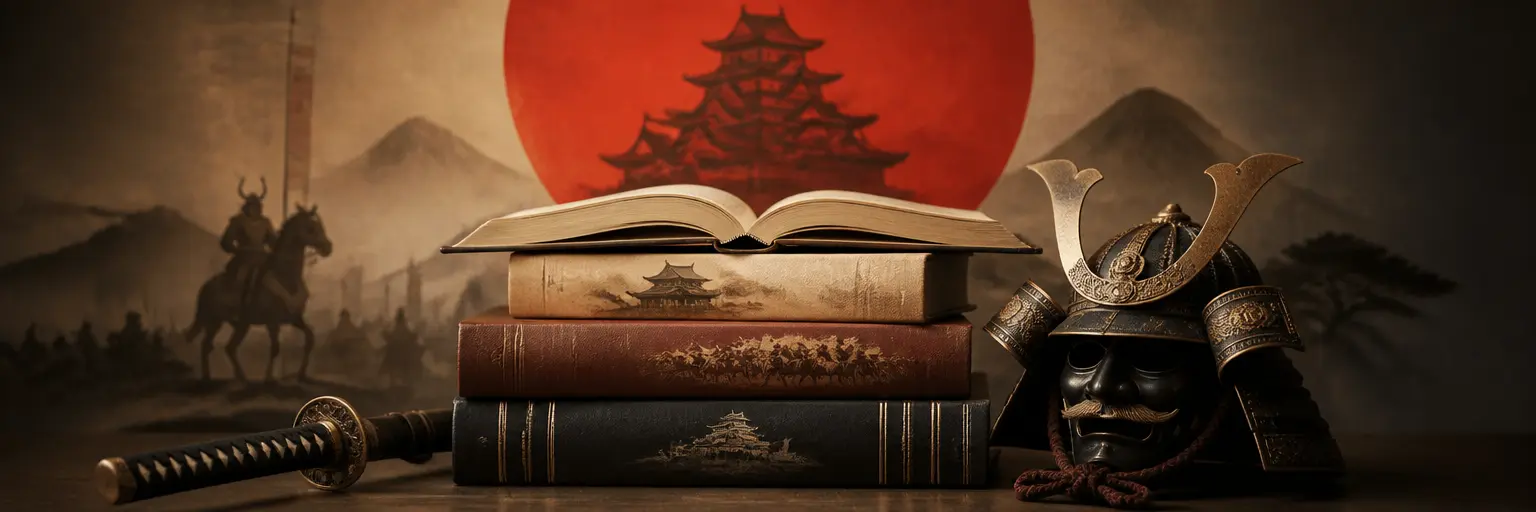
Discover the best books on Feudal Japan 📚—carefully selected guides to samurai culture, shogunate politics, legendary battles, castles, religion, and everyday life. Whether you’re a history enthusiast, student, or curious reader, explore engaging and authoritative titles that bring Japan’s fascinating feudal era to life. 🏯 Gain deeper insight into the people, traditions, and events that shaped Japanese history through expert-recommended cultural products and essential reading.

🌸 Delve into the rich tapestry of peasant life in feudal Japan through compelling literature that captures their struggles, traditions, and daily…
Read article
📚 The rich tapestry of feudal Japan continues to inspire contemporary literature. This article delves into books on feudal Japan influence, exploring…
Read article
Dive into the rich tapestry of Heian Kamakura period literature, where poetic elegance and prose intricacies reflect Japan's evolving culture and society.…
Read article
🌸 Dive into the profound principles of the Bushido code and samurai ethics, exploring how these timeless values shaped Japan’s feudal society.…
Read article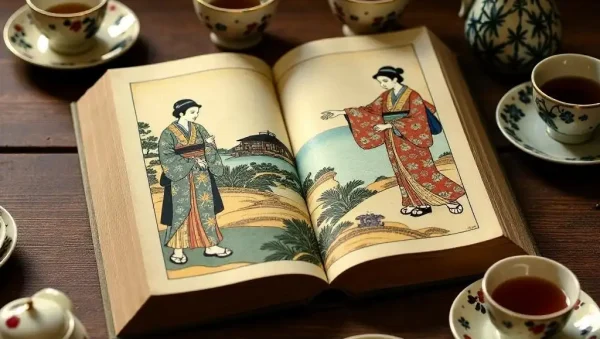
Discover the beauty of Japan's feudal era through our curated selection of art books on Feudal Japan. These essential reads provide deep…
Read article
🌸 Discover how religion's impact on feudal Japan shaped social hierarchies, cultural practices, and ethical values. This article delves into essential texts…
Read article
🌍 Discover how foreign perspectives on feudal Japan shaped Western understanding of its historical, cultural, and societal intricacies. This article highlights notable…
Read article
📚 Discover the best books on feudal Japan that seamlessly blend folklore and history, offering readers a captivating glimpse into the rich…
Read article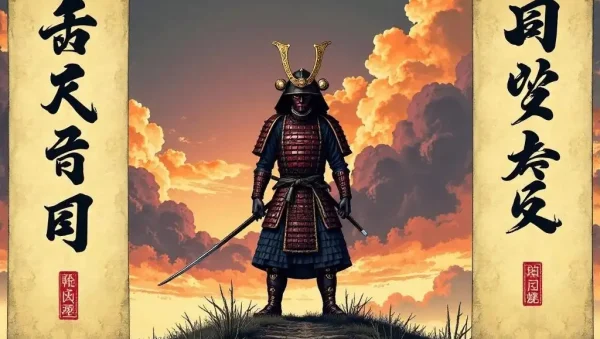
🌸 Dive into the fascinating narrative of the Rise and Fall of Samurai, exploring the intricate interplay of power, culture, and societal…
Read article
Unlock the secrets of the samurai with our guide to the best kendo training books. Delve into the rich history and techniques…
Read article
Discover the intricate relationship between art and politics in feudal Japan through our recommended reads. These insightful selections illuminate how cultural expressions…
Read article
🍣 Discover the rich culinary traditions of feudal Japan through carefully curated books that illuminate the era's unique flavors, techniques, and cultural…
Read articleDiscover the best books on Feudal Japan with this carefully selected guide from Feudal Japan History. Explore authoritative works on samurai, shoguns, daimyo, bushido, Japanese castles, warfare, religion, art, daily life, and the political systems that shaped Japan from the Kamakura period through the Muromachi, Sengoku, and Edo periods. Whether you are a student, researcher, history enthusiast, or newcomer to Japanese history, these recommendations can help you find reliable and engaging books about feudal Japan.
Books about samurai offer insight into the warriors who played a central role in feudal Japanese society. Look for titles that examine samurai origins, military training, social status, loyalty, honor, swordsmanship, and the development of bushido. Strong historical studies separate documented customs from later romanticized interpretations of the samurai code.
Readers can expect recommendations covering famous warriors, samurai clans, battlefield tactics, personal memoirs, and the relationship between military service and political power. These books are valuable for anyone searching for accurate information about samurai history, Japanese warriors, katana culture, and the traditions associated with the warrior class.
Understanding feudal Japan requires examining the shogunate and the daimyo who governed territories, managed armies, and formed complex political alliances. Recommended books in this area explain the Kamakura shogunate, Ashikaga shogunate, Tokugawa shogunate, and the systems of authority that connected the emperor, shogun, warrior households, and local domains.
These titles can help readers understand Japanese feudal government, land control, taxation, diplomacy, succession, hostage policies, and the balance between central and regional power. They are particularly useful for readers interested in political history, the daimyo domain system, and the transformation of Japan before the Meiji Restoration.
The Sengoku period, often called Japan’s Warring States era, was marked by civil conflict, shifting alliances, castle warfare, and ambitious military leaders. Books focused on this period explore figures such as Oda Nobunaga, Toyotomi Hideyoshi, and Tokugawa Ieyasu while placing their achievements within broader social, economic, and military developments.
Readers can expect discussions of Sengoku-period warfare, battlefield formations, firearms, castle construction, clan politics, sieges, and the unification of Japan. These resources are ideal for anyone looking for detailed books on Japanese military history, samurai battles, famous daimyo, and the political upheavals of sixteenth-century Japan.
Feudal Japan was shaped not only by warriors and rulers but also by farmers, artisans, merchants, religious communities, women, children, and urban residents. Books on daily life reveal how people lived, worked, traveled, worshipped, dressed, ate, and participated in local communities across different periods and social classes.
Expect accessible research about feudal Japanese society, family structures, education, village life, marriage, social hierarchy, commerce, festivals, and urban culture. These books provide a broader and more balanced understanding of Japan’s past by showing how ordinary people experienced the political and cultural world around them.
Japanese castles, Buddhist temples, Shinto shrines, tea culture, theater, poetry, gardens, and visual arts are essential parts of feudal Japan’s cultural history. Recommended books may explore the architecture and symbolism of castles, the influence of Zen Buddhism, the role of Shinto traditions, and the growth of artistic movements during the medieval and early modern periods.
Readers can discover how religion and culture influenced feudal Japan, from samurai aesthetics and tea ceremony to woodblock prints, Noh theater, Kabuki, ceramics, calligraphy, and traditional Japanese gardens. This category is especially helpful for those seeking books about Japanese culture, historical architecture, and the artistic legacy of the shogunate.
The best book depends on your interests, reading level, and preferred format. Beginners may benefit from an illustrated overview or chronological history, while advanced readers may prefer scholarly monographs, translated primary sources, biographies, or specialized studies of warfare, economics, gender, or religion.
When selecting a title, consider the author’s qualifications, citations, translation quality, publication date, maps, timelines, illustrations, and treatment of competing historical interpretations. A strong choice combines historical accuracy, engaging writing, and reliable sources, making it easier to build a well-rounded understanding of feudal Japan.
Beginners should start with a clear general history of Japan that explains major periods, including the Kamakura, Muromachi, Sengoku, and Edo eras. Introductory books with timelines, maps, glossaries, and chapters on samurai, shoguns, religion, and daily life are especially useful.
Choose books written by historians or specialists in Japanese history that examine samurai within their political and social context. The strongest titles discuss military service, landholding, administration, family networks, and changing ideas of bushido rather than presenting samurai only as fictionalized heroes.
Look for books covering the major unification campaigns, including the rise of Oda Nobunaga, Toyotomi Hideyoshi, and Tokugawa Ieyasu. Useful works also explain daimyo alliances, castle warfare, firearms, economic change, and the experiences of soldiers and civilians during the Warring States period.
Historical fiction can make the period vivid and accessible, but it should be supplemented with nonfiction. Novels may combine documented events with invented characters, dialogue, and dramatic scenes, so readers should consult scholarly histories when verifying details about samurai, shoguns, customs, or battles.
Check the author’s academic or research background, the quality of the bibliography, the reputation of the publisher, and reviews from historians or established readers. Books that identify primary sources, explain translations, include maps, and acknowledge historical uncertainty are generally stronger choices for studying feudal Japan.