
Literary Festivals: Celebrating Art and Culture in Feudal Japan

Welcome to Feudal Japan History, where the rich tapestry of Japan’s past unfolds before your eyes. Prepare to embark on a journey through the vibrant world of Feudal Japan literary festivals, where art and culture intertwined to create a legacy that still resonates today. Delve into the fascinating celebrations that not only honored the written word but also shaped the societal narratives of the time.
As you explore our expertly crafted articles, you’ll uncover the stories, traditions, and influences that defined an era. Join us as we illuminate this captivating chapter of history, and discover what makes these literary festivals a cornerstone of feudal Japan’s cultural heritage.
- Introduction to Feudal Japan Literary Festivals
- Historical Context of Literary Festivals in Feudal Japan
- Characteristics of Feudal Japan Literary Festivals
- Notable Literary Figures and Their Contributions
- The Role of Feudal Japan Literary Festivals in Society
- Evolution of Literary Festivals Through the Ages
- Conclusion: Legacy of Literary Festivals in Feudal Japan
- References for Further Reading on Feudal Japan Literary Festivals
- Frequently Asked Questions
- Final Reflection: Celebrating the Cultural Tapestry of Feudal Japan
- Unveil the Magic of Literary Festivals!
Introduction to Feudal Japan Literary Festivals
The literary festivals of Feudal Japan represent a vibrant tapestry of cultural expression, deeply rooted in the artistic traditions and societal values of the era. Spanning from the late 12th century through the early 17th century, this period was characterized by a flourishing of literature, poetry, and performance arts, all of which were celebrated through various festivals.
These gatherings were not merely social events; they served as crucial platforms for the exchange of ideas, the showcasing of artistic talent, and the reinforcement of community bonds. By exploring the significance of these festivals, we can gain a deeper understanding of how art and culture intertwined during a transformative period in Japanese history.
Overview of Literary Festivals in Feudal Japan
Literary festivals in Feudal Japan were multifaceted events that celebrated a variety of artistic expressions, including poetry recitals, theatrical performances, and storytelling. Such festivals often coincided with agricultural cycles, religious observances, or historical anniversaries.
- Types of Festivals:
- Poetry Competitions: These gatherings allowed poets to showcase their skills and compete for honor and recognition.
- Theatrical Performances: Noh and Kabuki plays were often integral to festivals, captivating audiences with their dramatic storytelling.
- Storytelling Sessions: These events featured skilled narrators who brought tales of folklore and history to life, engaging listeners of all ages.
Key historical figures, such as Murasaki Shikibu and Sei Shonagon, not only contributed to the literary landscape but also influenced the nature of these festivals. Their works exemplified the intricate relationship between literature and the festive celebrations of the time.
Importance of Festivals in Cultural Expression
The significance of literary festivals in Feudal Japan extends beyond mere entertainment; they played a pivotal role in shaping cultural identity and preserving traditions. Festivals served as venues for the following:
- Cultural Preservation: By celebrating literature and the arts, these festivals helped maintain the historical narratives and artistic practices that defined Japanese culture.
- Social Cohesion: Festivals fostered a sense of community, bringing together people from various strata of society to celebrate shared values and heritage.
- Artistic Innovation: The interaction among artists, poets, and performers during festivals often led to the evolution of new styles and genres, contributing to the richness of Japanese literature.
In essence, the literary festivals of Feudal Japan were not just events on a calendar; they were vital expressions of cultural identity that resonated through the ages, influencing future generations and artistic movements.
Historical Context of Literary Festivals in Feudal Japan
The Rise of Feudal Society and Its Impact on Arts
The emergence of feudal society in Japan during the 12th century marked a significant transformation in the cultural landscape of the nation. This new social structure, characterized by the relationships between lords (daimyō) and vassals (samurai), created an environment that nurtured artistic expression, including literature.
With the rise of the samurai class, there was a shift in patronage from the imperial court to feudal lords. These lords began to sponsor literary festivals, which became not just a celebration of art but also a demonstration of power and prestige. Such festivals provided a platform for poets and storytellers to showcase their works, leading to an appreciation for literary arts among the elite.
Moreover, the prolonged periods of conflict during the feudal era generated a need for cultural respite. Literary festivals offered a space for reflection and discourse, helping to preserve cultural heritage amidst the turmoil of warfare. This dynamic resulted in a rich tapestry of literary forms that reflected the values, struggles, and philosophies of the time.
Key Historical Periods Influencing Literary Festivals
The literary festivals of feudal Japan were significantly shaped by various historical periods, each contributing unique influences to the art of literature. Understanding these periods provides insight into how festivals evolved and what they represented in society.
The Heian Period: A Flourishing of Literature
The Heian period (794-1185) is often regarded as the golden age of Japanese literature. During this era, the imperial court became the epicenter of artistic creation, leading to a flourishing of poetry, prose, and other literary forms. Notable works such as "The Tale of Genji" by Murasaki Shikibu emerged, reflecting the complexities of court life and human emotions.
Literary festivals during the Heian period often revolved around poetry contests, such as the famous "utakai hajime," which celebrated the art of waka (Japanese poetry). These gatherings not only showcased literary talent but also fostered social connections among the aristocracy. The court's emphasis on refined aesthetics and elaborate ceremonies laid the groundwork for future literary celebrations.
The Kamakura and Muromachi Periods: Cultural Shifts
As Japan transitioned into the Kamakura (1185-1333) and Muromachi (1336-1573) periods, the cultural landscape experienced profound shifts. The rise of the samurai class and the establishment of a more decentralized feudal system brought about changes in artistic expression.
During the Kamakura period, the focus began to shift from courtly literature to works that resonated with the experiences of the samurai and common people. This era saw the emergence of new literary forms, including "narrative tales" (setsuwa) that recounted the exploits of warriors and the moral lessons associated with their actions. Literary festivals during this time began to reflect these themes, celebrating tales that resonated with the emerging warrior ethos.
In the Muromachi period, the influence of Zen Buddhism further shaped the literary scene. The integration of Zen principles into artistic expression led to a more introspective and philosophical approach in literature. Festivals began to incorporate elements of Zen aesthetics, emphasizing simplicity and the beauty of transience, which found expression in haiku and linked-verse poetry (renga).
Overall, the historical context of literary festivals in feudal Japan reveals how these events served as catalysts for artistic development, reflecting the changing dynamics of society and the evolving nature of literature throughout the centuries.
Characteristics of Feudal Japan Literary Festivals
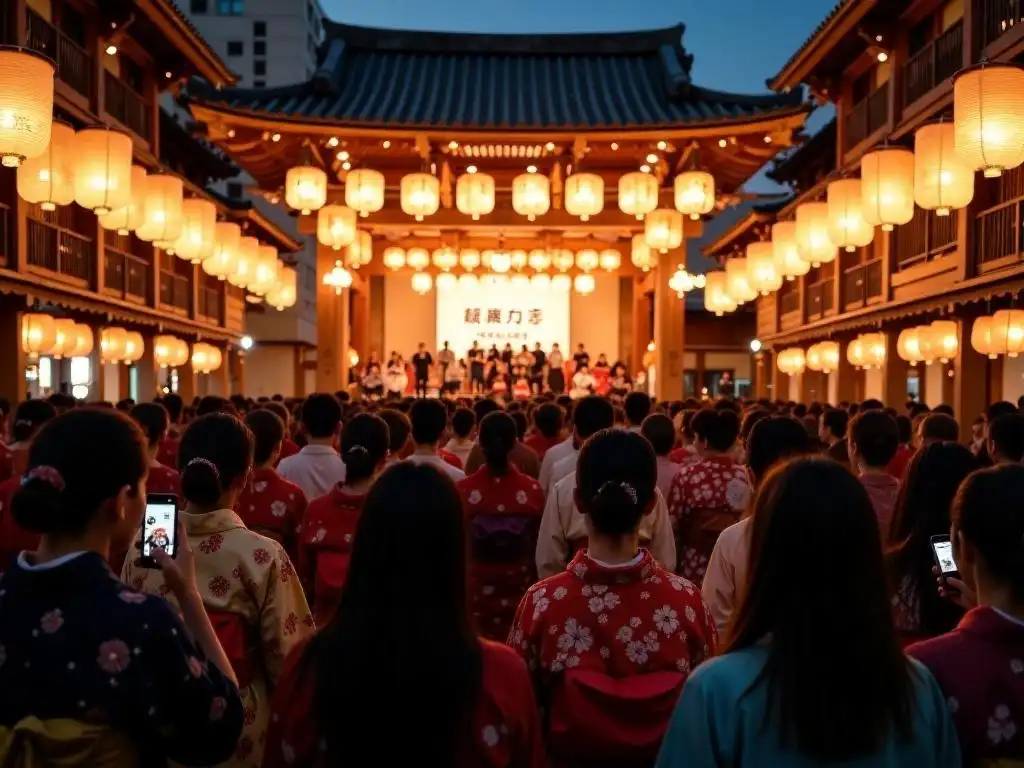
Feudal Japan literary festivals served as vibrant cultural gatherings that celebrated the rich tapestry of Japanese literature during this era. These festivals were characterized by a deep connection to the societal values, artistic expressions, and historical context of feudal Japan. They provided a platform for aspiring poets, storytellers, and artists to showcase their talents while fostering a community that appreciated the written and spoken word.
One of the defining characteristics of these festivals was the emphasis on tradition and formality. Events were often steeped in ritual, with specific protocols dictating the structure of performances and competitions. The blend of artistic expression with cultural practices created an atmosphere where literature thrived, allowing for the exploration of various themes and topics relevant to the lives of people in feudal Japan.
Types of Literary Festivals Celebrated
Poetry Competitions: A Showcase of Talent
Poetry competitions, known as uta-awase, were among the most celebrated forms of literary festivals in feudal Japan. These competitions typically featured a series of poetic contests where participants would compose and recite verses based on specific themes or prompts.
- Structure of Competitions: Uta-awase events were often organized by noble patrons and included judges who were respected poets or scholars. Participants were required to produce their work on the spot or from memory, showcasing their poetic prowess and creativity.
- Themes: Common themes included love, nature, and seasonal changes, reflecting the deep connection between literature and the natural world in Japanese culture.
- Cultural Significance: These competitions not only highlighted individual talent but also reinforced social bonds among the participants, allowing for networking and cultural exchange among poets.
Narrative Storytelling Events: Preserving Oral Traditions
In addition to poetry, narrative storytelling events played a vital role in the literary festivals of feudal Japan. These gatherings celebrated the art of oral storytelling, often featuring rakugo or narrative performances that captivated audiences.
- Performers: Skilled storytellers would engage audiences with tales of historical figures, folklore, and moral lessons, often using dramatic flair and character voices to enhance their narratives.
- Cultural Role: These events were crucial in preserving oral traditions, ensuring that stories passed down through generations were maintained and celebrated. They also served as a means of entertainment and education, conveying societal values and historical events.
- Interaction with the Audience: Unlike poetry competitions, storytelling events emphasized audience participation, with listeners encouraged to react and engage with the performers, creating a communal experience.
Themes and Topics Explored in Festivals
Nature and Its Influence on Japanese Literature
A prominent theme explored during literary festivals in feudal Japan was the profound influence of nature on literature. The connection between humans and the natural world was a recurrent motif in many poetic and narrative works, expressing the beauty and transient nature of life.
- Seasonal Reflections: Poets often drew inspiration from seasonal changes, using these transitions as metaphors for human emotions and experiences. For example, cherry blossoms symbolized the fleeting nature of beauty and life.
- Spiritual Connection: Nature was not merely a backdrop but a crucial character in many literary works, reflecting the Shinto belief in kami (spirits) residing in natural elements, which added layers of meaning to the texts.
- Artistic Expression: Festivals often featured works that encapsulated these themes, with poets and storytellers weaving nature into their performances, inviting audiences to contemplate their relationship with the environment.
Social Hierarchies Reflected in Literary Works
Literary festivals also provided a lens through which the social hierarchies of feudal Japan were examined and critiqued. The literature produced during this time often revealed the complexities of class structures and societal roles.
- Class Distinctions: Many narratives highlighted the lives of samurai, peasants, and merchants, exploring the privileges and hardships faced by different social classes. This portrayal allowed audiences to reflect on their own societal positions and the inequities present in their world.
- Cultural Commentary: Literary works often served as a critique of the rigid class system, with characters representing various societal roles engaging in conflicts that revealed the underlying tensions of feudal life.
- Legacy: The themes of social hierarchy explored in these festivals contributed to the understanding of Japanese literature as a reflection of the cultural and historical complexities of feudal Japan, fostering discussions about identity, power, and morality.
The literary festivals of feudal Japan were not just celebrations of artistic expression; they were integral to the cultural fabric of the era, representing the interplay of nature, society, and tradition through the lens of literature.
Notable Literary Figures and Their Contributions
Feudal Japan was a rich tapestry of literary expression, woven by the hands of many influential poets and authors. This era, spanning from the 12th to the 19th centuries, witnessed a flourishing of artistic creativity, driven by the social and political dynamics of the time. Literary festivals played a significant role in this development, providing a platform for writers to showcase their talents and engage with audiences. Below are some of the most notable figures whose works have left an indelible mark on Japanese literature.
Matsuo Bashō: The Haiku Master
One of the most celebrated poets of the Edo period, Matsuo Bashō (1644-1694) is renowned for his mastery of the haiku form. His poetry often reflects deep connections with nature and the transient beauty of life. Bashō's journey as a poet was greatly influenced by the literary festivals of his time, where he could share his works and draw inspiration from fellow poets.
Key Contributions:
- Innovative Haiku: Bashō expanded the haiku format, emphasizing simplicity and depth. His poems often contained seasonal references (kigo) that captured the essence of nature.
- Travel Journals: His travel journals, such as Narrow Road to the Interior, blend prose and poetry, illustrating his philosophies on life and nature. These works exemplify the interconnectedness of literary forms during his era.
- Cultural Influence: Bashō’s haiku not only influenced subsequent poets but also became a vital part of Japan’s cultural identity, celebrated in literary festivals that honored traditional art forms.
Seishi Yamaguchi: A Pioneer of Narrative Prose
Another significant literary figure from feudal Japan is Seishi Yamaguchi (circa 1660-1735), who played a pivotal role in the evolution of narrative prose. His works often focused on the lives and challenges of common people, reflecting the socio-political landscape of his time.
Key Contributions:
- Prose Narratives: Yamaguchi’s narratives broke away from the aristocratic themes prevalent in earlier literature, giving voice to the lower classes and their struggles, which resonated with festival audiences.
- Influence on Later Writers: His approach to storytelling paved the way for future generations of writers, who sought to portray the complexities of human experience.
- Role in Literary Festivals: Yamaguchi actively participated in literary festivals, which helped popularize his works and connect with a broader audience, thereby solidifying his status as a literary pioneer.
Impact of Literary Festivals on Their Works
Literary festivals in feudal Japan served as crucial events for cultural exchange and artistic collaboration. These gatherings not only celebrated the works of poets and authors but also significantly influenced their writing and creative processes.
- Networking Opportunities: Festivals provided a platform for writers to meet, share ideas, and critique each other's work. This exchange of perspectives often led to new literary styles and techniques.
- Public Reception: The feedback received during these events allowed authors like Bashō and Yamaguchi to refine their works and adapt to the tastes of their audiences. This interaction was vital in shaping the themes and narratives of their literature.
- Cultural Preservation: By showcasing traditional forms of poetry and prose, literary festivals played a key role in preserving the cultural heritage of Japan. They ensured that the art of storytelling remained vibrant and relevant, influencing both contemporary and future literary movements.
The literary figures of feudal Japan were profoundly impacted by the vibrant atmosphere of literary festivals. Their contributions to poetry and prose not only enhanced the cultural landscape of the time but also paved the way for the enduring legacy of Japanese literature.
The Role of Feudal Japan Literary Festivals in Society
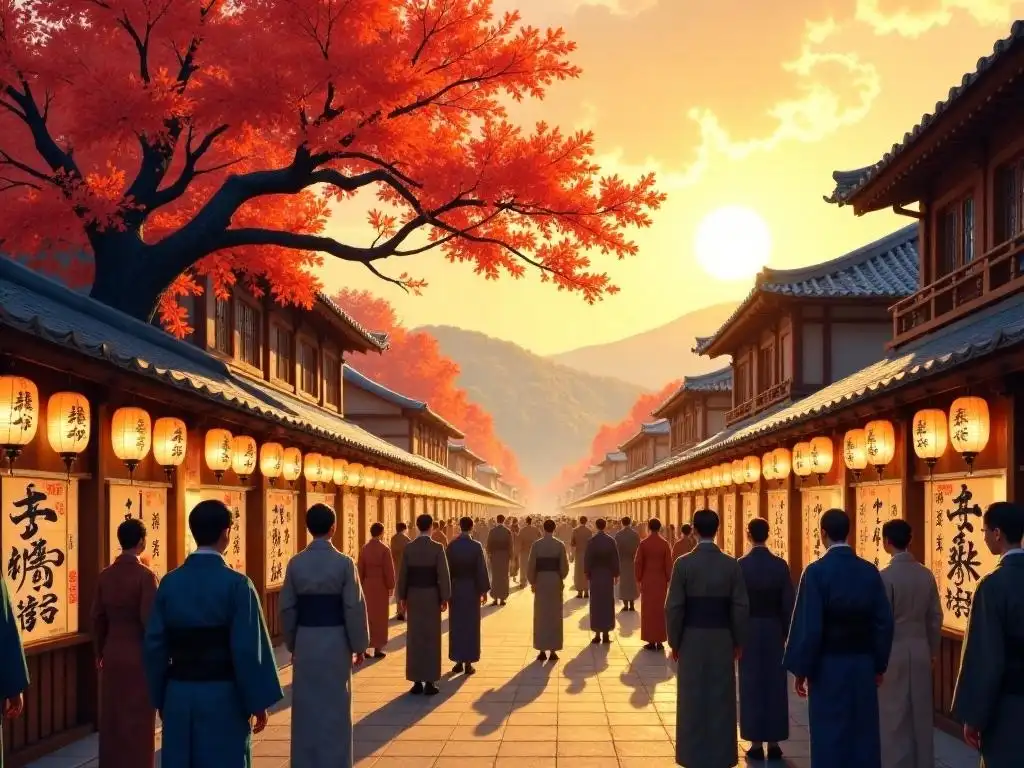
Literary festivals in Feudal Japan served as vital platforms for the celebration and dissemination of artistic expression. Beyond mere gatherings, these festivals played a crucial role in shaping the cultural landscape, fostering community bonds, and influencing political dynamics. They were a reflection of the era's values, where literature was not only an art form but also a means of communication among various societal layers.
Festivals as a Means of Community Engagement
Feudal Japan literary festivals were significant events that promoted community engagement through various forms of artistic expression. These festivals typically featured:
- Poetry Readings: Renowned poets and novices alike would recite their works, fostering a sense of camaraderie among attendees.
- Storytelling Sessions: Traditional tales and new narratives were shared, keeping cultural heritage alive and engaging audiences.
- Performances: Theatrical performances, often rooted in classical literature, provided entertainment while conveying moral and philosophical messages.
The communal aspect of these festivals was essential. They allowed individuals from different social strata to gather, share ideas, and appreciate the arts collectively. For example, the Hanami festivals, which celebrated cherry blossoms, often included poetry contests, where people would compose verses inspired by the beauty of nature. Such events not only highlighted artistic talents but also reinforced social cohesion.
Patronage and Support from Feudal Lords
Feudal lords, or daimyō, played a pivotal role in the flourishing of literary festivals. Their patronage was crucial for the survival and evolution of these cultural events. The support from feudal lords manifested in several ways:
- Sponsorship: Many literary festivals were funded by wealthy lords who recognized the importance of culture in their domains. This financial backing enabled the organization of larger and more elaborate events.
- Political Endorsement: By supporting literary festivals, feudal lords could enhance their prestige and influence among their peers and subjects. Such endorsement often translated into political power, as culture was deeply intertwined with governance.
- Collaboration with Artists: Feudal lords often invited poets, calligraphers, and other artists to their courts, creating an environment where literature thrived. This collaboration not only enriched the festivals but also allowed artists to gain recognition and support.
The patronage system established a hierarchy within the literary community, where the support from powerful lords could elevate certain works or artists, thereby shaping the cultural narrative of the time.
The Intersection of Art, Culture, and Politics
Literary festivals in Feudal Japan were not merely artistic gatherings; they were also arenas where art, culture, and politics intersected. This convergence manifested in several ways:
- Political Commentary: Many literary works presented during festivals included subtle critiques of the political climate. Poets and writers used their craft to comment on societal issues, often veiled in metaphor and allegory to avoid direct confrontation with authority.
- Cultural Identity: These festivals helped solidify a sense of cultural identity among the Japanese populace. By celebrating traditional literature and art forms, they reinforced shared values and historical narratives that were crucial for societal cohesion during tumultuous periods.
- Influence on Policies: The prominence of literary festivals often influenced the policies of feudal lords. Festivals that emphasized certain themes—such as loyalty, honor, or the beauty of nature—could sway public perception and even impact military and diplomatic decisions.
Literary festivals in Feudal Japan were multifaceted events that transcended mere celebration of the arts. They were deeply embedded in the societal fabric, reflecting the intricate relationships between community, patronage, and political power. Through these festivals, the rich literary traditions of Feudal Japan not only flourished but also played a significant role in shaping the era's cultural and political landscape.
Evolution of Literary Festivals Through the Ages
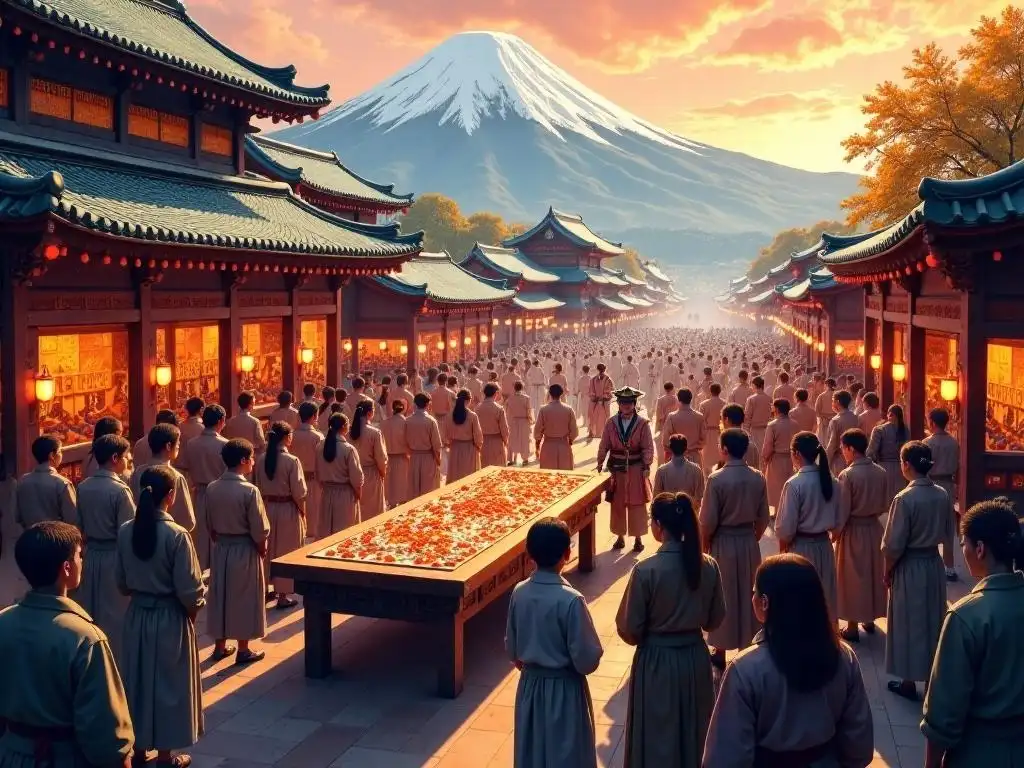
The concept of literary festivals in Feudal Japan has undergone significant evolution from the Heian period (794-1185) to the Edo period (1603-1868). Initially, these gatherings were modest, often centered around courtly poetry and literary competitions among the aristocracy. As society transformed, so too did the structure and purpose of these festivals, reflecting the cultural and social dynamics of each era.
Changes in Themes and Formats Over Time
During the Heian period, the focus of literary festivals was primarily on waka poetry, which emphasized aesthetic beauty and emotional depth. The "Utaawase" (poetry contests) became a hallmark of literary gatherings, where poets would engage in friendly competition to showcase their skills. These contests were not only a form of entertainment but also a means to gain social prestige.
As Japan transitioned into the Kamakura period (1185-1333), the themes began to incorporate more military and samurai values, reflecting the changing societal landscape. Literary works started to intertwine with the rise of the samurai class, introducing themes of loyalty, honor, and the warrior ethos. Festivals began to adopt theatrical performances, such as Noh, which allowed for a more dynamic expression of literature and storytelling.
The Muromachi period (1336-1573) saw an increased influence of Zen Buddhism on literary festivals. Poetry and prose began to reflect spiritual themes, emphasizing simplicity and mindfulness. This led to the emergence of new literary formats, such as renga (linked-verse poetry), which encouraged collaborative creation among poets during festivals.
By the Edo period, literary festivals had evolved into grand public events, attracting a wider audience beyond the aristocracy. The introduction of ukiyo-e (pictures of the floating world) and kabuki theatre transformed festivals into multi-faceted cultural celebrations. This period also marked the rise of popular literature, including pulp novels and historical narratives, allowing diverse voices to be heard. Festivals became venues for the dissemination of this literature, often featuring readings, performances, and discussions that celebrated both traditional and contemporary works.
The Influence of Western Literature on Japanese Festivals
The arrival of Western literature during the Meiji Restoration (1868-1912) further reshaped the landscape of literary festivals in Japan. Western literary forms such as the novel and essay began to permeate Japanese literature, prompting festivals to adapt and incorporate these new genres. This period marked a significant shift, as festivals began to celebrate not only traditional Japanese literature but also the burgeoning influence of Western literary styles.
Key influences included:
- Narrative Structure: The introduction of Western narrative techniques prompted Japanese authors to experiment with new storytelling methods, leading to a fusion of styles during literary festivals.
- Thematic Expansion: Festivals began to explore broader themes, including individualism, modernity, and social issues, reflecting the changing societal values influenced by Western thought.
- International Collaboration: Literary festivals started to invite foreign authors and scholars, fostering cross-cultural dialogues that enriched the Japanese literary scene.
The impact of these changes led to the establishment of modern literary festivals in Japan, which continue to celebrate the rich tapestry of both traditional and contemporary literature. As a result, Feudal Japan literary festivals have left a lasting legacy, illustrating the dynamic interplay between local and foreign influences that shaped Japan's literary culture throughout history.
Conclusion: Legacy of Literary Festivals in Feudal Japan
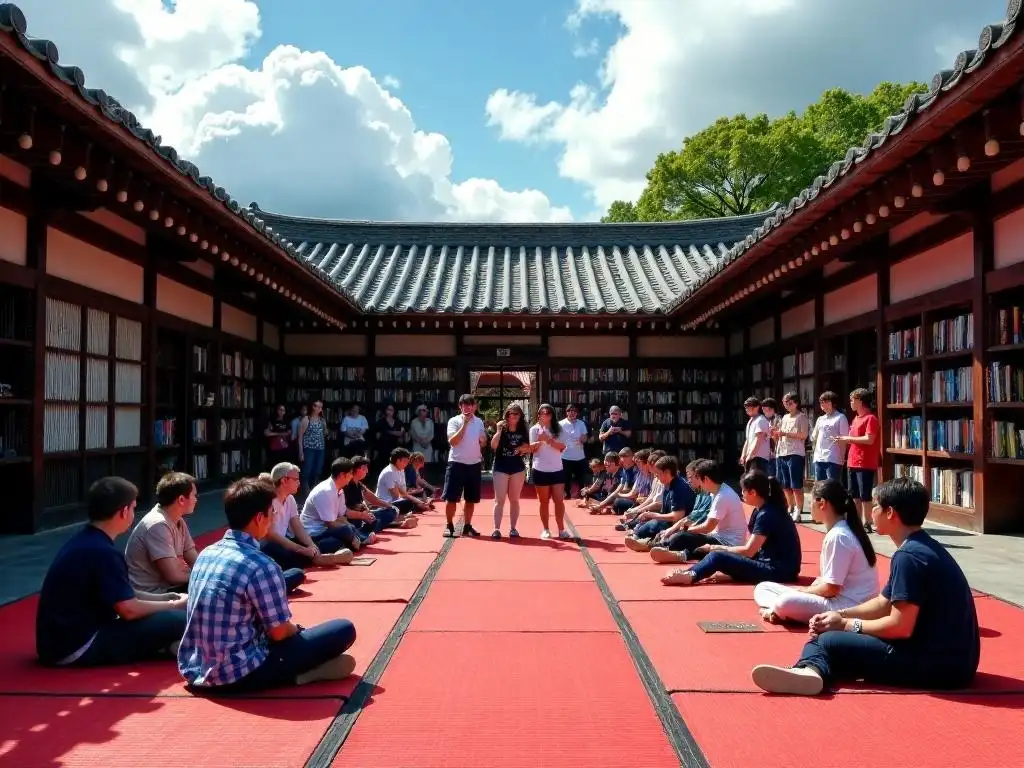
The legacy of literary festivals in Feudal Japan is a story woven through the fabric of the nation’s cultural history. These festivals were not merely events; they were crucial gatherings that celebrated literature, poetry, drama, and the arts, providing a platform for creativity and intellectual exchange. The influence of these festivals can still be felt today, as they laid the groundwork for the rich literary traditions that define contemporary Japanese literature.
Lasting Impact on Contemporary Japanese Literature
The literary festivals of Feudal Japan, such as the famous “Hanami” (flower viewing) gatherings, served as a precursor to modern literary events. These festivals emphasized not only the appreciation of nature but also the celebration of poetry, specifically waka and haiku. This tradition of blending the natural world with literary expression has deeply influenced modern Japanese writers.
For instance, contemporary authors like Haruki Murakami and Banana Yoshimoto draw inspiration from the poetic forms and themes that were cultivated during these festivals. The emphasis on evoking emotions through minimalistic yet profound imagery can be traced back to the haiku tradition that flourished during the feudal era.
Moreover, the collaborative spirit of these festivals, where poets and playwrights would share their works and receive immediate feedback, mirrors today’s literary workshops and festivals, fostering a community of writers. The impact of these gatherings can also be seen in the revival of traditional storytelling forms, such as Noh and Kabuki, which continue to be celebrated in modern festivals across Japan.
Preservation of Cultural Heritage Through Festivals
Literary festivals in Feudal Japan played a significant role in the preservation of cultural heritage. They were not only an outlet for artistic expression but also a means of ensuring that traditional stories, poetry, and performances were passed down through generations. The festivals acted as cultural repositories, where oral traditions and written works coexisted, allowing for a diverse exchange of ideas and styles.
The practice of reciting Nara and Heian period poetry during these festivals contributed to the survival of ancient literary forms. Events such as the Utaawase (poetry competitions) promoted the study and memorization of classical texts, ensuring that they remained integral to the Japanese literary canon. This dedication to preserving literature is evident in the modern resurgence of interest in historical texts, with many contemporary literary festivals highlighting works from the feudal era.
Furthermore, the festivals fostered a sense of community and belonging among participants, which is vital for cultural continuity. By celebrating and engaging with their literary heritage, attendees not only honored the past but also reinforced their identity as part of a rich cultural lineage.
The literary festivals of Feudal Japan were more than mere celebrations; they were pivotal in shaping the literary landscape of Japan. Their lasting impact is evident in the ongoing evolution of Japanese literature, as well as in the preservation of cultural heritage that continues to resonate today.
References for Further Reading on Feudal Japan Literary Festivals
Suggested Books and Articles
-
"The Tale of Genji: A Novel of the Heian Period" by Murasaki Shikibu
This classic work is essential for understanding the literary context of feudal Japan. It not only showcases the sophisticated culture of the Heian period but also provides insights into the social structures that influenced literary festivals.
-
"Japanese Literature: A Very Short Introduction" by Christopher Hayashi
This concise book offers an overview of Japanese literature, including discussions on the literary festivals that celebrated various forms of artistic expression during the feudal era. It highlights key authors and works that emerged from these cultural gatherings.
-
"The World of the Shining Prince: Court Life in Ancient Japan" by Ivan Morris
Focusing on the Heian court, this book explores the cultural milieu in which literary festivals flourished. It provides valuable context on how court life influenced the creation and appreciation of literature.
-
"Feudal Japan: The Age of the Samurai" by William Scott Wilson
This work delves into the broader historical context of feudal Japan, examining the role of art and literature during this period. It highlights how literary festivals served as platforms for cultural expression amidst social upheaval.
-
"The Pillow Book of Sei Shonagon" translated by Helen McCullough
This collection of essays, lists, and anecdotes from the Heian court provides a personal perspective on the literary culture of the time. It illustrates the significance of literary gatherings and festivals to the social fabric of feudal Japan.
Online Resources for Exploring Feudal Japanese Literature
-
The Japanese Literature Portal
A comprehensive online resource featuring articles, essays, and databases dedicated to Japanese literature. It includes sections on feudal Japan literary festivals, providing readers with access to primary texts and critical analyses.
-
The National Diet Library Digital Collections
This digital archive offers access to historical texts, manuscripts, and critical literature from various eras, including the feudal period. Researchers can explore documents related to literary festivals and the cultural aspects of feudal Japan.
-
The Japan Times - Culture Section
An ongoing publication that frequently covers aspects of Japanese culture, including historical literature and festivals. It provides contemporary reflections on how feudal Japan's literary traditions influence modern festivals.
-
UCLA's Center for Japanese Studies
This academic institution provides a wealth of resources, including articles, lectures, and seminars focused on Japanese literature. Their online library contains materials specifically addressing feudal Japan literary festivals.
-
YouTube - The Japanese Literary Festival Channel
A collection of videos and lectures that discuss various aspects of Japanese literature, including historical literary festivals. This channel features talks by experts in the field who elucidate the impact of these festivals on Japanese culture and literature.
By exploring these resources, readers can gain a deeper understanding of the intricate relationship between literary festivals and the rich tapestry of feudal Japanese culture.
Frequently Asked Questions
What were the main literary festivals in Feudal Japan?
Feudal Japan celebrated numerous literary festivals that showcased poetry, prose, and other artistic expressions. The most notable included the Tanka and Haiku competitions, where poets would gather to share their works.
How did literary festivals influence culture in Feudal Japan?
Literary festivals played a crucial role in shaping cultural identity during Feudal Japan. They fostered community bonding and encouraged the development of artistic skills among participants, thus enriching the cultural landscape.
What types of literature were celebrated at these festivals?
Festivals highlighted various forms of literature, including Tanka, Haiku, and Nō theater scripts. These forms were not only artistic expressions but also served to convey philosophical and social themes relevant to the period.
Who participated in the literary festivals of Feudal Japan?
Participants ranged from nobles and samurai to commoners, reflecting a diverse interest in literature. Scholars and poets often took the lead, but the inclusive nature of festivals allowed for broad community involvement.
What was the significance of poetry in these festivals?
Poetry was a central element of literary festivals, serving as a means of self-expression and social commentary. It helped strengthen social ties and provided a platform for individuals to share their thoughts and emotions in a creative format.
Final Reflection: Celebrating the Cultural Tapestry of Feudal Japan
The exploration of Feudal Japan's literary festivals reveals a rich tapestry of art and culture that continues to resonate in today's society. These festivals were not merely events; they were vibrant expressions of creativity and community that fostered a deep appreciation for literature and the arts. In our fast-paced modern world, where digital distractions often overshadow the beauty of storytelling, the essence of these festivals serves as a poignant reminder of the importance of cultural heritage and the arts in shaping our identities.
Cultural festivals, such as those in Feudal Japan, have left an indelible mark on our social landscape, inspiring contemporary gatherings that celebrate literature and the arts. The spirit of these events lives on, encouraging dialogue and connection among diverse communities. As the renowned author Haruki Murakami once said, The world is full of stories, and stories can change the world.
This sentiment underscores the ongoing relevance of literary festivals as platforms for sharing narratives that challenge, inspire, and unite us across generations.
As we reflect on the significance of Feudal Japan's literary festivals, I invite you to consider how you can engage with and celebrate the arts in your own life. Take a moment to seek out local literary events, immerse yourself in the stories of others, and contribute to the cultural dialogue that enriches our communities. By honoring the legacy of these festivals, we can foster a deeper appreciation for the arts and ensure that the stories of our time continue to be told and celebrated.
Unveil the Magic of Literary Festivals!
Thank you for exploring the rich tapestry of literary festivals in feudal Japan with us! We hope you’ve gained a deeper appreciation for how these celebrations of art and culture shaped society and fostered creativity. Now, it’s time to take what you’ve learned and bring a piece of that magic into your own life!
Here are some inspiring actions to consider:
- Visit a local literary festival to experience the joy of storytelling and connection firsthand. Immerse yourself in the written word of your community and meet fellow literary enthusiasts.
- Read a book or poem from a celebrated Japanese author and share your thoughts on your favorite passages with friends or in book clubs.
- Start a discussion group centered on the themes of art and culture in your local community—who says literary festivals should only happen once a year?
What aspect of feudal Japan’s literary traditions resonates with you the most, and how can you incorporate that inspiration into your life today?