
The Significance of Family Crests in Edo Society

Welcome to Feudal Japan History, where we embark on a captivating journey through the intricate tapestry of Japan's feudal era. Delve into the significance of family crests in Edo society, a fascinating topic that reveals how these symbols shaped identity, status, and heritage during a time of profound cultural evolution. As you explore our expert-driven articles, prepare to uncover the layers of history that connect families to their legacies, and discover how these crests continue to resonate in modern Japan. Join us as we unlock the secrets of the past and inspire your curiosity about this remarkable period!
Introduction to Family Crests in the Edo Period
The Edo period, spanning from 1603 to 1868, marked a transformative era in Japanese history, characterized by relative peace, economic stability, and the flourishing of culture and art. During this time, family crests, known as "Kamon", emerged as significant symbols of identity, status, and heritage among the Japanese populace.
These intricate designs, often displayed on clothing, household items, and official documents, served not only as identifiers of lineage but also as a reflection of the intricate social hierarchy that defined Edo society. Delving into the significance of family crests in this period provides a fascinating glimpse into how personal and familial identities were intricately woven into the broader fabric of Japanese culture.
Definition and Overview of Family Crests
Family crests, or Kamon, are specific emblems that represent a family or clan. They are often composed of stylized motifs derived from nature, mythology, or geometric shapes, and each design carries distinct meanings and historical significance. Typically, these crests are displayed prominently on various items such as:
- Kimono and clothing: Used to denote family affiliation during festivals and ceremonies.
- Household items: Incorporated into pottery, furniture, and architectural elements.
- Official documents: Used to authenticate and signify the importance of legal and familial agreements.
Kamon served as visual markers of identity, helping families assert their lineage and societal standing in the highly stratified structure of Edo Japan.
Historical Context of Family Crests in Japan
The tradition of using family crests in Japan dates back centuries, with roots in earlier periods such as the Heian (794-1185) and Kamakura (1185-1333) eras. However, it was during the Edo period that the practice became widely popularized and standardized. The Tokugawa shogunate, which ruled during this time, placed great importance on family lineage and adherence to social hierarchy. This led to the proliferation of Kamon as families sought to establish their identities and claim their place within the rigid class system.
The influence of samurai culture was particularly profound, as warriors often adopted unique crests to signify their clans and achievements. Over time, these crests evolved, becoming emblematic of not just individual families but also broader social and political affiliations.
The Role of Family Crests in Edo Society
Family Identity and Social Status
In Edo society, family identity was crucial for social standing and recognition. The use of Kamon helped families communicate their status within the strict hierarchy of the period, which included classes such as the samurai, farmers, artisans, and merchants.
- Samurai families: Often had elaborate crests that represented their valor and achievements in battle.
- Merchant families: Utilized simpler designs that indicated their wealth and trade affiliations.
The prominence of a family crest could also dictate the level of respect and influence a family held within their community, making it a vital aspect of social interactions and status recognition.
Family Crests as Symbols of Heritage
Family crests served as powerful symbols of heritage, encapsulating the history and values of a family. Each crest was steeped in meaning, often reflecting the family's origins, key events, or virtues. This connection to ancestry was particularly important in a society that revered lineage and tradition.
- Crests often depicted:
- Elements from nature like cherry blossoms or waves, symbolizing beauty and resilience.
- Mythological creatures that conveyed strength or protection.
The crest acted as a link between generations, fostering a sense of pride and belonging among family members and reinforcing the importance of preserving family legacy.
The Influence of Samurai Culture on Family Crests
The samurai class significantly shaped the evolution and importance of family crests during the Edo period. As the ruling elite, samurai families used their crests not only for personal identification but also as a means of asserting their power and prestige.
- Crest designs often included:
- Animal motifs: Representing bravery and nobility.
- Geometric patterns: Indicating a family's unique history or achievements.
The association of specific crests with samurai lineage contributed to the broader cultural narrative of honor, loyalty, and duty, which were central tenets of the samurai ethos. This influence permeated other classes and helped solidify the role of Kamon as a vital component of Japanese identity during the Edo period.
Design and Characteristics of Family Crests in the Edo Period
Family crests, or Kamon, served as important symbols of identity for families during the Edo period (1603-1868). These distinctive emblems were designed to be easily recognizable and were typically used in various contexts, including clothing, architecture, and ceremonial objects. The designs often featured a combination of geometric shapes, stylized flora, fauna, and abstract patterns, all of which conveyed the family's lineage and status within the feudal hierarchy.
The complexity of a crest's design could denote the family's social standing. For instance, higher-ranking samurai families often employed intricate designs that featured a variety of elements, while lower-ranking families might have simpler, more straightforward crests. The use of color in family crests was also significant; while many were monochromatic, the choice of color could enhance the visual impact and uniqueness of the emblem. Overall, the design and characteristics of family crests were a reflection of both personal and familial identity, conveying messages of loyalty, heritage, and pride.
Common Motifs and Symbols Used in Family Crests
In Edo period family crests, certain motifs and symbols were recurrent, each carrying specific meanings and associations. Natural elements like plants, animals, and celestial bodies were prevalent, with each chosen motif symbolizing different virtues or characteristics. Here are some commonly used symbols:
- Chrysanthemum: Representing nobility and longevity, the chrysanthemum was a favored motif among aristocratic families.
- Pine trees: Symbolizing endurance and resilience, pine trees were often included to convey strength and longevity.
- Crane: A symbol of good fortune and longevity, cranes were frequently used in family crests, reflecting aspirations for a long life.
- Turtle: Representing protection and longevity, turtles were also common in crests, often associated with wisdom and stability.
- Waves and water motifs: These symbols indicated fluidity, adaptability, and life’s transient nature.
These motifs not only served decorative purposes but also reinforced the family's values and aspirations, fostering a sense of belonging and identity.
Techniques and Materials for Creating Family Crests
The creation of family crests in the Edo period involved various techniques and materials, reflecting both the craftsmanship of the era and the significance assigned to these symbols. Common methods included:
- Dyeing: Family crests were often dyed into fabrics using techniques such as yuzen (a method of silk dyeing) or tsutsugaki (a freehand application of dye). These methods allowed for intricate designs that remained vibrant over time.
- Embroidery: Some crests were embroidered onto garments, showcasing the skill of the artisan and adding texture to the crest's appearance.
- Woodblock printing: This technique allowed for the mass production of family crests, especially on paper or textiles, making them accessible for various uses.
- Metalwork: Crests were also crafted in metal for use on armor, weapons, and household items, demonstrating the crest's importance across different spheres of life.
Materials varied from silk and cotton for textiles to wood, metal, and ceramics for other applications. This diversity in techniques and materials underscored the cultural significance of family crests in Edo society.
Notable Examples of Famous Family Crests
Several family crests from the Edo period have achieved notable status, often linked to prominent samurai clans or influential families. Some examples include:
- The Tokugawa Clan: Their family crest, known as the Mitsuuroko, features three interlocking circles and symbolizes unity and strength.
- The Minamoto Clan: Their crest, the Kikkō, resembles a tortoise shell and represents longevity and protection, reflecting the clan's noble lineage.
- The Fujiwara Clan: Known for their crest featuring a stylized cherry blossom, which symbolizes beauty and the transient nature of life.
- The Asano Clan: Their crest, depicting a stylized wave, signifies adaptability and resilience in the face of challenges.
These crests not only served as identifiers for these families but also played a role in the larger narrative of Japanese history, embodying the values and aspirations of their respective clans.
The Cultural Importance of Family Crests
Family crests were not merely decorative elements; they held deep cultural significance within Edo society. They were woven into the fabric of social life, influencing everything from personal identity to communal ties. The use of family crests in various aspects of daily life served to reinforce social hierarchies and familial connections, making them indispensable symbols of identity and belonging.
Family Crests in Ceremonies and Rituals
Family crests played a pivotal role in various ceremonies and rituals throughout the Edo period. They were prominently displayed during significant life events, such as:
- Weddings: Crests adorned kimonos and ceremonial items, symbolizing the joining of two families and their respective lineages.
- Funerals: In death, family crests were used to honor the deceased, often appearing on funeral garments and grave markers, signifying the continuity of the family legacy.
- Festivals: During festivals, crests were prominently displayed on banners and floats, serving as a means of communal representation and pride.
These events highlighted the importance of family lineage and the role of crests in maintaining familial honor and tradition, reinforcing the interconnectedness of society.
Family Crests in Art and Literature of the Edo Period
Family crests permeated both art and literature during the Edo period, serving as symbols of cultural heritage and identity. In visual arts, crests appeared in:
- Paintings: Artists often incorporated family crests into portraits and scenes, linking the depicted subjects to their ancestry.
- Prints: Woodblock prints often featured crests, showcasing the intricate designs and their significance within the narrative context of the artwork.
In literature, references to family crests could be found in poetry and prose, where they symbolized not only familial pride but also the values associated with different clans. Authors used crests as metaphors for loyalty, honor, and the weight of legacy, thus embedding them into the cultural consciousness of the time.
The Psychological Significance of Family Crests in Identity Formation
Family crests held a profound psychological significance in the formation of identity during the Edo period. They served as tangible representations of lineage, heritage, and personal identity, instilling a sense of pride and belonging within individuals. The act of displaying a family crest often reinforced:
- Social identity: Individuals identified themselves not just as members of their immediate family but as part of a larger lineage, contributing to a sense of community and continuity.
- Self-worth: The crest became a source of pride, influencing how individuals perceived their own value within the societal hierarchy.
- Cultural continuity: By embracing their family crest, individuals participated in the preservation of cultural traditions, ensuring that their legacy would endure through generations.
In this way, family crests were far more than decorative symbols; they were foundational to the psychological and social fabric of Edo society, shaping identity in profound and lasting ways.
Family Crests and Their Evolution Over Time
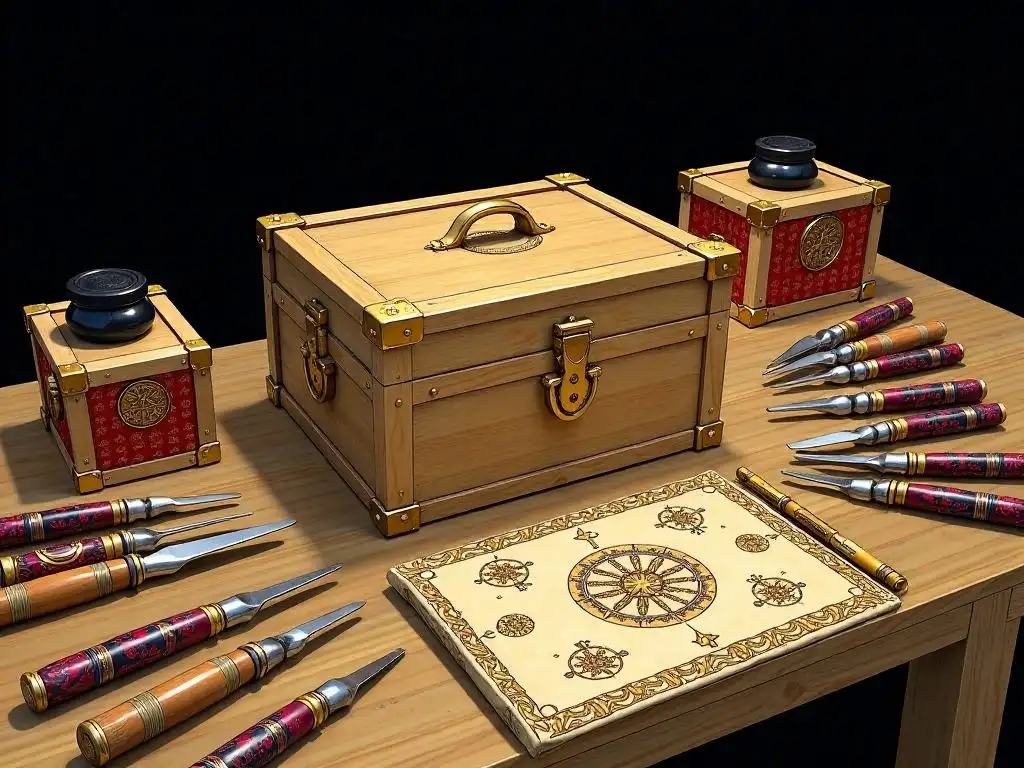
Family crests, or Kamon (家紋), have played a pivotal role in the social fabric of Edo period Japan (1603-1868). Initially used primarily by the samurai class to signify lineage and status, these crests evolved significantly throughout the Edo period. Their designs were often simple yet rich in symbolism, incorporating elements from nature, mythology, and even abstract motifs. The usage of Kamon extended beyond the samurai to commoners, merchants, and artisans, reflecting a democratization of these symbols as society progressed.
As the Edo period progressed, family crests became a means of identity and belonging. They were prominently displayed on clothing, household items, and even architecture, reinforcing the ties individuals had to their familial heritage. Over time, the designs became more varied and complex, influenced by regional styles and personal preferences. The evolution of Kamon represents not only the changing social dynamics of the era but also the shifting aesthetic values within Japanese culture.
Changes in Family Crests from the Early Edo Period to the Late Edo Period
The early Edo period saw family crests characterized by relatively simple designs, often consisting of geometric shapes or stylized representations of flora and fauna. These early crests were predominantly used by the samurai and were seen as a mark of honor and lineage. As the Edo period advanced, particularly from the mid to late 18th century, family crests began to flourish in complexity and variety.
During this later period, the proliferation of the merchant class and the rise of urban culture led to a broader acceptance and use of crests among non-samurai families. The designs became more intricate, with some families adopting multiple crests to signify different branches of their lineage. Additionally, the influence of regional aesthetics began to play a significant role, with specific motifs becoming associated with geographic areas. This change reflected the growing importance of family identity and status in a society that was increasingly stratified yet interconnected.
The Impact of Western Influence on Family Crest Designs
The introduction of Western influences toward the end of the Edo period had a notable impact on family crest designs. As Japan began to open its doors to foreign trade and ideas, new artistic styles and motifs started to permeate Japanese culture. This influx led to a hybridization of traditional Kamon with Western elements, such as heraldic symbols and floral patterns.
The influence was most evident in the use of color and materials; while traditional Kamon were typically monochrome and simple, the adoption of Western aesthetics encouraged the use of vibrant colors and elaborate designs. This shift not only changed the visual appeal of family crests but also broadened their significance as cultural artifacts that now reflected a blend of both Eastern and Western values. The evolution of Kamon during this period illustrates the adaptability of Japanese culture in the face of change while maintaining its fundamental connection to heritage.
Contemporary Relevance of Family Crests in Modern Japan
In contemporary Japan, family crests continue to hold significant cultural relevance. While the social structures have transformed dramatically since the Edo period, Kamon are still viewed as symbols of identity and heritage. Many families proudly display their crests during traditional ceremonies, such as weddings and funerals, reinforcing their lineage and familial bonds.
Moreover, family crests serve as a bridge between the past and present, offering a sense of continuity in an ever-changing society. They are appreciated not just for their historical significance but also for their artistic value, often featured in home decor and traditional crafts. This enduring presence underscores the importance of family and heritage in Japanese culture.
Preservation of Family Crests in Contemporary Culture
The preservation of family crests in contemporary culture is a testament to Japan's commitment to its historical identity. Various organizations and artists are dedicated to the study and revival of Kamon, ensuring that these symbols are not lost to time. Workshops and educational programs are regularly held, teaching younger generations about the significance of their family crests and the history behind them.
Additionally, many families actively maintain their crests through the use of traditional crafts such as textile dyeing and pottery, where Kamon are intricately woven or painted. This practice not only preserves the visual artistry of Kamon but also fosters a sense of pride and identity among families, allowing them to connect with their ancestors and history.
Family Crests as a Source of Inspiration in Modern Art and Design
Family crests have also emerged as a source of inspiration for modern artists and designers in Japan. The unique shapes and symbols of Kamon are frequently incorporated into contemporary artworks, fashion designs, and graphic art. Designers often reinterpret traditional motifs, creating new works that resonate with both historical significance and modern aesthetics.
This creative resurgence highlights the versatility of family crests, as they transition from symbols of lineage to modern artistic expressions. Exhibitions showcasing works that blend traditional Kamon with contemporary styles have gained popularity, celebrating the enduring legacy of these symbols while allowing for innovative interpretations. As a result, family crests continue to inspire a new generation of artists, bridging the gap between tradition and modernity in Japanese culture.
Conclusion: The Enduring Legacy of Family Crests in Edo Society
Family crests, or kamon, played a pivotal role in shaping both the social fabric and cultural identity of Edo society. Their significance transcended mere identification of lineage; they were imbued with values, history, and the ethos of the families that bore them. Throughout the Edo period, which lasted from 1603 to 1868, these crests were utilized not only by the samurai class but also by merchants and commoners, symbolizing a shared cultural heritage and societal hierarchy. The intricate designs of family crests served as visual narratives that encapsulated the essence of familial pride, tradition, and status.
As we explore the legacy of family crests, it becomes clear that they are more than just historical artifacts. They embody the artistry and craftsmanship of the Edo period, reflecting the aesthetic sensibilities of the time. Today, these crests continue to resonate within Japanese culture, reminding us of the intricacies of family ties and the importance of heritage. Their presence in modern contexts—from fashion to home decor—demonstrates an enduring appreciation for the past and the values that family crests represent.
Summary of Key Points on Family Crests
- Identification and Status: Family crests in the Edo period served as essential identifiers of lineage and social rank, helping to delineate the often complex hierarchical structures of society.
- Cultural Significance: Each crest was steeped in meaning, often reflecting the family's history, values, and achievements. They were also used in rituals and ceremonies, reinforcing the family's cultural legacy.
- Artistic Expression: The designs of family crests were not only symbolic but also artistic, showcasing the craftsmanship of the period through intricate patterns and motifs that conveyed familial pride.
- Widespread Use: Although initially associated with the samurai class, family crests became prevalent among merchants and commoners, emphasizing their role in a broader cultural context.
- Modern Relevance: Today, family crests continue to be celebrated in Japanese culture, influencing contemporary design and serving as a reminder of the rich history of the Edo period.
The Lasting Impact of Family Crests on Japanese Cultural Identity
Family crests have left an indelible mark on Japanese cultural identity, resonating through generations and bridging the past with the present. Their influence is evident in various aspects of Japanese life, from traditional ceremonies to modern fashion. The kamon is not merely an emblem; it encapsulates narratives of resilience, honor, and familial bonds that are integral to Japanese cultural values.
The legacy of these crests extends beyond their original function, as they have become symbols of belonging and pride among Japanese people. In contemporary society, many individuals still cherish their family crests, using them in personal branding, art, and even social events. This enduring attachment highlights the importance of heritage and the collective memory that family crests evoke.
Moreover, the incorporation of family crests into various forms of media and art has helped to educate new generations about their significance, ensuring that the stories behind these symbols are not forgotten. As Japan continues to navigate modernity, the family crest remains a potent emblem of identity, continuity, and cultural richness, reminding us of the deep connections that bind individuals to their heritage in an ever-changing world.
- Introduction to Family Crests in the Edo Period
- The Role of Family Crests in Edo Society
- Design and Characteristics of Family Crests in the Edo Period
- The Cultural Importance of Family Crests
- Family Crests and Their Evolution Over Time
- Contemporary Relevance of Family Crests in Modern Japan
- Conclusion: The Enduring Legacy of Family Crests in Edo Society
Frequently Asked Questions
What are family crests in Edo period Japan?
Family crests, known as mon, were symbolic emblems used to represent families in Edo period Japan, often displayed on clothing, flags, and household items.
Family crests played a significant role in determining social status, as they visually identified nobility and samurai families, distinguishing them from commoners.
Were there specific designs for family crests in the Edo period?
Yes, family crests featured unique designs that often included natural elements like flowers or animals, conveying cultural significance and family lineage.
How have family crests impacted modern Japanese culture?
Today, family crests continue to hold cultural importance in Japan, influencing design and identity in various aspects, such as weddings and traditional ceremonies.
Can family crests be used for personal branding today?
Absolutely! Many people in Japan still use family crests for personal branding, incorporating them into modern graphics, fashion, and artistic expressions.
Final Reflection: The Enduring Legacy of Family Crests in Edo Society
The significance of family crests in Edo period society resonates profoundly in today's world, as these symbols represent not just lineage, but also identity and cultural heritage. In an era where globalization often threatens to dilute individual cultures, the exploration of family crests serves as a reminder of the importance of our roots and the stories that shape us. The intricate designs and meanings behind these crests are not merely historical artifacts; they are vibrant threads woven into the fabric of our collective identity.
The influence of family crests extends beyond their historical context, continuing to shape cultural and social landscapes today. Many modern families still embrace the tradition of creating and displaying their own crests, fostering a sense of belonging and continuity. As we navigate our fast-paced lives, these symbols encourage us to pause and reflect on our ancestry and the values we carry forward. A family crest is not just a mark; it is a testament to the legacy we inherit and the future we build.
As we conclude our exploration of family crests in the Edo period, I invite you to reflect on your own heritage and the symbols that represent your family's journey. Consider how these elements of identity can inspire you to honor your past while shaping your future. Embrace the lessons of the Edo period, and let the significance of your own family crest guide you in forging connections and celebrating the rich tapestry of your lineage.
Uncover Your Heritage Today!
Thank you for taking the time to explore the significance of family crests in Edo society! You've gained valuable insights into how these symbols deepen our understanding of history, identity, and culture. Now, it’s time to embrace that newfound knowledge and connect with your own heritage.
Here are some simple but impactful actions you can take:
- Research your own family crest! Discover the story behind your family’s emblem and understand its significance.
- Visit local museums or cultural centers to view historical family crests and learn about their meanings within a broader context.
- Share this article with friends and family to initiate conversations about heritage and the importance of family symbols in our lives.
What unique stories or symbols resonate with your family? We invite you to share your thoughts below!