
The Evolution of Edo’s Nightlife: From Geisha to Street Performers

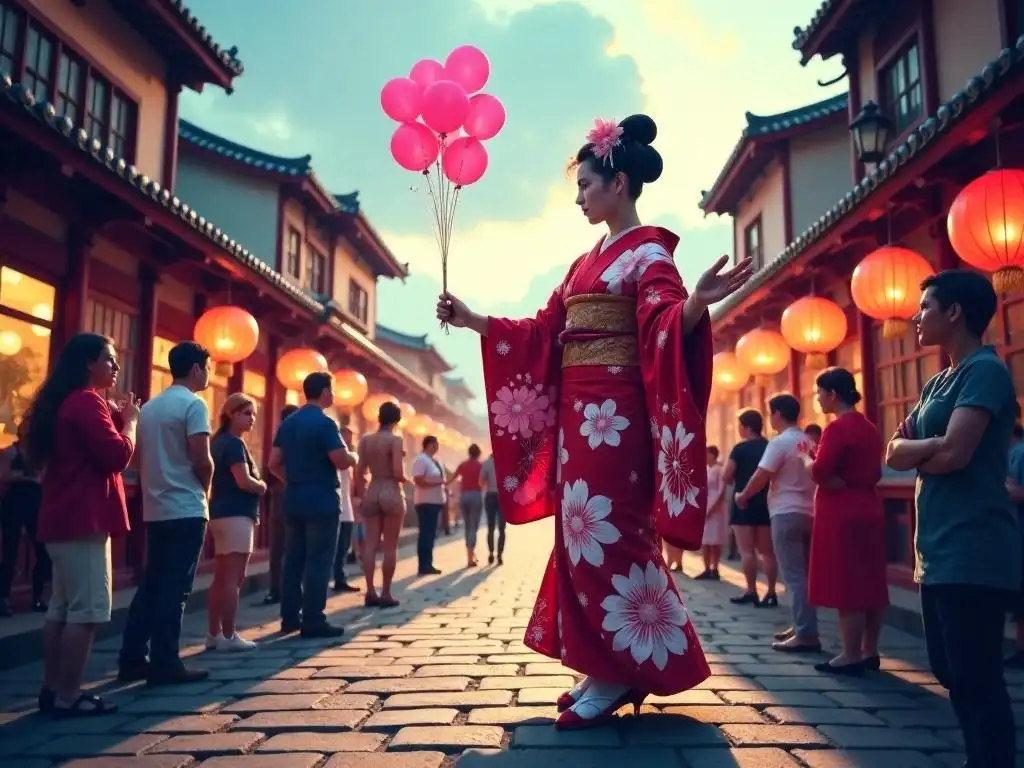
Welcome to Feudal Japan History, where we invite you to journey back in time to the enchanting world of Japan’s feudal era. Dive deep into the captivating narratives that shaped a nation, and discover the intricate tapestry of historical, cultural, and societal threads woven throughout this remarkable period. In our featured article, "The Evolution of Edo’s Nightlife: From Geisha to Street Performers," we unravel the vibrant nightlife history of the Edo period, revealing the fascinating transformations that occurred under the flickering lanterns of bustling streets.
Curious about how leisure and entertainment reflected broader economic trends? Read on, and let the stories of a bygone era illuminate your understanding of Japan’s rich heritage!
Introduction to Edo Period Nightlife History
The Edo period (1603-1868) marks a transformative era in Japan's history, characterized by significant socio-economic changes and urbanization. As Tokyo, known then as Edo, grew into one of the world's largest cities, its cultural landscape flourished, giving rise to a vibrant nightlife that played a crucial role in the lives of its inhabitants.
This article delves into the Edo period nightlife history, exploring the evolution of entertainment, from the elegant performances of geishas to the lively displays of street performers. By examining these cultural phenomena, we gain insight into the societal values, economic conditions, and artistic expressions that shaped the nightlife of Edo, reflecting broader trends in Japanese history.
Overview of the Edo Period (1603-1868)
The Edo period, initiated by the Tokugawa shogunate, was a time of relative peace and stability following centuries of civil war. Key features of this era include:
- Political Centralization: The Tokugawa shogunate established a feudal system that centralized power in Edo, leading to a stable governance structure.
- Population Growth: With improved agricultural practices and urban migration, Edo's population soared, reaching over a million by the mid-18th century.
- Economic Development: The rise of a merchant class and the flourishing of commerce and trade contributed to the economic prosperity of the period.
These elements not only fostered urban growth but also laid the groundwork for a diverse and dynamic nightlife that catered to the various social classes.
Significance of Nightlife in Edo Society
Nightlife in Edo was more than mere entertainment; it served as a crucial social outlet for the populace. Key aspects include:
- Cultural Exchange: Nightlife venues became spaces for cultural interaction, where people from different backgrounds mingled, sharing ideas and traditions.
- Economic Activity: The nightlife industry, encompassing geisha houses, theaters, and street performances, contributed significantly to the local economy, providing employment and stimulating commerce.
- Social Stratification: Various entertainment forms catered to different social classes, from the elite to the commoners, reflecting and reinforcing the hierarchical structure of Edo society.
This vibrant nightlife not only mirrored the complexities of Edo society but also played a pivotal role in shaping its cultural identity.
The Origins of Nightlife in Edo
Historical Context of Edo's Urbanization
The rapid urbanization of Edo during the early 17th century was driven by several factors:
- Political Stability: The establishment of the Tokugawa shogunate encouraged people to settle in Edo, transforming it into a bustling metropolis.
- Infrastructure Development: The shogunate invested in infrastructure, including roads and waterways, facilitating trade and travel, which in turn supported the nightlife economy.
- Cultural Flourishing: As Edo became a cultural hub, diverse artistic expressions emerged, paving the way for a vibrant nightlife scene.
This historical backdrop set the stage for a nightlife culture rich in variety and creativity.
Cultural Influences on Early Nightlife
Early Edo nightlife was influenced by various cultural elements:
- Theater Arts: Kabuki and bunraku (puppet theater) gained immense popularity, drawing large crowds to theaters and establishing a foundation for performing arts in nightlife.
- Geisha Culture: Geishas, skilled in music, dance, and conversation, became central figures in Edo's nightlife, providing entertainment and companionship in exclusive teahouses.
- Festivals and Street Performances: Seasonal festivals and street performers added a festive atmosphere, creating communal spaces for enjoyment and celebration.
These cultural influences not only shaped the entertainment landscape of Edo but also contributed to the city's unique character, making it a vibrant center of nightlife during the Edo period.
The Role of Geishas in Edo Nightlife
Edo, known today as Tokyo, experienced a unique nightlife culture during the Edo period (1603-1868), with geishas at the forefront of social entertainment. These skilled women were not merely entertainers; they were cultural icons who embodied the artistic spirit of the era. They played a vital role in shaping the interactions and leisure activities of the urban populace, presenting a blend of charm, elegance, and artistry that captivated the hearts of their patrons.
Understanding the Geisha Culture
Geisha culture originated in the 18th century and flourished in the bustling teahouses of Edo. Geishas, also known as "geiko" in Kyoto dialect, were trained from a young age in various traditional arts, including music, dance, and conversation. This rigorous training often began in their teenage years, with apprentices known as "maiko." The geisha's primary goal was to entertain guests, but they were also seen as guardians of cultural traditions, preserving classical Japanese arts and aesthetics.
The attire of a geisha, characterized by elaborate kimonos and distinctive hairstyles adorned with combs and hairpieces, played an integral role in their identity. Each aspect of their appearance was carefully curated to reflect their status and the seasonal themes of their performances. The geisha's grace and poise were emblematic of the refined tastes of Edo's elite, making their presence essential in social gatherings and festivities.
Geishas as Entertainers: Skills and Performances
The skill set of a geisha was extensive and multifaceted. They were trained in traditional Japanese music, playing instruments such as the shamisen and koto, and mastering various forms of dance. The performances often included storytelling and poetry recitation, which engaged audiences and fostered intimate connections.
Geishas also excelled in the art of conversation, employing wit and charm to enliven the atmosphere of teahouses and private parties. Their ability to navigate social nuances and create an enjoyable ambiance made them invaluable in the nightlife scene. The performances were not just about entertainment; they were an immersive experience that highlighted the aesthetics of the Edo period, reflecting the cultural values and artistic expressions of the time.
The Economic Impact of Geisha Houses on Edo's Nightlife
Geisha houses, known as "hanamachi," served as the epicenter of entertainment in Edo. These establishments were not only places for socializing but also significant economic engines. They attracted affluent clients, including samurai, merchants, and government officials, who sought the companionship and artistic talents of geishas.
The financial model of geisha houses relied on a system of contracts and fees that ensured a steady income for the geishas and their managers. The popularity of geishas contributed to the growth of related industries, such as textile production for kimonos and the manufacturing of traditional instruments. This economic interdependence fostered a vibrant nightlife economy, with geishas playing a crucial role in the social fabric of Edo.
The Emergence of Street Performers and Popular Entertainment
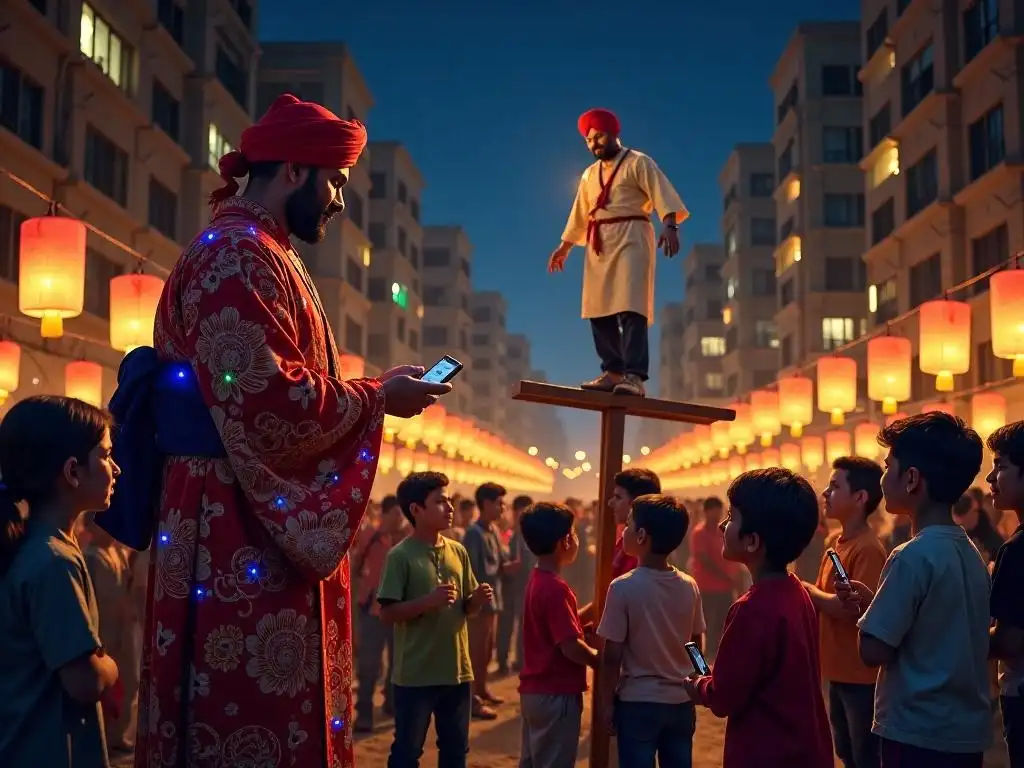
As the Edo period progressed, the nightlife landscape expanded beyond the exclusive world of geishas to include street performers and popular entertainment. This evolution reflected the changing social dynamics and the growing accessibility of entertainment for the broader populace.
Types of Street Performers in Edo
Street performers in Edo encompassed a diverse array of talents, including acrobats, musicians, magicians, and storytellers. These performers often entertained in public spaces, such as markets and festivals, drawing crowds with their engaging acts. The vibrant atmosphere of Edo's streets was enhanced by the sounds of traditional music and the laughter of onlookers.
Among the most popular forms of street entertainment were "rakugo," a form of comedic storytelling, and "joruri," which combined narration with puppet theatre. These performances often conveyed moral lessons or humorous tales, resonating with the daily experiences of Edo's citizens. The accessibility of street performances allowed for a democratization of entertainment, where commoners could enjoy the arts without the exclusivity associated with geisha houses.
The Influence of Kabuki Theatre on Street Performances
Kabuki theatre, which emerged during the early Edo period, significantly influenced street performances. Known for its dynamic storytelling, elaborate costumes, and striking makeup, Kabuki attracted a wide audience and became a symbol of popular culture. The theatrical elements of Kabuki filtered into street performances, with many performers adopting similar styles and narratives.
Street performances often featured themes from Kabuki plays, allowing for a cross-pollination of artistic expression. The popularity of Kabuki encouraged street performers to innovate and incorporate dramatic storytelling, music, and dance into their acts, further enriching Edo's nightlife culture.
Comparing Geisha and Street Performer Cultures
While geishas and street performers were both integral to Edo's nightlife, their cultural significance and social roles differed. Geishas represented a refined, elite form of entertainment, focusing on artistry and sophistication, while street performers epitomized the lively and accessible spirit of popular culture.
Geishas operated within the confines of hanamachi, serving affluent clients and upholding traditional values. In contrast, street performers thrived in public spaces, engaging a diverse audience and reflecting the everyday lives of commoners. Both cultures, however, shared a commitment to entertainment and artistic expression, contributing to the rich tapestry of Edo's nightlife history.
The intertwining of geisha and street performer traditions illustrates the dynamic nature of entertainment during the Edo period, revealing how urbanization and cultural exchange shaped the nightlife experience in this historic era.
The Shift in Nightlife Dynamics Over Time
The nightlife of Edo, which flourished between the early 17th and mid-19th centuries, underwent significant transformations that mirrored the socio-political changes occurring in Japan. Initially, nightlife was primarily centered around the elite classes, where the activities were characterized by formal gatherings, tea ceremonies, and performances by geishas. However, as Edo became a bustling urban center, the dynamics shifted towards a more diverse and inclusive entertainment landscape.
By the mid-Edo period, especially during the 18th century, the introduction of the kabuki theater and other popular entertainment forms began to attract a wider audience. These performances were not limited to the aristocracy; commoners also participated, creating a vibrant atmosphere filled with street vendors, performers, and spectators. This democratization of nightlife meant that entertainment became accessible to all social classes, contributing to the lively and multifaceted nightlife scene that defined the latter part of the Edo period.
As Edo continued to urbanize, the proliferation of entertainment districts, known as ukiyo, gave rise to various nighttime activities, including sumo wrestling, puppet shows, and traditional music performances. This shift reflected broader societal trends, such as increased trade and commerce, which facilitated the growth of a consumer culture eager for leisure and entertainment.
Factors Leading to Changes in Edo Nightlife
Several key factors contributed to the evolving nightlife in Edo. First, the economic prosperity generated by the Tokugawa shogunate's policies led to the rise of a merchant class who were eager to spend their newfound wealth on entertainment. With the establishment of the sankin-kotai system, where feudal lords were required to spend time in Edo, the city became a melting pot of cultural influences, further enriching the nightlife.
Second, the emergence of ukiyo-e, or "pictures of the floating world," played a pivotal role in documenting and shaping nightlife. These woodblock prints showcased scenes from the vibrant entertainment districts, popularizing the various forms of nightlife and drawing more people into these urban experiences. Through art, the nightlife culture was not only preserved but also idealized, inspiring greater participation.
Finally, the influence of foreign cultures began to seep into Edo during the late period, especially through the Dutch trading post in Nagasaki. This exposure introduced new ideas and entertainment styles, which blended with traditional Japanese practices, leading to a dynamic and evolving nightlife scene that reflected both local and international trends.
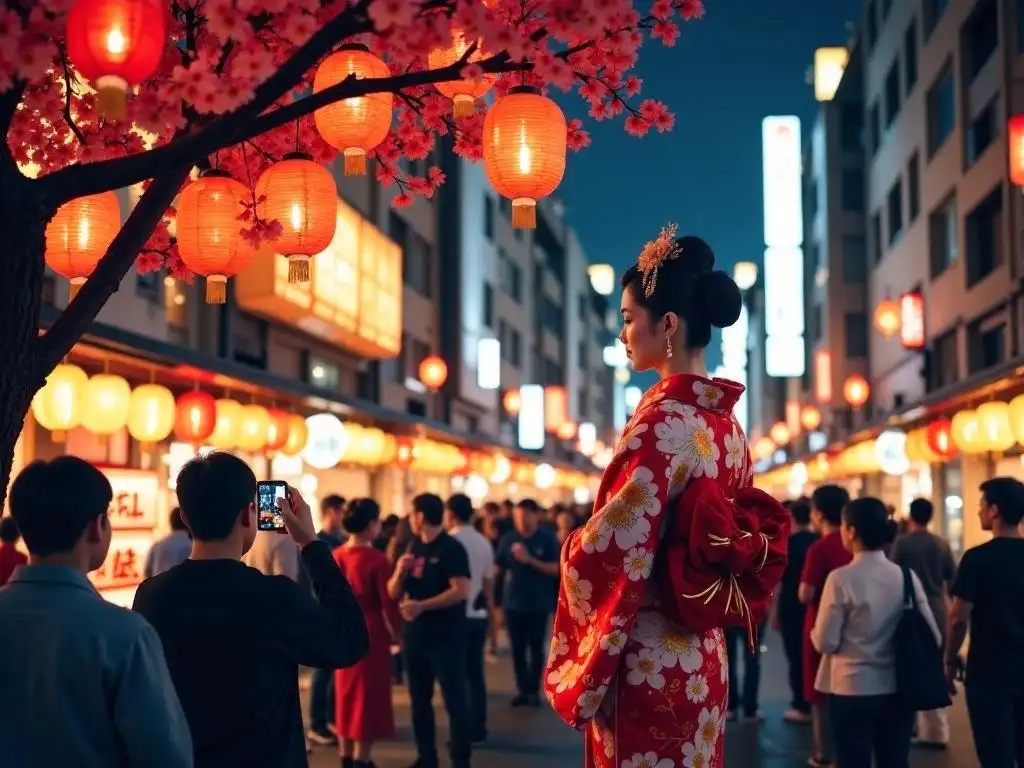
Social class played a crucial role in shaping the types of nightlife activities available in Edo. The rigid class hierarchy, consisting of samurai, farmers, artisans, and merchants, determined access to various entertainment forms. The samurai class often frequented highbrow activities, such as private geisha parties, while merchants had the freedom to indulge in more public entertainment.
Commoners typically patronized more accessible venues, such as street performers and neighborhood festivals. Festivals, in particular, provided an opportunity for the lower classes to engage in lively celebrations, showcasing traditional music, dance, and food. These events fostered a sense of community and allowed for social mixing, albeit within the loose confines of class distinctions.
Despite the class divisions, there were instances of crossover where members of different social strata interacted during nighttime activities. The popularity of kabuki theater, for instance, attracted audiences from all backgrounds, creating a shared cultural experience that blurred the lines of class distinction, albeit momentarily.
The Legacy of Edo Period Nightlife
The nightlife of the Edo period has left an indelible mark on contemporary Japanese culture and continues to influence modern nightlife in various ways. The rich tapestry of entertainment forms that originated in Edo laid the groundwork for Japan’s vibrant urban culture today. Many of the practices, performances, and aesthetics from that era can still be observed in modern festivals, theater, and nightlife venues.
Influence on Modern Japanese Nightlife
Many modern nightlife activities in Japan can trace their roots back to the Edo period. For instance, the concept of izakayas (casual pubs) resembles the informal drinking establishments that proliferated in Edo, where people gathered to socialize and enjoy food and drink. Additionally, the resurgence of traditional arts, such as kabuki and Noh theater, ensures that the cultural legacy of the Edo period remains alive in contemporary performances.
Moreover, the blending of modern and traditional entertainment continues to evolve, with elements of Edo period nightlife reflected in various forms of popular culture, including anime, manga, and music festivals. These cultural exports resonate globally, showcasing the enduring appeal of Japan's historical nightlife traditions.
Preservation of Nightlife Traditions in Contemporary Japan
In contemporary Japan, efforts to preserve the nightlife traditions of the Edo period are evident through various cultural initiatives. Festivals celebrating traditional arts and crafts attract both locals and tourists, fostering an appreciation for Edo's historical nightlife. Some districts, such as Asakusa in Tokyo, maintain their historical ambiance, offering visitors an authentic glimpse into the past through traditional performances and teahouses.
Additionally, organizations dedicated to the preservation of geisha culture continue to thrive, providing training and opportunities for new generations to engage with this historic form of entertainment. By embracing both modernity and tradition, Japan's nightlife remains a vibrant and culturally rich experience, honoring its Edo roots while adapting to contemporary tastes and trends.
The evolution of Edo's nightlife is not merely a historical account but a living legacy that continues to shape Japan's urban culture, making it an integral part of the nation's identity.
Conclusion: Reflections on Edo Period Nightlife History
The nightlife of the Edo period represents a fascinating tapestry of cultural expressions, social interactions, and economic activities that defined urban life during this transformative era in Japan's history. From the elegant world of geishas to the vibrant street performers, the nighttime landscape of Edo was a microcosm of broader societal dynamics. The interplay of art, commerce, and leisure reflects the complexities of a society undergoing significant changes, laying the groundwork for modern Japanese culture.
Understanding the evolution of nightlife in Edo provides insights into the cultural and social fabric of the time. It illustrates how entertainment served not only as a means of leisure but also as a platform for social commentary and cultural exchange. The nuanced relationships between various performers and their patrons reveal deeper societal values and norms, reflecting the intricate hierarchy and interactions within Edo society.
Summary of Key Points
- Cultural Significance: The nightlife in Edo was characterized by a rich variety of entertainment options, including geisha houses, kabuki theaters, and street performances, all contributing to a vibrant urban culture.
- Economic Impact: The entertainment industry during the Edo period played a crucial role in urban economic development, creating jobs and stimulating commerce within the city.
- Social Dynamics: Nightlife venues served as important social spaces where various classes interacted, challenging traditional social hierarchies and fostering a more fluid society.
- Artistic Expression: Performers, including geishas and kabuki actors, were not only entertainers but also artists who contributed to the evolution of Japanese art forms, influencing future generations.
- Legacy: The nightlife of the Edo period has left a lasting legacy on contemporary Japanese culture, as many aspects of entertainment and social interaction can trace their origins back to this vibrant era.
The Importance of Understanding Historical Nightlife for Cultural Heritage
Studying the nightlife of the Edo period is essential for preserving cultural heritage as it provides a lens through which to view the values, beliefs, and practices of a society that has significantly shaped modern Japan. By understanding how nightlife functioned in Edo, we can appreciate the artistic innovations and social structures that emerged during this time.
Moreover, exploring historical nightlife helps to foster a greater appreciation for the complexities of cultural identity. It allows us to trace the evolution of entertainment forms and their role in societal progression, offering lessons on resilience and adaptation. Recognizing these historical narratives enriches our understanding of contemporary cultural practices and emphasizes the importance of preserving traditions that continue to influence modern life.
The exploration of Edo period nightlife is not merely an academic exercise but a vital component of understanding Japan's cultural heritage. It invites us to reflect on the past while considering its relevance to current and future societal developments.
- Introduction to Edo Period Nightlife History
- The Origins of Nightlife in Edo
- The Role of Geishas in Edo Nightlife
- The Emergence of Street Performers and Popular Entertainment
- The Shift in Nightlife Dynamics Over Time
- Factors Leading to Changes in Edo Nightlife
- The Impact of Social Class on Nighttime Activities
- The Legacy of Edo Period Nightlife
- Conclusion: Reflections on Edo Period Nightlife History
Frequently Asked Questions
What was the significance of nightlife during the Edo period?
Nightlife during the Edo period was crucial for social interaction, showcasing cultural performances and entertainment forms, including geisha and street performers.
How did geisha influence Edo's nightlife?
Geisha played a vital role in shaping Edo's nightlife, providing sophisticated entertainment through music, dance, and conversation, appealing to the elite.
What types of entertainment were popular in Edo's nightlife?
Edo's nightlife featured a variety of entertainment, including theater, festivals, street performances, and izakayas, catering to diverse audiences.
Social class significantly impacted nightlife experiences, with wealthy patrons enjoying more exclusive events, while commoners frequented public festivals and street performances.
What role did street performers play in Edo's nightlife?
Street performers contributed to the lively atmosphere of Edo's nightlife, offering accessible entertainment to the masses and showcasing various art forms, such as comedy and music.
Final Reflection: The Enduring Legacy of Edo's Nightlife
The evolution of Edo's nightlife is not just a historical narrative; it is a vibrant tapestry that weaves together culture, art, and social dynamics, reflecting the complexities of human expression. Today, as we navigate our own nightlife experiences, we can draw parallels to the rich traditions of the Edo period, where geishas and street performers captivated audiences and shaped societal interactions. The essence of these interactions continues to resonate, reminding us that nightlife is a mirror of our cultural identity and communal spirit.
The impact of Edo's nightlife extends far beyond its time, influencing contemporary entertainment and social gatherings. The traditions established during this era have laid the groundwork for modern forms of performance art and nightlife culture, showcasing the importance of creativity and community engagement. As we reflect on this legacy, we are reminded of the words of renowned cultural historian, Edward Said: The past is never dead. It's not even past.
This quote encapsulates the idea that the influences of the Edo period are still very much alive in today's cultural landscape, shaping how we celebrate, connect, and express ourselves.
As we conclude this exploration of Edo's nightlife history, I invite you to reflect on your own experiences with nightlife and the cultural expressions that surround you. Consider how the traditions of the past can inspire your own interactions and creativity today. Whether it’s through engaging with local performers, exploring diverse cultural events, or simply appreciating the artistry in your surroundings, let the spirit of Edo's vibrant nightlife guide you toward a deeper connection with your community and the world around you.
Embrace the Vibrant Spirit of Edo’s Nightlife!
Thank you for exploring the fascinating evolution of Edo’s nightlife with us! We hope you discovered the rich tapestry of culture that once illuminated these bustling streets. Now it’s your turn to carry that spark forward!
Here are some exciting ways you can connect more deeply with this vibrant history:
- Attend a local cultural event or performance that celebrates traditional Japanese arts, allowing you to experience the spirit of Edo firsthand.
- Share your newfound knowledge with friends or on social media—post about your favorite fact or story you learned!
- Read a historical book or watch a documentary that explores the lives of Geishas and street performers in Edo, enhancing your understanding.
What aspect of Edo’s nightlife fascinates you the most, and how do you plan to keep that spirit alive in your own life?