
How Japan’s Isolationist Policies Impacted Traditional Crafts and Industries

Welcome to Feudal Japan History, where we invite you to embark on a captivating journey through the intricate tapestry of Japan’s feudal era. Here, you’ll uncover the profound effects of isolationist policies on traditional crafts and industries, delving deep into the historical, cultural, and societal nuances that shaped this fascinating period. As you explore our expert-driven articles, prepare to be intrigued by how these policies not only influenced economic dynamics but also transformed the artistic landscape of Japan. Join us as we unravel the secrets of the past and discover the lasting legacy of feudal Japan!
- Introduction to Japan's Isolationist Policies and Their Impact on Crafts
- The Role of Traditional Crafts in Japan's Economy
- Direct Impacts of Isolationist Policies on Crafts
- The Evolution of Craft Practices Under Isolationist Policies
- Cultural Significance of Crafts in Isolationist Japan
- Comparative Analysis: Japan vs. Other Isolationist Societies
- Conclusion: Lasting Effects of Japan's Isolationist Policies on Crafts
- Frequently Asked Questions
- Final Reflection: The Enduring Legacy of Japan's Isolationist Policies on Traditional Crafts
- Unveil the Hidden Treasures of Japan’s Craftsmanship!
Introduction to Japan's Isolationist Policies and Their Impact on Crafts
Japan's isolationist policies, particularly during the Edo period (1603-1868), profoundly influenced the nation's traditional crafts and industries. This significant era was marked by a deliberate withdrawal from foreign influences, leading to the development of unique artistic expressions and craftsmanship that are still celebrated today. The interplay between isolationism and the evolution of traditional crafts reveals the complexities of cultural identity, economic strategies, and societal norms in feudal Japan.
As we delve into this topic, we will explore not only the policies that shaped this isolation but also the ensuing effects on various crafts, as artisans adapted to a closed economy and a distinct cultural landscape. Understanding this relationship is crucial for appreciating the legacy of Japan's traditional crafts and their broader significance in the context of economic history.
Overview of Japan's Isolationist Policies
Japan's isolationist policies, known as sakoku (鎖国), were established during the early 17th century under the Tokugawa shogunate. The primary aim of these policies was to maintain stability and prevent foreign influence, particularly from European powers and Christianity.
Key aspects of the isolationist policies included:
- Restrictions on Foreign Trade: Foreign trade was limited to specific ports, notably Nagasaki, and only with a handful of approved countries, including the Netherlands and China. This severely restricted the flow of goods, ideas, and cultural influences.
- Control of Christianity: The Tokugawa shogunate actively suppressed Christianity, viewing it as a threat to social order and loyalty to the shogunate. This involved the persecution of Christians and the closing of Japan to missionary activities.
- Limited Diplomacy: Diplomatic relations with other countries were minimal, further entrenching Japan's isolation. The shogunate was wary of foreign powers and their intentions, resulting in a policy of self-sufficiency.
The ramifications of these policies were extensive, leading to the cultivation of a distinct Japanese culture and economy that thrived within its own borders.
Historical Context of Isolationism in Japan
The historical roots of Japan's isolationist policies can be traced back to the tumultuous period of civil wars and political instability that preceded the Tokugawa shogunate. The Sengoku period (1467-1603) saw a fragmented Japan with numerous feudal lords (daimyōs) vying for power, leading to widespread conflict and societal upheaval.
- Unification Under the Tokugawa Shogunate: The establishment of the Tokugawa shogunate marked a turning point. The shogunate sought to unify Japan and restore peace, leading to the implementation of isolationist policies as a means of consolidating power and preventing internal strife.
- Cultural Flourishing: With the cessation of civil wars and a focus on internal stability, Japan experienced a cultural renaissance. Traditional crafts, such as pottery, textiles, and woodblock printing, flourished as artisans focused on creating goods that reflected Japanese aesthetics and values.
- Economic Self-Sufficiency: The isolationist stance encouraged economic self-sufficiency, as Japan developed its own industries and crafts to meet domestic demand. This resulted in the refinement of traditional techniques and the establishment of regional specialties.
The combination of these historical factors laid the groundwork for the intricate relationship between Japan's isolationist policies and its traditional crafts, setting the stage for the profound impact these policies would have on the nation's artistic and industrial landscape.
The Role of Traditional Crafts in Japan's Economy
Japan's feudal era was marked by a rich tapestry of traditional crafts that played a pivotal role in shaping the economy and cultural identity of the nation. These crafts were not mere artistic expressions; they were integral to the social and economic fabric of feudal society. The isolationist policies implemented during the Edo period (1603-1868) significantly influenced these crafts, both positively and negatively, as they restricted foreign trade and interactions while fostering a unique domestic economy.
Importance of Crafts in Feudal Japan
Traditional crafts in feudal Japan served several vital functions within the economy. They were not only sources of income for artisans and their families but also contributed to local economies through trade and barter systems. The production of crafts was often linked to agricultural cycles, with artisans typically engaging in craftwork during off-seasons. This relationship ensured a continuous flow of goods and services and reinforced community bonds.
- Cultural Significance: Traditional crafts often held deep cultural meanings, reflecting the values, beliefs, and aesthetics of the time. For example, kimono weaving was not only a profession but also an art form that conveyed status and regional identity. The intricate designs and materials used in kimonos signified various cultural narratives and social standings.
- Economic Contributions: Crafts such as pottery, textiles, and metalwork were crucial for trade, both within Japan and with limited foreign entities. The production of items like Bizen ware pottery and Kyo-yaki ceramics became significant economic activities, attracting local merchants and contributing to the overall economic health of regions.
- Artisan Guilds: The establishment of artisan guilds during this period facilitated the sharing of techniques and resources, promoting innovation and quality control in craft production. These guilds not only regulated standards but also provided social security for their members, reinforcing the economic stability of craft sectors within feudal Japan.
Key Traditional Crafts and Industries Affected
Japan's isolationist policies had a profound impact on various traditional crafts and industries, leading to both challenges and adaptations among artisans. Below are some of the key crafts that were notably affected:
- Textiles:
- Kimono Production: The demand for kimonos saw fluctuations due to limited foreign influence on fashion trends. However, this also encouraged local artisans to innovate with regional fabrics, leading to distinctive styles that flourished within Japan.
- Silk Weaving: The silk industry, particularly in regions like Habutae and Kyo, adapted to increased local demand, resulting in a diversification of silk patterns and techniques.
- Ceramics:
- Arita and Imari Ware: With limited access to foreign markets, the production of ceramics became more localized. Artisans developed unique glazes and styles that were highly sought after domestically, often incorporating local motifs and themes.
- Mino Ware: This craft saw a significant evolution, adapting traditional techniques to meet the tastes of Japanese consumers, which in turn influenced pottery aesthetics across the nation.
- Metalwork:
- Samurai Weapons and Armor: The demand for high-quality swords and armor during the feudal era led to the refinement of metalworking techniques. Isolation spurred innovation in metallurgy, as artisans sought to enhance the quality and functionality of these essential items.
- Decorative Arts: The restrictions on foreign imports allowed for the development of uniquely Japanese metal crafts, such as intricate tsuba (sword guards), which became highly valued both locally and among Japan's limited trading partners.
Japan's isolationist policies significantly shaped the landscape of traditional crafts and industries, promoting a self-reliant economy that thrived on local resources and creativity. As artisans adapted to these policies, they fostered a rich heritage that continues to influence Japanese culture and craftsmanship today, showcasing the resilience and ingenuity inherent in feudal Japan's economic history.
Direct Impacts of Isolationist Policies on Crafts
Restrictions on Trade and Its Effects on Craftsmanship
Japan's isolationist policies, particularly the Sakoku edicts initiated in the 17th century, significantly restricted foreign trade and interaction. This had profound implications for traditional crafts and industries. The prohibition of foreign contact limited the inflow of new materials, techniques, and influences that had previously enriched Japanese craftsmanship. As a result, artisans were compelled to rely on domestic resources, which, while fostering a unique Japanese aesthetic, also constrained innovation.
The strict regulations on trade led to a focus on local materials. For example, the lacquerware industry, which had previously benefited from the importation of exotic woods and pigments, faced a challenge. Artisans had to adapt to using local resources, which required ingenuity and led to the development of new styles that incorporated indigenous elements. This shift can be seen in the evolution of Wajima lacquerware, which became renowned for its intricate designs and use of native materials.
Moreover, the limited exposure to foreign techniques resulted in a stagnation of certain crafts. For instance, the ceramics industry saw a decline in the diversity of styles as craftsmen became less influenced by global trends. The isolationist policies created an environment where traditional methods were preserved, but in many cases, this preservation came at the cost of technological advancement and diversity.
- Key Effects of Trade Restrictions:
- Stagnation in innovative techniques
- Increased reliance on local materials
- Development of distinct regional styles
Influence of Isolation on Material Availability and Techniques
The impact of Japan's isolationist policies extended beyond trade restrictions to the very materials available for crafting. With limited access to foreign goods, artisans had to adapt their techniques to the materials they could procure domestically. This led to a unique evolution of craftsmanship that emphasized local resources.
For example, the textile industry experienced a significant transformation. Cotton and silk, which were traditionally sourced from abroad, became increasingly important as domestic production improved. The development of kimono styles during this period showcases this adaptation, as artisans began using locally sourced dyes and patterns, creating a distinctly Japanese identity in textiles. This is evident in the vibrant designs of Edo-period kimonos, which often reflect local flora and fauna.
Furthermore, the scarcity of certain materials spurred innovation in techniques. Craftsmen developed new methods to enhance the aesthetic appeal of their products using available resources. For instance, in the metalworking industry, artisans learned to manipulate iron and bronze in ways that maximized their beauty and functionality, resulting in exquisite sword fittings and household items.
- Examples of Material Adaptation:
- Textiles: Use of local dyes in kimono production
- Ceramics: Development of new glazes using indigenous minerals
- Metalwork: Innovations in iron techniques for decorative purposes
The isolationist policies of Japan had a profound impact on traditional crafts and industries. By restricting trade and limiting material availability, these policies catalyzed a unique evolution of craftsmanship that emphasized local resources and techniques, ultimately shaping the rich cultural heritage that defines Japan's artisanal legacy today.
The Evolution of Craft Practices Under Isolationist Policies
The evolution of craft practices in Japan during the isolationist period, particularly from the early 17th century to the mid-19th century, is a fascinating study of resilience and transformation. Japan's sakoku (closed country) policy significantly influenced various traditional crafts, leading to both adaptation and preservation of techniques. The restrictions on foreign trade and cultural exchange reshaped the landscape of Japanese craftsmanship, resulting in unique developments that would define the aesthetic and functional aspects of these arts.
Adaptation and Innovation in Traditional Crafts
During Japan's isolationist era, craftspeople faced numerous challenges due to limited access to foreign materials and ideas. However, these constraints also spurred remarkable innovation within traditional crafts.
-
Material Substitution:
- As imports dwindled, artisans began to explore indigenous materials. For instance, the scarcity of certain metals led to the increased use of local woods and ceramics.
- Example: The Kamakura period woodworkers adopted native timbers, refining their techniques to create intricate carvings and durable structures.
-
Emphasis on Aesthetic Values:
- With an increased focus on cultural identity, crafts became a medium for expressing Japanese aesthetics. The concept of wabi-sabi, which appreciates beauty in imperfection, gained prominence.
- Example: Tea ceremony utensils were crafted with an emphasis on simplicity and naturalness, reflecting the philosophical ideals of the time.
-
Evolution of Techniques:
- Craftspeople adapted their techniques to enhance durability and functionality. For example, the tradition of kintsugi, repairing broken pottery with lacquer mixed with powdered gold, became a celebrated practice demonstrating resilience and beauty in imperfection.
-
Regional Specialization:
- Isolation encouraged regional crafts to flourish, leading to distinct styles and techniques. Areas like Kyoto became renowned for textiles, while regions like Aizu became known for their lacquerware.
- Table: Regional Craft Specializations in Japan:
Region Craft Specialization Key Features Kyoto Textiles Nishijin weaving, vibrant colors Aizu Lacquerware High gloss, intricate designs Takamatsu Pottery Unique glazes, local clay varieties Kanazawa Gold leaf production Thin sheets, intricate applications
This period of adaptation and innovation not only preserved traditional crafts but also enriched them, establishing a foundation for future generations.
Preservation of Craft Techniques Amidst Isolation
The isolationist policies of Japan played a crucial role in preserving traditional craft techniques that might have otherwise been lost in the face of globalization.
- Guild Structures:
- Many crafts were organized through guilds, which helped maintain quality standards and passed down knowledge through generations. These guilds were instrumental in safeguarding traditional methods.
- Notable Example: The Ukiyo-e woodblock printing guilds ensured that techniques were meticulously preserved, allowing for the production of art that thrived despite external pressures.
- Cultural Practices:
- Festivals and rituals often showcased traditional crafts, ensuring they remained an integral part of community life. This cultural anchoring helped keep techniques alive.
- Example: The Matsuri (festivals) featured traditional crafts, from ornate floats to ceremonial attire, highlighting the importance of these practices in societal identity.
- Documentation and Teaching:
- During this time, there was an emphasis on documenting craft techniques through texts and apprenticeships, ensuring that knowledge was systematically transmitted.
- Inline Quote: “Craftsmanship is not merely a skill; it is a lineage of knowledge that connects us to our ancestors.” – Anonymous Artisan
- Social Status and Demand:
- The appreciation for traditional crafts among the samurai and merchant classes created a sustained demand for these items, further incentivizing artisans to master and preserve their skills.
- Example: The elite's patronage of crafts like sword making ensured that high standards and traditional techniques were maintained.
While Japan's isolationist policies posed challenges, they also provided a unique environment for the evolution and preservation of traditional crafts. Artisans adapted to their circumstances, leading to innovations that enriched the cultural tapestry of Japan and ensured the survival of their craft heritage amid the constraints of isolation.
Cultural Significance of Crafts in Isolationist Japan
Crafts as a Reflection of Japanese Identity
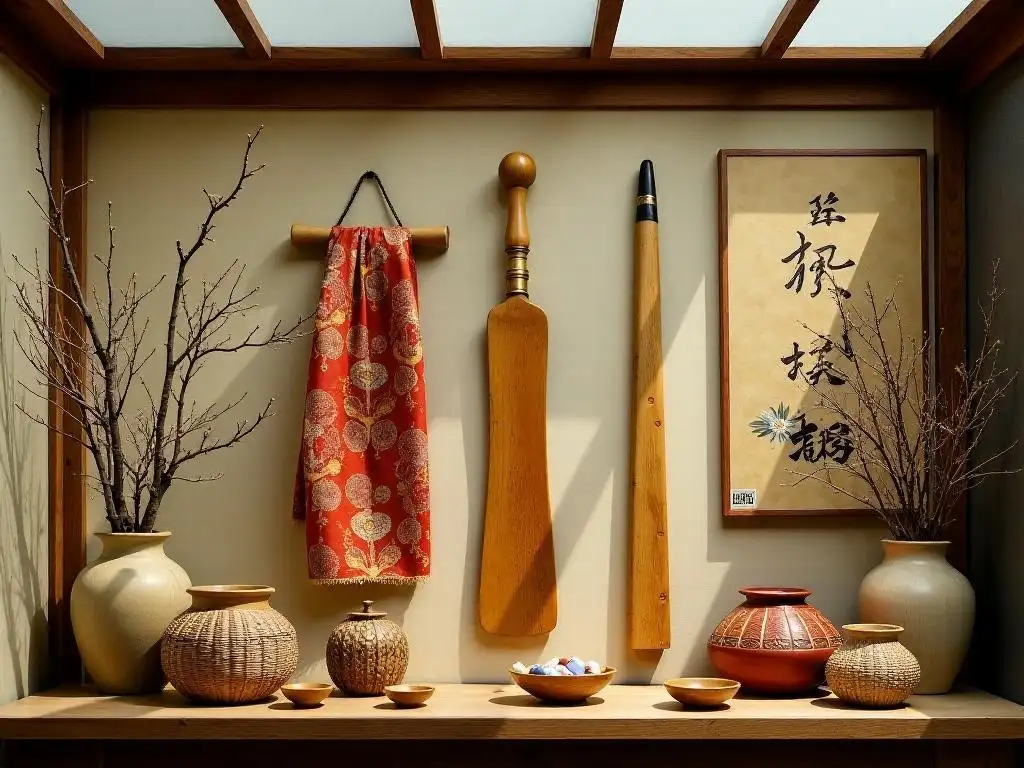
During Japan's isolationist period, particularly under the Tokugawa shogunate (1603-1868), traditional crafts became a vital expression of Japanese identity. This era saw the flourishing of various artisan skills, with crafts such as pottery, textiles, and woodworking gaining prominence. The uniqueness of these crafts not only showcased regional characteristics but also embodied the cultural values of Japan.
- Regional Variations: Each region developed its own distinct craft styles. For instance, Arita porcelain from Kyushu and Kyo-yaki from Kyoto both reflect the local materials and techniques available, serving as a testament to the craftsmanship of their respective areas.
- Symbolism and Spirituality: Many crafts, such as kimono weaving and ceramics, were imbued with symbolic meanings, reflecting spiritual beliefs and practices. The motifs used in textiles often conveyed auspicious messages or connected to nature, sending a message about the importance of harmony with the environment.
In essence, these crafts became more than mere products; they were mediums through which artisans expressed cultural narratives and societal values, reinforcing a sense of belonging and identity among the Japanese people.
The Role of Crafts in Society and Daily Life
Crafts played an integral role in the daily lives of individuals and communities during Japan's isolationist policies. They served not only as economic activities but also as social bonds that connected people across different layers of society.
- Economic Contributions: Traditional crafts contributed significantly to local economies. Artisans often formed cooperatives or guilds, allowing them to pool resources and share techniques, which enhanced productivity and ensured the survival of these crafts. For example, the Edo period saw the rise of ukiyo-e (woodblock prints), which became immensely popular and economically viable, allowing artists to thrive.
- Cultural Preservation: Craftsmanship also played a key role in preserving cultural heritage. The transmission of skills from one generation to the next ensured that traditional techniques remained alive. Festivals and local markets showcased these crafts, encouraging community participation and pride.
- Social Structure: The hierarchical nature of society during this time also influenced craft production. Artisans often belonged to specific classes, with master craftsmen commanding respect and authority in their communities. This class structure not only dictated the quality and type of crafts produced but also shaped the social fabric of local societies.
The crafts of isolationist Japan were deeply woven into the fabric of daily life, serving as a reflection of cultural identity while simultaneously fostering economic stability and social cohesion. The impact of Japan's isolationist policies was profound, allowing these traditional crafts to flourish in a unique context that has shaped Japan's historical narrative.
Comparative Analysis: Japan vs. Other Isolationist Societies
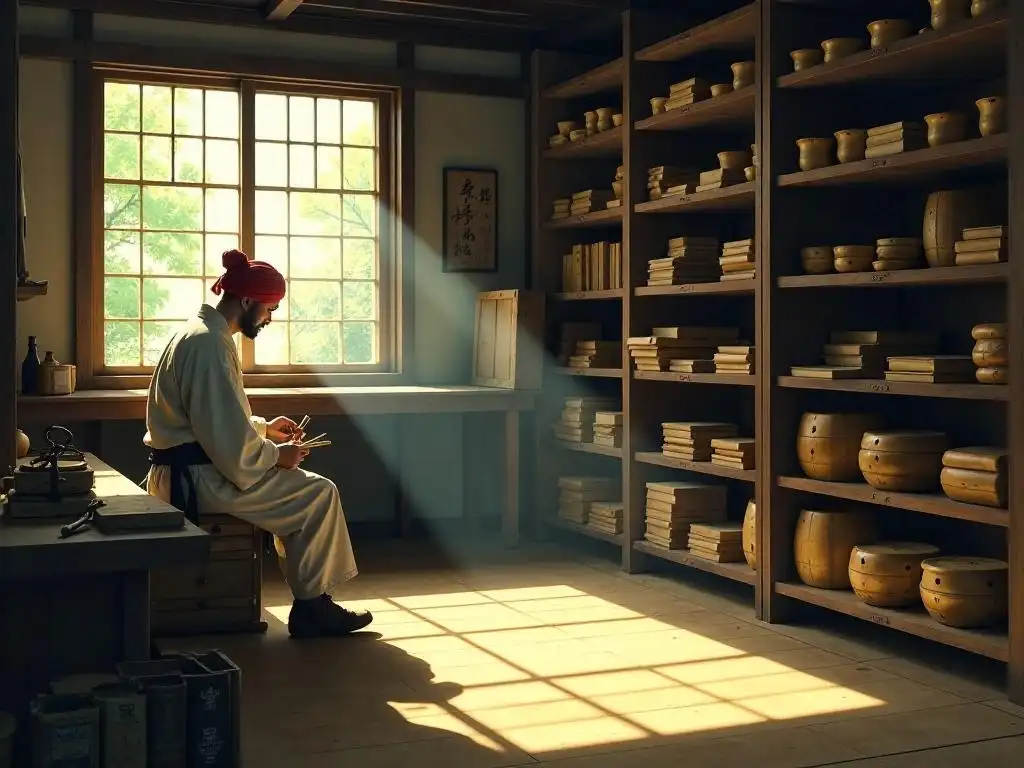
In examining the impact of isolationist policies on traditional crafts and industries, it is insightful to compare Japan's experience with that of other societies that implemented similar strategies. Countries such as China, Korea, and even European nations during the Middle Ages faced unique challenges and opportunities as they navigated periods of self-imposed isolation.
Similarities and Differences in Craft Evolution
Both Japan and other isolationist societies experienced significant changes in their craft industries due to restrictive trade policies. However, the specific outcomes varied considerably based on cultural, geographical, and historical contexts.
- Cultural Preservation:
- Japan: The Tokugawa shogunate's policies (1603-1868) effectively fostered a unique environment where traditional crafts such as pottery, textiles, and woodblock printing flourished. The lack of external influence allowed artisans to refine their techniques and styles, leading to the emergence of distinct regional crafts.
- China: Similarly, during the Ming and Qing dynasties, China prioritized internal craftsmanship, leading to the refinement of porcelain and silk production. However, the scale of production often overshadowed the individual artisan, as large workshops became prevalent.
- Economic Impacts:
- Japan: The self-sufficient economy promoted by isolationism allowed local crafts to thrive without competition from foreign goods. Artisans enjoyed greater job security but faced limitations in accessing new materials and innovations.
- Korea: In contrast, Korea's isolationist policies during the Joseon Dynasty led to a stagnation in craft innovation. Reliance on traditional techniques without external influences resulted in a slower evolution of craft styles compared to Japan.
- Adaptation and Resilience:
- Japan: The adaptability of Japanese craftsmen is evident in their ability to incorporate limited foreign influences post-isolation (e.g., during the Meiji Restoration). This adaptability led to a unique blend of traditional and modern crafts.
- European Societies: In medieval Europe, isolation led to localized craft styles. However, unlike Japan's eventual integration of foreign techniques, many European crafts struggled to revitalize after periods of isolation, often remaining stagnant until the Renaissance.
Lessons Learned from Japan’s Isolationist Policies
Japan's isolationist policies offer valuable lessons for understanding the interplay between isolation and craft development.
- Sustaining Traditional Knowledge: The preservation of traditional crafts during the Edo period highlights the importance of nurturing local knowledge and skills. As Japan focused on internal development, it created a robust environment for artisans, ensuring that traditional techniques were not lost.
- Balancing Isolation with Innovation: Japan's eventual embrace of foreign influences post-isolation demonstrates the need for a balance between preserving cultural heritage and allowing for innovation. The ability of Japanese crafts to evolve and incorporate new ideas is a key takeaway, showcasing that isolation does not have to equate to stagnation.
- Economic Resilience through Craft: The stability provided by a thriving craft industry during isolation underscores the potential for economic resilience. Craft industries can serve as a backbone for local economies, providing employment and fostering community identity.
While Japan's isolationist policies created unique challenges and opportunities for traditional crafts, the comparison with other isolationist societies reveals both commonalities and divergences in how crafts evolved. The lessons learned highlight the importance of sustaining traditional knowledge and finding pathways for innovation, even within isolationist frameworks.
Conclusion: Lasting Effects of Japan's Isolationist Policies on Crafts
The isolationist policies of Japan, particularly during the Edo period (1603-1868), have had profound and lasting effects on the country's traditional crafts and industries. These policies, primarily aimed at maintaining internal stability and preventing foreign influence, inadvertently shaped the landscape of Japanese craftsmanship. The restrictions on trade and foreign interaction led to both the preservation and the stagnation of various artisanal practices.
One of the most significant outcomes was the development of unique styles and techniques that became synonymous with Japanese culture. For instance, pottery, textiles, and woodblock printing flourished in the absence of foreign competition, allowing artisans to hone their skills and develop distinctive aesthetics. However, this insular approach also meant that Japanese crafts faced challenges when confronted with global influences post-isolation, leading to a complex interplay between tradition and modernity.
Summary of Key Impacts on Traditional Crafts and Industries
- Preservation of Techniques:
- The isolationist policies allowed traditional methods to be preserved without external pressures. For example, the intricate processes of Kintsugi (the art of repairing pottery with gold) became more refined due to the lack of foreign competition.
- Regional Specialization:
- Different regions in Japan developed their own specialties, such as Aizome (indigo dyeing) in Tokushima and Miyama pottery in Kyoto. This regionalism fostered a rich tapestry of craft that varied significantly across the country.
- Limited Innovation:
- While traditional crafts were preserved, the lack of foreign influences also led to a stagnation in innovation. Many artisans focused on replicating established techniques rather than experimenting with new ideas or materials.
- Cultural Identity:
- Crafts became a crucial element of national identity, with many traditional practices tied closely to regional festivals and local customs. This cultural significance provided a sense of pride and continuity among communities.
- Economic Challenges:
- The insularity also created economic challenges for artisans. Limited markets meant that many crafts struggled to find a broader audience, impacting their sustainability and growth.
Reflection on the Future of Japanese Crafts in a Globalized World
As Japan continues to engage with the global economy, traditional crafts face both opportunities and challenges. The revival of interest in handmade and artisanal products globally can benefit Japanese craftsmen, allowing them to reach wider audiences and gain recognition for their skills.
However, this globalization poses a risk of dilution of traditional techniques and aesthetics. The influx of foreign styles and materials may lead to a blending of cultures that could overshadow the authenticity of Japanese crafts.
To navigate this landscape, artisans and industry leaders must balance the preservation of traditional methods with the need for innovation. Collaborative projects between traditional craftsmen and contemporary designers could pave the way for new interpretations of classic techniques, keeping the essence of Japanese craftsmanship alive while embracing modern influences.
While Japan's isolationist policies had significant impacts on traditional crafts and industries, the future offers a dynamic interplay between tradition and globalization. Embracing both heritage and innovation will be crucial for sustaining the rich legacy of Japanese crafts in a rapidly changing world.
Frequently Asked Questions
What were Japan's isolationist policies?
Japan's isolationist policies, mainly during the Edo period, limited foreign influence and trade. This allowed for the development of unique cultural practices and traditional crafts.
How did isolation impact traditional crafts in Japan?
The isolationist policies encouraged the growth and preservation of traditional crafts, as artisans focused on local materials and techniques without outside competition.
What role did artisans play during Japan's isolation?
Artisans became guardians of cultural heritage, preserving and enhancing traditional crafts. Their craftsmanship evolved, reflecting Japanese aesthetics and values during this time.
Did isolationism affect the economy of Japan's crafts?
Yes, the isolationist policies initially protected local industries, but later limited market access and slowed innovation, which impacted the overall economic growth of crafts.
How are traditional crafts viewed in modern Japan?
Today, traditional crafts are highly valued as part of Japan's cultural identity. They are celebrated for their craftsmanship and are often incorporated into contemporary design, showcasing their enduring legacy.
Final Reflection: The Enduring Legacy of Japan's Isolationist Policies on Traditional Crafts
Japan's isolationist policies have profoundly shaped its traditional crafts and industries, creating a unique cultural landscape that continues to resonate today. The intricate techniques and time-honored practices that emerged during this period not only reflect Japan's rich heritage but also serve as a testament to the resilience of its artisans. As we navigate an increasingly globalized world, the importance of preserving these crafts becomes ever more significant, reminding us of the beauty that can arise from solitude and self-sufficiency.
The impact of Japan's isolationist policies is evident in the way traditional crafts have evolved and adapted over time, influencing both local and global art scenes. The meticulous craftsmanship found in pottery, textiles, and woodworking speaks to a dedication that transcends generations. Craftsmanship is not just about making things; it's about making things that matter.
This quote encapsulates the essence of how these traditional practices have not only survived but flourished, fostering a sense of identity and continuity within Japanese culture while inspiring artisans worldwide.
As we reflect on the lessons drawn from Japan's isolationist past, let us consider how we can apply these insights to our own lives. Take a moment to appreciate the craftsmanship around you, whether it's in your community or in your daily interactions. Embrace the idea that isolation can lead to innovation and creativity, encouraging you to explore your own passions and crafts. By valuing and supporting traditional practices, we can ensure that the legacy of these artisans endures, enriching our cultural tapestry for generations to come.
Thank you for taking the time to explore the fascinating world of Japan’s traditional crafts and industries. You’ve gained a deeper understanding of how history shapes artistry and cultural heritage. Now, it’s time to take action and delve into these unique aspects further!
- Immerse yourself in the beauty of traditional Japanese crafts by visiting a local artisan workshop or an online gallery that showcases these incredible skills.
- Engage with our community! Share your insights about Japanese craftsmanship on social media, or join discussion groups dedicated to preserving these rich traditions.
- Discover further resources — consider reading books or watching documentaries that explore the intricate history and techniques behind Japanese crafts.
Which traditional craft from Japan are you most eager to learn more about, and what draws your interest to it?