
The Role of Foreign Influences in Shaping Edo's Urban Identity

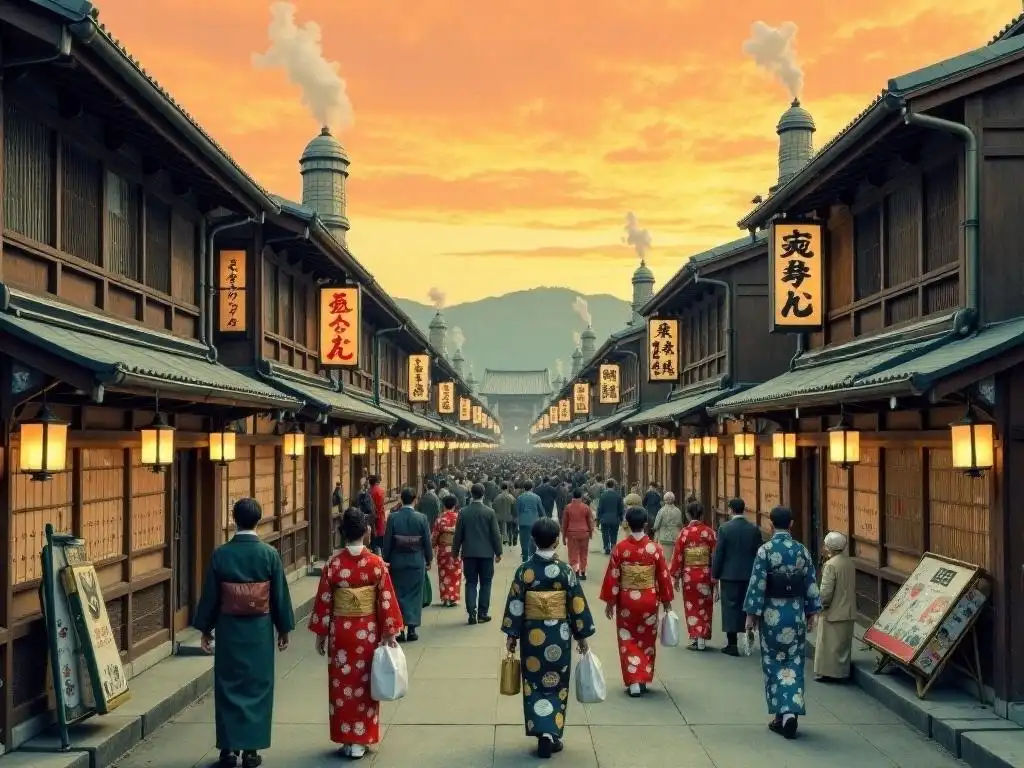
Welcome to Feudal Japan History! Here, we invite you to delve into the intricate tapestry of Japan’s feudal era, where every thread tells a story of resilience, transformation, and cultural exchange. In our featured article, “The Role of Foreign Influences in Shaping Edo's Urban Identity,” we uncover the fascinating dynamics of how external forces sculpted the vibrant culture of Edo. Prepare to embark on a journey through time, as we explore the economic history that not only shaped a city but also left an indelible mark on an entire nation. Curiosity awaits—let's begin unraveling the mysteries together!
Introduction to Edo's Urban Identity
The Edo period, spanning from 1603 to 1868, marked a transformative era in Japan's history, characterized by the flourishing of urban culture and the development of a distinct urban identity in Edo, now known as Tokyo. This article delves into the profound impact of foreign influences on Edo's culture and urban identity, highlighting how interactions with various foreign entities shaped social, economic, and cultural dynamics within this vibrant metropolis.
By examining the historical backdrop and specific encounters that contributed to the evolution of Edo, we aim to provide a comprehensive understanding of how foreign influences played a crucial role in shaping the identity of this iconic city during its formative years.
Overview of Edo Period (1603-1868)
The Edo period, initiated by the Tokugawa shogunate, heralded a time of relative peace and stability in Japan after centuries of civil war. This era witnessed significant urbanization, with Edo emerging as one of the largest cities in the world, boasting a population that surpassed one million by the mid-18th century.
The shogunate's policies encouraged trade, commerce, and cultural exchanges, not just within Japan, but also with foreign nations. The period was marked by a unique blend of isolationism and controlled engagement with the outside world, which allowed Edo to develop a multifaceted urban identity influenced by diverse cultural elements.
Definition of Urban Identity in Historical Context
Urban identity refers to the characteristics, values, and cultural expressions that define a city's unique social fabric. In the context of Edo, urban identity encapsulated a dynamic mix of traditional Japanese culture and foreign elements, which were integrated into daily life, art, and societal norms. This identity was not static; it evolved as Edo interacted with various foreign influences, from traders to missionaries, which facilitated the exchange of ideas, goods, and customs. Understanding this fluidity is essential to appreciating how Edo's urban identity was forged over time.
Importance of Foreign Influences on Edo Culture
Foreign influences played a pivotal role in shaping Edo's cultural landscape. These influences introduced new ideas, technologies, and artistic expressions that enriched the existing Japanese culture and led to innovative developments in various fields, including cuisine, fashion, and art. The interaction with foreign traders and diplomats also paved the way for the introduction of Western scientific knowledge, which would later significantly impact Japan's modernization efforts. By examining these influences, we gain insight into the complexities of Edo's urban identity and the ways in which it was shaped by external factors.
Historical Background of Foreign Influences on Edo Culture
Early Encounters with Foreign Traders
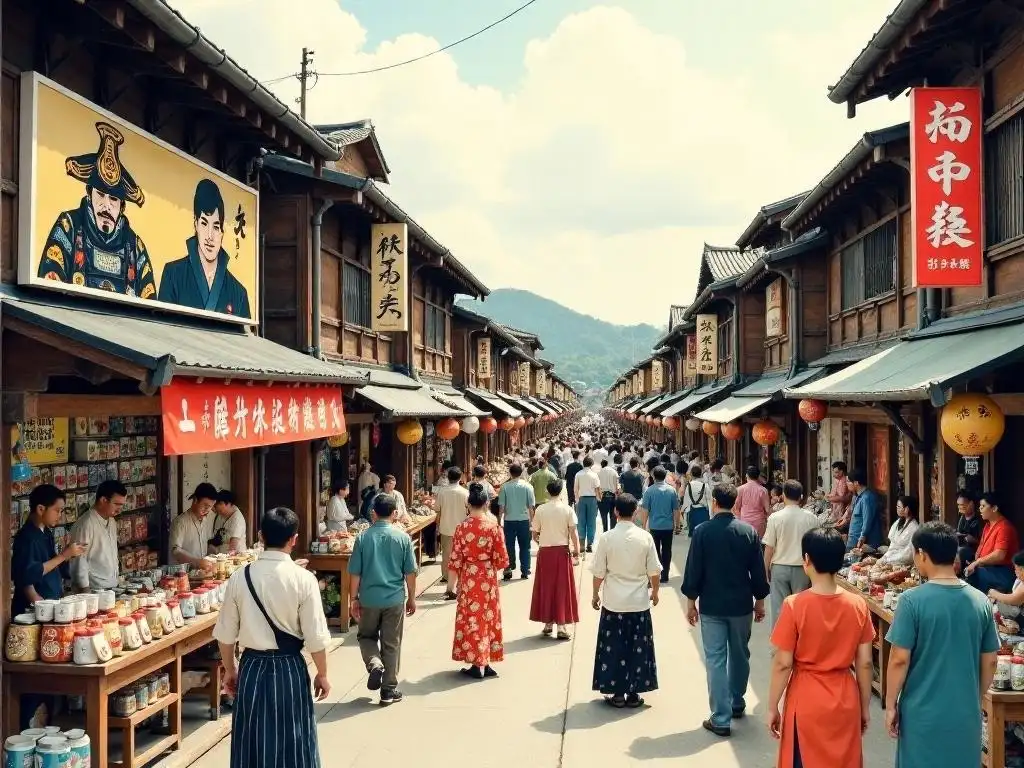
Edo's history of foreign influences began with early encounters between Japanese merchants and foreign traders, particularly those from the Portuguese and Dutch. In the 16th century, the arrival of Portuguese traders brought not only goods but also new ideas and technologies, including firearms and the introduction of Christianity. These initial contacts laid the groundwork for more extensive interactions that would follow in the Edo period.
The Arrival of European Powers in Japan
By the early 17th century, European powers, particularly the Dutch and the English, began to establish trading relationships with Japan. The Dutch, in particular, became the only nation allowed to trade with Japan during the sakoku (closed country) policy, leading to a unique form of cultural exchange. The Dutch brought European literature, scientific knowledge, and artistic influences that permeated Edo society, contributing to a broader understanding of the world beyond Japan's shores.
The Impact of Cultural Exchange on Edo Society
The cultural exchange between Edo and foreign traders significantly impacted urban life. It influenced various aspects of daily living, from food and clothing to entertainment and education. The introduction of new culinary practices led to the emergence of unique dishes that blended Japanese and foreign elements, while the influx of Western art and literature inspired local artists and writers. This cultural dynamism not only enriched Edo's urban identity but also fostered a spirit of curiosity and innovation that would resonate throughout Japan's history.
Key Foreign Influences on Edo's Urban Development
Edo, now known as Tokyo, emerged as a vibrant urban center during the Edo period (1603-1868). The city's identity was significantly shaped by various foreign influences that introduced new ideas, goods, and cultural practices. One of the most noteworthy influences came through trade, particularly with the Dutch at the Nagasaki port, which functioned as Japan's sole gateway to the outside world during the Sakoku policy (national isolation). This limited interaction nonetheless brought a wealth of knowledge, technology, and foreign goods that began to permeate Edo's cultural landscape.
In addition to trade, the influx of foreign diplomats, merchants, and missionaries, albeit restricted, contributed to the city's diverse urban identity. These interactions prompted a unique blend of local customs with foreign elements, resulting in an evolving social fabric characterized by adaptability and innovation. This dynamic interplay ultimately fostered a rich cultural environment that would leave an indelible mark on Edo's development.
Trade and Economic Impacts of Foreign Trade
The economic landscape of Edo was profoundly influenced by foreign trade, particularly through the Dutch East India Company. The Dutch were permitted to conduct limited trade, specifically in Nagasaki, which led to the introduction of new commodities such as textiles, spices, and even Western scientific knowledge. This trade enriched the local economy, creating a demand for exotic goods that were then sold in Edo's burgeoning markets.
The economic impacts were significant as the influx of foreign goods led to the establishment of diverse merchant classes and the rise of a consumer culture. As Edo became a hub for trade, the city experienced rapid urbanization, attracting people from rural areas seeking opportunities in commerce. The resulting economic boom played a crucial role in shaping the urban identity of Edo, transforming it into a dynamic center of trade and cultural exchange.
Cultural Exchange and Its Effects on Edo Culture
Cultural exchange during the Edo period was not limited to economic transactions; it also involved the sharing of ideas, art forms, and social practices. The interactions with foreign merchants and scholars brought new artistic influences, particularly in ukiyo-e (woodblock prints) and painting styles that incorporated Western techniques such as perspective and shading. This adaptation not only enriched local artistic expressions but also sparked a fascination with Western aesthetics among the Japanese populace.
Moreover, educational exchanges flourished, with Dutch learning (Rangaku) emphasizing the importance of Western science, medicine, and technology. This knowledge transfer had lasting effects on Japanese society, encouraging curiosity and innovation that would eventually lead to modernization in the Meiji era. The cultural exchanges during this period were fundamental in shaping a unique urban identity for Edo, reflecting a blend of traditional Japanese and foreign influences.
The Cultural Mosaic of Edo: A Blend of Local and Foreign Elements
Edo's urban identity was characterized by a cultural mosaic that seamlessly integrated local traditions with foreign influences. This blend was evident in various aspects of daily life, from architectural styles to social customs. The result was a city that embodied a unique juxtaposition of the familiar and the exotic, showcasing the adaptability of its people.
Integration of Foreign Practices into Japanese Traditions
One of the most significant aspects of Edo's cultural development was the integration of foreign practices into Japanese traditions. This integration was particularly visible in culinary arts, where ingredients and cooking techniques from abroad were adopted into local cuisine. For instance, the introduction of tempura, influenced by Portuguese cooking, became a staple dish enjoyed across Edo.
Additionally, foreign festivals and celebrations began to influence local customs. The adaptation of certain Western festivities into the traditional Japanese calendar reflected a willingness to embrace new cultural experiences while maintaining a sense of local identity. This cultural syncretism contributed to a vibrant urban atmosphere that celebrated both heritage and innovation.
The Role of Religion and Spiritual Exchanges
Religious exchanges also played a crucial role in shaping Edo's urban identity. While Shinto and Buddhism remained dominant, the arrival of Christianity and other belief systems introduced new spiritual ideas and practices. This exchange fostered a dialogue between different religious traditions, leading to a more pluralistic approach to spirituality within the urban populace.
Moreover, temples and shrines began to incorporate foreign architectural styles and motifs, reflecting the blending of local and foreign religious practices. This fusion not only enriched the spiritual landscape of Edo but also provided a sense of cosmopolitanism that attracted people from various backgrounds, further enhancing the city's cultural identity.
Festivals and Cuisine: A Fusion of Cultures
Festivals in Edo showcased the blend of local and foreign influences, often featuring elements from different cultures that reflected the city's diverse urban identity. Events like the Sanja Matsuri, while rooted in Shinto traditions, began to incorporate parades and performances that exhibited Western theatrical influences. This blending of cultural elements created a festive atmosphere that celebrated both local heritage and foreign contributions.
Culinary practices in Edo also illustrated this fusion of cultures. The city's cuisine evolved to include a variety of foreign ingredients and dishes, creating a unique culinary landscape. Dishes such as sushi, while traditional, incorporated techniques and ingredients influenced by foreign trade, making Edo a center for gastronomic innovation.
Overall, the role of foreign influences on Edo culture was pivotal in shaping the city's urban identity, creating a dynamic and diverse cultural environment that thrived on the interaction of local and global elements.
The Societal Impact of Foreign Influences on Edo's Identity
The foreign influences on Edo culture played a crucial role in molding the urban identity of the city during the Edo period (1603-1868). As Japan gradually opened its doors to international trade and cultural exchange, particularly with the Dutch and Chinese, the infusion of new ideas, goods, and technologies began to transform the societal landscape of Edo. This interaction not only enriched the cultural fabric of the city but also challenged existing norms and practices, leading to significant shifts in social structures and community dynamics.
Changes in Social Structures and Class Dynamics
One of the most profound effects of foreign influences was the transformation of social hierarchies within Edo society. The rigid class system, composed of samurai, farmers, artisans, and merchants, began to experience a degree of fluidity as commerce thrived. Wealth generated from trade with foreign entities allowed merchants to ascend socially, often rivaling the traditional samurai class. This shift was particularly evident in the rise of the chōnin (townspeople), who became prominent players in Edo's cultural and economic life.
The introduction of foreign goods, such as textiles and ceramics, also altered consumption patterns. As new products became available, they influenced the tastes and lifestyles of various social classes, leading to a consumption culture that blurred the lines between classes. The growth of Kabuki theater and ukiyo-e (woodblock prints) reflected this democratization of culture, where themes of everyday life and social mobility resonated with a broader audience.
The Influence on Education and Knowledge Exchange
Foreign influences significantly impacted education and knowledge dissemination in Edo. The establishment of rangaku (Dutch learning) introduced Western sciences, medicine, and technology to Japan. Scholars began to study Western texts, translating them into Japanese, which fostered a new intellectual environment. This exchange of knowledge not only advanced various fields, including medicine and astronomy but also encouraged a spirit of inquiry and critical thinking among the samurai and educated classes.
Moreover, the influx of foreign ideas catalyzed the establishment of new schools and institutions, promoting a more diverse educational landscape. The combination of traditional Confucian values with Western thought laid the groundwork for a more nuanced understanding of governance, science, and philosophy, influencing the leadership and future direction of Japan.
The Role of Foreign Influences in Urban Planning
The urban planning of Edo was also influenced by foreign ideas and practices. The city’s layout, which originally followed a feudal design, began to incorporate concepts from Western urban planning. This included the introduction of wider roads, well-organized marketplaces, and public spaces that encouraged social interaction.
The influence of foreign architectural styles is also evident in the construction of public buildings and temples. Elements such as brick and stone structures, which were uncommon in traditional Japanese architecture, started to appear, showcasing a blend of aesthetic sensibilities. This architectural hybridization not only enriched the visual landscape of Edo but also reflected the city's evolving identity as a cosmopolitan hub.
Challenges and Resistance to Foreign Influences
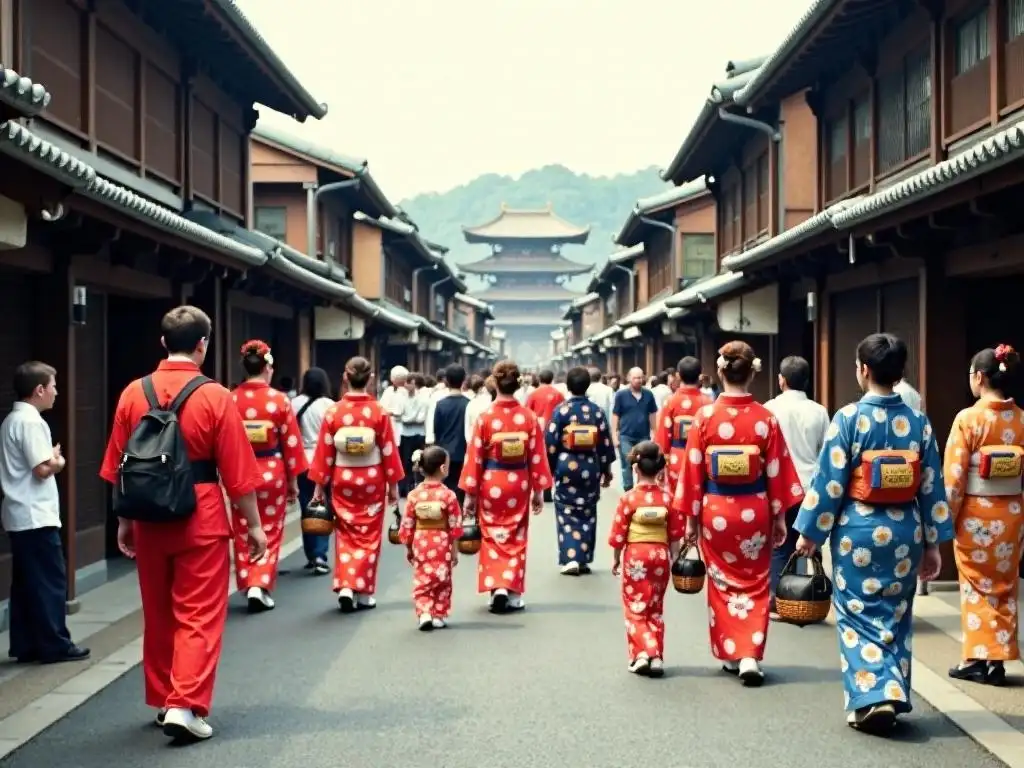
Despite the positive transformations brought about by foreign influences, Edo society also faced significant challenges and resistance. Traditionalists and segments of the population viewed these changes with suspicion, fearing that foreign ideas could undermine Japan’s cultural heritage and social stability.
The Reaction of Traditionalists in Edo Society
Traditionalists in Edo society reacted strongly against foreign influences, advocating for the preservation of Japanese customs and values. The concept of "Sonno Joi" (revere the emperor, expel the barbarians) gained traction among some factions, highlighting the tension between embracing foreign knowledge and maintaining a distinct Japanese identity.
This resistance often manifested in social movements and political discourse, where the value of tradition was upheld against the perceived threats of modernization. The struggle for dominance between traditionalists and progressives created a dynamic cultural landscape, where debates over identity and belonging became central to Edo's urban experience.
Conflicts Arising from Cultural Exchange
Cultural exchange, while enriching, also led to conflicts within Edo society. The introduction of foreign ideas sometimes provoked anxiety and backlash, particularly among the samurai class, who feared losing their status and authority. The emergence of new social classes and the popularity of foreign-influenced cultural practices, such as theater and literature, often clashed with traditional norms.
Furthermore, incidents of cultural appropriation and misunderstandings between different social groups led to tensions. These conflicts highlighted the complexities of identity formation in a rapidly changing urban environment, as Edo navigated the delicate balance between embracing new influences and honoring its historical roots.
The Balance between Tradition and Innovation
Finding a balance between tradition and innovation became imperative for Edo as it embraced foreign influences while striving to maintain its cultural integrity. The city’s ability to adapt and integrate new ideas without losing its essence exemplified a nuanced approach to urban identity.
This balance was reflected in various cultural expressions, where traditional art forms began to incorporate elements of foreign influence, leading to unique hybrid styles. The blending of old and new ultimately allowed Edo to flourish as a vibrant urban center, showcasing the resilience and adaptability of its people amidst the tides of change.
Through this intricate interplay of foreign influences and traditional values, Edo’s urban identity was crafted as a unique tapestry, illustrating the complexities of cultural exchange in a historical context.
Conclusion: The Legacy of Foreign Influences on Edo's Urban Identity
The legacy of foreign influences on Edo's urban identity is profound and multifaceted. During a time when Japan was largely isolated from the rest of the world due to the Sakoku policy, the limited interactions that did occur were significant in shaping not only the physical landscape of Edo but also its cultural fabric. The integration of foreign elements—whether through trade, diplomacy, or the exchange of ideas—contributed to the city's development as a vibrant cultural hub.
Edo's identity was continually molded by various external influences, ranging from architectural styles to culinary practices. This blending of local and foreign elements fostered a unique urban environment that facilitated innovation and cultural synthesis. As a result, Edo became a reflection of both its indigenous traditions and the subtle yet impactful external forces that permeated its society.
Recap of Key Points on Foreign Influences
- Trade and Commerce: The establishment of trade routes and the presence of foreign merchants introduced new goods and ideas, enriching Edo's market and lifestyle.
- Cultural Exchange: The limited foreign contacts allowed for a selective incorporation of foreign cultural aspects, such as Western scientific knowledge and artistic techniques, which were adapted to fit local tastes.
- Architectural Influences: The introduction of foreign architectural styles influenced the design of public buildings and residences, contributing to the unique cityscape of Edo.
- Religious and Philosophical Ideas: The exchange of philosophical thoughts, particularly from the Dutch and Chinese, enriched Edo's intellectual landscape, leading to a dynamic discussion of ethics, governance, and society.
- Social Practices: The interaction with foreign cultures influenced social customs, festivals, and culinary practices, which became a part of Edo's vibrant urban identity.
Lasting Effects on Modern Japanese Urban Identity
The influences from the Edo period have left a lasting imprint on contemporary Japanese urban identity. Modern cities like Tokyo still reflect the historical amalgamation of domestic and foreign elements that characterized Edo. The architectural diversity, culinary innovation, and cosmopolitan atmosphere of present-day Japan can be traced back to the cultural exchanges that occurred during the Edo period.
Moreover, the open-mindedness towards foreign ideas and practices established during Edo has persisted, fostering a culture that embraces globalization while retaining its unique heritage. This balance between tradition and modernity continues to shape urban life in Japan, making it a dynamic and evolving cultural landscape.
Reflection on the Importance of Cultural Exchange in History
Cultural exchange has historically been a catalyst for growth and innovation. The interactions between Edo and foreign cultures illustrate how exposure to different ideas and practices can lead to a richer, more diverse society. The ability to adapt and integrate foreign influences has enabled societies to evolve, as seen in Edo's transformation into a bustling metropolis that combined indigenous customs with novel concepts.
Understanding the significance of these exchanges serves as a reminder of the interconnectedness of societies throughout history. It highlights the value of open dialogue and the sharing of ideas, which are essential for fostering mutual understanding and progress in an increasingly globalized world.
References and Further Reading on Foreign Influences in Edo Culture
Suggested Books and Articles
- The Making of Modern Japan by James L. McClain: This comprehensive work explores the historical evolution of Japan, including the Edo period's foreign influences.
- Edo Culture: Daily Life and Diversions in Urban Japan, 1600-1868 by Timon Screech: An insightful look into daily life in Edo, highlighting the impact of foreign influences on urban culture.
- Japan's Foreign Relations in the 19th Century by John W. Hall: This book examines the international relations of Japan during the Edo period, providing context for foreign interactions.
Additional Resources for In-Depth Exploration
- Online Archives: The National Diet Library of Japan provides access to historical documents and records pertaining to Edo's interactions with foreign cultures.
- Cultural Exhibitions: Museums in Japan often host exhibitions focused on the Edo period, showcasing artifacts that illustrate the foreign influences on Japanese culture.
- Documentaries and Lectures: Various educational platforms offer documentaries and lectures on Edo's history and cultural exchanges, providing visual and narrative context to the subject matter.
By exploring these resources, readers can gain a deeper understanding of the complexities surrounding foreign influences on Edo culture and their significance in shaping Japan's urban identity.
- Introduction to Edo's Urban Identity
- Overview of Edo Period (1603-1868)
- Definition of Urban Identity in Historical Context
- Importance of Foreign Influences on Edo Culture
- Historical Background of Foreign Influences on Edo Culture
- Key Foreign Influences on Edo's Urban Development
- The Cultural Mosaic of Edo: A Blend of Local and Foreign Elements
- The Societal Impact of Foreign Influences on Edo's Identity
- Challenges and Resistance to Foreign Influences
- Conclusion: The Legacy of Foreign Influences on Edo's Urban Identity
- References and Further Reading on Foreign Influences in Edo Culture
Frequently Asked Questions
What were the primary foreign influences on Edo culture?
The primary foreign influences included trade with the Dutch and Chinese, which introduced new ideas, goods, and technologies that significantly shaped urban life and cultural practices in Edo.
How did foreign trade impact Edo's urban identity?
The influx of foreign goods and cultural ideas through trade fostered a unique urban identity in Edo, characterized by a blend of traditional Japanese elements and international influences.
What role did Christianity play in Edo's cultural development?
While Christianity was largely suppressed during the Edo period, its introduction brought about new philosophies and artistic expressions, influencing Japanese culture despite restrictions.
How did the Dutch contribute to Edo's cultural landscape?
The Dutch, as the only European nation permitted to trade with Japan, brought scientific knowledge and Western art, which enriched Edo's cultural heritage and intellectual landscape.
What lasting effects did foreign influences have on modern Japan?
The foreign influences during the Edo period laid the groundwork for Japan's modernization and global engagement, impacting everything from arts to technology in contemporary society.
Final Reflection: The Enduring Legacy of Foreign Influences on Edo Culture
The intricate tapestry of Edo's urban identity is woven with threads of foreign influences that continue to resonate in contemporary society. As we explore the historical interplay between external cultures and Edo's unique traditions, it becomes evident that these influences have not only shaped the past but also inform our present understanding of cultural identity. The dynamic exchange of ideas and practices has left an indelible mark on Edo, illustrating how cultures can coexist and enrich one another in profound ways.
Edo's cultural landscape is a testament to the power of diversity and adaptation. The blending of foreign elements with local customs has fostered a vibrant urban identity that remains relevant today. This ongoing dialogue between cultures serves as a reminder of our shared humanity and the potential for growth through understanding. As the renowned cultural historian Edward Said once said, "> The interplay of cultures is not a zero-sum game; rather, it is a source of enrichment and innovation." This perspective encourages us to embrace the complexities of cultural exchange and recognize its role in shaping our identities.
As we reflect on the lessons drawn from Edo's history, let us consider how we can apply these insights to our own lives. Embrace the diversity around you and seek to understand the influences that shape your community. By fostering an appreciation for the myriad cultures that contribute to our urban identities, we can cultivate a more inclusive and harmonious society.
Take a moment to reflect on the foreign influences in your own life—how have they shaped your identity, your values, and your understanding of the world? In doing so, we honor the legacy of Edo and pave the way for a future enriched by cultural exchange and collaboration.
Thank you for diving into the rich tapestry of Edo's urban identity! You've uncovered the profound impact of foreign influences on the city's evolution. Now it's time to take that knowledge further and explore how these dynamics resonate in today’s world.
Here’s how you can deepen your engagement with this fascinating topic:
- Explore further: Dive into historical texts or documentaries about Edo's interactions with foreign cultures to understand their influence on architecture, daily life, and traditions.
- Join the conversation: Share your insights with friends or participate in online forums dedicated to Japanese history. Which foreign influences do you find most intriguing?
- Actively engage: Visit a local exhibit or museum focused on Japanese history or culture to experience firsthand the elements that shaped Edo.
What unique perspectives do you think Edo’s history offers on the formation of urban identities in the modern world?