
Cultural Nuances: Understanding Japanese Idioms in Samurai Contexts


Welcome to Feudal Japan History, where we invite you to journey through the captivating tapestry of Japan’s feudal era. Here, you will uncover the intricate cultural, historical, and societal threads that shaped a remarkable time in history. In our featured article, “Cultural Nuances: Understanding Japanese Idioms in Samurai Contexts,” we delve into the profound wisdom embedded in Japanese idioms that not only reflect the samurai ethos but also illuminate the essence of their world.
Are you ready to unlock the secrets behind these powerful expressions? Join us as we explore the language that defined an era and discover how it continues to resonate today.
- Introduction to Japanese Idioms in Samurai Culture
- Key Japanese Idioms in Samurai Contexts
- Understanding the Origins of Samurai Idioms
- Analyzing Idioms in Samurai Films
- Practical Applications: Learning Japanese Idioms through Samurai Culture
- Conclusion: The Lasting Legacy of Samurai Idioms
- Frequently Asked Questions
- Final Reflection: Embracing the Wisdom of Japanese Idioms in Samurai Culture
- Unveil the Depth: Master Japanese Idioms Today!
Introduction to Japanese Idioms in Samurai Culture
The intricate tapestry of feudal Japan is woven not only with the threads of its historical events and societal structures but also with the rich language that evolved during this era. Understanding Japanese idioms in samurai culture offers a unique glimpse into the values, beliefs, and philosophies that shaped the lives of the samurai and the society around them.
These idioms serve as a reflection of the samurai's way of life, their moral codes, and their interactions with others, encapsulating profound meanings in succinct phrases. Exploring these idioms helps us grasp the deeper cultural nuances that define the samurai spirit, making it an essential area of study for anyone interested in the language and history of Japan.
The Importance of Language in Feudal Japan
Language in feudal Japan was a vital tool for communication, education, and cultural expression. The samurai class, known for their discipline and values such as loyalty and honor, used language not only to convey messages but also to instill their ideals into the fabric of society.
- Cultural Transmission: Language served as a medium through which samurai traditions, philosophies, and historical narratives were passed down through generations.
- Social Hierarchy: The way language was used reflected the strict social hierarchy of the time. Different forms of speech were employed depending on the status of the speaker and the listener.
- Idiomatic Expressions: Many idioms emerged from the samurai's experiences and philosophies, often drawing from nature, warfare, and everyday life. These expressions encapsulate complex ideas about bravery, loyalty, and honor in a manner that is both poetic and memorable.
Understanding these linguistic nuances not only enriches our knowledge of the samurai but also enhances our appreciation for the Japanese language as a whole.
Overview of Samurai Culture and Its Influence on Language
Samurai culture, characterized by its distinct codes of conduct such as Bushido, has profoundly influenced the development of the Japanese language. The samurai were not only warriors but also scholars and artists, contributing to a rich cultural milieu that shaped the idiomatic expressions still in use today.
- Philosophical Underpinnings: Many idioms derived from samurai literature and teachings reflect the philosophical principles of the samurai, such as resilience, justice, and the transient nature of life.
- Artistic Expression: The samurai engaged in various forms of art, including poetry, calligraphy, and theater, which further enriched the language with idiomatic expressions that conveyed deeper meanings and emotions.
- Modern Relevance: Today, these idioms continue to resonate in Japanese society, often used in everyday conversation and media, including popular samurai films.
By exploring the intersection of language and samurai culture, we can gain insight into how historical contexts shape linguistic expressions and how these expressions, in turn, inform our understanding of feudal Japan.
Key Japanese Idioms in Samurai Contexts

Common Japanese Idioms Used by Samurai
Understanding Japanese idioms in samurai culture provides profound insight into the values and beliefs that shaped the lives of these warriors. Here are two idioms frequently associated with samurai philosophy:
"The Nail That Sticks Out Gets Hammered" (出る釘は打たれる)
This idiom emphasizes the importance of conformity and humility within the samurai community. It suggests that those who stand out or draw attention to themselves may face criticism or punishment. The phrase encourages individuals to adhere to societal norms and expectations, reinforcing the samurai code of loyalty and self-discipline.
In practice, this idiom can be observed in the behavior of samurai who often prioritize group harmony over personal ambition. For example, during clan meetings, a samurai who expresses dissent or seeks to dominate discussions may be seen as a target for social reproach. This reflects a broader cultural attitude that values collective identity over individual achievement.
"Biting the Bullet" (弾丸を噛む)
This idiom, while originating from a different context, resonates strongly with the samurai spirit of endurance and resilience. It refers to facing a painful situation with courage and determination, often in the face of adversity. In samurai culture, this concept is vital, as warriors often had to confront life-or-death situations without flinching.
Samurai would metaphorically "bite the bullet" when going into battle, accepting the risks and challenges ahead. This idiom embodies the samurai's commitment to their duty and the readiness to face hardships without complaint.
Cultural Significance of These Idioms in Samurai Life
The idioms mentioned above are not just expressions but encapsulate core values of samurai culture, reflecting their way of life and their societal roles.
Expressions of Honor and Courage
In samurai society, honor was paramount. Idioms like "The Nail That Sticks Out Gets Hammered" serve as reminders of the need to maintain one's honor by conforming to the accepted norms of behavior. Honor dictated that one must act for the greater good of the clan, often requiring personal sacrifice.
Similarly, "Biting the Bullet" illustrates the courage that samurai were expected to exhibit. They were trained to confront fear and pain head-on, which was essential for maintaining their reputation and fulfilling their duties. These expressions of bravery and honor were not merely personal attributes; they were crucial to the samurai's identity and societal expectations.
Reflections of Loyalty and Duty
Loyalty was another cornerstone of samurai culture, and many idioms reflect this value. The concept of loyalty is intricately tied to the idea of duty, where a samurai's allegiance to their lord and clan superseded personal desires. The use of idioms like "The Nail That Sticks Out Gets Hammered" reinforces the idea that loyalty to the group is paramount, and deviation from this path can lead to severe consequences.
Furthermore, idioms that evoke the spirit of enduring hardship, such as "Biting the Bullet," serve as a testament to the unwavering duty samurai felt toward their leaders and their family. These idioms encapsulate the ethos of selflessness and dedication that defined samurai life, emphasizing that true strength lies in fulfilling one’s obligations, regardless of the personal cost.
Understanding the Origins of Samurai Idioms
Historical Background of Samurai Language
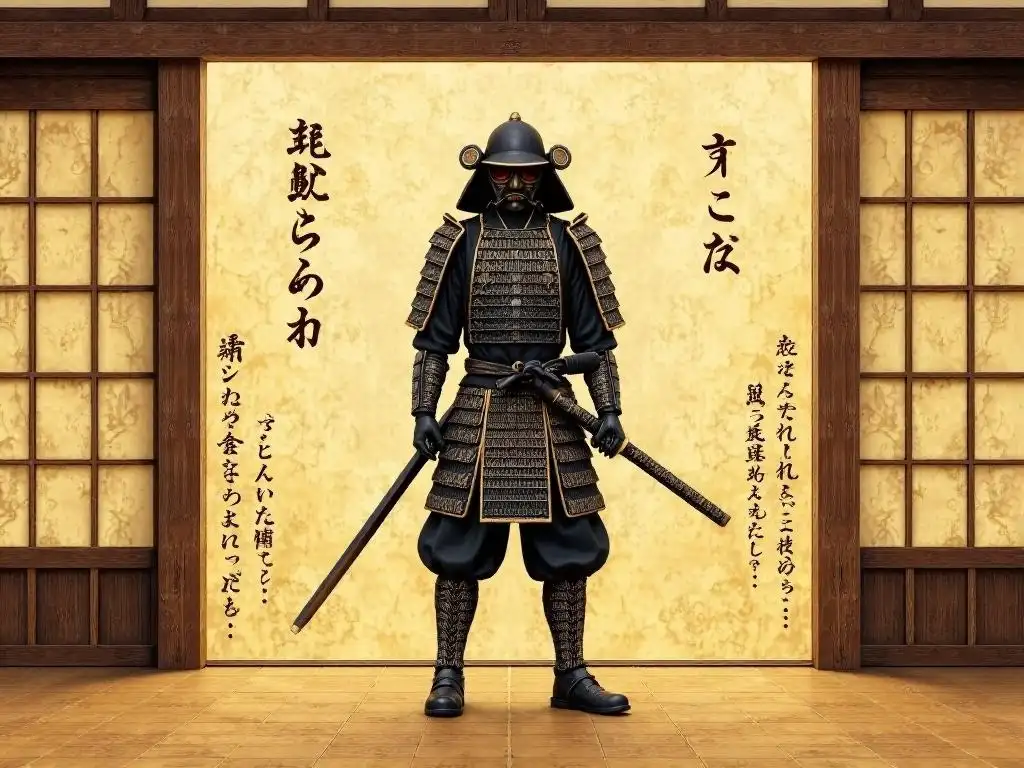
The language spoken during the feudal era of Japan was heavily influenced by the samurai class, which played a pivotal role in shaping the country's culture and societal norms. The samurai, as the warrior nobility, used a particular dialect known as bushi-go, characterized by its formal and honorific expressions. This dialect was not merely a way of speaking; it was imbued with the values of respect, loyalty, and discipline, which were central to the samurai ethos.
From the 12th century onwards, the samurai language began to evolve, developing idiomatic expressions that reflected their worldview and experiences. These idioms often drew from the principles of Bushido, the code of conduct that governed samurai behavior. For instance, expressions like "一生懸命" (isshokenmei), meaning "with utmost effort," encapsulate the samurai’s dedication to their duties. This idiomatic richness provides insight into the samurai's mindset, revealing how language served as both a tool for communication and a means of instilling cultural values.
The Role of Bushido in Shaping Language
Bushido, often translated as "the way of the warrior," had a profound impact on the formation of Japanese idioms in samurai culture. The ethical framework of Bushido emphasized virtues such as honor, courage, and loyalty, which permeated the language used by samurai. Idiomatic expressions often reflected these core values, encapsulating complex ideas in concise phrases.
For example, the idiom "武士は食わねど高楊枝" (bushi wa kuwanedo takayōji), which translates to "a samurai may go hungry but will not lower his chopsticks," signifies the importance of maintaining dignity and honor, even in difficult circumstances. This idiom exemplifies how language was used to reinforce the samurai's identity and social standing, serving as a reminder of their obligations to uphold their principles.
Evolution of Japanese Idioms Over Time
As Japan transitioned through various historical periods, the language continued to evolve, incorporating new influences while retaining its samurai roots. The Meiji Restoration in the late 19th century marked a significant turning point, as Japan opened up to Western ideas and languages. This period saw a blending of traditional samurai idioms with modern expressions, resulting in a richer and more diverse linguistic landscape.
The idiomatic expressions of the samurai era began to merge with contemporary vernaculars, influencing everyday speech in Japan. Many samurai idioms remain in use today, often appearing in literature, media, and conversations, illustrating the lasting legacy of the samurai culture on the Japanese language.
Influence of Literature and Poetry
The literary works produced during the samurai era also played a crucial role in the evolution of Japanese idioms. Renowned samurai poets and authors, such as Matsuo Bashō and Yosa Buson, infused their writings with idiomatic expressions that captured the spirit of their time. Their poetry often reflected the samurai’s connection to nature, honor, and the transient nature of life, leading to the creation of idioms that resonate with these themes.
For instance, the phrase "月が綺麗ですね" (tsuki ga kirei desu ne), meaning "the moon is beautiful, isn't it," is understood to convey deeper sentiments of love and longing, subtly highlighting the samurai's appreciation for beauty amidst duty. This kind of nuanced language illustrates how samurai culture influenced artistic expression, leading to the creation and preservation of idioms that enrich the Japanese language even today.
The exploration of Japanese idioms in samurai culture reveals a fascinating interplay between language, history, and values. The enduring nature of these idioms underscores their significance, not only as linguistic expressions but as vessels of cultural heritage that continue to resonate in modern Japan.
Analyzing Idioms in Samurai Films
How Movies Portray Japanese Idioms in Samurai Contexts
Samurai films, a prominent genre in Japanese cinema, serve as a rich tapestry for understanding the cultural nuances embedded in Japanese idioms. These films not only entertain but also encapsulate the essence of samurai ethos, revealing how language reflects societal values, beliefs, and historical contexts.
Japanese idioms often carry profound meanings that resonate with the samurai’s code of honor, loyalty, and duty. For instance, "一石二鳥" (isseki nichou), which translates to "one stone, two birds," signifies achieving two goals with a single action. This concept is frequently mirrored in samurai narratives where strategic thinking and resourcefulness are pivotal. The portrayal of these idioms in films enhances the viewer's understanding of the samurai's lifestyle and philosophy.
When samurai characters use idioms, it often occurs in moments of tension or moral decision-making, emphasizing their weight and significance. The cinematic context provides a backdrop where viewers can appreciate the idioms not just as phrases, but as reflections of a deeply ingrained cultural identity. These cinematic portrayals enrich the audience’s comprehension of both the language and the samurai culture.
Key Films Featuring Samurai Idioms
Several key films stand as notable examples of how idioms are woven into samurai narratives. Here are a few essential titles:
- "Seven Samurai" (1954): Directed by Akira Kurosawa, this film is a cornerstone of samurai cinema that showcases various idioms through dialogue and character interactions.
- "Rashomon" (1950): Another Kurosawa masterpiece that delves into the complexities of truth and perspective, often utilizing idiomatic expressions to convey deeper meanings.
- "Harakiri" (1962): This film employs idioms to illustrate the samurai's struggles against the rigid societal norms of feudal Japan.
- "The Twilight Samurai" (2002): A more modern take that captures the essence of samurai life, highlighting idioms that reflect personal sacrifice and familial duty.
These films not only highlight the linguistic richness of idiomatic expressions but also serve as a lens through which cultural values are articulated and examined.
Examples from "Seven Samurai" and "Rashomon"
In "Seven Samurai," the idiom "刀を抜く" (katana wo nuku), meaning "to draw the sword," is used metaphorically to indicate readiness for battle or conflict. This phrase encapsulates the samurai's commitment to their cause and serves as a rallying point for the characters as they prepare to defend a village from bandits.
Conversely, "Rashomon" employs the idiom "言わぬが花" (iwanu ga hana), which translates to "not saying is a flower." This expression reflects the beauty of silence and the complexities of human nature, perfectly aligning with the film’s exploration of subjective truth. The use of such idioms highlights the profound moral dilemmas faced by the characters, enhancing the narrative’s depth.
Impact of Samurai Films on Language Learning
The influence of samurai films extends beyond entertainment; they play a crucial role in language learning, particularly for those interested in Japanese idioms. As learners engage with these films, they are exposed to authentic language usage that reflects cultural and historical contexts.
Incorporating Idioms into Modern Japanese
Incorporating idioms into modern Japanese usage is essential for grasping the language's nuances. Language learners can benefit significantly from studying idiomatic expressions found in samurai films. By analyzing dialogues and scenes, learners can:
- Enhance Vocabulary: Understanding idioms expands one's vocabulary, allowing for more expressive and nuanced communication.
- Cultural Insight: Learners gain insights into cultural values and historical contexts that shape the language.
- Contextual Learning: Engaging with idioms in cinematic contexts helps learners remember and apply phrases in real-life situations, making language acquisition more effective.
To maximize language learning, students are encouraged to create task lists focused on identifying and using idioms, such as:
- Watch a selected samurai film.
- Take note of idiomatic expressions used by characters.
- Discuss the meanings and cultural significance of these idioms in study groups.
- Practice using the idioms in context through writing or conversation.
By immersing themselves in the language through samurai cinema, learners can develop a deeper appreciation for Japanese idioms, enriching their understanding of both the language and the culture that shapes it.
Practical Applications: Learning Japanese Idioms through Samurai Culture

Exploring Japanese idioms in samurai culture offers a unique lens through which learners can understand the language, its nuances, and the historical context surrounding these expressions. By integrating samurai themes into language learning, students not only acquire new vocabulary but also gain insights into the values and philosophies that shaped feudal Japan. This section discusses various resources and activities that can enhance the learning experience.
Recommended Resources for Studying Japanese Idioms
Books on Samurai Culture and Language
Books are invaluable resources for understanding the intricate relationship between language and culture. Here are some recommended titles focusing on samurai culture and the relevant idioms:
-
“The Samurai’s Garden” by Gail Tsukiyama
This novel beautifully weaves Japanese culture and language, providing context for various idioms as they appear in dialogue and narrative. Readers can explore idiomatic expressions in a historical setting, enhancing comprehension.
-
“Bushido: The Soul of Japan” by Inazo Nitobe
This classic text delves into the ethical code of the samurai, presenting idioms that reflect samurai values such as honor and loyalty. It serves as a great reference for understanding how language encapsulates cultural ideals.
-
“Japanese Idioms: A Comprehensive Guide” by Masahiro Takahashi
This guide includes a section dedicated to idioms used in samurai contexts, offering explanations and examples that can enrich a learner's vocabulary and cultural knowledge.
Online Courses and Language Learning Apps
With the rise of technology, numerous platforms offer courses and content focused on Japanese idioms within samurai contexts. Some notable options include:
-
Duolingo
While not specifically focused on samurai culture, Duolingo includes stories and exercises that can introduce learners to idioms in engaging ways. Users can supplement their learning with samurai-themed content.
-
Coursera - Japanese Language and Culture
This course offers modules dedicated to idiomatic expressions, with discussions on how samurai culture influences language use.
-
Tandem Language Exchange App
Through this app, learners can connect with native speakers who share an interest in samurai culture, allowing for the exchange of idiomatic expressions in authentic conversations.
Activities to Enhance Understanding of Idioms
Role-playing Scenarios Inspired by Samurai Films
Engaging in role-playing activities can significantly enhance the understanding of idioms. Here are some strategies:
-
Scripted Dialogues
Create dialogues inspired by famous samurai films, incorporating idiomatic expressions. Participants can act out scenes, which helps reinforce language use in context.
-
Improvisation
Encourage learners to improvise scenes using idioms relevant to samurai culture. This spontaneity aids in internalizing idioms and understanding their practical applications.
-
Film Analysis
Analyze scenes from samurai films, focusing on the idiomatic expressions used. Discuss their meanings and implications, linking back to the samurai ethos.
Language Exchange Programs Focused on Samurai Themes
Participating in language exchange programs can create immersive experiences that deepen understanding of Japanese idioms:
-
Themed Language Exchanges
Organize meetups where participants discuss samurai culture, share idioms, and practice language skills in a focused environment. This thematic approach keeps learners engaged.
-
Cultural Workshops
Join workshops that explore samurai history, art, and literature while incorporating language learning. This dual focus enhances vocabulary and cultural appreciation.
-
Online Forums and Communities
Engage with online groups dedicated to samurai culture and language learning. Sharing idiomatic expressions and their contexts in discussions can provide valuable insights and foster connections.
By utilizing these practical applications, learners can effectively absorb Japanese idioms in samurai culture, enriching their language skills and cultural knowledge in a meaningful way.
Conclusion: The Lasting Legacy of Samurai Idioms
The legacy of samurai idioms transcends mere words; they encapsulate the ethos and values of a society that revered honor, loyalty, and discipline. As we delve into the complexities of Japanese idioms in samurai culture, it becomes clear that these expressions serve as cultural artifacts, reflecting the historical context in which they were born. The idioms are not just linguistic tools; they are windows into the worldview of the samurai, illustrating how language shaped and was shaped by the social dynamics of feudal Japan.
Understanding these idioms provides insight into the samurai's moral compass and the societal expectations of the time. For instance, expressions like "the nail that sticks out gets hammered down" (出る釘は打たれる) highlight the importance of conformity and humility, traits that were highly valued within samurai society. Such idioms continue to resonate in contemporary Japanese, demonstrating the enduring influence of samurai culture on modern language.
Reflections on Language and Culture in Feudal Japan
Examining Japanese idioms in samurai culture offers a unique lens through which to view the intricate interplay between language and societal norms. Language in feudal Japan was not merely a means of communication; it was deeply intertwined with identity, status, and cultural expectations.
- Cultural Significance: Samurai idioms often reveal the underlying philosophies of bushido, the way of the warrior, and how these principles governed not only the actions of samurai but also their speech. For example, the phrase "a single stroke of the brush can change the world" (一筆で世界が変わる) emphasizes the power of decisive action and the importance of craftsmanship, reflecting the samurai's dedication to their skills.
- Linguistic Evolution: Many idioms have evolved over centuries, adapting to new contexts while retaining core meanings. This evolution mirrors Japan's transition from feudalism to modernity, as idioms that were once exclusive to samurai culture have permeated broader society, enriching the Japanese language.
- Educational Tools: These idioms serve as excellent educational tools for those learning Japanese, as they provide context and deeper meanings behind vocabulary. Understanding idioms enhances language acquisition by connecting learners to Japan's rich historical narratives and cultural subtleties.
Encouragement to Explore Japanese Language Through Samurai Stories
Engaging with Japanese idioms in samurai culture offers a captivating approach to learning the language, especially through the lens of samurai stories in films and literature. Here are some ways to immerse yourself in this enriching experience:
- Watch Samurai Films: Films such as "Seven Samurai" (七人の侍) and "Yojimbo" (用心棒) are not only entertaining but also rich in cultural references. Pay close attention to the dialogue; you'll encounter idioms that reflect the characters' values and motivations.
- Read Literature: Explore novels and historical texts that feature samurai themes. Works by authors like Eiji Yoshikawa provide context for idioms and reveal the cultural significance behind them.
- Practice Using Idioms: Try incorporating idioms into your daily conversations or writing. This practice will deepen your understanding of their meanings and applications, enhancing your fluency.
- Join Language Groups: Participate in language exchange groups or online forums focused on Japanese. Discussing samurai culture and idioms with others can provide new perspectives and learning opportunities.
By embracing the idiomatic expressions rooted in samurai culture, learners can cultivate a richer understanding of both the language and the historical context that shaped it. As you embark on this linguistic journey, remember that each idiom is a thread in the tapestry of Japan's feudal history, waiting to be explored and appreciated.
Frequently Asked Questions
What are Japanese idioms in samurai culture?
Japanese idioms in samurai culture are expressions that reflect the values, beliefs, and philosophies of the samurai, often emphasizing themes like honor, loyalty, and bravery.
How do idioms enhance the understanding of samurai values?
Idioms serve as cultural markers, providing insight into the ethical principles and social norms that governed samurai life, thus enriching our understanding of their historical context.
Can you give examples of idioms commonly used by samurai?
Common idioms include phrases like "the nail that sticks out gets hammered down," which highlights the importance of conformity and humility in samurai culture.
How are these idioms relevant today?
Many idioms from samurai culture are still used today, illustrating their enduring relevance in modern Japanese society, particularly in discussions about courage and integrity.
Where can I learn more about Japanese idioms and samurai history?
For a comprehensive exploration, consider reading expert-driven articles on Feudal Japan History, which delve into historical, cultural, and societal aspects of the samurai era.
Final Reflection: Embracing the Wisdom of Japanese Idioms in Samurai Culture
The exploration of Japanese idioms within the samurai context reveals a profound connection between language and cultural identity. In today's globalized world, where cultures often blend and intermingle, understanding these idioms offers us a unique lens through which to appreciate the values and philosophies of a rich heritage. The wisdom encapsulated in these expressions not only enriches our understanding of samurai culture but also serves as a reminder of the timeless principles that can guide our lives today.
The influence of samurai idioms extends far beyond historical contexts; they resonate deeply within contemporary society, shaping our perspectives and interactions. As we navigate the complexities of modern life, these idioms remind us of the virtues of honor, resilience, and loyalty that the samurai embodied. Words are the voice of the heart,
a Japanese proverb that underscores the importance of language in conveying deep-seated values. By embracing these idioms, we can cultivate a greater appreciation for the nuances of communication and the cultural narratives that shape our identities.
As we reflect on the lessons embedded in these idioms, I invite you to consider how you can incorporate their wisdom into your own life. Take a moment to ponder the values that resonate with you and how they can guide your actions and decisions. By embracing the teachings of the past, we can forge a path that honors tradition while navigating the future with purpose and integrity. Let the wisdom of samurai culture inspire you to cultivate a life rich in meaning and connection.
Unveil the Depth: Master Japanese Idioms Today!
Thank you for diving into the rich tapestry of Japanese idioms within the samurai context! Your curiosity not only enriches your understanding of feudal Japan, but also deepens your connection to its culture. Now it’s time to take what you’ve learned and apply it in exciting new ways!
Here are some actionable steps to expand your journey:
- Join a cultural workshop focused on the Japanese language and idioms—immerse yourself in the art of conversation.
- Share your newfound knowledge with friends; start engaging discussions on social media platforms using your favorite idioms.
- Explore resources such as books or online courses about Japanese culture; discover the nuances that shape this fascinating history.
As you continue to explore, consider this: Which Japanese idiom resonates most with your own experiences, and how can you apply its wisdom to your life?