
Samurai Films as a Cultural Lens: Expanding Your Japanese Vocabulary

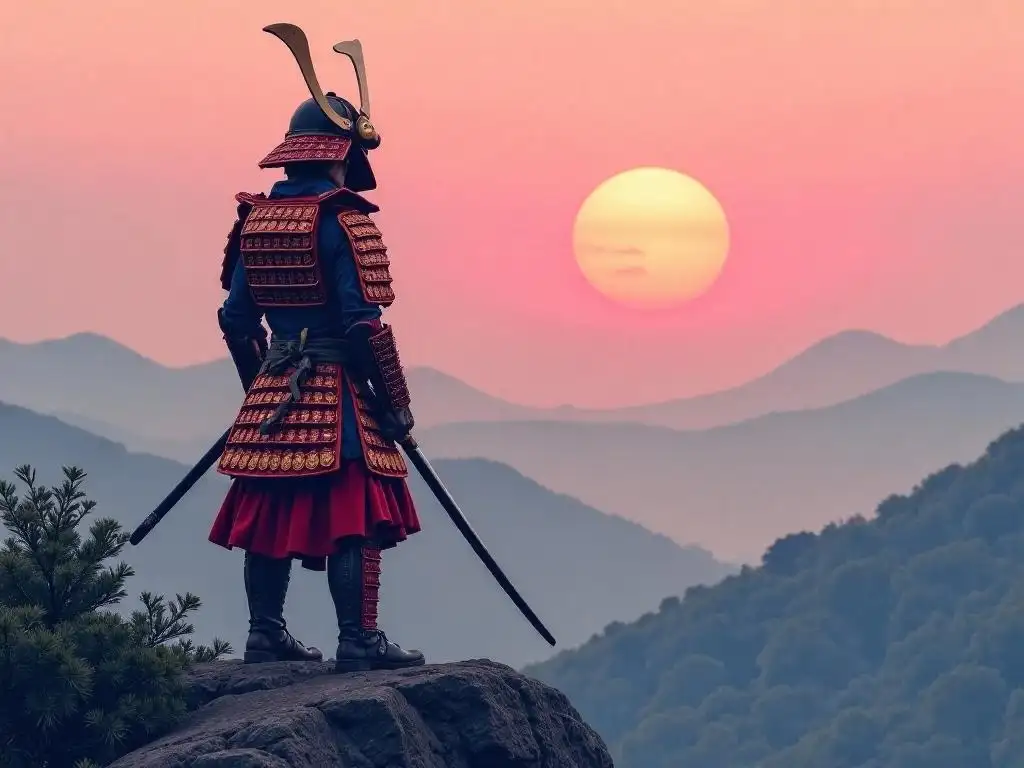
Welcome to Feudal Japan History, where we embark on a fascinating journey through the intricate tapestry of Japan’s feudal era. Here, you’ll uncover the profound influence of samurai films on Japanese culture, revealing how these cinematic masterpieces serve as a cultural lens that enriches our understanding of language and society. Prepare to dive deep into our latest article, “Samurai Films as a Cultural Lens: Expanding Your Japanese Vocabulary,” and discover how the art of storytelling shapes not just narratives but also the very words we use. Intrigued? Let’s explore the intersection of film and language together!
- Introduction to Samurai Films and Japanese Culture
- Historical Context of Samurai Films
- Language Learning Through Samurai Films
- Recommended Samurai Films for Language Learners
- Analyzing Themes in Samurai Films
- Techniques for Learning Japanese Through Samurai Films
- Conclusion: The Impact of Samurai Films on Language and Culture
- Additional Resources for Learning Japanese through Film
- Frequently Asked Questions
- Final Reflection: Samurai Films as a Gateway to Understanding Japanese Culture
- Unleash Your Inner Samurai: Expand Your Vocabulary Today!
Introduction to Samurai Films and Japanese Culture
Samurai films have long captivated audiences both in Japan and around the world, serving as a unique cultural lens through which to explore the rich tapestry of Japanese history and society. These films not only entertain but also provide valuable insights into the values, traditions, and dynamics that shaped Japan during its feudal era.
By examining the heroic narratives, moral dilemmas, and intricate character developments found in samurai cinema, viewers can gain a deeper understanding of the Japanese language, its nuances, and the cultural context in which it thrives. As we delve into the world of samurai films, we will uncover how these cinematic masterpieces contribute to language learning, making them an essential resource for anyone looking to expand their Japanese vocabulary while immersing themselves in the essence of Japanese culture.
Understanding the Cultural Significance of Samurai Films
Samurai films, or "chanbara", emerged as a distinct genre in Japanese cinema during the early 20th century, with their roots deeply embedded in the samurai's historical role as warriors and protectors of the feudal system. These films often portray themes of honor, loyalty, and sacrifice, reflecting the Bushido code, which guided the samurai in their conduct and duties. Through compelling storytelling and visually striking action sequences, samurai films resonate with audiences by evoking a sense of nostalgia for a time when valor and integrity were paramount.
Moreover, samurai films serve as a cultural artifact, offering a glimpse into the societal norms and expectations of their time. They highlight the complexities of the samurai's existence, from their strict adherence to duty to the emotional turmoil that arises from conflict and betrayal. These narratives allow viewers to engage with important cultural concepts, such as "giri" (duty) and "ninjo" (human emotion), which are integral to understanding the Japanese worldview.
The Influence of Samurai Films on Language Learning
Engaging with samurai films is not only an enjoyable way to appreciate Japanese culture but also a highly effective method for language learning. The dialogues, idiomatic expressions, and historical references in these films provide learners with authentic language exposure. By watching samurai films, learners can:
- Enhance Vocabulary: Encountering new words and phrases in context helps reinforce memory and understanding.
- Improve Listening Skills: The varied speech patterns and dialects in samurai films challenge learners to develop their listening comprehension.
- Cultural Context: Understanding the cultural background behind certain expressions and terms enriches the learning experience, making language acquisition more meaningful.
Incorporating samurai films into language learning not only makes the process enjoyable but also immerses learners in the cultural nuances that shape the Japanese language. By exploring this unique intersection of cinema and language, learners can truly appreciate the depth and richness of Japanese culture while expanding their vocabulary in a dynamic and engaging way.
Historical Context of Samurai Films
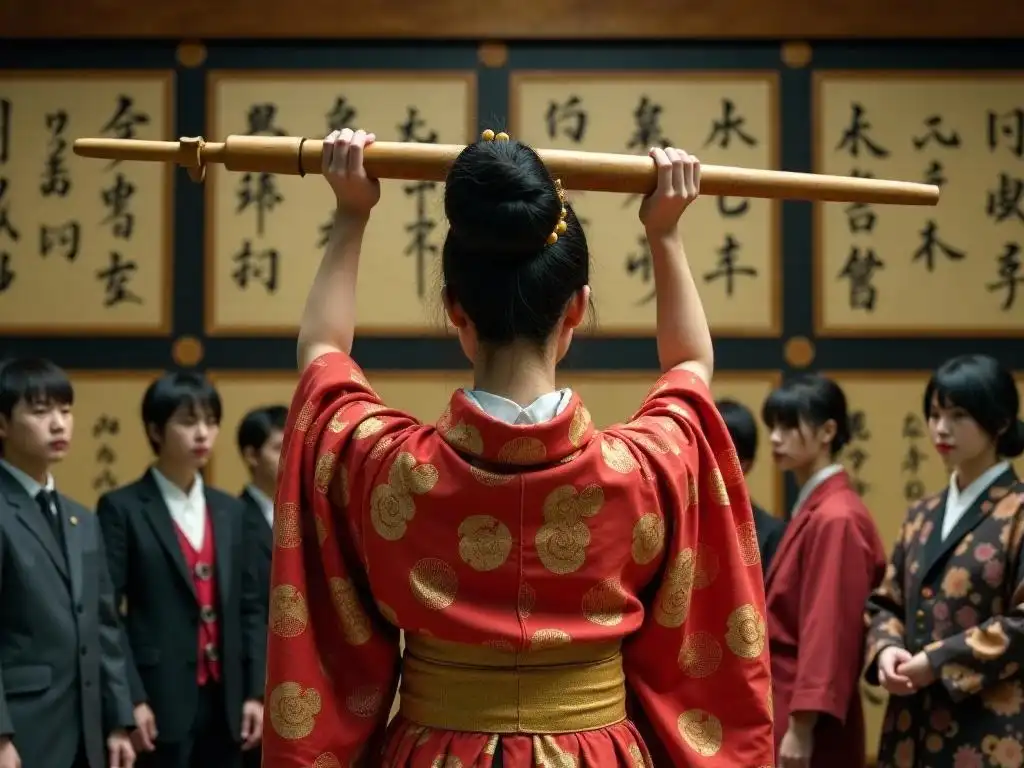
The historical context of samurai films provides a rich tapestry of cultural, societal, and artistic influences that shape these cinematic masterpieces. The samurai, as an icon of Japanese culture, symbolizes not only martial prowess but also the ethical codes and philosophies that permeate Japanese society. Understanding this context is essential in appreciating how samurai films reflect and influence Japanese culture.
The Evolution of Samurai Cinema in Japan
The samurai film genre, known as jidaigeki, emerged in the early 20th century and has undergone significant changes throughout its history.
- Silent Era (1910s-1930s): The roots of samurai cinema can be traced back to silent films, where theatrical performances and storytelling were paramount. Early films often depicted heroic tales based on historical figures and folklore, laying the groundwork for future narratives.
- Post-War Boom (1950s-1960s): The post-World War II period saw a resurgence in samurai films, driven by a growing domestic and international audience. Directors like Akira Kurosawa revolutionized the genre with films such as Seven Samurai (1954), which combined action with profound philosophical themes and character development.
- Modern Interpretations (1970s-Present): The 1970s introduced a wave of revisionist samurai films that challenged traditional narratives. Filmmakers like Masaki Kobayashi and Takashi Miike explored the darker aspects of the samurai code, questioning loyalty and honor. Today, samurai films continue to evolve, blending genres and appealing to contemporary sensibilities while maintaining their cultural roots.
Key Historical Events Depicted in Samurai Films
Samurai films often draw upon pivotal moments in Japan's history, capturing the essence of the samurai ethos and the societal transformations of the time. Some of the key events include:
- The Sengoku Period (1467-1615): This era of civil war and political upheaval is frequently depicted in samurai films. The struggle for power among warlords (daimyō) and the rise of legendary figures such as Oda Nobunaga and Toyotomi Hideyoshi provide a rich backdrop for narratives of loyalty and betrayal.
- The Meiji Restoration (1868): The transition from feudalism to modernization is a common theme in samurai cinema. Films often portray the conflict between traditional samurai values and the encroaching influence of Western ideologies and modernization, reflecting the societal tensions of the time.
- World War II and Its Aftermath: The portrayal of samurai during and after World War II often serves as a metaphor for Japan's struggle with its identity. Films from this period may depict the samurai's honor in the face of national shame or explore themes of redemption and reconciliation.
Major Directors and Their Contributions to Samurai Films
Several directors have made significant contributions to the samurai film genre, shaping its narrative style and cultural impact:
- Akira Kurosawa: Widely regarded as the master of samurai cinema, Kurosawa's works, including Yojimbo (1961) and Ran (1985), are characterized by their innovative storytelling, dynamic cinematography, and deep philosophical undertones. His films have not only influenced Japanese cinema but have also left a lasting impact on global filmmaking.
- Masaki Kobayashi: Known for his epic trilogy The Human Condition (1959-1961), Kobayashi explored the moral dilemmas faced by individuals in wartime Japan. His films often critique the samurai code and highlight the struggles of humanity amid societal expectations.
- Takeshi Kitano: A contemporary filmmaker, Kitano's approach to samurai films merges traditional elements with modern storytelling techniques. His film Zatoichi (2003) reimagines the classic blind swordsman narrative, blending humor, violence, and introspection in a unique style.
Through their unique visions, these directors have not only shaped the narrative of samurai films but have also contributed to a deeper understanding of Japanese culture and its historical complexities. Each film serves as a cultural lens, offering insights into the values, struggles, and transformations of Japanese society across different eras.
Language Learning Through Samurai Films

Samurai films offer a unique and engaging way to immerse yourself in Japanese language and culture. These cinematic masterpieces not only entertain but also serve as a rich resource for language learners. By watching samurai films, viewers are exposed to various aspects of Japanese society, including honor, loyalty, and the bushido code, while simultaneously encountering a wealth of vocabulary and phrases that are integral to understanding the language.
The historical context provided in these films allows learners to see how language evolves with cultural shifts. For instance, the language used in samurai films often reflects the time period depicted, which can help learners understand the nuances of politeness levels, archaic terms, and regional dialects. Furthermore, the emotional depth and dramatic narratives enable learners to grasp the subtleties of expression, making the language learning experience more relatable and impactful.
As viewers delve into the world of samurai cinema, they will not only enhance their understanding of the language but also gain insights into the cultural values that shape Japanese identity today. This dual approach of language learning through cultural immersion makes samurai films an invaluable tool for anyone looking to expand their Japanese vocabulary and comprehension.
How Samurai Films Reflect Japanese Language and Culture
Samurai films encapsulate the essence of Japanese culture, showcasing traditional values, societal norms, and historical narratives. The language used in these films is often steeped in cultural significance, making it an excellent resource for language learners. Here are some key ways in which samurai films reflect Japanese language and culture:
- Historical Context:
- Samurai films often depict specific historical periods, allowing viewers to hear the language as it would have been spoken in that era. This exposure can help learners understand the evolution of the language over time.
- Cultural Themes:
- Themes such as loyalty (忠義, ちゅうぎ), honor (名誉, めいよ), and sacrifice (犠牲, ぎせい) are prevalent in samurai films. These concepts are often embedded in the dialogue, providing learners with culturally relevant vocabulary.
- Language Nuances:
- The films frequently showcase different levels of speech (敬語, けいご) depending on the characters' social status, which is essential for learners to grasp the complexities of Japanese communication.
- Regional Dialects:
- Many samurai films highlight regional dialects, enriching learners' understanding of the various ways Japanese can be spoken across different areas of Japan.
By analyzing these elements, learners can gain a deeper appreciation for the language while also becoming more culturally literate.
Vocabulary Expansion: Common Terms Used in Samurai Films
When watching samurai films, viewers encounter a range of vocabulary that is specific to the genre. Here are some common terms that often appear:
| Term | Romaji | Meaning |
|---|---|---|
| Samurai | 武士 (ぶし) | A warrior of the feudal period |
| Bushido | 武士道 (ぶしどう) | The way of the warrior; code of conduct |
| Ronin | 浪人 (ろうにん) | A masterless samurai |
| Katana | 刀 (かたな) | A traditional Japanese sword |
| Dojo | 道場 (どうじょう) | A training place for martial arts |
| Sensei | 先生 (せんせい) | Teacher or master |
| Seppuku | 切腹 (せっぷく) | Ritual suicide by disembowelment |
These terms not only enhance vocabulary but also provide insight into the samurai way of life. Understanding this terminology is crucial for learners aiming to appreciate the depth of the narratives presented in samurai films.
Learning Japanese Phrases from Iconic Samurai Film Scenes
Several iconic scenes in samurai films feature memorable dialogue that highlights the beauty and complexity of the Japanese language. Here are a few phrases to learn from these cinematic moments:
- "This is the way of the samurai."
- Japanese: これは武士の道です (これはぶしの みち です)
- Context: Often used to embody the principles of bushido, this phrase emphasizes the commitment to honor and duty.
- "I will protect my lord with my life."
- Japanese: 命をかけて主を守ります (いのちをかけてしゅをまもります)
- Context: This phrase reflects the loyalty and dedication of samurai warriors.
- "A true warrior knows no fear."
- Japanese: 真の武士は恐れを知らない (しんのぶしはおそれをしらない)
- Context: This line highlights the mental fortitude expected of a samurai.
- "Honor is worth more than life."
- Japanese: 名誉は命よりも価値がある (めいよはいのちよりもかちがある)
- Context: A powerful statement about the samurai's values and priorities.
By learning these phrases, students can not only improve their Japanese language skills but also gain a deeper understanding of the cultural ethos that samurai films portray. Engaging with these iconic dialogues can make the language learning process more dynamic and enjoyable.
Incorporating samurai films into your language learning journey provides a captivating lens through which to explore Japanese culture and vocabulary, enriching both your understanding of the language and your appreciation for its historical context.
Recommended Samurai Films for Language Learners
Top Samurai Films to Enhance Your Understanding of Japanese Culture
When diving into the world of samurai films, one can gain not only an appreciation for the artistic and cinematic elements but also a profound understanding of Japanese culture and history. Below are some essential films that serve as a lens into the samurai ethos, societal values, and the historical backdrop of feudal Japan.
"Seven Samurai" (1954) - A Masterpiece of Japanese Cinema
"Seven Samurai," directed by Akira Kurosawa, is often regarded as one of the greatest films in cinematic history. Set in the late 16th century, the story revolves around a village beset by bandits who hire seven samurai to protect them. This film introduces viewers to key aspects of samurai culture, such as loyalty, honor, and the concept of bushido.
- Cultural Insights:
- Bushido Code: The film delves into the ethical framework that governs the samurai's conduct.
- Social Hierarchy: It showcases the relationship between the samurai and the common people, reflecting the feudal system.
Notable Vocabulary:
- 武士 (bushi) - Samurai
- 名誉 (meiyo) - Honor
- 義 (gi) - Righteousness
"Rashomon" (1950) - Exploring Multiple Perspectives
"Rashomon," also directed by Kurosawa, is a groundbreaking film that explores the subjectivity of truth through the retelling of a murder from different perspectives. This film not only captivates with its narrative style but also provides insight into the complexities of human nature, which is a recurring theme in samurai literature and ethics.
- Cultural Insights:
- Perspective and Truth: The film encourages viewers to consider multiple viewpoints and the nature of truth.
- Human Experience: It reflects the philosophical underpinnings of Japanese culture and the samurai’s place within it.
Notable Vocabulary:
- 真実 (shinjitsu) - Truth
- 視点 (shiten) - Perspective
- 物語 (monogatari) - Story
"The Last Samurai" (2003) - A Western Take on Samurai Culture
While "The Last Samurai" features a Western protagonist played by Tom Cruise, it offers a unique glimpse into the samurai way of life during the Meiji Restoration. The film highlights the clash between modernity and tradition, as well as the samurai's unwavering commitment to their values.
- Cultural Insights:
- Modernization: The film addresses the transition from feudal Japan to a more Western-influenced society.
- Honor and Sacrifice: It portrays the samurai's dedication to their code, even in the face of change.
Notable Vocabulary:
- 侍 (samurai) - Samurai
- 忍耐 (nintai) - Patience
- 伝統 (dentō) - Tradition
"13 Assassins" (2010) - Action and Ethics in the Samurai Code
Directed by Takashi Miike, "13 Assassins" is a thrilling action film that also serves as a meditation on morality and sacrifice. The story follows a group of samurai who band together to assassinate a corrupt lord, challenging the audience to consider the ethics behind their actions.
- Cultural Insights:
- Collective Action: The film emphasizes the importance of unity and purpose among samurai.
- Moral Dilemmas: It explores the ethical conflicts faced by samurai warriors, particularly in their duties to their lords and the people.
Notable Vocabulary:
- 義務 (gimu) - Duty
- 反乱 (hanran) - Rebellion
- 戦士 (senshi) - Warrior
These films not only entertain but also enrich your Japanese vocabulary and understanding of samurai culture. As you engage with these cinematic masterpieces, take note of the language used and the cultural nuances presented—both of which will significantly enhance your language learning journey.
Analyzing Themes in Samurai Films
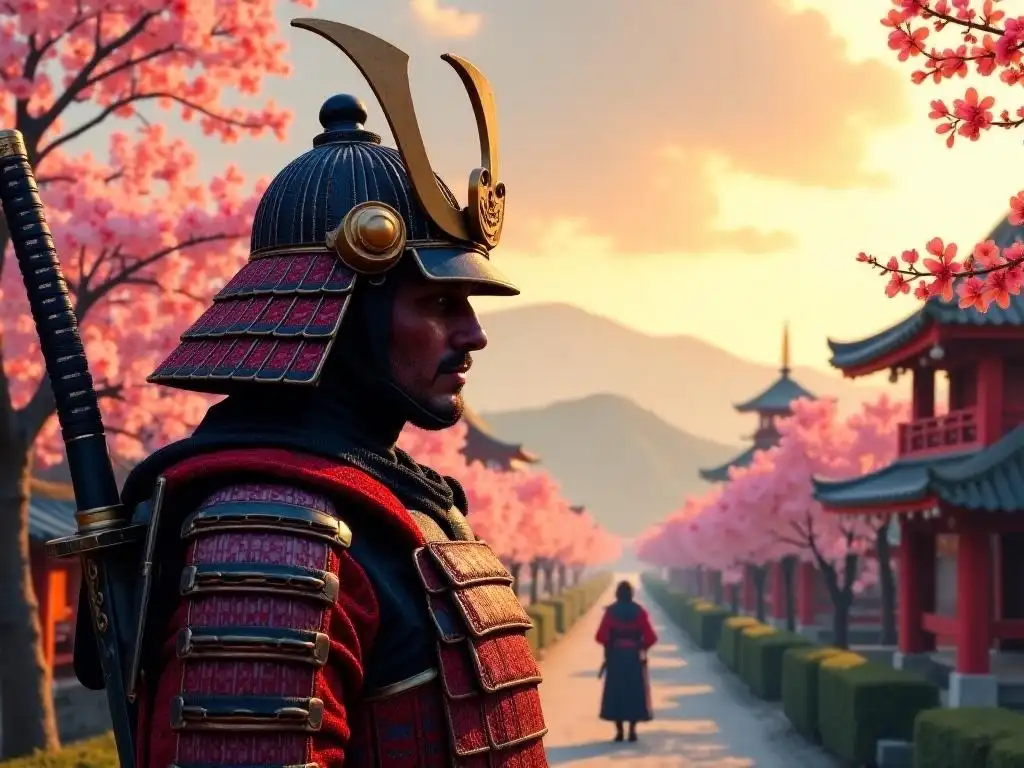
Samurai films, a prominent genre in Japanese cinema, serve as a rich tapestry of historical narratives, cultural values, and societal norms. They encapsulate the essence of Japan's feudal era while providing viewers with an engaging medium to explore complex themes. By analyzing these films, learners of the Japanese language can deepen their understanding of cultural nuances and vocabulary associated with the samurai's way of life.
Honor and Duty: Understanding Bushido through Film
One of the most significant themes in samurai films is the concept of Bushido, the way of the warrior. This ethical code emphasizes honor, loyalty, and duty, shaping the samurai's identity and actions. Films like The Seven Samurai (1954) and Harakiri (1962) vividly portray these principles, providing viewers with a lens through which to understand the samurai's commitment to their lord and community.
- Key Vocabulary:
- Bushido (武士道) - The way of the warrior, encompassing virtues such as loyalty, honor, and courage.
- Giri (義理) - The obligation or duty that a samurai feels towards their lord or family.
- On (恩) - A sense of indebtedness, crucial in maintaining relationships and fulfilling obligations.
In these films, characters often face dilemmas that test their adherence to Bushido. For instance, the decision to sacrifice personal happiness for the greater good highlights the weight of giri. Such narratives not only entertain but also serve as moral lessons, illustrating the complexities of loyalty and the sacrifices inherent in upholding one's honor.
The Role of Nature and Spirituality in Samurai Films
Nature often plays a pivotal role in samurai films, symbolizing both the beauty and transience of life. The landscapes depicted—ranging from serene cherry blossoms to tumultuous mountains—reflect the inner turmoil of the characters and their spiritual journeys. Films like Ran (1985) and Dreams (1990) utilize nature as a backdrop for profound philosophical exploration.
- Key Vocabulary:
- Mono no Aware (物の哀れ) - The sensitivity to the ephemeral nature of things, often expressed through an appreciation of beauty and sadness.
- Kami (神) - Spirits or deities in Shinto belief that are often referenced in samurai films, connecting characters to their cultural roots.
The interplay between man and nature in these films also illustrates the samurai's respect for the environment and the spiritual connections they forge through their experiences. This reverence is often depicted through rituals, such as tea ceremonies or meditation, which serve to ground the characters in their cultural heritage and provide a sense of peace amidst chaos.
Conflict and Resolution: Lessons from Samurai Narratives
Conflict is an inherent element of samurai films, often manifesting in battles, personal vendettas, and moral quandaries. These conflicts not only drive the narrative but also offer valuable lessons on resolution and reconciliation. Films such as Yojimbo (1961) and The Last Samurai (2003) explore the dynamics of conflict and the choices that lead to resolution.
- Key Vocabulary:
- Tatakai (戦い) - Fight or battle; often represents the physical conflict faced by samurai.
- Kizuna (絆) - Bonds that develop between characters, emphasizing the importance of relationships in overcoming challenges.
The resolution of conflicts in samurai films frequently underscores the themes of forgiveness and understanding. Characters may confront their enemies not with violence but through dialogue, reflecting a deeper moral philosophy that values peace over war. This portrayal encourages viewers to consider the complexities of human relationships and the potential for harmony even amidst discord.
By examining the themes prevalent in samurai films, learners can not only expand their Japanese vocabulary but also gain insights into the cultural and historical contexts that shaped these narratives. Through the lens of cinema, the profound values of honor, nature, and conflict resolution become accessible, enhancing both language skills and cultural appreciation.
Techniques for Learning Japanese Through Samurai Films
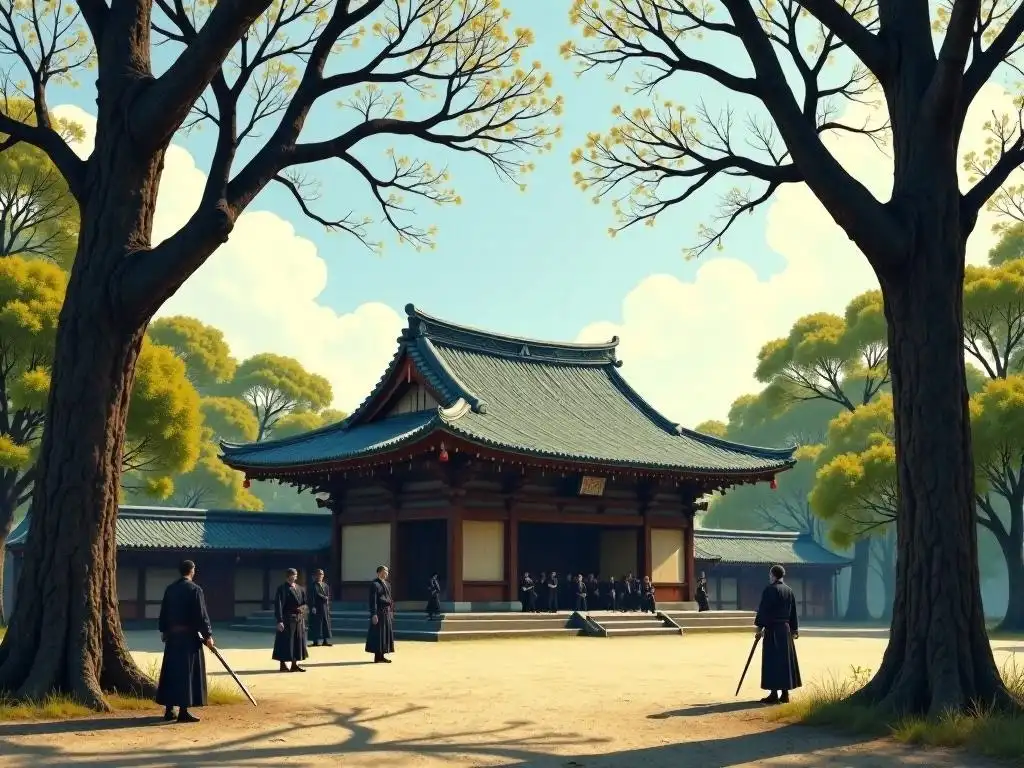
Active Viewing: Engaging with Dialogue and Subtitles
Active viewing is a crucial technique for language learners, particularly when it comes to samurai films, which are rich in dialogue and cultural nuances. By immersing yourself in these films, you can enhance your Japanese listening skills while gaining insights into the language's context and use. Here are some strategies to make the most of your viewing experience:
- Watch with Japanese Subtitles:
- Start by watching the film with Japanese subtitles. This not only helps you associate spoken words with their written forms but also allows you to see the grammatical structures in context.
- Focus on how characters express emotions, intentions, and cultural references.
- Rewind and Replay:
- Don't hesitate to rewind scenes to catch specific phrases or vocabulary. Repetition helps reinforce memory.
- Pause after key dialogues to repeat them aloud, mimicking the intonation and pronunciation of the characters.
- Use Language Learning Apps:
- Utilize language learning apps that allow you to input dialogue from the film. This can help reinforce vocabulary through spaced repetition and quizzes.
- Analyze Cultural Context:
- Pay attention to cultural references and honorifics used in dialogue. Understanding the social dynamics reflected in the language can deepen your appreciation of both the film and the Japanese language.
Creating a Vocabulary Journal: Documenting New Words
A vocabulary journal is an essential tool for language learners, especially when exploring samurai films. This method not only helps in retaining new words but also contextualizes them within the cultural framework of the films. Here’s how to effectively create and use a vocabulary journal:
- Organize by Themes:
- Divide your journal into sections based on themes relevant to samurai films, such as Bushido, Honor, Battle, and Family. This categorization helps in understanding the cultural significance of the vocabulary.
- Include Contextual Sentences:
- When documenting new words, write down contextual sentences from the film. This practice aids in remembering how words are used in different scenarios.
- Example:
- Word: 武士 (bushi) - Samurai
- Sentence: "彼は名誉のために武士として生きている。" (He lives as a samurai for honor.)
- Utilize Visual Aids:
- Draw or clip images from the films that relate to the vocabulary. Visual aids can enhance recall and make the learning process more engaging.
- Regular Review:
- Set aside time each week to review your journal. This can reinforce your learning and help you track your progress.
Discussion Groups: Sharing Insights on Samurai Films and Language
Participating in discussion groups can significantly enhance your language learning experience, particularly when focused on samurai films. Engaging with others allows you to practice speaking and deepen your understanding of both the language and cultural themes. Here are some tips for effective participation:
- Join Online Forums or Local Meetups:
- Look for online forums dedicated to samurai films or Japanese language exchange. Platforms like Reddit or specific language learning communities can be great places to start.
- Local meetups can also provide opportunities for face-to-face discussions.
- Prepare Discussion Topics:
- Before joining a discussion, prepare specific topics or questions related to the film's themes, character motivations, and language use. This preparation can help facilitate more in-depth conversations.
- Example topics:
- "How does the concept of honor manifest in the lives of the samurai?"
- "What language techniques are used to convey emotion in pivotal scenes?"
- Practice Speaking:
- Use these discussions to practice speaking Japanese. Don't be afraid to make mistakes; the goal is to learn and grow.
- Encourage group members to correct you gently, providing a supportive learning environment.
- Share Resources:
- Exchange resources such as articles, books, or other films that relate to samurai culture or language learning. This can expand your understanding and vocabulary further.
By incorporating these techniques into your study routine, you can effectively learn Japanese through the lens of samurai films, enriching both your language skills and cultural appreciation.
Conclusion: The Impact of Samurai Films on Language and Culture
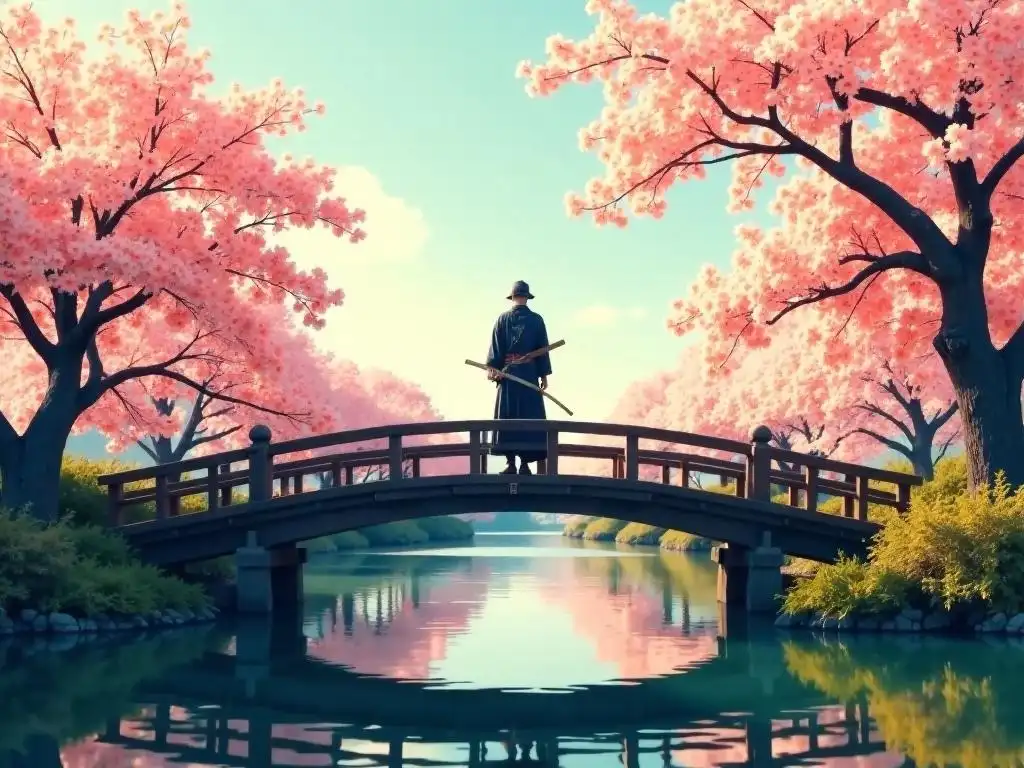
The influence of samurai films on Japanese culture and language is both profound and multifaceted. These films serve as a cultural lens, offering insights not only into the historical context of feudal Japan but also into the values and norms that define Japanese society. By exploring themes such as honor, loyalty, and the samurai code of ethics (Bushido), these films encapsulate the essence of what it means to be Japanese, making them an invaluable resource for language learners.
One of the most significant impacts of samurai films is their ability to introduce viewers to the Japanese language in context. Through dialogues, expressions, and cultural references, language learners can enhance their vocabulary and comprehension skills. For instance, terms like "kawaii" (cute), "samurai" (warrior), and "bushido" (way of the warrior) are woven throughout these narratives, providing learners with practical language tools.
Additionally, samurai films often depict various aspects of Japanese life, such as traditional customs, clothing, and social hierarchies. This contextual learning allows language students to grasp not only the vocabulary but also the cultural nuances that accompany these words. As learners engage with the films, they find themselves immersed in a rich tapestry of historical and cultural knowledge that extends beyond mere language acquisition.
Embracing Japanese Culture through Cinema
Samurai films are a gateway to understanding the complexities of Japanese culture. These cinematic masterpieces often reflect societal values, historical events, and philosophical concepts unique to Japan. For instance, films like "Seven Samurai" directed by Akira Kurosawa not only showcase thrilling action sequences but also delve into themes of sacrifice, community, and the moral dilemmas faced by samurai warriors.
The portrayal of samurai in cinema often brings to life the ideals of the samurai code, which emphasizes virtues such as loyalty, honor, and courage. This exploration helps viewers appreciate the significance of these values within Japanese society. Moreover, the aesthetic elements of samurai films, such as traditional clothing (kimono) and martial arts techniques (kendo, iaido), provide a visual language that enhances cultural understanding.
As viewers become more acquainted with these cultural elements, they can better contextualize their language learning. For instance, understanding the significance of a samurai's "katana" (sword) or the rituals surrounding "seppuku" (ritual suicide) enriches the vocabulary associated with these concepts. Thus, samurai films serve as both an educational and entertaining medium, making them an excellent resource for anyone seeking to deepen their connection to Japanese culture.
Continuing Your Language Journey with Samurai Films
To effectively continue your language journey through samurai films, consider integrating them into your regular study routine. Here are some strategies to enhance your learning experience:
- Subtitled Viewing: Start by watching films with English subtitles, then progress to Japanese subtitles. This allows you to connect spoken language with written text.
- Vocabulary Lists: Create lists of new words and phrases encountered in the films. Group them by themes such as honor, battle, or family to facilitate retention.
- Discussion Groups: Join or form a discussion group focusing on samurai films. Engaging in conversations about the films can reinforce language skills and deepen cultural understanding.
- Cultural Analysis: Write reflections or analyses of the films, exploring how they depict samurai life and the values portrayed. This practice encourages critical thinking while enhancing writing skills in Japanese.
By incorporating these strategies, you can maximize the benefits of samurai films as a tool for language learning. The intersection of cinema and culture not only expands your vocabulary but also enriches your appreciation for the intricate tapestry of Japanese heritage. In doing so, you embark on a rewarding journey that bridges language and culture through the captivating world of samurai cinema.
Additional Resources for Learning Japanese through Film
Online Courses and Platforms for Language Learning
Numerous online courses and platforms specialize in teaching Japanese through various mediums, including film. These resources not only enhance language skills but also offer insights into Japanese culture, particularly through the lens of samurai films.
- Coursera: Offers courses like "Japanese for Beginners," which often incorporate film clips to teach vocabulary and grammar in context.
- edX: Provides a variety of Japanese language courses that include cultural modules focused on cinema.
- Rosetta Stone: Features immersive learning experiences that utilize video content, enabling learners to pick up language nuances through samurai films and other genres.
Key Features to Look For:
- Interactive subtitles that help reinforce vocabulary.
- Cultural notes that explain references found in samurai films.
- Opportunities for conversational practice related to film dialogue.
Recommended Books on Samurai Films and Japanese Culture
Books provide an excellent resource for deepening your understanding of samurai films and their cultural significance. Below are some recommended titles that explore both the cinematic and historical aspects of samurai culture:
- "Samurai Film: A Critical Analysis" by David Desser
- This book analyzes various samurai films and their impact on Japanese culture, providing context and insight into the themes presented.
- "The Samurai: A New History" by Jonathan Clements
- While not solely focused on film, this book gives a comprehensive overview of samurai history, which enriches the viewer's understanding of films depicting these warriors.
- "Japanese Cinema: A History" by A. L. Swinburne
- This text covers the evolution of Japanese cinema, including the samurai genre, and discusses its cultural implications.
Benefits of Reading:
- Increases vocabulary through exposure to historical and filmic terminology.
- Enhances comprehension of cultural references encountered in samurai films.
- Provides a broader context for the themes and narratives portrayed in the films.
Language Learning Apps that Feature Japanese Cinema
In the digital age, language learning apps have become essential tools for acquiring a new language. Several apps incorporate elements of Japanese cinema, allowing learners to engage with the language through samurai films and other genres:
- Duolingo: While primarily a language learning app, Duolingo's user forums often discuss samurai films and their linguistic elements, allowing for community-based learning.
- HelloTalk: This app connects learners with native Japanese speakers. Users often share film recommendations, including samurai classics, facilitating language exchange centered around cinema.
- FluentU: Utilizes real-world videos, including movie trailers and clips from samurai films, to teach Japanese. The app emphasizes vocabulary and phrases in context, making learning more engaging.
Advantages of Using Apps:
- Flexible learning that fits into your schedule, allowing you to study at your own pace.
- Access to a variety of media, enhancing listening and comprehension skills.
- Opportunities to practice speaking with native speakers about film-related topics.
By leveraging these resources, learners can significantly enhance their Japanese language skills while gaining a deeper appreciation for samurai films and the rich cultural backdrop they represent. 🌸
Frequently Asked Questions
What are Samurai films and their significance in Japanese culture?
Samurai films are cinematic portrayals of the samurai class, reflecting values such as honor, loyalty, and discipline. They serve as a cultural lens to explore Japan's feudal history and societal norms.
How do Samurai films contribute to expanding Japanese vocabulary?
These films often incorporate historical language and cultural expressions, providing viewers with a unique opportunity to learn and understand Japanese vocabulary in context, enhancing both language skills and cultural appreciation.
What themes are commonly explored in Samurai films?
Common themes include honor, betrayal, sacrifice, and the struggle between tradition and modernity. These elements not only entertain but also offer deep insights into Japanese values and societal conflicts.
Are Samurai films historically accurate?
While Samurai films often draw from historical events, they may take creative liberties for dramatic effect. It's important to view them as interpretations rather than strict historical accounts, blending fiction with fact.
How have Samurai films influenced global perceptions of Japan?
Samurai films have played a crucial role in shaping global perceptions of Japanese culture, often introducing audiences to the aesthetic values and philosophies of Japan, and fostering a greater interest in its history and traditions.
Final Reflection: Samurai Films as a Gateway to Understanding Japanese Culture
In exploring the rich tapestry of samurai films and their reflection of Japanese culture, we uncover not just cinematic artistry, but a profound connection to the values, traditions, and societal nuances of Japan. Today, as global audiences increasingly seek authentic cultural experiences, these films serve as a vital bridge, allowing us to engage with and appreciate the complexities of a culture that is both ancient and modern. The enduring popularity of samurai films highlights their role as a powerful medium for cultural exchange and understanding.
The influence of samurai films extends far beyond entertainment; they have shaped perceptions and fostered a deeper appreciation for Japanese history and philosophy. Through these narratives, we witness the embodiment of honor, loyalty, and the struggle between tradition and change. As Akira Kurosawa once said, In every film, there is a reflection of the society in which it was made.
This sentiment resonates today, reminding us that the stories told through samurai cinema continue to inform our understanding of contemporary Japanese identity and values.
As we conclude this exploration, I invite you to reflect on how samurai films can enrich your own cultural perspective. Consider taking the time to watch a few classic titles, allowing their themes to resonate with your own experiences. Embrace the opportunity to expand your Japanese vocabulary and deepen your understanding of a culture that has much to teach us about resilience, honor, and the human experience. Let these films inspire you to seek out more cultural narratives, fostering a greater appreciation for the diverse world we inhabit.
Unleash Your Inner Samurai: Expand Your Vocabulary Today!
Thank you for diving into the fascinating world of Samurai films and their cultural significance! By exploring these cinematic treasures, you've not only enjoyed captivating stories but also gained a deeper appreciation for the rich Japanese language and culture. Now, let’s harness that enthusiasm and take your language skills to the next level!
Here are some powerful actions you can take:
- Immerse Yourself in Samurai Films: Choose a favorite Samurai movie and watch it with Japanese subtitles. This will enhance your listening skills and help reinforce your vocabulary.
- Join a Language Exchange Group: Connect with native speakers who share your interest in Japanese film. Various platforms can facilitate real-life conversations that solidify your learning!
- Create a Vocabulary Journal: Keep track of new words and phrases you encounter. Write down sentences inspired by the films to practice using them in context.
As you embark on these exciting steps, remember that each word brings you closer to cultural understanding and personal growth.
What Samurai film has inspired you the most, and how do you plan to apply what you've learned in your language journey?