
A Collector’s Insight: Interview with Experts on the Best Samurai Swords

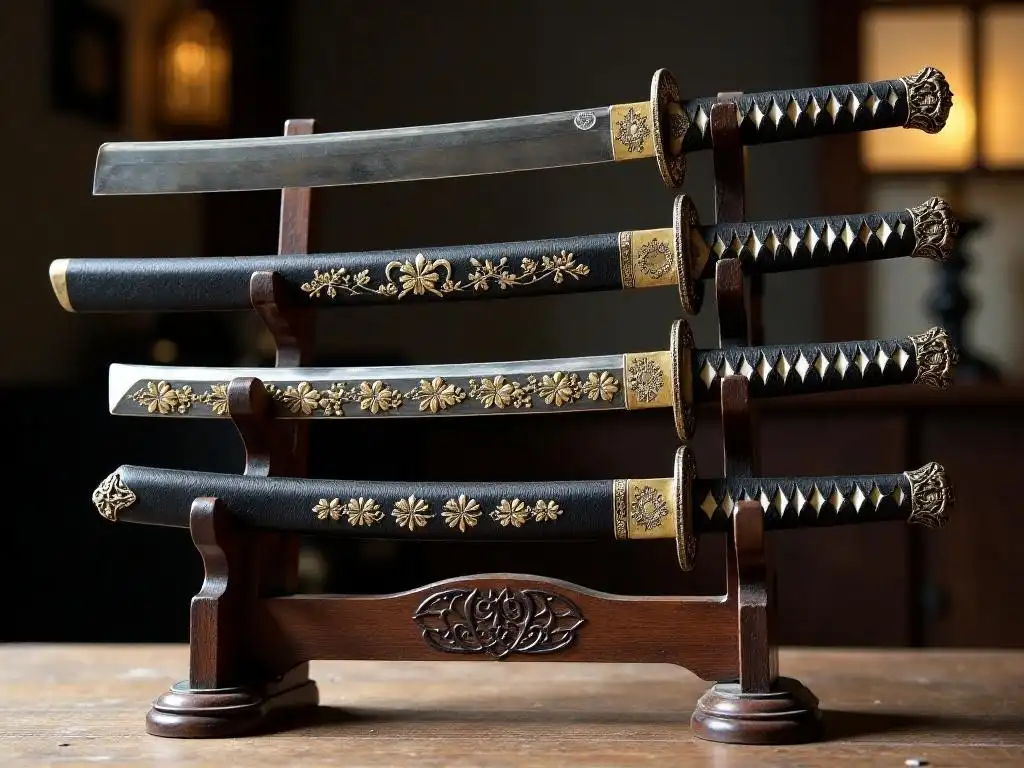
Welcome to Feudal Japan History, where the echoes of the past resonate through the artistry and craftsmanship of a remarkable era. Dive into our featured article, "A Collector’s Insight: Interview with Experts on the Best Samurai Swords," to uncover the secrets behind one of history's most revered weapons. What makes a samurai sword more than just a blade? Join us on this journey through time and culture, as we unveil the stories, techniques, and passion behind the best samurai swords collection. Your adventure into the heart of Japan’s feudal era begins now—are you ready to wield the knowledge?
In the realm of martial arts and historical weaponry, few items embody the spirit and artistry of a culture quite like the samurai sword. This iconic weapon, known as the katana, is not merely a tool for combat; it represents centuries of Japanese tradition, craftsmanship, and honor. As we delve into the fascinating world of samurai swords, we aim to uncover the nuances of collecting these remarkable artifacts. In this article, we will share insights from experts in the field, offering valuable perspectives on what constitutes the best samurai swords collection.
Introduction to Samurai Swords and Their Significance
Samurai swords, particularly the katana, hold a profound place in Japanese history and culture. They are not only weapons but also symbols of the samurai's way of life, embodying virtues such as loyalty, bravery, and honor. The craftsmanship involved in creating these swords is an art form in itself, with techniques passed down through generations. Each sword tells a unique story, from the materials used in its construction to the skill of the swordsmith.
The significance of samurai swords extends beyond their physical presence; they are revered for their aesthetic beauty and historical importance. Collectors often seek to understand the intricate details that distinguish one sword from another, including:
- Blade shape and curvature: Each design serves a purpose, influencing both combat effectiveness and aesthetic appeal.
- Tsuba (guard) style: The tsuba not only protects the wielder's hands but also offers a canvas for artistic expression.
- Hamons (temper lines): These patterns tell the tale of the sword's forging process and can vary greatly between different swordsmiths.
As we explore the best samurai swords collection, we will dive deeper into these aspects and hear from experts who share their experiences and insights into what makes a sword truly exceptional.
Understanding the Best Samurai Swords Collection
When it comes to curating a collection of samurai swords, several factors come into play. Collectors must navigate the complexities of authenticity, craftsmanship, and historical significance to build a collection that reflects not only personal taste but also the rich heritage of these remarkable weapons. Here are some essential considerations:
- Authenticity: Ensuring that a sword is genuine is paramount. Collectors often rely on expert appraisals and certifications to verify the provenance of their pieces.
- Condition: The condition of a sword greatly affects its value. Factors such as rust, scratches, and repairs can significantly diminish a sword's desirability.
- Historical Context: Understanding the era and context in which a sword was made can add significant value. Swords from notable periods or those associated with famous samurai are often sought after.
- Rarity: Limited editions or swords made by renowned smiths can be particularly valuable. Collectors often seek out unique pieces that stand out in their collections.
- Cultural Impact: In addition to its physical attributes, a sword's story and its impact on Japanese culture can enhance its significance.
By examining these factors and engaging with experts in the field, collectors can gain a deeper appreciation for the best samurai swords collection and what makes each piece a vital part of Japanese history. Through this journey, we aim to provide a comprehensive understanding of samurai swords that transcends mere ownership, fostering a connection to the rich cultural tapestry of feudal Japan.
Interview Insights: Expert Opinions on Samurai Swords
In our quest to unveil the intricacies of samurai swords, we consulted a panel of experts who shared their vast knowledge and personal experiences regarding the best samurai swords for collectors. These experts emphasized the historical significance, craftsmanship, and cultural value of these iconic weapons. They highlighted the importance of understanding the provenance of each sword and how it can influence both its value and its appeal to collectors.
Many experts noted that the allure of samurai swords goes beyond their aesthetic appeal. The craftsmanship involved in creating a katana, for instance, reflects centuries of tradition and artistry. Collectors are encouraged to seek out swords that not only resonate with them personally but also tell a story through their design and history. The experts also discussed the importance of proper care and maintenance, ensuring that these pieces of art remain in pristine condition for years to come.
Meet Our Experts: Profiles of Renowned Samurai Sword Collectors
-
Dr. Hideo Tanaka
An esteemed historian specializing in Japanese martial arts, Dr. Tanaka has spent over two decades researching the historical context of samurai swords. His collection includes rare pieces from the Kamakura period, and he is known for his detailed seminars on sword preservation.
-
Ms. Akiko Yoshida
A celebrated collector and author, Ms. Yoshida has published several books on samurai sword craftsmanship. Her collection reflects a diverse range of styles, showcasing the evolution of the katana over centuries. She is passionate about educating newer collectors about the nuances of authentic swords.
-
Mr. Kenji Matsumoto
With a background in traditional swordsmithing, Mr. Matsumoto has a unique perspective on the creation of samurai swords. He possesses a collection that features contemporary blades crafted by master swordsmiths, combining traditional techniques with modern aesthetics.
These experts not only provide insights based on their extensive collections but also share their passion for preserving the art and culture surrounding samurai swords.
Key Takeaways from the Experts
- Authenticity and Provenance: Always verify the authenticity of a sword before purchasing. Provenance adds significant value and interest.
- Craftsmanship Matters: Pay attention to the craftsmanship details, such as the hamon (temper line) and the signature (mei) of the swordsmith.
- Condition is Key: The condition of the blade and fittings can greatly affect value. Regular maintenance is essential to preserve these historical artifacts.
- Educate Yourself: Collecting samurai swords is as much about education as it is about acquisition. Understanding the history and techniques involved can enhance your appreciation.
- Community Engagement: Engaging with other collectors and experts through forums and exhibitions can provide valuable insights and opportunities for growth in your collection.
Best Samurai Swords for Collectors: Recommendations
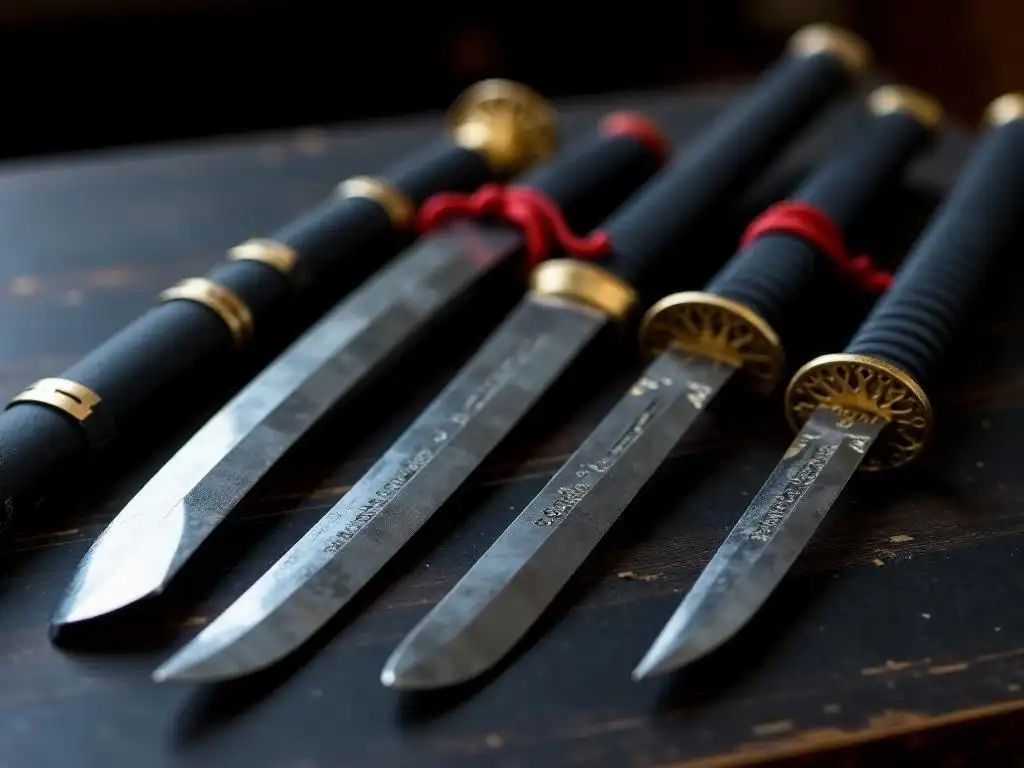
When it comes to building a samurai sword collection, selecting the right pieces is crucial. The following recommendations have been curated based on expert insights, focusing on authenticity, craftsmanship, and collector appeal.
Top Picks for Authentic Samurai Swords
| Sword Name | Origin Period | Notable Features | Price Range |
|---|---|---|---|
| Katana by Masamune | Kamakura | Renowned for its exceptional steel and tempering | $15,000 - $30,000 |
| Tachi by Yoshimitsu | Heian | Long blade with intricate carvings | $10,000 - $25,000 |
| Wakizashi by Kunitoshi | Edo | Beautiful hamon and signature | $5,000 - $15,000 |
| Naginata by Tadaaki | Muromachi | Unique curvature and historical significance | $7,000 - $20,000 |
These swords represent the pinnacle of craftsmanship and historical importance, making them fantastic additions to any collection.
Budget-Friendly Options for Emerging Collectors
For collectors just starting their journey, there are several budget-friendly options that still offer authenticity and craftsmanship without breaking the bank:
| Sword Name | Origin Period | Notable Features | Price Range |
|---|---|---|---|
| Katana Replica | N/A | Good quality materials; visually appealing | $200 - $500 |
| Wakizashi Replica | N/A | Compact size and great for display | $150 - $400 |
| Miniature Katana | N/A | Great for collectors with limited space | $50 - $150 |
These options allow emerging collectors to appreciate the beauty of samurai swords and start building their collections without a significant financial commitment. By investing in replicas or smaller pieces, collectors can still engage with the history and artistry of samurai swords while learning more about their authentic counterparts.
Care and Maintenance of Samurai Swords
Proper care and maintenance of samurai swords, or katana, are vital for preserving their beauty and functionality. These weapons are crafted from high-quality steel and require regular upkeep to prevent rust, maintain sharpness, and ensure longevity.
- Cleaning: After each use, swords should be cleaned to remove dirt, sweat, and oils. Use a soft, dry cloth to wipe the blade, following the grain of the steel. For deeper cleaning, a specialized sword oil can be applied with a cloth to protect the blade from moisture.
- Polishing: Periodic polishing is essential for maintaining the blade's luster and sharpness. Professional polishers use a series of finer grits to bring back the blade’s mirror finish. It’s advisable to avoid DIY polishing as improper techniques can damage the blade.
- Storage: Storing samurai swords correctly is crucial. They should be kept in a cool, dry place, ideally in a sword stand or within a protective scabbard (saya). Avoid placing swords in damp areas, as humidity can cause rust.
- Handling: Always handle the sword with clean hands to avoid transferring oils or dirt onto the blade. When displaying your sword, ensure it’s in a secure position to prevent any accidental falls or damages.
- Inspection: Regularly inspect the sword for any signs of wear, rust, or damage. Pay attention to the handle (tsuka) and guard (tsuba) as well; these components should be secure and free from deterioration.
Through diligent care and maintenance, collectors can ensure that their samurai swords remain not only functional but also visually stunning, reflecting the artistry of their craftsmanship.
The Future of Samurai Sword Collecting
The future of samurai sword collecting is poised to evolve significantly, influenced by various factors such as technological advancements, cultural interest, and market dynamics. Here are some key trends shaping this future:
- Technological Advancements: With the rise of 3D printing and digital fabrication, collectors may see more replicas and custom sword designs emerging. These innovations could make samurai swords more accessible to a broader audience, allowing for unique collecting experiences.
- Increased Interest in Japanese Culture: As global interest in Japanese culture continues to grow, so does the appeal of samurai swords. Cultural events, anime, and martial arts have contributed to a renewed fascination with these historical artifacts, attracting new collectors.
- Market Dynamics: The market for antique and high-quality samurai swords has seen fluctuations in value, influenced by rarity, condition, and provenance. Collectors are increasingly savvy about investment, often seeking swords with documented histories and attributes that enhance their value.
- Community and Collaboration: Online platforms and social media have fostered communities where enthusiasts can share knowledge, trade tips, and showcase their collections. This collaboration can lead to a more informed and passionate collector base, driving interest in both historical and modern swords.
- Sustainability and Ethical Sourcing: As awareness of ethical collecting practices grows, collectors may prioritize swords made from sustainably sourced materials. This trend could reshape how swords are produced and marketed, appealing to a more conscientious audience.
The future of samurai sword collecting is bright, with a combination of tradition and innovation promising new opportunities for collectors to engage with these remarkable artifacts.
Conclusion: Embracing the Art of Samurai Sword Collecting

The art of samurai sword collecting is not merely about ownership; it is a deep engagement with history, culture, and craftsmanship. Each sword tells a story, reflecting the artistry of its maker and the historical context in which it was forged.
Collectors are encouraged to:
- Research and Learn: Understanding the history and significance of samurai swords enhances appreciation and informed decision-making.
- Connect with Experts: Interviews and insights from seasoned collectors and experts can provide invaluable knowledge and guidance.
- Foster a Community: Engaging with fellow collectors through clubs, forums, and social media helps to share experiences and resources, enriching the collecting journey.
Ultimately, embracing the art of samurai sword collecting allows individuals to preserve a vital part of Japan's cultural heritage while enjoying the beauty and craftsmanship of these iconic weapons. As this passion continues to evolve, it will undoubtedly remain an exciting and rewarding pursuit for collectors around the world.
Call to Action
As you delve deeper into the world of samurai swords, consider taking your passion for collecting to the next level. Whether you are a novice or an experienced collector, engaging with a community of enthusiasts can enhance your understanding and appreciation of these incredible artifacts.
- Join Online Forums: Participate in discussions with fellow collectors to exchange tips, share experiences, and learn about the latest trends in the market. Websites dedicated to martial arts and weaponry often host vibrant forums.
- Attend Workshops and Exhibitions: Look for local or international events that focus on samurai swords and Japanese culture. These gatherings offer a great opportunity to meet experts, view rare swords, and even participate in hands-on workshops.
Don't miss out on the chance to enrich your collection! Start exploring the options available to you today, and share your journey with others who share your passion for these magnificent pieces of history.
Additional Resources
To further enhance your knowledge and collection of samurai swords, we’ve compiled a list of valuable resources:
- Books:
- The Samurai Sword: A Collectors Guide by John M. Yumoto
- Japanese Swords: Cultural Symbols of the Samurai by John A. K. K. Watanabe
- Websites:
- Nihonto Message Board: A platform where collectors discuss various aspects of Japanese swords and their history.
- The Japanese Sword Society of the United States (JSSUS): Provides resources for collectors including articles, events, and exhibitions.
- Documentaries:
- The Art of the Japanese Sword - A documentary that dives into the craftsmanship and history behind samurai swords.
- Secrets of the Samurai Sword - Explore the techniques used by swordsmiths throughout history.
- Museums:
- Visit local museums with Japanese art collections that include samurai swords, such as the Tokyo National Museum and the British Museum, which often host exhibitions focused on this fascinating aspect of Japanese culture.
Utilizing these resources will not only help you build a more comprehensive understanding of your collection but also connect you with a network of fellow enthusiasts and experts in the field. Happy collecting!
- Introduction to Samurai Swords and Their Significance
- Understanding the Best Samurai Swords Collection
- Interview Insights: Expert Opinions on Samurai Swords
- Best Samurai Swords for Collectors: Recommendations
- Care and Maintenance of Samurai Swords
- The Future of Samurai Sword Collecting
- Conclusion: Embracing the Art of Samurai Sword Collecting
- Call to Action
- Additional Resources
- What are the key features of the best samurai swords?
- How can one start a samurai swords collection?
- What should collectors look for in authentic samurai swords?
- Are there specific samurai swords that are considered must-haves for collectors?
- How do expert interviews enhance the understanding of samurai swords?
Frequently Asked Questions
What are the key features of the best samurai swords?
The best samurai swords are known for their high-quality craftsmanship, sharpness, and balance. They often feature a curved blade and are made from premium materials like tamahagane steel.
How can one start a samurai swords collection?
To start a samurai swords collection, it is essential to research reputable sources and authenticate the swords. Begin with budget-friendly options and gradually invest in higher-quality pieces as your knowledge and appreciation grow.
What should collectors look for in authentic samurai swords?
Collectors should seek provenance, unusual craftsmanship, and signature markings. Additionally, understanding the historical context and the sword's condition is crucial for authenticity.
Are there specific samurai swords that are considered must-haves for collectors?
Yes, collectors often consider Katana, Wakizashi, and Tanto as must-haves. Each type represents a unique aspect of samurai culture and showcases different craftsmanship techniques.
How do expert interviews enhance the understanding of samurai swords?
Expert interviews provide insights into historical significance, collecting tips, and market trends. They also share valuable knowledge about the cultural importance of samurai swords, enriching the collector's experience.
Final Reflection: The Timeless Allure of Samurai Swords
The enduring fascination with samurai swords is not just about their craftsmanship; it is a testament to the rich history and culture they embody. Today, as collectors and enthusiasts seek the best samurai swords collection, we find ourselves drawn to the stories, artistry, and legacy that these weapons represent. The intricate designs and the mastery involved in their creation remind us that each sword is not merely an object but a piece of history that connects us to the past.
Culture is a living entity, and the appreciation for samurai swords continues to shape our understanding of honor, discipline, and artistry. The insights shared by experts in this article highlight how these swords transcend their physical form, becoming symbols of the values and traditions of the samurai. A sword is a reflection of its maker and its wielder; it tells a story that transcends time.
This ongoing dialogue between the past and present encourages us to reflect on our own values and the legacies we wish to create.
As you ponder the significance of samurai swords in your own life, consider how you can incorporate the lessons of craftsmanship, dedication, and respect into your daily pursuits. Embrace the spirit of the samurai by seeking excellence in your passions and honoring the traditions that inspire you. Whether you are a collector or simply an admirer, let the stories behind the best samurai swords collection motivate you to explore your own journey with intention and reverence.
Unlock the Secrets of Samurai Sword Collecting!
Thank you for diving into the fascinating world of samurai swords with us! We hope this article has sparked your interest in the rich history and artistry of these magnificent weapons. Now, it’s time to take the next step on your journey as a collector.
Here are a few actions you can take to deepen your knowledge and passion:
- Join a collector's community or forum to connect with fellow enthusiasts and share insights—discover unique perspectives that will enrich your collection journey!
- Start your own sword collection by researching reputable dealers and attending local or online auctions to find those hidden gems you've always wanted.
- Share this article with friends who might be interested in samurai culture to help inspire a wider appreciation for these historical masterpieces!
What aspect of samurai history intrigues you the most, and how will you explore it further?