
Comparing Traditional vs. Modern Martial Arts Gear: What’s Best for You?

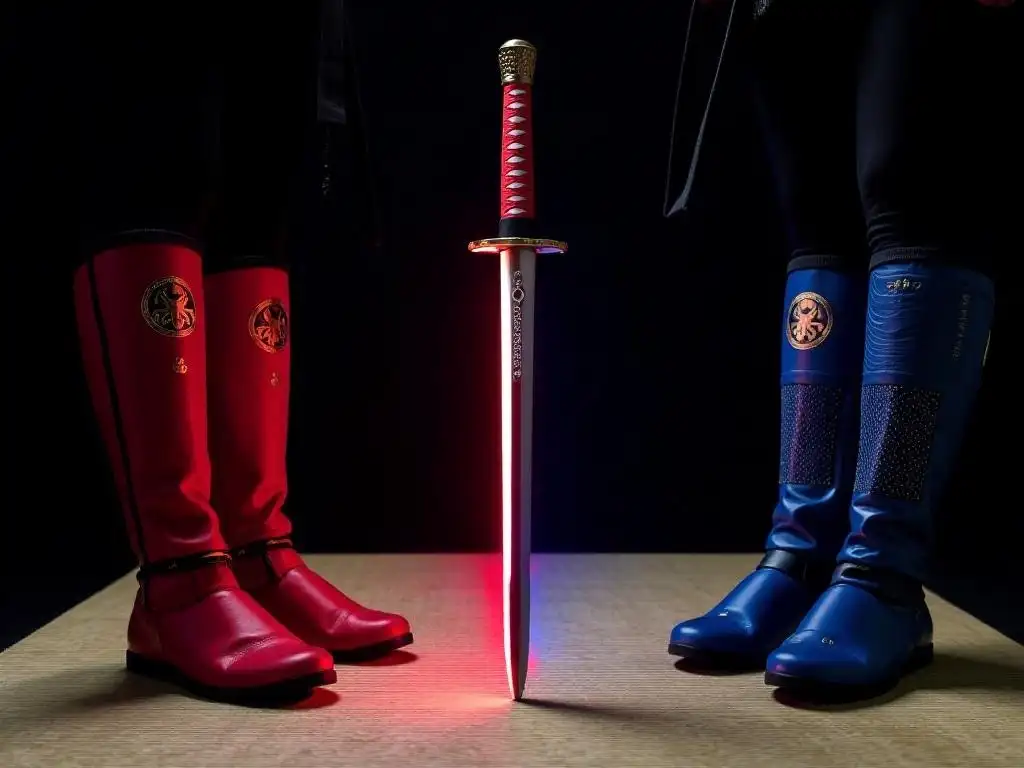
Welcome to Feudal Japan History, where we embark on a captivating journey through Japan’s feudal era. Here, history comes alive as we delve into the intricate tapestry of cultural and societal transformations that shaped this fascinating period. In our featured article, "Comparing Traditional vs. Modern Martial Arts Gear: What’s Best for You?
", we invite you to explore the striking contrasts and enduring legacies of martial arts equipment through the ages. Are you ready to uncover the secrets behind the gear that has stood the test of time? Let's dive in and discover what might be the perfect fit for your martial arts journey!
- Introduction to Traditional vs Modern Martial Arts Gear
- Overview of Traditional Martial Arts Gear
- Overview of Modern Martial Arts Gear
- Comparing Effectiveness: Traditional vs Modern Martial Arts Gear
- Price Comparison: Traditional vs Modern Martial Arts Gear
- Recommendations Based on Training Goals and Preferences
- Conclusion: Making the Right Choice for Your Martial Arts Journey
- Call to Action
-
Frequently Asked Questions
- What is the main difference between traditional and modern martial arts gear?
- How does the choice of martial arts gear impact training?
- Are traditional martial arts uniforms still relevant today?
- What should beginners consider when selecting martial arts gear?
- Can modern martial arts gear be used in traditional practices?
- Final Reflection: Embracing the Best of Both Worlds in Martial Arts Gear
- Unleash Your Warrior Spirit: Choose the Right Gear Today!
Introduction to Traditional vs Modern Martial Arts Gear
The world of martial arts is as diverse as the cultures from which it originates, with each style reflecting unique philosophies, techniques, and histories. One critical aspect that often goes overlooked in discussions about martial arts is the gear used by practitioners. From the rigid armor of the samurai to the sleek, modern fabrics of today's training attire, the evolution of martial arts gear is a fascinating journey that mirrors the broader changes in society and fighting techniques over the centuries.
In this article, we will delve into the nuances of traditional vs. modern martial arts gear, exploring their distinct characteristics, benefits, and how to choose the best option for your training needs. Whether you're a seasoned martial artist or a curious beginner, understanding this evolution is essential for maximizing your performance and enhancing your training experience.
Understanding the Evolution of Martial Arts Equipment
The journey of martial arts gear begins in the feudal era, where equipment was not merely functional but also a reflection of status and identity. Traditional martial arts gear, such as the gi, hakama, and protective armor, played a crucial role in the training and combat of historical warriors. Each piece was meticulously designed to offer protection while allowing freedom of movement.
- Historical Significance:
- Armor of the samurai was often adorned with intricate designs, showcasing craftsmanship and the warrior's clan.
- Training weapons like the katana and bo staff were not only tools of combat but also symbols of discipline and honor.
As martial arts spread globally and evolved, so did the gear associated with them. Modern martial arts equipment incorporates advanced materials and technology, focusing on performance enhancement and safety.
- Modern Innovations:
- Lightweight, breathable fabrics have replaced heavier, traditional materials in many training uniforms.
- Safety gear, such as padded gloves and headgear, is now standard in many martial arts disciplines to prevent injuries during sparring.
This evolution highlights a shift from combat to competition, emphasizing the need for gear that supports both safety and performance in diverse environments.
Importance of Gear in Training and Performance
Choosing the right gear is paramount for any martial artist, as it directly impacts training effectiveness and overall performance. The right equipment can enhance comfort, facilitate movement, and provide necessary protection during practice and competitions.
- Comfort and Fit: Properly fitting gear allows practitioners to move freely and focus on technique rather than adjusting their attire.
- Safety Considerations: In sparring scenarios, modern protective gear can significantly reduce the risk of injury, making it an essential aspect of training.
- Performance Enhancement: The use of specialized equipment, such as moisture-wicking fabrics and shock-absorbent materials, can improve overall training efficiency and comfort.
Ultimately, the choice between traditional and modern martial arts gear will depend on individual preferences, training goals, and the specific martial art being practiced. Understanding the strengths and weaknesses of each can help practitioners make informed decisions that enhance their martial arts journey.
Overview of Traditional Martial Arts Gear
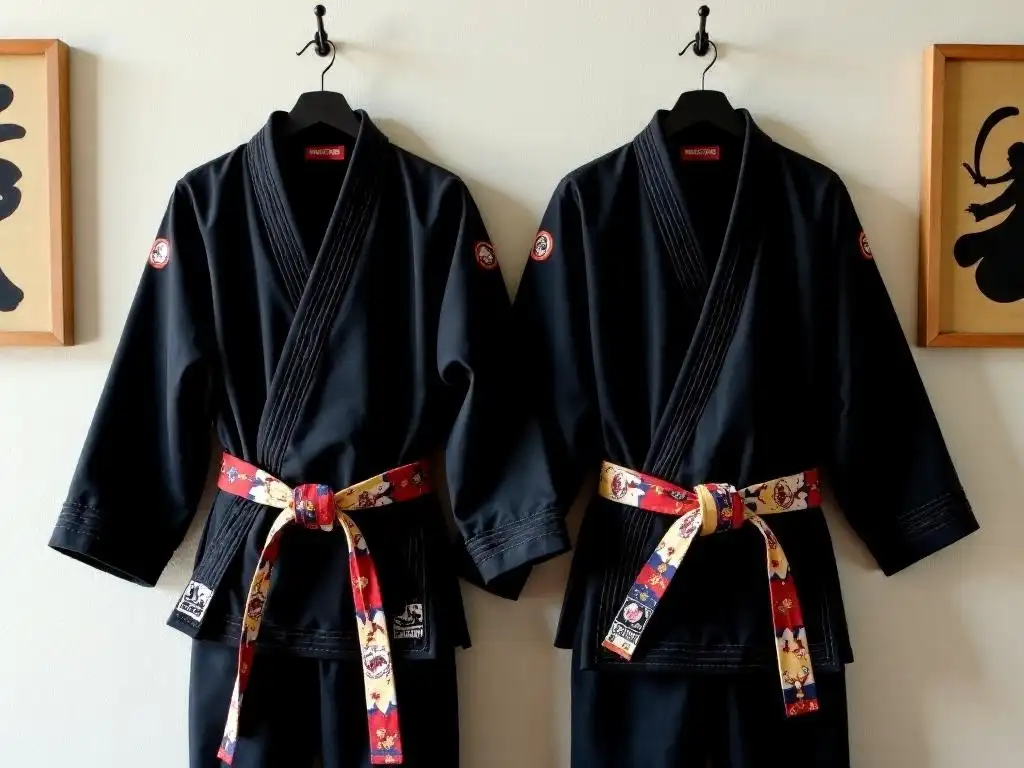
In the realm of martial arts, traditional gear plays a pivotal role in preserving the essence and techniques of ancient practices. Traditional martial arts gear is designed not only for functionality and protection but also as a representation of the culture and history behind the martial disciplines. This gear often includes uniforms, protective equipment, and specific tools that have been used for centuries, each with its own significance and purpose.
Traditional gear varies significantly across different martial arts styles, such as Karate, Judo, Aikido, and Kendo. For example, in Karate, practitioners wear a gi, while in Kendo, they don a bokken and bogu to engage in combat. This diversity reflects the varied cultural backgrounds and philosophies inherent in each martial art.
The materials used in traditional gear often emphasize durability and authenticity. Fabrics like cotton and hemp are common, providing breathability and comfort during intense training sessions. Moreover, traditional gear often embodies symbolic colors and patterns that may indicate rank or lineage within the martial arts hierarchy.
Key Features of Traditional Gear
Traditional martial arts gear is characterized by several key features that serve both practical and cultural purposes:
- Material Quality: Typically crafted from natural fibers, traditional gear is designed to withstand rigorous training while allowing for flexibility and movement. For instance, the cotton used in a Karate gi is durable yet soft, promoting comfort.
- Design and Craftsmanship: Traditional gear is often handmade, reflecting the craftsmanship of skilled artisans. This attention to detail ensures that each piece is not only functional but also aesthetically pleasing.
- Cultural Significance: Many traditional garments carry historical weight. For example, the hakama worn in Aikido symbolizes respect and humility, while the obi (belt) signifies rank and progression in skill.
- Fit and Functionality: Unlike modern gear, traditional martial arts clothing is designed to fit loosely, allowing for a full range of motion during various techniques and forms. This design helps practitioners execute movements without restriction.
Advantages of Traditional Martial Arts Gear
Choosing traditional martial arts gear offers several advantages that can enhance a practitioner's experience:
- Cultural Connection: Wearing traditional gear fosters a deeper connection to the history and philosophy of the martial art. It can enhance the sense of belonging within the community of practitioners.
- Enhanced Performance: The design of traditional gear often promotes better movement and technique execution. For example, the loose fit of a gi enables high kicks and fast transitions.
- Durability: Traditional materials, such as cotton and canvas, typically withstand the rigors of training better than some modern synthetics. This means less frequent replacements and greater long-term value.
- Symbolic Representation: The colors and designs of traditional gear can signify a practitioner's rank and achievements, creating a sense of pride and motivation.
- Historical Authenticity: For those practicing traditional martial arts, using historically accurate gear can enhance training by providing a more authentic experience.
Disadvantages of Traditional Martial Arts Gear
While there are numerous benefits to traditional martial arts gear, there are also some disadvantages to consider:
- Limited Protection: Traditional gear often lacks the advanced protective features found in modern gear, such as impact-absorbing materials. This can be a concern during sparring sessions.
- Comfort in Extreme Conditions: Natural fabrics can be less effective at moisture-wicking compared to modern synthetic materials, potentially leading to discomfort during intense workouts or in hot climates.
- Maintenance Requirements: Traditional gear often requires more care, such as hand washing and air drying, to maintain its condition and appearance, which can be time-consuming.
- Cost: High-quality traditional martial arts gear can be expensive due to the materials and craftsmanship involved, making it less accessible for some practitioners.
- Size Variability: Traditional sizing may vary significantly between brands and styles, making it challenging to find the perfect fit without trying on the gear in person.
When considering the choice between traditional vs. modern martial arts gear, it's essential to weigh these advantages and disadvantages. Ultimately, the choice will depend on personal preference, training goals, and the specific martial art being practiced.
Overview of Modern Martial Arts Gear
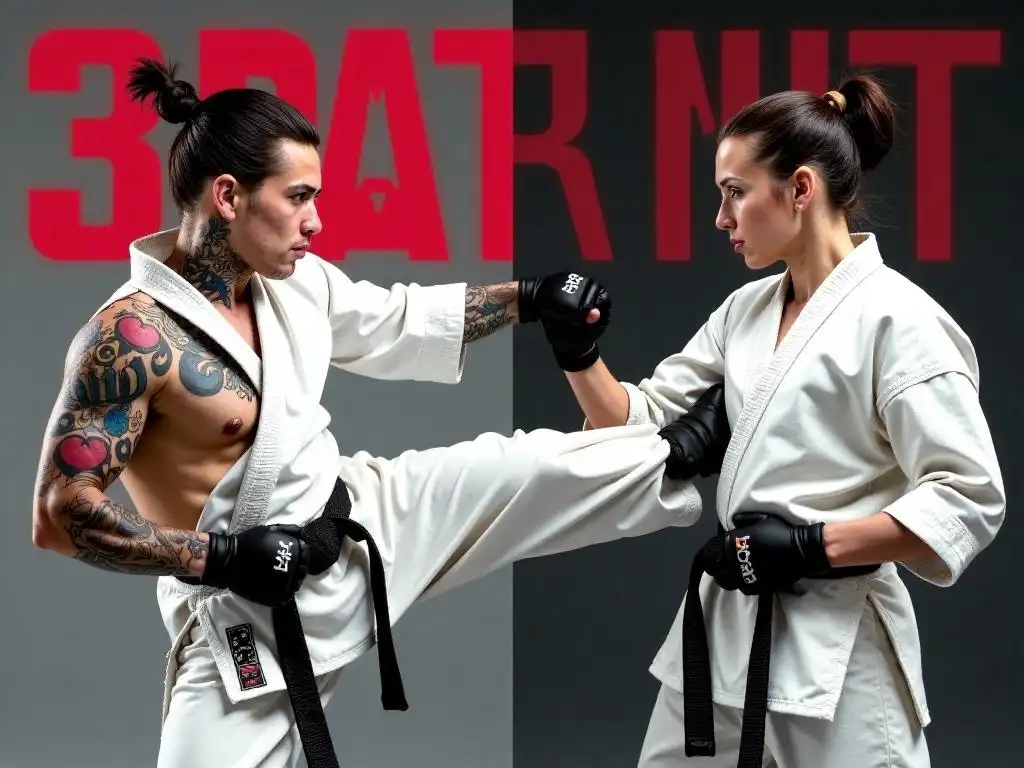
Modern martial arts gear has evolved significantly over the years, driven by advancements in technology, materials, and a deeper understanding of the needs of martial artists. Unlike traditional gear, which often emphasizes historical accuracy and cultural significance, modern gear focuses on performance, safety, and convenience. This section will explore the defining characteristics of modern martial arts equipment, highlighting how it caters to contemporary practitioners across various disciplines.
Key Features of Modern Gear
Modern martial arts gear is characterized by several key features that distinguish it from traditional counterparts:
- Materials and Construction:
- Synthetic Fabrics: Many modern uniforms (gi) are made from synthetic materials that offer superior durability, moisture-wicking capabilities, and ease of maintenance compared to traditional cotton fabrics.
- Protective Padding: Gear often incorporates advanced padding made from high-density foam and gel, providing enhanced protection during training and sparring.
- Design Innovations:
- Ergonomics: Modern designs prioritize comfort and movement, allowing martial artists to perform techniques with greater ease. This includes features like flexible seams and tailored fits.
- Breathability: Enhanced ventilation systems, such as mesh panels, help regulate body temperature, particularly during intense training sessions.
- Customization Options:
- Many manufacturers offer customizable gear, allowing practitioners to choose colors, sizes, and additional features tailored to their specific needs or preferences.
- Safety Enhancements:
- Shock Absorption: Modern gear often includes materials designed to absorb impact, such as shin guards, headgear, and body protectors, which significantly reduce injury risk during sparring.
- Technology Integration:
- Some contemporary gear even integrates technology, such as sensors in gloves that track performance metrics, providing valuable data for improvement.
Advantages of Modern Martial Arts Gear
Modern martial arts gear presents several advantages that cater to the needs of today's practitioners:
- Enhanced Safety: The incorporation of protective features reduces the likelihood of injuries during training, allowing martial artists to train harder and longer without excessive risk.
- Improved Performance: With advancements in materials and design, modern gear can enhance an athlete's performance by providing greater flexibility, support, and comfort.
- Accessibility: Modern gear often comes in a wider range of sizes and styles, making it more accessible to practitioners of all body types and skill levels. This inclusivity fosters a more welcoming environment in martial arts schools.
- Ease of Maintenance: Synthetic materials are often easier to clean and maintain than traditional fabrics, allowing practitioners to focus more on training than on gear upkeep.
- Versatility: Many modern pieces of gear are adaptable for various martial arts styles, making them suitable for cross-training.
Disadvantages of Modern Martial Arts Gear
Despite its advantages, modern martial arts gear is not without drawbacks:
- Cost: High-quality modern gear can be significantly more expensive than traditional options. The investment may be prohibitive for some practitioners, especially beginners.
- Less Cultural Significance: For some martial artists, modern gear may lack the cultural heritage and symbolism associated with traditional gear, which can detract from the overall experience of training in certain disciplines.
- Environmental Impact: The use of synthetic materials raises concerns regarding sustainability and environmental impact, as these materials may not be biodegradable and can contribute to pollution.
- Fit and Comfort Variability: While many modern designs prioritize comfort, the fit can vary greatly between brands, making it crucial for practitioners to try on gear before purchasing to ensure it meets their needs.
Modern martial arts gear offers a blend of safety, performance, and convenience, catering to the evolving needs of martial artists today. However, it is essential for practitioners to weigh the pros and cons when deciding between traditional and modern gear to find what best suits their training objectives.
Comparing Effectiveness: Traditional vs Modern Martial Arts Gear
Performance in Different Martial Arts Disciplines
When assessing the effectiveness of traditional versus modern martial arts gear, it is essential to consider how performance varies across different martial arts disciplines. Each style has unique requirements, and the gear utilized can significantly influence training efficacy and competition outcomes.
- Traditional Martial Arts: Styles such as Karate, Judo, and Kendo often emphasize the use of traditional gear, which is typically designed to enhance specific movements and techniques. For example:
- Karate Gi: The lightweight cotton fabric allows for ease of movement, facilitating high kicks and swift punches. The design often incorporates reinforced stitching to withstand rigorous training.
- Judo Uniform (Judogi): A thicker fabric is used to endure the grappling techniques of Judo, providing durability while allowing the wearer to grip their opponent effectively.
- Kendo Armor (Bogu): This gear is specifically crafted to absorb impact from strikes, ensuring safety while maintaining mobility for fluid swordplay.
- Modern Martial Arts: In contrast, modern styles such as Mixed Martial Arts (MMA) and Brazilian Jiu-Jitsu (BJJ) often utilize contemporary gear designed for versatility and protection:
- MMA Shorts: Made from synthetic materials, these shorts provide freedom of movement and durability, suitable for both striking and grappling.
- BJJ Gi: A lightweight, reinforced design allows for optimal performance during ground techniques, with features that accommodate various grips and holds.
- Protective Gear: Modern martial artists frequently wear headgear, shin guards, and gloves to prevent injuries during sparring and competitions.
The choice between traditional and modern gear largely depends on the martial art practiced. Traditional gear often enhances specific techniques, while modern gear focuses on versatility and protection across multiple disciplines.
Suitability for Beginners vs Experienced Practitioners
The selection of martial arts gear can differ significantly between beginners and experienced practitioners, influencing both comfort and performance during training.
- Beginners: For those new to martial arts, traditional gear may provide a more authentic experience, fostering a connection to the art's history and culture. However, the focus should be on ease of use and comfort:
- Traditional Gear: Beginners might opt for a basic Karate Gi or a Judo uniform, which are relatively affordable and serve as a foundation for understanding the discipline. The emphasis should be on getting accustomed to movements rather than worrying about overly specialized equipment.
- Modern Gear: Alternatively, beginners in MMA or BJJ might benefit from modern gear that prioritizes comfort and protection. Lightweight shorts and rash guards can help prevent injuries and enhance overall enjoyment during training.
- Experienced Practitioners: As martial artists advance in skill, the choice of gear often becomes more specialized to enhance performance:
- Traditional Gear: Experienced practitioners may invest in higher-quality traditional uniforms with improved materials that enhance mobility and durability. This gear often features custom fittings and designs that reflect their rank and style.
- Modern Gear: For seasoned fighters, modern gear can include advanced protective equipment and performance-oriented apparel, tailored to withstand rigorous training and high-level competition. The integration of technology into materials, such as moisture-wicking fabrics or impact-resistant designs, can be crucial for maximizing performance.
While beginners may prioritize comfort and affordability in their gear choices, experienced practitioners often seek specialized equipment that enhances their training and competitive edge. The decision between traditional and modern martial arts gear should always reflect the individual's level of experience and the specific demands of their chosen discipline.
Price Comparison: Traditional vs Modern Martial Arts Gear
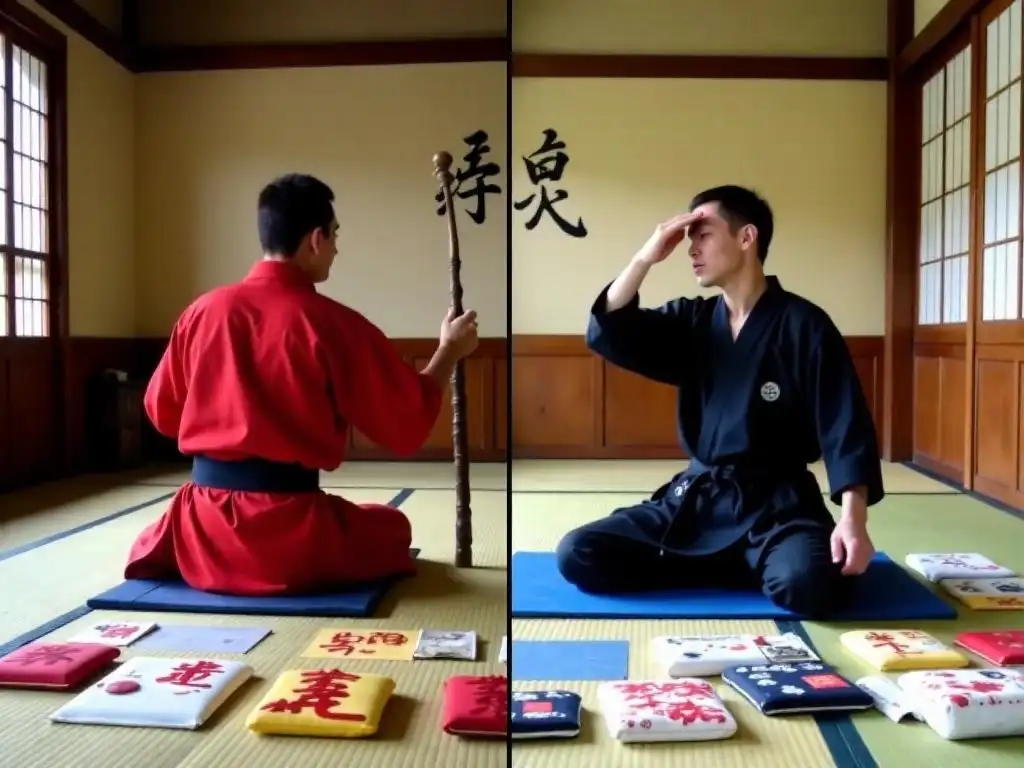
Cost of Traditional Martial Arts Gear
When evaluating the cost of traditional martial arts gear, it’s essential to consider several factors that influence pricing. Traditional gear often includes items such as uniforms (gi), belts, protective equipment, and weapons. Here’s a breakdown of the typical costs associated with these items:
- Uniforms (Gi):
- Prices can range from $30 to $150, depending on the quality, brand, and specific martial art. For example, a basic karate gi can cost around $30, while a high-quality judo gi may reach up to $150.
- Belts:
- The cost of belts usually ranges from $10 to $30. The price varies based on the material and the rank indicated by the belt (e.g., black belts may be more expensive due to their symbolic significance).
- Protective Gear:
- This includes items like shin guards, headgear, and gloves. Prices can vary widely, typically from $20 to $100 per item. High-end protective gear designed for competition can be more expensive.
- Weapons:
- For martial arts that utilize weapons, such as kendo or aikido, prices can vary significantly. Wooden swords (bokken) may range from $15 to $100, while metal swords (such as katana) can start around $100 and go much higher based on craftsmanship.
Investing in traditional martial arts gear can be relatively affordable, especially for beginners. However, practitioners who seek high-quality, durable gear may find themselves spending more, especially as they progress in their training.
Cost of Modern Martial Arts Gear
In contrast, the cost of modern martial arts gear often reflects advancements in technology and materials, which can lead to higher prices. Here are the main components to consider:
- Uniforms:
- Modern uniforms may incorporate lightweight and breathable materials, often costing between $50 to $200. For instance, specialized uniforms for Brazilian jiu-jitsu (BJJ) can be priced at the higher end due to their unique designs and durability.
- Protective Equipment:
- Modern protective gear is often designed with safety features that enhance performance. Prices typically range from $40 to $150. For example, premium MMA gloves with advanced padding and wrist support can cost around $80.
- Training Accessories:
- Items such as punching bags, focus mitts, and other training aids can vary significantly. A high-quality heavy bag may cost $100 to $300, while focus mitts can range from $20 to $60.
- Footwear:
- Unlike traditional martial arts, modern disciplines often use specific footwear designed for training. Prices can vary widely, from $30 for basic shoes to over $100 for specialized models.
While modern martial arts gear may present a higher initial investment compared to traditional gear, it often incorporates advanced features that can enhance training and performance. As such, practitioners need to assess their specific needs and budget when deciding which gear is best for them.
Recommendations Based on Training Goals and Preferences
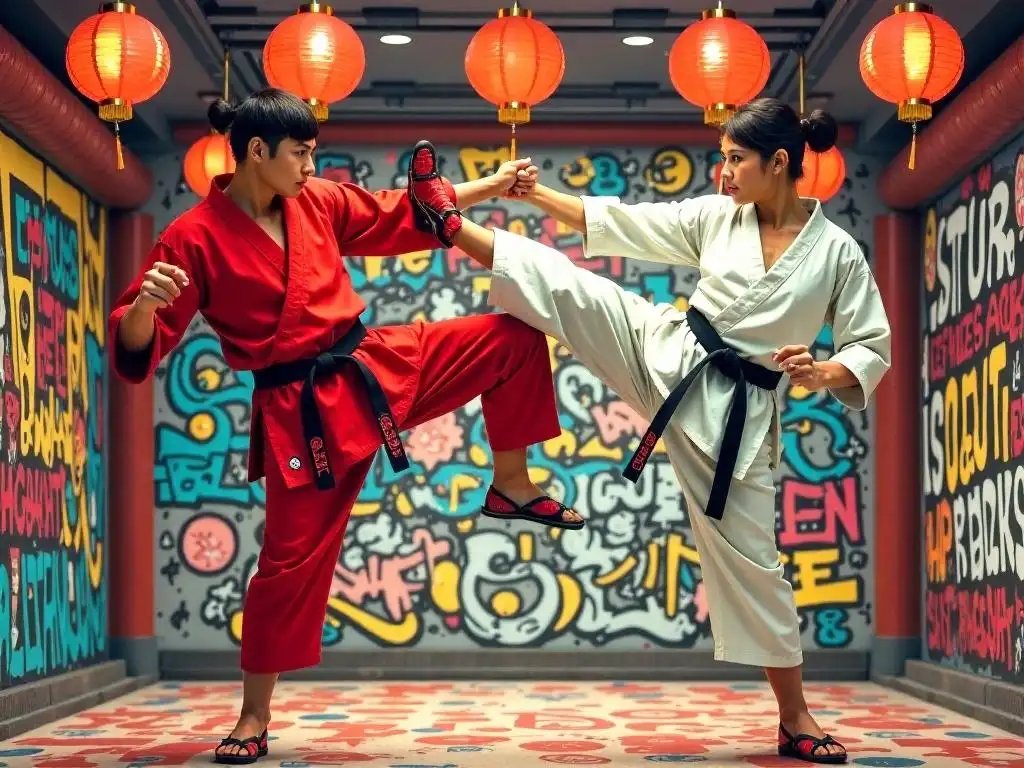
When it comes to martial arts, selecting the right gear is crucial to achieving your training goals and enhancing your experience. Whether you're drawn to the rich heritage of traditional martial arts or the innovative features of modern gear, understanding your personal preferences and objectives will guide you in making the best choice. Below, we delve into the best options for both traditional and modern martial arts gear, catering to various training aspirations.
Best Traditional Martial Arts Gear for Authentic Experience
For practitioners who value the historical and cultural significance of martial arts, traditional gear is essential. Here are some top recommendations that embody the spirit and techniques of various disciplines:
- Gi (Karate and Judo)
- Material: Cotton or cotton-blend fabric for breathability and comfort.
- Features: Reinforced stitching, wide sleeves, and a belt for securing the waist.
- Recommendation: Look for brands that offer pre-shrunk options to maintain size after washing.
- Hakama (Kendo and Aikido)
- Material: Lightweight cotton or synthetic blend.
- Features: Pleated design that allows for movement and flexibility.
- Recommendation: Choose a darker color like navy or black for a traditional appearance.
- Bokken (Kendo and Kenjutsu)
- Material: Wood (typically oak or bamboo).
- Features: Lightweight, durable, and designed to mimic a katana.
- Recommendation: Select a well-balanced bokken that fits comfortably in your hands.
- Sparring Gear (Traditional Styles)
- Components: Headgear, gloves, shin guards, and foot pads that comply with traditional martial art standards.
- Features: Protective yet lightweight to allow for agility.
- Recommendation: Opt for gear made from high-quality foam and leather for durability.
- Tao (Taekwondo)
- Material: Cotton or polyester blend for flexibility.
- Features: Lightweight design that allows for high kicks and swift movements.
- Recommendation: Ensure proper fit to avoid restriction during training.
Taking the time to select authentic traditional gear not only enhances your training experience but also pays homage to the rich history of martial arts.
Best Modern Martial Arts Gear for Performance and Comfort
Modern martial arts gear focuses on performance, innovation, and comfort, catering to practitioners who prioritize functionality. Consider the following options:
- Compression Gear
- Material: Spandex and polyester blends for moisture-wicking properties.
- Features: Tight-fitting design that supports muscles and reduces fatigue.
- Recommendation: Look for options with UV protection for outdoor training sessions.
- Modern Gi
- Material: Lightweight synthetic fabrics that resist tearing.
- Features: Breathable, moisture-wicking, and designed for maximum flexibility.
- Recommendation: Brands like Hayabusa and Venum offer high-performance options tailored for grappling.
- Protective Gear (MMA)
- Components: Headgear, shin guards, mouthguards, and padded gloves.
- Features: Designed to absorb impact while allowing for natural movement.
- Recommendation: Make sure to choose gear that meets safety standards for competitive sparring.
- Footwear
- Types: Grappling shoes or specialized martial arts shoes designed for grip and support.
- Features: Lightweight, flexible, and often machine washable.
- Recommendation: Select shoes with a rubber sole for optimal traction on the mat.
- Training Aids
- Examples: Punching bags, focus mitts, and resistance bands to enhance training.
- Features: Durable materials and various sizes tailored to different training styles.
- Recommendation: Invest in high-quality options that can withstand rigorous training sessions.
Each piece of modern gear is designed to enhance performance, allowing practitioners to train harder and longer with the comfort and support they need. By assessing your training goals and preferences, you can make informed decisions that will elevate your martial arts practice.
Conclusion: Making the Right Choice for Your Martial Arts Journey
Final Thoughts on Traditional vs Modern Martial Arts Gear
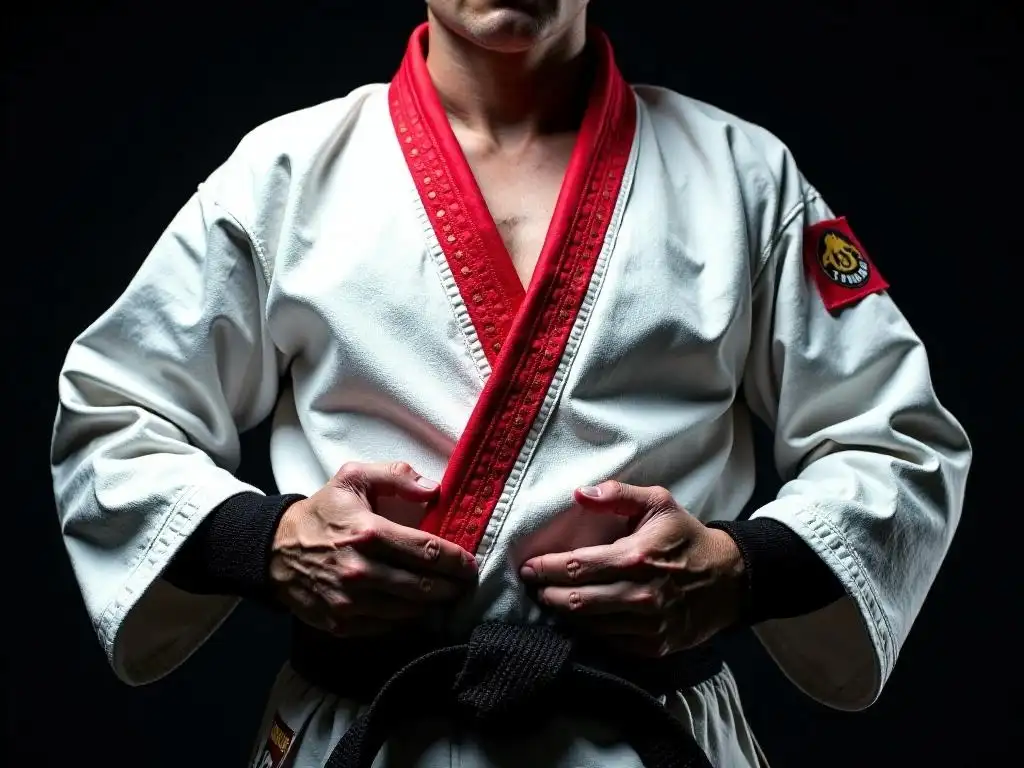
As you navigate the world of martial arts gear, understanding the nuances between traditional vs. modern martial arts gear is crucial. Traditional gear, often steeped in historical significance and crafted with age-old techniques, provides practitioners a sense of connection to their martial heritage. For instance, a judogi (judo uniform) or a gi (karate uniform) not only serves as functional attire but also embodies the values and discipline of the respective martial art.
On the other hand, modern gear is designed with advancements in materials and technology, focusing on safety and performance. For example, modern sparring helmets incorporate lightweight materials that offer enhanced protection without sacrificing mobility. This type of gear is particularly beneficial for practitioners engaged in competitive environments where safety is a priority.
When choosing between traditional and modern gear, consider the following factors:
- Purpose of Training: Are you training for competition or personal development?
- Comfort and Fit: Does the gear allow for a full range of motion?
- Cultural Significance: Is the historical aspect important to your practice?
- Budget: How much are you willing to invest in your gear?
Ultimately, the best choice depends on your individual preferences and training goals, emphasizing the importance of selecting gear that resonates with your martial arts journey.
Encouragement to Explore Both Options for Optimal Training
Exploring both traditional and modern martial arts gear can significantly enhance your training experience. Each type of gear offers unique benefits that can cater to different aspects of your practice.
- Traditional Gear:
- Fosters a deeper understanding of martial arts philosophy and history.
- May provide a greater sense of respect towards the art form.
- Often made with natural materials, offering breathability and comfort.
- Modern Gear:
- Incorporates innovative designs for improved safety and performance.
- Typically features moisture-wicking and durable materials.
- Often available in a wider range of sizes and styles for better fit.
By experimenting with both styles of gear, you can determine what suits your training style and enhances your martial arts practice. Consider visiting local dojos, attending workshops, or engaging with online martial arts communities to gain insights and recommendations from fellow practitioners. This journey of exploration allows you to tailor your gear choices to best support your martial arts aspirations, ensuring a fulfilling and effective training experience.
Call to Action
Engaging in martial arts is not just about the techniques and discipline; it's also about the gear you choose. Whether you are leaning towards traditional martial arts gear or opting for modern alternatives, the right equipment can significantly enhance your training experience. Explore your options, consider your needs, and make an informed decision that aligns with your martial arts journey.
Where to Purchase the Best Traditional and Modern Martial Arts Gear
When it comes to selecting the best gear for your martial arts training, understanding where to shop is crucial. Below are some of the top places to consider for purchasing both traditional and modern martial arts equipment.
1. Specialty Martial Arts Stores
- Pros:
- Expert staff who can provide tailored advice.
- Hands-on experience with gear before purchasing.
- Cons:
- Often higher prices compared to online retailers.
- Examples:
- Local dojo supply stores.
- Dedicated martial arts shops in your area.
2. Online Retailers
- Pros:
- Wide variety of options available at competitive prices.
- Reviews and ratings provide insight into product quality.
- Cons:
- Shipping times can vary; sizing may be difficult to gauge without trying.
- Popular platforms:
- Amazon
- eBay
- Martial arts-specific online shops like Century Martial Arts.
3. Second-hand Marketplaces
- Pros:
- Cost-effective options for those on a budget.
- Unique finds that may not be available in stores.
- Cons:
- Quality and condition can vary widely.
- Examples:
- Facebook Marketplace
- Craigslist
- Local classifieds.
4. Sporting Goods Stores
- Pros:
- Often carry modern gear that can be suitable for various martial arts styles.
- Availability of a wide range of sports equipment.
- Cons:
- Limited selection of specific traditional martial arts gear.
- Examples:
- Dick’s Sporting Goods
- Academy Sports + Outdoors.
5. Dojo Recommendations
- Pros:
- Access to trusted brands and gear that instructors recommend.
- Potential group discounts for dojo members.
- Cons:
- Limited to what the dojo stocks or recommends.
- Consider asking your instructor for their personal recommendations.
Conclusion
Choosing the right gear for your martial arts training involves understanding your personal needs, the specific style you practice, and where to shop. Whether you decide on traditional or modern martial arts gear, ensure that you prioritize quality and comfort to enhance your performance. Always seek advice from experienced practitioners or instructors to guide your purchase decisions, and don’t hesitate to explore multiple sources before making your choice. Happy training!
Frequently Asked Questions
What is the main difference between traditional and modern martial arts gear?
Traditional martial arts gear often emphasizes historical techniques and cultural significance, while modern gear focuses on performance, safety, and technology advancements.
How does the choice of martial arts gear impact training?
The right gear can enhance comfort, protection, and performance, making it crucial for practitioners to choose between traditional or modern options based on their training goals and style.
Are traditional martial arts uniforms still relevant today?
Yes, traditional uniforms, such as gi and hakama, maintain their relevance for their cultural significance, but modern alternatives may offer better materials for improved functionality and durability.
What should beginners consider when selecting martial arts gear?
Beginners should consider the requirements of their chosen martial art, whether they prioritize tradition or modernity, and how the gear contributes to their learning experience and safety.
Can modern martial arts gear be used in traditional practices?
While it’s possible, it's important to evaluate if modern gear aligns with the principles and techniques of the traditional practice to ensure that it does not compromise the integrity of the training.
Final Reflection: Embracing the Best of Both Worlds in Martial Arts Gear
In the ever-evolving landscape of martial arts, the debate between traditional and modern gear remains profoundly relevant. As practitioners seek to enhance their skills and performance, understanding the strengths and weaknesses of each type of equipment becomes crucial. The choice between traditional and modern martial arts gear is not merely a matter of preference; it reflects our values, training philosophies, and the evolution of the martial arts community itself. Ultimately, the best gear is the one that aligns with your personal journey and goals.
Cultural heritage and innovation coexist in the realm of martial arts gear, shaping the identities of practitioners worldwide. The traditional gear often embodies the rich history and discipline of martial arts, while modern gear introduces advancements that enhance safety and performance. This ongoing dialogue between the past and the present is vital for the growth of martial arts as a discipline. Tradition is not the worship of ashes, but the preservation of fire.
– Gustav Mahler. This quote resonates deeply as we navigate the balance between honoring our roots and embracing innovation in our training.
As you reflect on your own martial arts journey, consider how the gear you choose can enhance your practice and personal growth. I invite you to explore the unique benefits of both traditional and modern martial arts gear, and to find what resonates with you. Whether you lean towards the time-honored techniques or the cutting-edge advancements, remember that your choice is a powerful expression of your martial arts identity. Embrace the journey ahead, and let your gear empower you to reach new heights in your training.
Unleash Your Warrior Spirit: Choose the Right Gear Today!
Thank you for taking the time to explore the essential differences between traditional and modern martial arts gear! By understanding these distinctions, you're one step closer to finding the perfect fit for your martial arts journey. Now, let's turn that knowledge into action!
- Evaluate your training needs: Take a moment to assess which aspects of martial arts resonate with you the most and decide whether traditional or modern gear aligns better with your goals.
- Explore local shops or online stores: Check out retailers offering a variety of gear. Don’t hesitate to try on different pieces to determine which ones feel right for you.
- Join a community group or forum: Engage with fellow martial artists to learn from their experiences and share insights about their gear choices.
What type of gear do you believe will elevate your martial arts practice to the next level? **Share your thoughts below! **