
Essential Accessories for Martial Arts Training: What You Shouldn't Skip

Welcome to Feudal Japan History, where we invite you to embark on a fascinating journey through the rich tapestry of Japan’s feudal era. Here, history comes alive as we delve into the intricate cultural and societal elements that shaped a nation. Are you ready to discover the essential accessories for martial arts training that no practitioner should overlook?
From the storied past of samurai warriors to the gear that defines modern training, our expert-driven insights will leave you eager to explore the depths of Japan's martial arts legacy. Join us as we unveil the secrets behind the accessories that have become synonymous with discipline and mastery—your adventure begins now!
Introduction to Martial Arts Training Accessories in Japan
Martial arts training in Japan is not just about the techniques and physical prowess; it is also deeply intertwined with tradition, culture, and the right equipment. The journey of a martial artist begins with an understanding of the essential accessories that enhance training effectiveness and ensure safety. In this comprehensive guide, we will explore the various martial arts training accessories that are vital for practitioners in Japan, emphasizing not only their functional importance but also their cultural significance. From traditional uniforms to modern protective gear, each accessory plays a crucial role in a martial artist's development and experience.
As we delve into the specifics, it's important to recognize that the selection of these accessories can vary based on the martial art style—be it Karate, Judo, Aikido, or Kendo. This article will highlight the key accessories that every serious practitioner should consider, providing insights into their features, benefits, and how they contribute to effective training.
Key Accessories for Martial Arts Training in Japan
1. Training Uniforms (Gi)
The Gi, or training uniform, is perhaps the most iconic accessory in martial arts. It represents not only the discipline associated with the practice but also serves practical purposes during training.
- Cultural Significance: The Gi is steeped in tradition, often featuring symbols and colors that reflect the martial art's philosophy and the practitioner's rank. For example, in Karate, the color of the belt signifies the practitioner's level of expertise.
- Material and Design: Most Gis are made from durable cotton, allowing for breathability and flexibility. They are designed to withstand rigorous training sessions while providing comfort and ease of movement. In Japan, styles can differ significantly based on the martial art, with variations in cut and thickness.
- Choosing the Right Gi: When selecting a Gi, consider the following factors:
- Fit: Ensure it is tailored to allow for unrestricted movement.
- Weight: A heavier Gi is often preferred for grappling arts, while lighter fabrics are favored in striking arts.
- Maintenance: Look for materials that are easy to wash and durable enough to withstand frequent use.
2. Protective Gear
Safety is paramount during martial arts training, making protective gear an essential accessory.
- Types of Protective Gear: Depending on the martial art, the types of protective gear can vary:
- Headgear: Protects against head injuries during sparring.
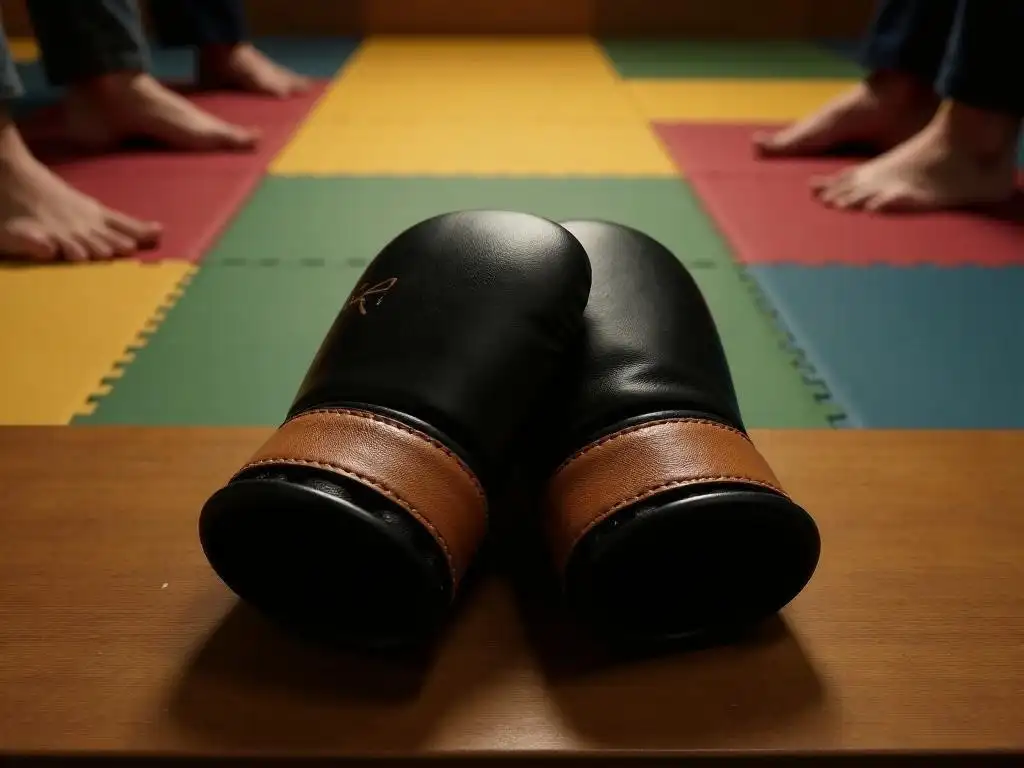
- Gloves: Essential for striking arts to minimize hand injuries while providing protection to the opponent.
- Shin Guards: Crucial for practitioners who engage in kicking techniques, helping to absorb impact and protect the legs.
- Importance of Quality: Investing in high-quality protective gear is vital. It not only enhances safety but also provides comfort during training, allowing the practitioner to focus on technique without distraction.
- Safety Standards: In Japan, protective gear often adheres to specific safety standards, and it's advisable to choose products certified by recognized organizations to ensure maximum protection.
Understanding and investing in the right martial arts training accessories is key to a safe and effective training experience. From the traditional Gi that embodies the spirit of martial arts to the necessary protective gear that safeguards practitioners, each accessory plays a pivotal role in the journey of a martial artist in Japan.
Training Equipment for Enhanced Performance
In the realm of martial arts, proper training equipment is crucial for enhancing performance and ensuring safety during practice sessions. Investing in high-quality accessories not only aids in skill development but also minimizes the risk of injuries. Here are some essential training accessories that can significantly improve your martial arts experience.
1. Training Mats
Training mats are an indispensable accessory for any martial artist. They provide a cushioned surface that absorbs impact and reduces the risk of injuries during falls, rolls, and throws. When choosing training mats, consider the following factors:
- Thickness: Mats typically range from 1 to 2 inches in thickness. Thicker mats offer better shock absorption, making them ideal for high-impact disciplines such as judo and karate.
- Material: Look for mats made from high-density foam or vinyl, which offer durability and ease of cleaning. Some mats are designed to be water-resistant, making them suitable for various training environments.
- Size and Portability: Depending on your training space, opt for mats that are large enough to accommodate your movements but also lightweight and portable if you need to transport them to different locations.
Investing in quality training mats is essential for creating a safe training environment and enhancing your overall martial arts performance.
2. Bags and Holders for Equipment
Keeping your training gear organized and easily accessible is vital for effective martial arts training. Bags and holders specifically designed for martial arts equipment can help you manage your gear efficiently. Here are some popular options:
- Gear Bags: Look for spacious gear bags with multiple compartments to store uniforms, gloves, shin guards, and other accessories. Features like padded straps and waterproof materials can also enhance comfort and durability.
- Belt Holders: For martial artists who have accumulated various belts, a dedicated belt holder can keep them organized and displayed neatly. These holders come in various designs, from wall-mounted racks to portable cases.
- Focus Mitt Holders: If your training involves focus mitts or striking pads, consider bag options that include designated compartments for these items, ensuring they remain protected and easy to transport.
Having the right bags and holders not only helps in maintaining your gear but also streamlines your preparation for training sessions.
Specialized Accessories for Different Martial Arts Disciplines
Different martial arts disciplines require specific accessories to optimize training effectiveness. Below are essential accessories tailored for popular martial arts styles, ensuring that practitioners have the right tools to hone their skills.
1. Karate Training Accessories
Karate practitioners benefit from a variety of specialized accessories that enhance their training. Some essential items include:
- Karate Uniform (Gi): A well-fitted gi is essential for practicing techniques and kata. Look for durable materials that allow for freedom of movement.
- Protective Gear: Headgear, gloves, and shin guards are crucial for sparring sessions to protect against injuries.
- Kumite and Kata Pads: These pads help practitioners focus on precision and technique during training sessions, promoting better performance during competitions.
Having the right karate training accessories ensures that practitioners can train safely and effectively.
2. Judo Training Tools
Judo training requires specific tools designed to accommodate the unique techniques involved. Key accessories include:
- Tatami Mats: These traditional mats provide a firm yet cushioned surface ideal for judo throws and falls.
- Judo Gis: Heavyweight judo uniforms are designed to withstand the rigors of grappling and are typically made from durable cotton or polyester blends.
- Grips and Throws Training Devices: Specialized training tools that help practitioners improve their grip strength and throwing techniques can be beneficial for advanced training.
These judo training tools are essential for building strength and mastering the art of judo.
3. Kendo Equipment
Kendo, the way of the sword, requires specific gear to ensure safety and effective training. Key accessories include:
- Men (Helmet): A protective helmet that shields the face and head, while allowing for visibility and ventilation.
- Bogu (Protective Gear): This includes the do (chest protector), kote (gloves), and tare (waist protector), all designed to absorb impact during practice.
- Shinai (Bamboo Sword): The shinai is crucial for practicing strikes and techniques in kendo. Choosing the right size and weight is important for effective training.
Investing in quality kendo equipment is essential for safety and performance enhancement in this dynamic martial art.
Maintenance and Care for Your Martial Arts Accessories
Proper maintenance and care of your martial arts training accessories are crucial for ensuring their longevity and effectiveness. Here are key practices to follow:
- Regular Cleaning:
- Uniforms (Gi): Wash your gi after every practice to remove sweat and bacteria. Use cold water to prevent shrinking and fading. Hang it to dry instead of using a dryer to maintain its shape and fabric integrity.
- Protective Gear: Wipe down mouthguards, shin guards, and other protective gear with antiseptic wipes after each use. This not only keeps them clean but also helps prevent infections.
- Footwear: Clean your martial arts shoes regularly, as they can accumulate dirt and bacteria. Avoid wearing them outside to prolong their lifespan.
- Inspection for Wear and Tear:
- Frequent Checks: Regularly inspect your gear for any signs of damage, such as frayed straps, cracked plastic, or worn-out padding. Addressing these issues early can prevent injuries and ensure safety during training.
- Replacement Schedule: Establish a routine for replacing worn accessories based on usage. For example, mouthguards should be replaced every few months or sooner if they show signs of wear.
- Storage:
- Proper Environment: Store your gear in a cool, dry place to prevent mold and mildew growth. Avoid leaving your items in direct sunlight for extended periods, as UV rays can degrade materials over time.
- Organized Space: Use dedicated storage bins or bags to keep your accessories organized and easily accessible. This will also protect them from dust and damage.
Conclusion: Investing in Quality Martial Arts Training Accessories
Investing in quality martial arts training accessories is essential for both performance and safety. High-quality gear often features better materials, enhanced durability, and superior design, all of which contribute to an improved training experience. Here’s why you should prioritize quality:
- Safety First: Quality accessories, such as protective gear and uniforms, are designed with safety in mind. They provide better protection against injuries, which is crucial in high-contact martial arts.
- Enhanced Performance: Well-made gear can improve your performance by allowing for greater mobility and comfort. For instance, a properly fitted gi can facilitate better movement, while high-quality mats can reduce the risk of slips and falls during training.
- Long-Term Savings: While quality gear may come with a higher upfront cost, it often proves to be more cost-effective in the long run. Durable accessories require fewer replacements, saving you money over time.
By selecting trusted brands and investing in well-reviewed products, you can ensure that your martial arts training accessories not only meet your needs but also enhance your overall training journey.
Additional Resources and Further Reading
For those looking to deepen their understanding of martial arts training accessories and care, consider exploring the following resources:
- Books:
- "The Complete Martial Arts Training Manual" - A comprehensive guide covering various aspects of martial arts training, including gear selection and maintenance.
- "Martial Arts Equipment: The Definitive Guide" - This book provides insights into the best practices for choosing and caring for martial arts gear.
- Online Forums:
- Join martial arts forums and communities where practitioners share their experiences and recommendations regarding training accessories.
- Videos and Tutorials:
- Platforms like YouTube have numerous channels dedicated to martial arts training gear reviews and maintenance tips. Look for videos that demonstrate proper cleaning techniques and gear usage.
These resources will help you stay informed and make educated decisions about your martial arts training accessories.
- Introduction to Martial Arts Training Accessories in Japan
- Key Accessories for Martial Arts Training in Japan
- Training Equipment for Enhanced Performance
- Specialized Accessories for Different Martial Arts Disciplines
- Maintenance and Care for Your Martial Arts Accessories
- Conclusion: Investing in Quality Martial Arts Training Accessories
- Additional Resources and Further Reading
- What are the essential accessories for martial arts training in Japan?
- How do martial arts training accessories improve performance?
- Are there specific accessories for different types of martial arts?
- Where can I find quality martial arts training accessories in Japan?
- Can beginners benefit from using martial arts training accessories?
Frequently Asked Questions
What are the essential accessories for martial arts training in Japan?
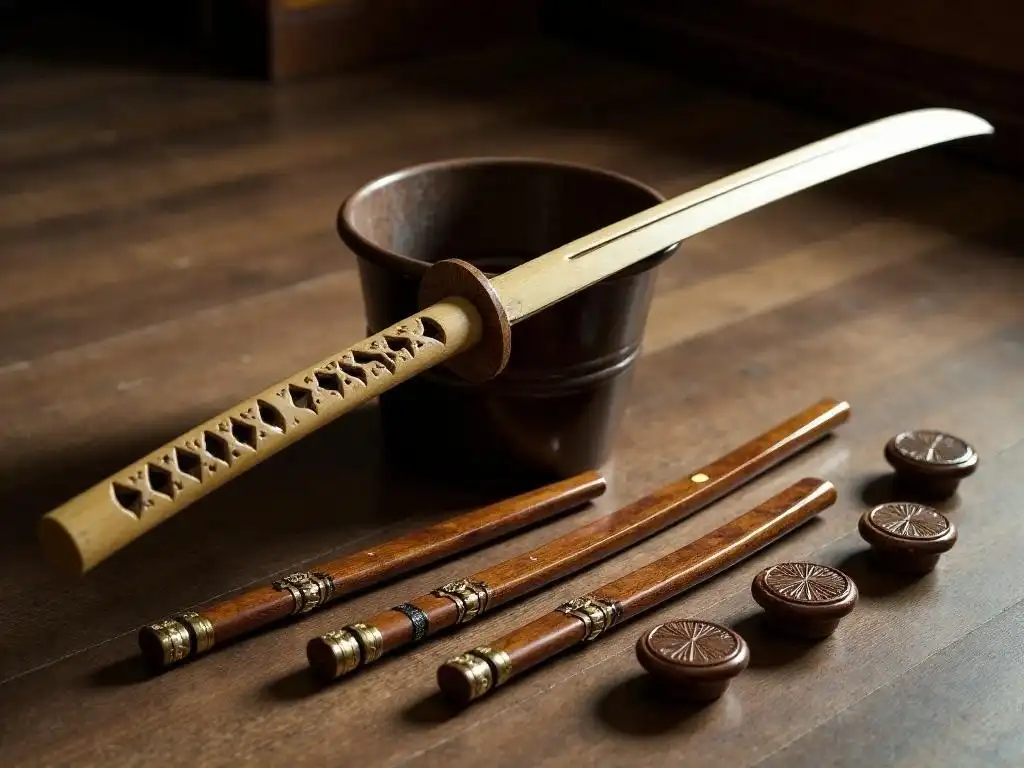
Essential accessories include protective gear, such as gloves and shin guards, as well as training weapons like bokken or jo. These items enhance safety and effectiveness during practice.
How do martial arts training accessories improve performance?
Using the right accessories can significantly improve your technique and safety. They help practitioners focus on skills without the risk of injury, enhancing overall performance.
Are there specific accessories for different types of martial arts?
Yes, each martial art has its own specific accessories. For example, karate practitioners might use belts for ranking, while kendo students require bamboo swords and masks.
Where can I find quality martial arts training accessories in Japan?
You can find quality training accessories at specialized martial arts stores, online retailers, or through dojo recommendations. Local shops often offer expert guidance on the best gear.
Can beginners benefit from using martial arts training accessories?
Absolutely! Beginners should utilize accessories to ensure proper form and safety. Starting with essential gear can help establish a solid foundation for their martial arts journey.
Final Reflection: Embracing the Essentials of Martial Arts Training
In the world of martial arts, the right accessories can make all the difference between a successful training session and a frustrating one. As we delve into the essential accessories for martial arts training, particularly in the context of Japan, it becomes clear that these tools are not merely optional; they are foundational to the journey of every martial artist. The importance of investing in quality gear cannot be overstated, as it directly impacts performance, safety, and the overall training experience.
The influence of martial arts training accessories extends beyond the dojo and into the broader cultural landscape. These accessories symbolize dedication, discipline, and respect for the art form. They serve as a bridge connecting practitioners to centuries of tradition and the rich history of martial arts in Japan. As we embrace these essentials, we also honor the legacy of those who came before us. The ultimate aim of martial arts is not having to use them.
This quote resonates deeply, reminding us that the tools we choose are not just for combat but for personal growth and self-discovery.
As you reflect on your own martial arts journey, consider how the right accessories can enhance your training experience. Take a moment to evaluate your gear and think about what you might be missing. Whether it's a sturdy pair of gloves, a quality gi, or protective equipment, each piece plays a role in your development as a martial artist.
Embrace the opportunity to invest in your practice, and let these essential accessories guide you toward achieving your goals. Remember, the path of martial arts is not just about the destination; it's about the journey and the tools that accompany you along the way.
Elevate Your Training: Unleash Your Potential Today!
Thank you for exploring the world of martial arts accessories with us! We hope you’ve discovered the essential tools that will enhance your training experience and help you achieve your personal goals. Now, it’s time to take action and elevate your practice.
Here are a few steps to get you started on your journey:
- Invest in the right gear: Visit your local store or browse online to find the essential accessories that align with your training style. Remember, **quality is key! **
- Join a community: Look for local martial arts classes or online forums where you can connect with fellow enthusiasts to share experiences and tips.
- Share your knowledge: Talk about your favorite accessories and their impact on your training on social media or with friends. You might inspire someone else to enhance their practice!
What accessory do you believe has made the biggest difference in your training? Let’s discuss!