
How Feudal Warfare Influenced the Strategies of Unification in Japan

Welcome to Feudal Japan History, where we embark on a journey through the captivating tapestry of Japan’s feudal era. Here, you’ll uncover the intricate political dynamics and cultural nuances that shaped this fascinating period. Our featured article, “How Feudal Warfare Influenced the Strategies of Unification in Japan,” delves deep into the feudal warfare strategies that not only defined battles but also laid the groundwork for the unification of a nation.
Are you ready to explore how these strategies influenced the very fabric of Japanese society? Dive in and discover the extraordinary stories behind the samurai, their tactics, and the legacy they left behind!
- Introduction to Feudal Warfare Strategies in Japan
- The Evolution of Feudal Warfare in Japan
- The Role of Feudal Warfare in Political Fragmentation
- Strategies for Unification Influenced by Feudal Warfare
- Key Figures in the Unification of Japan
- The Transition from Feudal Warfare to a Unified Japan
- Conclusion: The Lasting Impact of Feudal Warfare Strategies on Japanese Unification
- Frequently Asked Questions
- Final Reflection: The Enduring Legacy of Feudal Warfare Strategies in Japan
- Uncover the Legacy of Feudal Strategy in Japan!
Introduction to Feudal Warfare Strategies in Japan
Feudal warfare in Japan played a pivotal role in shaping the political landscape and the eventual unification of the nation. During the feudal era, which spanned from the 12th to the 19th century, Japan was marked by a fragmented power structure dominated by regional warlords known as daimyōs. This period was characterized by a complex interplay of military strategies, alliances, and conflicts that not only defined the era's sociopolitical dynamics but also laid the groundwork for the emergence of a unified Japan.
Understanding the intricacies of feudal warfare strategies in Japan is essential for comprehending how these conflicts influenced the broader narrative of unification and the establishment of centralized governance. This article will delve into the historical, cultural, and societal aspects of warfare during this transformative period, highlighting key events and figures that played a crucial role in Japan's unification journey.
Overview of Feudal Japan and Its Warfare
Japan's feudal era was a time of significant upheaval and transformation, marked by the rise and fall of powerful clans and the constant struggle for dominance. After the establishment of the Kamakura shogunate in the late 12th century, the country entered an age where samurai warriors became the backbone of military power. Warfare was not only a means of territorial expansion but also a catalyst for social change and political realignment.
- Key Features of Feudal Warfare:
- Samurai Code (Bushido): The ethical code that governed the behavior of samurai, emphasizing loyalty, honor, and martial skill.
- Siege Warfare: Techniques and strategies used to capture fortified castles and strongholds, including the use of siege engines.
- Naval Warfare: Particularly significant during the Mongol invasions in the late 13th century, which tested Japan's military preparedness and naval capabilities.
The nature of feudal warfare in Japan was deeply influenced by the geography of the islands, leading to unique strategies that prioritized mobility and the tactical use of terrain. The development of alliances among clans often determined the outcome of conflicts, showcasing the intricate web of relationships that existed during this tumultuous period.
Importance of Warfare in the Unification of Japan
Warfare during the feudal era was not merely about military engagements; it was instrumental in the unification process that culminated in the establishment of a centralized state under the Tokugawa shogunate in the early 17th century. The strategies employed by various warlords significantly impacted their ability to forge alliances, defeat rivals, and consolidate power.
- Major Factors Influencing Unification:
- Strategic Marriages: Alliances formed through marriage helped to consolidate power and reduce conflict between clans.
- Military Innovations: The introduction of firearms and new tactics changed the dynamics of battles, providing advantages to those who adapted quickly.
- Civil Wars: Events like the Sengoku period, characterized by constant warfare among competing daimyōs, ultimately led to the emergence of formidable leaders capable of unifying the nation.
The legacy of feudal warfare strategies in Japan remains a fundamental aspect of the country's history, influencing not only military tactics but also the cultural identity and political structures that would follow. Understanding these dynamics is crucial for appreciating how Japan transitioned from a patchwork of feudal territories to a cohesive and centralized nation.
The Evolution of Feudal Warfare in Japan
The evolution of feudal warfare in Japan was shaped by a complex interplay of political, social, and cultural factors that spanned several centuries. From the late Heian period (794-1185) through the Sengoku period (1467-1603), Japan experienced profound transformations in its military strategies, reflecting the shifting dynamics of power among regional clans.
Key Historical Phases of Feudal Warfare
-
The Heian Period (794-1185)
The Heian period marked the beginning of a distinct Japanese warrior class, the samurai. This era saw the rise of private armies as powerful families, such as the Taira and Minamoto clans, began to consolidate their influence. Warfare during this time was characterized by:
- Duels and Honor: Battles often involved one-on-one combat, emphasizing personal honor and martial prowess.
- Tactical Use of Horses: Cavalry played a crucial role, with warriors employing hit-and-run tactics.
-
The Kamakura Period (1185-1333)
Following the Genpei War, the Kamakura period established the first shogunate. Warfare became more organized, with the introduction of:
- Feudal Landholding: Lords granted land to vassals in exchange for military service.
- Siege Warfare: Clans began utilizing fortifications and siege strategies, leading to prolonged conflicts.
-
The Muromachi Period (1336-1573)
The fragmented political landscape of the Muromachi period fostered the rise of the Sengoku (Warring States) period. Key developments included:
- Increased Use of Infantry: The reliance on foot soldiers grew, supported by the use of pikes and firearms.
- Strategic Alliances: Clans formed temporary alliances to bolster their military capabilities.
-
The Sengoku Period (1467-1603)
This era of intense warfare saw the emergence of notable military leaders, such as Oda Nobunaga and Toyotomi Hideyoshi. Significant features included:
- Innovative Tactics: The use of gunpowder and coordinated infantry assaults became prominent.
- Psychological Warfare: Propaganda and psychological tactics were employed to demoralize enemy troops.
Major Clans and Their Tactical Innovations
Several prominent clans significantly influenced feudal warfare strategies in Japan, each contributing unique tactics and innovations:
-
The Minamoto Clan
Known for establishing the first shogunate, the Minamoto clan emphasized cavalry warfare and the importance of strategic surprise attacks. They effectively utilized terrain for ambushes during the Genpei War.
-
The Taira Clan
They pioneered the use of naval power, especially during battles such as the Battle of Dan-no-ura. Their tactical innovations included coordinated land and sea assaults, demonstrating a multifaceted approach to warfare.
-
The Oda Clan
Oda Nobunaga revolutionized military tactics by incorporating firearms into his strategies. His famous victory at the Battle of Nagashino (1575) showcased the effectiveness of volley fire, which maximized the impact of guns in battle.
-
The Tokugawa Clan
With the establishment of the Tokugawa shogunate, feudal warfare strategies transitioned towards stabilization and governance. Although less focused on warfare, they emphasized strategic peace through political marriages and alliances.
Influence of Chinese Military Strategies on Japanese Warfare
The influence of Chinese military strategies on Japanese warfare cannot be overstated. This influence permeated through various cultural and historical exchanges, notably:
- The Adoption of Confucian Principles: Samurai codes of conduct drew from Confucian ideals, emphasizing loyalty, honor, and duty, which shaped the ethical framework of Japanese warfare.
- Military Texts and Tactics: Classic Chinese military texts, such as Sun Tzu's "The Art of War," were studied and integrated into Japanese military thought. Concepts like deception, strategic positioning, and the importance of intelligence gathering became central tenets of Japanese warfare.
- Siege Techniques: Chinese siege warfare techniques, including the use of large-scale fortifications and battering rams, influenced Japanese castle design and siege strategies during the feudal era.
- Cultural Exchange: The introduction of Chinese weaponry, such as crossbows and gunpowder, transformed Japanese battle tactics and contributed to the evolution of feudal warfare strategies in Japan.
The evolution of feudal warfare in Japan was marked by significant phases, innovations from major clans, and external influences that shaped military strategies. The interplay of these factors facilitated the unification efforts that ultimately led to the establishment of a centralized government under the Tokugawa shogunate.
The Role of Feudal Warfare in Political Fragmentation
Feudal warfare played a pivotal role in the political fragmentation of Japan during the feudal era. This period, marked by constant conflict among samurai clans, led to a decentralization of power that significantly influenced the subsequent strategies for unification. The intricate web of alliances, rivalries, and battles created a landscape where local warlords, or daimyōs, held substantial sway over their territories, often at odds with one another.
Division of Power Among Samurai Clans
The feudal system in Japan was characterized by a hierarchy where the emperor was nominally at the top, but real power rested with the samurai clans. The division of power among these clans was not just a matter of geography but also of military strength and political influence. Each clan operated autonomously, developing its strategies for warfare, governance, and alliance-building.
- Regional Dominance: Major clans, such as the Taira, Minamoto, and Hojo, dominated different regions, leading to a patchwork of loyalty and enmity.
- Military Strategies: Each clan devised unique military strategies that reflected their geographic and economic conditions. For instance:
- The Taira clan utilized naval power effectively due to their proximity to the sea.
- The Minamoto clan, on the other hand, capitalized on swift cavalry charges and guerrilla tactics.
- Political Alliances: Clans often formed temporary alliances known as kizuna, which could shift dramatically based on the changing tides of war. These alliances were crucial for survival and territorial expansion, further complicating the political landscape.
This division of power not only fostered competition among clans but also set the stage for larger conflicts that would eventually catalyze the push towards unification.
The Impact of Internal Conflicts on Regional Control
Internal conflicts among samurai clans had profound implications for regional control in Japan. The incessant warfare led to shifting allegiances and a volatile power dynamic, significantly impacting the governance and stability of various territories.
- Erosion of Central Authority: Continuous fighting undermined the authority of the imperial court, which struggled to maintain control over the increasingly autonomous daimyōs. This erosion of central authority meant that local leaders often acted independently, prioritizing their own interests over those of the nation.
- Feudal Loyalty: Loyalty in feudal Japan was often more to one's clan than to the emperor. This personal loyalty system meant that during conflicts, the allegiance of samurai could change swiftly, resulting in unstable regional control. The consequence was frequent power vacuums and the rise of new leaders.
- Socioeconomic Consequences: The impact of these internal conflicts extended beyond the battlefield. Agricultural production suffered as lands were ravaged by war, leading to famine and economic distress among the peasantry. This socioeconomic instability further fueled discontent and rebellion against the ruling daimyōs.
In essence, internal conflicts facilitated a cycle of violence that perpetuated the fragmentation of Japan, complicating efforts for unification.
Case Study: The Genpei War and Its Consequences
The Genpei War (1180-1185) serves as a crucial case study that exemplifies how feudal warfare strategies in Japan influenced political fragmentation and the eventual move towards unification. This conflict between the Taira and Minamoto clans was pivotal in shaping the future of Japanese governance.
- Origins of the Conflict: The Genpei War arose from longstanding grievances and power struggles between the two clans. The Taira clan had established dominance, but the Minamoto clan sought to reclaim power, leading to a series of battles across Japan.
- Military Innovations: The Genpei War showcased significant military innovations. The Minamoto employed effective strategies, such as:
- Combined Arms: Utilizing both infantry and cavalry in coordinated attacks.
- Naval Engagements: The naval battles, particularly the Battle of Dan-no-ura, demonstrated the importance of maritime strategy in feudal warfare.
- Aftermath and Unification: The war culminated in the defeat of the Taira clan, leading to the establishment of the Kamakura shogunate under Minamoto no Yoritomo. This shift marked the beginning of a new political era where military leaders (shoguns) gained prominence over the emperor, fundamentally altering the structure of power in Japan. The fragmentation of power among clans gave way to a new form of governance that would eventually stabilize and unify the country under a centralized authority.
The Genpei War not only exemplified the strategies employed during feudal warfare in Japan but also highlighted the transition from political fragmentation to a more unified state, setting the stage for future developments in Japanese history.
Strategies for Unification Influenced by Feudal Warfare
The Rise of Centralized Power: From Warfare to Governance
The tumultuous period of feudal warfare in Japan, particularly during the late 15th to late 16th centuries, laid the groundwork for the emergence of centralized power. As various daimyō (feudal lords) vied for control, the chaos of constant military conflict prompted a shift from fragmented power structures to a more unified governance model. The rise of prominent figures such as Oda Nobunaga, Toyotomi Hideyoshi, and Tokugawa Ieyasu exemplifies this transition.
- Military Innovations: The introduction of firearms and the establishment of professional armies changed the dynamics of warfare. These advancements allowed leaders to exert influence beyond their immediate territories, leading to more effective campaigns against rival clans.
- Establishment of Authority: The consolidation of power by these leaders necessitated the creation of systems that could govern the vast territories they controlled. Nobunaga, for instance, implemented policies that encouraged trade, improved infrastructure, and standardized taxation, all of which promoted a more cohesive state.
The shift from feudal warfare to governance was marked by the understanding that military strength alone could not sustain a ruler's power. Leaders recognized the importance of administrative control and economic stability, laying the foundation for the Tokugawa shogunate, which ultimately unified Japan under a centralized rule.
Tactical Alliances and Marriages among Clans
During the feudal era, strategic alliances and marital ties among clans were essential for survival and dominance. The constant threat of warfare compelled daimyō to form alliances that would bolster their military strength and political influence.
- Marriage as a Strategic Tool: Marriages were often arranged to secure alliances between powerful families. For example, the union between the Oda and Tokugawa families not only solidified their partnership but also created a formidable coalition against rival clans.
- Clan Strategies: Clans would often engage in diplomacy alongside warfare, negotiating alliances that could shift the balance of power. The use of hostages, typically children from allied clans, was a common practice to ensure loyalty and compliance.
These tactical alliances were critical in a landscape defined by shifting loyalties and rivalries. By marrying into other clans, leaders could secure peace or gain military support, which was vital for both warfare and unification efforts.
The Use of Deception and Espionage in Warfare
Deception and espionage played crucial roles in the feudal warfare strategies employed by Japanese clans. The ability to outmaneuver opponents through cunning tactics often determined the outcome of battles and campaigns.
- Deceptive Tactics: Leaders like Takeda Shingen were known for employing psychological warfare to mislead their enemies. This included feigned retreats and misinformation, which could lead adversaries into traps or cause them to misallocate resources.
- Espionage Networks: The establishment of covert operations to gather intelligence on rival clans was commonplace. Spies would infiltrate enemy lines to provide crucial information about troop movements, supply routes, and military plans. This intelligence was pivotal in executing successful campaigns.
The successful application of these strategies not only influenced immediate military outcomes but also shaped the broader context of unification. The ability to deceive and gather intelligence allowed clans to navigate the complex political landscape of feudal Japan, often leading to alliances or victories that accelerated the process of unification.
The strategies employed during feudal warfare significantly influenced the political landscape of Japan, paving the way for unification. Through the rise of centralized power, tactical alliances, and the clever use of deception, Japan's feudal lords were able to transition from fragmented territories to a more cohesive state. The legacy of these strategies continues to be a critical aspect of Japan's historical narrative.
Key Figures in the Unification of Japan
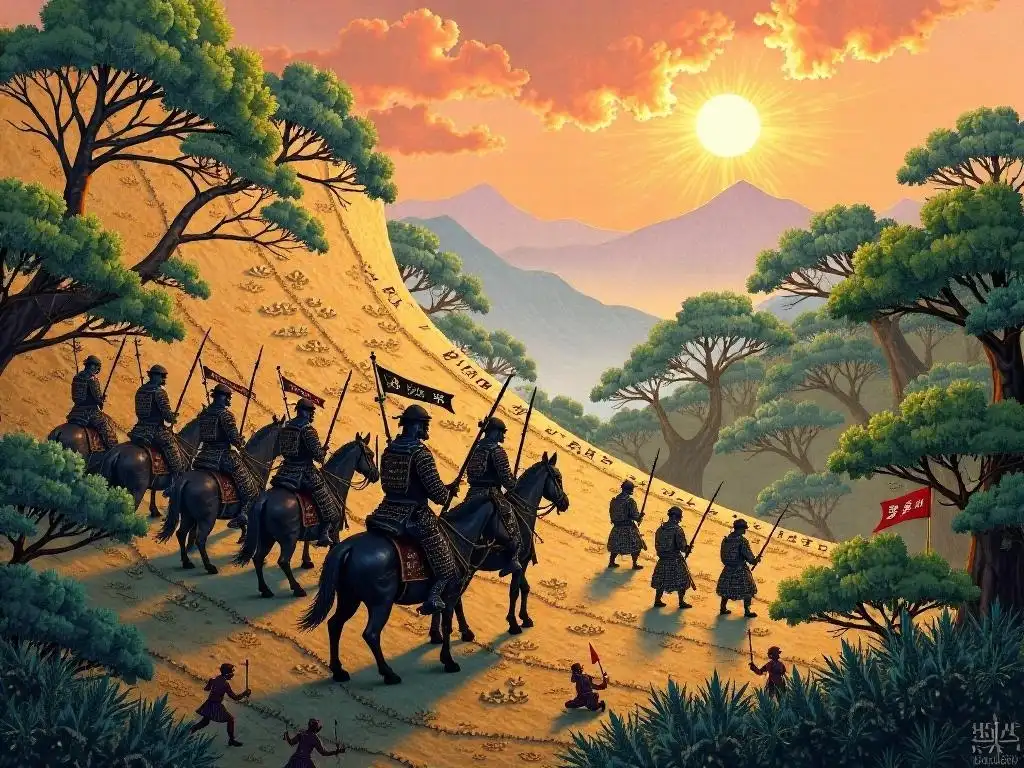
Oda Nobunaga: Innovations in Warfare and Strategy
Oda Nobunaga (1534-1582) was a pivotal figure in the unification of Japan, renowned for his innovative approaches to warfare that transformed the landscape of feudal conflict. His strategies incorporated advanced military tactics, logistical planning, and a keen understanding of battlefield dynamics, which collectively contributed to his successes.
- Use of Firearms: Nobunaga was one of the first leaders to effectively utilize firearms in battle. After observing the effectiveness of Portuguese muskets during a 1543 encounter, he adopted these weapons, training his troops to use them in coordinated volleys. This tactic significantly increased his army's firepower, allowing him to defeat larger forces.
- Psychological Warfare: Nobunaga understood the importance of morale and utilized psychological tactics to intimidate his enemies. His reputation for brutality and decisive victories instilled fear among rival clans, often leading to their surrender before a battle even commenced.
- Strategic Alliances: Nobunaga was adept at forming alliances with influential clans, leveraging these relationships to strengthen his position. His diplomatic skills helped secure essential resources and manpower, which were crucial for his military campaigns.
- Battlefield Innovations: Nobunaga's tactical innovations included the use of terrain to his advantage and the implementation of flexible troop formations. His famous victory at the Battle of Okehazama in 1560 exemplifies this, where he defeated a much larger enemy force through a surprise attack, utilizing the element of surprise and superior mobility.
Toyotomi Hideyoshi: Unification Tactics and Military Campaigns
Toyotomi Hideyoshi (1537-1598) succeeded Oda Nobunaga and continued the efforts to unify Japan, employing a combination of military prowess and astute political strategies. His approach to unification was characterized by the following tactics:
- Land Surveys and Taxation: Hideyoshi conducted comprehensive land surveys, which helped him assess the productivity of lands across Japan. This data allowed him to implement a fair taxation system, ensuring a steady revenue stream for military campaigns and consolidating support from various regions.
- Military Campaigns: Hideyoshi executed several military campaigns, including the famous invasions of Korea (Imjin War). These campaigns showcased his ability to mobilize large forces and engage in prolonged warfare, further demonstrating his strategic acumen.
- Promotion of the Samurai Class: He recognized the importance of the samurai class in maintaining order and loyalty. By granting land and titles to loyal samurai, Hideyoshi secured their support, which was crucial for both governance and military efforts.
- Cultural Integration: Hideyoshi also understood the significance of cultural integration for unification. He promoted the arts and facilitated the spread of tea ceremonies, Noh theater, and other cultural practices that fostered a sense of shared identity among the Japanese people.
Tokugawa Ieyasu: Final Consolidation of Power and Strategies
Tokugawa Ieyasu (1543-1616) was the final architect of Japan's unification, establishing a shogunate that would rule for over 250 years. His methods of consolidation and governance were distinctive and influential:
- Battlefield Tactics: At the decisive Battle of Sekigahara in 1600, Ieyasu demonstrated exceptional strategic planning and execution. His ability to coordinate forces and anticipate enemy movements led to a decisive victory that secured his position as the dominant power in Japan.
- Establishment of a Centralized Government: After unification, Ieyasu implemented a centralized feudal system, transforming the political landscape of Japan. He established the Tokugawa shogunate, which brought stability and peace (Pax Tokugawa) to the nation after a prolonged period of conflict.
- Control of Daimyo: Ieyasu employed a policy known as sankin-kotai, which required daimyo (feudal lords) to spend every other year in Edo (modern-day Tokyo). This practice not only ensured their loyalty but also constrained their military capabilities by keeping their families in Edo as hostages.
- Cultural and Economic Policies: Ieyasu promoted economic growth and cultural development, fostering a thriving merchant class. His policies helped establish a peaceful society, allowing the arts and commerce to flourish, which further solidified the Tokugawa regime's legitimacy.
Through the innovative strategies used by these key figures, feudal warfare strategies in Japan were not only pivotal in achieving unification but also laid the groundwork for the political and social structures that would define Japanese history for centuries to come.
The Transition from Feudal Warfare to a Unified Japan
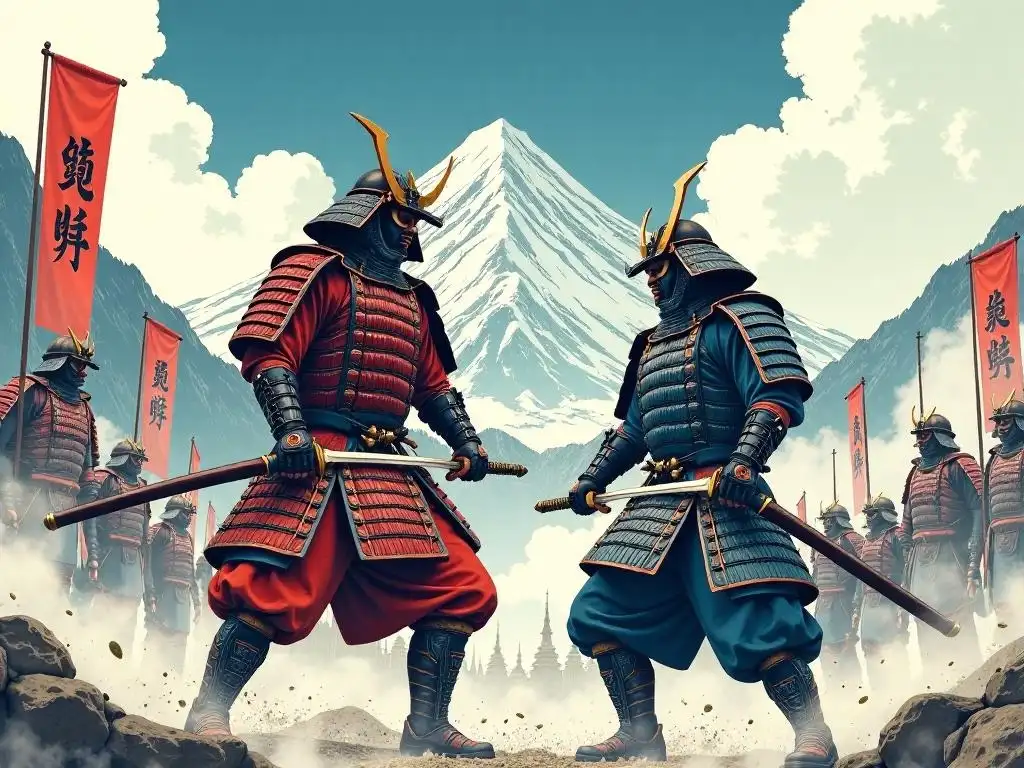
The End of the Sengoku Period and Its Significance
The Sengoku period, often referred to as the "Warring States" period, lasted from the mid-15th century until the early 17th century. It was characterized by intense military conflict among various daimyō (feudal lords) as they vied for power and control over Japan. This chaotic era saw the emergence of distinctive feudal warfare strategies that would ultimately influence the path to unification.
The culmination of the Sengoku period was marked by significant battles, alliances, and betrayals, leading to the rise of powerful figures such as Oda Nobunaga, Toyotomi Hideyoshi, and Tokugawa Ieyasu. Each of these leaders employed innovative military tactics that redefined warfare in Japan, emphasizing the importance of strategic alliances and logistical planning.
Key points of significance include:
- Centralized Power: The end of the Sengoku period paved the way for the establishment of a centralized government under the Tokugawa shogunate. This unification was vital for establishing peace and stability after decades of conflict.
- Military Innovations: The strategies developed during the Sengoku period, such as the use of firearms and advanced troop formations, were instrumental in shaping modern Japanese military tactics.
- Cultural Impact: The legacy of this period influenced various aspects of Japanese culture, including the samurai code of conduct (Bushido), which emphasized loyalty and honor.
Lasting Effects of Feudal Warfare Strategies on Modern Japan
The warfare strategies that emerged from Japan's feudal era continue to resonate in contemporary society, particularly in areas such as governance, military organization, and cultural identity. The following points illustrate the lasting impact of these strategies:
- Military Organization: Modern Japan’s Self-Defense Forces reflect the hierarchical structure established during the feudal era. The emphasis on discipline and loyalty among troops has its roots in the samurai traditions.
- Strategic Alliances: The political landscape of modern Japan is still influenced by the alliances formed during the Sengoku period. The importance of coalition-building remains evident in both domestic and foreign policy decisions.
- Cultural Heritage: Elements of feudal warfare, such as the samurai ethos, continue to shape Japan’s national identity. Concepts of honor, loyalty, and sacrifice are deeply embedded in modern Japanese culture, influencing everything from literature to business practices.
- Historical Memory: The narratives surrounding key figures from the Sengoku period, such as Oda Nobunaga and Tokugawa Ieyasu, are celebrated in various forms of media, reinforcing the lessons learned from feudal warfare strategies.
Comparative Analysis: Feudal Strategies vs. Modern Warfare
A comparative analysis of feudal warfare strategies and modern warfare reveals both contrasts and continuities in military tactics and philosophies.
| Feature | Feudal Warfare Strategies | Modern Warfare Strategies |
|---|---|---|
| Leadership Structure | Decentralized, with local daimyō in charge | Centralized command with unified national leadership |
| Troop Composition | Primarily samurai warriors, supplemented by peasant soldiers | Diverse military forces including advanced technology and specialized units |
| Tactics | Focus on ambush, surprise attacks, and siege warfare | Emphasis on technology, intelligence, and joint operations |
| Logistics | Limited supply chains, reliance on local resources | Highly developed supply chains and global logistics |
| Political Context | Driven by personal rivalries and local power struggles | Influenced by global politics, alliances, and national strategy |
While the context of warfare has drastically changed, certain strategic principles, such as the significance of morale and the importance of terrain, remain relevant. Understanding these connections enriches the study of feudal warfare strategies in Japan, shedding light on the evolution of military thought and practice throughout Japanese history.
The transition from feudal warfare to a unified Japan was a complex process influenced by historical military strategies that have left a lasting mark on modern Japan. The interplay between these strategies and the resultant societal and political changes is a testament to the profound legacy of the feudal era.
Conclusion: The Lasting Impact of Feudal Warfare Strategies on Japanese Unification
Summary of Key Points
The intricate tapestry of feudal warfare strategies in Japan played a pivotal role in shaping the nation’s path toward unification. Throughout the tumultuous periods of the 12th to 16th centuries, various military tactics and political maneuvers emerged, each contributing to the eventual consolidation of power under a centralized authority. Here are some of the key points that underscore this influence:
- Diverse Warfare Tactics: Different regions adopted unique strategies, from the use of mounted samurai to foot soldiers armed with longbows, reflecting local resources and terrain.
- The Role of Alliances: Many warlords formed temporary alliances through marriage, trade, and strategic partnerships, significantly impacting the outcomes of battles and territorial control.
- Impact of Technology: The introduction of gunpowder and firearms altered traditional battle strategies, leading to new forms of warfare that necessitated adaptation by feudal lords.
- Centralization of Power: The end of constant warfare ultimately led to the establishment of a more unified political structure, exemplified by the Tokugawa shogunate, which emphasized stability over continual conflict.
These points illustrate how the dynamics of feudal warfare not only dictated immediate military outcomes but also laid the groundwork for Japan's eventual unification.
Reflection on the Historical Significance of Feudal Warfare in Japan
Feudal warfare strategies in Japan were not merely tactical considerations; they encapsulated the broader socio-political landscape of the era. The constant state of conflict fueled a culture of loyalty and honor, deeply ingrained in the samurai ethos. This martial spirit influenced not only military engagements but also governance and societal organization.
The legacy of these strategies can still be observed in contemporary Japanese culture, where historical narratives of valor and strategy continue to resonate. The transition from a fragmented collection of warring states to a unified nation under the Tokugawa shogunate marked a significant turning point in Japanese history, fundamentally altering its trajectory.
Moreover, understanding these feudal warfare strategies provides valuable insights into the complexities of power dynamics, resource management, and leadership that shaped Japan's unification. This historical reflection emphasizes that the lessons drawn from this era remain relevant today, offering critical perspectives on conflict resolution and national identity.
The study of feudal warfare strategies in Japan reveals a rich interplay between military innovation and political unification, highlighting a formative period that has left an indelible mark on the nation’s history.
Frequently Asked Questions
What were the primary feudal warfare strategies used in Japan?
The primary feudal warfare strategies in Japan included guerilla tactics, ambushes, and siege warfare, which were particularly effective in the mountainous terrain of Japan.
How did feudal warfare impact the unification of Japan?
Feudal warfare played a crucial role in the unification of Japan by fostering alliances among clans and leading to the rise of powerful leaders who consolidated power and territory.
Who were the key figures in Japan's feudal warfare and unification?
Key figures included Oda Nobunaga, Toyotomi Hideyoshi, and Tokugawa Ieyasu, each of whom utilized innovative strategies to achieve significant victories and influence the course of Japanese history.
What role did samurai play in feudal warfare?
The samurai were the elite warrior class in Japan, serving as the backbone of feudal warfare. They adhered to a strict code of honor, known as Bushido, which shaped their combat strategies and loyalty to their lords.
How did the cultural aspects of feudal Japan influence warfare?
The cultural aspects of feudal Japan, including religion, art, and philosophy, influenced warfare by promoting values such as honor and loyalty, which shaped the strategies and motivations of the warriors involved.
Final Reflection: The Enduring Legacy of Feudal Warfare Strategies in Japan
The intricate tapestry of feudal warfare strategies in Japan not only shaped the nation's historical landscape but also continues to resonate in contemporary discussions about unity and conflict resolution. As we delve into the past, we uncover how the strategic maneuvers of samurai clans during the tumultuous periods of feudal Japan laid the groundwork for a unified nation. The lessons learned from these strategies remain relevant today, as nations grapple with their own divisions and seek pathways to harmony.
Clearly, the impact of feudal warfare extends beyond the battlefield; it has influenced Japan's cultural identity and social structures. The strategic alliances and rivalries forged during this era remind us of the delicate balance between conflict and cooperation. As historian John W. Hall aptly stated, The history of Japan is a history of unity achieved through the crucible of conflict.
This observation underscores the idea that the struggles of the past have not only shaped Japan's present but continue to inform its future, as the nation navigates modern challenges with a legacy of resilience and strategic thinking.
As we reflect on the lessons of feudal warfare strategies in Japan, let us consider how these insights can inspire our own lives. Take a moment to think about the conflicts you encounter—whether personal, professional, or societal—and ask yourself how the principles of strategy, negotiation, and unity can guide your actions. By embracing the wisdom of history, we can foster understanding and collaboration in our communities, paving the way for a more harmonious future.
Uncover the Legacy of Feudal Strategy in Japan!
Thank you for diving into the intricate world of feudal warfare and its impact on Japan's path to unification. Understanding these historical strategies not only enriches our knowledge but also invites us to reflect on their significance today. Now, it's time to take action and apply what you’ve learned!
- Explore the fascinating stories of key historical figures and events that shaped feudal Japan by visiting local libraries or museums.
- Engage in discussions within our online community or forums to share your thoughts and insights about how those strategies resonate in modern governance.
- Consider delving deeper into related topics in Japanese history and culture to enhance your understanding and appreciation.
What does the evolution of these strategies reveal about the persistence of conflict and unity in today’s world? We invite you to join the conversation!