
The Genpei War's Contribution to the Evolution of Samurai Ethics

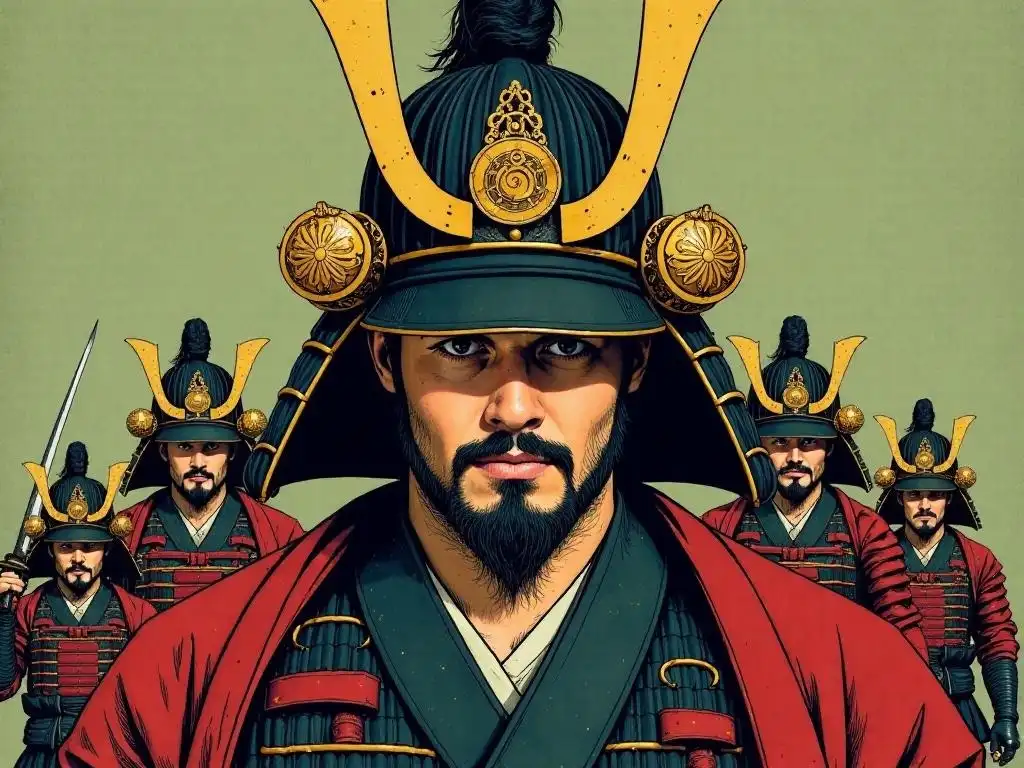
Welcome to Feudal Japan History, where we invite you to embark on a captivating journey through the intricate tapestry of Japan's feudal era. In this exploration, we delve into the Genpei War and its profound influence on the evolution of samurai ethics. What drove these legendary warriors in their pursuit of honor and loyalty amidst the chaos of battle?
As you immerse yourself in our expert-driven articles, you'll uncover the rich historical, cultural, and societal layers that shaped this fascinating period. Join us as we unravel the complexities of samurai morality and discover how the echoes of the past continue to resonate in today's world. Dive deeper, and let the story unfold!
The Genpei War (1180–1185) stands as a pivotal conflict in Japanese history, marking the transition from the Heian period to the Kamakura era. This struggle between the Taira and Minamoto clans not only altered political dynamics but also significantly influenced the ethical frameworks that governed the samurai class. As we delve into this topic, we will explore how the Genpei War shaped the development of samurai ethics, particularly through the emergence of the Bushido code.
This article aims to provide a comprehensive examination of the war's impact on samurai conduct and morality, shedding light on the cultural transformations that emerged during this tumultuous period. By understanding the interplay between the Genpei War and samurai ethics, we can appreciate the foundation of Japan's martial traditions that persist to this day.
Introduction to the Genpei War
Overview of the Genpei War
The Genpei War was a decisive conflict that highlighted the power struggle between two of Japan's most prominent clans: the Taira and the Minamoto. This war was characterized by a series of battles that ultimately culminated in the downfall of the Taira clan and the establishment of the Minamoto-led Kamakura shogunate. Key battles, such as the Battle of Dan-no-ura, played a crucial role in determining the outcome of this conflict, which not only redefined territorial control but also the very nature of governance in Japan.
Historical Context of Samurai Ethics
To understand the evolution of samurai ethics during the Genpei War, it is essential to examine the socio-political landscape of Japan leading up to the conflict. The samurai class, originally formed as loyal warriors serving the nobility, began developing a unique code of conduct that emphasized loyalty, honor, and bravery. The shifting allegiances and brutal realities of the Genpei War tested these ethical principles, forcing samurai to confront the moral ambiguities of warfare. As a result, the tenets of their ethical framework began to solidify, setting the stage for the later formalization of Bushido.
The Role of Samurai in the Genpei War
Origins of the Samurai Class
The samurai class emerged during the Heian period as a response to the increasing instability and violence in Japanese society. Originally, these warriors were tasked with protecting their lords' interests and maintaining order in the countryside. However, as power struggles intensified, particularly during the Genpei War, the samurai evolved from mere retainers into prominent figures wielding significant political and military influence. This evolution laid the groundwork for the ethical codes that would govern their actions on and off the battlefield.
Code of Conduct: Bushido and Its Principles
The term Bushido, meaning "the way of the warrior," encapsulates the moral and ethical standards that samurai adhered to during and after the Genpei War. Central to Bushido are principles such as:
- Loyalty: Unwavering allegiance to one's lord and clan.
- Honor: Maintaining personal and clan dignity, often linked to the warrior's reputation.
- Courage: The valor to confront fear, especially in battle.
- Compassion: The importance of benevolence towards others, even amidst conflict.
- Integrity: Upholding honesty and fairness in all dealings.
The Genpei War significantly contributed to the crystallization of these principles, as samurai were faced with stark choices that tested their ethical convictions. Through examining the war's influence, we can gain insights into how these values became deeply ingrained in the samurai ethos, shaping their legacy in Japanese history.
Evolution of Samurai Ethics During the Genpei War
The Genpei War (1180-1185) marked a pivotal moment in the evolution of samurai ethics, as it catalyzed the transition from the traditional feudal obligations to a more complex code of personal honor and loyalty. The struggle between the Minamoto and Taira clans served not only as a backdrop for military engagement but also as a crucible for the development of samurai values.
During this tumultuous period, samurai began to embody virtues such as bravery, loyalty, and honor more prominently in their lives and actions. The war highlighted the necessity for a code that transcended mere feudal allegiance, as conflicts often pitted samurai against their own lords for the sake of personal honor and the greater good. This shift laid the groundwork for the bushido code, which would define samurai conduct in the centuries to come.
As battles raged on, the samurai increasingly prioritized principles like seppuku (ritual suicide) over the dishonor of defeat. The notion of dying honorably in battle became a defining characteristic of samurai ethics, reshaping their identity and solidifying their role as both warriors and moral exemplars in society.
Key Battles and Their Impact on Samurai Ideals
The major confrontations of the Genpei War, including the Battle of Dan-no-ura and the Siege of Fukuhara, played crucial roles in molding samurai ideals. Each battle not only determined political power but also served as a stage for ethical dilemmas that samurai faced.
- Battle of Dan-no-ura (1185): This decisive naval battle saw the Minamoto emerge victorious, but it was tinged with tragedy and moral complexity. The defeat of the Taira clan, particularly the drowning of Taira no Tomomori, underscored the brutal realities of war. Tales of honor and sacrifice during this battle would be recounted in literature, further embedding these ideals in samurai culture.
- Siege of Fukuhara (1184): The prolonged siege illustrated the importance of patience and strategic thinking among samurai. The ethical consideration of war tactics—whether to engage in direct confrontation or to outmaneuver the enemy—became a subject of debate among samurai leaders, influencing their approach to warfare and ethics moving forward.
Through these key battles, the samurai began to redefine their values, emphasizing not just loyalty to their lords, but also loyalty to their own ethical beliefs and ideals, a transformation that would resonate throughout Japanese history.
Shifts in Loyalty: From Feudal Lords to Personal Honor
The Genpei War illustrated a significant shift in the understanding of loyalty among samurai. Traditionally, samurai were expected to demonstrate unwavering fidelity to their feudal lords; however, the realities of war brought about a reevaluation of this loyalty. As the conflict unfolded, personal honor began to take precedence over feudal obligations.
Many samurai found themselves grappling with conflicting loyalties. The war forced them to choose between loyalty to their lords and their own moral compass, often leading to acts of defiance against unjust commands. This transition was not merely a personal struggle but reflected a broader societal change, as the samurai class began to see themselves as guardians of justice and honor rather than mere retainers.
The evolution toward individual honor fostered a sense of agency among samurai, paving the way for the development of the bushido code. This code emphasized virtues such as righteousness, courage, and compassion, reshaping how samurai understood their role in society and their responsibilities to themselves and others.
Notable Samurai Figures and Their Ethical Influence
The Genpei War was not only shaped by the battles fought but also by the influential figures whose ethical decisions and leadership styles left a lasting impact on the samurai ethos. Two prominent figures emerged during this period, each representing contrasting ethical perspectives.
Minamoto no Yoritomo: Leadership and Ethical Standards
Minamoto no Yoritomo, the leader of the Minamoto clan, embodied the ideals of leadership and ethical standards during the Genpei War. As the architect of the Minamoto victory, Yoritomo's strategies and decisions were pivotal in establishing a new order in Japan. His leadership was marked by a commitment to justice and fairness, which resonated with the samurai's evolving sense of honor.
Yoritomo's ethical approach was characterized by a balance of mercy and decisiveness. He understood the importance of loyalty among his followers but also recognized the need for personal honor. His decisions often reflected a deep understanding of both feudal responsibilities and the emerging ideals of personal integrity. This duality made him a respected figure, as he created a framework for samurai ethics that prioritized both loyalty to the clan and individual honor.
Taira no Kiyomori: Contrasting Ethical Views
In stark contrast, Taira no Kiyomori represented a different ethical viewpoint during the Genpei War. As the leader of the Taira clan, Kiyomori's approach was often characterized by ambition and a ruthless pursuit of power. His methods included exploiting feudal loyalty for personal gain, which ultimately alienated many samurai and sowed the seeds of dissent among his ranks.
Kiyomori's ethical stance reflected a more traditional view of loyalty, often prioritizing the clan's interests over the individual samurai's honor. This approach led to critical miscalculations during the war, as many samurai began to question their loyalty to a leader who did not uphold the values they cherished. Kiyomori's downfall illustrated the consequences of neglecting the evolving samurai ethics, reinforcing the importance of aligning personal and feudal loyalties.
Through the contrasting ethical frameworks of Yoritomo and Kiyomori, the Genpei War served as a transformative period that shaped the future of samurai ethics, culminating in the development of a more nuanced understanding of honor, loyalty, and personal integrity within the samurai class.
The Cultural Legacy of Samurai Ethics Post-Genpei War
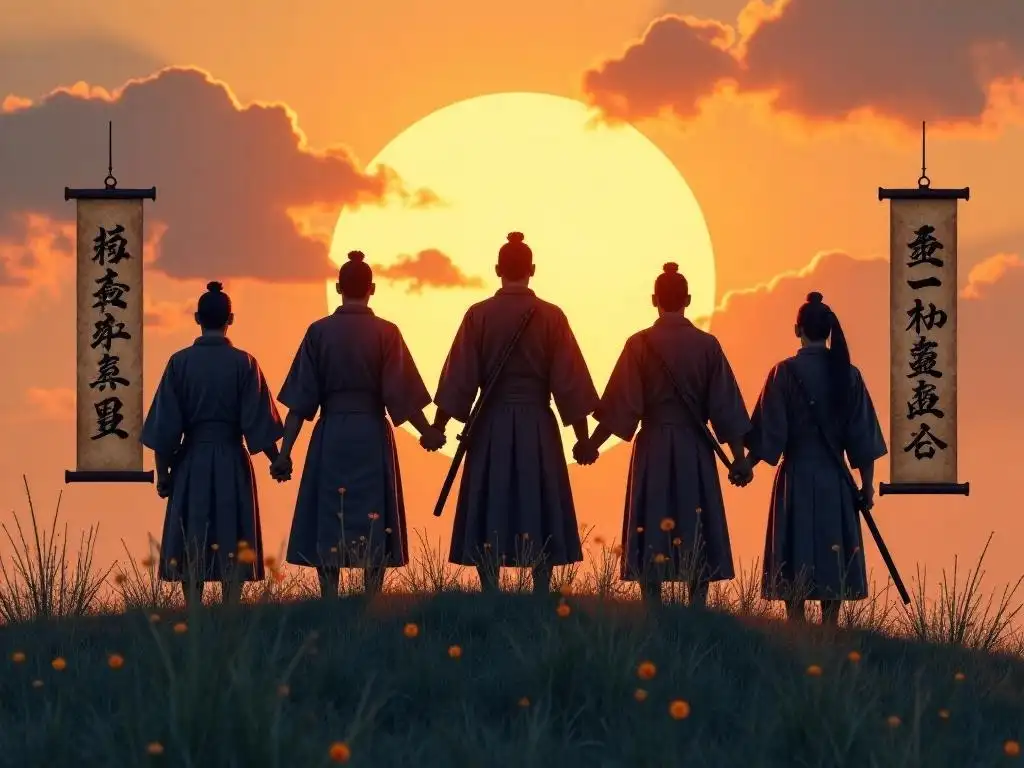
The Genpei War (1180-1185) marked a significant turning point in the cultural landscape of feudal Japan, particularly in shaping the ethics of the samurai class. The war catalyzed a transformation in the values and moral codes that governed samurai behavior, moving away from mere martial prowess to a more nuanced set of ethical principles. The samurai, previously viewed primarily as warriors, began to adopt a code that emphasized loyalty, honor, and duty not just in battle but also in governance and social relations.
This cultural legacy was rooted in the experiences and narratives of the war, which highlighted the tragic consequences of conflict and the importance of ethical conduct. The stories of heroic sacrifices and moral dilemmas faced by warriors during the Genpei War became foundational myths that informed the samurai ethos. Consequently, these narratives encouraged a deep reflection on the nature of loyalty, justice, and the responsibilities of leadership.
Influence on Later Samurai Generations
The ethical principles established during and after the Genpei War had a profound influence on subsequent samurai generations. The concept of Bushi-do, or "the way of the warrior," emerged as a codified set of ethical ideals, emphasizing loyalty to one's lord, courage, and a commitment to justice. These values were not only evident in the actions of samurai but also in the literature and teachings that proliferated during the Kamakura and Muromachi periods.
Prominent samurai leaders, influenced by the legacy of the Genpei War, began to espouse these ethical codes as part of their governance. For instance, the Minamoto clan, which emerged victorious from the war, established a shogunate that prioritized the ethical responsibilities of samurai as both warriors and administrators. This led to a more structured society where samurai were expected to uphold the law and serve the common good, reflecting a shift from a purely militaristic identity to one that included civic duty.
The Transition from Warfare to Governance in Samurai Ethics
The aftermath of the Genpei War saw a notable transition in samurai ethics from a focus on warfare to a more inclusive role in governance. As the samurai class gained political power, they recognized that their influence extended beyond the battlefield. This realization prompted them to adapt their ethical frameworks to encompass leadership and administrative responsibilities.
The samurai began to embrace ideas of benevolence and justice, emphasizing the importance of ruling with wisdom and compassion. This transition is evident in the establishment of various codes of conduct that dictated not only how samurai should behave in combat but also in their roles as leaders and landowners. The writings of samurai philosophers such as Yamamoto Tsunetomo, author of "Hagakure," exemplify this evolution, as they reflect on the ethical obligations of samurai in both war and peace.
Conclusion: The Lasting Impact of the Genpei War on Samurai Ethics
The Genpei War's contribution to the evolution of samurai ethics is a pivotal chapter in the narrative of feudal Japan. The war not only shaped the identity of the samurai but also laid the groundwork for a complex ethical framework that would endure for centuries.
Summary of Key Contributions to Samurai Ideals
The Genpei War instigated a cultural shift that led to the development of key ethical ideals among the samurai, including:
- Loyalty: A profound commitment to one's lord and clan, often at the cost of personal sacrifice.
- Honor: The importance of maintaining personal and familial reputation, which became central to samurai identity.
- Benevolence: A growing emphasis on compassion and justice in governance, reflecting a broader social responsibility.
These ideals would resonate throughout subsequent generations, influencing not only samurai but also the broader Japanese society.
Reflection on the Evolution of Ethics in Feudal Japan
The evolution of samurai ethics post-Genpei War highlights a significant transformation in the role of warriors in Japanese society. As samurai evolved from mere fighters to respected leaders and custodians of culture, their ethical codes became more complex and multidimensional.
This change marked a crucial development in the political and social fabric of Japan, setting the stage for the enduring legacy of samurai ethics that continues to be revered today. The Genpei War serves as a reminder of the intricate relationship between conflict and morality, shaping not just the destiny of a warrior class but also the ethos of an entire nation.
References and Further Reading
The Genpei War, a pivotal conflict in Japanese history, not only shaped the political landscape of the time but also significantly influenced the ethical frameworks governing the samurai class. To fully appreciate the complexities of this era and the evolution of samurai ethics, a variety of resources are available for further exploration. Below, we outline recommended books and articles that delve into the Genpei War and the broader context of samurai culture.
Recommended Books on the Genpei War and Samurai Ethics
- "The Genpei War: A History of the Samurai" by Stephen Turnbull
- This comprehensive narrative provides an account of the Genpei War, detailing the key battles and figures involved, while also exploring the underlying ethical codes that guided the samurai during this tumultuous period.
- "Bushido: The Soul of Japan" by Inazo Nitobe
- A classic work that examines the principles of bushido, the samurai code of conduct, and its development through historical events, including the Genpei War. Nitobe's insights help contextualize the ethical transformations of the samurai.
- "Samurai and the Silent World: The Genpei War in Japanese Literature" by John M. Maki
- This book analyzes how the Genpei War has been represented in literature, providing an understanding of how these narratives shaped and reflected the samurai's ethical attitudes.
- "The Tale of the Heike" (translated by Burton Watson)
- A cornerstone of Japanese literature, this epic recounts the events of the Genpei War and offers profound insights into samurai values, loyalty, and honor, serving as a primary source for understanding samurai ethics.
- "Warriors of Japan as Portrayed in the War Tales" by Paul Varley
- Varley examines the portrayal of warriors in Japanese war tales, particularly focusing on the Genpei War, and discusses how these narratives influenced the ethical considerations of the samurai class.
Articles for In-Depth Understanding of Samurai Culture
- "Samurai Ethics: Code of the Warrior" by William Scott Wilson
- This article provides a succinct overview of the principles underlying samurai ethics, linking them back to the events of the Genpei War and illustrating how these ideals were tested in times of conflict.
- "The Evolution of Bushido: From the Genpei War to Modern Japan" by Hiroshi Nakagawa
- Nakagawa's piece traces the historical development of bushido, examining its origins during the Genpei War and how it evolved into the modern understanding of samurai ethics.
- "Honor and Loyalty: The Samurai Code in the Genpei War" by Takashi Yamamoto
- This article delves into the themes of honor and loyalty that were prevalent during the Genpei War, analyzing specific instances where samurai ethics were put to the test in battle.
- "The Role of Women in Samurai Society During the Genpei War" by Emiko Yamaguchi
- This article explores the often-overlooked contributions of women in samurai culture during the Genpei War, providing a broader perspective on the ethical dimensions of the era.
- "Cultural Legacy of the Genpei War: Impact on Samurai Ethics" by Kenji Suzuki
- Suzuki discusses the long-lasting effects of the Genpei War on the ethical frameworks of samurai culture, emphasizing how the conflict reshaped notions of loyalty, honor, and duty.
These resources provide a solid foundation for those seeking to deepen their understanding of the Genpei War and its significant contributions to the evolution of samurai ethics.
- Introduction to the Genpei War
- The Role of Samurai in the Genpei War
- Evolution of Samurai Ethics During the Genpei War
- Notable Samurai Figures and Their Ethical Influence
- The Cultural Legacy of Samurai Ethics Post-Genpei War
- Conclusion: The Lasting Impact of the Genpei War on Samurai Ethics
- References and Further Reading
Frequently Asked Questions
What was the Genpei War?
The Genpei War (1180-1185) was a civil conflict in Japan between the Minamoto and Taira clans, marking the end of the Heian period and leading to the rise of the samurai class.
How did the Genpei War influence samurai ethics?
The war played a crucial role in shaping samurai ethics by emphasizing values such as loyalty, honor, and bravery, which became central to the samurai code of conduct known as Bushido.
What are some key ethical principles that emerged during the Genpei War?
Key ethical principles that emerged included loyalty to one's lord, the importance of honor, and the notion of self-sacrifice for the greater good, which guided samurai behavior throughout Japan's feudal era.
How did the outcomes of the Genpei War affect samurai culture?
The outcomes of the war led to the establishment of the Kamakura shogunate, which solidified samurai power and reinforced a societal structure that valued military prowess and ethical conduct among warriors.
Why is the study of samurai ethics important today?
Studying samurai ethics offers insights into Japanese culture and values, highlighting the enduring influence of historical principles on modern society, such as integrity, discipline, and the pursuit of excellence.
Final Reflection: The Enduring Legacy of Genpei War Samurai Ethics
The Genpei War's contribution to the evolution of samurai ethics is not just a historical footnote; it is a profound testament to how conflict shapes moral frameworks. As we navigate a world rife with ethical dilemmas and challenges, the lessons drawn from this pivotal conflict remind us that the principles of honor, loyalty, and duty are as relevant today as they were in the 12th century.
The samurai's journey through the Genpei War illustrates how adversity can forge a code of ethics that transcends time, urging us to reflect on our own values and actions in the face of modern challenges.
Culture and society are continually influenced by the legacies of the past, and the samurai ethics that emerged from the Genpei War serve as a guiding light in our contemporary world. The ideals of bravery and integrity, rooted in this historical conflict, resonate in various aspects of modern life, from leadership to personal conduct. As the philosopher Yamamoto Tsunetomo once said, The way of the samurai is found in death.
This stark reminder emphasizes the importance of living with purpose and conviction, a lesson that continues to inspire individuals to uphold their principles even in the face of adversity.
As we reflect on the profound impact of the Genpei War on samurai ethics, I invite you to consider how these timeless values can be integrated into your own life. What does honor mean to you in your daily interactions? How can you embody loyalty and duty in your personal and professional relationships? By embracing the ethical lessons of the samurai, we can foster a culture of integrity and resilience that not only honors the past but also shapes a brighter future for ourselves and our communities.
Embrace the Legacy of the Samurai: Take Action Today!
Thank you for exploring the fascinating world of the Genpei War and its monumental influence on Samurai ethics. Your curiosity not only enriches your understanding of this pivotal era but also honors the values that shaped the warriors of feudal Japan. Now, let’s channel that knowledge into meaningful action!
- Reflect on your own values: Take a moment to identify which principles from the Samurai code resonate most with you.
- Share your insights with others: Engage in discussions about what you’ve learned with friends or participate in online forums to delve deeper into Samurai history.
- Explore more about the Samurai: Discover additional articles that uncover more stories about the warriors who shaped Japan’s past.
What aspect of Samurai ethics inspires you the most, and how will you integrate those values into your life today?