
The Relationship Between Samurai and Peasants: Daily Interactions and Hierarchy

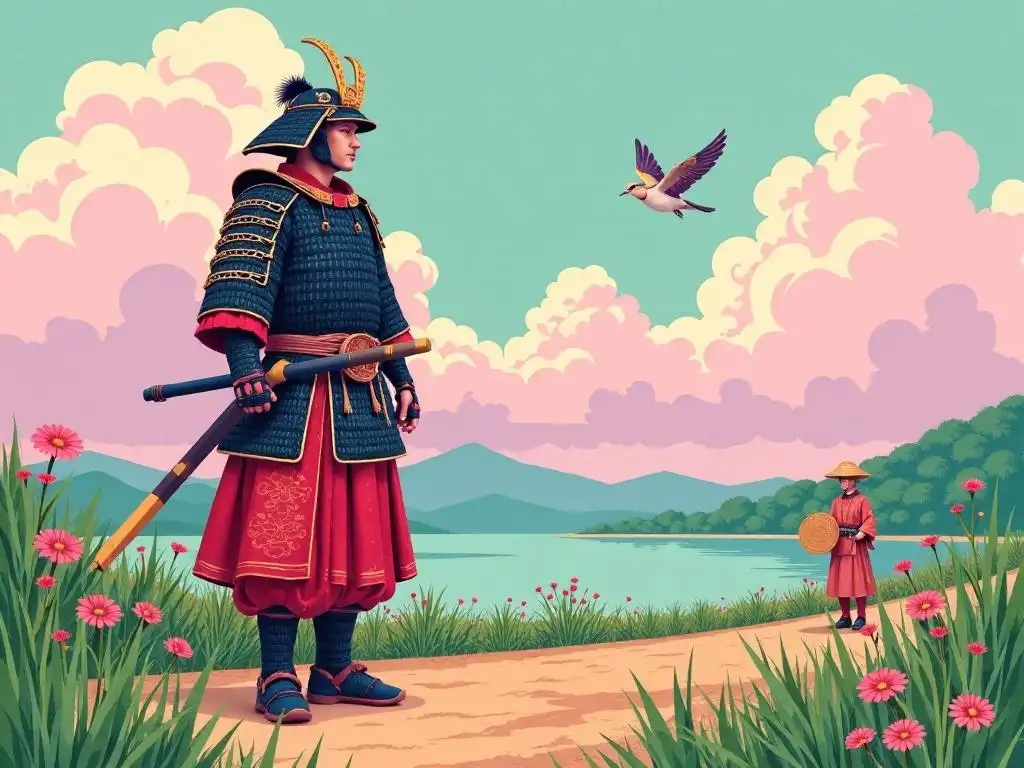
Welcome to Feudal Japan History, where we embark on a fascinating journey through the intricate tapestry of Japan's feudal era. Here, we delve into the nuanced interactions between samurai and peasants, revealing the complex hierarchy that governed their daily lives. What did these relationships look like, and how did they shape the very fabric of society?
Prepare to uncover the layers of history that define this era, and ignite your curiosity as you explore our in-depth articles that shed light on the captivating world of feudal Japan. Let's dive into the extraordinary dynamics of samurai peasant interactions and discover the stories that have shaped a nation.
Introduction to Samurai and Peasant Interactions
The relationship between samurai and peasants in feudal Japan is a compelling reflection of the intricate social hierarchy and the daily dynamics that characterized this era. The samurai, as the warrior class, held significant power and prestige, while the peasants formed the backbone of the agrarian economy. Understanding their interactions provides invaluable insights into the structure of feudal society, where each group played a crucial role in maintaining social order and economic stability. This article will delve into the daily interactions and hierarchical relationships between these two classes, exploring how their mutual dependence shaped life in feudal Japan.
Overview of the Feudal System in Japan
Feudal Japan was marked by a rigid social structure that classified individuals into distinct classes. At the top were the nobility and samurai, followed by peasants, artisans, and merchants. The shogunate system dominated governance, with the shogun wielding significant military and political power while the emperor served as a figurehead. The samurai were bound by a code of honor known as bushido, which dictated their conduct and obligations, including the protection of their vassals and the land they governed.
- Key Features of the Feudal System:
- Land Ownership: Land was the primary source of wealth and power.
- Loyalty and Vassalage: Samurai owed loyalty to their lords in exchange for land and protection.
- Peasant Obligations: Peasants worked the land and paid taxes, providing sustenance for the samurai class.
Importance of Samurai-Peasant Relationships in Feudal Society
The interactions between samurai and peasants were pivotal in maintaining the feudal system. Samurai relied on peasants for agricultural production, which was essential for sustaining their livelihoods and supporting military endeavors. Conversely, peasants depended on samurai for protection and the enforcement of law and order.
- Mutual Benefits:
- Protection: Samurai provided defense against external threats and internal strife.
- Agricultural Support: Peasants ensured the samurai had the resources needed for sustenance and warfare.
Understanding these relationships helps illuminate the complexities of social interactions in feudal Japan, revealing a tapestry of cooperation, obligation, and occasionally, conflict.
Understanding the Samurai Class
The samurai class was characterized by its warrior ethos and adherence to the bushido code. This elite group was not only tasked with military responsibilities but also held significant political power. Samurai were often landowners and served as local lords or daimyō, overseeing the peasants who worked their lands. Their status was symbolized by their distinctive armor and katana, which were not just weapons but also representations of their honor and social standing.
- Key Characteristics of Samurai:
- Military Training: Samurai underwent rigorous training from a young age.
- Cultural Patronage: Many samurai were also patrons of the arts and education, contributing to the cultural landscape of Japan.
Role of Peasants in the Feudal Structure
Peasants were integral to the feudal economy, primarily engaged in agriculture and food production. They worked the land owned by the samurai and were responsible for cultivating crops, which were essential for both local consumption and taxation. Despite their lower social standing, peasants held a vital position in society, as their labor fueled the economy and supported the samurai.
- Peasant Responsibilities:
- Agricultural Labor: Planting, harvesting, and maintaining crops.
- Tax Obligations: Paying taxes in the form of rice or other goods.
The Interdependence of Samurai and Peasants
The relationship between samurai and peasants exemplified a mutual dependency that was crucial for the stability of feudal Japan. While samurai provided protection and governance, peasants supplied the necessary resources for their sustenance. This interdependence meant that any disruption in one class could have significant repercussions on the other, highlighting the delicate balance that defined feudal society.
- Examples of Interdependence:
- Military Campaigns: Peasants often bore the burden of providing food and supplies during samurai-led campaigns.
- Local Governance: Samurai enforced laws and resolved disputes, ensuring a degree of social stability for peasants.
The daily interactions between samurai and peasants were marked by a complex web of relationships that underscored the hierarchical yet interdependent nature of feudal Japan. Understanding these dynamics not only sheds light on the societal structure but also highlights the essential roles played by both classes in shaping the historical narrative of this fascinating era.
Daily Life Interactions Between Samurai and Peasants
The interactions between samurai and peasants were integral to the social fabric of feudal Japan. These relationships were characterized by a complex hierarchy that dictated daily life, economic exchanges, and cultural practices. While samurai were often seen as the ruling class, the realities of their interactions with peasants revealed a more nuanced relationship marked by both dependence and tension. Understanding this dynamic allows us to appreciate the intricate social structure of medieval Japan.
Communication and Exchanges in Rural Communities
In rural communities, communication between samurai and peasants was essential for maintaining social order and facilitating agricultural productivity. Samurai often served as local lords, overseeing the lands worked by peasants. They would typically interact through formal channels, such as scheduled meetings or during harvest festivals, where they could discuss agricultural practices, taxation, and community welfare.
Peasants communicated their needs and issues through designated representatives or directly during these interactions. This communication was crucial for ensuring that samurai were aware of crop yields, labor shortages, and any grievances within the community. Furthermore, samurai were expected to uphold a degree of benevolence, providing protection and assistance during times of hardship, such as natural disasters or poor harvests.
Economic Relationships: Taxes and Labor
Economic relationships between samurai and peasants were primarily defined by the system of land tenure and taxation. Samurai, as landowners, relied on peasants for agricultural production, which in turn supported their military and administrative activities. Peasants worked the land, producing rice and other crops, and were obligated to pay a portion of their harvest as tax to their samurai lords.
This relationship was not purely exploitative; it was symbiotic to some extent. The samurai provided protection against external threats and maintained order, while peasants contributed their labor and resources. However, the burden of taxation could be heavy, leading to widespread discontent among the peasant class, especially during periods of economic downturn or famine.
Cultural Interactions: Festivals and Rituals
Cultural interactions between samurai and peasants were often most visible during festivals and rituals. These events provided opportunities for the two groups to come together, showcasing the blending of samurai and peasant traditions. Festivals, such as rice planting and harvest celebrations, were crucial for fostering community bonds and reinforcing social hierarchies.
During these festivities, samurai would often participate in rituals, offering prayers for good harvests and displaying their martial prowess. Peasants, in turn, would demonstrate their agricultural skills through traditional dances and performances. Such interactions not only enriched the cultural life of the community but also reinforced the societal hierarchy by reminding peasants of their subservient role within the feudal system.
The power dynamics between samurai and peasants were heavily skewed in favor of the samurai class, who held significant legal and social authority. This hierarchy established a clear delineation of roles and responsibilities, shaping the very structure of feudal society in Japan.
The Legal Rights of Samurai
Samurai held substantial legal rights over peasants, including the authority to enforce laws and collect taxes. They possessed the right to administer justice within their domains, often serving as judges in disputes between peasants or between peasants and other samurai. This power was formalized through the code of bushido, which outlined the samurai's responsibilities and the expectations placed upon them.
Additionally, samurai had the right to conscript peasants for labor or military service. This legal authority was a critical aspect of their role as protectors of their lands, ensuring that they could muster resources for defense and governance when necessary. The imbalance of power inherent in these legal rights contributed to the entrenched hierarchy of feudal Japan.
Peasant Obligations and Responsibilities
Peasants had specific obligations and responsibilities towards their samurai lords, which were integral to the functioning of feudal society. In exchange for protection and land access, peasants were required to pay taxes, often in the form of rice or labor. This obligation extended to participating in community projects, such as building infrastructure or participating in local defense.
Moreover, peasants were expected to follow the directives of their samurai, adhering to the local laws and customs established by their lords. Failure to meet these obligations could result in severe consequences, including punishment or even dispossession of land. This structure reinforced the dependency of peasants on samurai for protection and economic stability, despite the inherent inequalities.
Resistance and Rebellion: Peasant Responses to Samurai Authority
Despite the hierarchical nature of samurai-peasant relationships, instances of resistance and rebellion were not uncommon. Peasants occasionally organized uprisings in response to oppressive taxation or harsh treatment from their samurai lords. These revolts, though often localized, could pose significant challenges to samurai authority.
One notable example is the Ōnin War (1467-1477), which saw numerous peasant uprisings fueled by economic distress and dissatisfaction with samurai rule. Such rebellions highlighted the tension inherent in the feudal system, as peasants sought to assert their rights and demand fair treatment.
Moreover, the emergence of secret societies and networks among peasants during periods of unrest served as a means of organizing resistance efforts. These collective actions demonstrated that while samurai held significant power, the voices and agency of peasants could not be entirely suppressed. The push and pull of authority and resistance characterized the complex relationship between samurai and peasants throughout Japan's feudal era.
The Impact of Samurai-Peasant Interactions on Society
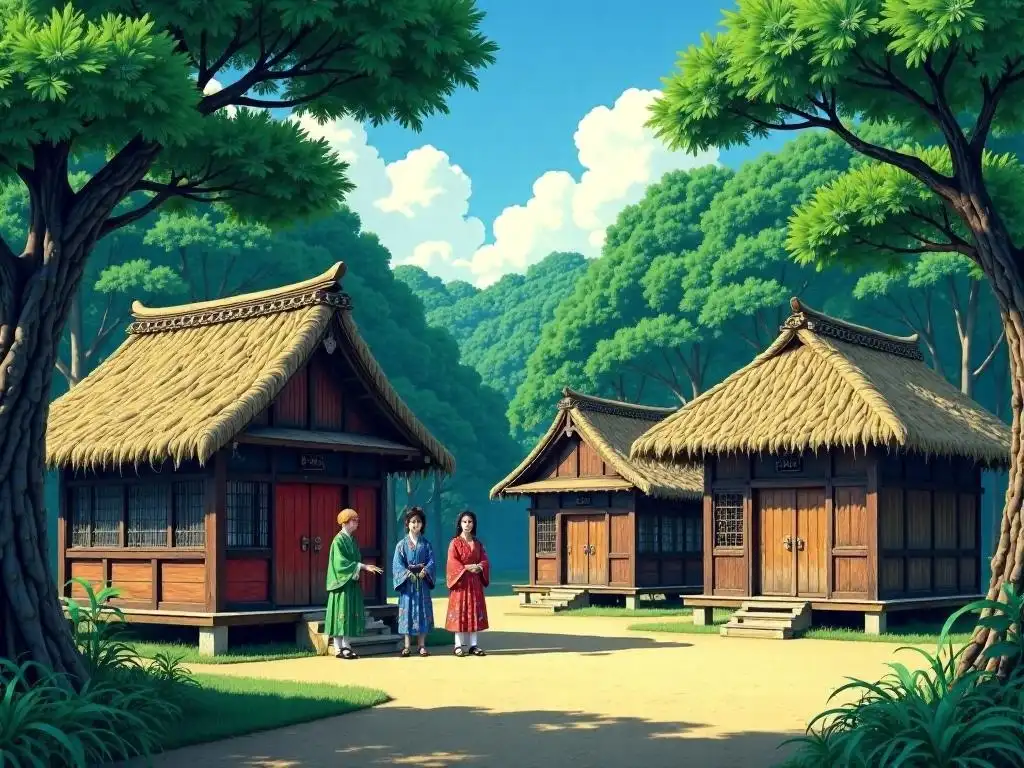
The interactions between samurai and peasants during Japan's feudal era had profound implications on the societal structure and cultural landscape of the time. Samurai, as the warrior class, wielded significant power and influence, but they were also reliant on the agricultural productivity of the peasant class. This interdependence shaped various aspects of life in feudal Japan, creating a complex web of relationships that defined the era.
The hierarchical nature of samurai-peasant interactions established a clear social order, where samurai were expected to protect peasants in exchange for their labor and produce. This arrangement fostered a sense of duty and loyalty among the lower classes, which was crucial for maintaining peace and stability in the often tumultuous feudal society. However, these interactions were not without tension, as the samurai's demands for tribute and service could lead to resentment and conflict. The delicate balance between authority and obligation was a defining characteristic of these relationships, impacting everything from local governance to cultural norms.
While the samurai class was largely seen as a fixed elite, interactions with peasants occasionally allowed for social mobility, albeit in limited circumstances. Some peasants could rise to prominence by demonstrating exceptional skill, bravery, or loyalty, potentially earning the favor of a samurai lord. This could result in land grants or elevated status within the community, although such instances were rare and often contingent on the dynamics of specific lord-peasant relationships.
Moreover, the rigid class dynamics of feudal Japan were both reinforced and challenged by these interactions. On one hand, samurai maintained their dominance through military prowess and the enforcement of social hierarchy. On the other hand, the necessity of agricultural production and labor created a certain level of respect for the peasant class, as their work was essential for sustaining samurai livelihoods. This duality fostered a complex societal structure where class boundaries were both rigid and occasionally permeable.
Effects on Agricultural Practices and Land Use
The relationship between samurai and peasants significantly influenced agricultural practices and land use across Japan. Samurai lords established systems of land management that dictated how peasants would cultivate their fields and manage resources. This often included the introduction of new farming techniques and crops, which were implemented to increase productivity and enhance tax revenues for the samurai.
Peasants, while bound by the obligations of their lords, also played an active role in shaping agricultural practices. Their knowledge of the land and local conditions was invaluable, leading to innovations in farming that benefited both classes. However, this relationship was fraught with tension, as samurai demands for increased yields could lead to overexploitation of the land, resulting in soil depletion and agricultural crises. The balance of power in these interactions ultimately had lasting effects on the landscape of rural Japan.
Influence on Japanese Culture and Traditions
The daily interactions between samurai and peasants contributed to the rich tapestry of Japanese culture and traditions. The samurai's code of conduct, known as bushido, emphasized values such as loyalty, honor, and duty, which were not only applicable to their relationships with peers but also influenced their treatment of peasants. This cultural ethos permeated societal norms, shaping the expectations of behavior across all social classes.
Additionally, various cultural practices, such as festivals and communal gatherings, often reflected the interconnected lives of samurai and peasants. These events served as opportunities for both classes to engage, celebrate, and reinforce their roles within the societal hierarchy. Over time, the blending of samurai and peasant traditions gave rise to unique cultural expressions in art, literature, and performance, further illustrating the impact of their interactions on Japanese culture.
Case Studies of Samurai-Peasant Interactions
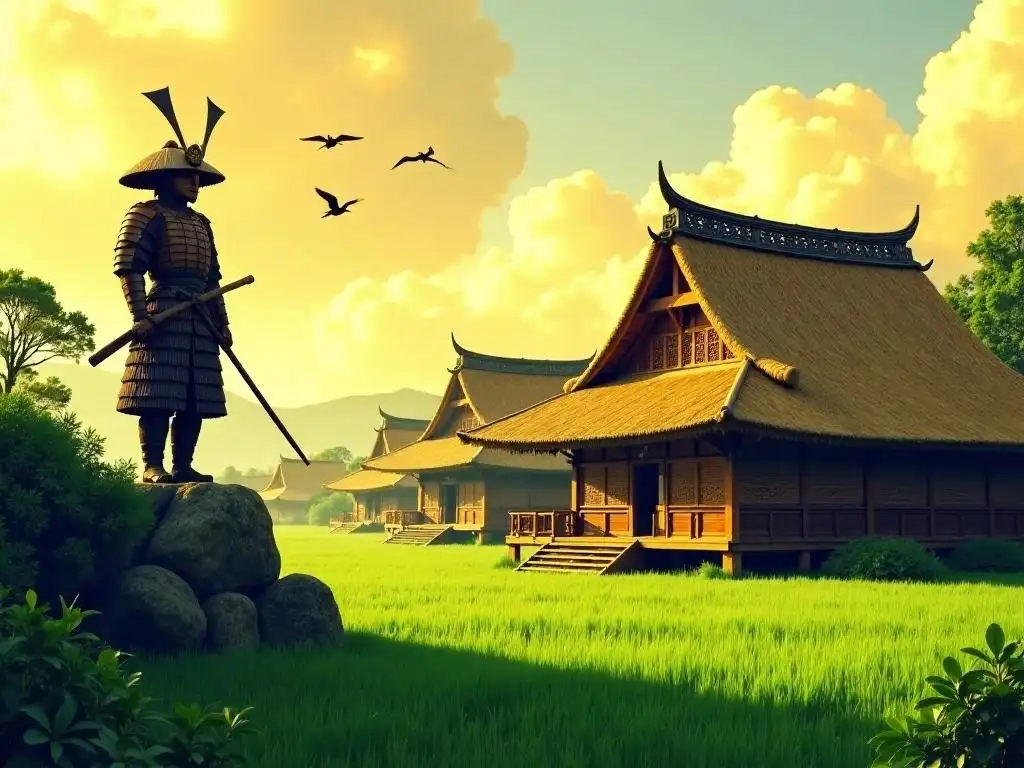
Notable Examples from Historical Records
Several historical records provide insight into the nature of samurai-peasant interactions. One notable example is the relationship between the samurai lord Takeda Shingen and his peasant subjects in the 16th century. Shingen implemented policies that emphasized the welfare of his peasants, ensuring that they were treated fairly in exchange for their agricultural output. This approach not only secured loyalty but also enhanced agricultural productivity, demonstrating a harmonious relationship between the two classes.
Another example can be found in the accounts of the Edo period, where samurai often relied on the expertise of peasants in managing irrigation systems. This collaboration was essential for rice cultivation, which was the backbone of the economy. Records indicate that samurai recognized the importance of peasant knowledge, leading to more cooperative interactions that benefited both parties.
Lessons Learned from Specific Interactions
The interactions between samurai and peasants reveal several lessons about the nature of societal relationships in feudal Japan. One important takeaway is the necessity of mutual respect and cooperation for societal stability. When samurai acknowledged the contributions of peasants and treated them with fairness, it often resulted in increased loyalty and productivity.
Additionally, the potential for conflict arose when the balance of power tipped too far in favor of the samurai, leading to resentment and uprisings among peasants. The famous peasant revolts of the 16th century, such as the Ikko-ikki, underscore the consequences of neglecting the needs and rights of the lower classes. Ultimately, these case studies highlight the intricate dynamics of power, obligation, and cooperation that defined the relationships between samurai and peasants in feudal Japan.
Conclusion: The Legacy of Samurai and Peasant Relationships
The intricate relationship between samurai and peasants during Japan's feudal era has left a profound legacy that continues to influence Japanese society and culture today. This dynamic was characterized by a complex interplay of loyalty, duty, and economic dependence, where samurai served as both protectors and overlords, while peasants provided the agricultural backbone essential for the sustenance of the samurai class. Over time, these interactions shaped not only the social hierarchy but also the cultural identity of Japan.
The legacy of this relationship can be observed in various aspects of contemporary Japanese life, from traditional arts to modern societal values. The samurai's code of honor, known as bushido, emphasizes virtues such as loyalty and respect, principles that resonate within Japanese culture today. Moreover, the agrarian roots of the peasant class have fostered a deep appreciation for nature and community, which are evident in Japan’s festivals and rituals that celebrate agricultural cycles.
Lasting Effects on Japanese Society and Culture
The lasting effects of samurai and peasant interactions can be seen in the evolution of social structures and cultural practices in Japan. The feudal hierarchy, with its clear delineation of roles and responsibilities, established a framework that has influenced governance and social organization throughout Japanese history. Even after the abolition of the feudal system in the 19th century, remnants of this hierarchy persisted, informing the development of modern Japan’s social relations.
Culturally, the stories and legends surrounding samurai and peasants have permeated literature, theater, and cinema, creating a rich tapestry of narratives that explore themes of honor, sacrifice, and social duty. For instance, the popular kabuki and nō theater often depict the struggles between samurai and peasant characters, further embedding these historical relationships into the national consciousness.
Reflections on Hierarchy and Daily Life in Feudal Japan
Reflecting on the hierarchy and daily life in feudal Japan reveals a society deeply rooted in its customs and roles. The samurai class, often romanticized as noble warriors, held power not only through martial prowess but also through their relationship with the peasantry. Daily life for samurai was largely centered around military training, governance, and upholding the law, while peasants engaged in agricultural labor, often paying taxes in the form of rice to their samurai overlords.
This hierarchical structure dictated not only one’s social position but also their daily interactions. Samurai were expected to maintain a level of decorum and responsibility towards their subjects, while peasants were obliged to show respect and loyalty to their lords. Such interactions were rooted in a mutual dependence that fostered a unique symbiosis, shaping the fabric of feudal Japanese society.
Further Reading and Resources
For those interested in exploring the intricate relationship between samurai and peasants further, a variety of resources are available that delve into historical accounts, cultural studies, and sociological analyses.
Recommended Books on Samurai and Peasant Life
-
"Hagakure: The Book of the Samurai" by Yamamoto Tsunetomo
An essential text that outlines the philosophical underpinnings of the samurai code and its implications for their relationships with the lower classes.
-
"The Samurai: A Military History" by Stephen Turnbull
This book provides an extensive overview of samurai life, including their interactions with peasants and the socio-political dynamics of feudal Japan.
-
"Peasants and Samurai in Medieval Japan" by John W. Hall
An insightful examination of the social structure and daily life of both classes, offering a nuanced understanding of their interdependence.
Online Resources for Exploring Feudal Japan History
-
The Japan Guide
An excellent online resource offering articles and insights into various aspects of Japanese history, including feudalism and societal roles.
-
National Museum of Japanese History
This site provides access to a wealth of information, including virtual exhibits and educational materials focused on the samurai and peasant life.
-
Japan Society
A platform dedicated to promoting a deeper understanding of Japanese culture and history, featuring lectures, articles, and educational programs related to feudal Japan.
These resources serve as gateways for readers to deepen their understanding of the complex social dynamics that characterized feudal Japan, particularly the intricate relationship between samurai and peasants.
- Introduction to Samurai and Peasant Interactions
- The Social Hierarchy in Feudal Japan
- Daily Life Interactions Between Samurai and Peasants
- Power Dynamics: Samurai Authority Over Peasants
- The Impact of Samurai-Peasant Interactions on Society
- Social Mobility and Class Dynamics
- Effects on Agricultural Practices and Land Use
- Influence on Japanese Culture and Traditions
- Case Studies of Samurai-Peasant Interactions
- Conclusion: The Legacy of Samurai and Peasant Relationships
- Further Reading and Resources
- What was the role of Samurai in feudal Japan?
- How did peasants fit into the social hierarchy of feudal Japan?
- What were the daily interactions between Samurai and peasants like?
- How did Samurai and peasants influence each other’s lives?
- Was there any form of rebellion among peasants against Samurai?
Frequently Asked Questions
What was the role of Samurai in feudal Japan?
Samurai were warrior nobles who served the ruling class, maintaining order and protecting their lords' interests. Their status was linked to land ownership and military prowess.
Peasants were considered the backbone of the economy, working the land and providing food. They occupied the lowest tier in the feudal hierarchy, below Samurai and daimyōs.
What were the daily interactions between Samurai and peasants like?
Daily interactions were often marked by tension and mutual dependence; while Samurai enforced rules, they relied on peasants for sustenance and agricultural production.
How did Samurai and peasants influence each other’s lives?
Samurai influenced peasants through legal authority and military service, while peasants impacted Samurai by providing the resources needed for their survival and status.
Was there any form of rebellion among peasants against Samurai?
Yes, there were instances of peasant rebellions driven by heavy taxation and harsh conditions imposed by Samurai. Such uprisings were often met with severe repercussions.
Final Reflection: Understanding the Complex Tapestry of Samurai and Peasant Interactions
The relationship between samurai and peasants is a profound reflection of societal hierarchy and daily interactions that resonate even in today's world. As we navigate modern social structures, the historical dynamics of power, respect, and mutual dependence between these two classes remind us of the intricate web of human relationships that continue to shape our communities. The legacy of these interactions serves as a striking reminder that every societal role, no matter how seemingly disparate, plays a vital part in the overall harmony and functionality of a culture.
Cultural hierarchies are not merely relics of the past; they influence our contemporary social landscape in ways we often overlook. The interactions between samurai and peasants were marked by a complex blend of obligation and respect, which can be seen in the way modern societies still grapple with class distinctions and the importance of community roles. As the historian John W. Hall aptly noted, The samurai's duty to protect the peasants was as crucial as the peasants' labor to sustain the samurai.
This mutual reliance highlights the ongoing importance of recognizing and valuing every individual's contribution to society, regardless of their status.
As we reflect on the lessons from the samurai-peasant hierarchy, I invite you to consider your own role within the social fabric. How can you foster respect and understanding in your daily interactions, regardless of perceived status? Embrace the wisdom of the past to inspire a more equitable future, where every interaction is an opportunity to build bridges and cultivate a sense of community. Let us honor the legacy of these historical relationships by striving for a society that values collaboration and respect, ensuring that every voice is heard and every contribution acknowledged.
Unveil the Rich Tapestry of Feudal Japan!
Thank you for exploring the intricate dynamics between samurai and peasants! Your examination of this relationship provides valuable insights into the cultural layers of Feudal Japan. Now, let’s take your newfound knowledge further and engage actively with the history you’ve uncovered.
Here are some actionable steps you can take:
- Join our Community: Subscribe to our newsletter to receive updates and exclusive content that will deepen your understanding of the fascinating relationships within Feudal Japan.
- Share Your Thoughts: Leave a comment below on how the interactions between samurai and peasants might still influence modern society today.
- Explore Further: Dive deeper into our archives for articles on samurai culture or peasant life that interest you and broaden your perspective.
What new insights about the samurai and peasant relationship from this article do you find most relevant to today's world? Let’s discuss!