
Clothing of the Samurai: Fashion, Function, and Status in Daily Life

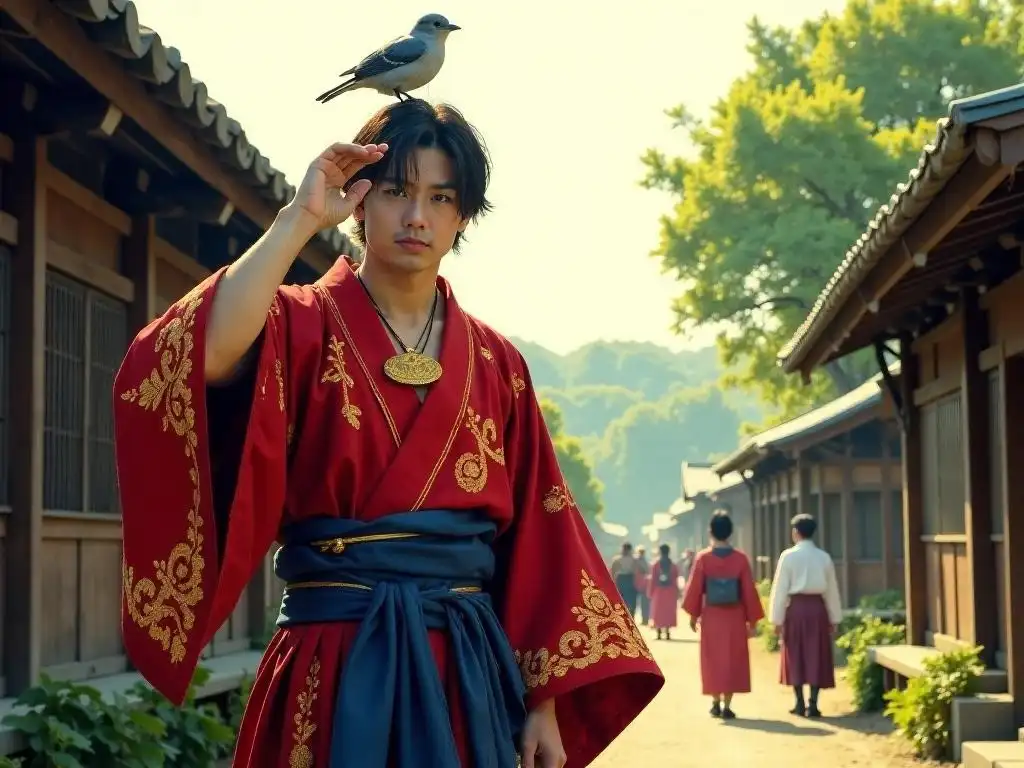
Welcome to Feudal Japan History—your gateway to an enlightening journey through the captivating world of Japan’s feudal era. Here, we delve into the intricate tapestry of historical, cultural, and societal aspects that shaped this fascinating period. In our featured article, “Clothing of the Samurai: Fashion, Function, and Status in Daily Life,” we unravel the significance of samurai clothing and its profound connection to daily life, social hierarchy, and the art of living in a time of honor and tradition.
Prepare to be intrigued as we explore how attire not only defined status but also reflected the very essence of a warrior's spirit. Join us as we uncover the layers of history that await you!
Introduction to Samurai Clothing and Daily Life
In the intricate tapestry of feudal Japan, the samurai emerged not only as warriors but also as key figures in the socio-political landscape. Their clothing played a pivotal role in reflecting their status, identity, and values. The attire of the samurai was much more than mere fabric; it was a manifestation of their honor, dignity, and the roles they played in society. As we delve into the topic of samurai clothing and daily life, we will explore how the garments they wore were intricately tied to their everyday experiences, responsibilities, and the cultural norms of the time.
Overview of the Samurai's Role in Feudal Japan
The samurai were the elite warrior class that dominated Japan's feudal era, which lasted from the 12th to the 19th century. They served powerful lords known as daimyōs, and their primary role was to protect their lord's lands while upholding the strict codes of honor and loyalty. This societal structure created a unique environment where the samurai's identity was closely linked to their appearance and the way they presented themselves in both military and civilian life.
- Warriors and Protectors: Tasked with defending their lord's territory.
- Cultural Icons: Influencing art, literature, and the aesthetic values of the time.
- Political Agents: Engaging in the complex dynamics of feudal governance.
Importance of Clothing in Samurai Culture
The clothing of samurai was not only functional but also symbolic. Each piece of their attire carried meaning, from the colors and fabrics used to the specific styles that denoted rank and status. Clothing was a reflection of a samurai's personal and familial honor.
- Status Indicators: Different garments indicated rank and affiliation.
- Ceremonial Significance: Certain outfits were worn during important rituals and ceremonies.
- Functional Aspects: Designed for mobility and protection in battle.
Historical Evolution of Samurai Clothing
The history of samurai clothing is rich and varied, mirroring the broader changes in Japanese society throughout the feudal period. The evolution of their attire can be traced through various influences and transformations that occurred over centuries.
Early Samurai Attire: Origins and Influences
The origins of samurai clothing can be traced back to the Heian period (794-1185), where early samurai adopted influences from the aristocratic classes. Their attire was characterized by:
- Simple Designs: Functional and practical for combat.
- Materials: Use of natural fibers such as cotton and hemp.
- Armor Integration: Early samurai incorporated armor elements into their clothing, blending function with style.
Changes in Fashion During Different Periods of Feudal Japan
As Japan progressed through its feudal history, so too did the fashion of the samurai evolve. Each period brought about distinct styles and preferences:
| Period | Fashion Characteristics |
|---|---|
| Kamakura Period | Introduction of more elaborate armor and layered clothing. |
| Muromachi Period | Flourishing of aesthetics; vibrant colors and unique patterns. |
| Edo Period | Distinct styles for different ranks, with a focus on elegance. |
The Impact of War and Social Change on Samurai Clothing
War and social change had profound effects on samurai clothing. The necessity of practicality during conflicts led to innovations in design and materials, while shifts in societal structure influenced fashion trends. Key factors included:
- Military Needs: The development of lighter armor for mobility.
- Social Status: Increased emphasis on clothing as a status symbol during peacetime.
- Cultural Exchanges: Interaction with foreign cultures introduced new materials and styles.
By examining these aspects of samurai clothing, we gain insight into the daily lives of these warriors and the intricate relationship between their attire and societal norms during feudal Japan.
Key Elements of Samurai Clothing
Samurai clothing was not merely a means of protection and warmth; it served as a reflection of their status, identity, and role within feudal Japanese society. The key elements of samurai clothing included the kimono, armor, and various accessories, each with distinctive features that highlighted their practicality and aesthetic value. This clothing was designed to accommodate the needs of samurai in battle while also allowing for cultural expressions related to their rank and personal taste.
The layering of garments was common, with the kimono serving as the base. Over this, samurai often wore an outer robe called the hifu, which provided additional warmth and protection. Obi (sashes) were used to secure the kimono and armor in place, while accessories such as katana (swords) and tachi (long swords) were integral parts of their attire, symbolizing their warrior status.
The Kimono: Structure and Significance
The kimono was the fundamental garment worn by samurai, characterized by its simple yet elegant design. Traditionally, it consists of a long, T-shaped body with wide sleeves and reaches down to the ankles. Kimonos were often made from silk or cotton, depending on the season, and were layered for warmth.
The significance of the kimono extended beyond mere functionality. The style, color, and fabric of the kimono conveyed important social cues. For example, formal occasions demanded more elaborate kimonos adorned with intricate patterns and symbols, while daily wear tended to be simpler. The choice of kimono was also influenced by the samurai's rank, with higher-ranking samurai wearing more ornate versions. The patterns often reflected their family crest or clan symbols, further reinforcing their identity and status.
Armor as Clothing: Functionality and Design
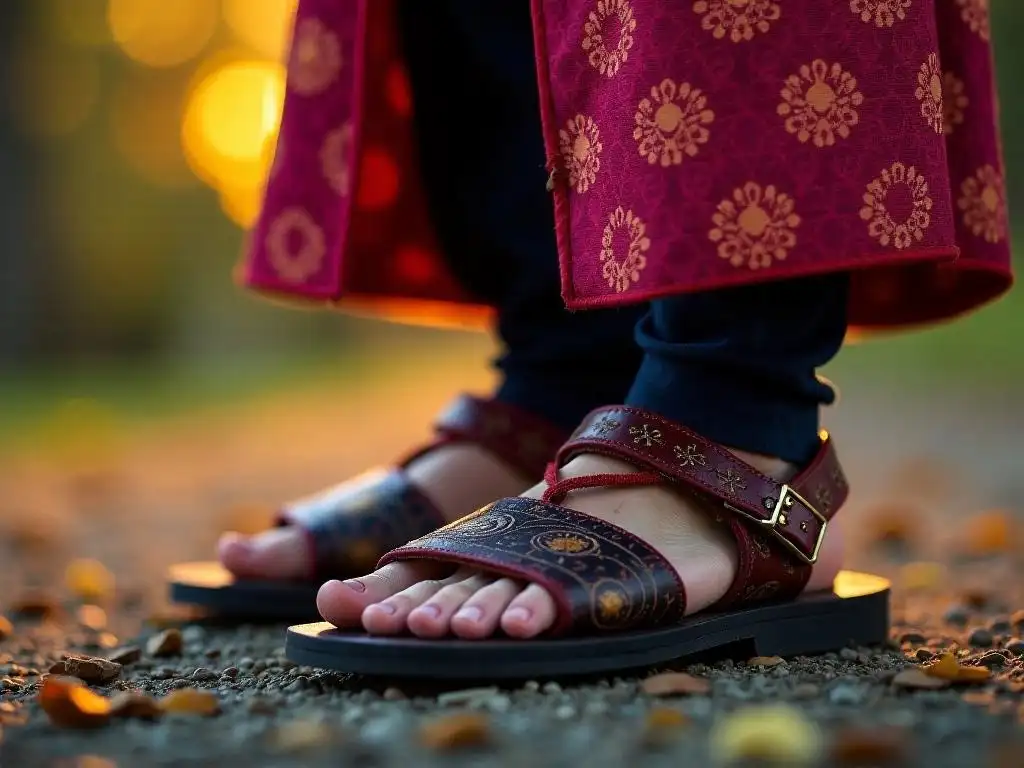
Armor was a crucial aspect of samurai clothing that blended functionality with artistry. The most recognized type of armor is the yoroi, which comprised several pieces designed to protect the wearer during battle while allowing for mobility. The armor featured intricate lacing and was often adorned with decorative elements that conveyed the samurai's status.
The kabuto (helmet) is one of the most iconic components of samurai armor, designed to protect the head while also intimidating opponents. It was often decorated with crests or ornaments that symbolized the samurai’s clan. In addition to its protective functions, armor was designed to be easily donned and removed, ensuring that samurai could transition between civilian and military life swiftly.
Accessories and Adornments: Symbolism in Daily Life
Accessories played a significant role in samurai clothing, often serving as status symbols and indicators of personal identity. The obi, or sash, was not only functional in securing the kimono but also a canvas for displaying intricate designs and family crests. The style and material of the obi could signify the wearer’s rank and wealth.
Other adornments included the tanto (dagger) and katana, which were not just weapons but also essential elements of the samurai’s identity. The way these were worn and displayed reflected the samurai's commitment to bushido (the way of the warrior) and served to reinforce their status within the social hierarchy. Furthermore, decorative cords and tassels could be added to armor and clothing, symbolizing bravery and individual achievements.
The Role of Fabric and Materials in Samurai Clothing
The choice of fabric and materials significantly influenced the aesthetics and functionality of samurai clothing. Samurai garments were primarily made from natural materials, which provided comfort and allowed for movement. The quality of the fabric often indicated the samurai's rank and wealth, with high-ranking samurai favoring luxurious silk, while lower-ranking warriors opted for more practical cotton.
Traditional Fabrics Used in Samurai Attire
Various traditional fabrics were used in samurai attire, with silk being the most prestigious and widely sought after for formal garments. Cotton was commonly used for everyday wear due to its durability and ease of maintenance. Additionally, ramie and linen were popular choices for summer garments, as they offered breathability.
The use of indigo dye was prevalent in samurai clothing, providing both a distinctive color and natural insect-repellent properties. This dye was often used in conjunction with intricate weaving techniques to create unique patterns that showcased the skills of the artisans and the samurai’s personal style.
The Importance of Color and Patterns in Samurai Clothing
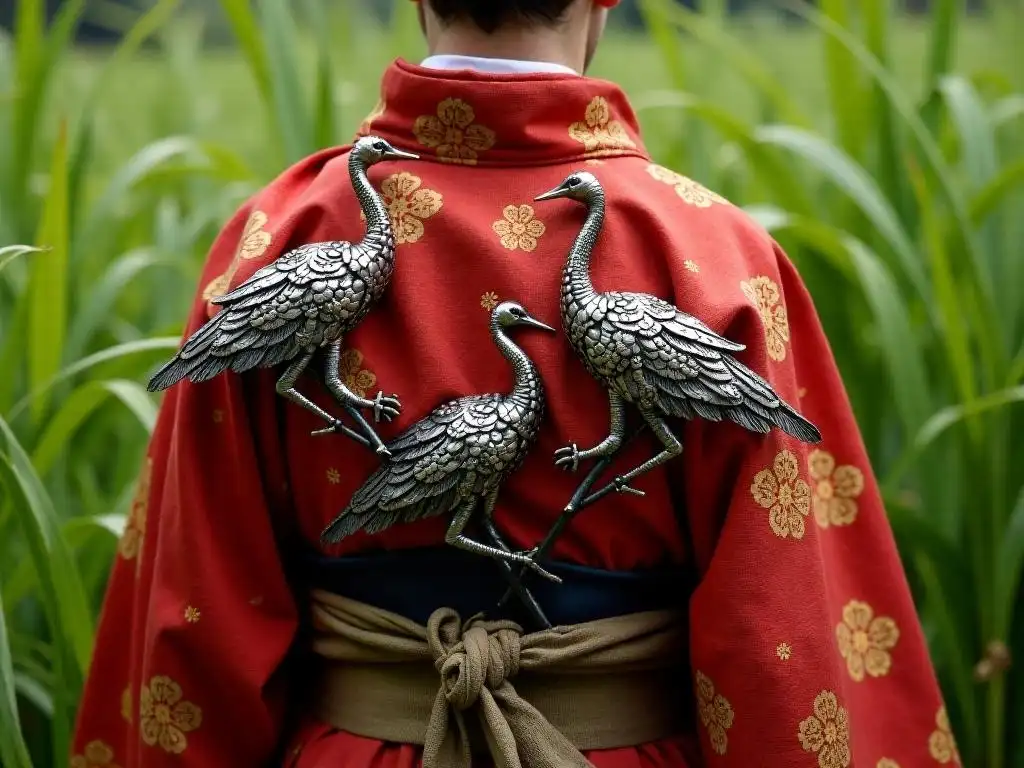
Color and patterns in samurai clothing were laden with meaning and significance. Different colors represented various attributes—red, for example, symbolized courage, while blue signified calmness. Patterns often depicted natural elements, such as waves or mountains, which reflected the samurai's connection to nature and the spiritual world.
Clans also utilized specific colors and patterns in their clothing to establish identity and unity among their members. For instance, certain combinations might be reserved for specific occasions, reinforcing the cultural norms and values of the samurai class.
Sustainable Practices: Materials and Craftsmanship
Sustainability in samurai clothing was evident in the meticulous craftsmanship and the use of locally sourced materials. Artisans took great care in creating garments that were not only beautiful but durable, allowing them to withstand the rigors of daily life and warfare.
The practice of recycling and repurposing old garments was common, with worn fabrics being transformed into new clothing or accessories. This approach ensured that resources were utilized efficiently, reflecting a deep respect for materials and the environment. Furthermore, the emphasis on handmade craftsmanship ensured that each piece of clothing was unique, showcasing the skills and artistry of the makers.
The clothing of the samurai was not merely a reflection of personal taste but a profound indicator of social status and rank within the rigid hierarchical structure of feudal Japan. Samurai clothing was intricately designed to convey the wearer’s position in society, often dictated by elaborate rules and customs. This connection between apparel and social standing played a crucial role in daily interactions and the overall perception of a samurai's authority and prestige.
How Clothing Denoted Rank and Position Among Samurai
In feudal Japan, the samurai class was divided into various ranks, each with distinct clothing styles that symbolized their status. The higher the rank, the more ornate and elaborate the attire would be. For instance, a high-ranking samurai might don a kamishimo, a formal outfit consisting of a long coat (kataginu) and trousers (hakama) made from luxurious materials such as silk and decorated with intricate patterns. In contrast, lower-ranking samurai wore simpler garments, often in muted colors, which lacked the embellishments and quality fabrics of their superiors.
The use of specific colors also played a significant role in denoting rank. Certain hues were reserved for the elite, while others were commonplace among the lower ranks. The samurai's clothing was often decorated with family crests (mon), further signaling their lineage and allegiance. This strict adherence to clothing codes ensured that rank and position were clearly visible in social settings, reinforcing the feudal system's hierarchies.
The Influence of Clothing on Perception and Reputation
The visual impact of a samurai's clothing extended beyond mere status; it directly influenced how they were perceived by peers and the common populace. A samurai dressed in finely crafted, elaborate garments commanded respect and instilled fear, reinforcing their authority. Conversely, a samurai who could not maintain their attire due to financial difficulties risked losing face and status within their community.
Moreover, clothing was symbolic of a samurai's commitment to their role as warriors. For instance, wearing a hachimaki (headband) during martial training or battles signified determination and focus, while the maintenance of their garments reflected discipline and honor. Thus, the way a samurai presented themselves through clothing significantly shaped their reputation and relationships in both social and military contexts.
Comparison of Samurai Clothing Across Different Classes
While the samurai class shared certain common styles, there were notable differences in clothing based on specific subclasses within the samurai hierarchy. For example, daimyōs, or powerful feudal lords, wore clothing made from the finest materials, often adorned with elaborate embroidery and precious stones. Their attire was designed not just for function, but as a visual representation of their wealth and power.
On the other hand, ashigaru, who were foot soldiers of lower rank, wore simpler and more practical clothing, often made from durable, less expensive materials. Their garments prioritized functionality over aesthetics, reflecting their role in battle and daily tasks rather than the display of status. This stark contrast in clothing styles across classes underscored the social stratifications within the samurai class itself and illustrated the importance of clothing as a societal marker.
Daily Life and Practicality of Samurai Clothing
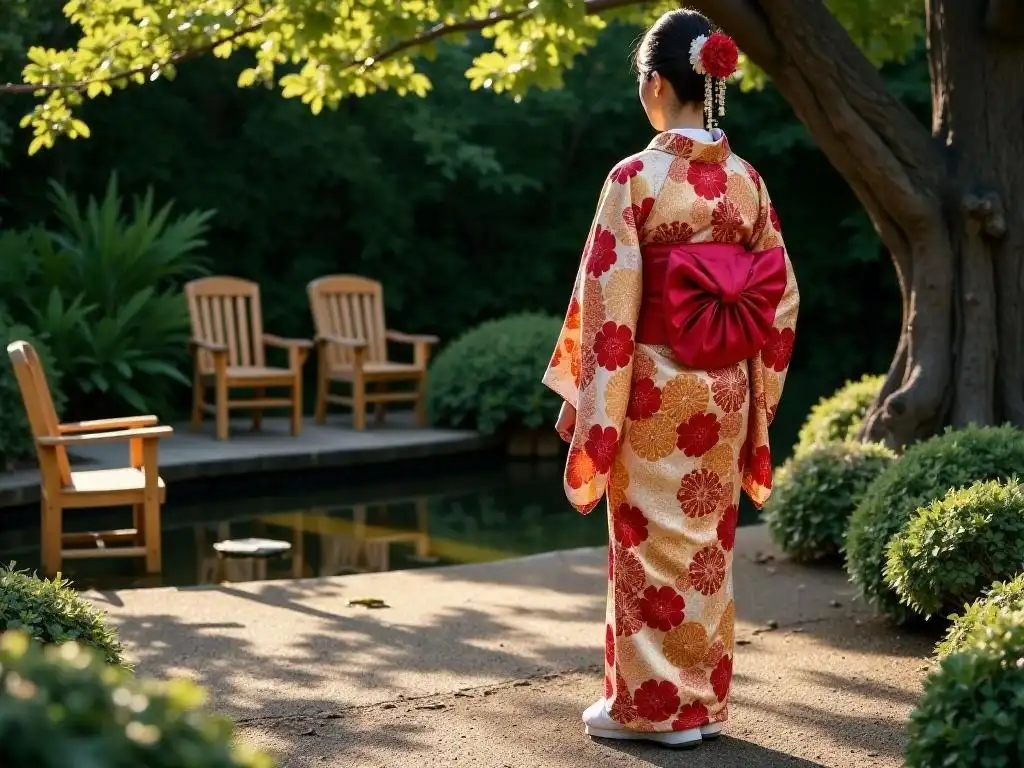
While the samurai's clothing was often ornate and rich in symbolism, it also had to serve practical purposes in their daily lives. The design and functionality of their attire were critical for both their roles as warriors and their everyday activities.
Functional Aspects of Samurai Clothing in Everyday Activities
Samurai clothing was designed with practicality in mind, reflecting the need for mobility and comfort during combat and daily tasks. The hakama, a type of pleated trouser, allowed for ease of movement, making it suitable for riding, training, and engaging in battle. The materials used were often breathable and durable, suitable for the demands of a warrior's lifestyle.
Additionally, samurai clothing often incorporated elements such as obi (sashes) that could be used to secure weapons or tools, effectively merging style with functionality. This adaptability was crucial for samurai, as their attire needed to transition seamlessly from formal occasions to the rigors of daily life, maintaining the balance between appearance and utility.
Adaptations of Clothing for Different Seasons and Settings
The samurai's clothing was also adapted to suit varying seasonal conditions and contexts. During the hot summer months, lighter fabrics and short-sleeved garments were preferred to ensure comfort. In contrast, winter attire included layered clothing, such as hifu (a type of padded jacket), to provide warmth while still allowing for mobility.
Furthermore, samurai would modify their clothing for specific settings, such as battles or formal gatherings. For example, during combat, they might wear armor over their traditional garments, ensuring protection without sacrificing the traditional aesthetic. This adaptability not only reflected the samurai's resourcefulness but also their understanding of how clothing could enhance their effectiveness in various scenarios.
The Balance of Aesthetics and Utility in Samurai Fashion
The clothing of the samurai epitomized the delicate balance between aesthetics and utility. While the samurai were expected to present themselves with honor and elegance, their clothing had to accommodate the practicalities of warfare and daily life.
The use of color, fabric, and design in samurai clothing was a reflection of their cultural values, emphasizing beauty alongside functionality. For instance, the kimono, often worn beneath armor, was not only beautiful in its craftsmanship but also allowed for freedom of movement. This duality in samurai fashion served to reinforce the ideals of the samurai code, merging the concepts of beauty, honor, and martial prowess into a holistic expression of their identity.
Conclusion: The Lasting Legacy of Samurai Clothing
The clothing of the samurai represents much more than mere fabric and design; it embodies a rich tapestry of history, culture, and societal norms that have shaped Japan's identity. The garments worn by these warriors were a reflection of their status, values, and the intricate social hierarchies of feudal Japan. The legacy of samurai clothing continues to influence contemporary Japanese society, serving as a symbol of tradition and cultural pride.
In modern times, the aesthetics and functions of samurai attire can still be observed in various aspects of life in Japan. From traditional ceremonies to contemporary fashion, the influence of samurai clothing is pervasive, reminding us of the values of honor, discipline, and respect that defined the samurai way of life. As we explore the connections between historical attire and its modern interpretations, we gain insight into the enduring impact of the samurai on Japan's cultural landscape.
Reflection on the Cultural Significance of Samurai Fashion
Samurai fashion serves as a significant lens through which we can understand the complexities of Japanese culture during the feudal era. Each element of samurai clothing, from the fabric choices to the intricate designs, was imbued with meaning. For instance, the use of colors often denoted rank and affiliation, while the style and cut of garments could signify one's clan and social standing.
Moreover, the ceremonial aspects of samurai clothing, such as the formal wear used in rituals and important events, highlight the importance of aesthetics in maintaining social order and tradition. The samurai's commitment to beauty and artistry in their attire underscores their role as not only warriors but also as custodians of culture. This cultural significance continues to resonate, inspiring a profound appreciation for craftsmanship and heritage in today's society.
The Influence of Samurai Clothing on Modern Japanese Fashion
The aesthetic principles of samurai clothing have had a lasting influence on modern Japanese fashion. Contemporary designers often draw inspiration from the elegant lines, rich textures, and symbolic elements of samurai attire. Traditional garments like the kimono and hakama, which evolved from samurai clothing, remain central to Japanese fashion, especially during festivals and cultural events.
In addition, the samurai's emphasis on functionality and practicality in their clothing has paved the way for innovative designs in modern apparel. The blend of traditional motifs with contemporary styles showcases a seamless integration of historical influences into everyday wear. This ongoing dialogue between past and present is a testament to the samurai's enduring legacy in shaping Japan's fashion narrative.
Further Reading and Resources on Samurai Culture
For those interested in delving deeper into the rich tapestry of samurai culture, numerous resources provide valuable insights into their clothing, daily life, and societal roles. These materials will enhance your understanding of how samurai clothing intertwined with their identity and the broader historical context of feudal Japan.
Recommended Books and Articles on Samurai Clothing and Daily Life
- "Samurai: The World of the Warrior": by John M. Manjiro - This book offers a comprehensive look at the life and culture of samurai, including detailed discussions on their clothing and social roles.
- "The Samurai: A Military History": by Stephen Turnbull - Turnbull explores the military history of the samurai while providing context for their attire and its evolution over time.
- "Japanese Fashion: A Cultural History": by Takeda Kiyoko - This book examines the evolution of Japanese fashion, highlighting the influence of samurai clothing on modern styles.
Documentaries and Visual Resources on the Samurai Era
- "Samurai: Behind the Sword": - This documentary provides an engaging overview of the samurai's life, including their clothing and societal roles, featuring expert interviews and historical reenactments.
- "The Last Samurai" - While a dramatized account, this film offers visual representation and context of samurai attire and culture, showcasing the aesthetic appeal of their clothing.
- "Feudal Japan: The Age of the Samurai": - This documentary series delves into various aspects of samurai life, including clothing, traditions, and their lasting impact on Japanese society.
These resources will equip you with a deeper understanding of samurai clothing and its significance in daily life, enriching your appreciation of this fascinating era in Japanese history.
- Introduction to Samurai Clothing and Daily Life
- Historical Evolution of Samurai Clothing
- Key Elements of Samurai Clothing
- The Kimono: Structure and Significance
- Armor as Clothing: Functionality and Design
- Accessories and Adornments: Symbolism in Daily Life
- The Role of Fabric and Materials in Samurai Clothing
- Traditional Fabrics Used in Samurai Attire
- The Importance of Color and Patterns in Samurai Clothing
- Sustainable Practices: Materials and Craftsmanship
- Samurai Clothing and Social Status
- Daily Life and Practicality of Samurai Clothing
- Conclusion: The Lasting Legacy of Samurai Clothing
- Further Reading and Resources on Samurai Culture
Frequently Asked Questions
What was the significance of samurai clothing in feudal Japan?
Samurai clothing was not only about fashion but also represented their status and role within society. The design and materials indicated rank, reinforcing the hierarchical structure of feudal Japan.
How did samurai clothing reflect their daily life?
The clothing of samurai was designed for practicality and functionality, allowing for ease of movement in battle and daily activities. It often included features that catered to their warrior lifestyle.
What materials were commonly used in samurai clothing?
Samurai clothing was typically made from high-quality fabrics such as silk and cotton, which were often dyed in vibrant colors. The choice of materials also highlighted their wealth and social standing.
How did the style of samurai clothing evolve over time?
As Japan transitioned through various periods, samurai clothing evolved in both style and purpose, reflecting changes in military needs and cultural influences. This evolution showcased the dynamic nature of feudal Japanese society.
What role did status symbols play in samurai attire?
Status symbols in samurai clothing, such as specific colors and patterns, communicated a samurai's rank and achievements. This visual representation reinforced the social hierarchy and the importance of honor in their daily lives.
Final Reflection: The Enduring Legacy of Samurai Clothing in Daily Life
The intricate relationship between samurai clothing and daily life underscores the profound impact of fashion on identity and status. In today's world, where personal expression is often conveyed through attire, the lessons from the samurai era resonate more than ever. The samurai's clothing was not merely a matter of aesthetics; it was a reflection of their values, social standing, and the cultural heritage that shaped their existence. As we navigate our own identities in a complex society, we can draw inspiration from this historical narrative that emphasizes the significance of what we wear.
The influence of samurai clothing continues to permeate modern culture, reminding us of the power of attire in shaping perceptions and social dynamics. The samurai's commitment to craftsmanship and symbolism in their garments serves as a testament to the importance of intention behind our choices. As noted by historian John M. McCulloh, “Clothing is a silent language that speaks volumes about who we are and what we represent.” This observation highlights how, even centuries later, the clothing we choose can communicate our values, aspirations, and cultural affiliations.
As we reflect on the lessons of samurai clothing, let us embrace the opportunity to be intentional in our own fashion choices. Consider how your attire can serve as a canvas for self-expression and a means to connect with your heritage or values. In a world that often prioritizes trends over meaning, take a moment to reflect on the stories your clothing tells. By doing so, you not only honor the legacy of the samurai but also empower yourself to navigate your daily life with purpose and authenticity.
Unveil Your Inner Warrior: Embrace the Spirit of the Samurai!
Thank you for taking the time to explore the fascinating world of Samurai clothing! You’ve gained insights into how fashion intertwined with function and status in daily life during feudal Japan. Now, it’s your turn to dive deeper into this captivating history and connect with the essence of the Samurai. Here’s how you can continue your journey:
- Immerse Yourself: Read more on our website about the rich traditions and materials used in Samurai fashion. Discover the unique craftsmanship that defined their attire!
- Join the Discussion: Share your thoughts in the comments below. What aspect of Samurai clothing intrigues you the most?
- Explore Further: Follow us on social media for fascinating insights and visuals about feudal Japan! Stay updated and engage with a community that shares your passion!
How do you think the principles of Samurai fashion can inspire modern styles or self-expression today?