
Beyond the Sword: The Everyday Life of a Samurai Warrior


Welcome to Feudal Japan History, where we embark on an intriguing journey through the captivating world of Japan’s feudal era. Dive deep as we unravel the complexities of the everyday life of samurai, exploring not just the valor and battles, but the rich tapestry of culture, duty, and tradition that defined these legendary warriors. What did a typical day look like for a samurai beyond the battlefield? Prepare to be surprised! Join us as we uncover the lesser-known facets of samurai life that shaped their legacy and profoundly influenced Japanese society. Your exploration begins here!
The image of the samurai often conjures visions of fierce warriors clad in armor, brandishing swords, and engaged in epic battles. However, the everyday life of samurai extends far beyond the battlefield, encompassing a rich tapestry of cultural, social, and personal elements that define their existence in feudal Japan.
This article aims to delve into the daily routines, responsibilities, and values that shaped the lives of these esteemed warriors, providing a comprehensive exploration of their societal roles and the principles that guided their conduct. By examining the intricate details of samurai life, we can gain a deeper understanding of the historical context that influenced their actions and the legacy they left behind.
Introduction to the Everyday Life of Samurai
Overview of Samurai Culture and Status in Feudal Japan
The samurai were not merely warriors; they were a distinct social class with a rich cultural heritage. Emerging during the late Heian period (794-1185), samurai culture was characterized by a strict hierarchy and a deep sense of loyalty, honor, and duty. They served as military retainers to the nobility, embodying the ideals of the warrior class while participating in the political and social dynamics of the time.
- Cultural Practices: Samurai were known for their involvement in various cultural practices, including:
- Tea ceremonies (chanoyu)
- Calligraphy (shodō)
- Poetry (waka and haiku)
- Martial arts training (bujutsu)
Their engagement in these activities helped to cultivate a well-rounded character, balancing the martial with the artistic.
- Social Status: The samurai's status in society was not only defined by their martial prowess but also by their adherence to the Bushido code. This ethical framework emphasized virtues such as:
- Loyalty
- Courage
- Benevolence
- Respect
These principles established the samurai as role models within their communities, influencing the moral fabric of feudal Japan.
Importance of Understanding Daily Life for Historical Context
Understanding the daily life of samurai is crucial for several reasons:
- Cultural Insight: It sheds light on the values and beliefs that shaped the samurai's worldview.
- Social Dynamics: It reveals the complex relationships between samurai and other social classes, including peasants, merchants, and the nobility.
- Historical Perspective: Examining the daily routines of samurai provides context for their actions in warfare and politics, allowing us to appreciate the nuances of their contributions to Japanese history.
By exploring these aspects, we can better understand not only the samurai themselves but also the society in which they thrived.
The Role of the Samurai in Society
Samurai as Warriors and Their Social Duties
While the samurai are often romanticized as fearsome warriors, their role in society encompassed much more than combat. They were responsible for maintaining order in their domains, serving as local leaders, and ensuring the welfare of their communities.
- Military Responsibilities: Samurai were expected to participate in battles and defend their lord's territory, but their duties extended to:
- Training militia
- Managing lands
- Collecting taxes
- Community Leadership: Many samurai held positions of authority, making decisions that affected their local populations. This included:
- Dispute resolution
- Enforcement of laws
- Oversight of agricultural practices
Their dual role as both warriors and leaders positioned them as pivotal figures in the feudal hierarchy.
The Bushido Code: Principles Guiding Samurai Life
The Bushido code served as the moral compass for samurai, dictating their behavior in both public and private life. This code was not merely a set of rules but a way of life that emphasized the following principles:
- Honor: Maintaining personal and family honor was paramount, often leading samurai to uphold their integrity at all costs.
- Loyalty: Absolute loyalty to one’s lord was a defining characteristic, with samurai often expected to sacrifice personal interests for the greater good.
- Discipline: Rigorous training and self-control were essential, as the samurai sought to master both martial skills and personal conduct.
Incorporating these principles into their daily lives allowed samurai to navigate the complexities of feudal society while adhering to a code that defined their identity as warriors.
As we continue this exploration into the everyday life of samurai, we will further dissect their rituals, leisure activities, and the psychological aspects that accompanied their unique status in feudal Japan.
Daily Routines of a Samurai Warrior
The everyday life of a samurai warrior extended far beyond the battlefield, encompassing a structured routine that emphasized discipline, training, and family life. These routines varied based on the samurai's status, location, and the era, but certain core elements remained consistent across the board. A samurai's day was meticulously planned, reflecting their commitment to both their martial duties and their social responsibilities.
Morning Rituals: Discipline and Preparation for the Day
Mornings for a samurai began before dawn, characterized by a series of rituals designed to instill discipline and focus. The first act of the day was often a purification ritual, which involved washing the hands and face, symbolizing the cleansing of both body and mind. This was followed by a short meditation session or prayer, where samurai would seek guidance and strength for the day ahead.
After these spiritual practices, samurai would engage in physical exercises to strengthen their bodies. This could include stretching, calisthenics, or even horseback riding in preparation for their duties. Breakfast was typically a modest meal, consisting of rice, miso soup, and perhaps pickled vegetables, providing the necessary sustenance for the demanding day.
The samurai's morning routine was not merely about personal preparation; it also included reviewing tasks for the day, whether they were administrative duties, training sessions, or family obligations. This structured approach to each day underscored the samurai's commitment to their roles as both warriors and leaders within their households and communities.
Training and Martial Arts Practice: Physical Conditioning
Training was a cornerstone of the samurai's daily life, with martial arts practice taking precedence. Samurai warriors dedicated hours each day to hone their skills in various disciplines, including kenjutsu (swordsmanship), iaijutsu (the art of drawing the sword), and other forms of combat training. This rigorous physical conditioning was essential not only for maintaining combat readiness but also for cultivating mental discipline.
Training sessions could take place in a dojo or open space, often supervised by a sensei or senior samurai. These sessions involved not only practice with weapons but also sparring with peers, which helped to build camaraderie and mutual respect among warriors. Physical conditioning was complemented by the practice of traditional arts, such as calligraphy and tea ceremony, which were believed to enhance a samurai's mental acuity and grace.
The dedication to training was evident in the samurai's approach to life; they viewed martial arts as a lifelong journey rather than a mere skill set. This mindset reinforced the idea that a samurai's body and mind must be in harmony, reflecting the balance between their warrior duties and their personal development.
The Family Life of a Samurai
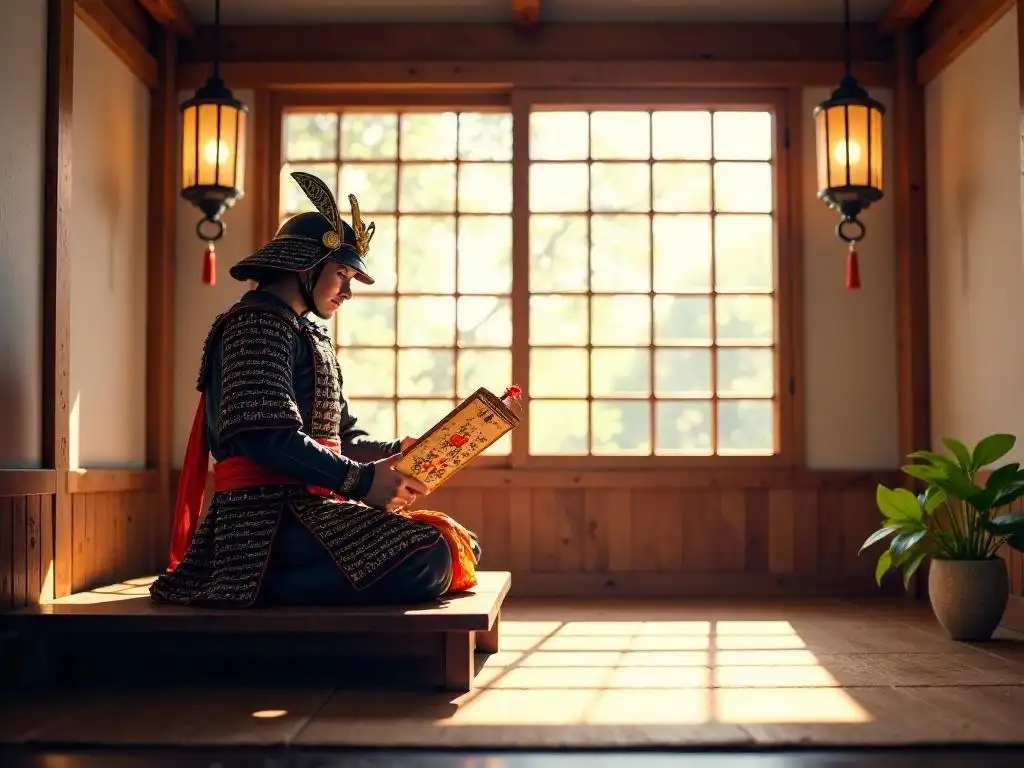
The family life of a samurai was deeply influenced by their social status and the expectations of their role within feudal Japan. While samurai were renowned for their martial prowess, their responsibilities as family members were equally significant. The structure of samurai households often mirrored the hierarchical nature of society, with clear roles and expectations defined for each member.
Marital Practices and Family Structure
Marriage for samurai was typically arranged, serving both social and political purposes rather than romantic ones. These unions were intended to strengthen alliances between families, ensuring the continuation of noble lineages and the consolidation of power. Samurai women were often married at a young age, and while they had limited agency in choosing their partners, they were expected to uphold the family honor and manage household affairs.
The family structure was patriarchal, with the male head of the household holding authority over family decisions. Sons were raised with the expectation of becoming warriors, receiving training in martial arts from a young age. Daughters, on the other hand, were educated in the arts of household management, including cooking and weaving, to prepare them for their future roles as wives and mothers.
Despite the rigid structure, loyalty and respect within the family were paramount. A samurai's honor was often linked to the behavior and reputation of their family members, creating a strong incentive to uphold familial duties and values.
The Role of Women in Samurai Households
Women in samurai households played crucial yet often underappreciated roles. While their primary duties revolved around domestic responsibilities, including child-rearing and household management, they were also educated in the arts and literature. This education was not merely for personal enrichment; it was seen as essential for raising well-rounded, honorable children.
Women could also wield significant influence in their households, particularly if their husbands were away for extended periods due to military campaigns. In such cases, they managed estates, made financial decisions, and maintained order within the family, showcasing their capabilities beyond traditional expectations.
Moreover, some women engaged in martial training, particularly in the art of naginatajutsu (the use of the naginata), which was sometimes practiced by female members of the samurai class. This martial training further illustrated the multifaceted roles women played in samurai life, balancing the expectations of domesticity with the realities of their historical context.
The everyday life of a samurai was a rich tapestry woven from discipline, duty, and familial obligations. Through their daily routines and family structures, samurai embodied the complexities of their roles in feudal Japan, emphasizing the interplay between their identities as warriors and as family members.
The Economic Aspects of Samurai Life
The everyday life of a samurai was intricately tied to economic factors that defined their status and responsibilities within feudal Japan. Unlike the romanticized image often portrayed in popular culture, samurai were not merely warriors; they were landowners and administrators who played a crucial role in the agrarian economy of their time. This section delves into their economic responsibilities, land ownership, and wealth management.
Land Ownership and Agricultural Responsibilities
Land ownership was a fundamental aspect of samurai life, serving as the primary source of income and status. Samurai were often granted land by their lords in return for military service. This land was not merely a symbol of wealth; it came with significant agricultural responsibilities.
- Farming Duties: Samurai were expected to manage their estates, which involved overseeing agricultural production. They had to ensure that crops were cultivated efficiently and that the peasants working the land were adequately supported. This management included direct involvement in farming during times of peace, when the need for martial prowess diminished.
- Tax Collection: In addition to managing the agricultural output, samurai were responsible for collecting taxes from the peasants. This tax was typically a portion of the harvest, which was vital for sustaining the samurai's lifestyle and fulfilling their obligations to their lords.
- Land Improvements: Samurai often invested in improving the land, implementing irrigation systems, and enhancing crop yields. This not only increased their wealth but also contributed to the overall prosperity of their fiefdom.
Wealth Management: Income from Land and Services
Managing wealth was another crucial aspect of a samurai's life, as it dictated their social standing and lifestyle. The income generated from land and services shaped their everyday existence.
- Income Sources: Samurai earned income primarily through agricultural production and land rents. Additionally, some engaged in various services, such as teaching martial arts or serving as advisors to local leaders, which supplemented their income.
- Financial Decisions: Samurai had to make prudent financial decisions to maintain their status and support their families. This included budgeting for essential expenses like food, clothing, and education, as well as allocating funds for armor and weapons.
- Wealth Disparities: It is important to note that not all samurai enjoyed equal wealth. The wealth gap among samurai varied significantly, with higher-ranking samurai having access to larger estates and greater resources, while lower-ranking samurai often struggled to make ends meet.
Cultural Practices and Leisure Activities
While samurai were primarily known for their martial prowess, their lives were also enriched by cultural practices and leisure activities that reflected the values and aesthetics of their time. These activities provided a balance to their rigorous training and responsibilities, allowing for personal expression and community engagement.
Arts and Aesthetics: Calligraphy, Tea Ceremony, and More
The samurai class placed a high value on the arts, believing that mastery of cultural practices was as important as martial skill.
- Calligraphy: This refined art form was not only a means of communication but also a reflection of one's character and discipline. Samurai often practiced calligraphy to cultivate patience and focus, viewing it as a meditative practice that complemented their training in martial arts.
- Tea Ceremony: The tea ceremony, or chanoyu, became a symbol of elegance and tranquility among samurai. This ritual was more than just enjoying tea; it involved an appreciation for aesthetics, mindfulness, and the social dynamics of hosting. Many samurai engaged in this practice to refine their social skills and engage in philosophical discussions.
- Other Arts: Samurai were also involved in various other art forms, including poetry, painting, and music. These pursuits allowed them to express their individuality and connect with the broader cultural currents of their time.
Festivals and Seasonal Celebrations in Samurai Culture
Festivals and seasonal celebrations played a significant role in the social life of samurai, offering opportunities for community bonding and cultural expression.
- Seasonal Festivals: Samurai participated in various seasonal festivals that celebrated agricultural cycles, such as harvest festivals. These events were marked by traditional performances, feasting, and communal activities, reinforcing social ties within their communities.
- Cultural Significance: Such celebrations were not merely festive occasions; they also held deep cultural significance, allowing samurai to honor the gods and spirits that protected their lands. Participating in these rituals underscored the samurai's connection to nature and the broader spiritual beliefs of Japanese society.
- Community Engagement: Festivals provided a platform for samurai to interact with peasants and other social classes, fostering relationships that were essential for maintaining order and loyalty within their domains.
The everyday life of a samurai extended beyond the battlefield, encompassing economic responsibilities, cultural pursuits, and community engagement that shaped their identity and societal role in feudal Japan.
Spiritual Life and Beliefs of Samurai
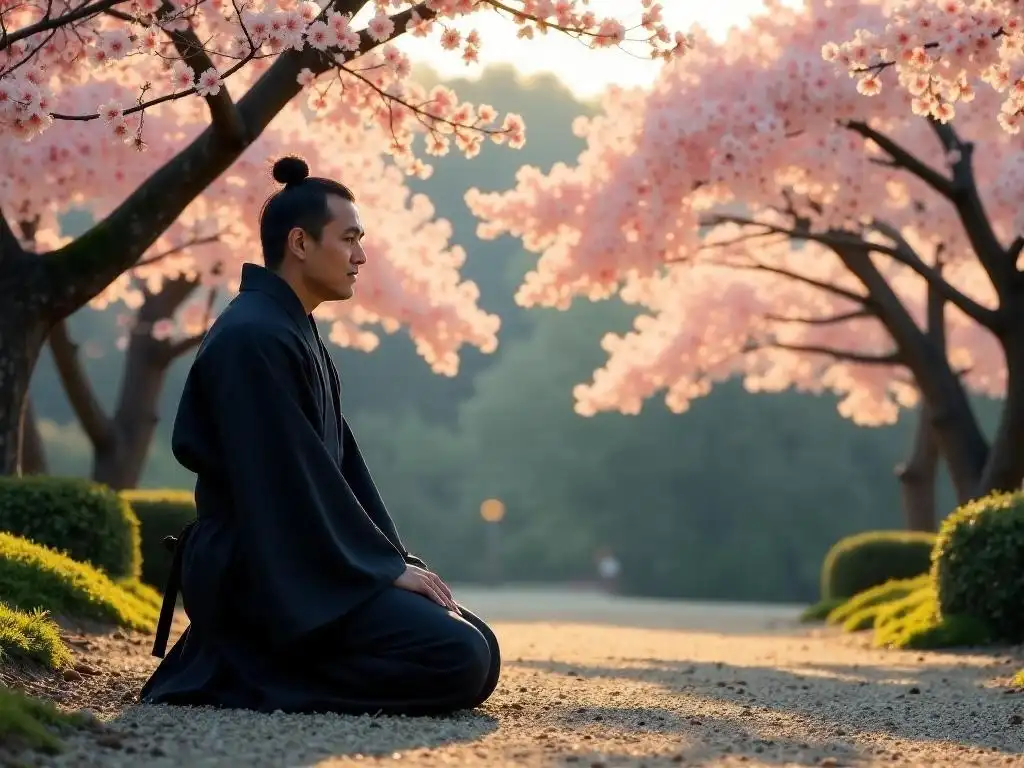
The spiritual life of a samurai was integral to their identity, shaping their actions, decisions, and interactions with the world around them. Central to their belief system were Shinto and Buddhism, two philosophies that provided a framework for understanding life, death, and duty. Samurai were not just warriors; they were also stewards of cultural and spiritual practices that emphasized honor, loyalty, and a connection to the divine. The samurai's spiritual beliefs often manifested in their daily routines, affecting everything from their approach to combat to their relationships with their families and communities.
The samurai's spiritual life was characterized by a strong sense of duty to their lord and the land they served. This duty was often viewed as a divine calling, with the samurai believing that their skills and responsibilities were bestowed upon them by higher powers. As such, their lives were defined by a pursuit of excellence that transcended mere martial prowess, encompassing the cultivation of virtue, wisdom, and moral integrity.
The Influence of Shinto and Buddhism on Daily Practices
Shinto, Japan's indigenous spirituality, and Buddhism, introduced from the Asian continent, significantly shaped the samurai's daily practices. Shinto emphasized the connection to nature and ancestral spirits, creating a belief in kami (gods or spirits) that inhabited the natural world. This influence led samurai to engage in rituals that honored these deities, which could include visiting shrines, making offerings, and participating in seasonal festivals.
Conversely, Buddhism introduced concepts such as impermanence, the cycle of life and death, and the pursuit of enlightenment. Samurai often practiced Zen Buddhism, which emphasized meditation and mindfulness. This practice helped warriors maintain focus and composure in battle, fostering a sense of inner peace amid chaos. The blending of these two belief systems created a unique spiritual landscape wherein samurai could navigate their duties with a sense of purpose and tranquility.
Rituals and Offerings: Connecting with the Divine
Rituals and offerings were integral to the samurai's efforts to connect with the divine and seek guidance in their lives. Daily practices often included prayers and offerings at home altars or local shrines, where they would present rice, sake, or seasonal fruits to kami in gratitude and supplication. Such acts were not merely ceremonial; they represented a deep-seated belief in reciprocity between humans and the divine.
Significant life events, such as marriages, births, and deaths, were marked by elaborate rituals that highlighted the samurai's connection to their spiritual heritage. For instance, during funerals, elaborate rites were performed to ensure the deceased's safe passage to the afterlife, reflecting the samurai's respect for life and death. These rituals reinforced community bonds and the samurai's role as guardians of cultural traditions, further embedding spirituality into their daily lives.
Challenges and Changes in Samurai Life
The life of a samurai was not without its challenges. As political landscapes shifted and the nature of warfare evolved, samurai faced numerous obstacles that tested their way of life. From the constant threat of conflict to the pressures of societal expectations, the samurai's existence was often a precarious balancing act between duty and survival.
As Japan transitioned from feudalism to modernization, the samurai's role in society underwent significant changes. These transformations brought about new challenges that fundamentally altered their traditional way of life, leading to a re-evaluation of their identities and purposes in a rapidly changing world.
The Impact of War and Conflict on Daily Existence
War and conflict were central to the samurai's existence, shaping not only their martial skills but also their daily routines and social interactions. Frequent battles meant that samurai had to remain vigilant, often living in a state of readiness. This environment fostered a culture of discipline and focus but also generated anxiety and uncertainty about the future.
The impacts of war extended beyond the battlefield; they influenced social structures and relationships within the samurai class. Loyalty to one's lord was paramount, and the fallout from defeats could lead to loss of status, land, and livelihood. Consequently, samurai families often had to adapt to changing circumstances, which could involve relocating, forming alliances, or even taking on new roles within society.
Transition from Feudalism: Modernization and Its Effects
The transition from feudalism to modernization in Japan during the late 19th century had profound effects on the samurai class. The Meiji Restoration marked a significant shift as the government sought to centralize power and modernize the military. This transformation often marginalized the samurai, whose traditional roles were rendered obsolete in a new, industrialized Japan.
As the samurai lost their privileges and status, many struggled to adapt to their new realities. Some embraced the changes, finding new opportunities in education, commerce, or government service, while others clung to their past, leading to social unrest and a longing for the bygone era of samurai prestige. Ultimately, this transition forced a reevaluation of what it meant to be a samurai, as they navigated a rapidly changing society that demanded new forms of identity and purpose beyond the sword.
Conclusion: The Legacy of Samurai Daily Life
The everyday life of samurai warriors is a compelling narrative that extends far beyond the battlefield. It encapsulates a rich tapestry of cultural practices, ethical codes, and social responsibilities that collectively shaped Japan’s feudal era. The samurai's commitment to loyalty, honor, and discipline did not merely apply to their martial duties; it permeated every aspect of their lives, influencing their roles as family members, community leaders, and even as custodians of the arts. This holistic approach to life is a significant part of their legacy, one that continues to resonate in modern Japan.
The samurai's influence can still be felt in various aspects of Japanese society today, from the emphasis on education and self-discipline to the aesthetic values that inform everything from architecture to martial arts. Their daily routines, which included rigorous training, spiritual practices, and cultural pursuits, serve as a reminder of the importance of balance in life. Thus, the legacy of samurai daily life is not merely historical; it serves as a guiding principle for those seeking to cultivate a disciplined, meaningful existence.
Reflections on the Everyday Life of Samurai in Modern Japan
In contemporary Japan, reflections on the everyday life of samurai can be seen in various cultural practices and societal values. The spirit of bushido, the way of the warrior, continues to inspire individuals in their personal and professional lives. Modern Japanese culture often emphasizes the importance of perseverance, respect, and loyalty—qualities that were foundational to the samurai ethos.
Moreover, the samurai's appreciation for the arts, such as tea ceremonies, calligraphy, and poetry, remains prevalent in Japanese society. These cultural traditions foster a sense of community and continuity, linking the past with the present. Schools and dojos still teach martial arts that are deeply rooted in samurai traditions, highlighting the importance of discipline and respect for others.
The samurai's approach to conflict resolution, favoring negotiation and strategy over brute force, also finds resonance in modern Japanese business practices and interpersonal relations. This reflects a broader societal tendency to seek harmony and consensus, echoing the samurai's commitment to maintaining peace.
Lessons Learned from Samurai Culture for Contemporary Society
The samurai culture offers numerous lessons for contemporary society, many of which are profoundly relevant in today's fast-paced world. One of the most significant lessons is the value of discipline. The samurai's rigorous training regimen instills a sense of purpose and dedication that can lead to personal and professional success. In an era where instant gratification is often prioritized, the samurai's commitment to long-term goals serves as a powerful reminder of the benefits of hard work and perseverance.
Furthermore, the samurai's emphasis on ethics and honor can inspire individuals to lead principled lives. By adhering to a code of conduct that values integrity and respect, people can foster stronger relationships and contribute positively to their communities. This focus on ethical behavior can help counteract the challenges of modern society, including dishonesty and selfishness.
Lastly, the samurai's appreciation for balance—between duty and leisure, physical training and intellectual pursuits—can inform a more holistic approach to life. Emphasizing the importance of self-care, mindfulness, and cultural engagement can lead to a more fulfilling existence. By incorporating these lessons into our daily lives, we can create a society that values not only achievement but also personal growth and community well-being.
- Introduction to the Everyday Life of Samurai
- The Role of the Samurai in Society
- Daily Routines of a Samurai Warrior
- The Family Life of a Samurai
- The Economic Aspects of Samurai Life
- Cultural Practices and Leisure Activities
- Spiritual Life and Beliefs of Samurai
- Challenges and Changes in Samurai Life
- Conclusion: The Legacy of Samurai Daily Life
- What were the primary duties of a samurai in feudal Japan?
- How did the everyday life of a samurai differ from that of commoners?
- What role did education play in the lives of samurai?
- How did samurai balance their martial duties with other aspects of life?
- What was the significance of the samurai's code, Bushido?
Frequently Asked Questions
What were the primary duties of a samurai in feudal Japan?
Samurai were warrior nobles responsible for protecting their lords and lands. They also engaged in administrative roles, ensuring order and governance within their domains.
How did the everyday life of a samurai differ from that of commoners?
The everyday life of samurai was marked by strict codes of conduct, such as Bushido, emphasizing honor and loyalty, unlike commoners who focused on agriculture and trade.
What role did education play in the lives of samurai?
Education was vital for samurai, focusing on martial arts, literature, and philosophy to cultivate not only combat skills but also moral character and leadership abilities.
How did samurai balance their martial duties with other aspects of life?
Samurai led a life of discipline, balancing martial duties with cultural pursuits like poetry, tea ceremonies, and calligraphy, reflecting the dual nature of their existence as warriors and scholars.
What was the significance of the samurai's code, Bushido?
Bushido, the way of the warrior, was a code that guided samurai behavior, emphasizing honor, loyalty, and self-discipline. It shaped their identity and influenced Japanese culture profoundly.
Final Reflection: Embracing the Spirit of the Samurai in Everyday Life
The everyday life of a samurai transcends mere historical fascination; it serves as a profound reminder of discipline, honor, and resilience that resonates deeply in our modern world. In an age where distractions abound and values can sometimes feel diluted, the samurai's commitment to their principles offers a striking contrast. Their way of life, rooted in a balance of strength and serenity, invites us to reflect on how we can incorporate these timeless virtues into our own daily routines.
Culture and society are constantly evolving, yet the essence of the samurai's ethos continues to influence our lives today. The principles of loyalty, respect, and self-discipline that defined the samurai are echoed in various aspects of contemporary life, from martial arts to leadership philosophies. As we navigate our own challenges, we can draw inspiration from the samurai's unwavering dedication to their craft and community. The ultimate aim of the martial arts is not having to use them,
a sentiment that encapsulates the samurai's approach to life and conflict, reminding us that true strength lies in restraint and wisdom.
As you reflect on the everyday life of a samurai, consider how you can embody these values in your own journey. What aspects of the samurai's discipline can you integrate into your daily practices? Whether it's through cultivating mindfulness, fostering loyalty in your relationships, or embracing the pursuit of mastery in your endeavors, let the spirit of the samurai guide you. In doing so, you not only honor their legacy but also enrich your own life with purpose and integrity.
Embrace the Spirit of the Samurai Today!
Thank you for immersing yourself in the fascinating world of samurai warriors! You've uncovered the essence of their everyday lives and the values that shaped them. Now, it’s your turn to embody that spirit in your daily life.
Here are a few powerful actions you can take today:
- Practice mindfulness by dedicating a few moments each day to reflect on your values and intentions, just as the samurai did.
- Deepen your understanding of the rich culture of feudal Japan by exploring literature or documentaries that illuminate this extraordinary era.
- Engage with others by sharing your newfound knowledge—discuss what you’ve learned about the samurai way and its relevance to modern life, or feel free to share your thoughts!
As you reflect on the samurai way, consider this: What principles from the samurai lifestyle will you adopt to enhance your journey in today's world?