
The Hidden Lives of Samurai: Daily Life Outside the Warrior Persona

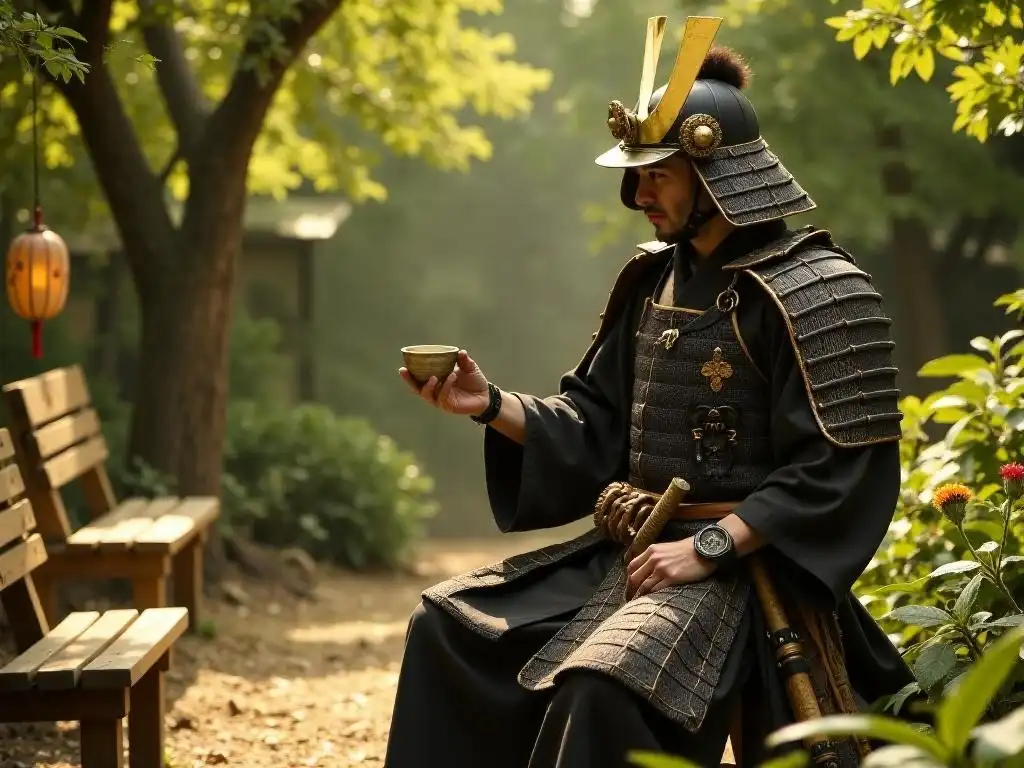
Welcome to Feudal Japan History, where we embark on a captivating journey through the intricate tapestry of Japan's feudal era. Have you ever wondered what life was truly like for the legendary samurai beyond their fierce warrior facade? In our featured article, "The Hidden Lives of Samurai: Daily Life Outside the Warrior Persona," we delve into the rich social history that reveals the daily routines, cultural practices, and personal struggles of these esteemed figures.
Prepare to be intrigued as we peel back the layers of history and invite you to explore the lesser-known stories that shaped a nation. Your adventure into the past begins now!
Introduction to the Daily Life of Samurai
The samurai, often romanticized as the epitome of honor and martial prowess in feudal Japan, were not just warriors engaged in battles and conflicts. Their lives encompassed a rich tapestry of daily routines, traditions, and responsibilities that extended far beyond the battlefield. Understanding the daily life of samurai provides a more nuanced perspective of these historical figures, revealing how they balanced their martial obligations with personal pursuits, family responsibilities, and societal roles. This exploration will delve into the intricacies of their daily existence, shedding light on the rituals, training, and philosophies that shaped their lives.
Understanding the Samurai Beyond Warfare
While the samurai are primarily known for their skills in combat, they were also deeply influenced by the cultural and philosophical currents of their time. Many samurai embraced Confucian principles, which emphasized loyalty, honor, and moral rectitude. This ethical framework guided their conduct both on and off the battlefield. Additionally, the samurai were often patrons of the arts, engaging in poetry, calligraphy, and tea ceremonies which enriched their lives and provided a counterbalance to their martial duties.
The samurai's life was not solely about the sword; it was also about the pen.
This duality illustrates that the samurai were not one-dimensional figures; their identities were shaped by a complex interplay of duty, culture, and personal expression.
Historical Context of Samurai Life in Feudal Japan
To fully appreciate the daily life of samurai, it is essential to consider the historical context in which they lived. The samurai class emerged during the late 12th century amid the rise of feudalism in Japan. As the political landscape shifted, with power often concentrated in the hands of regional lords (daimyōs), samurai became critical players in maintaining order and serving their lords. This era, characterized by social stratification and a code of conduct known as Bushido, dictated not only their martial practices but also their daily interactions and societal obligations.
The samurai's role evolved significantly over the centuries, transitioning from battlefield warriors to bureaucratic administrators, educators, and cultural leaders during the peaceful Edo period (1603-1868). This shift allowed for a more profound engagement with the arts and philosophy, further enriching their daily lives.
The Daily Routine of Samurai
The daily routine of a samurai was meticulously structured, reflecting their commitment to discipline and duty. Each day began early, with a series of rituals and practices designed to cultivate both body and mind.
Morning Rituals and Practices
Mornings for samurai often began with spiritual and physical rituals. Many samurai started their day with shrine visits or personal prayers, seeking guidance and strength for the day ahead. Following these spiritual practices, they would engage in physical exercises such as sword practice, archery, or horse riding to maintain their combat skills.
These rituals served multiple purposes: they reinforced their martial readiness, fostered a sense of community among peers, and connected them with their spiritual beliefs.
Training and Physical Conditioning
Training was a cornerstone of a samurai's daily life, not just a periodic endeavor. Beyond the morning exercises, samurai dedicated hours to honing their skills in various martial arts.
- Kenjutsu (swordsmanship)
- Iaijutsu (the art of drawing the sword)
- Bojutsu (staff techniques)
These disciplines were crucial for maintaining their reputation and effectiveness as warriors. Additionally, physical conditioning through activities such as running and calisthenics was common, ensuring that they were agile and capable of enduring the rigors of battle.
The Importance of Meditation and Mental Discipline
In addition to physical training, samurai placed great importance on mental discipline and meditation. Practices such as Zazen (sitting meditation) were employed to cultivate focus, clarity, and inner peace. This aspect of their routine was vital, as it helped samurai manage the psychological pressures of warfare and societal expectations.
Through meditation, samurai sought to develop a calm demeanor, preparing themselves for the uncertainties of life and combat. This blend of mental and physical training exemplifies the holistic approach that samurai applied to their daily lives, illustrating that their existence was as much about mental fortitude as it was about martial skill.
The daily life of samurai was a carefully balanced interplay of duty, culture, and personal development, reflecting their commitment to both their martial and societal roles. Understanding these nuances allows us to appreciate the rich history of feudal Japan and the multifaceted lives of these legendary warriors.
Domestic Life of Samurai
The daily life of samurai extended far beyond the battlefield and the image of the stoic warrior. In their homes, samurai engaged in a range of domestic activities that reflected their status and responsibilities within the feudal structure of Japan. Understanding the domestic life of samurai offers a deeper insight into their societal roles and the family dynamics that shaped their existence.
Family Structure and Roles
The family structure of samurai was typically patriarchal, with the eldest male serving as the head of the household. This patriarch held significant authority and was responsible for maintaining the family's honor and lineage. Women in samurai families had distinct roles; they were expected to manage the household, raise children, and uphold the family's reputation.
Samurai children were often trained from a young age in martial arts and the Confucian values that emphasized loyalty and respect. Sons were prepared to inherit the family title and responsibilities, while daughters were often educated in arts and etiquette, as their eventual marriages would forge alliances with other families. The relationships within a samurai household were marked by duty and respect, reflecting the broader societal values of loyalty and honor that defined the era.
Living Arrangements: Samurai Homes and Their Design
Samurai homes, known as "buke-yashiki," were typically situated within castle towns or estates. These residences were designed not only for comfort but also for defense, featuring wooden structures with thatched roofs and thick walls. The layout often included a central courtyard, which served as a gathering space for family and staff.
Inside, rooms were divided by sliding doors (fusuma) and tatami mats covered the floors, providing a clean and organized living space. The design emphasized simplicity and functionality, with a focus on natural materials that harmonized with the surrounding environment. The homes also incorporated areas for tea ceremonies and family gatherings, reflecting the cultural practices that were integral to samurai life.
Daily Responsibilities: Chores and Household Management
Contrary to the common perception of samurai as solely warriors, they were also responsible for various daily chores and household management tasks. Samurai families employed a range of servants and retainers who assisted with cooking, cleaning, and maintenance of the home. However, samurai themselves often engaged in hands-on roles, particularly in smaller households.
Daily responsibilities included overseeing the household budget, managing resources, and ensuring the well-being of family members. This included preparing meals, maintaining gardens, and caring for livestock in some cases. Additionally, samurai were expected to uphold the cultural practices of their class, such as participating in tea ceremonies and engaging in arts like calligraphy and poetry, which were essential for their education and social standing.
Economic Activities of Samurai
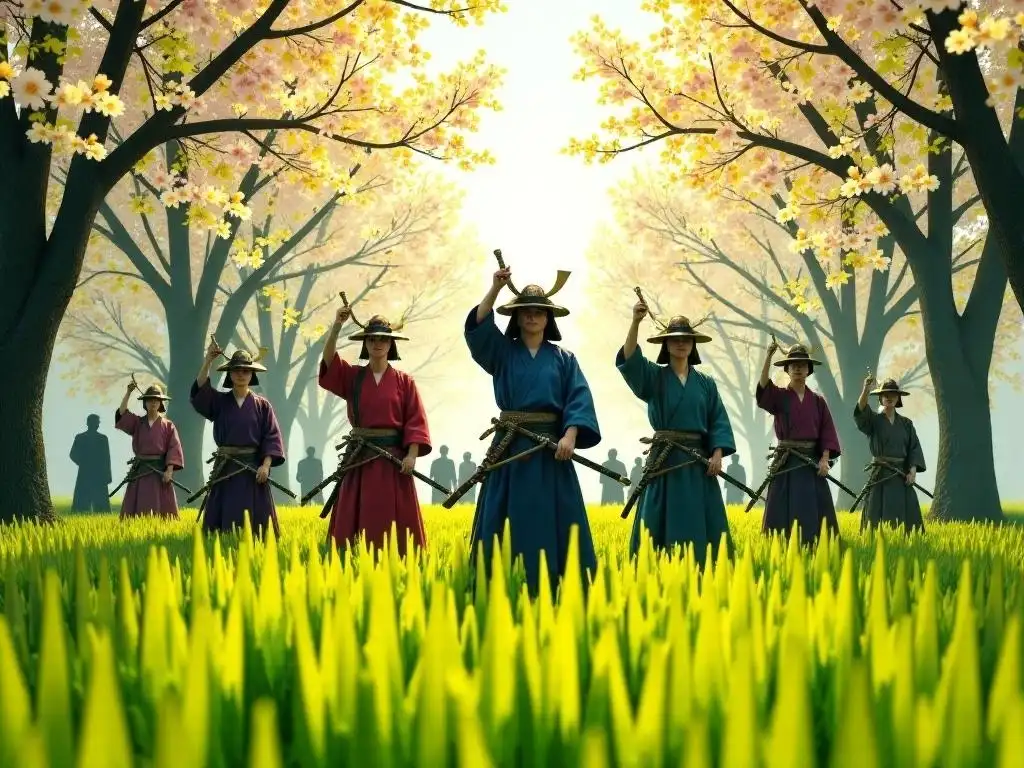
While samurai are often romanticized as elite warriors, they also played a significant role in the economic life of feudal Japan. Their involvement in agriculture, trade, and financial management reflected their multifaceted identities beyond the battlefield.
The Role of Samurai in Agriculture and Land Management
Many samurai were granted land by their daimyō (feudal lords) as part of their service, and they were tasked with its management. This responsibility meant that samurai were closely involved in agricultural practices, overseeing the cultivation of rice, the staple food of Japan, as well as other crops.
Samurai were expected to maintain order among the peasants who worked the land, ensuring that taxes were collected and that the agricultural output met the demands of their lords. This involvement in agriculture provided samurai with a source of income and sustenance, reinforcing their status in the feudal hierarchy.
Trade and Commerce: Samurai Involvement in Economic Life
As Japan's economy began to develop, many samurai ventured into trade and commerce. Although it was traditionally considered beneath their status, some samurai engaged in business activities to supplement their income. They often partnered with merchants or invested in trade ventures, particularly in urban areas where economic opportunities flourished.
This involvement provided samurai with a means to enhance their wealth and secure their family's future. The transition of some samurai into merchant roles marked a shift in societal norms and illustrated the adaptability of the samurai class in response to changing economic conditions.
Financial Responsibilities: Managing Wealth and Resources
Wealth management was a critical aspect of a samurai's daily life, as financial stability was essential for maintaining their status. Samurai were tasked with managing not only their personal finances but also the wealth of their households. This included budgeting for daily expenses, ensuring the proper upkeep of their homes, and preparing for potential conflicts or emergencies.
The management of wealth often involved strategic investments and the careful allocation of resources. Samurai were expected to demonstrate prudence in their financial dealings, reflecting the broader principles of discipline and responsibility that governed their existence. In doing so, they upheld their family's honor while navigating the complexities of feudal economics.
The social life of samurai extended beyond the battlefield, encapsulating a rich tapestry of cultural engagement and community interaction. While they were often viewed primarily as warriors, samurai were also patrons of the arts and integral members of their local communities. This dual life allowed them to forge connections that were both personal and professional, shaping their identities beyond mere martial prowess.
Samurai and Their Community: Social Interactions
Samurai engaged in a variety of social interactions that reinforced their status while fostering communal ties. They often held positions of power within their localities, acting as leaders and protectors. This role necessitated connections with various social classes, including peasants and artisans. The relationships were not solely hierarchical; many samurai participated in local governance, allowing them to engage with the populace on issues of mutual concern.
Social gatherings, banquets, and meetings were common, where samurai would discuss matters of state, trade, or local culture. These interactions were crucial for maintaining loyalty and order, as samurai were expected to embody the virtues of honor and loyalty, reinforcing their commitment to their community.
Participation in Festivals and Cultural Events
Festivals and cultural events were vital to the samurai's social life, providing opportunities for relaxation and engagement with the arts. Samurai participated in seasonal festivals, which often featured traditional music, dance, and theatrical performances. Events such as the cherry blossom festival (hanami) were particularly significant, as they symbolized the fleeting beauty of life, a concept deeply appreciated in samurai culture.
Additionally, samurai often organized or sponsored events that showcased martial arts, poetry readings, and tea ceremonies. These activities allowed them to demonstrate their prowess and artistic sensibilities, reinforcing their status while also promoting cultural heritage within their communities.
The Influence of Arts: Calligraphy, Poetry, and Tea Ceremonies
The arts played a crucial role in the lives of samurai, serving as a counterbalance to their martial activities. Calligraphy was not only a means of communication but also an esteemed art form that reflected discipline and aesthetics. Many samurai practiced this skill, believing that the beauty of writing mirrored one’s character.
Poetry, particularly haiku and other classical forms, was another avenue for self-expression among samurai. Composing poetry allowed them to explore emotions and philosophies, often reflecting on nature, love, and existential themes. This literary inclination was deeply rooted in the samurai code, which emphasized the importance of both martial and intellectual prowess.
Tea ceremonies (chanoyu) also held significant cultural importance, serving as a meditative practice that emphasized tranquility and discipline. Samurai participated in these ceremonies not only for enjoyment but also as a way to cultivate relationships and demonstrate their refined tastes and manners.
Education and Intellectual Pursuits
Education was an essential aspect of samurai life, transcending mere martial training. Samurai were expected to be well-rounded individuals, knowledgeable in various fields, including philosophy, history, and the arts. This pursuit of knowledge was driven by a desire to uphold the values of bushido, the way of the warrior.
Samurai Education: Skills and Knowledge Acquisition
Samurai education was varied and comprehensive, often beginning at a young age. They received training in martial arts, strategy, and weaponry, but this was complemented by studies in literature, poetry, and ethics. Many samurai were taught by well-respected mentors or within established schools, where they learned not only combat techniques but also the philosophical underpinnings of their society.
The acquisition of knowledge was seen as a lifelong journey, with many samurai continuing their education into adulthood. This commitment to learning helped shape their identities and informed their roles as leaders and scholars within their communities.
The Role of Mentorship in Samurai Life
Mentorship played a vital role in the education of samurai, providing guidance and insight from experienced warriors and scholars. Young samurai often sought the tutelage of seasoned mentors who imparted wisdom about both martial and ethical conduct. This relationship was built on respect and loyalty, with mentors serving as role models in various aspects of life.
Through mentorship, samurai not only learned practical skills but also gained insights into the complexities of leadership and governance. The bonds formed during this educational process were significant, often lasting a lifetime and influencing the samurai's personal and professional decisions.
Literary Contributions and Historical Records
The literary contributions of samurai were instrumental in documenting the history and culture of feudal Japan. Many samurai were literate and wrote extensively, producing works that ranged from personal diaries and travelogues to philosophical treatises and historical accounts. These writings provide valuable insights into the daily lives, values, and beliefs of samurai.
Historical records, often penned by samurai chroniclers, helped preserve the legacy of their era, detailing battles, political events, and cultural shifts. Such contributions have played a crucial role in shaping our understanding of Japan's feudal history, offering a nuanced perspective on the lives of samurai beyond their warrior image.
The Spiritual Life of Samurai
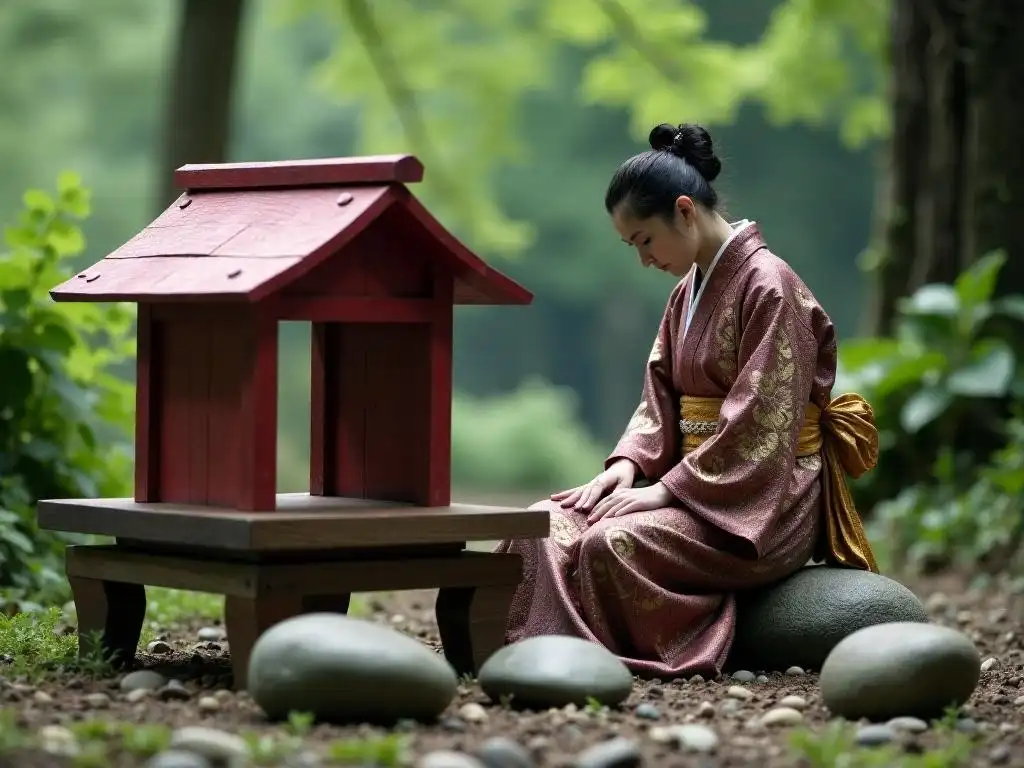
The spiritual life of samurai was a complex tapestry woven from various religious beliefs, ethical codes, and cultural practices. At the heart of their spirituality lay the teachings of Shinto and Buddhism, which profoundly influenced their daily lives and shaped their identities beyond the battlefield. Samurai were not merely warriors; they were also seekers of wisdom and understanding. Their spiritual practices often included meditation, rituals, and a strong sense of duty to their lords and families, reflecting their commitment to both martial prowess and personal growth.
Shinto and Buddhism: Religious Practices of Samurai
Shinto, the indigenous spirituality of Japan, played a significant role in the lives of samurai. They often engaged in rituals to honor kami (spirits) and sought blessings for success in battle and personal endeavors. Temples and shrines were common places for samurai to pray, offering rice, sake, and other items to the deities.
Buddhism, particularly Zen Buddhism, also became integral to samurai culture. Many samurai adopted Zen practices to cultivate discipline, focus, and enlightenment. Meditation became a tool for mental clarity and emotional stability, allowing warriors to confront the chaos of war with a calm mind. The combination of Shinto and Buddhist beliefs provided samurai with a framework for understanding life, death, and the nature of existence, guiding their actions both on and off the battlefield.
Rituals and Ceremonies: Significance in Daily Life
Rituals and ceremonies were embedded in the daily lives of samurai, serving as expressions of their spirituality and cultural identity. Important events such as weddings, funerals, and seasonal festivals often included elaborate rituals that reflected their adherence to tradition and respect for the ancestors.
One notable ceremony was the tea ceremony, which emphasized mindfulness and the beauty of simplicity. This practice allowed samurai to cultivate a sense of tranquility and connection with others, reinforcing social bonds among peers. Additionally, rituals surrounding the art of swordsmanship, such as kendo and iaido, not only honed their martial skills but also instilled a sense of discipline and respect for the weapon, viewing it as an extension of themselves.
The Concept of Bushido: Ethics and Morality
Bushido, often translated as "the way of the warrior," encapsulated the ethical and moral framework that guided samurai conduct. This code emphasized values such as loyalty, honor, courage, and self-discipline, shaping their identities as both warriors and individuals.
At its core, Bushido encouraged samurai to live with integrity and honor their commitments, not only to their lords but also to their families and communities. This ethical code fostered a strong sense of responsibility and accountability, influencing their decisions and interactions. The principles of Bushido continue to resonate in Japanese culture today, reflecting the enduring legacy of samurai values in contemporary society.
Conclusion: The Multifaceted Lives of Samurai
The lives of samurai extended far beyond their roles as warriors; they were individuals deeply engaged in the spiritual, cultural, and social fabric of feudal Japan. By examining the various aspects of their daily lives, we gain insight into the complexities of their identities and the values they upheld.
Reflecting on the Balance Between Warrior and Civilian Roles
Samurai navigated a delicate balance between their warrior responsibilities and civilian roles. While their martial skills were paramount, they also engaged in cultural pursuits such as poetry, calligraphy, and the arts. This duality enriched their lives and fostered a sense of fulfillment beyond the battlefield.
By embracing both their warrior and civilian identities, samurai exemplified the idea that strength and sensitivity could coexist. This nuanced understanding of their roles allowed them to contribute to society in multifaceted ways, influencing the cultural landscape of Japan.
The Legacy of Samurai Daily Life in Modern Japan
The daily lives of samurai continue to leave a profound legacy in modern Japan. Elements of their spiritual beliefs, ethical codes, and cultural practices can still be observed in contemporary society. From the respect for tradition seen in various Japanese arts to the principles of honor and loyalty that are valued in personal and professional relationships, the influence of samurai remains strong.
Moreover, the romanticized image of the samurai as noble warriors continues to capture the imagination of people worldwide, serving as a symbol of courage and integrity. Understanding the hidden lives of samurai provides valuable insights into their enduring impact on Japanese culture and the human experience.
Further Reading and Resources
Delving into the daily life of samurai extends beyond mere historical facts; it encompasses an understanding of their culture, philosophy, and societal roles. To gain a comprehensive perspective, various resources can provide deeper insights into the lives of these iconic warriors.
Recommended Books and Articles on Samurai Life
-
"Hagakure: The Book of the Samurai" by Yamamoto Tsunetomo
This classic text offers a unique glimpse into the samurai code of conduct and the philosophy that guided their lives. Written in the early 18th century, it still resonates with readers interested in samurai ethics and values.
-
"The Samurai: A Military History" by Stephen Turnbull
This book provides a broad overview of samurai history, focusing on their military tactics and societal impact. It serves as an excellent foundation for understanding the samurai's role in feudal Japan.
-
"The Last Samurai" by Helen DeWitt
A novel that intertwines themes of samurai culture with modern life, this book reflects on the ideals of honor and discipline that define samurai existence.
-
Articles in "The Journal of Japanese Studies"
This peer-reviewed journal often features articles that explore various aspects of samurai life, including their daily routines, cultural practices, and social hierarchy.
Online Resources for Exploring Samurai Culture
-
The Samurai Archives
A comprehensive online database that offers various articles and resources about the samurai's history, culture, and influence. It covers topics from their daily life to their role in warfare.
-
The British Museum's Online Collection
The British Museum features a collection of artifacts related to samurai culture. Their website includes descriptions and analyses of these items, providing context about the samurai's daily life.
-
National Geographic's Samurai Section
National Geographic offers insightful articles and visuals that highlight the unique aspects of samurai culture, including their daily activities, rituals, and societal roles.
Documentaries and Films on Feudal Japan and Samurai History
-
"Samurai: Behind the Blade"
This documentary delves into the history and culture of samurai warriors, showcasing their training, social structures, and the influence they had on Japanese society.
-
"The Last Samurai" (2003)
Starring Tom Cruise, this film, while fictionalized, offers a visually stunning exploration of the samurai's way of life during the Meiji Restoration, portraying their struggles and adaptation to a changing world.
-
"Jiro Dreams of Sushi"
While not exclusively about samurai, this documentary about a sushi chef embodies the samurai spirit of dedication and mastery, reflecting the cultural values that permeate samurai life.
-
"The Tale of the Princess Kaguya"
An animated film by Studio Ghibli that, through its storytelling and artistry, captures the essence of Japanese culture, including elements related to samurai and their societal context.
These resources provide a rich tapestry of information for anyone interested in understanding the nuanced daily life of samurai, offering historical context and cultural depth to their legendary status.
- Introduction to the Daily Life of Samurai
- The Daily Routine of Samurai
- Domestic Life of Samurai
- Economic Activities of Samurai
- Social Life and Cultural Engagement
- Education and Intellectual Pursuits
- The Spiritual Life of Samurai
- Conclusion: The Multifaceted Lives of Samurai
- Further Reading and Resources
Frequently Asked Questions
What was the daily life of samurai like outside of battle?
The daily life of samurai involved more than just combat; they engaged in cultural pursuits, such as poetry, tea ceremonies, and martial arts training, emphasizing a balance between war and artistic expression.
Samurai had social responsibilities that included serving as local leaders, maintaining order, and collecting taxes. Their role extended beyond the battlefield to ensure the well-being of their community.
What were the primary values and codes that guided samurai life?
Samurai adhered to the Bushido code, which emphasized loyalty, honor, and discipline. These values shaped their actions and decisions both in and out of combat, influencing their daily interactions.
How did the feudal system affect samurai lifestyle?
The feudal system established a hierarchy that dictated a samurai's land ownership and military obligations. This structure influenced their economic well-being and social standing within the community.
In what ways did samurai contribute to Japanese culture?
Samurai played a significant role in shaping Japanese culture through their patronage of the arts, involvement in literature, and participation in traditional ceremonies, thereby leaving a lasting legacy beyond their warrior image.
Final Reflection: Embracing the Everyday Lives of Samurai
The daily life of samurai is a testament to the complexity of human experience, revealing that even the most formidable warriors had rich, multifaceted lives beyond their martial prowess. In an age where we often idolize the warrior archetype, it is essential to recognize that these individuals were not solely defined by their swords and battles. They were also poets, scholars, and family members, navigating the intricate tapestry of life with grace and resilience. This understanding invites us to appreciate the depth of character that exists within every individual, regardless of their outward persona.
Culturally, the exploration of the samurai's daily life continues to resonate, reminding us that the essence of humanity lies in our shared experiences. The samurai's commitment to duty, honor, and personal growth serves as a mirror for our own lives, urging us to seek balance and purpose amidst our daily routines. As we reflect on their legacy, we can draw inspiration from their ability to blend discipline with creativity, as encapsulated in the words of the renowned philosopher Miyamoto Musashi: The ultimate aim of martial arts is not having to use them.
This perspective emphasizes the importance of cultivating inner strength and wisdom, rather than merely focusing on outward displays of power.
As we conclude this exploration, I invite you to reflect on your own daily life and consider how you can embody the virtues of the samurai in your own journey. What aspects of your routine can be infused with intention and mindfulness? Whether it's through pursuing a passion, nurturing relationships, or committing to personal growth, let the lessons of the samurai inspire you to live with purpose and authenticity. Embrace the hidden depths of your own life, and remember that true strength lies not only in the battles we fight but in the lives we lead every day.
Unveil the Daily Lives of Samurai: Explore Beyond the Warrior Persona!
Thank you for diving into the captivating world of samurai with us! You’ve gained insights into their daily lives and the lesser-known aspects that shaped these iconic warriors. Now, let’s take the next step to deepen your understanding and appreciation of their rich history.
Here’s how you can further explore and engage:
- Dive deeper into a specific samurai’s life by researching their family background, roles, and contributions to society—discover unique stories that highlight their humanity beyond the sword.
- Share your newfound knowledge with friends or fellow history enthusiasts online— post your thoughts on social media using the hashtag #SamuraiStories to spark a lively discussion.
- Join a local or virtual history group focusing on Japan’s feudal era— connect with others who share your passion for uncovering the complexities of this fascinating time.
As you reflect on the lives of these legendary figures, consider this: What aspects of samurai culture surprise you the most, and how can these lessons be applied to modern life?