
How Samurai Managed Time: A Look at Their Daily Schedules


Welcome to Feudal Japan History, where we embark on a fascinating journey through the intricate tapestry of Japan's feudal era. Here, you will uncover the secrets of the past, diving deep into the social history that shaped a nation. Ever wondered how the legendary samurai structured their lives?
In our featured article, “How Samurai Managed Time: A Look at Their Daily Schedules,” we unravel the meticulous routines and rituals that defined their days. Prepare to be captivated as we reveal the discipline and dedication that governed a samurai's life, and discover what this reveals about the culture of feudal Japan. Your adventure into history begins now—let's explore together!
- Introduction to Samurai Daily Schedules and Routines
- The Structure of a Samurai's Day
- Key Components of Samurai Daily Schedules
- Time Allocation and Efficiency in Samurai Life
- Cultural Context of Samurai Schedules
- Lessons from Samurai Daily Schedules
- Applying Samurai Time Management Techniques Today
- The Legacy of Samurai Routines in Modern Japan
- Conclusion: The Enduring Influence of Samurai Daily Schedules
- Frequently Asked Questions
- Final Reflection: The Timeless Wisdom of Samurai Daily Schedules
- Unlock the Secrets of Samurai Time Management!
Introduction to Samurai Daily Schedules and Routines
Understanding the daily schedules and routines of samurai offers invaluable insight into the intricate lives of these iconic warriors during Japan's feudal era. The samurai, renowned for their martial prowess and unwavering loyalty, were also deeply influenced by the cultural and societal structures of their time. Their daily lives were meticulously organized, reflecting a unique blend of discipline, duty, and tradition. As we delve into the concept of "samurai daily schedules and routines," we uncover not only the practical aspects of their day-to-day existence but also how these routines were emblematic of their values and philosophy.
In this article, we will explore how samurai managed their time, the significance of time management within their culture, and how their daily lives were shaped by the demands of loyalty, honor, and personal development. By examining these elements, we aim to provide a comprehensive understanding of the samurai's approach to life, discipline, and the cultural context in which they operated.
The Importance of Time Management in Samurai Culture
Time management was a fundamental aspect of samurai culture, reflecting their commitment to order and discipline. The samurai believed that time was a precious resource, and its effective management was essential for maintaining personal honor and fulfilling obligations. Several factors influenced how samurai structured their days:
- Ritual and Routine: Daily routines were often punctuated by rituals, including meditation, martial practice, and ceremonial duties. These activities were not merely tasks but integral parts of a samurai's identity and code of conduct.
- Training and Skill Development: Continuous training was vital. Samurai dedicated significant portions of their day to honing their martial skills, whether through sword practice, archery, or strategy formulation. This commitment to improvement was a hallmark of their way of life.
- Service to Feudal Lords: The samurai served as vassals to feudal lords, which necessitated a careful balancing of time between personal pursuits and obligations to their masters. Their schedules often included meetings, strategizing sessions, and administrative duties.
- Philosophical Reflection: Many samurai engaged in philosophical study and reflection, which required setting aside time for contemplation and intellectual growth. This practice was viewed as essential for personal development and moral grounding.
By managing their time effectively, samurai could uphold their duties while also pursuing personal excellence, embodying the balance between service and self-improvement that defined their lives.
Overview of Daily Life in Feudal Japan
The daily life of samurai in feudal Japan was characterized by a blend of martial responsibilities, cultural practices, and social interactions. Here’s an overview of what a typical day might look like for a samurai:
- Morning Rituals: Samurais often began their day early, engaging in personal rituals such as meditation and physical training. This time was crucial for mental preparation and setting intentions for the day ahead.
- Training and Practice: After morning rituals, samurai would dedicate several hours to practicing combat skills. This included training in various weapons, physical conditioning, and tactical exercises to ensure readiness for potential conflicts.
- Service Duties: Following their training, samurai would fulfill their obligations to their lords. This could involve attending to administrative tasks, participating in council meetings, or even patrolling their lord's lands.
- Cultural Engagement: Apart from martial duties, samurai were also expected to cultivate cultural knowledge. They often engaged in arts such as tea ceremonies, poetry, and calligraphy, reflecting the belief that a well-rounded samurai was both a warrior and a scholar.
- Evening Reflection: The day would typically conclude with time for reflection. Many samurai spent their evenings reviewing their actions, studying strategy, or engaging in discussions with peers to foster camaraderie and shared learning.
By understanding these aspects of daily life, we can appreciate how samurai adhered to their schedules not merely as a matter of routine but as a profound expression of their values, identity, and societal role in feudal Japan.
The Structure of a Samurai's Day

The daily schedules and routines of samurai were meticulously structured, reflecting their roles as warriors and administrators in feudal Japan. This structure not only facilitated their martial responsibilities but also encompassed cultural and spiritual practices essential to their identity. A typical samurai's day was divided into distinct segments, each with specific activities designed to enhance discipline, skill, and honor.
Morning Rituals and Responsibilities
The day for a samurai began before dawn, often around 5 AM. Mornings were crucial for setting the tone for the day ahead.
- Ritualistic Awakening:
- Upon waking, samurai would engage in shojin, a form of meditation or prayer. This practice was intended to cultivate mental clarity and spiritual focus.
- Quote: "The mind must be as sharp as the blade."
- Physical Training:
- After meditation, samurai typically participated in rigorous physical training. This included practice with weapons such as the katana or naginata.
- Examples of Training Regimens:
- Kenjutsu (swordsmanship)
- Bojutsu (staff techniques)
- Iaijutsu (the art of drawing the sword)
- Duties:
- Following training, samurai would address their morning responsibilities, which could include:
- Inspecting troops: Ensuring soldiers were prepared for the day.
- Administrative tasks: Managing lands and overseeing agricultural activities.
- Counseling: Meeting with vassals and villagers to discuss local issues.
- Following training, samurai would address their morning responsibilities, which could include:
Midday Activities and Duties
By midday, samurai had transitioned from morning rituals to more intensive duties, often dictated by their lord's demands or their own landholdings.
- Formal Meetings:
- Midday was often reserved for formal discussions with other samurai, strategizing about upcoming battles or managing feudal obligations.
- Task List:
- Review of military tactics.
- Planning for resource allocation.
- Hunting and Martial Practices:
- For some samurai, hunting was both a leisure activity and a means of honing their skills. Participating in hawking or boar hunting, they practiced their marksmanship and blade techniques.
- Benefits of Hunting:
- Strengthened physical endurance.
- Fostered camaraderie among peers.
- Lunchtime:
- Meals during this time were modest, often consisting of rice, fish, and seasonal vegetables. Eating was both a necessity and a social occasion, fostering bonds between samurai and their retainers.
Evening Practices and Reflections
As the sun set, samurai shifted from active duties to reflective practices, which were equally important for their personal development.
- Evening Training:
- Many samurai engaged in additional training sessions, focusing on techniques that required precision and practice.
- Training Focus:
- Kata (forms) to perfect movements.
- Meditative practices to enhance focus.
- Family and Community Engagement:
- Time spent with family was vital. Samurai would often discuss the day's events with their kin, reinforcing family bonds.
- Community Involvement:
- Some samurai would partake in local festivals or rituals, strengthening their connection to the community they served.
- Reflection and Journaling:
- Before retiring for the night, samurai often engaged in writing or reflecting on their day. This practice could involve:
- Journaling about lessons learned and personal growth.
- Writing poetry, which was a respected art form among the samurai class.
- Quote: "To reflect is to grow; to grow is to prepare for the next battle."
- Before retiring for the night, samurai often engaged in writing or reflecting on their day. This practice could involve:
Through this structured approach to daily life, samurai not only maintained their physical prowess and martial skills but also nurtured their spiritual and social obligations, embodying the complex identity of a warrior in feudal Japan.
Key Components of Samurai Daily Schedules
Samurai daily schedules were intricately structured, reflecting their status, responsibilities, and the cultural values of feudal Japan. Their routines combined martial training, spiritual practices, and administrative duties, creating a balanced life that emphasized discipline, honor, and productivity. Understanding these components provides insight into how samurai maximized their time and maintained their roles in society.
The Role of Training in Daily Routines
Training was a cornerstone of a samurai's daily schedule. It was not merely a physical exercise but a holistic approach to preparing both the body and mind for the challenges of warfare and leadership. Samurai devoted significant portions of their day to various forms of training, including:
- Kenjutsu (swordsmanship): Practicing with the katana was essential. Samurai engaged in solo forms (kata) and sparring with peers.
- Bojutsu: Training with the staff, which complemented their sword techniques and improved their combat versatility.
- Archery: Mastery in kyujutsu (archery) was equally critical, as it was a preferred skill in battle and ceremonies.
- Horseback Riding: Essential for mobility in warfare, samurai practiced riding techniques daily.
Training sessions were often rigorous, combining physical endurance with mental focus. A typical day might start before dawn, with a two-hour session dedicated to martial arts, followed by meditation to ground their spirit and sharpen focus.
The Influence of Zen Buddhism on Time Management
Zen Buddhism significantly influenced samurai culture, particularly in their approach to time management and daily routines. The principles of Zen, emphasizing mindfulness and presence, were integral to how samurai structured their day. Key aspects include:
- Mindful Meditation: Samurai often began or ended their day with zazen (seated meditation), fostering mental clarity and emotional stability.
- Structured Time Blocks: Time was segmented into blocks dedicated to specific activities—training, administrative work, and personal pursuits—allowing samurai to focus fully on each task without distraction.
- Embracing Impermanence: Zen teachings encouraged samurai to accept the fleeting nature of life, motivating them to make the most of each moment. This philosophy led to a deep appreciation for routine, as daily activities became a form of honoring existence.
Incorporating Zen into their schedules allowed samurai to approach their duties with a sense of purpose and calm, ultimately enhancing their effectiveness in both combat and governance.
Balancing Warfare and Peaceful Pursuits
A significant aspect of samurai daily schedules was the balance between the demands of warfare and the pursuit of peaceful, cultural activities. This duality was crucial for maintaining their identity and fulfilling their roles in society. Key elements include:
- Administrative Duties: Samurai often held positions of authority, requiring them to engage in governance, manage lands, and resolve disputes. This work was typically conducted during the day, mixed with training sessions.
- Cultural Engagement: Samurai were also patrons of the arts, participating in tea ceremonies, poetry, and calligraphy. These activities were not seen as frivolous; rather, they were essential for cultivating a well-rounded character and fostering social bonds.
- Family and Community: Time spent with family and community was equally important. Samurai participated in local events, rituals, and festivals, reinforcing their connections and responsibilities to their clans and the broader society.
The ability to navigate these contrasting demands required exceptional time management skills. Samurai developed routines that allowed them to switch seamlessly between the discipline of war and the serenity of cultural pursuits, ensuring they remained effective leaders and respected figures in their communities.
The daily schedules of samurai were complex and multifaceted, reflecting their commitment to martial excellence, spiritual growth, and social responsibility. By understanding these key components, we gain valuable insights into the disciplined lives of these iconic figures in Japanese history.
Time Allocation and Efficiency in Samurai Life

Samurai life was characterized by a strict adherence to schedules and effective time management, reflecting their commitment to discipline and honor. The samurai's day was often meticulously planned, allowing them to balance their martial duties, personal development, and leisure activities. Understanding the time allocation in their daily routines provides insight into how they maintained efficiency while adhering to their roles as warriors and leaders in feudal Japan.
Strategies for Effective Time Management
To manage their time effectively, samurai employed several strategies:
- Structured Daily Schedule:
- Morning Rituals: Samurai typically began their day early, often around dawn. The morning was reserved for personal grooming, meditation, and physical training, which set a disciplined tone for the day.
- Training and Practice: Following morning routines, samurai dedicated hours to honing their martial skills, including swordsmanship, archery, and horseback riding. This not only maintained their combat readiness but also fostered camaraderie among peers.
- Administrative Duties: Afternoons were often spent on administrative responsibilities, which included managing estates, overseeing vassals, and engaging in discussions with local leaders. This aspect of their routine ensured effective governance and resource management.
- Prioritization of Tasks:
- Samurai understood the importance of prioritizing their duties. Urgent matters, such as military campaigns or disputes, took precedence over less critical activities. This skill in prioritization allowed them to respond swiftly to challenges.
- Time Blocks:
- By allocating specific blocks of time for various activities, samurai minimized distractions and maximized productivity. For instance, they might set aside time for training, followed by dedicated hours for strategy planning or studying philosophical texts.
- Reflection and Adaptation:
- At the end of each day, samurai often engaged in reflection, evaluating their performance and making adjustments to their routines as necessary. This practice of self-assessment was crucial for continuous improvement.
The Significance of Discipline and Routine
Discipline was a cornerstone of samurai life, deeply ingrained in their philosophy and daily practices. The significance of routine can be summarized as follows:
- Mental Fortitude: Regular adherence to a structured schedule helped build resilience and mental strength, essential traits for samurai facing the uncertainties of battle and political intrigue.
- Cultural Values: The samurai code, known as Bushido, emphasized virtues such as honor, loyalty, and self-control. Daily routines reflected these values, reinforcing their commitment to ethical conduct and personal honor.
- Physical Conditioning: Consistency in physical training was vital for maintaining peak performance. Daily routines ensured that samurai remained in shape, ready to defend their lords and territories at a moment's notice.
Comparison with Modern Time Management Techniques
When examining samurai daily schedules and routines, it’s intriguing to draw parallels with modern time management techniques:
| Samurai Strategies | Modern Techniques |
|---|---|
| Structured daily schedules | Time-blocking methods |
| Prioritization of tasks | Eisenhower Matrix |
| Reflection and adaptation | Regular reviews and goal setting |
| Emphasis on discipline and routine | Habit formation and productivity systems |
- Time-Blocking: Much like samurai, modern professionals often use time-blocking to allocate specific periods for tasks, minimizing interruptions and enhancing focus.
- Eisenhower Matrix: The prioritization of tasks aligns closely with the Eisenhower Matrix, which helps individuals distinguish between urgent and important tasks, mirroring the samurai's approach to managing duties.
- Habit Formation: The discipline ingrained in samurai routines resonates with contemporary practices aimed at building effective habits that lead to sustained productivity.
The daily schedules and routines of samurai were not merely about managing time; they were a reflection of their values, philosophies, and the demands of their roles within feudal society. The lessons derived from their practices continue to inform modern approaches to time management, highlighting the timelessness of discipline and structured living.
Cultural Context of Samurai Schedules
The daily schedules of samurai were deeply intertwined with the cultural context of feudal Japan. This period was characterized by a strict social hierarchy, where each class had its own expectations and responsibilities. For samurai, who were part of the warrior class, their routines were not only dictated by personal discipline but also by societal norms, rituals, and obligations.
The social hierarchy in feudal Japan played a significant role in shaping the daily routines of samurai. At the top of the social structure were the shoguns and daimyōs, followed by samurai, peasants, artisans, and merchants. Each class had specific duties and privileges, which influenced how samurai organized their time.
- Hierarchy and Duty: Samurai were expected to serve their lords (daimyōs) loyally, which often meant that their daily activities included attending to the needs of their lord, training for combat, and participating in governance. The obligations of a samurai could vary significantly depending on their rank and the demands of their lord.
- Training and Skill Development: The samurai's daily schedule was heavily focused on martial training. This included practicing swordsmanship, archery, and horseback riding. Training sessions were often rigorous and could take several hours each day, reflecting the samurai's commitment to their martial skills.
- Rituals and Ceremonies: Daily life also included participation in various rituals and ceremonies. These could range from tea ceremonies to religious observances, which reinforced social bonds and the cultural values of honor and loyalty.
In essence, the daily routines of samurai were structured around their roles in society. Their schedules were a reflection of their responsibilities and the hierarchical nature of feudal Japan, emphasizing duty, skill, and cultural practices.
Seasonal Variations in Samurai Activities
The activities of samurai were also influenced by the seasons, as certain tasks and duties were more pertinent during specific times of the year. Understanding these variations provides valuable insight into how samurai adapted their routines to the changing environment.
- Agricultural Seasons: Many samurai were also landowners and had to consider the agricultural calendar. During planting and harvest seasons, samurai might spend more time overseeing their estates and ensuring the productivity of their lands. This involvement in agriculture was not just a matter of economic necessity but also a demonstration of their status as responsible landholders.
- War Preparations: During times of conflict, samurai schedules would shift dramatically. Training for war would intensify, and preparations for campaigns could dominate their daily routines. This might include gathering intelligence, strategizing with fellow warriors, and engaging in drills. Conversely, in peacetime, samurai might focus more on cultural pursuits, such as poetry, painting, and philosophy.
- Cultural Events: Seasonal festivals and events were integral to samurai life. These occasions provided opportunities for samurai to engage in social activities, forge alliances, and demonstrate their cultural refinement. Events like cherry blossom viewing (hanami) or summer festivals could alter their daily schedules, as participation in these activities was considered important for maintaining social connections.
The seasonal variations in samurai activities highlight their adaptability and the importance of context in shaping their daily lives. Whether through agricultural duties, military preparations, or cultural engagements, the seasons provided a framework within which samurai organized their time.
The Impact of War and Peace on Schedules
The broader geopolitical climate significantly influenced the daily schedules of samurai, particularly the oscillation between war and peace. These shifts had profound implications for their routines and responsibilities.
- War-Time Routines: In periods of warfare, the daily lives of samurai were dominated by military obligations. This included long hours of training, strategic planning sessions, and mobilization for battles. Samurai would often be called to arms at a moment's notice, leading to a more chaotic and demanding daily schedule. The urgency of war necessitated a focus on readiness, discipline, and the maintenance of martial prowess.
- Peace-Time Activities: Conversely, during times of peace, samurai could focus on administration, cultural pursuits, and family life. They might engage in the arts, philosophy, and governance, which allowed for a more balanced daily schedule. Peace enabled samurai to cultivate their intellectual and artistic talents, as well as to strengthen their familial and social ties.
- Long-term Implications: The transitions between war and peace also had long-term implications for the samurai class. Prolonged peace often led to a decline in martial skills, which could threaten their status and identity as warriors. In response, samurai sought to integrate military training with cultural activities, ensuring that they remained prepared for any future conflicts while also navigating the complexities of a changing society.
The impact of war and peace on samurai schedules was profound and multifaceted. Their routines were not static but evolved in response to the demands of their environment, reflecting the intricate relationship between conflict, culture, and daily life in feudal Japan.
Lessons from Samurai Daily Schedules
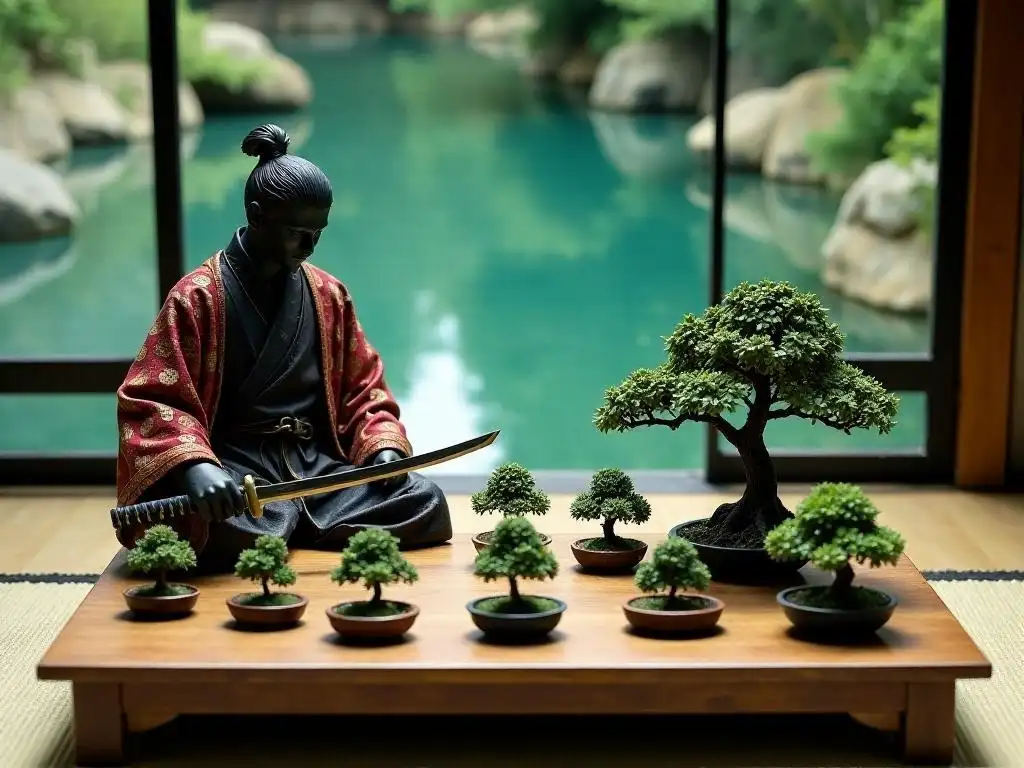
The samurai, as the warrior class of feudal Japan, adhered to strict daily schedules that reflected their values of discipline, honor, and loyalty. These routines were not merely about managing time; they were a holistic approach to life that encompassed training, administration, and personal development. Understanding these schedules offers valuable lessons in time management that can be applied even in today's fast-paced world.
Key Components of Samurai Daily Schedules
Samurai daily schedules typically included several core activities, structured around the principles of bushido, the way of the warrior. Here are some essential elements:
- Morning Training: Each day began with rigorous physical training, which included martial arts practice, horseback riding, and weapon drills. This was crucial for maintaining peak physical condition.
- Meditation and Reflection: Following physical training, samurai often engaged in meditation to enhance mental clarity and fortitude. This practice helped them remain focused and composed in the face of challenges.
- Administrative Duties: Samurai were also administrators. They spent considerable time managing lands, collecting taxes, and overseeing the wellbeing of their vassals and serfs. This balance of martial and administrative responsibilities was vital to their role in society.
- Study and Learning: Continuous education was emphasized. Samurai studied not only martial strategies but also philosophy, literature, and the arts. This well-rounded approach contributed to their identity as cultured warriors.
- Community Engagement: Time was also allocated for community service, promoting the values of honor and loyalty within their domains. Participating in festivals or rituals helped strengthen communal bonds.
Time Allocation Techniques
Samurai employed various time allocation techniques that can be beneficial today:
- Prioritization: Samurai prioritized their daily tasks based on urgency and importance, ensuring that essential duties were addressed first.
- Time Blocking: By breaking their days into distinct blocks for training, administration, and personal development, samurai maximized their productivity and maintained focus.
- Reflection and Adaptation: At the end of each day, samurai often reviewed their actions, assessing their effectiveness and adjusting their plans for the following day. This practice fosters a growth mindset and continuous improvement.
Incorporating these lessons into modern life can enhance productivity and foster a deeper sense of purpose, much like the samurai of old.
Applying Samurai Time Management Techniques Today
The principles of time management practiced by samurai can be adapted for contemporary use, offering insights that lead to a more disciplined and fulfilling daily life. Here are several ways to integrate these techniques:
1. Establish a Morning Routine
Start your day with a structured morning routine that includes physical exercise, meditation, or reflection. This sets a positive tone for the day and primes the mind for productivity.
2. Prioritize Tasks
Adopt a prioritization framework, such as the Eisenhower Matrix, to differentiate between urgent and important tasks. This will help you focus on what truly matters and reduce wasted time on low-impact activities.
3. Implement Time Blocking
Utilize time blocking to allocate specific periods for work, learning, and personal development. This approach can prevent distractions and increase efficiency, mirroring the samurai's structured approach to their daily activities.
4. Regular Reflection
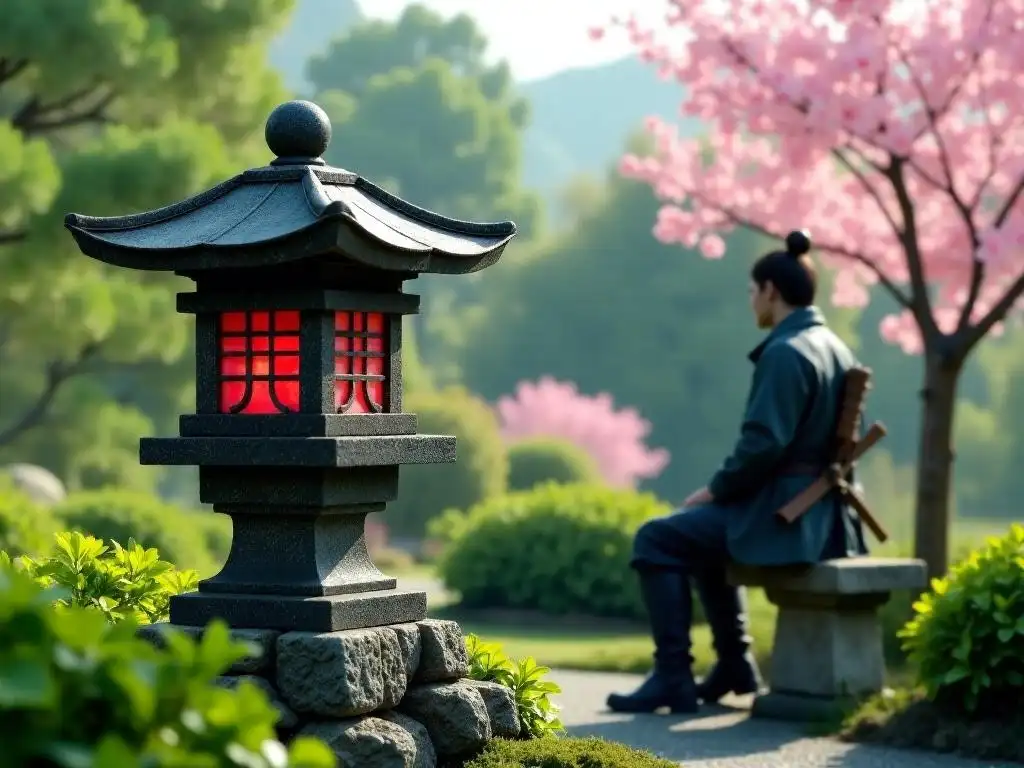
Set aside time each evening for reflection. Evaluate your day’s accomplishments and challenges, and adjust your plans accordingly. This practice encourages self-awareness and continuous improvement.
5. Balance Work and Personal Life
Just as samurai engaged with their communities, ensure that you balance professional responsibilities with personal relationships and community involvement. This holistic approach contributes to overall well-being.
By embracing these samurai-inspired techniques, individuals can cultivate a disciplined lifestyle that aligns with their goals and values.
The Legacy of Samurai Routines in Modern Japan
The influence of samurai daily schedules extends beyond their historical context, playing a significant role in shaping modern Japanese culture and work ethics. Here are some key aspects of this legacy:
1. Work Ethic
The samurai's commitment to discipline and duty has permeated Japanese society, influencing contemporary work ethics. The concept of "ganbaru" (頑張る), meaning to persevere or do one's best, reflects the samurai spirit in modern workplaces.
2. Mindfulness and Meditation
Practices such as zen meditation, which have roots in samurai culture, remain prevalent in Japan today. Many people incorporate mindfulness into their daily routines for stress reduction and enhanced focus.
3. Education and Continuous Learning
The samurai's emphasis on education and self-improvement is mirrored in Japan’s strong educational system. Lifelong learning is valued, with many individuals pursuing skills and knowledge throughout their lives.
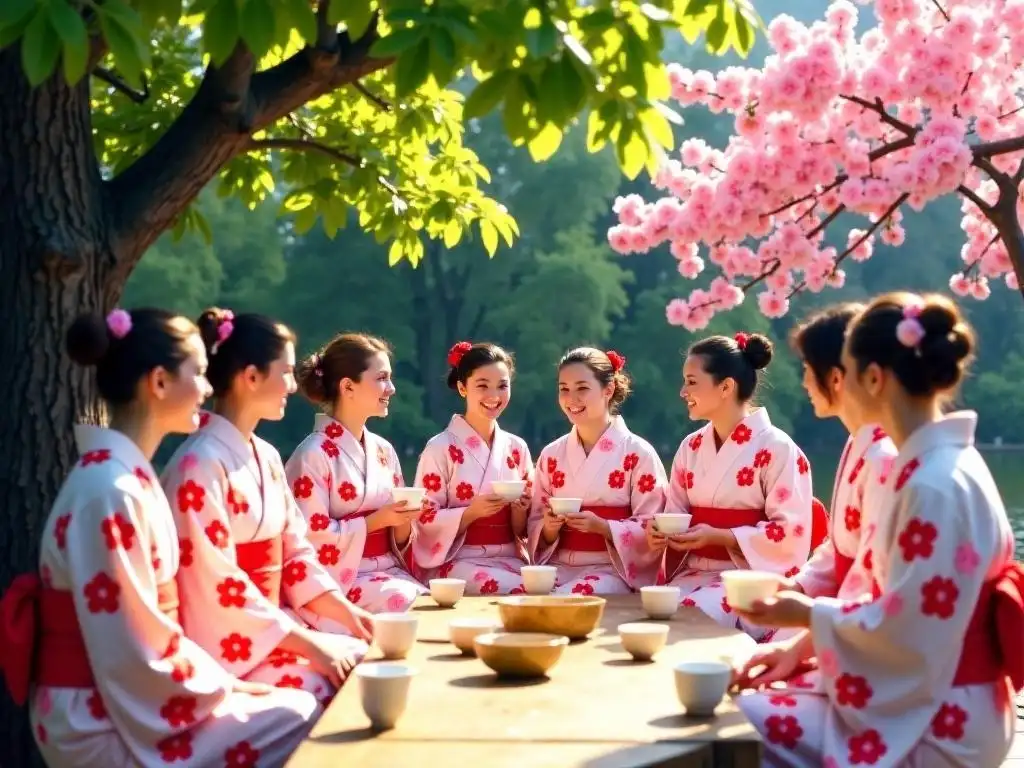
The samurai's connection to their communities fosters a sense of social responsibility in modern Japan. This is evident in community service initiatives and cultural festivals that celebrate local heritage.
5. Structured Lifestyle
The structured lifestyle of samurai has influenced organizational practices in Japan, emphasizing punctuality, efficiency, and a balanced approach to work and life.
The legacy of samurai daily routines continues to resonate in modern Japanese society, offering timeless lessons in discipline, time management, and the importance of community engagement. Embracing these values can lead to a more fulfilled and purpose-driven life, echoing the principles of the samurai.
Conclusion: The Enduring Influence of Samurai Daily Schedules
Reflecting on the Historical Significance of Samurai Routines
The daily schedules of samurai were not merely a reflection of their personal habits but rather a manifestation of the broader societal values and historical context of feudal Japan. Each aspect of their routines was steeped in tradition and purpose, designed to maintain not only personal discipline but also the ethos of bushido, the way of the warrior.
Samurai routines typically began at dawn, emphasizing the importance of rising early to maximize productivity. This practice can be traced back to the agricultural roots of Japanese society, where the early morning hours were crucial for farming activities. The samurai’s commitment to rising with the sun illustrated their connection to nature and the cycles of life, encapsulating a mindset that valued harmony with the environment.
Furthermore, the structured nature of their daily lives allowed samurai to cultivate skills essential for their roles as warriors and leaders. Regular training in martial arts, archery, and horsemanship filled their mornings, while afternoons were often dedicated to scholarly pursuits, including studies of strategy, philosophy, and poetry. This dual focus on physical and intellectual development contributed to a well-rounded character, essential for fulfilling their duties.
The impact of these routines extended beyond individual samurai. They influenced the broader samurai class and, ultimately, the societal structure of feudal Japan. As samurai upheld their daily schedules with dedication, they set an example for other classes, reinforcing the importance of discipline, respect, and honor in all aspects of life.
Final Thoughts on Time Management Inspired by Samurai Culture
The samurai's approach to daily schedules offers valuable insights into effective time management that remain relevant today. By prioritizing activities and maintaining a disciplined routine, individuals can enhance their productivity and focus, echoing the samurai’s commitment to their craft and responsibilities.
Key lessons from samurai daily routines include:
- Prioritization: The samurai distinguished between tasks that required immediate attention and those that could be addressed later. This skill is crucial in today's fast-paced environment.
- Balance: Samurai routines integrated physical training with intellectual pursuits, highlighting the importance of a well-rounded approach to personal development.
- Mindfulness: Engaging fully in each task, whether it was training, studying, or practicing arts, allowed samurai to cultivate a deep sense of presence and awareness—a practice that can greatly benefit modern professionals.
Incorporating these principles into contemporary life may not only enhance productivity but also foster a deeper appreciation for the balance between work and personal growth. By reflecting on the enduring influence of samurai daily schedules, we can extract timeless wisdom that transcends the centuries, illustrating the relevance of their disciplined routines in our own lives.
Frequently Asked Questions
What were the typical daily routines of a samurai?
Samurai followed a structured schedule that included training, meditation, and duties. Their day often started at dawn and involved a balance of physical and mental preparation.
How did training fit into a samurai's daily schedule?
Training was a crucial part of a samurai's routine, focusing on martial arts, horseback riding, and strategy. It was typically incorporated into their daily activities to ensure they remained prepared for battle.
Did samurai have specific time management strategies?
Yes, samurai practiced time management through strict adherence to their schedules. They prioritized tasks and allocated specific times for training, duties, and leisure activities to maintain a balanced life.
What role did meditation play in a samurai's daily life?
Meditation was an essential aspect of a samurai's routine, aiding in mental clarity and focus. It often accompanied their training sessions, helping them to cultivate a calm and disciplined mindset.
How did samurai's daily schedules reflect their societal roles?
Samurai's schedules were designed to reflect their status and responsibilities within feudal society. Their routines included not only personal training but also administrative duties and service to their lords, showcasing their commitment to duty.
Final Reflection: The Timeless Wisdom of Samurai Daily Schedules
The exploration of samurai daily schedules reveals a profound understanding of time management that resonates deeply in our fast-paced world. In an era where distractions abound and productivity often feels elusive, the samurai's disciplined approach to structuring their days offers invaluable lessons. Their commitment to balance, focus, and purpose serves as a striking reminder that effective time management is not merely about cramming more tasks into our schedules, but about aligning our actions with our values and goals.
Culture and society continue to be shaped by the principles of discipline and mindfulness that the samurai embodied. The legacy of their routines transcends time, influencing modern practices in personal development and productivity. As we navigate the complexities of contemporary life, we can draw inspiration from the samurai's dedication to their craft and the meticulous way they approached each day. The way of the warrior is to be found in the daily routine.
This quote encapsulates the essence of their philosophy, urging us to recognize that our daily habits ultimately define our character and success.
As you reflect on the insights gleaned from the samurai's daily schedules, consider how you can integrate these principles into your own life. Take a moment to evaluate your routines and identify areas for improvement. Are you prioritizing what truly matters? Are you cultivating a sense of purpose in your daily actions? By embracing the samurai's wisdom, you can transform your relationship with time, fostering a more meaningful and fulfilling existence. Let their legacy guide you as you craft your own path to mastery and balance in the art of living.
Unlock the Secrets of Samurai Time Management!
Thank you for diving into the fascinating world of samurai daily schedules! We hope you enjoyed uncovering how these warriors mastered the art of time management. Now, it's time to apply their wisdom to your own life.
Here are a few powerful steps to get started:
- Create Your Own Daily Schedule: Take inspiration from the samurai and design a daily routine that prioritizes your most important tasks while allowing time for reflection and personal growth.
- Practice Mindfulness: Incorporate short mindfulness sessions into your day, similar to the meditative practices of the samurai, to sharpen your focus and enhance productivity.
- Engage with a Supportive Community: Connect with individuals who are also interested in effective time management strategies. Share your experiences, discuss what techniques work for you, and learn from one another!
How do you think adopting samurai-inspired time management techniques will transform your daily routine? We invite you to share your thoughts below!