
Samurai and the Code of Bushido: Daily Practices and Moral Guidelines


Welcome to Feudal Japan History, where we invite you to embark on a fascinating journey through the intricate tapestry of Japan's feudal era. Here, you'll uncover the rich cultural and societal nuances that shaped a nation, with a special focus on the revered Bushido principles and daily practices of the samurai. What moral guidelines governed these noble warriors, and how did they navigate the complexities of their world?
Dive deeper into our featured article, "Samurai and the Code of Bushido: Daily Practices and Moral Guidelines," to discover the answers and unravel the mysteries of this captivating time in history. Your exploration begins now!
- Introduction to Samurai and Bushido
- Understanding Bushido: The Way of the Warrior
- Core Principles of Bushido
- Daily Practices of Samurai Aligned with Bushido
- The Role of Bushido in Samurai Relationships
- The Impact of Bushido on Samurai Identity
- Conclusion: The Enduring Legacy of Bushido Principles
- Frequently Asked Questions
- Final Reflection: Embracing the Spirit of Bushido in Modern Life
- Embrace the Spirit of Bushido Today!
Introduction to Samurai and Bushido
The samurai, an iconic symbol of Japan's feudal era, embodies the unique blend of martial prowess, ethical conduct, and cultural sophistication that defined this turbulent period in history. At the heart of samurai culture lies Bushido, often referred to as the "Way of the Warrior." This code of conduct not only shaped the daily lives of samurai but also influenced broader societal norms in feudal Japan.
In this article, we will explore the fundamental Bushido principles and daily practices, examining how these guidelines informed the samurai's actions, relationships, and responsibilities. By delving into the intricate tapestry of samurai life, we aim to illuminate the moral framework that governed these noble warriors and their enduring legacy in Japanese culture.
Overview of Samurai Culture in Feudal Japan
The samurai were not just skilled fighters; they were also custodians of a rich cultural heritage. Emerging during the late 12th century, samurai warriors played a pivotal role in shaping Japan's political landscape. Their influence extended beyond the battlefield, impacting art, literature, and philosophy. Central to their identity was the adherence to a strict social hierarchy, where loyalty to one's lord (daimyō) was paramount.
Key aspects of samurai culture included:
- Martial Arts Mastery: Samurai were trained in various forms of combat, including kenjutsu (swordsmanship) and iaijutsu (quick-draw techniques), instilling discipline and physical prowess.
- Cultural Patronage: Many samurai became patrons of the arts, supporting tea ceremonies, calligraphy, and traditional poetry (haiku), which fostered a deep appreciation for aesthetics.
- Zen Buddhism Influence: The spiritual practices of Zen Buddhism permeated samurai life, promoting mindfulness and meditation as essential elements for honing both body and spirit.
The samurai's commitment to their craft and cultural pursuits was underscored by their distinctive lifestyle, which emphasized honor, loyalty, and duty above all else.
Importance of Bushido in Samurai Life
Bushido served as the moral compass for samurai, guiding their behavior in both personal conduct and societal interactions. This ethical framework was built on several core principles that governed their actions:
- Rectitude (Gi): The ability to discern right from wrong, and to act accordingly.
- Courage (Yū): The valor to face danger, not just in battle but in upholding justice.
- Benevolence (Jin): Compassion towards others, fostering loyalty and camaraderie.
- Respect (Rei): Acknowledging the dignity of all individuals, which was crucial in maintaining harmony.
- Honesty (Makoto): Truthfulness in word and deed, reinforcing trust within relationships.
Bushido was not merely a set of rules; it was a way of life that permeated every aspect of a samurai's existence. From their interactions with peers to their responsibilities towards the lord and community, the principles of Bushido shaped their character and decisions. Understanding these daily practices and moral guidelines provides valuable insight into the samurai's legacy and the enduring impact of their values on Japanese society.
Understanding Bushido: The Way of the Warrior

Bushido, often translated as "the way of the warrior," is a complex ethical code that guided the samurai class in feudal Japan. This code goes beyond mere combat techniques; it encapsulates a way of life steeped in philosophical principles that shaped the samurai's conduct in both battle and daily life. Understanding Bushido involves delving into its definitions, historical context, and key philosophies that influenced not only the samurai but also Japanese society as a whole.
Definition of Bushido Principles
The principles of Bushido can be distilled into several core values that define the samurai's behavior. Here are some of the most significant:
- Rectitude (Gi): The ability to make correct decisions and judgments; righteousness is seen as a fundamental virtue.
- Courage (Yū): Not only physical bravery but also the moral courage to uphold one’s beliefs and act according to them.
- Benevolence (Jin): Compassion and kindness towards others, embodying a sense of duty to protect the weak.
- Respect (Rei): A deep respect for others, which encompasses both courtesy and humility. This principle encourages samurai to show honor in their interactions.
- Honesty (Makoto): Truthfulness and sincerity in one’s words and actions; deceit is considered dishonorable.
- Honor (Meiyo): A central tenet of Bushido, where maintaining one's integrity and reputation is paramount.
- Loyalty (Chūgi): Absolute fidelity to one's lord and comrades, often placing loyalty above personal safety.
These principles were not merely theoretical; they influenced the daily practices of samurai and formed the basis for their moral and ethical decision-making.
Historical Context of Bushido Development
Bushido as a formalized code emerged during the Kamakura period (1185–1333), a time when the samurai class rose to prominence in Japan. Initially, the samurai were warrior bands serving noble families, but over time they consolidated power and established a feudal system. The adoption of Confucian ideals during the Muromachi period (1336–1573) further shaped Bushido, emphasizing loyalty, respect, and ethical governance.
The Sengoku period (1467–1615), characterized by constant warfare among rival clans, also played a crucial role in refining Bushido. Samurai were expected to display courage and loyalty in battle, and the harsh realities of war necessitated a strong ethical framework to justify their actions and decisions. As Japan transitioned into the Edo period (1603–1868), the emphasis on peace allowed Bushido to evolve into a more philosophical code, integrating elements of Zen Buddhism and Shinto beliefs.
Key Philosophies Behind Bushido
At the heart of Bushido lies a set of philosophies that not only guided the samurai in their duties but also influenced their approach to life and death. Some of the key philosophies include:
- The Acceptance of Death: Samurai were taught to embrace death as an inevitable part of life. This acceptance fostered a fearlessness in battle, allowing warriors to act decisively without hesitation.
- The Pursuit of Excellence: Constant self-improvement and mastery of martial skills were paramount. Samurai strived for perfection in their craft, reflecting the belief that a warrior's skill was a direct reflection of their character.
- The Interconnection of Mind and Body: Bushido emphasized the harmony between mental discipline and physical prowess. Samurai engaged in practices like meditation and martial arts to cultivate both aspects, leading to a well-rounded warrior.
- Community and Duty: The notion of serving one’s community and fulfilling a duty to one’s lord was integral to Bushido. Samurai believed that their actions should contribute to the greater good, reflecting a commitment to societal values.
These philosophies not only defined the samurai's existence but also left a lasting impact on Japanese culture, influencing various aspects of art, literature, and social conduct.
Bushido principles and daily practices were not only about martial prowess; they represented a holistic approach to life that emphasized moral integrity, social duty, and personal excellence, shaping the legacy of the samurai in Japan's feudal era.
Core Principles of Bushido
The Bushido code, often translated as "the way of the warrior," embodies the ethical and moral framework that guided the samurai throughout Japan's feudal era. This code not only shaped the identity of the samurai but also influenced Japanese culture and society as a whole. The core principles of Bushido include courage, honor, and loyalty, which are deeply interwoven into the daily practices of samurai life. Let’s explore each of these principles in detail.
Courage: The Heart of a Samurai
Courage in the context of Bushido transcends mere physical bravery; it encompasses a moral and spiritual fortitude. Samurai were expected to confront their fears and uphold justice, even in the face of adversity. This courage was not just for battle but also for making difficult decisions that adhered to their ethical obligations.
- Fearlessness in Battle: Samurai were trained to face their enemies without hesitation. The willingness to embrace death was seen as a noble trait. For example, during the Siege of Osaka in the early 17th century, samurai demonstrated exceptional courage by leading charges against overwhelming forces, embodying the spirit of self-sacrifice.
- Moral Courage: This aspect of courage involved standing up for what is right, regardless of the consequences. An illustrative example is the story of 47 Ronin, who avenged their lord’s dishonor despite facing severe repercussions, showcasing their commitment to loyalty and justice.
Honor: Upholding Reputation and Integrity
Honor was paramount in the samurai's life, deeply influencing their actions and social interactions. A samurai’s honor was tied to their reputation and the legacy they left behind, driving them to act with integrity and respect.
- Social Expectations: The samurai maintained a strict code of conduct. The concept of “face” (or reputation) was crucial; losing honor could lead to shame not only for the individual but also for their family and clan. For instance, the practice of seppuku (ritual suicide) was often performed to restore one's honor after a disgraceful act.
- Respect and Etiquette: Daily interactions among samurai were governed by a code of etiquette that emphasized respect. Proper greeting, formal titles, and respectful behavior in all situations were essential. This not only maintained personal honor but also upheld the social structure of feudal Japan.
Loyalty: The Bond Between Samurai and Lord
Loyalty, the cornerstone of the samurai's relationship with their lord (daimyo), was a defining characteristic of Bushido. This loyalty was not only a matter of duty but also a deep emotional bond that shaped the samurai’s actions and decisions.
- Feudal Allegiance: Samurai swore oaths of loyalty to their lords, often encapsulated in the phrase “ Chūgi,” which means devotion and fidelity. This allegiance was so strong that samurai would often choose death over betrayal. The Taira and Minamoto clans' conflict during the Genpei War illustrates how loyalty could dictate the course of history.
- Reciprocal Loyalty: While samurai were expected to be loyal to their lords, this loyalty was often reciprocal. Lords were expected to provide for their samurai, offering protection, land, and status. For example, the relationship between Minamoto no Yoshitsune and Minamoto no Yoritomo highlights how loyalty worked both ways, with Yoritomo rewarding Yoshitsune’s bravery in battle with titles and lands.
The principles of Bushido—courage, honor, and loyalty—were not merely abstract ideals but practical guidelines that shaped the daily lives and moral compass of the samurai. These principles defined their existence, influencing their actions both on and off the battlefield, and left a lasting impact on the cultural fabric of Japan.
Benevolence: Compassion in Warrior Ethics

Benevolence, or Jin (仁), is a cornerstone of the Bushido code, emphasizing the importance of compassion and kindness in the life of a samurai. This principle dictates that a true warrior must possess a sense of empathy towards others, regardless of their social status or circumstances. Benevolence is not merely an act of charity; it is a profound understanding of human suffering and a commitment to alleviate it whenever possible.
In practice, this meant that samurai were expected to protect the weak and support the needy within their communities. Historical accounts illustrate various instances where samurai displayed acts of kindness, such as providing food and shelter to the impoverished or intervening in disputes to prevent harm. The famous samurai Minamoto no Yoshitsune, for instance, was noted for his compassion towards his soldiers and the common folk, often sharing his spoils with those less fortunate.
Benevolence in the context of Bushido serves as a reminder that strength is not solely derived from martial prowess but also from the capacity to uplift and inspire others. By embodying this principle, samurai not only honed their warrior skills but also cultivated a deeper moral character, reinforcing the notion that true warriors are guardians of society.
Respect: The Foundation of Relationships
Respect, or Rei (礼), forms a fundamental aspect of Bushido, underpinning the interactions between samurai and their peers, superiors, and even adversaries. This principle promotes a culture of honor and dignity, where every individual, regardless of their position, is treated with courtesy and consideration. For samurai, respect was not just a social nicety; it was a vital expression of their ethical code.
Samurai practiced respect in various ways, such as through formal greetings, proper etiquette in conversation, and the observance of hierarchical protocols within their daimyō (feudal lord) households. They understood that respect fostered loyalty and trust, essential qualities in the feudal system. For example, the act of bowing was a significant gesture that signified recognition of another's status and contributions, reinforcing social bonds.
Moreover, respect extended beyond human interactions to nature and the spiritual realm. Samurai were trained to appreciate the beauty of the natural world, recognizing their connection to it. This holistic understanding of respect contributed to a balanced and harmonious life, allowing samurai to approach challenges with a composed mind and a respectful heart, whether on the battlefield or in everyday life.
Honesty: The Value of Truth in a Samurai's Life
Honesty, or Makoto (誠), is a vital tenet of Bushido that underscores the importance of truthfulness and integrity in a samurai's life. This principle asserts that a warrior must be sincere in their words and actions, embodying the belief that honesty is synonymous with strength. For samurai, maintaining honesty was crucial not only for personal honor but also for upholding the trust and respect of others.
In daily practice, this principle manifested through a commitment to transparency in dealings, whether in diplomacy, trade, or personal relationships. Samurai were expected to keep their promises and fulfill their obligations, as failure to do so would lead to disgrace. The legendary samurai Miyamoto Musashi, known for his strategic prowess, often emphasized the importance of honesty in both combat and life, believing that a true warrior’s word should be unbreakable.
Moreover, the value of honesty extended to self-reflection and personal conduct. Samurai were trained to confront their flaws and weaknesses openly, striving for continuous self-improvement. This introspective approach not only fortified their character but also reinforced their reputation as honorable warriors. In essence, the principle of honesty served as a guiding light for samurai, ensuring that their actions aligned with their words, ultimately shaping their legacy in the annals of feudal Japan.
Daily Practices of Samurai Aligned with Bushido

Morning Rituals: Starting the Day with Discipline
The day of a samurai began before dawn, emphasizing the importance of discipline in their daily life. Morning rituals were not mere habits; they were essential practices reflecting the core Bushido principles. One of the first tasks of the day involved purification, which often included a ritualistic wash or bath that symbolized cleansing both the body and the spirit. This practice was rooted in the belief that a clear mind and body were vital for a warrior preparing for the challenges ahead.
Key Components of Morning Rituals:
- Meditative Breathing: Samurai often engaged in deep breathing techniques to center their thoughts. This practice helped to foster mental clarity and focus.
- Physical Conditioning: Simple exercises or stretches were performed to prepare the body for the day’s physical demands. This not only kept them agile but also reinforced their commitment to lifelong training.
- Weapon Maintenance: The morning rituals also included the care and maintenance of their weapons, particularly the katana. This act was a form of respect towards their tools and a representation of their readiness for any confrontation.
These morning rituals encapsulated a blend of physical, mental, and spiritual preparation, laying the groundwork for a day lived in accordance with Bushido.
Training Regimens: Physical and Mental Preparation
Training was an integral part of a samurai's daily life, driven by the Bushido principles of loyalty, honor, and courage. Samurai were expected to engage in rigorous training regimens that encompassed both physical combat skills and mental fortitude. These training sessions were not only about mastering martial arts but also about embodying the ethical conduct expected of a samurai.
Aspects of Training Regimens:
- Martial Arts Practice: Daily practice of various martial arts, including kenjutsu (swordsmanship) and iaijutsu (the art of drawing the sword), was essential. This not only honed their combat skills but also instilled a sense of discipline and focus.
- Strategy and Tactics: Samurai also spent time studying military strategy and historical battles, allowing them to cultivate a tactical mindset. This study was crucial for preparing them for real-life confrontations and ensuring they could make quick, informed decisions in battle.
- Dueling and Sparring: Engaging in controlled duels with peers was a common practice. This not only tested their skills but also fostered camaraderie among warriors, reinforcing the Bushido tenet of loyalty towards comrades.
Through these training regimens, samurai not only developed their physical prowess but also fortified their minds and spirits, aligning perfectly with the Bushido principles.
Meditation and Reflection: Cultivating Inner Peace
Meditation and reflection were essential components of a samurai's daily routine, serving as a counterbalance to the rigorous demands of their lifestyle. These practices were deeply rooted in the Bushido philosophy, promoting inner peace and mental clarity amidst the chaos of their external duties.
Elements of Meditation and Reflection:
- Zazen (Sitting Meditation): Samurai often practiced zazen, a form of seated meditation that helped them cultivate mindfulness and presence. This practice was essential for developing emotional resilience and clarity in thought.
- Journaling: Reflective writing was another practice among samurai, where they would document their thoughts, feelings, and experiences. This act of journaling served as a means of self-examination and personal growth, allowing samurai to align their actions with their moral values.
- Nature Walks: Connecting with nature was a vital aspect of their meditation practices. Samurai frequently took solitary walks in natural settings to reflect on their lives and draw inspiration, promoting a sense of harmony with the world around them.
These practices not only reinforced the Bushido principles of humility and respect but also contributed to the overall well-being of samurai, enabling them to face life's challenges with a calm and composed demeanor.
Weapon Maintenance: Respecting the Tools of the Trade
Weapon maintenance was a crucial aspect of a samurai's daily life, deeply intertwined with the principles of Bushido. The katana, revered not only as a weapon but also as a symbol of the samurai's honor and spirit, required meticulous care to ensure its effectiveness in battle and its status as a treasured heirloom.
Ritual Cleaning and Polishing
Every samurai was expected to clean and polish their katana regularly. This practice was not merely functional; it was steeped in ritual. The process involved:
- Removing Dust and Residue: Samurai would wipe down their blades with a soft cloth to prevent rust and maintain the blade's sharpness.
- Applying Oil: A thin layer of oil would be applied to protect the steel from moisture, a practice that underscored respect for the weapon's craftsmanship.
- Inspecting for Damage: During maintenance, any potential chips or wear would be assessed, demonstrating the samurai's commitment to their tool and readiness for battle.
The Philosophical Aspect
The act of caring for their weapons also served as a meditation on the samurai's role and responsibilities. By respecting their katana, they reflected on their duty to uphold justice and honor. This maintenance ritual could be seen as a manifestation of the samurai's inner discipline and the Bushido principle of "Rei", or respect, reminding them that their weapons were extensions of their will.
Community Service: A Samurai's Role in Society
While samurai are often viewed through the lens of their martial prowess, their role in society extended far beyond the battlefield. Community service was a vital component of their duties, enshrined in the Bushido code as a means of fostering harmony and loyalty within their domains.
Responsibilities to the Peasantry
Samurai were not only warriors; they were also leaders and protectors of the people. Their responsibilities included:
- Providing Protection: Samurai were tasked with safeguarding their villages from external threats, acting as a shield for the peasantry.
- Dispute Resolution: They often served as mediators in conflicts, ensuring that justice was delivered fairly and maintaining peace among the populace.
Engaging in Local Affairs
Beyond direct protection, samurai were expected to engage in the administration of their territories. This included:
- Tax Collection: Samurai oversaw the collection of taxes, ensuring that resources were fairly distributed for the benefit of all.
- Infrastructure Development: Many samurai participated in or initiated projects to improve local infrastructure, such as roads and irrigation systems, further demonstrating their commitment to community welfare.
The Virtue of Altruism
The Bushido principle of "Jin," or benevolence, played a significant role in guiding the samurai's actions within their communities. By performing acts of service, samurai not only upheld their honor but also reinforced the bonds of loyalty and respect with the common people. Their dedication to serving society exemplified the ideal that true strength lies not only in combat but also in compassion and empathy towards others.
Through these daily practices, samurai embodied the principles of Bushido, illustrating that their identity was as much about moral conduct and social responsibility as it was about martial skill.
The Role of Bushido in Samurai Relationships

Bushido, the ethical code that governed the conduct of samurai, played a pivotal role in shaping the relationships among samurai and between samurai and other societal classes, including nobility. This code not only provided moral guidance but also established a framework within which samurai could interact with one another, their mentors, their lords, and their peers. The principles of loyalty, honor, and respect permeated every aspect of samurai relationships, influencing their daily practices and interactions.
Mentor-Disciple Dynamics: Teaching and Learning
The mentor-disciple relationship was of utmost significance in the samurai culture, deeply rooted in the principles of Bushido. This dynamic was characterized by a profound sense of respect, loyalty, and commitment, where the mentor imparted knowledge and values to the disciple.
- Respect and Loyalty: A disciple was expected to show unwavering loyalty to their mentor, who, in turn, was responsible for their moral and martial education. This bond was often viewed as sacred, with the mentor serving not just as a teacher but as a moral compass.
- Training and Discipline: The training regimen was rigorous and demanding, emphasizing the mastery of martial arts, strategy, and the philosophical underpinnings of Bushido. Disciples engaged in daily practices that included:
- Kata (Forms): Structured patterns of movement that instilled discipline and technique.
- Meditation: Practices to cultivate mental clarity and focus.
- Philosophical Discussions: Deep conversations about honor, duty, and the nature of life and death.
The effectiveness of this relationship was evident in the success of samurai warriors, who often attributed their prowess and ethical grounding to the teachings of their mentors.
The Samurai’s Relationship with Nobility
The relationship between samurai and nobility was heavily influenced by the Bushido code, which emphasized loyalty and service. Samurai served as vassals to the daimyo (feudal lords), and their duties were dictated by the principles of Bushido.
- Loyalty to the Daimyo: Samurai were expected to serve their lords with absolute loyalty, often prioritizing the interests of their daimyo above personal considerations. This loyalty was not merely a duty but a key tenet of Bushido, reflecting the samurai’s honor and integrity.
- Honor in Service: The samurai’s role included not only military service but also administrative responsibilities. They were responsible for maintaining order and governance within their lord’s territories. This duty required a profound sense of honor and a commitment to uphold the well-being of their lord and subjects.
- Ceremonial Duties: The relationship also encompassed ceremonial aspects, where samurai participated in rituals and events that reinforced their loyalty and connection to the nobility. Such practices were vital for maintaining social harmony and demonstrating allegiance.
Bonds of Brotherhood: Comradeship Among Samurai
The bonds of brotherhood formed among samurai were essential to the social fabric of their lives. These relationships were built on mutual respect, shared experiences, and a collective adherence to the Bushido code.
- Shared Experiences: Samurai often fought alongside one another, creating enduring bonds forged in the heat of battle. The experiences they shared—victories, losses, and hardships—deepened these relationships, fostering an unbreakable sense of camaraderie.
- Rituals of Brotherhood: Rituals such as sakazuki (sharing of sake) served to formalize and strengthen bonds between warriors. Such ceremonies were not only social gatherings but also reaffirmations of loyalty and commitment to one another.
- Support Systems: In times of crisis, samurai relied on their comrades for support, both emotionally and materially. They adhered to the Bushido principle of jin (benevolence), which emphasized the importance of caring for one another, especially during difficult times.
The bonds between samurai were crucial for maintaining morale and cohesion within their ranks, further enhancing their effectiveness as warriors and their adherence to the principles of Bushido in their daily lives.
The exploration of these relationships showcases how Bushido principles and daily practices were interwoven into the fabric of samurai life, influencing their conduct, duties, and the deep connections they formed with one another.
The Impact of Bushido on Samurai Identity
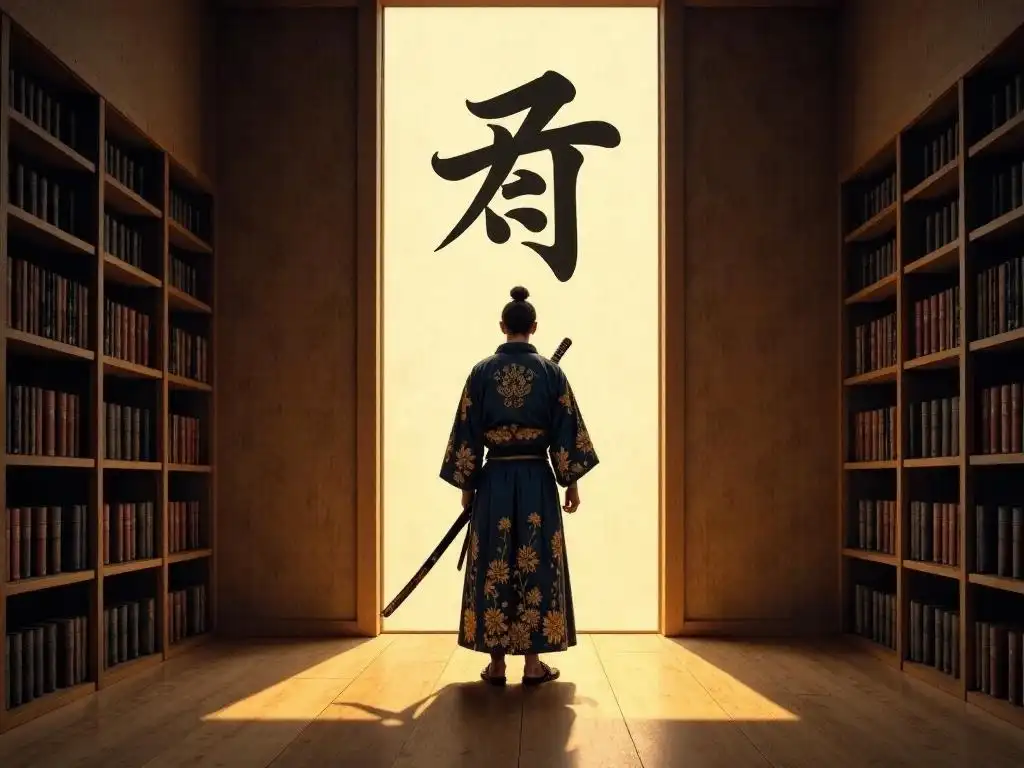
The concept of Bushido, often translated as "the way of the warrior," served as a foundational pillar in shaping the identity of the samurai class in feudal Japan. This code of conduct encapsulated a set of moral principles that governed not only the martial conduct of samurai but also their personal lives, relationships, and social interactions. The impact of Bushido on samurai identity can be observed through its influence on decision-making, etiquette, and its enduring legacy in modern culture.
Bushido as a Guiding Force in Daily Decision-Making
Bushido principles guided samurai in their daily choices, instilling a strong sense of duty and loyalty. The core tenets of Bushido, which included rectitude, courage, benevolence, respect, honesty, honor, and loyalty, shaped their moral compass, allowing samurai to navigate complex social situations with integrity.
- Rectitude: This principle encouraged samurai to make decisions grounded in justice and moral righteousness, often leading them to choose honorable paths even at personal cost.
- Courage: The samurai were taught to face challenges and adversities head-on. This valor was not limited to physical battles but extended to ethical dilemmas, where courage was required to uphold their values.
- Benevolence: Samurai were expected to show compassion and kindness, particularly towards those of lower status. This practice reinforced their role as protectors within society.
- Loyalty: A samurai’s loyalty to their lord and clan was paramount. This unwavering dedication often influenced decisions related to service, conflict, and alliances.
By embodying these principles, samurai were able to maintain a distinct identity that separated them from commoners, reinforcing their role as both warriors and moral exemplars in Japanese society.
The Influence of Bushido on Samurai Etiquette and Behavior
Bushido also significantly impacted the etiquette and behavior of samurai, dictating how they interacted with others and conducted themselves in various social settings. The adherence to Bushido's principles fostered a culture of respect and formality.
- Respect and Honor: Samurai were taught to respect their peers and superiors, which was reflected in their formal greetings and interactions. Bowing and addressing others with honorifics were common practices that demonstrated this respect.
- Discipline and Self-Control: Bushido emphasized the importance of self-discipline in both personal conduct and martial practice. Samurai trained rigorously, not only in combat techniques but also in the arts, philosophy, and poetry, reflecting a well-rounded character.
- Rituals and Ceremonies: Daily practices often included rituals that reinforced their commitment to Bushido. For instance, the tea ceremony was not merely a social event but a disciplined practice that embodied the values of tranquility, respect, and mindfulness.
- Conflict Resolution: In situations of conflict, samurai were expected to resolve disputes honorably, often through dialogue rather than violence, unless absolutely necessary. This behavior demonstrated their commitment to justice and peace within their communities.
Through these behaviors, samurai cultivated a reputation for nobility and integrity, further solidifying their status in society and the importance of Bushido in their daily lives.
Legacy of Bushido in Modern Japanese Culture
The principles of Bushido continue to resonate in modern Japanese culture, influencing various aspects of contemporary life. While the samurai class as it existed in feudal Japan has long since disappeared, the values embodied in Bushido are still evident in Japanese society today.
- Martial Arts: Many modern martial arts in Japan, such as Kendo and Aikido, are deeply rooted in Bushido principles. Practitioners emphasize discipline, respect for opponents, and the pursuit of personal growth, mirroring the samurai's commitment to self-improvement.
- Corporate Culture: The spirit of loyalty and dedication found in Bushido has permeated Japan's corporate environment, where employees often exhibit strong loyalty to their companies, reflecting a sense of duty akin to that of the samurai to their lords.
- Cultural Festivals and Literature: Numerous cultural events and literary works celebrate the samurai ethos and Bushido, often romanticizing their values and heroic deeds, thus keeping the legacy alive for future generations.
- Influence on Ethics: The core ideas of Bushido have influenced ethical discussions in Japan, where concepts of honor, duty, and respect play critical roles in personal and professional relationships.
The impact of Bushido on samurai identity is profound and multi-faceted, shaping their daily practices, moral guidelines, and cultural legacy. The principles of Bushido not only defined the samurai era but also continue to inspire and influence modern Japanese culture, showcasing the enduring nature of these warrior ideals.
Conclusion: The Enduring Legacy of Bushido Principles
Reflection on the Relevance of Bushido Today
Bushido, the code of conduct that governed the lives of the samurai, continues to resonate in modern society, transcending its historical roots. The principles of loyalty, honor, and self-discipline remain relevant in various aspects of contemporary life. In a world that often prioritizes speed and efficiency over integrity, the Bushido ideals encourage personal reflection and ethical decision-making.
- Loyalty: In today’s corporate culture, loyalty to one’s company or team can mirror the samurai's unwavering commitment to their lord. Employees who embody this trait often foster trust and collaboration among colleagues, leading to a more cohesive work environment.
- Honor: The concept of honor extends beyond personal reputation; it encompasses accountability and transparency. Individuals who uphold these values create a culture of respect and integrity, essential for both personal and professional relationships.
- Self-Discipline: The rigorous training and self-discipline practiced by samurai can be applied to modern pursuits, such as fitness, education, and career development. By setting goals and adhering to a disciplined routine, individuals can achieve their aspirations, much like the samurai who dedicated themselves to mastery.
In addition, elements of Bushido can be observed in martial arts and other traditional practices, where respect, humility, and perseverance are integral parts of the training process. These practices not only preserve the spirit of Bushido but also adapt it to fit the values and challenges of contemporary life.
Final Thoughts on Samurai Daily Practices and Moral Guidelines
The daily practices of the samurai, steeped in the principles of Bushido, reflect a complex interplay between discipline, duty, and moral fortitude. Their commitment to rigorous training, meditation, and ethical conduct shaped not only their lives but also the culture of Japan during the feudal era.
- Training: Samurai engaged in daily physical and mental training, honing their skills in martial arts and strategy. This dedication to excellence illustrates the importance of continuous improvement, a concept that can inspire modern individuals in various fields.
- Meditation and Reflection: The practice of meditation allowed samurai to cultivate inner peace and clarity of thought. This practice is highly relevant today, as mindfulness and mental well-being gain recognition in fast-paced lifestyles.
- Community Service: Samurai often participated in the welfare of their communities, reflecting the principle of Jin (benevolence). This aspect of their daily lives underscores the importance of civic responsibility, a value that remains crucial in fostering strong communities.
The legacy of Bushido and the daily practices of the samurai endure as a source of inspiration and guidance. By embracing these principles, individuals today can navigate the complexities of modern life with a renewed sense of purpose and integrity, honoring the timeless nature of these moral guidelines. Through reflection on these practices, we not only preserve history but also cultivate a deeper understanding of the values that can guide our actions in the present.
Frequently Asked Questions
What are the Bushido principles?
The Bushido principles are a set of moral guidelines followed by the samurai, emphasizing honor, loyalty, and courage as essential virtues in their daily lives.
How did Bushido influence samurai daily practices?
Bushido shaped samurai daily practices by instilling a sense of discipline and responsibility, guiding them in their interactions with others and in their military duties.
Can you explain the significance of honor in Bushido?
Honor is a central tenet of Bushido, representing a samurai’s commitment to integrity and reputation. It was crucial for maintaining one's status and the respect of peers.
What role did training play in embodying Bushido principles?
Training was vital for samurai to master their skills and internalize Bushido principles. Rigorous physical and mental preparation helped them uphold their values in battle and life.
How are Bushido principles relevant today?
The Bushido principles continue to resonate in modern Japan, influencing contemporary ethics, leadership, and even martial arts, promoting values like respect, discipline, and self-improvement.
Final Reflection: Embracing the Spirit of Bushido in Modern Life
The principles of Bushido resonate profoundly in today's fast-paced world, reminding us that honor, discipline, and respect are timeless values. As we navigate our daily challenges, the teachings of the samurai offer a guiding light, encouraging us to cultivate integrity and resilience in our personal and professional lives. In a society often driven by superficial success, the essence of Bushido serves as a powerful counterbalance, urging us to reflect on what truly matters.
The influence of Bushido extends far beyond the historical context of the samurai; it permeates our cultural and social fabric, inspiring individuals to pursue a life of purpose and virtue. The principles of loyalty, courage, and self-control can be seen in various aspects of modern life, from leadership in business to personal relationships. As the renowned philosopher Daisaku Ikeda once said, The true samurai is one who is able to face himself and overcome his own weaknesses.
This ongoing journey of self-improvement and ethical living is a testament to the enduring relevance of Bushido in shaping character and fostering a sense of community.
As you reflect on the lessons of Bushido, consider how you can integrate these principles into your daily practices. Take a moment to assess your values and actions—are they aligned with the ideals of honor and respect? Challenge yourself to embody the spirit of the samurai in your interactions, decisions, and personal growth.
By embracing the wisdom of Bushido, you not only honor its legacy but also contribute to a more compassionate and principled world. Let the code of the samurai inspire you to live with purpose and integrity, forging a path that uplifts both yourself and those around you.
Embrace the Spirit of Bushido Today!
Thank you for journeying through the powerful teachings of the Samurai and the Code of Bushido. By exploring these daily practices and moral guidelines, you’ve taken a crucial step towards understanding **resilience**, **loyalty**, and **honor** in your life. Now, it's time to put that knowledge into action!
Here’s how you can start embodying the spirit of Bushido:
- Embrace a daily reflection practice: Dedicate ten minutes each day to contemplate your values and how they align with the principles of Bushido. Consider writing your thoughts in a journal to track your personal growth.
- Join a local martial arts class or a self-improvement group: Surround yourself with individuals who share your appreciation for discipline and honor. This community can enhance your journey toward living more authentically.
- Share your insights: Engage in discussions about the Code of Bushido with friends, family, or on social media platforms. Sharing this ancient wisdom helps foster a deeper understanding and appreciation within your community.
What aspect of Bushido resonates with you the most, and how do you envision it influencing your daily life?