
Samurai Travel: The Journey from Home to Battle and Beyond

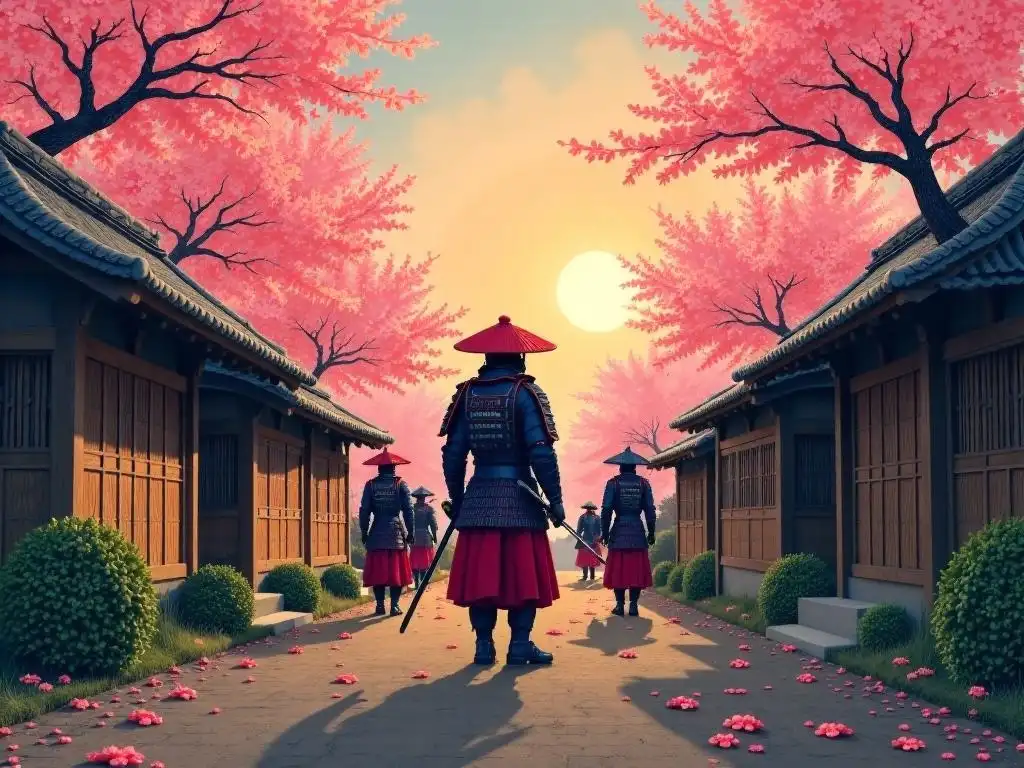
Welcome to Feudal Japan History, where we invite you to embark on an extraordinary journey through the captivating world of Japan's feudal era. In our latest article, “Samurai Travel: The Journey from Home to Battle and Beyond,” we delve into the fascinating experiences of samurai as they navigated the intricate landscapes of their time. What secrets did these warriors uncover on their travels?
How did their journeys shape not only their destinies but the very fabric of Japanese society? Join us as we unravel the rich tapestry of history, culture, and the unyielding spirit of the samurai, igniting your curiosity to explore deeper into this remarkable chapter of Japan's past.
Introduction to Samurai Travel Experiences in Japan
The journey of a samurai was not merely a matter of physical travel; it was an intricate blend of cultural significance, duty, and personal honor. Samurai travel experiences in Japan reflect a rich tapestry woven with historical, societal, and cultural threads that defined the lives of these elite warriors. From their homes to the battlefield and beyond, samurai traveled with purpose, often navigating challenging terrains and complex social hierarchies. This article delves into the multifaceted aspects of samurai travel, exploring how geographical elements, key routes, and the unique samurai ethos shaped their journeys.
Overview of Samurai Culture and Its Importance
Samurai culture is deeply rooted in the values of loyalty, honor, and discipline. Emerging during the Heian period, these warriors upheld the code of Bushido, which demanded unwavering loyalty to their lords and adherence to a strict moral code. The samurai were not only skilled fighters but also patrons of the arts and philosophy, contributing to Japan's cultural landscape. Their travels were significant not only for military campaigns but also for cultural exchanges, promoting the spread of ideas, literature, and art across the regions they traversed.
Significance of Travel in the Samurai Lifestyle
Travel for samurai was essential for several reasons:
- Military Obligations: Samurai were often called to serve their lords in distant lands, requiring them to travel great distances to fulfill their duties.
- Diplomatic Missions: Samurai were frequently sent on missions to negotiate alliances or resolve conflicts, necessitating travel to various domains.
- Cultural Engagement: Journeys allowed samurai to engage with different cultures, attend festivals, and participate in tea ceremonies, thereby enriching their understanding of the world.
Travel was not just a physical act; it was imbued with meaning, reflecting the samurai's commitment to their way of life and the responsibilities that came with it.
Historical Context of Samurai Travel
Understanding the historical context of samurai travel provides insight into the logistical and cultural challenges they faced. During Japan's feudal era, the landscape was characterized by regional warlords and a highly stratified society. The samurai's movement across this complex terrain required careful planning and knowledge of various routes.
The Role of Geography in Samurai Movement
Geography played a crucial role in shaping the travel experiences of samurai. Japan's mountainous terrain, rivers, and coastal areas posed both challenges and advantages:
- Mountain Passes: Many samurai journeys involved traversing steep mountain passes, which were often treacherous but strategically important for accessing remote territories.
- Rivers and Coastal Routes: Rivers served as vital transportation routes, while coastal areas offered alternative pathways for travel and trade, influencing the samurai's movement patterns.
The geographical landscape not only dictated the routes taken but also impacted the speed and safety of their journeys.
Key Routes and Pathways for Samurai Journeys
Several historic pathways were pivotal in facilitating samurai travel across Japan:
- The Tōkaidō Road: Connecting Kyoto to Edo (modern-day Tokyo), this route was the most significant highway for samurai traveling between the two capitals. It featured numerous post towns that provided rest and supplies.
- The Nakasendō: This inland route offered a safer alternative to the coastal Tōkaidō, allowing samurai to avoid potential pirate attacks while crossing the mountainous regions.
These routes not only served military purposes but also became conduits for cultural exchange, playing a vital role in the development of Japan's social and economic fabric.
The journeys of samurai were deeply intertwined with their identities and societal roles, reflecting the broader historical context of Japan's feudal era. Through an understanding of their travel experiences, we gain valuable insights into the samurai's daily life and the significance of their movements across the archipelago.
Daily Life of Samurai on the Road
The daily life of samurai while traveling was a unique blend of preparation, discipline, and cultural practices. Movement was often dictated by the demands of their feudal lords, necessitating swift and strategic travel to engage in battles, inspections, or diplomatic missions. Samurai were trained not only in combat but also in the art of travel, which included skills in navigation, endurance, and maintaining their equipment. The journey often involved long hours on horseback, where samurai would need to be vigilant and ready for both natural challenges and potential encounters with enemies or wild animals.
Essential Travel Preparations for Samurai
Before embarking on a journey, samurai meticulously prepared to ensure their readiness. Essential preparations included:
- Packing Provisions: Samurai typically carried a limited supply of food, often rice, dried fish, and pickled vegetables, which could sustain them during long travels.
- Equipment Check: They would inspect their armor, weapons, and other gear, ensuring that their katana was well-maintained and ready for combat.
- Route Planning: Knowledge of the terrain and potential hazards was crucial. Samurai would study maps and consult local guides to choose the safest and most efficient routes.
- Travel Companions: Samurai often traveled with a small entourage, which could include retainers, horsemen, and servants. The size of the group depended on the nature of the journey, whether for war or diplomacy.
Typical Itinerary: From Home to Battle
A samurai’s travel itinerary varied significantly based on the nature of their mission. A typical journey to battle might follow this pattern:
- Departure from Home: Samurai would often leave at dawn to take advantage of the daylight, offering both a spiritual aspect and a practical approach.
- Strategic Stops: Along the way, they would stop at rest houses or temples for nourishment and rest. These stops were crucial for maintaining morale and physical stamina.
- Arrival at the Battlefield: Upon reaching their destination, samurai would engage in tactical discussions with their commanders and prepare mentally and physically for battle.
- Post-Battle Recovery: After the conflict, travel would often include a return to their home province, allowing for reflection and recuperation.
Cultural Practices During Travel
Traveling samurai engaged in various cultural practices that reflected their social status and adherence to bushido, the way of the warrior. These practices included:
- Ceremonial Rites: Before significant journeys, samurai would often perform rituals to seek blessings from the gods for a safe journey.
- Engagement in Arts: Many samurai, especially those who were literate, would compose poetry or engage in calligraphy while on the road, reflecting on their experiences and surroundings.
- Mindfulness and Reflection: Travel provided samurai a chance to contemplate their purpose and the nature of their existence, often leading to deeper spiritual insights.
Travel Experiences of Samurai: A Cultural Exploration
The travel experiences of samurai were not merely logistical; they were rich in cultural significance and personal growth. Each journey served as a way to reinforce their identity as warriors while also connecting with the diverse landscapes and people of Japan.
Encounters with Local Populations
During their travels, samurai frequently interacted with local populations, which could range from fellow warriors to farmers and artisans. These encounters played a significant role in shaping their worldview:
- Cultural Exchange: Samurai learned about local customs and practices, often participating in festivals or regional traditions, which enriched their cultural understanding.
- Political Relationships: Engaging with local leaders helped establish alliances and fostered a sense of loyalty and respect between samurai and the communities they traveled through.
- Impact on Social Hierarchies: The presence of samurai often reminded local populations of their social status, but it also opened avenues for dialogue and mutual respect.
The Influence of Travel on Samurai Identity
Travel served as a critical factor in the formation of a samurai's identity. Experiences on the road contributed to their understanding of honor, loyalty, and duty:
- Broader Horizons: Exposure to different regions and cultures helped samurai appreciate their role within the larger context of Japanese society and the world beyond.
- Refinement of Skills: The challenges faced during travel, from navigating difficult terrains to engaging in combat, honed their skills and solidified their status as warriors.
- Symbol of Status: The ability to traverse vast distances demonstrated a samurai's influence and importance within the feudal hierarchy.
Reflections on Nature and Spirituality During Travel
The journey of a samurai was often intertwined with reflections on nature and spirituality. Nature was seen as a fundamental aspect of life, influencing their mindset and beliefs:
- Connection with the Landscape: Traveling through mountains, forests, and rivers allowed samurai to appreciate the beauty of nature, often inspiring moments of introspection.
- Spiritual Significance: Many samurai viewed nature as a manifestation of the divine, leading to practices such as meditation at scenic spots or offering prayers at shrines along their route.
- Art and Literature: Experiences in nature often found expression in poetry and art, capturing the emotional landscape of their travels and the profound connection between samurai and their surroundings.
Challenges Faced by Samurai During Their Journeys
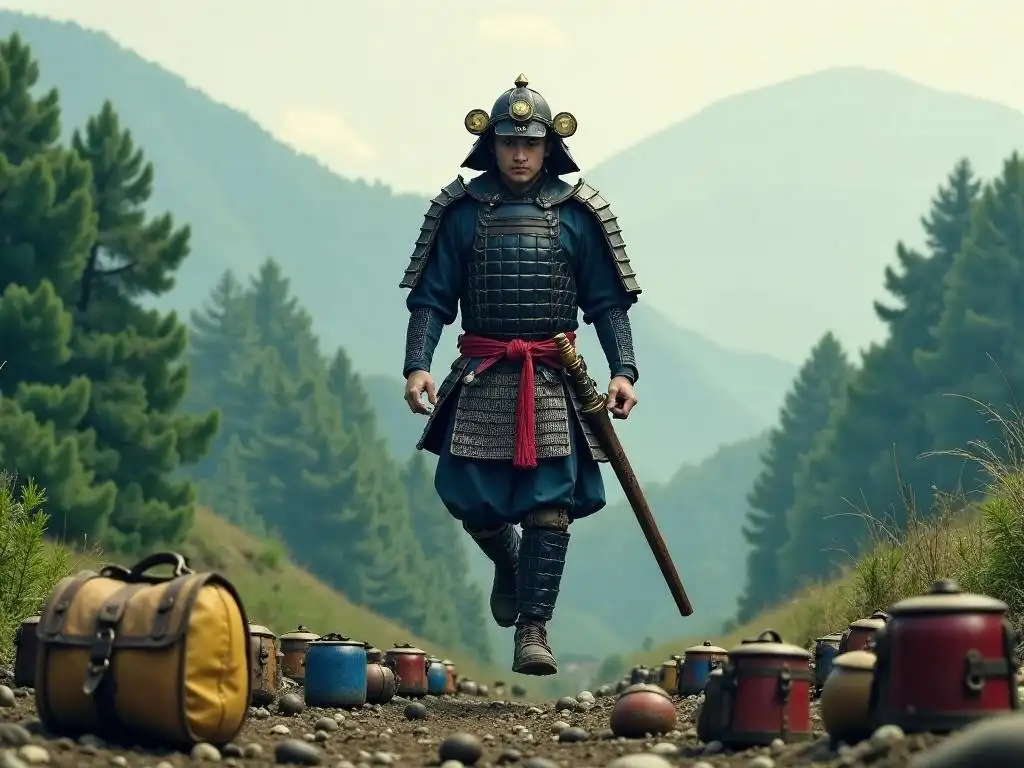
Samurai travel experiences in Japan were often fraught with a variety of challenges that tested their resolve, adaptability, and strategic thinking. These challenges stemmed from both environmental factors and the political landscape of the time. Understanding these obstacles provides a more nuanced view of the daily lives of samurai and the complexity of their roles during their journeys.
Environmental Obstacles and Natural Disasters
The journey of a samurai was not just about the destination; it was heavily influenced by the geography and climate of Japan. Natural disasters, such as earthquakes, typhoons, and heavy rains, posed significant threats. For instance, the frequent occurrence of typhoons could disrupt travel plans, leading to delays in reaching battlefields or crucial meetings.
Moreover, the rugged terrain of Japan, characterized by mountains and dense forests, presented physical challenges. Travel routes were often treacherous, and samurai had to navigate through narrow paths and steep inclines, which could slow their progress. Seasonal changes also affected their journeys; winter snows could render certain pathways impassable, while the summer heat could lead to exhaustion among troops and horses alike. These environmental factors necessitated careful planning and the ability to adapt quickly to changing conditions.
Social and Political Risks Encountered
In addition to environmental challenges, samurai were frequently confronted with social and political risks during their travels. The feudal system was marked by allegiances and rivalries, leading to potential encounters with hostile factions. Samurai had to be cautious in unfamiliar territories, as they might face ambushes or hostile locals who were not aligned with their lords.
The political climate of the time also influenced travel experiences. A samurai traveling through enemy territory risked being captured or killed, which could not only jeopardize their personal safety but also have broader implications for their clan. Furthermore, shifting allegiances among clans could complicate the journey, as samurai needed to negotiate their passage and ensure their loyalty was recognized by local authorities. All of these factors contributed to a heightened sense of danger and uncertainty during their travels.
The Impact of War on Samurai Travel Experiences
War significantly shaped the travel experiences of samurai, turning their journeys into strategic endeavors. During conflicts, samurai were often required to travel swiftly to respond to threats or reinforce positions. This urgency meant that travel could become chaotic, with samurai having to make split-second decisions about routes and timing.
Additionally, the nature of warfare often meant that travel routes became battlegrounds themselves. Samurai had to be prepared for the possibility of encountering skirmishes or full-scale battles while on the move. This not only posed a risk to their lives but also affected their travel plans, as they might need to divert to avoid conflict areas. The constant presence of war underscored the precarious nature of samurai life, where each journey could lead to unforeseen circumstances and peril.
The Evolution of Samurai Travel Post-Feudal Era
The transition from the feudal era to modern Japan brought significant changes to the travel practices of samurai, reflecting broader societal transformations. As Japan moved towards modernization, the once rigid social structures began to shift, impacting how travel was perceived and conducted.
Changes in Travel Practices in Modern Japan
In modern Japan, the travel practices that emerged from the samurai era have evolved dramatically. With the advent of the railway system in the late 19th century, long-distance travel became more accessible and efficient. The rigid protocols of samurai travel, which often involved lengthy preparations and significant risks, were replaced by a more structured and safe approach to travel.
Additionally, the cultural significance of samurai travel experiences has shifted. While samurai once traveled for battle, honor, or duty, modern Japanese travel often emphasizes leisure and exploration. Tourists today can experience the legacy of samurai travel through historical reenactments, guided tours of ancient routes, and visits to preserved castles and temples that reflect the rich history of samurai culture.
Legacy of Samurai Travel in Contemporary Culture
The legacy of samurai travel continues to resonate in contemporary Japanese culture. The romanticized notion of the wandering samurai, known as ronin, has been a source of inspiration in literature, film, and art. This portrayal embodies the spirit of adventure and the complexities of loyalty and honor that characterized samurai life.
Moreover, traditional practices associated with samurai travel, such as the art of calligraphy and tea ceremonies, remain integral to Japanese culture. These practices often reflect the values of mindfulness and respect for nature that samurai embodied during their journeys. As a result, the essence of samurai travel experiences can still be felt in modern Japan, inviting both locals and visitors to explore the depths of this rich historical narrative.
Conclusion: The Enduring Legacy of Samurai Travel Experiences
The travel experiences of samurai during Japan's feudal era are not only a testament to their martial duties but also illustrate the intricate relationship between mobility, culture, and identity in Japan's historical landscape. From their journeys to battlefields to the spiritual pilgrimages taken to enhance their honor and skills, samurai travel has left an indelible mark on both Japanese society and the cultural narratives that continue to be celebrated today.
Summary of Key Insights
- Martial and Cultural Journeys: Samurai travel experiences often intertwined martial duties with cultural practices. Whether heading to battle or engaging in rituals, these journeys were significant for both personal and societal reasons.
- Influence of Geography: The routes taken by samurai were shaped by Japan’s diverse geography, which influenced not only the logistics of travel but also the types of encounters and experiences they had along the way.
- Pilgrimages and Spirituality: Many samurai undertook pilgrimages to sacred sites, reflecting a deep spiritual connection. These journeys were pivotal in shaping their identities and reinforcing their commitment to bushido, the way of the warrior.
- Cultural Exchange: The travels of samurai facilitated cultural exchange, allowing for the spread of ideas, artistic expression, and innovations. This exchange played a crucial role in the evolution of Japanese culture.
- Modern Resonance: Today, the legacy of samurai travel experiences can still be felt in Japan’s tourism, where historical reenactments and themed travel experiences draw on this rich history, offering a glimpse into the life and journeys of samurai.
Reflection on the Significance of Samurai Journeys in Japanese History
The significance of samurai journeys extends far beyond mere travel; they encapsulate the essence of a transformative period in Japanese history. These journeys represented not just physical movement but also the samurai's role as bearers of culture, history, and social structure. Each step taken on the road was imbued with purpose and meaning, reflecting the values of loyalty, honor, and duty that defined the samurai ethos.
Moreover, samurai travel experiences highlight the complexities of their lives, bridging the gap between the battlefield and the spiritual realm. The rituals, landscapes, and encounters along their journeys contributed to a broader understanding of Japanese identity and societal norms during the feudal era.
In reflecting on the legacy of samurai travel, it becomes clear that these experiences are essential to comprehending the historical narrative of Japan. They serve as a vivid reminder of how the past continues to influence contemporary culture, enriching our understanding of Japan’s heritage and the enduring spirit of the samurai. As we explore the journeys of these iconic warriors, we uncover not just their adventures but also the fundamental values that shaped an era and resonate through time.
- Introduction to Samurai Travel Experiences in Japan
- Historical Context of Samurai Travel
- Daily Life of Samurai on the Road
- Travel Experiences of Samurai: A Cultural Exploration
- Challenges Faced by Samurai During Their Journeys
- The Evolution of Samurai Travel Post-Feudal Era
- Conclusion: The Enduring Legacy of Samurai Travel Experiences
Frequently Asked Questions
What are Samurai travel experiences in Japan?
Samurai travel experiences in Japan offer immersive opportunities to explore the historical and cultural landscapes that shaped the lives of Samurai warriors. These experiences often include guided tours, workshops, and recreational activities related to Samurai traditions.
How can I participate in Samurai travel experiences?
You can participate in Samurai travel experiences by booking tours or experiences through specialized travel agencies or local cultural organizations in Japan. Many offer hands-on activities like swordsmanship training or traditional tea ceremonies.
Key historical sites to visit include Himeji Castle, Nijo Castle, and the Samurai district in Kanazawa. These locations provide insights into the architectural and military history of the Samurai era.
Are there any festivals that celebrate Samurai culture?
Yes, several festivals celebrate Samurai culture, such as the Kawagoe Hikawa Matsuri and the Katsuura Taisai. These events often feature parades, traditional music, and performances that pay homage to the Samurai heritage.
What should I know before embarking on a Samurai travel experience?
Before embarking on a Samurai travel experience, it's essential to understand the cultural significance of the Samurai in Japanese history. Familiarizing yourself with etiquette and customs will enhance your experience and show respect to the traditions you encounter.
Final Reflection: Embracing the Spirit of Samurai Travel Experiences in Japan
The journey of the samurai transcends mere travel; it embodies a profound connection to culture, honor, and personal growth. In today's fast-paced world, where many seek adventure without meaning, the essence of samurai travel experiences in Japan serves as a powerful reminder of the importance of purpose in our explorations. As travelers, we are called to not only witness the beauty of Japan but to engage deeply with its rich history and traditions, allowing the spirit of the samurai to guide our paths.
Cultural heritage is not just a relic of the past; it is a living force that shapes our identities and aspirations. The influence of samurai values—discipline, respect, and resilience—continues to resonate in modern Japan and beyond. As we embark on our own journeys, we can draw inspiration from these principles, enriching our travel experiences and fostering a deeper understanding of ourselves and the world around us. The journey is the reward,
a sentiment that encapsulates the essence of samurai travel, reminding us that the experiences we gather along the way are what truly matter.
As you reflect on your own travel aspirations, consider how the lessons of the samurai can enhance your adventures. Embrace the call to explore not just the landscapes of Japan, but the landscapes of your own heart and mind. Let each step you take be a tribute to the spirit of the samurai, infusing your travels with intention and meaning. In doing so, you not only honor the past but also pave the way for a future filled with rich experiences and personal growth.
Embark on Your Own Journey of Discovery!
Thank you for exploring the incredible world of samurai travel with us! You've uncovered the fascinating connections between home, battle, and the cultural landscapes of feudal Japan. Now, it’s time to take that knowledge and embark on your personal journey of discovery.
Here’s how you can deepen your understanding and appreciation of this rich history:
- Dive into a local Japanese cultural event in your area. Experience traditional crafts, performances, or cuisine that resonate with the spirit of the samurai.
- Join online forums or communities dedicated to Japanese history and share your insights with fellow enthusiasts.
- Plan a themed reading marathon: select several books about samurai warriors or the history of feudal Japan to broaden your perspective!
What aspect of samurai culture intrigues you the most, and how will you explore it further? Share your thoughts below!