
Samurai Diet: What Did Japan's Elite Warriors Eat?


Welcome to Feudal Japan History, where we invite you to embark on a captivating journey through the intricate tapestry of Japan’s feudal era. Delve deep into the rich historical, cultural, and societal aspects that shaped this fascinating period. In our featured article, “Samurai Diet: What Did Japan's Elite Warriors Eat?”, we unveil the nutrition secrets that fueled these legendary warriors.
Ever wondered what sustenance powered the fierce samurai in battle? Join us as we explore the unique dietary practices that not only sustained their prowess but also reflected their status and philosophy. Prepare to uncover the hidden truths behind the samurai's plate—your adventure into feudal Japan begins now!
-
Samurai Diet and Nutrition Secrets: An Overview of Japan's Elite Warriors' Eating Habits
- Historical Context of the Samurai Diet
- Core Components of the Samurai Diet
- Preparation and Cooking Techniques in Samurai Cuisine
- Nutritional Secrets of the Samurai
- Cultural Significance of Food in Samurai Society
- Comparison of Samurai Diet with Modern Nutrition
- Conclusion: The Lasting Legacy of the Samurai Diet
- Frequently Asked Questions
- Final Reflection: The Enduring Legacy of the Samurai Diet
- Unleash Your Inner Warrior: Transform Your Diet Today!
Samurai Diet and Nutrition Secrets: An Overview of Japan's Elite Warriors' Eating Habits
The samurai, Japan's elite warrior class, not only stood as pillars of military might and social hierarchy during the feudal era but also embraced a unique dietary culture that reflected their values and the environment in which they lived. Understanding the samurai diet and nutrition secrets provides insight into how these formidable warriors fueled their bodies for battle and maintained their health and discipline.
The meals consumed by samurai were not merely sustenance; they were a reflection of their status, traditions, and the intricate relationship between food and the martial lifestyle. As we explore the historical, cultural, and geographic influences on their diet, we uncover the core components that sustained these legendary figures throughout Japan's tumultuous history.
Historical Context of the Samurai Diet
The samurai diet evolved alongside the social and political transformations of feudal Japan. As warriors, the samurai's eating habits were deeply intertwined with their roles in society, and their nutrition choices mirrored the values of the bushido code, which emphasized honor, discipline, and self-control.
The Role of Samurai in Feudal Japan
In feudal Japan, samurai were not just warriors; they were also landowners and administrators who played a crucial role in governance. Their status demanded a diet that was both nutritious and reflective of their elite standing. The samurai were expected to maintain peak physical condition for combat, which necessitated a diet rich in protein and energy.
- Dietary Discipline: Adherence to a disciplined diet was vital, aligning with the samurai’s commitment to self-control.
- Cultural Significance: Meals were often ceremonial, reflecting the samurai's respect for tradition and the natural world.
Evolution of Samurai Cuisine Through the Ages
The samurai diet underwent significant changes from the early Heian period (794-1185) through the Edo period (1603-1868). Influences included:
- Buddhism: The arrival of Buddhism brought vegetarianism into samurai diets during certain periods.
- Regional Ingredients: As the samurai traveled and fought across Japan, they adapted their diets based on local ingredients, incorporating a vast array of foodstuffs.
Core Components of the Samurai Diet
The samurai diet was characterized by a variety of foods that provided essential nutrients needed for their rigorous lifestyles. Understanding these core components highlights the sophistication of samurai culinary practices.
Staple Foods Consumed by Samurai
The foundation of the samurai diet consisted of several staple foods, including:
- Rice: The primary carbohydrate source, symbolizing prosperity and sustenance.
- Fish and Seafood: Rich in protein, commonly consumed due to Japan's extensive coastline.
- Vegetables: Seasonal and locally sourced, they provided essential vitamins and minerals.
- Meat: Although less common due to Buddhist influence, game meats and poultry were consumed, especially during times of war.
Influence of Geography on Samurai Food Choices
Geography played a critical role in shaping the samurai diet. The diverse landscapes of Japan allowed for a wide range of food sources:
- Coastal Regions: Access to fresh seafood and seaweed.
- Mountainous Areas: Availability of game and forageable plants.
- Agricultural Plains: Fertile lands for rice cultivation and vegetable farming.
This geographical diversity not only influenced daily meals but also contributed to the development of regional culinary traditions that enriched samurai cuisine across the archipelago.
By delving into the intricate world of the samurai diet, we can appreciate how these elite warriors harmonized their eating habits with their roles in society, their environment, and their unwavering pursuit of excellence.
Preparation and Cooking Techniques in Samurai Cuisine
The culinary practices of the samurai were deeply rooted in tradition, emphasizing both functionality and artistry. The preparation and cooking techniques of this elite warrior class were designed not only to nourish but also to reflect their status and cultural values. Cooking methods varied widely but generally focused on freshness, simplicity, and seasonal ingredients.
One of the hallmarks of samurai cuisine was the use of seasonal produce and local ingredients. This approach not only ensured that meals were nutritionally rich but also aligned with the samurai's connection to nature. The reliance on fresh fish, rice, vegetables, and foraged ingredients highlighted their appreciation for the seasons and local resources.
Traditional Cooking Methods Used by Samurai
Samurai cooking methods were influenced by various factors, including availability of tools and regional customs. Some of the traditional methods included:
- Grilling (yaki): This technique was commonly used for preparing fish and meats, often over an open flame or hot coals. Grilling enhanced the flavors while preserving essential nutrients.
- Steaming (mushi): A favored method for cooking rice and vegetables, steaming helped retain the natural colors and nutrients, making meals both visually appealing and healthful.
- Simmering (nizuke): This method involved cooking ingredients slowly in broth or water, allowing flavors to meld. It was particularly popular for preparing soups and stews.
- Pickling (tsukemono): Samurai often preserved vegetables through fermentation. These pickled items provided essential nutrients and added flavor to meals.
These techniques reflect the samurai's disciplined approach to food, focusing on health, energy, and maintaining a sharp mind for battle.
The Role of Presentation in Samurai Meals
In samurai culture, the presentation of food was as important as the meal itself. The aesthetics of a meal were carefully considered, reflecting the samurai's refinement and cultural sophistication. Meals were often served in beautifully crafted lacquerware or ceramic dishes, arranged in a way that showcased the colors and textures of the food.
- Seasonal Themes: Presentation would often incorporate elements that reflected the current season, such as using cherry blossoms in spring or autumn leaves in fall. This not only demonstrated artistry but also respect for nature.
- Symmetry and Balance: Samurai meals were typically arranged with attention to balance and symmetry. This careful arrangement mirrored their disciplined lifestyles and philosophy of harmony.
- Ceremonial Aspects: Some meals were prepared for specific ceremonies or gatherings, where the presentation played a key role in conveying respect and honor to guests.
Overall, the meticulous attention to presentation elevated the dining experience, reinforcing the values of respect and discipline inherent in samurai culture.
Nutritional Secrets of the Samurai
The diet of the samurai was not merely a reflection of personal preference; it was a carefully curated regimen designed to optimize their physical and mental performance. Their nutritional choices were informed by both practicality and the understanding of health principles that would enhance their capabilities as warriors.
Balanced Diet Principles Employed by Samurai
Samurai adhered to balanced diet principles that focused on a variety of food groups. Their meals typically included:
- Carbohydrates: Rice was a staple, providing the necessary energy for rigorous training and combat. The samurai often consumed short-grain rice, which is more nutritious and easier to digest.
- Proteins: Fish and lean meats were significant sources of protein, vital for muscle maintenance and recovery. Common options included tuna, mackerel, and game meats like venison.
- Vegetables: A wide array of seasonal vegetables was incorporated, ensuring a rich intake of vitamins and minerals. Greens like daikon, cabbage, and various root vegetables were frequent components of their meals.
- Fermented Foods: Foods like miso and tsukemono not only added flavor but also contributed beneficial probiotics for digestive health.
By integrating these elements, samurai maintained a diet that was both nutritious and conducive to their demanding lifestyle.
The Impact of Diet on Samurai Performance and Health
The impact of diet on the performance and health of samurai warriors cannot be overstated. Their nutritional choices were strategically aligned with their physical and mental demands.
- Energy Levels: A diet rich in carbohydrates from rice and vegetables provided sustained energy necessary for both physical exertion and mental clarity. This was crucial during long hours of training or in battle situations.
- Mental Acuity: The inclusion of omega-3 fatty acids from fish contributed to improved cognitive function, aiding samurai in strategy and decision-making during combat.
- Overall Health: The balanced intake of nutrients helped in maintaining robust health, which was essential for warriors who faced injuries and illness regularly. Fermented foods, in particular, played a role in boosting immunity and promoting recovery.
In essence, the samurai diet was a sophisticated blend of nutritional wisdom and cultural values, designed to support their status as elite warriors while promoting longevity and well-being.
Cultural Significance of Food in Samurai Society
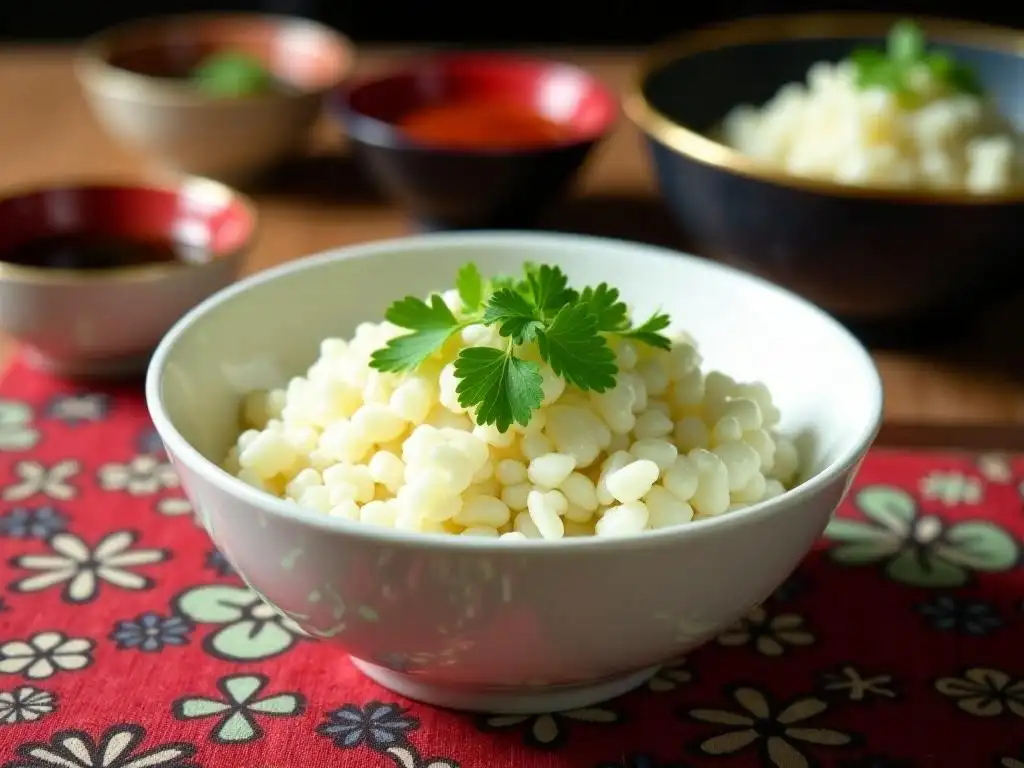
In the context of feudal Japan, food transcended mere sustenance for the samurai; it became intertwined with cultural identity, social hierarchy, and personal values. The samurai diet was not only about nourishment but also reflected their status and discipline. Meals were often meticulously prepared and served, embodying the principles of aesthetics and harmony that were fundamental to samurai life. The samurai's relationship with food was influenced by Zen Buddhism, which emphasized mindfulness and the appreciation of each meal as an art form.
The types of food consumed by samurai varied significantly depending on their rank, region, and seasonal availability. While rice was a staple, the samurai's diet also included fish, vegetables, and occasionally meat. The preparation and presentation of food were seen as extensions of the samurai's honor and character. Thus, the cultural significance of food in samurai society was profound, serving as a reflection of their values, beliefs, and social dynamics.
Food as a Symbol of Status and Power Among Samurai
Food served as a powerful symbol of status among the samurai class. The quality and variety of food available to a samurai often indicated their wealth and position within the hierarchy. Higher-ranking samurai were afforded more elaborate dishes, including delicacies such as sashimi, pickled vegetables, and fermented foods, while lower-ranking samurai had limited access to such luxuries.
Moreover, the manner in which food was consumed could convey respect and adherence to social norms. Formal dining rituals involved specific etiquette, showcasing the samurai's education and refinement. For instance, the presentation of food in a lacquered box—known as jubako—during formal occasions highlighted the importance of aesthetics and order in samurai culture. This emphasis on presentation reinforced the idea that food was not merely for sustenance but a reflection of one's status and power within the rigid social structure of feudal Japan.
Rituals and Celebrations Involving Food in Samurai Culture
Food played a central role in various rituals and celebrations within samurai culture. Banquets and feasts were common during significant events, such as weddings, promotions, or victories in battle. These gatherings were opportunities for samurai to showcase their culinary skills and hospitality, reinforcing bonds among peers and demonstrating loyalty to their lords.
Traditional ceremonies, such as the tea ceremony ( chanoyu), also highlighted the importance of food in samurai life. The preparation and serving of tea were imbued with symbolism, reflecting themes of harmony, respect, and tranquility. The ritualistic nature of these gatherings underscored the samurai's appreciation for the subtleties of life, where food acted as a vehicle for deeper connections and shared experiences.
Comparison of Samurai Diet with Modern Nutrition
The samurai diet, while rich in cultural significance, also presents an interesting comparison with modern nutritional practices. Although the ingredients and preparation methods have evolved, many principles of the samurai diet align with contemporary nutrition guidelines, emphasizing balance and mindfulness.
Similarities and Differences in Nutritional Practices
One of the primary similarities between the samurai diet and modern nutrition is the focus on whole, minimally processed foods. The samurai consumed a variety of seasonal ingredients, including grains, vegetables, and fish, which parallels today’s recommendations for a balanced diet rich in nutrients. Additionally, the samurai's practice of mindful eating—where meals were savored and appreciated—aligns with modern approaches to healthy eating that advocate for awareness and intentionality at mealtimes.
However, there are notable differences as well. The samurai diet occasionally included higher quantities of protein and fats from fish and game, whereas modern diets often prioritize lean proteins and healthier fats. Moreover, contemporary diets tend to incorporate a wider variety of international foods and flavors, reflecting globalization and changing tastes that were not present in the more insular world of feudal Japan.
Lessons from the Samurai Diet for Contemporary Eating Habits
The samurai diet offers valuable lessons for modern eating habits. One key takeaway is the importance of seasonal eating, which promotes fresher ingredients and supports local agriculture. Emphasizing the consumption of seasonal foods can lead to improved health and environmental sustainability.
Additionally, the samurai's approach to food as a ceremonial and communal experience underscores the value of sharing meals with family and friends. This practice not only enhances social bonds but also promotes a healthier relationship with food by fostering mindfulness and appreciation.
Incorporating these lessons into contemporary diets can encourage individuals to adopt more balanced, intentional eating habits that honor both nutrition and the social aspects of meals, further enriching the experience of dining in today's fast-paced world.
Conclusion: The Lasting Legacy of the Samurai Diet
The samurai diet has left an indelible mark on Japanese culinary traditions, reflecting the values and lifestyle of these elite warriors. Rooted in simplicity and balance, their eating habits emphasized the importance of health and physical fitness, which were essential for maintaining their skills in combat and discipline. The core components of the samurai diet—rice, fish, vegetables, and soy products—continue to dominate contemporary Japanese cuisine. This legacy extends beyond mere ingredients; it embodies a philosophy of moderation, respect for nature, and an appreciation for seasonal produce.
Moreover, the samurai diet's influence can be seen in modern dietary practices, such as the focus on umami flavors and the use of fresh, locally sourced ingredients. Many traditional dishes, like sushi, sashimi, and miso soup, can trace their origins back to this era, showcasing the enduring impact of the samurai's nutritional choices. The cultural significance of food in Japan, which emphasizes harmony and balance, can also be linked to the dietary habits of the samurai, who viewed their meals as a reflection of their identity and status.
How Samurai Nutrition Influences Modern Japanese Cuisine
The samurai diet is not only a historical curiosity but a living tradition that continues to shape modern Japanese cuisine. One of the most profound influences is the staple of rice, which remains a central component of almost every meal in Japan today. The samurai's reliance on rice as a source of energy laid the groundwork for its status as a national food. The meticulous preparation of rice, which reflects a deep cultural respect for food, can be traced back to samurai practices.
Fish, often consumed raw or grilled, was another cornerstone of the samurai diet. The emphasis on seafood has led to the rise of sushi and sashimi as global culinary icons. Techniques for preparing these dishes, such as slicing and seasoning, have roots in the samurai's dietary practices, which prioritized freshness and presentation.
Vegetables and legumes, particularly soy products like tofu, were also vital to the samurai diet, promoting a balanced intake of protein and nutrients. Today, many Japanese dishes celebrate these ingredients, showcasing their versatility and health benefits. Furthermore, the samurai's understanding of seasonal eating has influenced contemporary Japanese cuisine, leading to a culinary culture that values the natural rhythms of agriculture and the freshness of ingredients.
Final Thoughts on the Importance of Understanding Samurai Diet and Nutrition Secrets
Understanding the samurai diet and its nutrition secrets provides invaluable insight into the lifestyle and values of one of Japan's most iconic social classes. It reveals the intricate relationship between food, culture, and identity within feudal Japan. By exploring the dietary habits of the samurai, we can appreciate how their choices were informed by their need for strength, endurance, and discipline, which were paramount in their roles as warriors.
This exploration also highlights broader themes in Japanese culture, such as the reverence for nature and the importance of balance in all aspects of life. As modern society continues to grapple with issues of health and nutrition, the samurai diet serves as a reminder of the benefits of simplicity, moderation, and respect for food. By studying these nutritional practices, we can glean lessons that resonate even today, encouraging a more mindful approach to eating that honors both tradition and health.
Frequently Asked Questions
What was the primary focus of the Samurai diet?
The Samurai diet primarily focused on nutrition and energy, essential for maintaining their physical strength and endurance during battles and training.
Did Samurai consume rice as a staple food?
Yes, rice was a staple in the Samurai diet, providing carbohydrates necessary for sustaining their energy levels throughout the day.
Were there any specific foods that Samurai avoided?
Samurai generally avoided excessive fats and heavy foods, as their diets were designed to promote agility and alertness, crucial for their combat skills.
How did cultural traditions influence the Samurai diet?
Cultural traditions emphasized seasonality and local ingredients, leading Samurai to consume what was available and fresh, enhancing their connection to the land.
Did Samurai follow any particular meal structure?
Yes, Samurai meals typically consisted of multiple small dishes, focusing on a balance of proteins, vegetables, and grains, ensuring a varied and nutritious intake.
Final Reflection: The Enduring Legacy of the Samurai Diet
The exploration of the Samurai diet and nutrition secrets reveals not only the culinary practices of Japan's elite warriors but also their profound connection to discipline, strength, and resilience. In today's fast-paced world, where convenience often trumps nutritional value, the lessons drawn from the Samurai's mindful approach to food resonate more than ever. The Samurai's commitment to a balanced diet reflects a holistic understanding of health that remains relevant as we seek to nourish our bodies and minds in a meaningful way.
The impact of the Samurai diet extends beyond mere sustenance; it has woven itself into the cultural fabric of Japan and continues to influence modern dietary practices. As we delve into the intricacies of their nutrition, we uncover a philosophy that prioritizes harmony between body and spirit. This enduring legacy is encapsulated in the words of the famous Samurai Miyamoto Musashi: The ultimate aim of martial arts is not having to use them.
This quote serves as a reminder that the principles of the Samurai diet—balance, mindfulness, and respect for nature—are not just about physical prowess but about cultivating a way of life that fosters inner strength and well-being.
As you reflect on the insights gained from the Samurai diet, consider how you can incorporate these timeless principles into your own life. Embrace the idea of nourishment as a form of self-care, and challenge yourself to make mindful choices that honor your body and spirit. Whether it's preparing a meal with intention or seeking balance in your daily routine, let the wisdom of the Samurai guide you toward a healthier, more fulfilling lifestyle. The journey toward wellness is a personal one, and by drawing inspiration from the past, we can forge a brighter future for ourselves.
Unleash Your Inner Warrior: Transform Your Diet Today!
Thank you for your interest in exploring the Samurai Diet! You've uncovered valuable insights into the nutritional habits of Japan's elite warriors. Now, it's time to channel that warrior spirit into your own life. Embrace these actionable steps to enrich your diet and honor the legacy of the samurai!
- Start your day with a bowl of natto or miso soup, just like the samurai—both are packed with protein and probiotics.
- Experiment with traditional Japanese recipes: Try a new dish each week to broaden your culinary horizons and savor authentic flavors.
- Join or create a local cooking group to share samurai-inspired meals with friends and family, fostering community through food.
Which samurai-inspired dish are you excited to try first, and how do you believe it will change your approach to eating?