
The Evolution of Samurai Daily Life Through the Edo Period

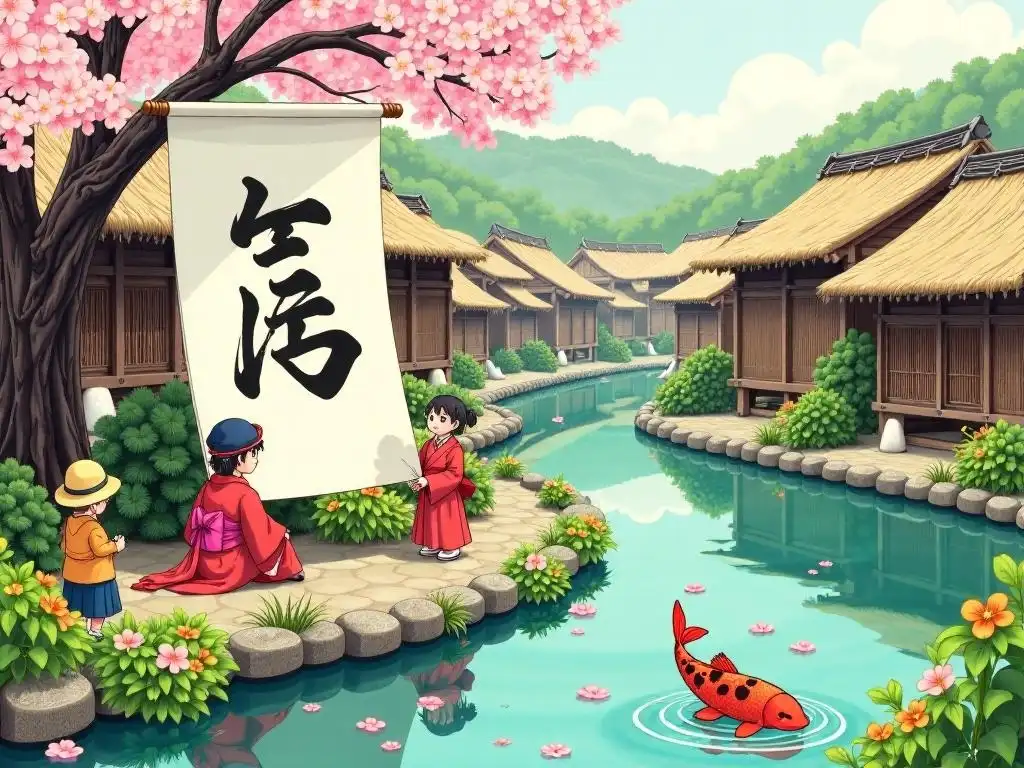
Welcome to Feudal Japan History, your gateway to the captivating world of Japan’s feudal era! Here, we embark on an enlightening journey through time, exploring the intricate tapestry of historical, cultural, and societal aspects that shaped this fascinating period. In our featured article, "The Evolution of Samurai Daily Life Through the Edo Period," we delve deep into the daily routines, rituals, and transformations of the esteemed samurai.
What did a day in the life of a samurai truly entail? Join us as we uncover the layers of tradition and change that defined their existence, and get ready to discover what lay behind the armor. Your adventure into the heart of Edo awaits—let’s dive in!
Introduction to the Daily Life of Samurai Edo
The Edo period, spanning from 1603 to 1868, represents a transformative era in Japan's history, marked by relative peace, political stability, and cultural flourishing. Central to this period was the samurai, the warrior class that not only defined Japan's military landscape but also shaped its social and cultural fabric. Understanding the daily life of samurai during the Edo period provides invaluable insights into their roles as both warriors and administrators in a society characterized by strict social hierarchies and evolving cultural practices.
During this time, the samurai transitioned from their traditional roles as feudal lords and warriors to more bureaucratic responsibilities under the Tokugawa Shogunate. This evolution saw their daily lives encompass various activities beyond combat, including education, arts, and governance. The samurai were not only skilled in martial arts but also engaged in cultural pursuits, establishing a unique lifestyle that reflected their status and responsibilities.
This article will delve into the intricacies of samurai daily life, exploring how the Edo period shaped their identities, values, and societal roles. We will examine the historical context of this fascinating era, shedding light on how the samurai adapted to the changing landscape of Japan.
Historical Context of the Edo Period
The Establishment of the Tokugawa Shogunate
The Tokugawa Shogunate was established in 1603 by Tokugawa Ieyasu after his victory at the Battle of Sekigahara. This marked the beginning of a centralized feudal system that sought to manage Japan's fragmented political landscape. The shogunate imposed a rigid class structure, with the samurai at the top, followed by farmers, artisans, and merchants. This hierarchical organization facilitated control and stability across the nation, leading to the long-lasting peace known as the Pax Tokugawa.
Samurai were granted stipends and land in exchange for their loyalty and service. However, with the cessation of major conflicts, many samurai found themselves navigating a new reality where they had to adapt to a life of governance rather than warfare. The shogunate's policies encouraged them to engage in administrative roles, leading to the development of a more sophisticated culture among the samurai.
The Peaceful Era: Sengoku to Edo
The transition from the Sengoku period, a time of constant warfare and upheaval, to the peaceful Edo period significantly altered the samurai's daily life. With the unification of Japan, the samurai experienced a decrease in military duty, ushering in an era of relative tranquility. This shift allowed them to focus on various aspects of daily life, including:
- Education: Samurai prioritized education, learning not only martial skills but also philosophy, literature, and the arts.
- Cultural Engagement: The Edo period saw a flourishing of Japanese arts, including Noh theater, ikebana, and tea ceremonies, which samurai actively participated in.
- Economic Activities: Many samurai began to engage in land management and commerce, diversifying their income sources and enhancing their social standing.
As the samurai adapted to these changes, their daily lives became more multifaceted, reflecting the complexities of a society in transition. The evolution of their roles during the Edo period is a testament to their resilience and adaptability in the face of shifting cultural and political landscapes.
The Structure of Samurai Society
The structure of samurai society during the Edo period (1603-1868) was a complex system deeply rooted in the social hierarchy and cultural norms of feudal Japan. Samurai were not only warriors but also held significant political and administrative responsibilities, which shaped their daily lives. The samurai class emerged as a distinct social group, characterized by their adherence to a code of conduct known as bushido, which emphasized loyalty, honor, and martial skill.
Within the samurai class, there was a clear stratification based on rank and status. The highest-ranking samurai were daimyō, feudal lords who commanded large domains and had considerable power. Below them were the lower-ranking samurai, who served as retainers and warriors, often bound to their lords through feudal obligations. This hierarchical structure dictated not only the roles and responsibilities of samurai but also their daily lives, including their interactions with other classes, such as peasants, artisans, and merchants.
The social hierarchy during the Edo period was famously rigid, with the samurai occupying the second tier of the four-tiered system established by the Tokugawa shogunate. At the top were the emperor and the imperial family, followed by the samurai class, then farmers, and finally artisans and merchants. This hierarchy influenced the daily life of samurai, as their status conferred certain privileges and responsibilities.
Samurai status was not solely defined by birth; it could also be altered through the acquisition of land, military service, or loyalty to a higher-ranking lord. This fluidity allowed for the possibility of upward mobility within the samurai ranks, although it was a challenging path. The samurai were expected to live honorably and uphold their duties, which included serving their lords and maintaining the peace within their domains. Their status also came with social expectations, such as participating in rituals, engaging in education, and adhering to bushido, the samurai code of ethics.
The Influence of Confucianism on Samurai Life
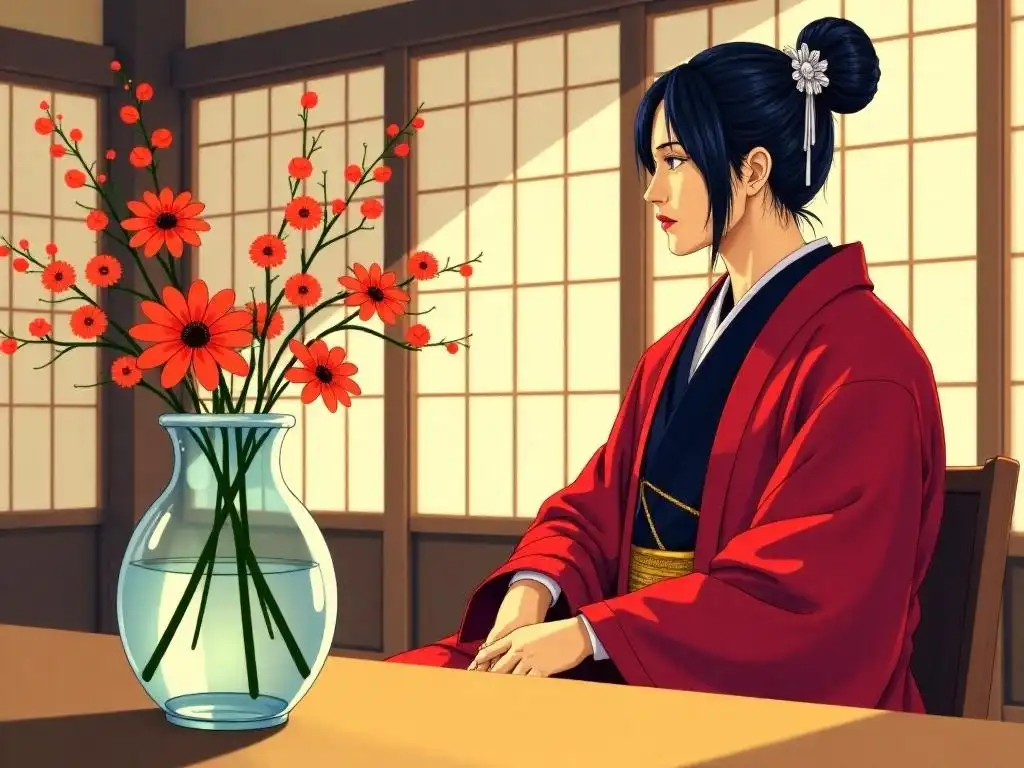
Confucianism played a significant role in shaping the values and lifestyles of samurai during the Edo period. The teachings of Confucius emphasized the importance of hierarchy, loyalty, and moral duty, aligning closely with the samurai's bushido principles. This philosophical framework encouraged samurai to view themselves as guardians of social order and moral integrity.
Confucian ideals permeated various aspects of samurai life, including education, governance, and family relationships. Samurai were expected to be educated in literature, philosophy, and ethics, fostering a sense of duty not only to their lords but also to society at large. This educational focus contributed to a more cultured samurai class, with many engaging in arts such as poetry, calligraphy, and the tea ceremony. Moreover, Confucianism reinforced the notion of filial piety, leading samurai to prioritize family loyalty and responsibilities alongside their martial obligations.
Daily Routines of the Samurai
The daily routines of samurai during the Edo period were meticulously structured, reflecting their status and responsibilities. Days often began early, with samurai engaging in physical training and rituals that were essential to their identity as warriors. The blend of martial discipline and cultural refinement defined their daily lives, creating a balance between duty and personal development.
Morning Rituals and Training
Morning rituals were a vital part of a samurai's daily routine. Many samurai began their day with meditation or prayer, reflecting on their duties and seeking guidance. Following this, physical training was paramount. Samurai practiced various martial arts, including kenjutsu (swordsmanship), iaijutsu (quick-draw techniques), and other weapon skills. This training not only honed their combat abilities but also instilled discipline and focus.
In addition to physical training, samurai often engaged in horse riding, archery, and strategy games like shogi (Japanese chess). These activities were not merely pastimes but essential components of a samurai's preparation for potential conflict and leadership roles. By dedicating their mornings to these practices, samurai maintained their readiness and commitment to their martial duties.
Family Life and Household Responsibilities
Family life for samurai was characterized by a blend of traditional roles and responsibilities. While samurai were primarily known for their martial prowess, they also had significant familial obligations. The samurai household was typically patriarchal, with the male head of the family managing both domestic affairs and the family's social standing.
The responsibilities within the household varied depending on the family's wealth and rank. Samurai wives played crucial roles in managing the household, overseeing finances, and raising children. Education was highly valued, and samurai families often prioritized the intellectual development of their children, particularly their sons, who were groomed to follow in their fathers' footsteps.
As part of their household duties, samurai were also responsible for maintaining their family's honor and reputation. This included adherence to social customs and participating in community events, further intertwining their personal lives with their identities as samurai. The blending of familial responsibilities with a warrior's duties highlighted the complexity of samurai life during the Edo period, showcasing their multifaceted roles within society.
Education and Learning in Samurai Culture
The education of samurai during the Edo period was woven into the very fabric of their identity. It was not merely about acquiring knowledge; it was an essential part of their upbringing that defined their roles as warriors and leaders. Samurai children were often educated in both the martial and scholarly arts, reflecting the belief that a well-rounded individual was more effective in both battle and governance.
Samurai education typically took place in a formal setting, such as a clan school or a private tutor's home. The curriculum included Confucian classics, poetry, calligraphy, and military strategy, emphasizing not only intellectual prowess but also moral character. This holistic approach aimed to cultivate not just skilled fighters but also wise administrators and ethical leaders.
The Role of Education in Shaping Samurai Identity
Education played a pivotal role in shaping the identity of the samurai. The teachings of Confucianism, in particular, instilled values such as loyalty, honor, and respect for hierarchy. These principles became the cornerstone of a samurai's way of life, guiding their actions both on and off the battlefield.
Moreover, the samurai's education was a means of social mobility. While many samurai were born into the warrior class, intellectual achievements allowed individuals to rise within their ranks or gain favor from their lords. This blending of martial skill with scholarly knowledge created a unique identity that distinguished the samurai from other social classes during the Edo period.
The Influence of Zen Buddhism on Samurai Education
Zen Buddhism had a profound impact on samurai education, intertwining spiritual development with intellectual pursuits. The samurai's pursuit of discipline and mindfulness was influenced by Zen teachings, which emphasized meditation and self-control. This was particularly evident in the practice of martial arts, where mental focus was deemed as important as physical skill.
Zen principles also shaped the samurai's approach to life and death. The acceptance of mortality and the importance of living in the present moment were vital components of their training, fostering a mindset that prioritized honor and duty above all else. As a result, Zen Buddhism not only influenced samurai education but also provided a philosophical framework that guided their daily lives.
Leisure Activities and Cultural Pursuits
Despite their rigorous training and responsibilities, samurai also engaged in various leisure activities that reflected their cultural values and interests. These pursuits were essential for maintaining balance in their lives and allowed them to express creativity and individuality outside the constraints of their warrior duties.
Traditional Arts and Crafts
Samurai were patrons of the traditional arts, often engaging in practices such as calligraphy, painting, and the tea ceremony. Calligraphy and ink painting were not just artistic endeavors; they were seen as expressions of one's inner self and a means to cultivate discipline and patience. The tea ceremony, or chanoyu, was particularly significant, embodying the values of harmony, respect, purity, and tranquility.
Moreover, many samurai took part in crafting items, such as swords and armor, which showcased their skills and artistry. This involvement in traditional arts and crafts not only provided a creative outlet but also solidified their social status as cultured individuals.
Festivals and Social Gatherings
Festivals and social gatherings were integral to the samurai lifestyle, providing opportunities for relaxation and community bonding. These events often included elaborate rituals, performances, and competitions, allowing samurai to showcase their skills and engage in friendly rivalry.
Seasonal festivals were particularly popular, celebrating agricultural cycles, religious observances, or historical events. During these gatherings, samurai could interact with members of other classes, reinforcing social hierarchies while fostering a sense of unity within the community. The vibrant atmosphere of these festivals offered a respite from the rigors of samurai life, allowing them to connect with their heritage and enjoy the cultural richness of their society.
The Role of Samurai in Governance and Administration
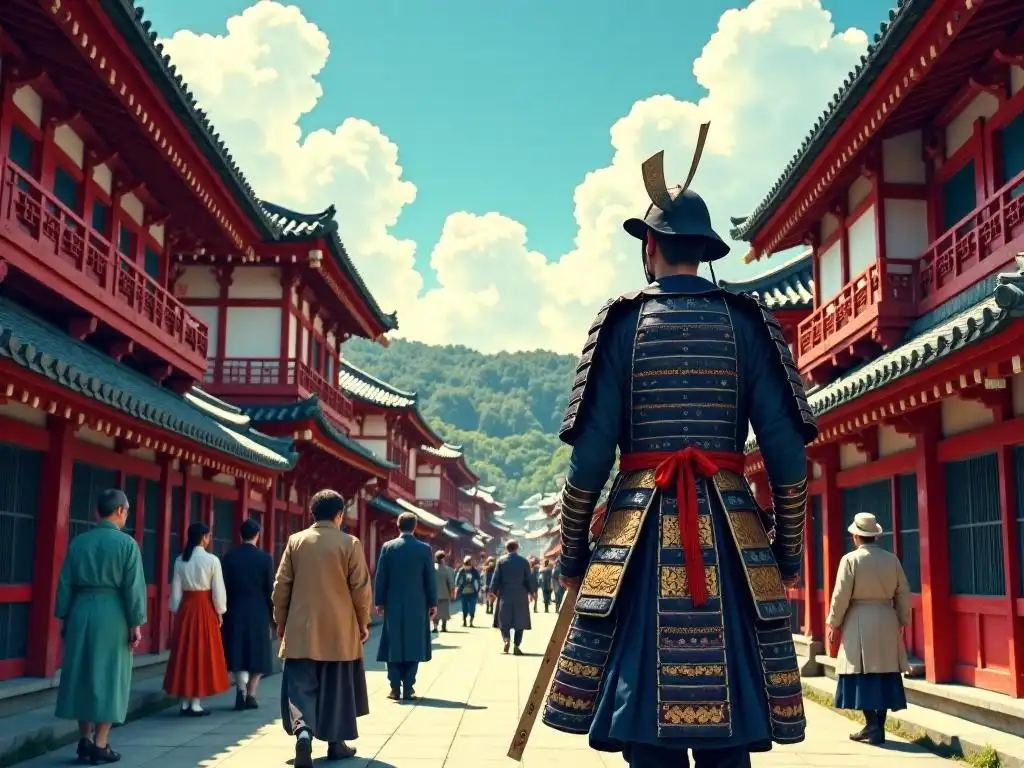
During the Edo period (1603-1868), samurai transitioned from their traditional roles as warriors to key figures in governance and administration. This shift was largely influenced by the Tokugawa shogunate, which established a centralized feudal system that relied heavily on samurai to maintain order and execute policies. The samurai were not only responsible for military duties but also for managing the lands and the people within their domains, playing a crucial role in the political and social structure of Japan.
Samurai became integral to the bureaucratic framework of the Edo period, taking on various administrative roles that included tax collection, land management, and judicial responsibilities. Their influence extended across the hierarchy of the shogunate, where higher-ranking samurai served as advisors and governors, shaping the policies that governed daily life in Japan. As a result, their status was not merely that of a warrior; they were pivotal in the functioning of the state.
Samurai as Officials and Bureaucrats
Samurai who served as officials and bureaucrats were often educated in Confucian principles, which emphasized moral governance and social harmony. This education prepared them for their roles in the administration, enabling them to perform tasks such as drafting laws, resolving disputes, and overseeing local governance. Many samurai were appointed to positions within the han (feudal domains), where they administered local affairs and ensured that the shogunate's directives were implemented.
The roles of samurai in governance varied significantly depending on their rank and the domain they served. For instance, high-ranking samurai, known as daimyo, governed large territories and had considerable autonomy, while lower-ranking samurai acted as retainers or local officials, directly managing the affairs of villages and towns. This administrative involvement provided samurai with a steady income, often derived from land revenues, which contributed to their social status and lifestyle.
The Impact of Governance on Daily Life
The governance structure established during the Edo period had profound effects on the daily lives of samurai. As officials, they were tasked with enforcing laws and maintaining order, which involved regular interaction with commoners and other social classes. This interaction often influenced their lifestyle, as samurai were expected to embody the values of loyalty, honor, and discipline.
The responsibilities associated with governance also shaped their daily routines. Many samurai spent their days in administrative offices or traveling within their domains to oversee various matters. This shift towards a bureaucratic lifestyle meant that the traditional martial training took a backseat, leading to a decline in the emphasis on swordsmanship and combat skills. Moreover, samurai had to balance their roles as warriors with those of civil servants, navigating the complexities of both martial and bureaucratic duties.
Changes in Samurai Daily Life Towards the End of the Edo Period
As the Edo period progressed, significant social and economic changes began to reshape the daily lives of samurai. These transformations were partly due to the rise of the merchant class and the shifting economic landscape, which diminished the samurai's traditional privileges and status.
Economic Shifts and the Rise of Merchant Class
By the late Edo period, the economy began to flourish, largely due to the growth of commerce and trade. Merchants gained wealth and influence, often surpassing samurai in terms of financial power. This newfound prosperity for the merchant class altered the social hierarchy, as they began to assert their status and challenge the traditional feudal structure.
Samurai, who had relied on stipends and land revenues, found themselves in increasingly precarious financial situations as the economy evolved. Many samurai faced financial difficulties, leading to changes in their daily lives. Some resorted to engaging in business ventures or even adopting merchant practices to sustain their livelihoods. This shift not only affected their economic standing but also their social identity, as the rigid class distinctions began to blur.
The Decline of the Samurai's Role in Society
By the end of the Edo period, the role of samurai in society was significantly diminished. The rise of the merchant class, coupled with increasing economic pressures, led to a decline in the samurai’s traditional authority and influence. Samurai who once enjoyed prestige and power now had to navigate a world where their status was no longer guaranteed by birthright alone.
The Meiji Restoration in 1868 marked a pivotal turning point, as the new government sought to modernize Japan and abolish the feudal system. The samurai class was officially dissolved, and many former samurai found themselves struggling to adapt to the new social order. The loss of their privileged status and the end of the stipends they relied upon forced many samurai to seek new identities in an increasingly modernized Japan. This profound transformation in their daily lives reflected the broader societal changes occurring in Japan as it transitioned into the modern era.
Conclusion: The Legacy of Samurai Daily Life in the Edo Period
The daily life of samurai during the Edo Period (1603-1868) represents a significant chapter in Japan's social history, reflecting not only the values and traditions of the warrior class but also the broader societal transformations of the time. As the Edo Period was marked by peace and stability, the samurai adapted their roles from warriors to bureaucrats and cultural patrons, which fundamentally changed their daily lives.
One of the most enduring legacies of samurai daily life is the emphasis on discipline, honor, and loyalty. These values, deeply ingrained in the samurai code of conduct known as Bushido, influenced not only the samurai class but also permeated Japanese society as a whole. The rituals, etiquette, and moral principles that guided the samurai became foundational elements of Japanese culture, promoting a sense of order and respect that is still evident in modern Japan.
Furthermore, the samurai's engagement in cultural pursuits, such as tea ceremonies, poetry, and the arts, contributed to the flourishing of Japanese aesthetics. The integration of martial and cultural skills cultivated a unique lifestyle that emphasized both physical prowess and intellectual refinement. This duality became a defining characteristic of the samurai, leaving a lasting impact on Japanese culture and identity.
Additionally, the social structures established during the Edo Period, including the rigid class system, shaped the lives of samurai and their descendants. While the samurai class enjoyed privileges, their status also came with responsibilities that affected their daily routines. The legacy of this social stratification can still be observed in contemporary Japanese society, where respect for hierarchy and tradition remains prevalent.
The daily life of samurai during the Edo Period was not merely about warfare and combat; it was a complex tapestry woven from discipline, cultural engagement, and social responsibilities. The legacy of this era continues to resonate today, influencing Japan's cultural practices, societal norms, and the enduring image of the samurai as a symbol of honor and integrity. Through understanding this evolution, we gain deeper insights into the foundations of modern Japanese society and the historical significance of the samurai class.
- Introduction to the Daily Life of Samurai Edo
- Historical Context of the Edo Period
- The Structure of Samurai Society
- Social Hierarchy and Samurai Status
- The Influence of Confucianism on Samurai Life
- Daily Routines of the Samurai
- Education and Learning in Samurai Culture
- Leisure Activities and Cultural Pursuits
- The Role of Samurai in Governance and Administration
- Changes in Samurai Daily Life Towards the End of the Edo Period
- Conclusion: The Legacy of Samurai Daily Life in the Edo Period
Frequently Asked Questions
What was the daily life of a samurai during the Edo period?
The daily life of a samurai in the Edo period revolved around training, administrative duties, and cultural practices. They balanced their martial responsibilities with arts like tea ceremonies and calligraphy.
How did the Edo period influence samurai culture?
During the Edo period, samurai culture became more formalized and ritualistic, emphasizing loyalty, honor, and the Bushido code. This period also saw a shift towards peaceful pursuits rather than constant warfare.
What were the primary occupations of samurai in the Edo period?
Samurai in the Edo period often served as administrators, landlords, or military leaders in times of conflict. Many also took on roles as scholars or artists, reflecting the era's focus on culture and peace.
The social hierarchy placed samurai at the top, giving them privileges such as land ownership and political power. However, they also faced expectations to uphold their status through discipline and adherence to the samurai code.
What role did rituals play in samurai daily life?
Rituals were integral to samurai life, serving to reinforce the values of honor and loyalty. These included daily prayers, ceremonial practices, and participation in events like teahouse gatherings, which fostered camaraderie among samurai.
Final Reflection: The Enduring Legacy of Samurai Daily Life in the Edo Period
The daily life of Samurai in the Edo period serves as a profound reminder of how cultural practices and societal structures shape our identities. As we navigate the complexities of modern life, understanding the disciplined routines and values of the Samurai can inspire us to cultivate our own sense of purpose and honor. The Samurai's commitment to their duties, family, and community resonates deeply in today's fast-paced world, where such values can often feel overshadowed by individualism and distraction.
The influence of Samurai culture extends far beyond historical narratives; it continues to permeate our social fabric and cultural expressions. From literature and film to martial arts and philosophy, the ideals of the Samurai—such as loyalty, respect, and self-discipline—remain relevant and impactful.
As the renowned author Inazo Nitobe once said, "> The Samurai is a man who has a profound sense of duty and honor, and this is what makes him a true hero." This observation highlights how the virtues embodied by the Samurai can guide us in our personal and professional lives, encouraging us to strive for excellence and integrity.
As we reflect on the daily life of Samurai during the Edo period, I invite you to consider how these lessons can be woven into your own life. What values do you hold dear, and how can you embody them in your daily actions? Embrace the spirit of the Samurai by cultivating discipline, respect, and a sense of community in your own journey. Let the legacy of the Samurai inspire you to create a life that honors both your personal aspirations and the collective well-being of those around you.
Unveil the Rich Tapestry of Samurai Life Today!
Thank you for diving into the fascinating world of samurai daily life during the Edo period! Your interest not only enriches your understanding of this unique era but also helps keep its legacy alive. Now, let's take the next steps to deepen your exploration of feudal Japan!
- Dive deeper into samurai culture: Consider reading a book or watching a documentary focused on the Edo period samurai, uncovering the nuances of their philosophies and lifestyles.
- Share your insights with friends: Discuss what intrigued you most about samurai daily life over coffee or on social media!
- Join a local history group or online community: Engage with others who are passionate about feudal Japan, exchanging ideas and resources.
What aspect of samurai life during the Edo period surprised you the most, and how do you think it influences modern perceptions of honor and duty?