
The Role of Family in Samurai Daily Life: Honor, Duty, and Tradition

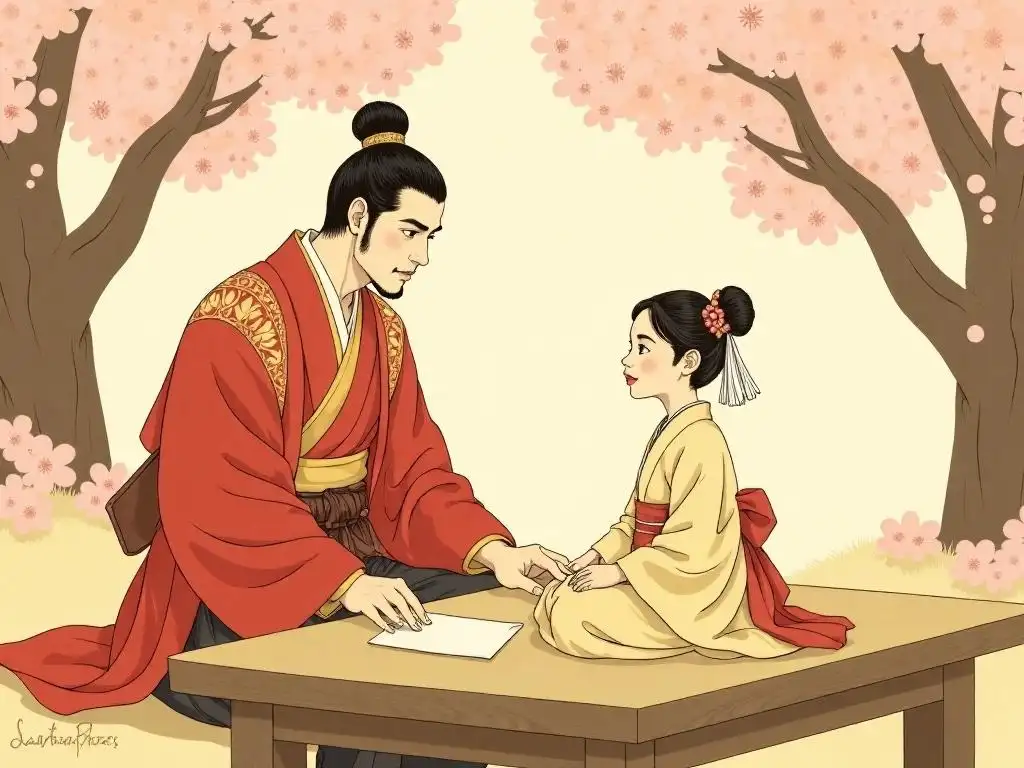
Welcome to Feudal Japan History, where we invite you to embark on an intriguing journey through the captivating world of Japan’s feudal era. In our latest article, “The Role of Family in Samurai Daily Life: Honor, Duty, and Tradition,” we delve into the rich tapestry of samurai family life traditions, exploring how honor and duty shaped the very essence of their daily existence.
What rituals and customs defined their familial bonds, and how did these practices influence their societal standing? Prepare to uncover the profound connections that defined the samurai way of life, igniting your curiosity to learn more about this fascinating historical landscape.
Introduction to Samurai Family Life Traditions
The samurai, Japan's esteemed warrior class, were not only bound by their martial obligations but also by a rich tapestry of family traditions that shaped their daily lives. These traditions were steeped in concepts of honor, duty, and loyalty, influencing not just their personal conduct but also the broader societal norms of feudal Japan.
Understanding samurai family life traditions offers a window into the values that governed their existence and the intricate relationships that defined their world. This exploration will delve into how familial ties influenced samurai behavior and decision-making, revealing the profound impact of family on their identity and responsibilities.
Overview of Samurai Culture
Samurai culture was characterized by a unique code of ethics known as Bushido, which emphasized virtues such as loyalty, honor, and bravery. With a focus on martial prowess, samurai were also expected to embody the ideals of cultured refinement. This duality of warrior and scholar was expressed in pursuits such as poetry, calligraphy, and tea ceremonies.
Key aspects of samurai culture include:
- Bushido Code: Guiding principles that dictated samurai behavior.
- Cultural Practices: Engagement in arts, literature, and philosophy.
- Hierarchy and Loyalty: Strong loyalty to one's lord and family.
Importance of Family in Samurai Society
Family was the cornerstone of samurai life, serving as the primary unit of social organization and identity. A samurai's honor and reputation were closely tied to the conduct of their family members, making familial loyalty paramount. The family lineage not only determined social status but also dictated the expectations placed on each member.
In samurai society, the significance of family can be summarized as follows:
- Social Status: Family lineage influenced one’s standing within the samurai hierarchy.
- Inheritance of Values: Traditions and codes of conduct were passed down through generations.
- Support Systems: Families provided emotional and financial support during times of conflict.
Historical Context of Samurai Family Life
To fully appreciate the role of family in samurai daily life, it is essential to understand the historical context in which these traditions flourished. The evolution of samurai family structures unfolded against the backdrop of Japan's shifting political landscape, particularly during the feudal era.
Evolution of Samurai Family Structures
The samurai family structure evolved significantly over the centuries, reflecting broader social changes. Initially, samurai families were often extended clans, where multiple generations lived together, sharing responsibilities and resources. As Japan transitioned into a more centralized feudal system, nuclear families began to emerge, with a focus on individual households.
Key points regarding the evolution include:
- Clan-Based Organization: Early samurai families operated as large clans.
- Shift to Nuclear Families: Increased focus on individual households in later periods.
- Role of Women: Women played crucial roles in managing households and maintaining family honor.
Influence of Feudal System on Family Dynamics
The feudal system profoundly influenced samurai family dynamics, establishing rigid hierarchies and expectations. Under this system, loyalty to one’s lord often took precedence over familial bonds, leading to complex moral dilemmas. Families were frequently involved in political alliances, marriages, and conflicts, which shaped their relationships and obligations.
The impact of the feudal system can be highlighted through:
- Loyalty vs. Family Duty: Balancing obligations to the lord and family.
- Marriage Alliances: Strategic marriages to strengthen political ties.
- Impact of Warfare: How conflicts affected family structures and relationships.
By exploring these dimensions of samurai family life traditions, we gain valuable insights into the intricate interplay between personal obligations and societal expectations that defined this unique era in Japanese history.
Core Values of Samurai Family Life
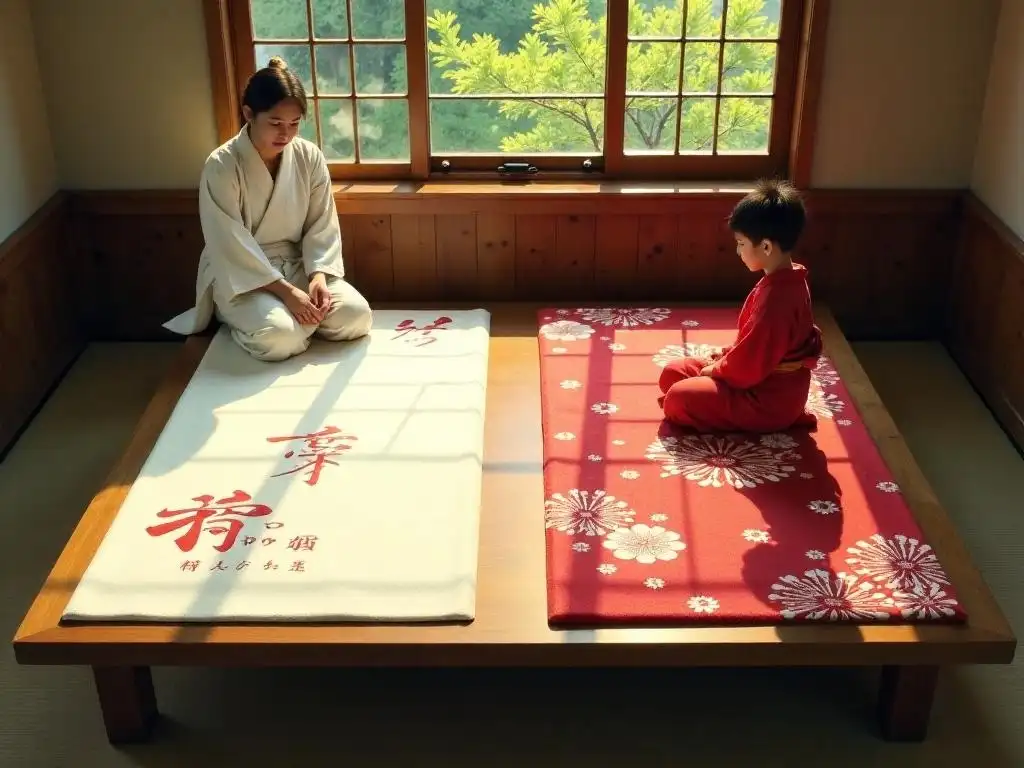
The samurai class, known for their martial prowess and strict code of conduct, placed immense importance on family values that shaped their daily lives. Central to samurai family life were principles such as honor, duty, and tradition, which not only influenced personal behavior but also defined social interactions and community standing. These core values established a framework within which samurai families operated, ensuring that each member upheld the family's reputation and responsibilities.
Honor as a Pillar of Samurai Families
Honor, or "bushido," was the cornerstone of samurai ethics and directly impacted family life. In samurai culture, personal and family honor was paramount; it dictated how individuals conducted themselves in society and how they were perceived by others. Disgrace could not only tarnish an individual's reputation but also bring shame upon the entire family lineage. This led to a culture where samurai families instilled the importance of maintaining honor from a young age, teaching their children the significance of integrity, loyalty, and respect.
Honor was often demonstrated through various familial practices, such as the ritual of seppuku (ritual suicide) which a samurai might undertake to restore honor after a disgraceful event. This extreme measure reflected the lengths to which samurai were willing to go to uphold their family's name and honor, illustrating just how deeply intertwined honor was with their daily lives.
Duty and Responsibility within the Family
Duty was another critical aspect of samurai family life, encompassing a range of responsibilities that each family member was expected to fulfill. Samurai were not only warriors but also heads of households who managed land, resources, and the welfare of their families. This dual role meant that they had to balance their obligations as warriors with their responsibilities at home.
Men were typically seen as the providers and protectors, ensuring the family's safety and financial stability through their military service and land management. Women, on the other hand, played vital roles in maintaining the household, managing finances, and educating children. Their duties included preserving family traditions, overseeing domestic affairs, and contributing to the family's honor through moral guidance and support.
Children were taught from an early age about their roles within the family structure, understanding that each member's duty contributed to the family's overall success and reputation. This sense of duty fostered a strong work ethic and a commitment to family, which were hallmarks of samurai life.
The Role of Tradition in Samurai Households
Tradition was the thread that wove together the fabric of samurai family life. Samurai households adhered to strict customs that governed behavior, ceremonies, and even the passing down of knowledge. These traditions were not mere cultural artifacts; they were vital to maintaining the family's heritage and ensuring the continuity of samurai values across generations.
Rituals such as tea ceremonies, ancestral worship, and seasonal celebrations served to reinforce family bonds and instill a sense of identity and belonging among family members. Each tradition carried specific meanings and teachings, often relating to honor, duty, and respect for ancestors. Families would gather to participate in these customs, reinforcing their collective memory and commitment to the samurai way of life.
Moreover, the transmission of martial knowledge and skills was steeped in tradition. Training in martial arts, strategy, and weaponry often took place within the family, ensuring that each generation upheld the legacy of the samurai. These practices helped solidify the family's place within the broader samurai hierarchy and maintained their social standing.
Daily Routines of Samurai Families
The daily routines of samurai families were structured and disciplined, reflecting their adherence to the values of honor, duty, and tradition. These routines not only facilitated the smooth operation of the household but also provided opportunities for family members to reinforce their roles and responsibilities.
Morning Rituals and Responsibilities
Mornings in a samurai household began early, often with spiritual and physical rituals. Samurai would typically start their day with meditation or prayer, aligning themselves with their values and preparing for the challenges ahead. This practice was an important aspect of maintaining clarity and focus, essential for both their martial duties and family responsibilities.
After spiritual preparations, samurai would attend to their physical training, which included practicing martial arts, archery, or horseback riding. This not only kept them in peak condition but also reinforced their commitment to their warrior role.
Following their training, family members would engage in various household chores. Men might oversee the maintenance of their land or weapons, while women would manage domestic tasks, such as preparing meals or tending to children. These responsibilities were shared, emphasizing teamwork and cooperation within the family unit.
Family Gatherings and Ceremonies
Family gatherings were integral to samurai life, serving as opportunities to strengthen familial bonds and celebrate shared traditions. Ceremonies marked significant life events, such as births, marriages, and seasonal changes, and were often elaborate affairs that included rituals and feasting.
During these gatherings, stories of ancestors were recounted, reinforcing the family’s lineage and heritage. Such practices not only honored the past but also instilled a sense of pride and belonging among family members. Importantly, these ceremonies often highlighted the family's commitment to maintaining their honor and traditions, further embedding these values in the next generation.
Education and Training of Samurai Children
The education of samurai children was a critical component of family life, with a strong emphasis on moral and martial training. Boys were trained in the arts of war, strategy, and governance, learning the skills necessary to uphold their family's honor. This training often began at a young age, as children were instructed in both physical and intellectual disciplines.
Girls, while not trained for combat, received education in domestic management, ethics, and the arts, preparing them to be future matriarchs who would uphold family traditions and values. They were taught the importance of loyalty, respect, and the management of household affairs, ensuring that the family's honor was preserved in all aspects of life.
Overall, the education and training of children were designed to instill a deep sense of duty towards their family and society, ensuring the continuity of samurai values and traditions for generations to come.
Gender Roles within Samurai Family Life
In the feudal era of Japan, the samurai family was structured around clearly defined gender roles that dictated the responsibilities and expectations of both men and women. These roles were not only influenced by the societal norms of the time but were also deeply embedded in the principles of Bushido, the samurai code of conduct. Understanding these gender roles provides insight into the dynamics of samurai family life and how honor, duty, and tradition were prioritized within the household.
The Role of Samurai Men in Family Life
Samurai men held a central role within the family, often regarded as the primary providers and protectors. Their responsibilities extended beyond mere economic support; they were expected to embody the virtues of courage, loyalty, and honor. Samurai men were typically engaged in military training and governance, which required them to maintain physical fitness and strategic prowess.
Additionally, they were responsible for the education of their children, especially sons, who were groomed to follow in their father's footsteps. This education encompassed martial skills, literature, and philosophy, ensuring that the values of Bushido were instilled from a young age. Furthermore, men were often seen as the head of the household, making crucial decisions regarding family affairs, land management, and alliances, which were essential for maintaining status and power in the samurai hierarchy.
Responsibilities of Samurai Women and Mothers
While samurai men dominated the public sphere, women played a vital role in the domestic environment. Samurai women were responsible for managing the household, which included overseeing servants, maintaining the family's estate, and ensuring that household affairs ran smoothly. They were tasked with preserving family heritage through the transmission of traditions and values to their children.
Mothers were particularly influential in shaping their children's character and moral compass. They taught not only domestic skills but also the principles of Bushido, emphasizing loyalty, respect, and honor. Women were expected to embody virtues such as patience and resilience, reflecting the ideals of a supportive and dutiful spouse. In some cases, women were also involved in the arts, such as poetry and calligraphy, contributing to the cultural and intellectual life of the samurai family.
Intergenerational Relationships in Samurai Families
Intergenerational relationships within samurai families were characterized by respect, duty, and adherence to tradition. Elders were revered, and their wisdom was sought in matters of family governance and decision-making. The presence of grandparents often provided stability and continuity, as they passed down knowledge and traditions to younger generations.
In many instances, the family hierarchy was strictly observed, with the eldest son being groomed to inherit the family's status and responsibilities. This system ensured that the family's legacy was maintained while younger siblings were expected to support their elder brother and contribute to the family's honor in other ways. The relationships within the family unit were thus defined by a blend of love, obligation, and respect for the established order, reinforcing the samurai's commitment to family duty.
The Impact of Bushido on Family Life
Bushido, the code of the samurai, profoundly influenced all aspects of samurai life, including family dynamics. This ethical framework emphasized virtues such as loyalty, honor, and self-discipline, which were not only applicable on the battlefield but also within the family context. The principles of Bushido shaped the way family members interacted with one another and with their extended kin, creating a culture that prioritized familial loyalty and responsibility.
Understanding Bushido: The Way of the Warrior
Bushido, often translated as "the way of the warrior," encapsulated the ideals and ethics that samurai were expected to follow. It emphasized virtues like loyalty to one's lord, the importance of honor, and the necessity of self-discipline. This code provided a moral framework that guided samurai in their personal lives and extended into their family relationships.
In practice, Bushido taught samurai to value their family's honor above all else, fostering a sense of duty that permeated daily life. The principles of Bushido encouraged samurai to act with integrity and to maintain a sense of honor in their interactions both within the family and in the broader community.
How Bushido Principles Shape Family Values
The principles of Bushido significantly shaped family values by encouraging behaviors that aligned with honor and respect. Loyalty to family was paramount; samurai were expected to protect their family members and uphold their dignity at all costs. This loyalty extended to the obligation of caring for elderly relatives and ensuring that the family's reputation remained untarnished.
Additionally, the emphasis on education and moral development, rooted in Bushido, meant that samurai families prioritized the cultivation of virtues in their children. Family gatherings often served as opportunities to reinforce these values, with discussions focused on honor, duty, and the importance of family legacy.
Case Studies of Notable Samurai Families and Their Traditions
Several notable samurai families exemplify the impact of Bushido on family life and traditions. For instance, the Tokugawa family, which established the Edo period, demonstrated a commitment to family loyalty and governance. Their emphasis on education and strategic alliances showcases how Bushido principles were integrated into family life.
Another example is the Takeda clan, known for their strict adherence to Bushido. The clan's warrior ethos fostered a strong sense of unity and purpose among family members, highlighting the importance of collective honor and duty.
These case studies illustrate how samurai families not only adhered to the teachings of Bushido but also actively practiced its principles in their daily lives, ensuring that traditions and values were passed down through generations.
Challenges Faced by Samurai Families
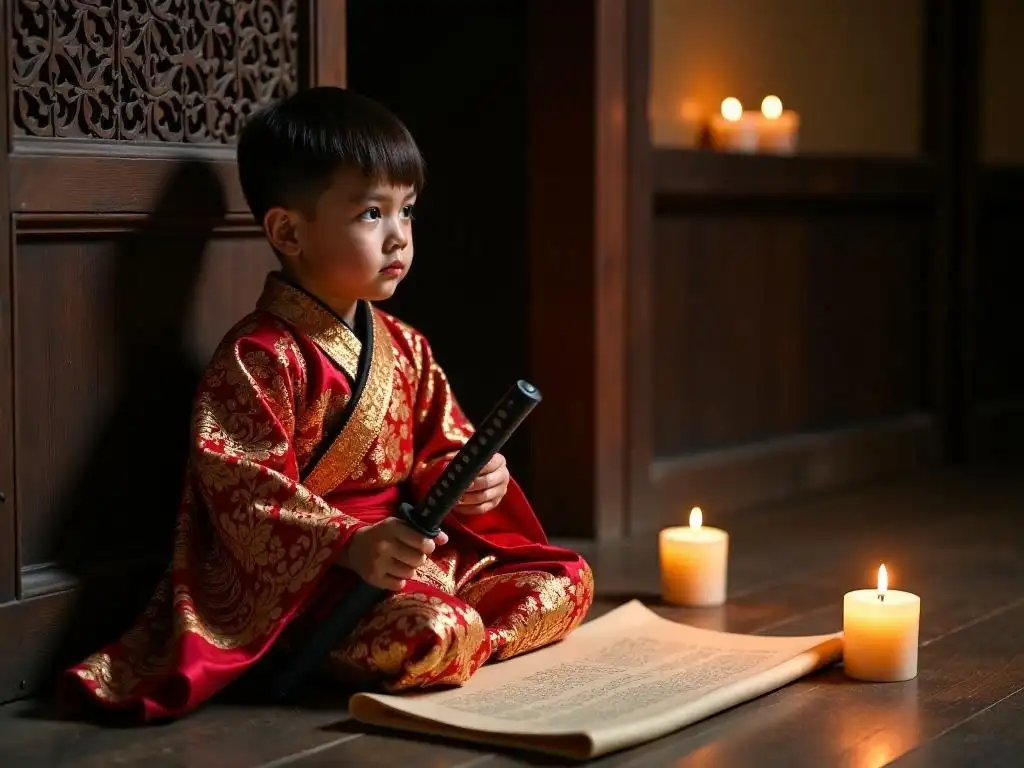
The samurai families of feudal Japan faced numerous challenges that tested their resilience and adaptability. These challenges were deeply intertwined with the social, political, and economic landscape of the era. Understanding these difficulties provides insight into the complexities of samurai family life and the values that governed their existence.
Social Changes and Their Impact on Family Life
As Japan transitioned from the chaotic Sengoku period to the more stable Edo period, social structures began to shift. The rigid class system established by the Tokugawa shogunate impacted samurai families significantly. With the imposition of peace, many samurai found their roles diminished as warriors, leading to a crisis of identity.
- Economic Strain: Samurai families often faced economic difficulties due to the fixed stipends provided by the shogunate. The decline in military engagements meant fewer opportunities for wealth accumulation through warfare, forcing families to adapt to a more bureaucratic existence.
- Cultural Shifts: The rise of merchant classes and the emphasis on trade led to a reevaluation of honor and status. Samurai families had to navigate these new social dynamics while maintaining their traditions and values, which often clashed with the more commercial outlook of the burgeoning merchant class.
The Strain of War and Duty on Family Relationships
The samurai code of Bushido emphasized loyalty, honor, and duty, often placing immense pressure on family relationships. The expectations placed upon samurai men to uphold their family's honor through military service and personal conduct frequently came at a cost.
- Separation Due to Duty: Many samurai were required to leave their families for extended periods due to military campaigns or administrative assignments. This separation could lead to emotional strain and a disconnect from familial bonds.
- Gender Roles and Expectations: Women in samurai families bore the burden of maintaining the household and managing responsibilities in their husbands' absence. This often included educating children in the ways of honor, duty, and tradition, creating a dual pressure as they also dealt with the societal expectations of loyalty and support.
Adaptation and Resilience of Samurai Families
Despite the challenges they faced, samurai families demonstrated remarkable adaptability and resilience. Their ability to navigate social changes while preserving their core values is a testament to their strength.
- Innovative Solutions: Many samurai families sought alternative sources of income, such as engaging in agriculture, craftsmanship, or trading. This diversification helped them sustain their households during periods of economic hardship.
- Cultural Preservation: Families invested in the education of their children, ensuring that traditional values and skills were passed down through generations. This focus on cultural transmission allowed samurai families to maintain a sense of identity and continuity despite the changing times.
Conclusion: The Legacy of Samurai Family Traditions
The legacy of samurai family traditions is deeply embedded in Japanese culture and continues to resonate today. Understanding the challenges faced by these families provides a richer appreciation of their contributions to Japanese society.
Lasting Influence on Japanese Culture
The values of honor, duty, and loyalty that were central to samurai family life have left an indelible mark on modern Japanese culture. These principles are reflected in various aspects of society, including business ethics, familial relationships, and social conduct.
- Cultural Practices: Traditional practices such as the tea ceremony, martial arts, and calligraphy often emphasize discipline and respect, echoing the samurai's dedication to personal and familial honor.
- Literature and Media: The romanticized portrayal of samurai family life in literature and film continues to captivate audiences, reinforcing the ideals of loyalty and sacrifice that characterized their existence.
Reflection on Honor, Duty, and Tradition in Modern Society
In contemporary Japan, the concepts of honor, duty, and tradition remain relevant, albeit in different forms. The influence of samurai family traditions can be observed in the way modern Japanese society values family ties, responsibility, and cultural heritage.
- Modern Family Dynamics: While the structure of families has evolved, the emphasis on respect and duty within familial relationships persists. Parents continue to instill values of honor and resilience in their children, drawing on the rich history of the samurai tradition.
- Cultural Identity: The samurai legacy serves as a source of national pride, shaping Japan's cultural identity and offering a framework for understanding the complexities of modern social interactions and familial obligations.
The examination of samurai family life traditions reveals a profound and lasting impact on Japanese culture, demonstrating the enduring relevance of honor, duty, and tradition in shaping societal values.
Further Reading on Samurai Family Life Traditions
Exploring the traditions surrounding samurai family life offers a deeper understanding of their values, social structures, and the intricate balance of honor and duty that defined their existence. For those interested in broadening their knowledge on this captivating topic, a variety of resources are available. Below are some recommended readings and visual media that can provide further insights into the samurai's familial relationships and cultural practices.
Recommended Books and Articles
-
"Bushido: The Soul of Japan" by Inazo Nitobe
This classic work delves into the ethical and moral code of the samurai, emphasizing how family values influenced their conduct. Nitobe explores the impact of family honor and loyalty on samurai behavior.
-
"The Samurai: A Military History" by John M. McCaskey
This comprehensive history provides insights into the samurai's military duties and how these shaped familial roles and expectations. It discusses the interplay between military obligations and family responsibilities.
-
"Samurai Families: A Study of the Samurai's Domestic Life" by David J. McCauley
This book offers an in-depth examination of samurai households, focusing on the roles of men, women, and children within the family structure. It highlights how familial relationships influenced samurai identity.
-
"Women Warriors: An Unexpected History" by Pamela D. Toler
Toler's work sheds light on the often-overlooked roles women played in samurai families, exploring their influence on family life and the preservation of traditions.
-
Articles in "The Journal of Japanese Studies"
Academic journals often contain articles that explore various aspects of samurai life, including family dynamics, traditions, and social structures. Subscribing to or accessing this journal can provide a wealth of scholarly perspectives.
Documentaries and Visual Media on Samurai Culture
-
"The Last Samurai" (2003)
While a dramatization, this film provides a portrayal of samurai culture and emphasizes the importance of family honor and duty. It offers a cinematic view of how these values permeated daily life.
-
"Samurai: Behind the Sword" (PBS Documentary)
This documentary explores the samurai's historical context, including their family life and societal roles. It presents interviews with historians and reenactments that bring samurai traditions to life.
-
"The Samurai: A History" (History Channel)
This series delves into the evolution of samurai culture, including the familial aspects of their lives. It provides visuals and narratives that illustrate the samurai's commitment to family and tradition.
-
"Secrets of the Samurai Sword" (National Geographic)
This documentary focuses on the craftsmanship of the samurai sword, but also touches upon the cultural significance of the sword within the family, symbolizing honor and legacy.
-
YouTube Channels such as "The Samurai Archives"
This channel contains a wealth of videos discussing various aspects of samurai culture, including family life. It offers both educational content and visual anecdotes that can enhance understanding of samurai traditions.
By engaging with these recommended resources, readers can gain a nuanced appreciation for the complexities of samurai family life traditions, contributing to a richer understanding of their historical and cultural significance.
- Introduction to Samurai Family Life Traditions
- Overview of Samurai Culture
- Importance of Family in Samurai Society
- Historical Context of Samurai Family Life
- Core Values of Samurai Family Life
- Daily Routines of Samurai Families
- Gender Roles within Samurai Family Life
- The Impact of Bushido on Family Life
- Challenges Faced by Samurai Families
- Conclusion: The Legacy of Samurai Family Traditions
- Further Reading on Samurai Family Life Traditions
Frequently Asked Questions
What were the main family life traditions of the Samurai?
Samurai family life was characterized by strict hierarchical structures, where honor, duty, and loyalty were paramount. Family members were expected to uphold the values of the Samurai code, known as Bushido.
How did honor influence Samurai family relationships?
Honor played a crucial role in Samurai families, dictating behavior and decision-making. Each member's actions were often driven by the desire to maintain the family's reputation and integrity in society.
What role did duty play in Samurai household dynamics?
Duty was central to the Samurai way of life, requiring individuals to prioritize family obligations over personal desires. This sense of duty extended to serving their lords and protecting their family's interests.
How did Samurai traditions impact the upbringing of children?
Samurai traditions emphasized the education of children in martial skills, ethics, and family values. This ensured that future generations were prepared to uphold the family's honor and participate in society as responsible Samurai.
Were there any significant rituals in Samurai family life?
Yes, Samurai families engaged in various rituals that reinforced their values, such as tea ceremonies and ancestral worship. These rituals served to strengthen family bonds and foster a sense of belonging within the Samurai community.
Final Reflection: The Enduring Legacy of Samurai Family Life Traditions
The intricate tapestry of samurai family life traditions remains profoundly relevant today, as we navigate our own values of honor, duty, and tradition in a rapidly changing world. The lessons drawn from the samurai's commitment to family and societal roles resonate deeply, reminding us that the essence of our relationships and responsibilities shapes not only our identities but also the communities we inhabit. In a time when individualism often overshadows collective values, the samurai's dedication to family serves as a powerful reminder of the strength found in unity and shared purpose.
Cultural narratives surrounding the samurai continue to influence our understanding of family dynamics and societal obligations. The samurai's emphasis on honor and duty is not merely a relic of the past but a guiding principle that can inspire contemporary family structures. As we reflect on these traditions, we can appreciate how they foster resilience and integrity within families. Honor is not about being right; it is about being true to oneself and one’s family.
This perspective invites us to consider how we can embody these values in our own lives, creating a legacy of respect and commitment for future generations.
As we conclude this exploration of samurai family life traditions, I encourage you to reflect on your own familial relationships and the values that guide them. Consider how you can integrate the principles of honor, duty, and tradition into your daily life. Whether through acts of kindness, open communication, or a commitment to shared values, you have the power to cultivate a family environment that honors the past while embracing the future. Let the legacy of the samurai inspire you to forge deeper connections and uphold the traditions that matter most in your life.
Embrace the Spirit of Family: Step into Samurai Heritage!
Thank you for diving into the fascinating world of samurai family life! By understanding their values of honor, duty, and tradition, you’ve taken the first step toward appreciating the intricate ties that shaped their society. Now, let’s turn that inspiration into action!
Here’s how you can connect further with this rich heritage:
- Explore the Traditions: Visit a local museum or cultural center featuring samurai artifacts to truly immerse yourself in their history.
- Start a Family Discussion: Gather your family for an evening and discuss what honor and duty mean to each of you—how do these values connect to your lives today?
- Share Your Insights: Post your reflections on social media to join a broader conversation about the impact of family in shaping cultures.
What tradition from your own family resonates most with the values of the samurai? We invite you to share your thoughts in the comments below!