
The Impact of War on Samurai Daily Life: Adapting to Conflict

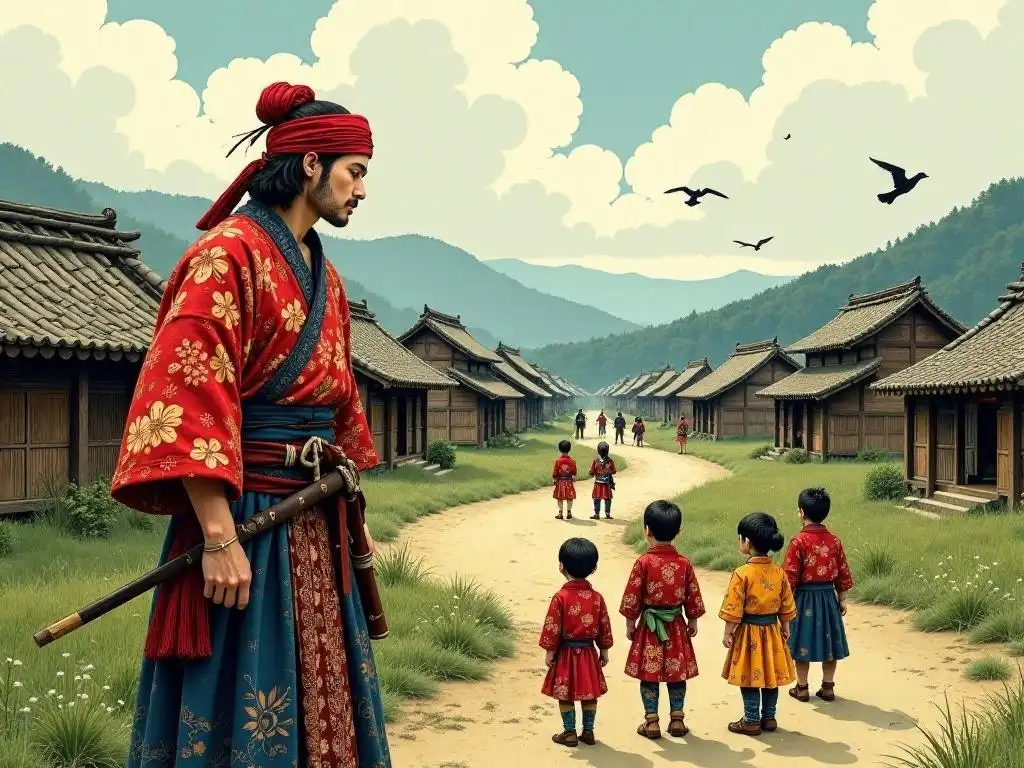
Welcome to Feudal Japan History, where the echoes of a bygone era resonate through our expertly crafted articles. Dive into the captivating world of the samurai and uncover the intricacies of their daily life during war. How did these legendary warriors adapt to the relentless tides of conflict? Join us on this journey as we unravel the profound impact of warfare on their culture, society, and existence. Prepare to be intrigued as we explore the resilience and transformation of the samurai in times of strife.
Introduction to Samurai Daily Life During War
The samurai, often romanticized in popular culture, were more than just noble warriors clad in armor; they were integral to the social fabric of feudal Japan. Their daily lives, particularly during periods of conflict, were profoundly shaped by the realities of war.
Understanding how warfare influenced samurai daily life is essential to grasping the complexities of Japanese history and the evolution of its warrior class. This article delves into the intricate details of how samurai adapted to the relentless demands of conflict, examining the interplay between their martial duties and personal lives, as well as the broader societal implications of war on their existence.
Overview of the Feudal Era in Japan
The feudal era in Japan, spanning from the late 12th century to the 19th century, was characterized by a rigid social hierarchy and frequent military conflicts among powerful clans. This period saw the rise of the samurai as a distinct social class, often serving as vassals to feudal lords, known as daimyo. The samurai's primary role was to protect their lord's interests, which frequently required them to engage in battle.
Key features of this era included:
- Political Fragmentation: The decentralization of power led to constant skirmishes and wars among rival factions.
- Cultural Flourishing: Despite the turmoil, this period fostered significant cultural advancements, including the development of unique Japanese arts, tea ceremonies, and literature.
- Economic Changes: War affected trade and agriculture, leading to shifts in economic structures and the emergence of new classes.
Understanding this context is crucial for appreciating how samurai navigated their daily lives amid the chaos of war.
Importance of Understanding Samurai Life in Times of Conflict
Grasping the daily life of samurai during wartime is vital for several reasons:
- Historical Insight: It sheds light on how war shaped social structures and cultural practices in feudal Japan.
- Cultural Relevance: The samurai's experiences during conflict have left an enduring legacy in Japanese culture, influencing modern literature, film, and art.
- Lessons in Resilience: Examining their adaptability can offer contemporary insights into how societies cope with conflict and change.
Through this exploration, we can gain a deeper appreciation for the samurai's enduring impact on both Japanese history and modern society.
The Role of Samurai in Society During War
Samurai were not merely warriors; they were also vital components of the social and political machinery of feudal Japan. Their roles extended beyond the battlefield, influencing various aspects of society during times of conflict.
The Samurai's Duty and Code of Conduct
The samurai were bound by a strict code known as Bushido, which emphasized loyalty, honor, and martial prowess. This ethical framework dictated their conduct both on and off the battlefield. Key aspects of Bushido included:
- Loyalty to the Lord: Samurai were expected to serve their daimyo faithfully, often placing their lord's needs above their own.
- Honor in Battle: Engaging in combat with courage and skill was paramount, as defeat could lead to disgrace.
- Compassion and Justice: Despite their warrior status, samurai were also expected to act with benevolence towards those they governed.
This code shaped their identities and influenced their daily lives, particularly during periods of conflict.
Impact of War on Samurai Status and Responsibilities
War had a significant impact on the status and responsibilities of samurai. As conflicts arose, their roles often shifted, leading to changes in their social standing. Notable effects included:
- Elevation in Status: Successful warriors could ascend the social hierarchy, gaining land and wealth.
- Increased Responsibilities: As leaders in their communities, samurai were tasked with maintaining order and ensuring the welfare of their subjects during tumultuous times.
- Psychological Toll: The constant threat of war and the burden of leadership often placed immense pressure on samurai, impacting their mental and emotional well-being.
Through this lens, we can see how the samurai adapted to the challenges of war, navigating complex social dynamics while upholding their responsibilities.
Daily Activities of Samurai During Wartime
During wartime, the daily life of samurai underwent significant alterations, heavily influenced by the constant threat of conflict. While their roles as warriors were paramount, samurai also balanced their duties with various other responsibilities. Daily activities typically included a mixture of martial training, administrative tasks, and community involvement.
Training and Martial Arts Practices
Training was an essential component of a samurai's daily routine, particularly during periods of heightened conflict. Samurai engaged in rigorous martial arts practices, honing their skills with various weapons such as the katana, yari (spear), and naginata. This training often took place in the early hours of the morning and included:
- Kata: Practicing pre-arranged forms of combat to refine technique and discipline.
- Sparring: Engaging in controlled combat with peers to simulate actual battle conditions.
- Horseback Riding: As cavalry played a crucial role in warfare, maintaining proficiency in mounted combat was vital.
Moreover, many samurai participated in training sessions led by masters of different martial arts, allowing them to learn diverse combat styles and strategies, ensuring they were prepared for any scenario on the battlefield.
The Shift in Domestic Responsibilities
The realities of war necessitated a shift in the domestic responsibilities of samurai. With many samurai away on campaigns, their families often took on increased roles in managing estates and resources. Women and elderly family members were tasked with:
- Farm Management: Overseeing agricultural production to ensure food supplies remained stable.
- Financial Oversight: Handling finances and trade to maintain economic stability within their domains.
- Community Defense: Organizing local defense efforts and ensuring the safety of their households.
This redistribution of responsibilities reflected not only the strains of warfare but also the adaptability of samurai families, showcasing their resilience in preserving their way of life amidst conflict.
Social Engagements and Community Involvement
Despite the overarching presence of war, samurai maintained social engagements and community involvement, which were vital for fostering loyalty and camaraderie. Samurai participated in various social activities, including:
- Festivals and Ceremonies: Engaging in local celebrations, which provided a temporary respite from the harsh realities of war.
- Mentorship: Providing guidance and training to younger samurai and aspiring warriors, ensuring the transmission of martial skills and bushido values.
- Local Governance: Involvement in local councils or assemblies to address community concerns and maintain order during turbulent times.
These activities reinforced not only their status but also their commitment to the welfare of the community, creating a bond that was essential for morale during wartime.
Adaptations in Samurai Culture Due to War
The constant presence of warfare led to profound adaptations in samurai culture, influencing various aspects of their lives and societal roles. This cultural evolution was reflected in their rituals, arts, and even fashion, as the realities of conflict reshaped their identities.
Changes in Rituals and Traditions
Warfare necessitated modifications in samurai rituals and traditions, particularly those associated with honor and death. The samurai code of bushido emphasized loyalty and valor, which were often commemorated through:
- Memorial Services: Conducting rituals to honor fallen comrades, reinforcing the ideals of loyalty and sacrifice.
- Vow Ceremonies: Formalizing commitments to avenge fallen warriors, which were significant in maintaining morale and warrior spirit.
- Adaptation of Tea Ceremonies: While originally a peaceful ritual, the tea ceremony evolved to include elements that emphasized resilience and the acceptance of mortality.
These changes illustrated how war impacted the spiritual and cultural dimensions of samurai life, shaping their collective identity.
Influence of Warfare on Samurai Arts and Literature
The tumultuous nature of war also had a profound influence on samurai arts and literature. Artistic expressions often reflected the struggles and triumphs of battle, with notable developments including:
- War Chronicles: Samurai wrote detailed accounts of their experiences in battle, contributing to historical records and folklore.
- Thematic Shifts in Art: Traditional art forms, such as painting and poetry, increasingly depicted scenes of valor, heroism, and the tragic consequences of war.
- Literary Works: Authors and poets began to explore themes of honor, loss, and the fleeting nature of life, mirroring the samurai's experiences on the battlefield.
These artistic adaptations served not only as a means of personal expression but also as a way to communicate the samurai ethos to future generations.
The Evolution of Samurai Fashion in Conflict
Fashion among samurai also evolved in response to the demands of warfare. Practicality became paramount, leading to changes in attire that facilitated movement and combat readiness. Key adaptations included:
- Armor Design: Innovations in armor construction, such as lighter materials and more flexible designs, allowed for increased mobility without sacrificing protection.
- Functional Clothing: Everyday garments were crafted from durable fabrics, enabling samurai to transition seamlessly from battle to civilian life.
- Symbolic Elements: Clothing often bore clan insignia or motifs symbolizing valor, loyalty, and heritage, serving as a reminder of their duties even in peacetime.
This evolution in fashion not only reflected the samurai’s readiness for conflict but also reinforced their identity as warriors committed to their code and traditions.
The Psychological Impact of War on Samurai Daily Life
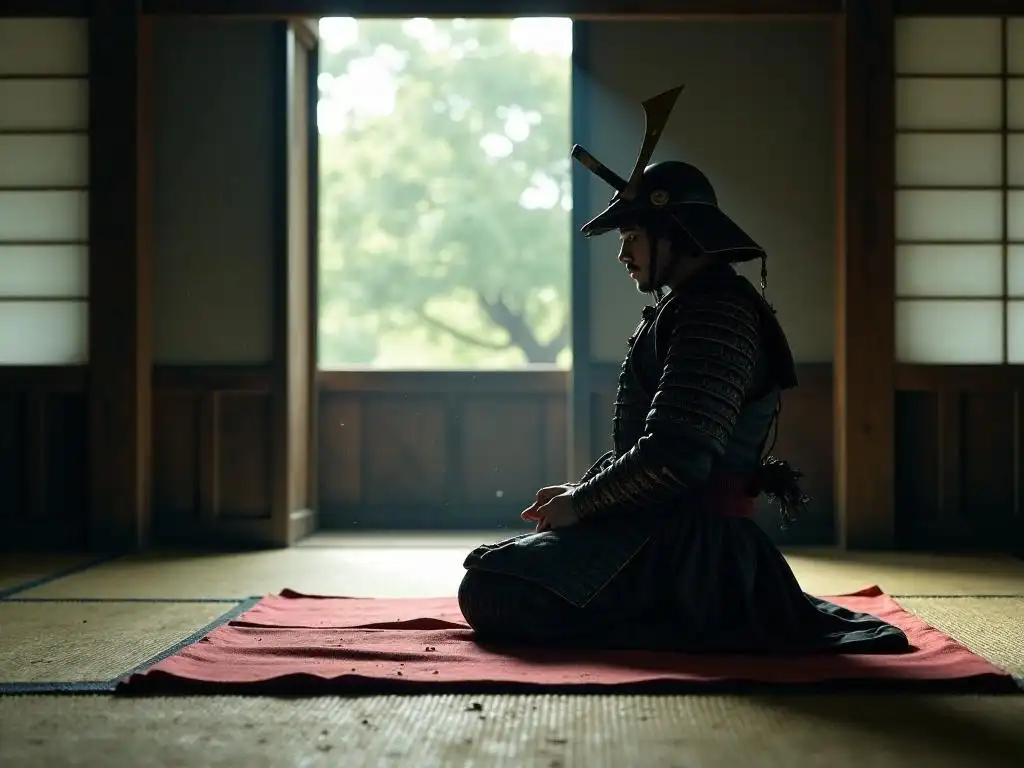
The psychological toll of war on samurai was profound, significantly influencing their daily lives. Engaged in constant conflict, samurai faced the specter of death, loss, and the burden of their responsibilities as warriors. The fear of failure and dishonor weighed heavily on their minds, often leading to a sense of anxiety that permeated their everyday existence. The warrior ethos that dictated their lives required them to suppress emotions, making it challenging for many to process the trauma associated with battle.
Samurai were trained from a young age to embody resilience and stoicism. However, the realities of war often clashed with these ideals. The witnessing of comrades falling in battle and the violent chaos of warfare could lead to psychological conditions akin to what we now recognize as PTSD. This persistent stress could manifest in various ways, affecting their focus, relationships, and overall well-being.
The impact of war extended beyond the battlefield, affecting samurai's perception of honor and duty. The constant threat of conflict forced them to adapt their identities, navigating a delicate balance between their roles as warriors and their responsibilities to their families and communities. As a result, many samurai found themselves in a perpetual state of mental strife, struggling to reconcile their expectations with the brutal realities of their world.
Coping Mechanisms for Stress and Trauma
In response to the psychological pressures of warfare, samurai developed various coping mechanisms. One of the primary methods of coping was through the practice of Zen Buddhism, which emphasized mindfulness and meditation. This spiritual approach allowed samurai to cultivate inner peace amidst the chaos and violence surrounding them.
Moreover, the arts played a crucial role in providing an outlet for emotional expression. Many samurai engaged in poetry, painting, or calligraphy, channeling their feelings into creative pursuits that offered solace and reflection. These activities not only served as a form of therapy but also helped maintain their cultural identity during tumultuous times.
Additionally, camaraderie among warriors provided a vital support network. Samurai often shared their experiences and feelings with fellow warriors, fostering bonds that could alleviate some of the emotional burdens of battle. This sense of brotherhood was essential for maintaining morale and resilience during prolonged periods of conflict.
The Influence of War on Samurai Family Life
The impact of war on samurai family life was significant and multifaceted. As samurai were frequently called to battle, family structures often experienced upheaval. Wives and children were left to manage households in their absence, leading to increased responsibilities for women. They took on roles that extended beyond traditional domestic duties, becoming the backbone of the family unit during times of conflict.
The emotional strain of war also affected familial relationships. During prolonged campaigns, samurai could become estranged from their families, leading to feelings of disconnection and loss. The fear of death or injury loomed large, creating a pervasive atmosphere of uncertainty. Families had to navigate the complexities of honor and duty, often making sacrifices for the sake of their samurai.
Furthermore, the war's disruptions had long-term effects on lineage and inheritance. With many warriors perishing in battle, the traditional passing of wealth and land could be altered, impacting the social standing of families. The need to secure the family’s legacy often forced surviving members to adapt to changing socio-economic realities, reshaping their daily lives and future prospects.
The Connection Between Warrior Identity and Daily Existence
The samurai identity was intricately linked to their daily existence, deeply rooted in the code of bushido, which emphasized loyalty, honor, and martial skill. War was not merely a profession; it was a defining aspect of their lives that shaped their values and behaviors. The expectations placed upon samurai to perform valiantly in battle often dictated their actions, even in peaceful times.
Daily life for samurai involved rigorous training and preparation for combat, which became a habitual routine. Their physical and mental conditioning was paramount, as they sought to embody the ideal of the warrior at all times. This relentless pursuit of excellence could lead to a narrow focus on martial abilities, sometimes at the expense of other aspects of life, such as family relationships or personal interests.
Additionally, the constant presence of war influenced cultural expressions among samurai. Poetry, literature, and art often reflected themes of conflict, heroism, and the transient nature of life, revealing how the warrior identity permeated every facet of daily existence. The interplay between their roles as fighters and their aspirations for personal growth created a complex tapestry of experiences that defined the samurai way of life.
Economic Changes Affecting Samurai During War
The economic landscape for samurai was dramatically altered by the realities of war. As conflicts arose, the allocation of resources became a critical concern, influencing everything from daily sustenance to military supplies. The demands of warfare necessitated changes in how samurai managed their wealth and landholdings, often leading to significant socio-economic shifts.
Resource Allocation and Supply Management
Effective resource allocation was essential for samurai leaders to sustain their forces during wartime. The need for weapons, armor, provisions, and horses required careful planning and management. Samurai clans developed intricate supply chains to ensure that their warriors were adequately equipped, often relying on local farmers and artisans to meet their needs.
As conflicts escalated, the pressures of supply management increased. Samurai leaders had to secure alliances and negotiate with merchants to procure necessary goods, which sometimes involved complex bartering systems. The ability to maintain a steady supply line could determine the outcome of battles, making economic strategies just as important as martial prowess.
Additionally, the redistribution of resources often led to tensions within communities. Farmers and laborers were frequently called upon to support their samurai lords, straining local economies. This dynamic created a cycle of dependency and conflict, as samurai needed to balance their military needs with the welfare of those they governed.
The Impact of War on Samurai Wealth and Landholdings
War significantly affected the wealth and landholdings of samurai. In times of conflict, territorial disputes often resulted in the loss or acquisition of land, leading to shifts in power dynamics among clans. Successful samurai could gain substantial wealth through conquests, but losses in battle could mean devastating economic repercussions.
The feudal system meant that samurai were often tied to the land they governed. As wars raged, the instability could lead to the decline of agricultural production, impacting the income generated from their estates. This fluctuation in wealth forced many samurai to adapt their lifestyles, sometimes resulting in a shift from a focus on luxury to a more austere existence.
Moreover, the rise and fall of clans during wartime could lead to a broader redistribution of wealth across the social hierarchy. Samurai who lost their standing often faced financial ruin, while new leaders could emerge with newfound power and resources, reshaping the economic landscape of feudal Japan.
Trade and Economy During Wartime
Trade and economic activities were profoundly impacted by the specter of war. The constant threat of conflict disrupted traditional trade routes and markets, leading to scarcity of goods. Samurai and their clans were often forced to adapt their economic practices to navigate these challenges, relying more on local resources and barter systems.
During wartime, the demand for certain goods, such as weapons and armor, surged, impacting prices and availability. Samurai had to be vigilant in managing their resources, often leading them to explore new trade opportunities or forge alliances with merchants to secure necessary supplies.
Additionally, the economic landscape during wartime was characterized by a shift towards self-sufficiency. Many samurai sought to fortify their estates, creating agrarian communities that could sustain themselves in the face of prolonged conflict. This shift not only changed the daily lives of samurai but also altered the socio-economic fabric of feudal Japan as communities adapted to the realities of war.
Conclusion: The Legacy of War on Samurai Daily Life
The legacy of war profoundly shaped the daily lives of the samurai, influencing their roles, responsibilities, and cultural identity. As constant warfare became a defining aspect of the feudal era in Japan, samurai were compelled to adapt their daily routines, societal structures, and even their personal philosophies. The trials of battle not only honed their martial skills but also instilled a sense of duty and loyalty that transcended individual ambition, fostering a collective identity rooted in honor and sacrifice.
The impact of war on samurai daily life is evident in various aspects, from the way they trained for combat and strategized during conflicts to their interactions with other classes and the broader society. The necessity to prepare for and recover from warfare led to innovations in military tactics, weaponry, and even the arts of living, ensuring that samurai remained resilient despite the chaos surrounding them. Ultimately, the dynamic between war and daily life forged a unique culture that continues to resonate in Japanese society today.
Reflection on Samurai Adaptability to Conflict
The samurai's adaptability was paramount to their survival and success in a constantly shifting landscape of conflict. Throughout the feudal era, these warriors exhibited remarkable resilience, adjusting their lifestyles to accommodate the demands of warfare. This adaptability manifested in various ways, including the development of new strategies for combat, the establishment of alliances, and the integration of peacetime practices that would support their martial endeavors.
Samurai not only adapted their physical training regimens but also their mental preparation. The philosophy of bushido, or "the way of the warrior," emerged as a guiding principle, emphasizing virtues such as loyalty, courage, and self-discipline. This ethical code helped samurai navigate the uncertainties of war while maintaining their honor and social standing. The ability to adapt extended beyond the battlefield; samurai engaged in cultural pursuits, such as poetry and tea ceremonies, which allowed them to cultivate a refined image even amidst the brutality of conflict.
Lasting Effects of Warfare on Samurai Culture and Society
The lasting effects of warfare on samurai culture and society are evident in many facets of Japanese history. The constant presence of conflict fostered a warrior-centric culture that celebrated bravery and martial prowess, leading to the establishment of a social hierarchy that prioritized the samurai class. This elevated status influenced various aspects of governance, art, and literature, as samurai became the archetypal heroes in stories that celebrated their valor and sacrifice.
Furthermore, the repercussions of war extended beyond the samurai themselves, impacting the broader social fabric of Japan. The reliance on samurai for protection and governance resulted in a feudal system where loyalty and land ownership were intricately linked. As a consequence, the socio-economic dynamics of the time were molded by the need for military support, leading to a society where warfare was not merely a series of battles but a way of life that affected all classes.
Further Reading and Exploration
For those interested in delving deeper into the intricate relationship between war and samurai daily life, a variety of resources are available that offer insights into this fascinating period in Japanese history.
Recommended Sources on Samurai History and Daily Life
- "Hagakure: The Book of the Samurai" by Yamamoto Tsunetomo: - A classic text that provides profound insights into the samurai ethos and the cultural context of their daily lives during times of war.
- "Samurai: The Last Warrior" by John Man: - This book explores the evolution of the samurai, offering a comprehensive overview of their roles in war and peace.
- "The Samurai: A Military History" by Stephen Turnbull: - An in-depth examination of samurai military tactics, strategies, and the impact of warfare on their daily existence.
Related Topics in Feudal Japan History
- The Role of Bushido in Samurai Culture
- The Evolution of Samurai Warfare Tactics
- Daily Life in Feudal Japan: Beyond the Samurai
- The Interplay of Politics and Warfare in Feudal Japan
These topics further illustrate the complex tapestry of samurai life during war, providing a broader understanding of their impact on Japanese history and culture.
- Introduction to Samurai Daily Life During War
- The Role of Samurai in Society During War
- Daily Activities of Samurai During Wartime
- Adaptations in Samurai Culture Due to War
- The Psychological Impact of War on Samurai Daily Life
- Economic Changes Affecting Samurai During War
- Conclusion: The Legacy of War on Samurai Daily Life
- Further Reading and Exploration
Frequently Asked Questions
What was the primary role of samurai during wartime?
The primary role of samurai during wartime was to serve as warriors and protect their lords' interests, often engaging in combat and leading troops into battle.
How did war affect the daily routines of samurai?
War significantly disrupted daily routines, forcing samurai to prioritize military training, strategy discussions, and preparation for battle over their usual activities.
What were some common practices of samurai during wartime?
Common practices included sharpening weapons, conducting military drills, and participating in strategic planning sessions to ensure readiness for conflict.
How did samurai adapt their lifestyle to the demands of war?
Samurai adapted by focusing on discipline, honor, and loyalty, often sacrificing personal comforts to fulfill their duties and maintain their warrior ethos.
Did war impact the cultural aspects of samurai life?
Yes, war influenced cultural aspects such as art, literature, and philosophy, often inspiring works that reflected the struggles and ideals of the samurai during conflict.
Final Reflection: The Enduring Legacy of Samurai Daily Life Amidst Conflict
The intricate relationship between war and the daily lives of samurai reveals a profound truth: even in the face of relentless conflict, the essence of culture and identity perseveres. As we explore the impact of war on samurai daily life, we uncover not only the adaptations they made but also the resilience that defined their existence. The lessons learned from their experiences resonate deeply in today's world, reminding us that even in tumultuous times, our core values and traditions can guide us through adversity.
Culture is often shaped by the trials of its people, and the samurai exemplified this notion through their unwavering commitment to honor and duty. The way they navigated the complexities of war while maintaining their cultural practices and social structures continues to influence our understanding of resilience in the face of challenges. In the midst of chaos, there is also opportunity.
This quote encapsulates the spirit of the samurai, who found ways to adapt and thrive despite the turmoil surrounding them. Their legacy serves as a reminder that our identities can be fortified through the trials we endure.
As we reflect on the lessons from the samurai's daily life during war, I invite you to consider how you can apply these insights in your own life. What values do you hold dear that can guide you through your personal conflicts? Embrace the spirit of adaptability and resilience that the samurai embodied, and let it inspire you to navigate your own challenges with grace and strength. In doing so, you not only honor their legacy but also forge a path of your own, enriched by the wisdom of those who came before us.
Embrace the Spirit of Resilience!
Thank you for exploring the fascinating intersection of war and daily life in feudal Japan. You’ve uncovered how samurai adapted to the turmoil around them, gaining insights that still resonate today. Now it’s time to put this knowledge into action!
Here are a few steps you can take to deeply engage with this topic:
- Dive deeper by exploring the rich history of samurai culture—consider reading about their codes of conduct and daily rituals.
- Share your insights with friends or on social media— discuss what lessons of resilience from the samurai can be applied to modern challenges.
- Join our community! Participate in our forums to connect with fellow history enthusiasts who share your passion for this critical era.
How do you think the resilience of the samurai can inspire our own responses to contemporary challenges?