
Daily Life in the Castle: What It Meant to Live Like a Samurai

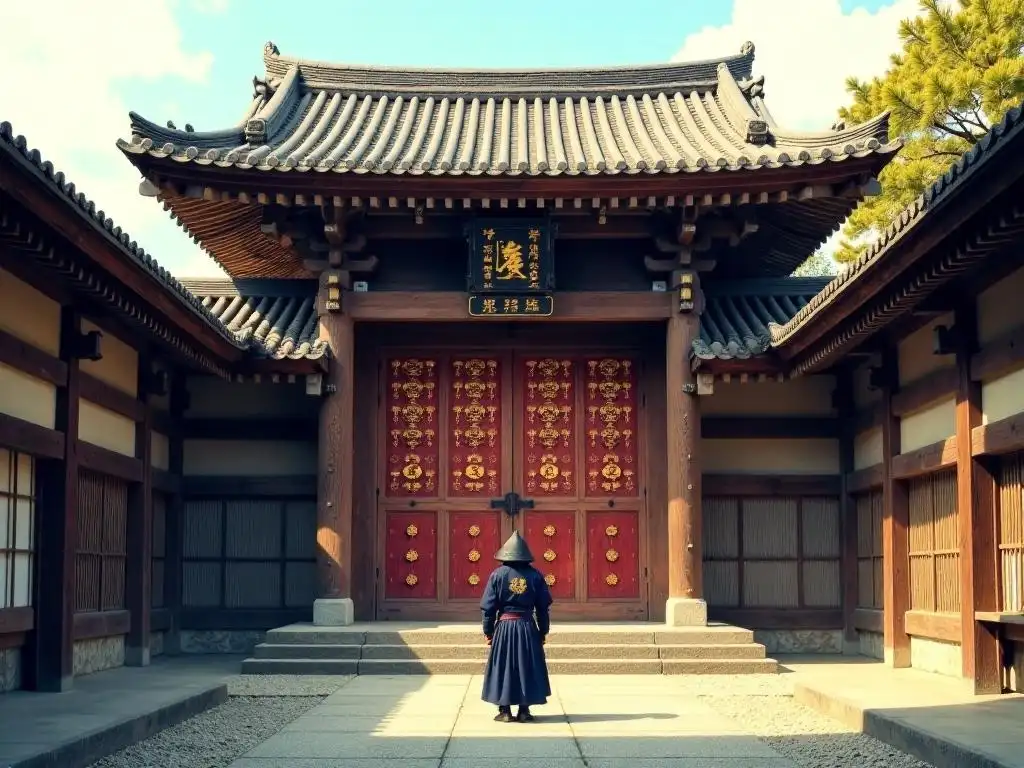
Welcome to Feudal Japan History, where we invite you to embark on a fascinating journey back in time to explore the intricate tapestry of Japan’s feudal era. In our featured article, “Daily Life in the Castle: What It Meant to Live Like a Samurai,” we delve deep into the world of the samurai, revealing the rituals, responsibilities, and daily routines that defined their existence within the castle walls. What was it truly like to uphold honor and duty in a time of conflict and artistry?
Join us as we uncover the secrets of samurai life, sparking your curiosity and inspiring you to delve further into the rich history of this captivating period. Your adventure into the heart of feudal Japan begins now!
Living as a samurai during Japan's feudal era was an experience steeped in tradition, discipline, and a unique social structure. The samurai were not just warriors; they were also an integral part of the governing class, possessing a significant influence over the cultural and political landscapes of their time. This article delves into the daily life of samurai, exploring the intricacies of their existence within castle walls. By examining their roles, values, and routines, we gain a comprehensive understanding of what it truly meant to live as a samurai in feudal Japan.
Understanding the Samurai Class
The Role of Samurai in Feudal Japan
The samurai class emerged during the Heian period (794-1185) and became prominent in the subsequent Kamakura period (1185-1333). Their primary role was to act as military retainers for the nobility, providing protection and enforcing the will of their lords. This relationship was not merely one of service; samurai often held significant power and privilege, allowing them to influence political decisions and local governance.
- Feudal Duties: Samurai were expected to engage in battles, train continuously, and maintain their skill with weapons.
- Land Ownership: Many samurai were granted land in exchange for their loyalty, allowing them to cultivate wealth and influence.
- Bushi and Samurai: The term "bushi" refers to the warrior class, encompassing samurai but also other armed retainers, illustrating the broader context of military culture in Japan.
Characteristics of Samurai Culture
Samurai culture was characterized by a complex code of conduct known as Bushido, or "the way of the warrior." This ethical framework emphasized virtues such as bravery, honor, and self-discipline.
- Art and Aesthetics: Beyond warfare, samurai were also patrons of the arts, engaging in practices such as calligraphy, tea ceremonies, and poetry.
- Education and Philosophy: Many samurai pursued education in literature and philosophy, reflecting a well-rounded approach to their societal role.
The Importance of Honor and Loyalty
At the heart of samurai culture was the concept of honor. A samurai's reputation was paramount, dictating their actions and relationships. This reverence for honor was often intertwined with loyalty to their lord, which could lead to extreme actions, including seppuku (ritual suicide) in cases of dishonor.
- Loyalty to the Daimyo: The samurai's loyalty was typically directed towards a daimyo, a feudal lord, forming a bond that was both personal and political.
- Consequences of Dishonor: Loss of honor could result in social ostracization or death, emphasizing the stakes involved in samurai life.
Daily Life of Samurai in the Castle
Overview of Samurai Living Conditions
The physical environment of a samurai's life within a castle was both functional and symbolic. Castles served as fortified dwellings, often built with intricate designs and strategic layouts to provide security and demonstrate power.
- Housing Structure: Samurai typically resided in tatami-matted rooms adorned with minimal yet elegant furnishings, reflecting their aesthetic values.
- Cultural Spaces: Castles were often equipped with tea rooms, gardens, and shrines, allowing samurai to engage in cultural practices and spiritual reflection.
Typical Daily Routine of a Samurai
A samurai's daily routine was regimented, reflecting their commitment to discipline and duty.
- Morning Rituals: The day often began with early morning exercises, followed by meditation and prayers.
- Training and Duties: After rituals, samurai would engage in training sessions, honing their martial skills, and fulfilling various duties dictated by their lord.
- Social Engagement: Evenings could involve participating in cultural activities, hosting guests, or attending banquets, where the samurai’s social status was both maintained and reinforced.
By exploring these aspects of samurai life, we gain invaluable insights into the daily existence of these iconic figures in Japanese history. Their experiences, rooted in a blend of martial prowess and cultural refinement, continue to resonate in the modern understanding of Japan's feudal past.
The social structure within a samurai castle was intricate and hierarchical, reflecting the broader feudal system of Japan. At the top of this hierarchy was the Daimyo, the feudal lord, who commanded vast territories and held significant power over the samurai and their retainers. Below the Daimyo were the Samurai, who served as warriors and administrators, often holding land in exchange for their loyalty and military service. This clear stratification ensured that every individual within the castle understood their role and responsibilities.
Relationship with the Daimyo
The relationship between samurai and their Daimyo was paramount. Samurai were bound by loyalty and honor, often summarized in the concept of Bushido, or the "way of the warrior." This code emphasized allegiance, bravery, and self-discipline. A samurai's status depended largely on their Daimyo's favor; promotions and land grants were awarded based on loyalty and valor in battle. Moreover, many samurai participated in council meetings to advise the Daimyo on military and administrative matters, fostering a sense of partnership despite the power disparity.
Interactions with Other Samurai
Interactions among samurai were governed by a complex set of social norms and etiquette. Kinship ties, clan affiliations, and ranks played significant roles in these interactions. Samurai often engaged in formal duels or challenges to settle disputes, which were seen as honorable ways to demonstrate skill and bravery. Social gatherings, such as banquets, provided opportunities for networking and building alliances, essential for maintaining their status and influence.
Role of Servants and Retainers
Servants and retainers were integral to the daily life of samurai within the castle. These individuals, often referred to as vassals, were bound by loyalty to their samurai masters. They performed various tasks, including household management, maintaining the castle, and preparing for battles. The relationship between samurai and their retainers was typically reciprocal; while samurai provided protection and livelihood, retainers offered unwavering loyalty and service. This dynamic was crucial for the functioning of the samurai's household and the castle's day-to-day operations.
Cultural Practices and Traditions
Cultural practices and traditions played a vital role in the daily life of samurai, reflecting their values, beliefs, and social standing. These practices not only defined their identity but also reinforced the hierarchical structure of society.
Traditional Clothing and Armor
Traditional clothing for samurai was both practical and symbolic. The kimono was the everyday attire, characterized by its elegant designs and rich materials. During formal occasions or battles, samurai donned armor, which was not only functional but also a display of status. The armor, often adorned with clan symbols, served to intimidate foes and instilled pride among allies. The craftsmanship of armor was highly regarded, and samurai took great care in maintaining their gear as it represented their honor and martial prowess.
Cuisine: What Did Samurai Eat?
The cuisine of samurai was reflective of their status and the agricultural practices of the time. A typical diet included rice, which was a staple food, accompanied by fish, vegetables, and occasionally meat. Meals were often simple yet nutritious, focusing on seasonal ingredients. Samurai also enjoyed tea ceremonies, which highlighted the importance of tea culture in their lives. These ceremonies were not just about drinking tea; they served as a means of cultivating discipline and social bonds.
Festivals and Celebrations in Samurai Life
Festivals and celebrations were significant events in samurai life, providing opportunities for relaxation and community bonding. Major festivals, such as the Gion Matsuri or Tanabata, featured elaborate processions, traditional performances, and rituals that honored deities and showcased local culture. These events allowed samurai to step away from their martial duties, engage in social festivities, and reinforce their connections with the community. Celebrations often included feasting, games, and martial arts demonstrations, emphasizing both the cultural and warrior aspects of samurai identity.
The Influence of Zen Buddhism on Samurai Life
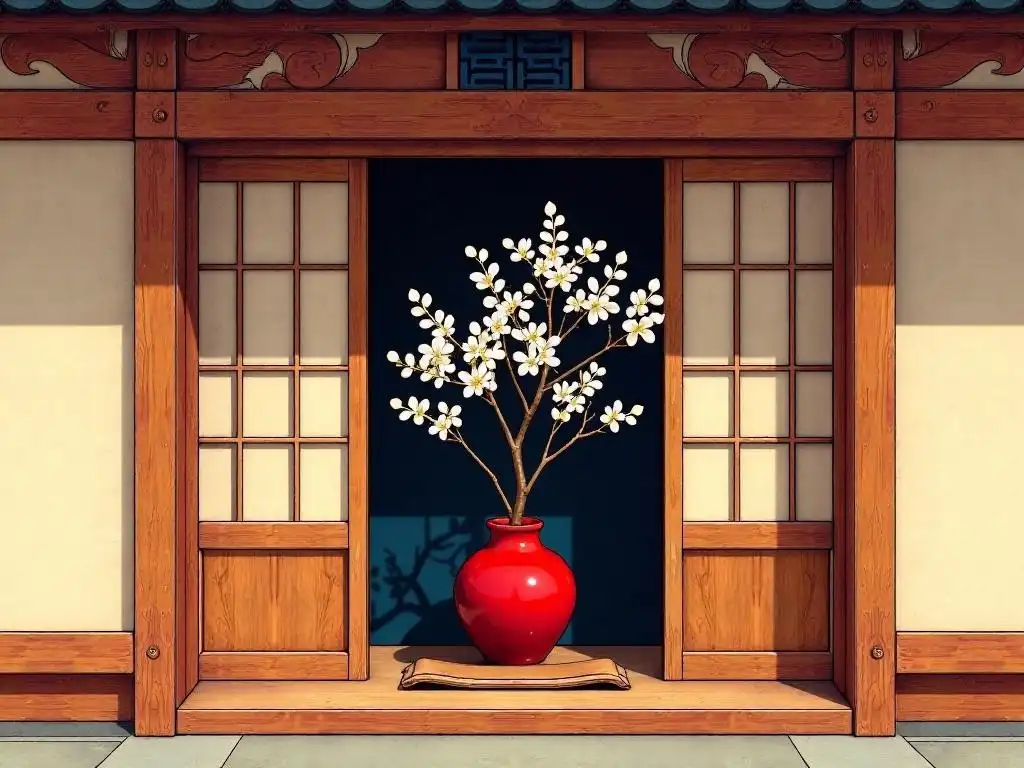
Zen Buddhism played a pivotal role in shaping the daily life and mindset of samurai during Japan's feudal era. The principles of Zen, emphasizing mindfulness, discipline, and inner peace, resonated deeply with the samurai's code of conduct known as Bushido. This influence permeated various aspects of their lives, from their approach to combat to their interactions with others. The integration of Zen philosophies not only provided a spiritual foundation for the samurai but also helped them navigate the complexities of their societal roles.
The samurai saw Zen as a means to cultivate a state of mental clarity, essential for both warfare and peaceful living. This belief system encouraged them to embrace simplicity and focus on the present moment, fostering a sense of purpose and tranquility amid the chaos of their turbulent lives. The meditative practices inherent in Zen Buddhism also offered a way to reconcile the violent nature of their existence with the pursuit of inner balance.
Meditation and Spiritual Practices
Meditation was a cornerstone of Zen practice among samurai. Through various forms of meditation, such as zazen (seated meditation), samurai sought to quiet their minds, enhancing their concentration and emotional resilience. This practice was particularly beneficial before engaging in battle, allowing them to center themselves and eliminate distractions.
In addition to zazen, samurai often participated in rituals that combined martial training with spiritual reflection. For example, the practice of kendo (the way of the sword) was not just a physical discipline but also a spiritual journey. Each swing of the sword was imbued with intention and focus, reflecting the samurai's commitment to both their martial skills and their spiritual growth.
Furthermore, the aesthetics of Zen were evident in the samurai's surroundings, from the design of their gardens to the arrangement of their tea ceremonies. These spaces were meticulously crafted to encourage contemplation and tranquility, reinforcing the importance of environment in their spiritual practice.
The Role of Zen in Daily Routines
Zen teachings influenced the samurai's daily routines, emphasizing the importance of mindfulness in all actions. Whether it was during training, eating, or even engaging in household chores, samurai adhered to the principle of being fully present in the moment. This focus on mindfulness fostered discipline and a deep sense of appreciation for the mundane aspects of life.
Rituals such as the tea ceremony were also integral to samurai life, serving as an expression of Zen aesthetics. These ceremonies were not merely social events; they were opportunities for samurai to practice mindfulness, creativity, and respect for tradition. The meticulous attention to detail in preparing and serving tea mirrored the samurai's dedication to their craft and way of life.
Moreover, Zen's influence extended to the samurai's interactions with others. The principles of compassion, humility, and respect were foundational in their relationships, whether with peers, subordinates, or family members. This created a societal structure where honor and loyalty were paramount, reflecting Zen's emphasis on harmonious living.
Challenges Faced by Samurai in Daily Life
Despite their noble status, samurai faced numerous challenges in their daily lives, shaped by the turbulent political landscape and the demands of their roles within the feudal system. These challenges often tested their resilience and adaptability, requiring them to navigate complex social dynamics and personal struggles.
Political Intrigue and Rivalries
The life of a samurai was often fraught with political intrigue and rivalries that could disrupt their daily existence. The feudal system was marked by shifting alliances, betrayals, and power struggles among various clans. Samurai were frequently drawn into conflicts that went beyond mere battlefield engagements; they had to maneuver through a landscape of deception and strategic planning.
This political instability affected their personal lives, as loyalty to one's lord could lead to conflicts with family and friends who might be aligned with rival factions. Samurai had to balance their allegiance to their clan with their own personal relationships, which often led to moral dilemmas and emotional strain. The constant threat of betrayal added to the pressure, making it imperative for samurai to remain vigilant and shrewd in their interactions.
The Impact of War on Daily Living
War was an omnipresent factor in the lives of samurai, profoundly influencing their daily routines and overall lifestyle. The need to prepare for battle dictated much of their time, with rigorous training and strategic planning taking precedence over leisure or personal pursuits.
The impact of war also extended to their families, who often faced the uncertainty of whether their loved ones would return home. This anxiety permeated daily life, affecting relationships and mental well-being. Additionally, the devastation caused by conflicts could disrupt local economies and communities, forcing samurai to adapt to changing circumstances and sometimes leading to poverty and hardship.
The samurai's military obligations often meant that their personal desires and aspirations were secondary to their duty. This relentless focus on warfare created a culture where martial prowess was celebrated, but at the cost of personal fulfillment and peace.
Managing Personal Relationships and Family Life
Balancing personal relationships and family life was a significant challenge for many samurai. The samurai code of Bushido emphasized loyalty and honor, which often conflicted with the demands of family life. Samurai were expected to uphold their duties to their lords and clan, sometimes at the expense of their relationships with spouses and children.
Marriage among samurai was often arranged for political or strategic reasons, which could lead to emotional distance between partners. While some samurai developed strong bonds with their wives, others struggled with the disconnect caused by societal expectations and obligations. The role of women in samurai households was complex, as they were responsible for managing domestic affairs while also navigating the expectations placed upon them by their warrior husbands.
In raising children, samurai were tasked with instilling the values of Bushido and preparing their offspring for a potential life of warfare. This emphasis on martial training sometimes overshadowed other aspects of education and emotional support, creating a challenging environment for family dynamics. The pressure to conform to societal expectations often left little room for vulnerability or open communication, complicating the relationships within samurai households.
Conclusion: The Legacy of Samurai Daily Life
The daily life of samurai in feudal Japan is a fascinating tapestry woven from the threads of discipline, honor, and cultural richness. As the warriors of their age, samurai were not just fighters; they were also custodians of complex social structures and cultural practices. Their way of life has left a profound legacy that continues to influence modern Japan, from the arts to martial traditions. Today, samurai ideals such as loyalty, respect, and self-discipline resonate in various aspects of Japanese society, including corporate culture and personal relationships, emphasizing the enduring impact of their values.
Moreover, the architectural designs of samurai castles and residences reflect the sophistication of their lifestyles, highlighting the fusion of functionality and beauty. The aesthetics of these structures, with their elegant gardens and intricate interiors, continue to inspire contemporary Japanese architecture. The samurai's commitment to education and the arts further contributed to Japan's cultural heritage, fostering traditions in literature, calligraphy, and visual arts that are celebrated even today.
Lasting Influences on Modern Japanese Culture
The influences of samurai daily life are omnipresent in modern Japanese culture, manifesting themselves in various forms.
- Martial Arts: Many martial arts practiced today, such as kendo and iaido, are rooted in the techniques and philosophies of the samurai. These disciplines not only focus on combat skills but also emphasize mental training and character development.
- Literature and Film: The romanticized narratives of samurai life continue to inspire authors and filmmakers. Works such as "The Tale of the Heike" and countless samurai-themed films, including Akira Kurosawa's classics, showcase the ideals of honor and sacrifice that characterized samurai culture.
- Cultural Festivals: Many festivals across Japan celebrate the samurai legacy, featuring parades, reenactments, and traditional performances that evoke the spirit of the samurai era.
- Fashion: The kimono, often associated with samurai, remains a symbol of Japanese cultural identity. Contemporary fashion designers draw inspiration from samurai aesthetics, integrating elements of traditional clothing into modern styles.
Reflections on the Samurai Way of Life

Reflecting on the samurai way of life reveals a complex interplay of duty, honor, and the pursuit of perfection. The samurai's commitment to their lord and their unwavering adherence to the bushido code shaped not only their lives but also the societal structures of feudal Japan.
- Bushido Code: This ethical code emphasized virtues such as integrity, courage, and benevolence. Samurai were expected to embody these principles in every aspect of their lives, influencing how they interacted with others and approached their responsibilities.
- Education and Arts: A well-rounded samurai was educated in various disciplines, including poetry, tea ceremonies, and calligraphy. This pursuit of knowledge and refinement contributed to the samurai's image as cultured warriors, bridging combat prowess with artistic expression.
- Community Impact: Samurai often held positions of leadership within their communities, acting as role models and enforcers of social order. Their decisions and actions had far-reaching consequences, shaping the lives of common folk and the very fabric of society.
Additional Resources
-
"Hagakure: The Book of the Samurai" by Yamamoto Tsunetomo
This classic text delves into the philosophy and ethical principles of the samurai, providing insight into their daily lives and values.
-
"The Samurai: A Military History" by Stephen Turnbull
This comprehensive overview offers a detailed examination of the samurai's military role throughout Japan's history, along with cultural aspects of their existence.
-
"The Book of Five Rings" by Miyamoto Musashi
Written by one of Japan's most famous samurai, this work explores the strategies and mindset of a warrior, blending martial philosophy with practical wisdom.
Documentaries and Films about Samurai Life
-
"Samurai: The Last Warrior"
This documentary explores the fading era of the samurai and the societal changes that led to their decline, featuring interviews with historians and footage of traditional samurai practices.
-
"The Last Samurai" (2003)
While a fictional narrative, this film captures the essence of samurai culture and the conflicts they faced during the Meiji Restoration, showcasing their values and way of life.
-
"The Samurai Chronicles"
A documentary series that delves into the daily lives of samurai, their roles in society, and their lasting impact on Japanese culture, featuring reenactments and expert commentary.
- Understanding the Samurai Class
- Daily Life of Samurai in the Castle
- Social Hierarchy within the Castle
- Cultural Practices and Traditions
- The Influence of Zen Buddhism on Samurai Life
- Challenges Faced by Samurai in Daily Life
- Conclusion: The Legacy of Samurai Daily Life
- Lasting Influences on Modern Japanese Culture
- Reflections on the Samurai Way of Life
- Additional Resources
- Documentaries and Films about Samurai Life
Frequently Asked Questions
What was the daily life of a samurai like?
The daily life of a samurai involved rigorous training, maintaining their martial skills, and performing duties for their lord. They balanced their time between combat preparation and administrative responsibilities.
How did samurai contribute to Japanese society?
Samurai played a crucial role as both warriors and administrators in feudal Japan. They upheld the social order and were responsible for enforcing the law and maintaining peace in their domains.
What were the living conditions in a samurai castle?
Samurai castles were designed for defense and comfort, featuring living quarters, training areas, and gardens. The environment was both a reflection of their status and a place for daily rituals and practices.
Did samurai have any leisure activities?
Yes, samurai engaged in various leisure activities such as practicing calligraphy, tea ceremonies, and poetry. These pursuits were essential to cultivate their aesthetic sensibilities and maintain a balanced lifestyle.
How did the samurai code of conduct influence their daily life?
The bushido, or way of the warrior, guided samurai in their daily actions, emphasizing values like honor, loyalty, and discipline. This code shaped their interactions with others and their approach to both combat and everyday life.
Final Reflection: Embracing the Legacy of the Samurai's Daily Life
The daily life of the samurai resonates profoundly in today's world, reminding us of the values of discipline, honor, and resilience. As we navigate our modern lives, the principles that guided these warriors continue to offer invaluable lessons. The samurai's commitment to their craft and their unwavering loyalty to their code of ethics serve as a powerful reminder of the importance of purpose and integrity in our own daily routines.
Culture is shaped by the stories we tell and the lives we lead, and the legacy of the samurai is woven into the very fabric of our society. Their daily existence was not merely about combat and valor; it encompassed a holistic approach to life that included art, philosophy, and personal growth. The samurai's dedication to self-improvement and their pursuit of knowledge continue to inspire individuals across the globe. The ultimate aim of the martial arts is not having to use them.
This quote encapsulates the essence of the samurai's way of life, emphasizing that true strength lies in restraint and wisdom.
As you reflect on the daily life of the samurai, consider how you can incorporate their values into your own life. What does honor mean to you, and how can you cultivate discipline in your daily activities? Embrace the spirit of the samurai by striving for excellence in your pursuits and fostering a sense of community and respect in your interactions. Let the lessons of the past guide you toward a future where you can embody the virtues of the samurai, creating a life rich in purpose and meaning.
Unveil the Samurai Spirit in Your Daily Life!
Thank you for taking the time to explore the fascinating world of the samurai with us today! We hope you enjoyed uncovering the rich daily life and traditions that shaped these legendary warriors. Now, it's time to embrace that spirit in your own journey.
Here are some actionable steps to deepen your connection to the samurai heritage:
- Embrace the Bushido Code: **Choose one principle from the Bushido Code**—such as honor, courage, or respect—and practice it in your daily interactions.
- Explore Samurai Culture: **Visit a local museum or a cultural exhibit** focused on feudal Japan to expand your understanding and appreciation of samurai life.
- Share Your Thoughts: **Initiate a conversation about your insights** with friends or family. Discuss how the lessons of the samurai can be applied to modern life.
What aspect of samurai culture most inspires you to make a change in your life?