
The Interplay of Duty and Leisure in the Life of a Samurai

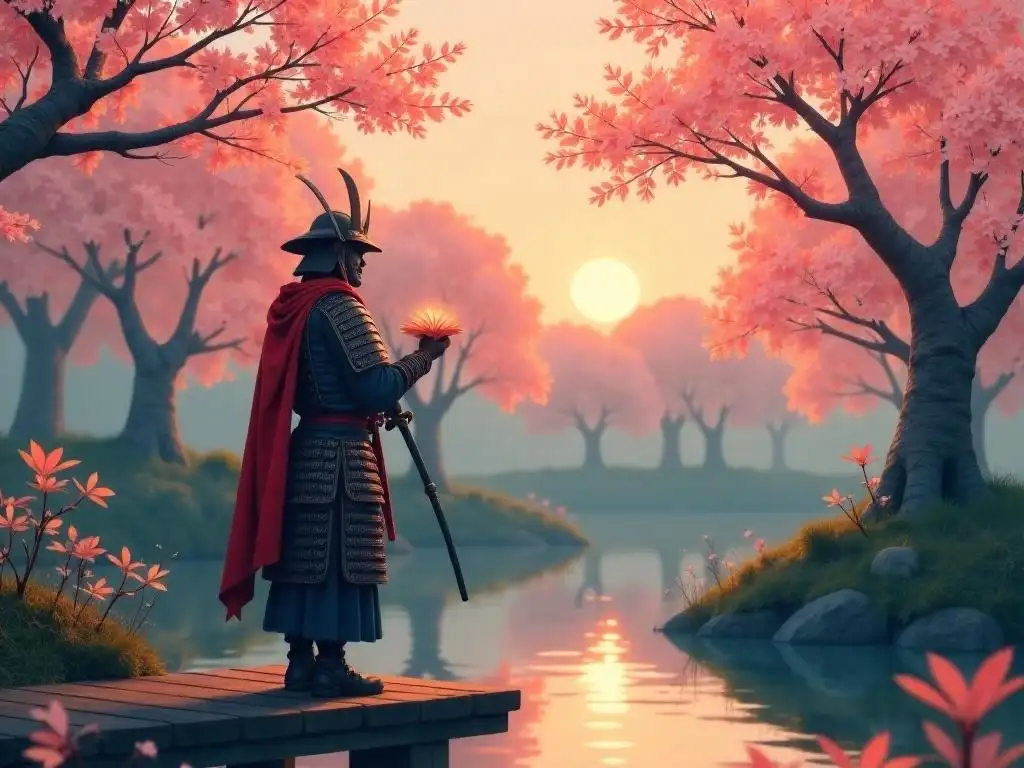
Welcome to Feudal Japan History, where we embark on an intriguing journey through the captivating world of Japan’s feudal era. In our spotlight article, “The Interplay of Duty and Leisure in the Life of a Samurai,” we delve into the complex duality of a samurai's existence—balancing the weight of honor and duty with the pursuit of leisure. What did a typical day look like for these legendary warriors, and how did their roles shape the very fabric of society?
Prepare to uncover the rich tapestry of cultural nuances that defined their lives. Join us as we unravel the stories that lie within this fascinating chapter of history!
Introduction to Samurai Duty and Leisure Life
The life of a samurai in feudal Japan is a fascinating study of contrasts, where the rigorous demands of duty seamlessly intertwine with the art of leisure. These elite warriors were not just masters of combat; they were also custodians of a rich cultural heritage that encompassed philosophy, arts, and societal values.
The concept of samurai duty and leisure life reflects the duality of their existence, illustrating how the expectations of loyalty and honor coexisted with the appreciation for beauty and tranquility. Understanding this interplay provides insight into the broader social fabric of Japan during its feudal era, revealing how samurai navigated their roles as both warriors and cultured individuals.
Overview of the Samurai Class in Feudal Japan
The samurai class emerged as a distinct social group during the late Heian period (794-1185) and became prominent through the Kamakura (1185-1333) and Muromachi (1336-1573) periods. Characterized by their martial prowess and adherence to a strict code of ethics, samurai were primarily employed as warriors for the nobility. However, their status extended beyond mere fighters; they were also landowners, administrators, and cultural patrons. This multifaceted role allowed them to influence various aspects of Japanese society, from military strategy to artistic expression.
- Key characteristics of the samurai class:
- Warriors: Skilled in martial arts and battlefield tactics.
- Governors: Managed lands and upheld law and order.
- Cultural Influencers: Engaged in literature, poetry, and the tea ceremony.
Importance of Duty and Leisure in Samurai Culture
In samurai culture, the concepts of duty and leisure were not mutually exclusive; rather, they complemented each other, creating a well-rounded individual. Duty, encapsulated by the principles of Bushido, was paramount for a samurai, dictating their actions and decisions. Conversely, leisure activities provided necessary respite, enabling samurai to cultivate their inner selves and foster connections within their communities. This balance was crucial for maintaining both physical and mental well-being, ensuring that samurai could uphold their responsibilities while also enjoying the fruits of their labor.
Understanding Samurai Duty
Definition and Significance of Samurai Duty
Samurai duty (sh duty) was a complex construct rooted in loyalty, honor, and service. It transcended mere obligation; it was a way of life that dictated not only how samurai conducted themselves in battle but also how they interacted with their peers and superiors. This deep sense of duty was essential for maintaining social order and ensuring the stability of the feudal system.
- Key elements of samurai duty:
- Loyalty: Absolute allegiance to one’s lord and clan.
- Honor: Upholding personal and familial reputation.
- Service: Commitment to the welfare of the community.
The Role of Bushido: The Way of the Warrior
Bushido, or "the way of the warrior," was the ethical code that governed the behavior of samurai. It emphasized virtues such as courage, integrity, and benevolence, shaping not only their duty but also their leisure pursuits. Adhering to Bushido meant that samurai engaged in activities that reflected their values, such as poetry, calligraphy, and martial arts, thereby enriching their character and fulfilling their societal roles.
Daily Responsibilities of Samurai: From Warfare to Governance
The daily life of a samurai was marked by a variety of responsibilities that ranged from military engagements to administrative duties. In times of peace, samurai often served as local governors, overseeing land management and justice. During periods of conflict, however, their primary focus shifted to warfare, where strategy, training, and leadership became paramount.
- Typical daily responsibilities:
- Training: Regular practice of martial arts and weaponry.
- Administration: Managing estates and resolving disputes.
- Community Engagement: Participating in local governance and cultural events.
The Balance of Honor and Duty in Samurai Life
Navigating the delicate balance between honor and duty was a hallmark of samurai life. A samurai's reputation hinged on their ability to fulfill their obligations while simultaneously maintaining personal integrity. This interplay was not only crucial for individual samurai but also for the stability of the feudal system as a whole. Engaging in leisure activities, such as tea ceremonies and poetry, allowed samurai to reflect on their duties, fostering a deeper understanding of their place within the societal hierarchy and the importance of their contributions.
The life of a samurai was a rich tapestry woven from threads of duty and leisure, each playing an essential role in shaping their identity and legacy in feudal Japan. Understanding this interplay offers valuable insights into the cultural and social dynamics of the era.
The Concept of Leisure in Samurai Life
Leisure played a crucial role in the life of a samurai, acting as a counterbalance to their rigorous duties and the demands of warfare. While the samurai were primarily warriors bound by duty to their lords and clans, leisure provided an important outlet for personal expression, mental rejuvenation, and cultural engagement. Understanding the concept of leisure in samurai life involves examining how these warriors navigated their responsibilities alongside their need for rest and recreation.
Definition of Leisure in the Context of Samurai Culture
In samurai culture, leisure was not merely a time for relaxation but an integral part of a well-rounded life. It was characterized by activities that fostered self-discipline, creativity, and intellectual growth. Leisure was seen as a necessary component of a samurai's education, allowing them to cultivate skills that complemented their martial abilities. This included engaging in the arts, philosophy, and nature, which were believed to enhance a samurai's character and effectiveness in battle. Thus, leisure was defined as purposeful time spent on activities that enriched the mind and spirit, rather than being frivolous or purely recreational.
Activities and Hobbies: Arts, Crafts, and Sports
Samurai leisure activities encompassed a diverse range of pursuits, reflecting their multifaceted interests. Key activities included:
- Martial Arts: Practicing kenjutsu (swordsmanship) and other martial disciplines was not only a duty but also a way to hone skills in a more relaxed environment.
- Tea Ceremony (Chanoyu): This refined art emphasized mindfulness, aesthetics, and social interaction, allowing samurai to cultivate a sense of harmony and discipline.
- Calligraphy and Poetry: Many samurai delved into the literary arts, composing haiku and engaging in calligraphy, which showcased their education and sensitivity to beauty.
- Ikebana (Flower Arranging): This art form allowed samurai to express creativity while fostering a connection to nature and aesthetic principles.
- Hunting and Fishing: These activities provided not just sustenance but also a way to bond with fellow samurai and engage with the natural world.
Through these hobbies, samurai not only found enjoyment but also developed virtues such as patience, respect, and appreciation for nature.
The Role of Nature in Samurai Leisure Activities
Nature played a pivotal role in samurai leisure activities, reflecting the deep connection between these warriors and the environment. Samurai often sought solace and inspiration in natural settings, viewing them as essential to personal growth and reflection.
- Gardening: Many samurai maintained gardens as a form of leisure, creating serene spaces that encouraged meditation and contemplation.
- Mountain Retreats: The practice of retreating to the mountains for solitude or training was common, underscoring the importance of nature in achieving spiritual clarity.
- Seasonal Festivals: Participation in seasonal festivals allowed samurai to celebrate the cycles of nature, fostering a sense of community while honoring the beauty of the changing seasons.
Engaging with nature provided samurai with a refuge from the chaos of duty and the rigors of warfare, enhancing their overall well-being and balance.
The Interplay Between Duty and Leisure
The relationship between duty and leisure in a samurai's life was complex, often requiring careful negotiation. Samurai were bound by a code of loyalty and honor, yet they also recognized the necessity of leisure for their physical and mental health. This interplay shaped their choices and influenced how they approached both their responsibilities and their downtime.
How Duty Influences Leisure Choices
The samurai's sense of duty significantly influenced their leisure choices, often dictating the types of activities they engaged in and the time they devoted to them.
- Prioritization of Activities: Samurai would often align their leisure activities with their duties, choosing pursuits that would enhance their skills or reflect their status. For instance, a samurai might prioritize martial arts or the tea ceremony, as these were not only pleasurable but also reinforced their social roles.
- Time Constraints: Due to constant training and obligations to their lords, leisure time was often limited. Samurai had to be strategic about how they spent their free time, often blending leisure with responsibilities, such as participating in cultural events that also served political purposes.
- Social Expectations: The samurai class was expected to uphold specific cultural practices. Their leisure activities had to align with societal norms, often involving participation in arts or rituals that displayed their refinement and adherence to bushido, the way of the warrior.
Case Studies: Famous Samurai and Their Approaches to Balancing Duty and Leisure
Examining the lives of notable samurai reveals various approaches to balancing duty and leisure:
- Miyamoto Musashi: Renowned as a master swordsman, Musashi also pursued painting and calligraphy, illustrating his belief that art and martial prowess were interconnected. His book, "The Book of Five Rings," reflects this blend of philosophy and martial duty.
- Taira no Kiyomori: A powerful warrior and statesman, Kiyomori was known for his patronage of the arts. He built the famous Byōdō-in temple and engaged in poetry, showcasing how he integrated leisure with his political and military responsibilities.
- Tokugawa Ieyasu: The founder of the Tokugawa shogunate balanced his demanding political duties with a passion for gardening and tea ceremonies, demonstrating that even the most powerful figures valued leisure as a means of grounding themselves.
These examples illustrate how different samurai navigated their dual roles, using leisure as a means to enhance their effectiveness in duty.
The Impact of War on Samurai Leisure Time
War dramatically influenced the leisure time of samurai, often altering their engagement with recreational activities.
- Increased Tension and Limited Time: During periods of conflict, samurai found their leisure time severely restricted. The constant threat of battle meant that many traditional leisure activities were curtailed or abandoned altogether.
- Shift in Focus: War necessitated a shift in priorities; leisure activities that were once integral became secondary to training and preparation for combat.
- Post-War Reflection: After periods of intense conflict, samurai often sought to reconnect with their leisure activities as a form of healing. Reengaging with the arts or nature served as a way to process trauma and restore balance after the rigors of war.
The interplay of duty and leisure in the life of a samurai highlights the complexity of their existence. While duty often took precedence, leisure provided essential respite, fostering personal growth and enriching their cultural identity. Understanding this dynamic gives us a deeper appreciation for the multifaceted life of these iconic warriors.
Cultural Practices Surrounding Duty and Leisure
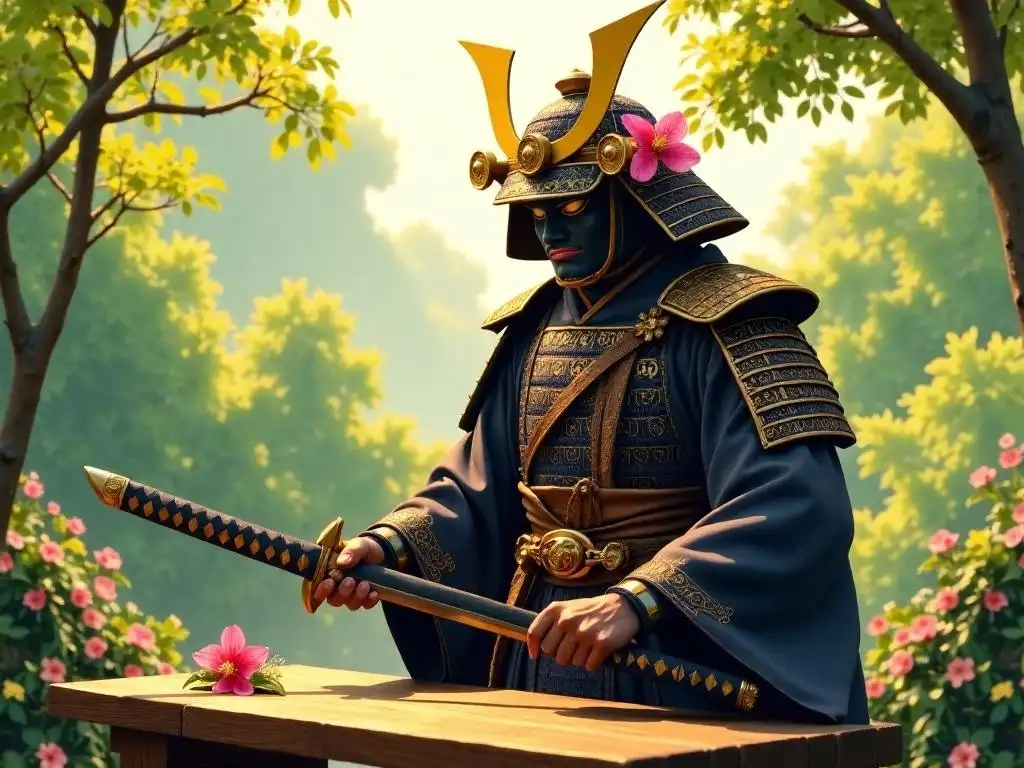
The life of a samurai was characterized by a unique interplay between duty and leisure, deeply ingrained in the cultural practices of feudal Japan. Samurai were not only warriors but also custodians of a rich cultural heritage that emphasized the balance between their obligations and personal pursuits. This balance was often reflected in various cultural practices, from martial arts to traditional arts and tea ceremonies, which were essential for a well-rounded samurai.
As members of the bushi class, samurai were expected to exhibit loyalty and discipline in their duties, serving their lords with unwavering commitment. However, the samurai were also encouraged to cultivate their minds and spirits through leisure activities. These practices included poetry, calligraphy, and the appreciation of nature, which were seen as vital components of a samurai's character development. The cultural ethos surrounding these activities emphasized that a samurai’s effectiveness in battle was complemented by his ability to engage in intellectual and artistic pursuits, thus creating a well-rounded individual.
Rituals and Ceremonies: Blending Duty with Leisure
Rituals and ceremonies played a significant role in the samurai's life, often merging the realms of duty and leisure. One of the most notable examples is the tea ceremony, or chanoyu, which transcended mere refreshment to become a spiritual practice that fostered mindfulness and tranquility. Samurai participated in these ceremonies not only to enjoy tea but to engage in a ritual that required discipline, grace, and attention to detail.
Additionally, rituals such as seppuku (ritual suicide) exemplified the ultimate expression of loyalty and duty, while simultaneously being a solemn ceremony that required careful preparation and composure. These moments underscored the samurai's dedication to their code of honor, while also highlighting the cultural rituals that provided a structured outlet for their emotions.
Moreover, festivals and seasonal celebrations provided opportunities for samurai to engage with their communities. Activities such as archery contests and martial arts demonstrations allowed them to showcase their skills while enjoying the camaraderie of their peers, blending duty with leisure in a communal setting.
The Influence of Zen Buddhism on Samurai Leisure Activities
Zen Buddhism significantly influenced the leisure activities of samurai, promoting mindfulness and the pursuit of inner peace. This philosophical perspective encouraged samurai to engage in practices that cultivated their spirit and sharpened their focus. Activities such as zazen (sitting meditation) became integral to the samurai's daily routine, providing them with the mental clarity needed for both their martial responsibilities and leisure pursuits.
The aesthetics of Zen also permeated various art forms that samurai indulged in during their leisure time. Flower arranging ( ikebana), rock gardening ( karesansui), and ink painting were not merely hobbies; they were seen as ways to express the samurai's understanding of beauty and transience. These activities required a level of discipline akin to that found in martial training, reinforcing the idea that leisure could be as demanding as duty.
Furthermore, the Zen principle of simplicity influenced the samurai's approach to leisure, leading to a preference for understated elegance in their pursuits. This philosophy allowed them to find joy and meaning in the present moment, bridging the gap between their responsibilities as warriors and their personal lives.
Conclusion: The Legacy of Samurai Duty and Leisure Life
The interplay of duty and leisure within the samurai's life has left a lasting legacy on Japanese culture and society. The values embodied by the samurai—such as loyalty, discipline, and the pursuit of harmony—continue to resonate today. Their unique cultural practices, which balanced martial prowess with artistic expression, have contributed to the rich tapestry of Japanese heritage.
Lasting Impacts on Japanese Culture and Society
The samurai's approach to duty and leisure has influenced various aspects of Japanese culture, from the arts to modern martial practices. The emphasis on discipline and mindfulness can be seen in contemporary practices such as Kendo and Aikido, where the spirit of the samurai lives on. Furthermore, traditional arts like tea ceremonies and calligraphy remain integral to Japan's cultural identity, reflecting the samurai's appreciation for beauty and precision.
In literature and film, the samurai's duality of warrior and artist has become a powerful narrative, influencing how both Japanese and global audiences perceive this iconic figure. The romanticized image of the samurai as a noble warrior who values honor and beauty continues to shape cultural expressions and societal values.
Reflections on Modern Perceptions of Samurai Duty and Leisure
In modern times, the perceptions of samurai duty and leisure have evolved, but the core principles remain relevant. While contemporary society may not require the same level of martial obligation, the samurai's dedication to personal growth and the pursuit of excellence resonates in today's fast-paced world. Many individuals draw inspiration from the samurai ethos, seeking balance in their professional and personal lives.
Moreover, the resurgence of interest in traditional practices, such as martial arts and tea ceremonies, indicates a collective yearning to reconnect with the values that defined the samurai. As society grapples with the complexities of modern life, the samurai's legacy serves as a reminder of the importance of balance, discipline, and the pursuit of a meaningful existence.
Further Reading and Resources
To gain a deeper understanding of the intricate balance between duty and leisure in the life of a samurai, various resources are available that explore historical texts, interpretations, and scholarly works. This curated list includes recommended books and online resources that provide invaluable insights into the samurai's daily life, cultural practices, and philosophical beliefs.
Recommended Books on Samurai Life
-
"Hagakure: The Book of the Samurai" by Yamamoto Tsunetomo
This classic text offers a window into the samurai's moral and ethical code, emphasizing the importance of duty, loyalty, and the samurai's way of life during the Edo period. Tsunetomo's reflections provide profound insights into the spiritual and practical aspects of being a samurai.
-
"The Samurai: A Military History" by Stephen Turnbull
This comprehensive history covers the evolution of the samurai class, their military strategies, and their societal roles. Turnbull's engaging narrative and detailed illustrations bring the samurai's world to life, illustrating how duty and leisure coexisted.
-
"Samurai: The Last Warrior" by John Man
This book examines the samurai's decline and the cultural transformations in Japan. It discusses how modernity affected the samurai's duty and leisure, making it a fascinating read for those interested in the transitions within samurai society.
-
"The Book of Five Rings" by Miyamoto Musashi
Written by the famous swordsman, this text delves into martial arts philosophy and the mental discipline required in a samurai's life. Musashi's writings reflect on the balance of duty in combat and the leisure found in artistic pursuits.
-
"The Soul of Japan: A Study of the Samurai" by Monika K. K. Schmid
This scholarly work explores the cultural significance of the samurai in Japan, focusing on their artistic expressions and how these leisure activities were intertwined with their sense of duty.
Online Resources for Exploring Samurai Culture
-
The Samurai Archives
An extensive online resource that includes articles, forums, and research materials dedicated to various aspects of samurai culture, history, and their role in Japanese society.
-
The Japan Times - Samurai Series
This series features articles that discuss different facets of samurai life, including duty, leisure activities, and the impact of samurai culture on contemporary Japan.
-
The Metropolitan Museum of Art
The museum's website offers a range of digital resources, including articles, images, and exhibition catalogs related to samurai armor, weapons, and art, providing insights into their lifestyle and leisure expressions.
-
The British Museum - Samurai Collections
This collection showcases artifacts from the samurai period, including weapons, armor, and art pieces. The accompanying descriptions provide context about the samurai's daily life and leisure pursuits.
-
YouTube Channels: "Japanology" and "The Samurai Warrior"
These channels feature documentaries and expert talks about samurai culture, exploring aspects such as their daily routines, leisure activities, and the philosophical underpinnings of their duty.
These resources serve as essential tools for anyone looking to delve deeper into the complex interplay of duty and leisure in the life of a samurai, fostering a greater appreciation for this iconic warrior class in Japan's feudal history.
- Introduction to Samurai Duty and Leisure Life
- Understanding Samurai Duty
- The Concept of Leisure in Samurai Life
- The Interplay Between Duty and Leisure
- Cultural Practices Surrounding Duty and Leisure
- Conclusion: The Legacy of Samurai Duty and Leisure Life
- Further Reading and Resources
Frequently Asked Questions
What were the primary duties of a samurai?
Samurai were expected to uphold loyalty, honor, and martial skill. Their primary duties included serving their lord, engaging in warfare, and maintaining peace and order within their domains.
How did leisure activities influence samurai culture?
Leisure activities allowed samurai to cultivate aesthetic appreciation and cultural knowledge. Engaging in arts like tea ceremonies, poetry, and calligraphy was essential for personal development and social status.
What role did training play in a samurai's life?
Training was a vital aspect of samurai life, focusing on swordsmanship, archery, and strategy. This rigorous training ensured they were always prepared for combat while also emphasizing discipline and focus.
How did samurai balance their duty with leisure?
Samurai balanced their duty and leisure by integrating both into their daily lives. While they dedicated time to military responsibilities, they also engaged in leisure pursuits that enriched their cultural and spiritual lives.
Did samurai have a specific code for their leisure activities?
Yes, samurai followed a code of conduct that extended into their leisure activities. This code emphasized respect, discipline, and honor, ensuring that all aspects of their lives reflected their commitment to the samurai way.
Final Reflection: The Harmonious Balance of Duty and Leisure in a Samurai's Life
In today's fast-paced world, the interplay of duty and leisure remains a critical theme that resonates deeply with our contemporary lives. As we navigate the demands of work, family, and personal aspirations, the lessons drawn from the samurai's approach to balancing responsibility with relaxation offer profound insights. The samurai's life teaches us that finding equilibrium between our obligations and the moments of respite is not only essential for personal well-being but also for fostering resilience in the face of life's challenges.
The cultural legacy of the samurai continues to influence our understanding of discipline, honor, and the importance of leisure. This duality reflects a timeless truth: that fulfillment comes from embracing both our responsibilities and our passions. The samurai's commitment to their duties, paired with their appreciation for leisure activities like poetry and tea ceremonies, illustrates a holistic approach to life. As the philosopher Yoshida Kenkō once said, To sit alone in the lamplight with a book spread out before you and hold intimate converse with men of unseen generations—such is a pleasure beyond compare.
This sentiment encapsulates the essence of how leisure can enrich our lives, even amidst the weight of duty.
As we reflect on the samurai's legacy, I invite you to consider how you can cultivate a similar balance in your own life. Embrace the notion that duty does not have to overshadow leisure; rather, they can coexist harmoniously. Take time to engage in activities that bring you joy and fulfillment, allowing them to rejuvenate your spirit and enhance your capacity to meet your responsibilities. By doing so, you honor not only the lessons of the samurai but also your own journey toward a more balanced and enriched existence.
Embrace the Balance of Duty and Leisure!
Thank you for exploring the captivating world of samurai life! We hope you now appreciate the intricate balance between duty and leisure that defined these noble warriors. To apply what you’ve learned today, here are some meaningful actions you can take:
- Explore a local dojo: Find a martial arts class inspired by samurai practices and experience the discipline firsthand.
- Engage in discussions: Share this article with friends or family who appreciate history and discuss how the concepts of duty and leisure manifest in today's society.
- Read about samurai philosophy: Consider picking up a book on samurai ethics or philosophy to deepen your understanding and inspire your own life.
Which aspect of the samurai's duty or leisure resonates with you the most, and how can you incorporate it into your daily routine?