
The Emotional Life of a Samurai: Daily Struggles and Triumphs

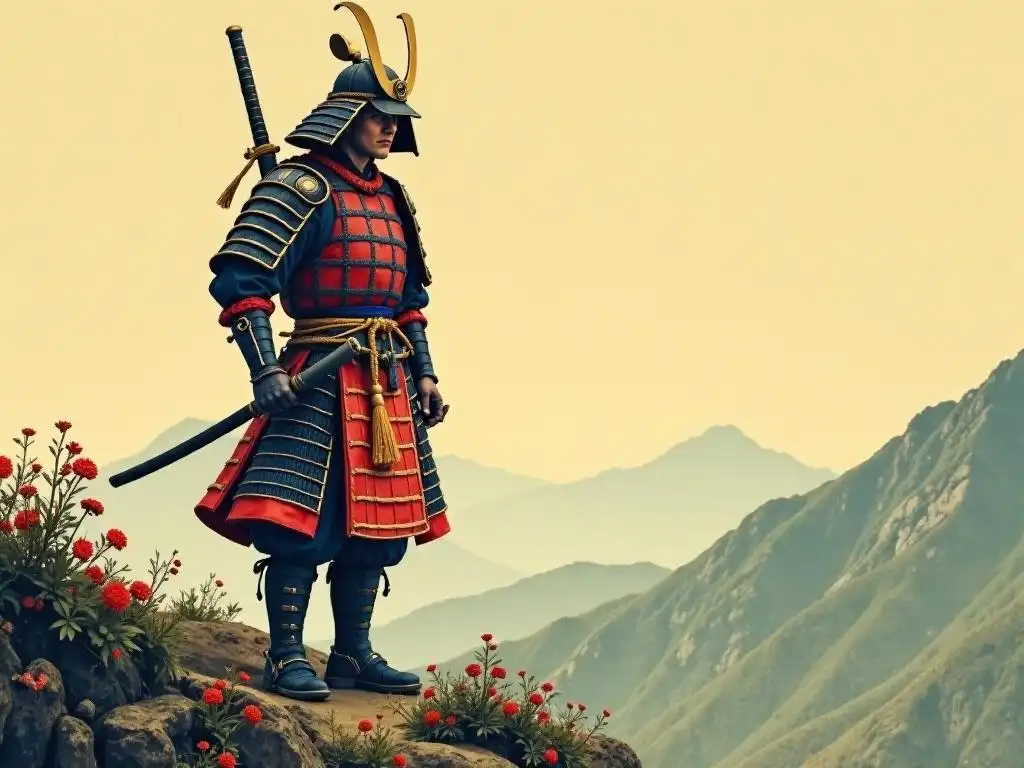
Welcome to Feudal Japan History, where we delve deep into the intricate tapestry of Japan's feudal era. Here, we invite you to explore the emotional struggles of samurai—a topic that unveils the profound internal conflicts and daily challenges faced by these iconic warriors. As you journey through our expert-driven articles, you'll discover not just their battles on the field, but the triumphs and tribulations that shaped their very existence. Prepare to be captivated and enlightened as you uncover the rich and often overlooked emotional landscape of the samurai.
Introduction to the Emotional Struggles of Samurai
The samurai, often romanticized as noble warriors, held a complex position in the social hierarchy of feudal Japan. While they were revered for their martial prowess and unwavering loyalty, their emotional lives were often fraught with challenges that went unnoticed by the outside world.
This article delves into the emotional struggles of samurai, exploring how their daily experiences, cultural expectations, and personal dilemmas shaped their emotional landscape. By examining their roles, the importance of emotions in their culture, and the daily challenges they faced, we gain a deeper understanding of what it truly meant to be a samurai during this tumultuous era.
Understanding the Samurai's Role in Feudal Japan
To grasp the emotional struggles of samurai, it is crucial to first understand their societal role. Samurai were not merely warriors; they were also landholders and administrators, often serving a feudal lord (daimyo). This dual responsibility meant they had to balance the demands of warfare with the expectations of governance and loyalty.
- Key Responsibilities:
- Military Service: Samurai were trained from a young age in the arts of war, including swordsmanship and strategy.
- Administrative Duties: Many samurai managed lands and collected taxes, often acting as local leaders.
- Cultural Patrons: They were expected to uphold and promote cultural practices, including poetry, calligraphy, and tea ceremonies.
These multifaceted roles placed immense pressure on samurai, leading to a constant struggle to meet both personal and societal expectations.
The Importance of Emotions in Samurai Culture
In samurai culture, emotions were not merely personal experiences but were intricately woven into their identities and societal duties. The concept of bushido, or the "way of the warrior," emphasized virtues such as loyalty, honor, and courage. However, it also acknowledged the complexity of human feelings.
- Cultural Significance of Emotions:
- Loyalty and Honor: The emotional weight of loyalty to one's lord could lead to internal conflict when personal feelings clashed with duty.
- Fear and Courage: Samurai were trained to confront fear, yet they were still human, experiencing anxiety and doubt prior to battles.
- Grief and Loss: The constant threat of death in battle or through political intrigue created a deep emotional toll, as samurai often mourned fallen comrades or family members.
Understanding how these emotions manifested in daily life is essential to grasping the emotional struggles faced by samurai.
Daily Life and Emotional Challenges of Samurai
The daily life of a samurai was a blend of rigorous training, administrative responsibilities, and cultural pursuits. However, beneath this seemingly structured existence lay a myriad of emotional challenges that shaped their experiences.
The Routine of a Samurai: A Day in the Life
A typical day for a samurai began early, often with physical training to hone their combat skills. This was followed by duties that included:
- Morning Rituals: Meditation and sword practice to clear the mind.
- Administrative Meetings: Engaging with local officials and managing land affairs.
- Cultural Engagement: Participating in arts and rituals that underscored their education and refinement.
Despite this routine, samurai were constantly reminded of their precarious position in society, which often led to feelings of anxiety and uncertainty.
Emotional Burdens: Duty vs. Personal Feelings
The emotional burdens of samurai were often tied to the conflict between their duties and personal feelings. Many samurai grappled with:
- Conflicting Loyalties: The tension between loyalty to one's lord and personal beliefs could lead to inner turmoil.
- The Weight of Expectations: The need to embody the ideals of bushido often clashed with their own desires and fears, resulting in emotional distress.
- Isolation: The samurai's rigid adherence to duty sometimes left them isolated from their families and communities, exacerbating feelings of loneliness.
These emotional struggles were not merely personal; they echoed the broader societal expectations placed upon them.
The Impact of Honor on Emotional Well-being
Honor was paramount in samurai culture, and the fear of losing it could have profound effects on emotional well-being. The samurai's sense of identity was often tied to their honor, leading to:
- Fear of Dishonor: The possibility of failure in battle or missteps in duty could lead to a deep sense of shame.
- Suicidal Ideation: In extreme cases, the loss of honor could lead to seppuku, a ritual form of suicide, as a means to restore honor.
- Mental Health Issues: Ongoing pressures and the constant need to uphold an honorable image could contribute to mental health struggles, including depression and anxiety.
The emotional life of a samurai was riddled with challenges that reflected the complexities of their roles in feudal Japan. Understanding these emotional struggles provides a more nuanced view of the samurai, revealing them not just as warriors, but as individuals navigating the intricate tapestry of duty, honor, and personal experience.
The Inner Conflicts Faced by Samurai
The emotional landscape of a samurai was often tumultuous, marked by intense inner conflicts that shaped their identity and actions. Samurai were bound by a strict code of conduct known as Bushido, which emphasized loyalty, honor, and bravery. However, this code frequently clashed with their personal desires and emotions, leading to a profound struggle within. The samurai's dual role as both a warrior and a member of a family or clan created a complex emotional tapestry that influenced their daily decisions and interactions.
Balancing Loyalty to Clan and Personal Desires
At the heart of a samurai's emotional struggles was the challenge of balancing loyalty to their clan with their own personal aspirations. Loyalty was paramount; samurai were expected to serve their lords without question, often at the expense of their own needs and ambitions. This unwavering commitment could lead to a sense of loss regarding individual identity.
For instance, a samurai might yearn to pursue artistic endeavors or cultivate personal relationships but felt compelled to prioritize clan obligations. This internal conflict could breed resentment, frustration, and even despair, as the samurai grappled with the sacrifices demanded by their social role.
The Struggle with Fear and Anxiety in Battle
Fear was an ever-present companion for samurai, especially in the face of battle. Despite their training and reputation for bravery, samurai often experienced anxiety about the unpredictability of combat. The fear of failure, loss of honor, or the possibility of death weighed heavily on their minds.
This emotional struggle was not only a personal battle but also a concern for their families and clans. A samurai who faltered in battle could bring shame upon their lineage, intensifying their anxiety. The pressure to maintain composure and courage in the face of such fear was a constant emotional challenge, leading many to develop coping mechanisms or rituals to manage their anxiety before engaging in combat.
Coping with Loss: Grief and Mourning Rituals
Loss was an inevitable part of a samurai's life, whether it was the death of a comrade in battle or the passing of a family member. The emotional toll of grief was profound, and samurai were expected to manage their mourning within the confines of social expectations. Rituals such as funeral ceremonies and memorial services played a crucial role in helping them cope with their loss.
These traditions provided an outlet for expressing sorrow and honoring the departed, allowing samurai to navigate their grief while reaffirming their social obligations. However, the pressure to maintain stoicism often complicated their emotional healing, creating a tension between public duty and personal mourning.
Triumphs and Resilience in the Samurai's Emotional Journey
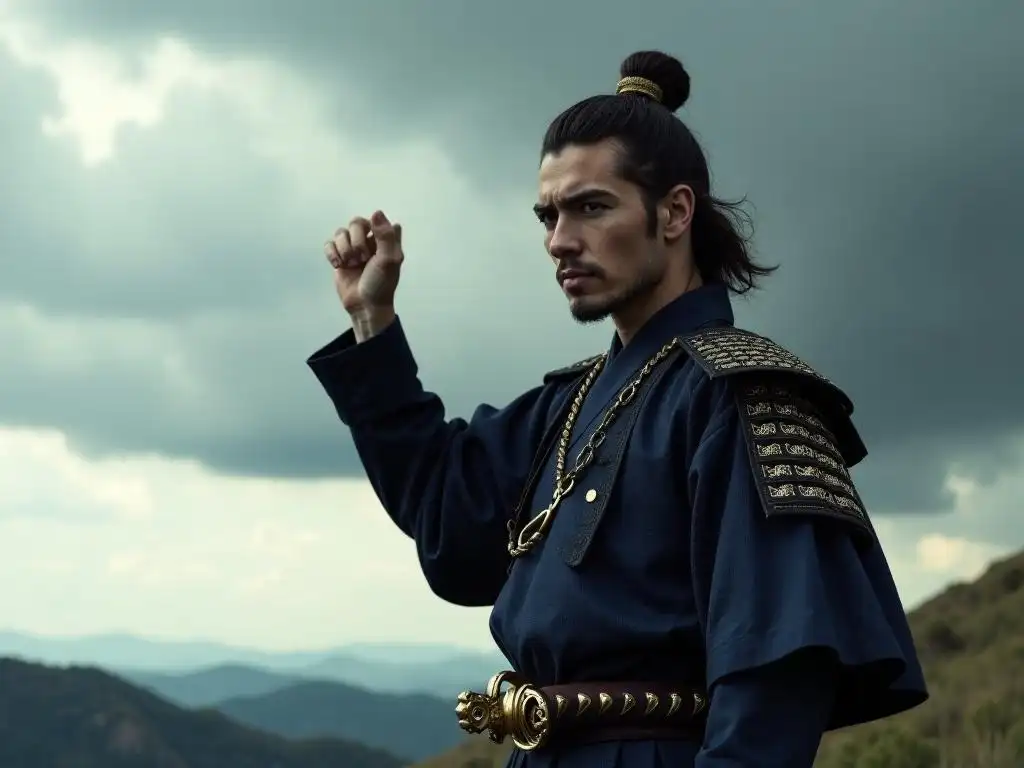
While samurai faced significant emotional struggles, they also exhibited remarkable resilience and the capacity for triumphs in their emotional journeys. Their experiences of overcoming challenges contributed to a complex emotional life that shaped their identities as warriors and individuals.
Moments of Emotional Strength: Courage in Adversity
Courage was not merely a trait but a defining feature of a samurai's emotional strength. In moments of adversity, samurai often drew upon their training and the principles of Bushido to find the resolve to face challenges head-on. These instances of bravery—whether in battle or personal trials—served to reinforce their sense of purpose and honor. Overcoming fear and confronting difficult situations, such as family conflicts or societal expectations, helped samurai develop a deep-seated resilience that became a source of pride and identity. Such emotional strength often inspired those around them, fostering a culture of bravery within their communities.
Celebrating Victories: Emotional Highs and Their Significance
Victories, whether in battle or personal endeavors, provided significant emotional highs for samurai. Celebrating these successes often involved elaborate rituals and communal gatherings, which reinforced bonds among warriors and their clans. The emotional significance of these victories extended beyond mere triumph; they served as affirmations of a samurai's honor and skill. These celebrations acted as cathartic moments, allowing samurai to momentarily set aside their struggles and embrace joy and camaraderie with their peers. The emotional highs experienced during these times contributed to a sense of belonging and purpose within their social structure.
The Role of Community and Brotherhood in Emotional Support
The samurai's emotional journey was profoundly influenced by the sense of community and brotherhood among fellow warriors. This network provided essential support during times of personal struggle, enabling samurai to share their experiences and cope with their emotional burdens. The bonds formed through shared experiences in battle, training, and rituals fostered a deep sense of loyalty and understanding.
Samurai often relied on one another for encouragement and motivation, helping to navigate the complexities of their emotional lives. This communal aspect of samurai culture not only strengthened their resolve but also enriched their emotional experiences, highlighting the importance of connection and shared purpose in overcoming life's challenges.
The Influence of Bushido on the Emotional Lives of Samurai
The concept of Bushido, or "The Way of the Warrior," profoundly influenced the emotional landscape of samurai. This ethical code guided not only their actions in battle but also their daily lives, shaping their feelings, relationships, and perceptions of honor. By understanding the principles of Bushido, we gain insight into the emotional struggles and triumphs faced by these formidable warriors.
Understanding Bushido: The Way of the Warrior
Bushido emerged during the Kamakura period (1185-1333) and became a defining ethos for the samurai class. It encompasses a set of values, including loyalty, courage, veracity, compassion, and honor. These principles were instrumental in creating a framework within which samurai navigated their emotional experiences.
Samurai were expected to uphold their duties to their lords and families, often placing these obligations above their own feelings. This sense of duty could lead to internal conflict, particularly when personal desires clashed with the expectations of loyalty and honor. The teachings of Bushido emphasized restraint and self-control, which often meant suppressing emotions like fear or sadness.
Moreover, the spiritual aspects of Bushido encouraged samurai to cultivate a sense of inner peace and acceptance of their mortality. This acceptance shaped their emotional responses to life and death, allowing them to face challenges with a stoic demeanor.
The Emotional Code: How Bushido Shapes Samurai Feelings
Bushido served as an emotional code, guiding samurai on how to process and express their feelings. Emotions such as grief, anger, and love were often filtered through the lens of this code, leading to complex emotional experiences.
- Loyalty and Sacrifice: The samurai’s commitment to their lord often resulted in profound feelings of loyalty that could lead to personal sacrifice. This sense of duty could evoke pride but also deep emotional turmoil when faced with the loss of comrades or the need to choose between personal happiness and loyalty.
- Honor and Shame: The samurai's emotional life was tightly interconnected with concepts of honor and shame. A samurai who failed to uphold their reputation could experience intense emotional distress, leading to actions such as seppuku (ritual suicide) as a means of restoring honor.
- Compassion and Duty: While samurai were trained to be fierce warriors, they were also encouraged to show compassion, particularly towards the weak. This duality created an emotional struggle, as they balanced their roles as protectors and warriors, often leading to complex emotional dilemmas.
The Intersection of Honor, Emotion, and Identity
The intersection of honor, emotion, and identity was vital in shaping the samurai's self-perception. A samurai's identity was intrinsically linked to their ability to embody the principles of Bushido. Their emotions, therefore, were not just personal feelings but reflections of their social status and expectations.
- Public vs. Private Self: Samurai often faced a dichotomy between their public persona and private emotions. In public, they were expected to display bravery and composure, while privately, they grappled with fears, doubts, and vulnerabilities. This disparity could lead to isolation and emotional distress.
- Legacy and Memory: The desire to leave a legacy influenced the emotional lives of samurai. The pressure to be remembered honorably could foster both motivation and emotional anxiety, as they sought to carve out a place in history while adhering to the strictures of Bushido.
Conclusion: The Lasting Legacy of Samurai Emotions
The emotional life of a samurai, shaped by the tenets of Bushido, continues to resonate in contemporary discussions about honor, duty, and emotional expression. Understanding these emotional struggles and triumphs offers valuable insights into the human experience, illustrating the complexities of balancing personal desires with societal expectations.
Reflection on the Emotional Struggles and Triumphs of Samurai
Reflecting on the emotional struggles and triumphs of samurai reveals a rich tapestry of human experience. Their lives were marked by a constant negotiation between duty and desire, honor and shame. The emotional burden they carried, often hidden behind a stoic facade, underscores the universal nature of emotional conflict. Through their stories, we recognize the enduring struggle to find meaning and balance in our own lives.
Lessons Learned from the Emotional Life of a Samurai in Modern Context
The emotional life of samurai offers critical lessons for modern society. Their experiences highlight the importance of acknowledging and expressing emotions, the value of resilience in the face of adversity, and the need for a supportive community. By embracing the lessons of Bushido, we can cultivate a deeper understanding of emotional well-being, striving for a balance between personal aspirations and social responsibilities.
Exploring the emotional struggles of samurai not only enriches our understanding of Japan's feudal history but also provides timeless insights into the human condition.
- Introduction to the Emotional Struggles of Samurai
- Daily Life and Emotional Challenges of Samurai
- The Inner Conflicts Faced by Samurai
- Triumphs and Resilience in the Samurai's Emotional Journey
- The Influence of Bushido on the Emotional Lives of Samurai
- Conclusion: The Lasting Legacy of Samurai Emotions
Frequently Asked Questions
What were the emotional struggles of samurai during feudal Japan?
The emotional struggles of samurai often included conflicts between duty and personal desires, as they had to balance loyalty to their lords with their own beliefs and relationships.
How did samurai cope with their daily struggles?
Samurai employed various coping mechanisms, such as meditation, art, and martial practices, to process their emotions and maintain focus on their duty and honor.
What role did honor play in the emotional life of samurai?
Honor was paramount in samurai culture; it dictated their actions and decisions, often leading to emotional turmoil when they faced situations that could compromise their reputation or values.
Were there any cultural practices that addressed samurai emotions?
Yes, samurai engaged in cultural practices like poetry and tea ceremonies, which provided outlets for expressing their emotions and reflecting on their struggles.
How did the emotional struggles of samurai impact society?
The emotional struggles of samurai influenced societal norms and expectations, shaping the values of loyalty, honor, and bravery that permeated all levels of feudal Japanese society.
Final Reflection: Embracing the Emotional Struggles of the Samurai
The emotional struggles of samurai resonate deeply in today’s world, reminding us that even the most disciplined warriors faced profound internal battles. In an era where mental health is increasingly recognized as vital to overall well-being, the samurai's journey through emotional turmoil offers timeless lessons on resilience, honor, and the importance of confronting one’s feelings. Their experiences challenge us to acknowledge that strength is not merely the absence of vulnerability but the courage to face it head-on.
Culturally, the legacy of the samurai continues to shape our understanding of honor and emotional expression. Their struggles reflect a universal human experience, transcending time and culture, and inviting us to explore our own emotional landscapes. As we navigate our daily lives, we can draw inspiration from their stories, recognizing that the path to triumph often weaves through the valleys of despair. The true warrior is not the one who never falls, but the one who rises every time he falls.
This quote encapsulates the essence of the samurai's emotional journey, reminding us that growth often comes from grappling with our deepest fears and insecurities.
As you reflect on the emotional struggles of samurai, consider how their experiences can inform your own life. Embrace your vulnerabilities and allow them to guide you toward personal growth. Whether you face challenges in your career, relationships, or self-identity, remember that acknowledging your emotions is a powerful step toward resilience. Let the samurai's legacy inspire you to confront your battles with honor and grace, transforming your struggles into triumphs that shape your unique journey.
Embrace Your Inner Warrior: Take Action Today!
Thank you for exploring the emotional life of the samurai with us! Your journey into their daily struggles and triumphs not only highlights a remarkable era but also inspires us to harness our own resilience. Now, let’s transform that inspiration into meaningful action!
- Reflect on your values: Take a moment to identify the principles that guide your life, much like the samurai’s code of honor. Write these down and consider how they influence your decisions.
- Share your insights: Start a conversation! Discuss what you’ve learned about the samurai’s emotional journey with friends or on social media. Join the conversation using the hashtag #SamuraiSpirit to connect with others who share your interests.
- Explore further: Delve deeper into the rich history of feudal Japan by checking out our other articles. Expand your knowledge and connect with the profound legacy left by the samurai.
How might your life change if you embraced the resilience and honor embodied by the samurai?