
The Role of Women in Samurai Households: Daily Life and Responsibilities

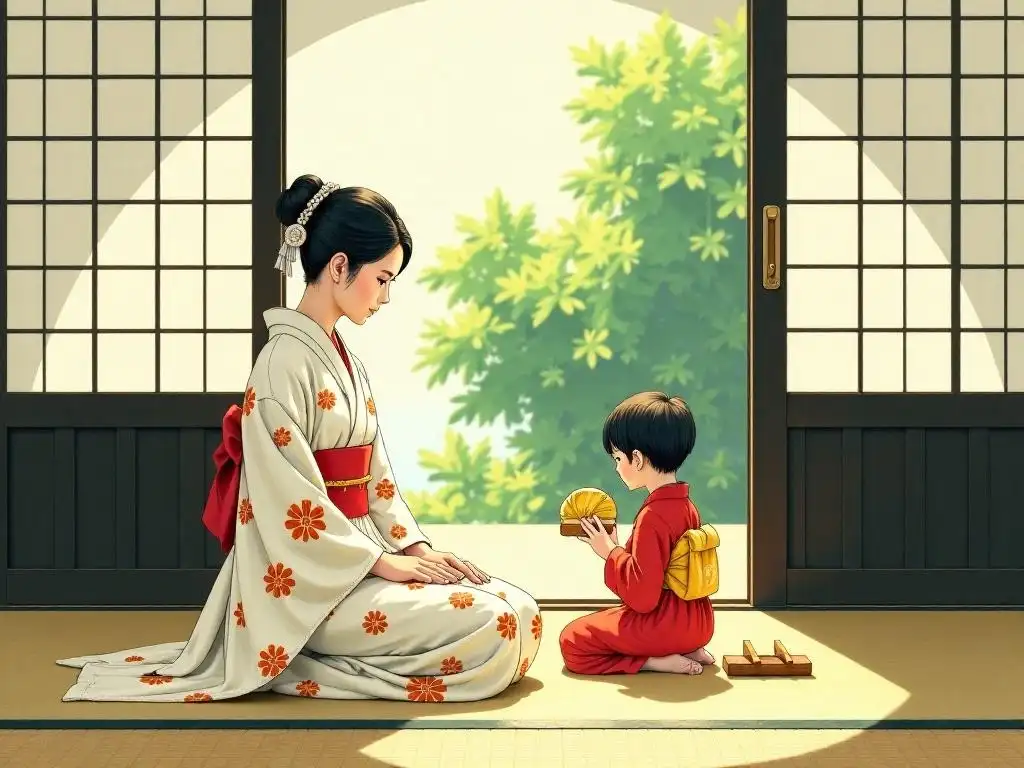
Welcome to Feudal Japan History, where we invite you to embark on a fascinating journey through the intricate tapestry of Japan's feudal era. In our feature article, "The Role of Women in Samurai Households: Daily Life and Responsibilities," we delve deep into the often-overlooked yet pivotal contributions of women within these storied families. Discover how their daily lives intertwined with the rigid codes of honor and duty, shaping the very fabric of samurai society.
Are you ready to uncover the hidden narratives that defined an era? Join us as we explore the rich historical, cultural, and societal aspects of feudal Japan, and let your curiosity lead the way!
Introduction to Women in Samurai Households
The role of women in samurai households during Japan's feudal era is a subject that has often been overshadowed by the valor and exploits of their male counterparts. However, these women played a vital role in the daily life and functioning of samurai families, contributing significantly to the household's stability and prosperity.
This article delves into the multifaceted responsibilities and daily routines of women in samurai households, shedding light on their importance in both domestic and societal contexts. Through an exploration of their daily lives, we aim to uncover the often overlooked yet crucial contributions of women in the samurai class, enhancing our understanding of social dynamics in feudal Japan.
Overview of Samurai Society and Gender Roles
In feudal Japan, samurai society was characterized by a strict hierarchy and a defined set of roles that governed daily life. Men were largely seen as warriors, tasked with protecting their lords and lands, while women were expected to manage the household and support their husbands in their duties. Despite these assigned roles, women in samurai households often wielded considerable influence, especially in matters of family lineage and inheritance.
- Roles of Samurai Men:
- Warrior duties
- Land management
- Political obligations
- Roles of Samurai Women:
- Household management
- Education of children
- Maintenance of family honor
This rigid division of labor did not negate the significant contributions women made to the samurai class. They were not only caretakers but also educators and managers, ensuring the smooth operation of the household and the cultivation of future generations.
Importance of Women in Feudal Japan
Women in samurai households were essential for maintaining the social fabric of feudal Japan. Their responsibilities went beyond mere domestic chores; they were instrumental in preserving cultural traditions and imparting values to their children. Moreover, many women managed family finances and engaged in agricultural production, thus contributing to the economy.
- Cultural Preservation:
- Teaching traditional arts, such as calligraphy and tea ceremony
- Upholding family customs and rituals
- Economic Contributions:
- Managing household resources
- Assisting in agricultural tasks
The role of women in these households was pivotal in ensuring that samurai families not only survived but thrived within the confines of a patriarchal society.
Daily Life of Women in Samurai Households
The daily life of women in samurai households was filled with diverse responsibilities that required skill and dedication. From the early hours of the morning to the time they retired for the night, these women balanced their roles as homemakers, educators, and managers.
Morning Routines and Responsibilities
Mornings in a samurai household began early, with women rising before dawn to prepare for the day. Their routines often included:
- Preparation of Meals:
- Cooking breakfast, often consisting of rice, miso soup, and pickled vegetables.
- Ensuring that food was not only nourishing but also presented beautifully as part of their cultural values.
- Household Chores:
- Cleaning the home and maintaining order.
- Managing the daily tasks of servants and apprentices.
These morning routines set the tone for the day, emphasizing discipline and attention to detail, qualities highly valued in samurai society.
Household Management and Organization
In addition to their morning duties, women were responsible for the overall management of the household. This included:
- Budgeting and Finances:
- Tracking expenses and ensuring that the household remained within budget.
- Making decisions regarding purchases and investments in land or livestock.
- Supervision of Servants:
- Delegating tasks to servants and apprentices.
- Training younger women in household skills, ensuring the continuation of traditions.
This role required a keen understanding of both financial management and interpersonal relationships, showcasing the intelligence and capability of women in samurai households.
Education and Cultural Training for Women
Education was a critical aspect of a woman's life in samurai households, with an emphasis on both practical skills and cultural knowledge. Women were often educated in:
- Literature and Arts:
- Learning to read and write, often through classical texts.
- Engaging in cultural practices such as poetry, painting, and music.
- Moral and Ethical Instruction:
- Understanding the importance of family honor and loyalty.
- Learning the expectations of their roles within the family and society.
This education not only prepared women for their responsibilities but also empowered them to play a significant role in the cultural life of their communities. Through their contributions, women helped to sustain the values and traditions that defined samurai society.
Roles and Responsibilities of Samurai Women
In the hierarchical structure of samurai households, women played a crucial role that extended beyond traditional notions of domesticity. Their responsibilities were multifaceted, encompassing caregiving, economic management, and participation in family governance. Samurai women were not merely passive figures; they actively contributed to the stability and prosperity of their households, often holding significant influence within their family units.
Caregiving and Child-Rearing Duties
One of the primary responsibilities of women in samurai households was caregiving, particularly in the realm of child-rearing. Samurai mothers were expected to nurture their children, instilling in them the values and virtues necessary to uphold the samurai code, known as Bushido. This included teachings on loyalty, bravery, and honor.
- Education: Mothers often took on the role of educators, teaching their children not only basic literacy and numeracy but also moral and ethical lessons that were integral to samurai life. They emphasized the importance of discipline and respect for authority.
- Health and Welfare: In addition to education, women were responsible for the health and welfare of their families. They managed household remedies, prepared nutritious meals, and ensured a stable home environment, which was essential for the well-being of all family members.
Economic Contributions and Resource Management
Women in samurai households also played a vital role in economic contributions and resource management. Despite the patriarchal structure, they were often tasked with overseeing household finances and managing resources effectively.
- Agricultural Management: Many samurai families were landowners, and women participated in managing agricultural production. They were involved in decision-making processes related to crop selection, harvest timing, and resource allocation.
- Craftsmanship and Trade: Samurai women engaged in various crafts, including textiles and pottery, which contributed to the family’s income. They often sold these goods in local markets, showcasing their skills and entrepreneurial spirit.
Participation in Family Decisions and Governance
Samurai women were not mere bystanders in family governance; their input was valued in decision-making processes that affected the household.
- Advisory Roles: In many cases, wives and mothers acted as advisors to their husbands and sons, particularly in matters of family alliances, marriage arrangements, and inheritance issues. Their insights were crucial for maintaining family honor and strategic planning.
- Crisis Management: During times of crisis, such as warfare or financial hardship, women often took on leadership roles, managing the household and making critical decisions in the absence of male family members.
The Cultural Significance of Women in Samurai Society
The roles of women within samurai households extended into the cultural domain, where their contributions had lasting impacts on samurai society. They were not only caregivers and economic managers but also vital figures in the preservation and propagation of cultural values.
Artistic Contributions: Craftsmanship and Poetry
Women in samurai households were often accomplished artisans and poets, contributing significantly to the cultural landscape of their time.
- Craftsmanship: Women were skilled in various forms of craftsmanship, from weaving and embroidery to pottery and calligraphy. Their work not only served practical purposes but also became a means of artistic expression, reflecting the aesthetic values of samurai culture.
- Literary Contributions: Many women engaged in poetry and literature, with notable figures like Izumi Shikibu and Seishonagon emerging as influential poets during the Heian period. Their writings provided insights into the emotional and intellectual lives of women, enriching the literary heritage of Japan.
Preservation of Tradition and Family Legacy
The preservation of tradition and family legacy was another significant aspect of women's roles in samurai households.
- Rituals and Ceremonies: Women were often the custodians of family traditions, ensuring that rituals and ceremonies were observed. They played key roles in events such as weddings, funerals, and seasonal festivals, reinforcing family bonds and cultural continuity.
- Genealogical Records: Women often maintained records of family lineage and history, documenting the achievements and virtues of ancestors. This practice not only preserved the family legacy but also served to educate future generations about their heritage.
Influence on Samurai Ethics and Values
Women’s influence reached into the ethical and moral dimensions of samurai life, shaping the values that defined samurai conduct.
- Moral Education: By instilling virtues such as loyalty, honor, and respect in their children, women contributed directly to the ethical framework within which samurai operated. Their teachings were foundational to the development of character in future warriors.
- Role Models: As role models in both domestic and social spheres, women demonstrated resilience and strength, embodying the virtues they taught. Their influence helped to shape a more nuanced understanding of samurai ethics, emphasizing the importance of compassion alongside bravery.
The role of women in samurai households was pivotal, intertwining daily responsibilities with profound cultural significance. Their active participation in caregiving, economic management, and cultural preservation not only influenced their families but also contributed to the broader societal values of feudal Japan.
Challenges Faced by Women in Samurai Households

Women in samurai households encountered a variety of challenges that shaped their daily lives and responsibilities. Despite their crucial roles in maintaining the household and supporting their warrior husbands, societal expectations often constrained their freedoms and opportunities. The intersection of gender norms, power dynamics, and the broader socio-political landscape of feudal Japan profoundly influenced their experiences.
Social Expectations and Limitations
In feudal Japan, the social structure was heavily patriarchal, with women often relegated to a subordinate position within the household. Their primary duties revolved around managing domestic affairs, raising children, and supporting their husbands, who were frequently engaged in military duties. This expectation confined women to traditional roles, limiting their participation in public life and decision-making.
Moreover, the Confucian ideals prevalent during this period reinforced a rigid hierarchy that emphasized obedience and subservience of women to male authority. Women were expected to embody virtues such as loyalty, modesty, and diligence, which, while noble, created a narrow definition of their worth. The consequences of failing to meet these expectations could be severe, including social ostracism or even violence.
Navigating Power Dynamics within the Household
Within samurai households, power dynamics were complex and multifaceted. While women held significant responsibilities, particularly in managing family estates and finances, their authority was often undermined by their male counterparts. The head of the household, typically the husband or father, wielded ultimate power over family decisions, which could leave women feeling marginalized despite their contributions.
However, some women, particularly those from higher-ranking samurai families, found ways to navigate these dynamics. They could exert influence through strategic marriages, alliances, and by managing household affairs effectively. Notable figures, such as Tomoe Gozen, a female warrior, exemplified how some women could break through societal constraints, gaining respect and recognition in a male-dominated society.
Impacts of War and Political Changes on Daily Life
The tumultuous nature of feudal Japan, marked by constant warfare and shifting political allegiances, significantly impacted the lives of women in samurai households. During periods of conflict, women often took on additional responsibilities, including the defense of their homes and families. This involvement in conflict could lead to a shift in perception regarding their capabilities and roles within society.
Political changes, such as the rise and fall of powerful clans, also influenced women's lives. For instance, during times of peace, women might have enjoyed more autonomy in managing family affairs. Conversely, periods of instability often required women to adapt quickly to changing circumstances, demonstrating resilience and resourcefulness in the face of adversity.
Conclusion: The Legacy of Women in Samurai Households
The legacy of women in samurai households is an essential aspect of understanding the cultural and social fabric of feudal Japan. Their contributions to household management, child-rearing, and even warfare left an indelible mark on the samurai ethos and the broader historical narrative.
Reflection on Their Contributions to Samurai Culture
Women played a pivotal role in shaping samurai culture, often acting as the backbone of their households. Through their efforts in maintaining social order and nurturing future generations, they contributed to the stability and continuity of samurai values and traditions. The skills they honed in managing domestic affairs, negotiating family alliances, and even partaking in warfare illustrate a nuanced understanding of their importance beyond mere obedience.
The intricate relationships they fostered within their households often dictated the success and reputation of the samurai families, highlighting their influence in a society that frequently overlooked their roles. Their legacy is a testament to the resilience and adaptability of women amid societal constraints.
Continuing Impact on Modern Japanese Society
The impact of women in samurai households persists in modern Japanese society, where traditional gender roles continue to evolve. The historical experiences of these women have paved the way for contemporary discussions surrounding gender equality, women's rights, and empowerment. As Japan navigates its modern identity, the stories of women from the samurai era serve as a reminder of the importance of recognizing and valuing women's contributions throughout history.
Today, many aspects of samurai culture, including the values of loyalty, honor, and resilience, can still be observed in Japanese society. The legacy of women in samurai households contributes to the ongoing dialogue about the role of women in shaping cultural narratives and societal norms, emphasizing their historical significance and enduring relevance.
References
The study of women in samurai households offers a nuanced understanding of their roles and contributions during the feudal era of Japan. Several key historical texts and resources provide insight into the daily lives and responsibilities of these women, as well as their societal status.
Key Historical Texts and Resources
-
The Tale of Heike
This epic account illustrates the lives of samurai and their families during the late Heian and early Kamakura periods. It provides context for understanding the roles women played in supporting their warrior husbands and managing households during times of conflict.
-
The Book of Five Rings by Miyamoto Musashi
While primarily a treatise on strategy and martial arts, Musashi’s work also reflects the cultural attitudes towards women in samurai households, especially regarding their influence on family honor and loyalty.
-
Women in Japan: From Ancient Times to the Present by E. Patricia Tsurumi
Tsurumi’s comprehensive exploration highlights the evolution of women's roles in Japanese society, with specific sections focusing on the samurai class and how women navigated their responsibilities and societal expectations.
-
The Samurai: A Military History by John M. McCaskey
This book provides an overview of samurai culture, including the contributions of women, emphasizing their roles in maintaining household stability and managing the social dynamics within samurai families.
-
The World of the Shining Prince: Court Life in Ancient Japan by Ivan Morris
Morris provides a detailed account of court life, with references to the roles of women that influenced samurai households, including their responsibilities in nurturing and educating children.
Suggested Further Reading on Women in Feudal Japan
- Women and Warrior Heroes: Rethinking the Samurai: by Elizabeth A. McNulty
This book challenges the traditional male-centric narratives of samurai history, focusing on the contributions and stories of women who were integral to the samurai way of life.
- The Women of the Samurai: The Life and Times of the Samurai Wife: by John L. McKenzie
McKenzie delves into the daily lives of samurai wives, exploring their domestic roles, education, and the societal pressures they faced.
- The Way of the Samurai: The Role of Women in the Samurai Family: by Akiko Takahashi
This work provides an in-depth analysis of the expectations placed on women in samurai families and how they fulfilled both domestic and social duties within their households.
- The Hidden History of Women in Japan by Mariko Namba Walter
Walter’s book uncovers lesser-known historical narratives about women, including those within the samurai class, enriching the understanding of their multifaceted roles in feudal Japan.
These texts and resources offer a comprehensive framework for understanding the complexities of women's roles in samurai households, illustrating their importance in both daily life and the broader context of Japanese history.
- Introduction to Women in Samurai Households
- Daily Life of Women in Samurai Households
- Roles and Responsibilities of Samurai Women
- The Cultural Significance of Women in Samurai Society
- Challenges Faced by Women in Samurai Households
- Conclusion: The Legacy of Women in Samurai Households
- References
- What was the primary role of women in samurai households?
- Did women in samurai households have any influence in political matters?
- How were the daily lives of women in samurai households structured?
- Were women in samurai households trained in martial arts?
- What challenges did women in samurai households face?
Frequently Asked Questions
What was the primary role of women in samurai households?
Women in samurai households had critical responsibilities that included managing the home, raising children, and maintaining family honor and status. They often oversaw various domestic tasks, ensuring the smooth operation of the household.
Did women in samurai households have any influence in political matters?
Yes, women in samurai households could wield significant influence in political matters, especially when it came to arranging marriages and forming alliances. Their roles often extended beyond domestic duties to include strategic decision-making for the family's future.
How were the daily lives of women in samurai households structured?
The daily lives of women typically revolved around household management, childcare, and supporting their husbands in their samurai duties. Their routines were closely tied to the responsibilities of maintaining a successful household.
Were women in samurai households trained in martial arts?
While not universally practiced, some women in samurai households were trained in martial arts for self-defense and to protect their families. This training was often seen as a way to uphold the family's honor and legacy.
What challenges did women in samurai households face?
Women faced numerous challenges, including strict societal expectations, limited rights, and the pressure of maintaining familial reputation. Despite these challenges, many women managed to navigate their roles with resilience and resourcefulness.
Final Reflection: The Enduring Legacy of Women in Samurai Households
The exploration of women in samurai households reveals a profound truth about their indispensable role in shaping both family and society. In a time often romanticized by tales of male warriors, the contributions of women have been overshadowed, yet they are crucial to understanding the full tapestry of samurai life. Today, as we strive for gender equality and recognition of women's roles across all spheres, the stories of these women remind us that strength and resilience are not confined to the battlefield.
The influence of women in samurai households extends beyond their immediate families; it resonates throughout the cultural and social fabric of Japan. Their responsibilities encompassed not only household management but also the education of future generations and the maintenance of family honor. This multifaceted role underscores the importance of recognizing women's contributions in historical narratives. Behind every great man, there is a great woman,
a saying that encapsulates the essence of women's influence, reminding us that their legacies are woven into the very identity of samurai culture.
As we reflect on the lessons from the lives of women in samurai households, let us take a moment to consider our own roles in our communities. How can we honor the contributions of women in our lives today? Whether through advocacy, education, or simply by sharing stories, we can ensure that the voices of women are heard and celebrated. Embrace the spirit of these remarkable women and let their legacy inspire you to recognize and uplift the women around you, forging a path toward a more inclusive future.
Empower Your Exploration of Samurai Households!
Thank you for taking the time to delve into the fascinating world of women's roles within samurai households! You've uncovered the vital contributions and daily responsibilities that shaped feudal Japan's social fabric. Now, it's time to put that insight into action.
Here are a few steps you can take to deepen your understanding and engage with this rich history:
- Join the Conversation: Share your thoughts on women in samurai families in the comments below. What surprised you the most?
- Dive Deeper: Explore more articles on our site about daily life during feudal Japan. Discover unique stories that bring this era to life!
- Connect with Others: Engage with fellow history enthusiasts on our social media channels. Share what you've learned and spark discussions!
What aspect of the daily life of women in samurai households intrigues you the most, and why do you think it's important to highlight their stories today?