
The Education of a Samurai: Training for Life Beyond the Battlefield

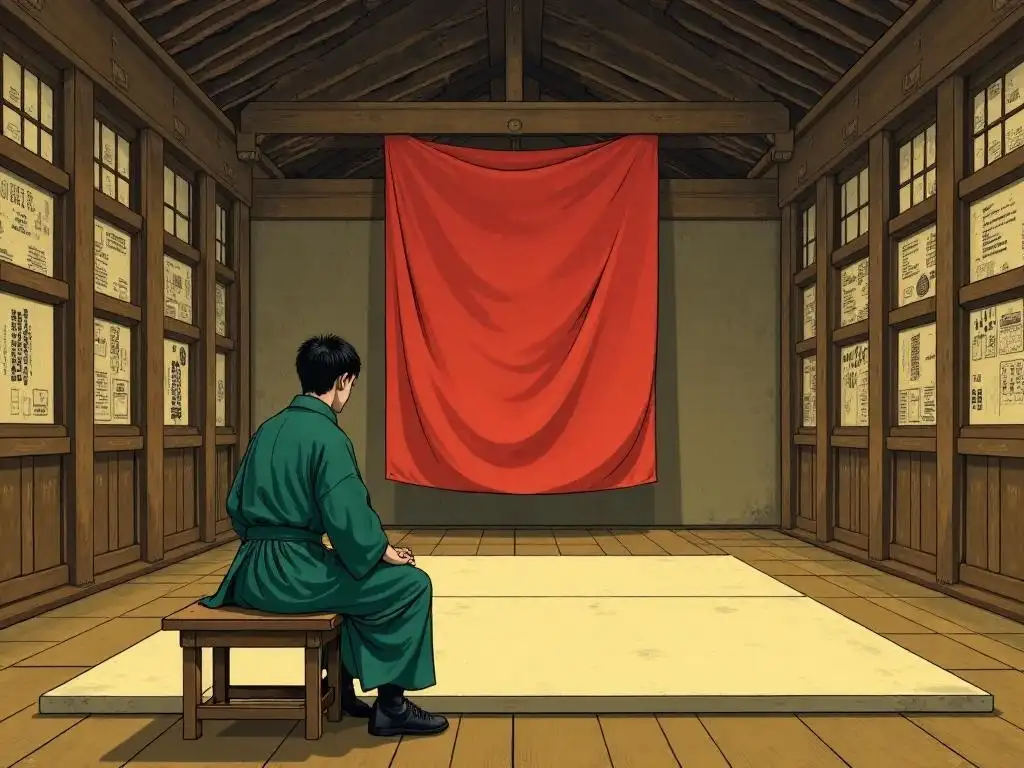
Welcome to Feudal Japan History, where the echoes of ancient warriors resonate through time. Here, we invite you to embark on a captivating journey into the heart of Japan's feudal era, exploring not only the valor of the samurai but also the rich tapestries of culture and society that shaped them. In our featured article, "The Education of a Samurai: Training for Life Beyond the Battlefield," you'll uncover the rigorous training and profound education that forged these legendary figures into both skilled fighters and wise leaders.
What secrets lie behind the discipline and philosophy that defined their lives? Dive deeper with us and discover a world where honor and intellect intertwine.
Introduction to Samurai Training and Education
The samurai, often romanticized as the noble warrior class of feudal Japan, were not only skilled in combat but were also deeply engaged in a holistic education that shaped their lives beyond the battlefield. Understanding the intricate training and educational processes that these warriors underwent provides a fascinating glimpse into the values, philosophies, and societal structures of feudal Japan.
Samurai training and education encompassed a broad spectrum of disciplines, including martial arts, literature, philosophy, and ethics, all aimed at cultivating not just formidable fighters but well-rounded individuals capable of leadership and moral decision-making. This article delves into the educational practices of samurai, examining their historical context, the influences that shaped their training, and the ultimate impact on their roles within society.
Overview of Samurai Culture and its Importance
Samurai culture is steeped in a rich tapestry of traditions and values that have significantly influenced Japanese society. Characterized by loyalty, honor, and a profound sense of duty, the samurai were not merely warriors but also custodians of culture and ethics. Their existence was intricately linked to the feudal system, where they served as vassals to daimyōs (feudal lords), and their training encompassed not only physical prowess but also intellectual and moral development.
- Core Values of Samurai Culture:
- Bushido: The way of the warrior, emphasizing loyalty, courage, and honor.
- Loyalty to Leaders: A samurai's commitment to their lord was paramount, often requiring personal sacrifice.
- Cultural Contribution: Samurai were patrons of the arts, contributing to literature, poetry, and the development of Japanese aesthetics.
The significance of samurai culture extends beyond mere historical interest; it continues to resonate in modern Japan, where concepts of honor and respect are still highly valued.
The Role of Education in the Life of a Samurai
Education played a pivotal role in shaping the identity and responsibilities of a samurai. Unlike the common perception of samurai as solely martial figures, their education was comprehensive and multifaceted.
- Key Aspects of Samurai Education:
- Martial Arts Training: Mastery of weapons and combat strategies was fundamental, involving rigorous physical training.
- Intellectual Pursuits: Samurai were often educated in classical literature, philosophy, and the arts, fostering critical thinking and cultural appreciation.
- Moral and Ethical Instruction: Training included lessons on ethics derived from Confucianism and Buddhist teachings, emphasizing the importance of righteousness and integrity.
The integration of these educational components ensured that samurai were not only effective warriors but also wise leaders and respected members of their communities.
Historical Context of Samurai Training
The educational practices of the samurai can be traced back to the early days of feudal Japan, where the need for disciplined and educated warriors became increasingly apparent.
The Origins of Samurai Education in Feudal Japan
The origins of samurai education are rooted in the tumultuous political landscape of feudal Japan, where constant warfare necessitated the development of capable leaders. Early samurai were influenced by the militaristic demands of their time, and their training evolved over the centuries to include broader educational elements.
- Timeline of Samurai Education Development:
- Heian Period (794-1185): Initial foundations of samurai training established, focusing primarily on martial skills.
- Kamakura Period (1185-1333): The rise of the samurai class leads to more structured forms of education, including philosophical teachings.
- Muromachi Period (1336-1573): Expansion of educational practices, with many samurai attending formal schools.
The evolution of samurai education reflects broader societal changes, including the integration of philosophical and artistic elements into their training.
Influences of Confucianism and Bushido on Samurai Training
Two critical influences on samurai training were Confucianism and the code of Bushido, which provided moral guidelines and philosophical frameworks for samurai life.
- Confucianism:
- Promoted the values of loyalty, filial piety, and social harmony, shaping the ethical outlook of samurai.
- Encouraged education as a means of personal cultivation and societal contribution.
- Bushido:
- Established a code of conduct that dictated the behavior and responsibilities of samurai.
- Emphasized virtues such as honor, courage, and self-discipline, which were integral to samurai identity.
Through these influences, samurai training became a comprehensive approach to personal development, ensuring that warriors were not only skilled in combat but also guided by strong ethical principles and cultural awareness.
The Structure of Samurai Education
The education of a samurai was multifaceted, designed to prepare them not only for combat but also for the responsibilities of leadership and governance within their feudal domains. This education typically occurred in two primary phases: formal education and informal learning, each contributing to the well-rounded development of a samurai. The structure was deeply influenced by Confucian ideals, which emphasized moral integrity, loyalty, and the importance of education in cultivating a virtuous character.
Formal Education in Samurai Families
Formal education for samurai often began at a young age, usually around five or six years old. Samurai families, especially those of higher ranking, placed a significant emphasis on academic learning, which included the study of classical literature, history, poetry, and philosophy. The education was primarily conducted at home by private tutors or through small local schools known as "terakoya."
Key subjects included:
- Literature: Mastery of classical texts, particularly those by Chinese philosophers, was essential.
- Calligraphy: An essential skill that reflected both discipline and culture.
- History: Understanding the past was crucial for making informed decisions in governance and warfare.
- Ethics: Lessons in moral conduct and the bushido code were integral to a samurai's character development.
While the focus on academics was strong, samurai education also included instruction in the arts, such as tea ceremony, poetry, and music, which were considered vital for the cultivation of a well-rounded individual.
Informal Learning and Practical Skills
In addition to formal education, informal learning played a critical role in shaping a samurai's skills and character. This included practical training in various aspects of life that a samurai would encounter. Informal learning often involved mentorship from experienced samurai, family members, or peers.
Key areas of informal learning included:
- Martial Arts: Practicing techniques in kenjutsu (swordsmanship), iaijutsu (quick-draw sword techniques), and other martial disciplines.
- Horseback Riding: Essential for both warfare and transportation, riding was often taught through practical experience.
- Survival Skills: Learning how to navigate and survive in various terrains was crucial for a samurai's effectiveness in battle.
- Cultural Practices: Engaging in tea ceremonies, poetry composition, and other cultural traditions to foster a sense of identity and refinement.
This blend of formal education and hands-on experience ensured that samurai were not only skilled warriors but also cultured individuals capable of fulfilling their roles in society.
Key Components of Samurai Training
Samurai training was comprehensive, encompassing various components that shaped them into effective leaders and warriors. The key areas of focus included physical training, mental development, and philosophical understanding. Each component was interrelated, fostering a balance that was essential for the samurai way of life.
Physical Training and Martial Arts
Physical training was at the heart of samurai education. It involved rigorous conditioning and mastery of various martial arts forms. The training was designed to develop strength, agility, and combat proficiency. Key aspects included:
- Weapon Mastery: Training with various weapons such as the katana, naginata, and tanto was fundamental. Each weapon required distinct techniques and strategies.
- Sparring and Combat Drills: Engaging in controlled combat scenarios allowed samurai to apply techniques learned during training, honing their reflexes and decision-making under pressure.
- Endurance and Strength Training: Physical conditioning through exercises like running, climbing, and weight training ensured that samurai could endure the rigors of battle.
- Strategy and Tactics: Understanding battlefield tactics and strategies was essential for leading troops effectively. This included studying historical battles and applying those lessons in training.
Physical training was not only about combat; it also instilled discipline and resilience, qualities that were vital in a samurai's life.
Mental and Philosophical Training
The mental and philosophical aspects of samurai training were equally important. These elements focused on developing a samurai's character, decision-making abilities, and ethical foundations. Key components included:
- Meditation and Mindfulness: Practices such as zazen (sitting meditation) helped samurai cultivate focus, clarity of thought, and emotional control.
- Study of Philosophy: Engaging with texts from Confucianism, Buddhism, and Zen teachings guided samurai in understanding their place in the world and the importance of virtue and honor.
- Bushido Code: The ethical code of the samurai, known as bushido, emphasized loyalty, courage, and honor, shaping their actions and decisions both on and off the battlefield.
- Critical Thinking: Samurai were encouraged to think critically about their actions and the consequences, promoting a sense of responsibility in leadership roles.
This combination of mental and philosophical training created samurai who were not only formidable in battle but also wise and judicious leaders in their communities.
The Role of Community and Society in Samurai Education
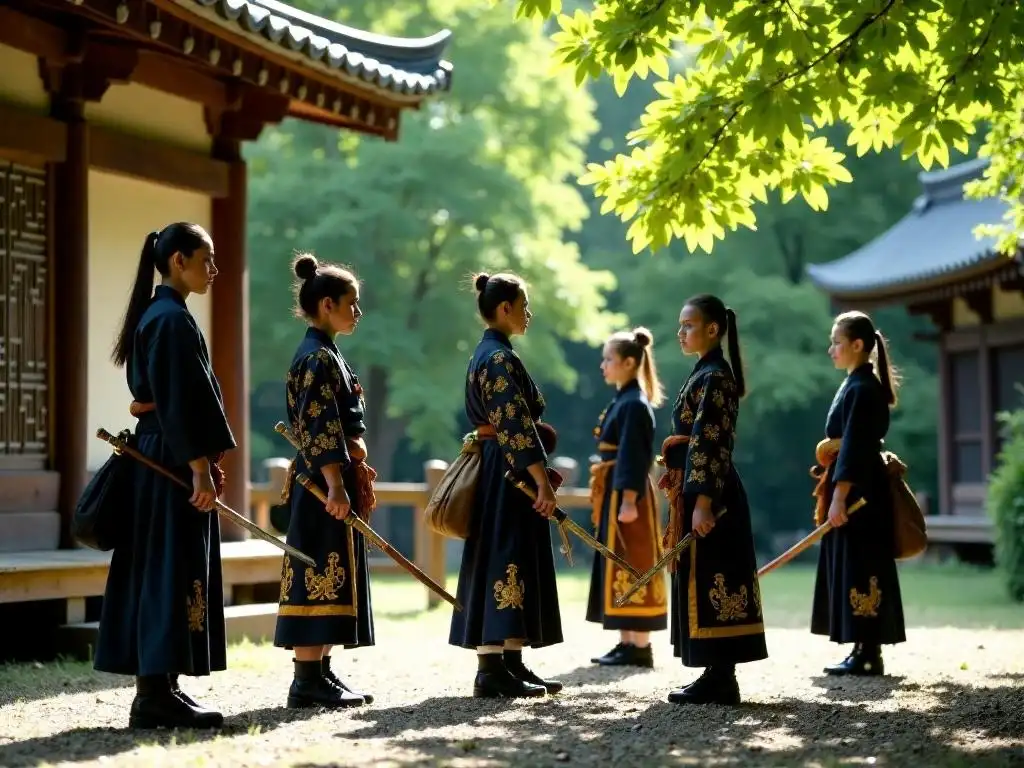
The education of a samurai was deeply intertwined with the community and society in which they lived. Samurai were not merely warriors; they were also expected to uphold the moral and ethical standards of their clans and the broader society. This sense of duty influenced their education, as samurai training was not isolated to combat skills alone. Instead, it encompassed a holistic approach that integrated moral values, cultural practices, and social responsibilities.
Communities played a crucial role in shaping the educational environment for samurai. Local leaders and elders often took on the responsibility of mentoring young samurai, imparting knowledge about history, philosophy, and leadership. This mentorship fostered a sense of belonging and identity, as samurai were trained to view themselves as part of a larger framework of loyalty and service to their clan and society.
Moreover, samurai education was a reflection of the hierarchical nature of feudal Japan. The expectations of a samurai were dictated not only by their personal ambitions but also by the collective values of their community. This meant that education was a communal effort, with different members of society contributing to the moral and intellectual development of the samurai.
The Influence of Clan and Family Traditions
Clan and family traditions significantly influenced the education of samurai. Each samurai belonged to a specific clan, and the values and practices of that clan dictated the training and education they received. Families passed down knowledge through generations, ensuring that the principles of bushido—the way of the warrior—were instilled from a young age.
In many cases, samurai children were raised in an environment that underscored the importance of loyalty, honor, and discipline. Traditional teachings emphasized the significance of one's heritage and the responsibilities that came with it. This familial and clan-driven education was often formalized through rituals and ceremonies that reinforced the values of loyalty and honor.
Furthermore, clan leaders played a pivotal role in the educational journey of young samurai. They would often host gatherings where knowledge was shared, and skills were honed. These gatherings not only served as educational platforms but also reinforced the bonds of loyalty and camaraderie among samurai, further embedding the clan's traditions into the fabric of their training.
Samurai Schools and Dojos: A Hub for Learning
Samurai schools and dojos emerged as essential institutions for the formal education and training of samurai. These establishments were more than mere training grounds; they were centers of learning that blended martial arts with academic subjects. Here, samurai students engaged in rigorous training that emphasized not only physical prowess but also mental discipline and strategic thinking.
In dojos, samurai learned various martial arts, including kenjutsu (swordsmanship), iaijutsu (the art of drawing the sword), and naginatajutsu (the art of the naginata). However, education in these schools extended beyond combat. Students were also taught literature, history, philosophy, and ethics, ensuring a well-rounded education that prepared them for roles as both warriors and leaders.
The competitive atmosphere in these dojos fostered camaraderie and respect among students, as they trained together and learned from one another. The presence of skilled instructors, often seasoned warriors themselves, enhanced the learning experience, as they imparted their wisdom and experience to the next generation of samurai.
Challenges and Changes in Samurai Education
The education and training of samurai faced significant challenges and changes throughout Japan's feudal era. As social structures evolved and the power dynamics shifted, the traditional methods of samurai education were put to the test.
The Impact of Social Changes on Samurai Training
The rise and fall of various political factions and the introduction of new philosophies during the Edo period led to transformations in samurai education. With the unification of Japan under Tokugawa Ieyasu and the establishment of a more peaceful society, the focus on martial prowess began to wane. Samurai were increasingly expected to adapt to roles in administration and governance, requiring a shift in their educational priorities.
As a result, samurai training began to include more emphasis on literacy, ethics, and governance. The need for effective leadership in a stable society meant that samurai had to be educated in Confucian principles and the intricacies of bureaucratic systems. This shift marked a departure from the predominantly martial focus of earlier samurai education and reflected the changing needs of society.
Moreover, the advent of new social classes and economic opportunities created competition for samurai. As merchant classes gained influence and wealth, the traditional status of samurai was challenged, leading to a reevaluation of their educational paths. Many samurai sought to adapt by pursuing education that aligned more with the emerging social landscape.
Modern Interpretations of Samurai Training and Education
In contemporary times, the legacy of samurai training and education continues to resonate, albeit in different forms. Modern interpretations often emphasize the philosophical and ethical teachings of the samurai, focusing on principles such as discipline, respect, and perseverance.
Martial arts schools today, while preserving traditional techniques, also incorporate modern educational methodologies. Many practitioners draw inspiration from the samurai ethos, promoting values like self-discipline and respect in their training environments. This blend of ancient wisdom and contemporary practices has allowed the samurai legacy to evolve and remain relevant in today's society.
Furthermore, the fascination with samurai culture has led to an increased interest in the historical aspects of samurai training and education. Academic institutions and cultural organizations have begun to explore the historical significance of samurai education, offering courses and workshops that delve into the philosophical underpinnings of bushido and the social structures of feudal Japan.
While the context of samurai education has transformed over the centuries, its core values continue to inspire and influence modern interpretations, creating a bridge between the past and present.
Conclusion: The Lasting Legacy of Samurai Training and Education
The education and training of samurai extend far beyond mere martial skills; they embody a holistic approach to personal development, discipline, and ethical conduct. The samurai were not only warriors but also scholars, strategists, and moral leaders, whose training integrated physical prowess with mental acuity and spiritual fortitude. This multifaceted education shaped their identities and defined their roles within the feudal society of Japan, leaving a legacy that resonates to this day.
Reflecting on the Historical Significance
Samurai training was deeply intertwined with the social and political fabric of feudal Japan. The rigorous education instilled in samurai the values of loyalty, honor, and respect, which were fundamental to maintaining the stability of the warrior class. This historical significance is evident in various aspects:
- Cultural Heritage: The samurai's commitment to education fostered a rich cultural heritage that included literature, poetry, and philosophy. Works such as "The Book of Five Rings" by Miyamoto Musashi highlight the philosophical underpinnings of their training, emphasizing strategy and introspection.
- Code of Conduct: The samurai code, known as Bushido, was heavily influenced by Confucian principles as well as Zen Buddhism, reflecting a moral philosophy that guided their actions and decisions. This code has continued to influence Japanese culture and societal norms.
- Leadership Development: The samurai were often seen as leaders in their communities, and their education prepared them for roles that required not only martial skill but also wisdom and integrity. Their training emphasized the importance of being a just and effective leader, a principle that remains relevant in contemporary society.
The Influence of Samurai Education on Contemporary Martial Arts and Philosophy
The legacy of samurai training continues to be felt in modern martial arts and philosophical thought. Many contemporary martial arts, such as Kendo, Aikido, and Iaido, draw directly from the techniques and principles established during the samurai era. The influence can be observed in several areas:
- Technique and Discipline: Modern martial arts retain the rigorous training regimens that samurai adhered to, emphasizing discipline, respect for one’s opponent, and continuous self-improvement. Practitioners today often engage in both physical conditioning and mental training, mirroring the samurai's holistic approach.
- Philosophical Foundations: The ethical and philosophical teachings of the samurai are reflected in martial arts philosophies that advocate for balance, mindfulness, and self-awareness. Concepts such as "mushin" (the state of no mind) are integral to many martial arts, promoting clarity and focus akin to that taught to samurai.
- Cultural Influence: The samurai's blend of martial prowess and cultural sophistication has inspired countless works of art, literature, and film, shaping the global perception of Japanese martial arts and culture. This enduring fascination keeps the spirit of samurai training alive, influencing new generations of martial artists and students of philosophy.
The education and training of samurai not only prepared them for the battlefield but also equipped them with the tools necessary for personal growth and ethical leadership. Their legacy, reflected in contemporary martial arts and philosophical thought, continues to inspire and inform our understanding of discipline, honor, and the pursuit of excellence.
- Introduction to Samurai Training and Education
- Historical Context of Samurai Training
- The Structure of Samurai Education
- Key Components of Samurai Training
- The Role of Community and Society in Samurai Education
- Challenges and Changes in Samurai Education
- Conclusion: The Lasting Legacy of Samurai Training and Education
- What was the primary goal of Samurai training and education?
- How did Samurai education differ from regular schooling?
- What role did Zen Buddhism play in Samurai training?
- What subjects were included in the Samurai curriculum?
- How has the legacy of Samurai training influenced modern Japanese culture?
Frequently Asked Questions
What was the primary goal of Samurai training and education?
The primary goal of Samurai training was to prepare warriors not only for combat but also for leadership and decision-making in various aspects of life.
How did Samurai education differ from regular schooling?
Samurai education combined martial training with philosophical teachings, focusing on loyalty, ethics, and strategic thinking, unlike regular schooling that emphasized basic literacy and trade skills.
What role did Zen Buddhism play in Samurai training?
Zen Buddhism influenced Samurai training by promoting mindfulness, discipline, and a sense of inner peace, which were essential for maintaining composure in battle and daily life.
What subjects were included in the Samurai curriculum?
The Samurai curriculum included martial arts, calligraphy, poetry, and strategic studies, emphasizing a well-rounded education to foster cultural appreciation alongside combat skills.
How has the legacy of Samurai training influenced modern Japanese culture?
The legacy of Samurai training persists in modern Japanese culture, emphasizing values like discipline, respect, and dedication, which are evident in various aspects of Japanese society today.
Final Reflection: The Enduring Legacy of Samurai Training
The principles of samurai training and education resonate profoundly in today's world, where the pursuit of discipline, resilience, and ethical leadership is more crucial than ever. In an era marked by rapid change and uncertainty, the samurai's commitment to personal growth and societal contribution serves as a powerful reminder of the values that can guide us through life's challenges. The lessons learned from the samurai extend beyond the battlefield, offering a framework for navigating the complexities of modern existence.
Culture and society continue to be shaped by the ideals of the samurai, emphasizing the importance of honor, loyalty, and continuous self-improvement. These values are not merely relics of the past; they are vital components of a well-rounded education that fosters not only skilled individuals but also responsible citizens. As the philosopher Yamamoto Tsunetomo once said, "> The way of the samurai is found in death." This profound statement invites us to reflect on the urgency of living with purpose and integrity, encouraging us to embrace the transient nature of life and the importance of making each moment count.
As we conclude our exploration of samurai training and education, I invite you to reflect on how these timeless lessons can be integrated into your own life. Consider the ways in which you can cultivate discipline, resilience, and ethical leadership in your daily actions.
Whether through personal development, community involvement, or professional endeavors, let the spirit of the samurai inspire you to forge a path that honors both your own potential and the greater good. Embrace the journey of lifelong learning, and remember that the true essence of education lies not just in knowledge, but in the character it helps us build.
Embrace the Samurai Spirit—Transform Your Life Today!
Thank you for exploring the profound wisdom of the samurai and their journey beyond the battlefield! You’ve uncovered valuable insights into dedication, discipline, and enlightenment. Now it’s time to take these lessons and apply them to your own life!
Here’s how you can embark on your path of transformation:
- Embrace a new discipline: Start a daily practice—whether it's meditation, martial arts, or a skill you've always wanted to master. Commit to it for the next 30 days!
- Share what you’ve learned: Discuss the philosophy of samurai training with friends or family— invite them to join you on this journey of discovery!
- Explore the past: Dive deeper into the culture of feudal Japan by reading books or watching documentaries about samurai life. Gaining knowledge is just as powerful as developing a skill!
What unique practices or philosophies from the samurai can you integrate into your life to enhance your personal growth? We would love to hear your thoughts below!