
The Significance of Tea Ceremony in Samurai Culture

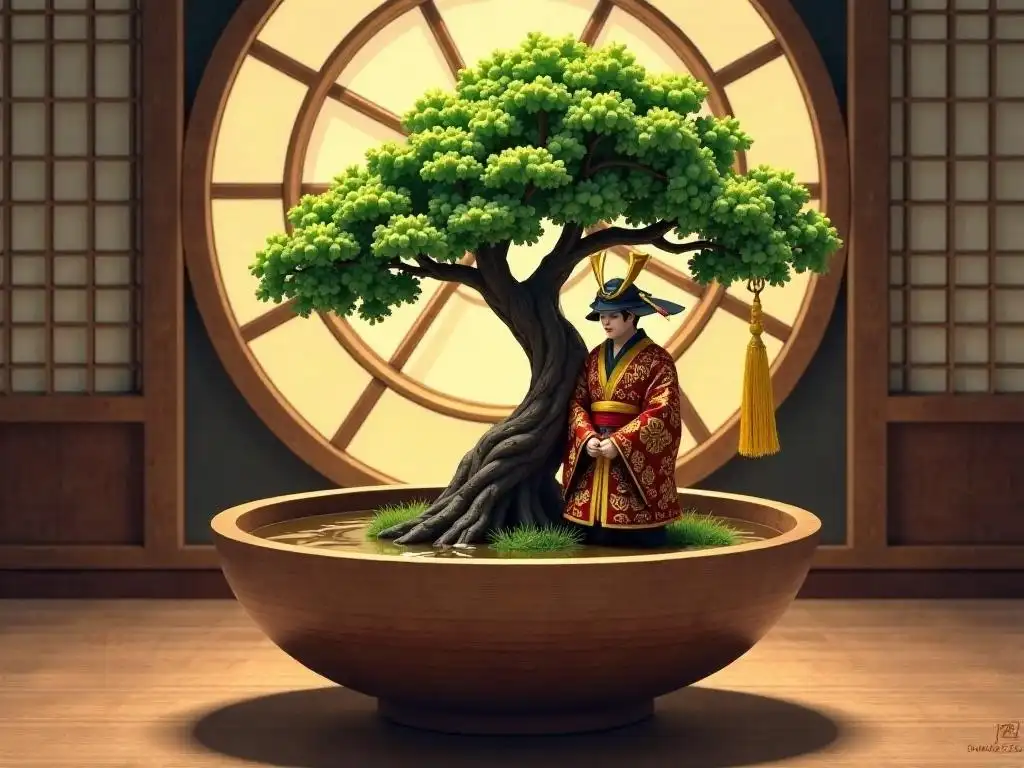
Welcome to Feudal Japan History, where we invite you to journey through the intricate tapestry of Japan’s feudal era. Prepare to delve into the captivating world of Samurai Culture, where every ritual holds profound meaning and tradition. In our featured article, "The Significance of Tea Ceremony in Samurai Culture," we explore how this elegant practice transcended mere beverage preparation to become a cornerstone of social interaction and spiritual expression among the samurai.
What secrets lie within the delicate movements of the tea master? Join us as we uncover the rich layers of history, culture, and societal norms that shaped this extraordinary period. Your exploration begins here!
Introduction to Tea Ceremony in Samurai Culture
The Tea Ceremony, known as chanoyu, is more than just a traditional practice of preparing and serving tea; it is a profound ritual deeply embedded in the culture of Japan, particularly within the context of the samurai. This ceremony embodies the principles of harmony, respect, purity, and tranquility, reflecting the values that samurai upheld in their daily lives.
As we delve into the intricacies of this ritual, we uncover its significance not only as a social activity but also as a spiritual practice that shaped the ethos of the samurai class during Japan’s feudal era. This exploration reveals the multifaceted nature of the tea ceremony and its pivotal role in fostering camaraderie, discipline, and aesthetic appreciation among the samurai.
Overview of Samurai Culture and Daily Life
Samurai culture was characterized by a strict code of conduct known as bushido, which emphasized virtues such as loyalty, honor, and self-discipline. Daily life for samurai included rigorous training in martial arts, strategic thinking, and the arts, which were all essential for their role as warriors and leaders. The tea ceremony served as a respite from the chaos of battle and a means to cultivate a refined sense of aesthetics and mindfulness.
Key aspects of samurai daily life included:
- Martial Training: Regular practice of swordsmanship and other combat skills.
- Education: Studying literature, philosophy, and strategy to enhance intellect.
- Cultural Activities: Engagement in poetry, calligraphy, and, notably, the tea ceremony.
The tea ceremony, therefore, was not merely a leisure activity but a vital practice integrated into the samurai's daily routine, promoting mental clarity and emotional balance.
Importance of Rituals in Samurai Society
Rituals played a crucial role in samurai society, serving as a means to convey values and maintain social order. The tea ceremony exemplifies this importance by promoting a sense of community and fostering connections among samurai. The structured nature of the ceremony, with its specific sequences and roles, reinforced discipline and respect for tradition.
Rituals in samurai life included:
- Tea Ceremony: A gathering that emphasized etiquette and respect.
- Ceremonial Dinners: Formal meals that showcased hospitality and rank.
- Seasonal Festivals: Celebrations that honored the changing seasons and nature.
The tea ceremony, with its emphasis on mindfulness and simplicity, became a powerful tool for samurai to reflect on their lives, cultivate relationships, and reinforce their commitment to the samurai code.
Historical Context of the Tea Ceremony
To fully appreciate the significance of the tea ceremony in samurai culture, it is essential to explore its historical roots and evolution.
Origins of Tea Ceremony in Japan
The origins of the tea ceremony trace back to the Tang dynasty in China, where tea drinking began to gain popularity. However, it was not until the late 12th century that tea was introduced to Japan, primarily by Buddhist monks who recognized its calming effects. The practice evolved over the centuries, with the establishment of tea cultivation in Japan and the formalization of the tea ceremony by figures such as Sen no Rikyū in the 16th century.
This transformation from a simple beverage to a complex ritual was influenced by various cultural exchanges and adaptations that occurred throughout Japan’s history. The tea ceremony became a symbol of elegance and sophistication, particularly among the samurai class, who embraced it as a way to demonstrate their refinement and understanding of aesthetics.
Influence of Zen Buddhism on the Tea Ceremony
The tea ceremony is deeply intertwined with Zen Buddhism, which emphasizes simplicity, mindfulness, and a deep connection to nature. Zen principles influenced the aesthetics and philosophy of the tea ceremony, shaping its practices and rituals. The serene environment of the tea room, the careful selection of utensils, and the deliberate movements of the host all reflect Zen ideals.
Key influences of Zen Buddhism on the tea ceremony include:
- Mindfulness: A focus on being present in the moment during the ceremony.
- Simplicity: An appreciation for minimalism in design and practice.
- Nature: A deep respect for natural elements, highlighted through the seasonal selection of tea and decor.
Through this lens, the tea ceremony became a spiritual practice for samurai, providing a sanctuary for reflection and a means to reconcile the chaos of their warrior lives with the tranquility sought through Zen teachings.
The Role of Tea Ceremony in Samurai Life
The tea ceremony, known as chanoyu, was not merely a ritualistic preparation of tea; it held profound significance in the daily lives of samurai. For the samurai class, the ceremony provided a structured environment where social status was respected, and personal discipline was cultivated. The practice of tea drinking allowed samurai to engage in a moment of tranquility amid the chaos of their warrior lifestyle. It became an avenue for fostering relationships within clans, discussing strategies, and reinforcing bonds of loyalty.
Additionally, the ceremony emphasized the importance of mindfulness and presence, qualities that were crucial in both combat and governance. Samurai often used these peaceful gatherings to reflect on their lives, values, and the principles of their code. Consequently, the tea ceremony served as a bridge between their martial duties and their roles as cultured individuals within society.
Tea Ceremony as a Symbol of Discipline and Restraint
Discipline and restraint are hallmarks of samurai culture, and the tea ceremony epitomizes these values. The meticulous nature of the ceremony requires participants to engage in precise movements and follow a strict sequence of actions. This attention to detail fosters a sense of discipline that extends beyond the ceremony itself, influencing samurai behavior in other aspects of life.
The act of preparing and serving tea involves a series of deliberate steps, each infused with intention. From the selection of tea leaves to the arrangement of utensils, every element is a testament to the samurai's commitment to excellence and self-control. This ritual mirrors the samurai's training in martial arts, where focus and discipline are paramount for success in battle. Thus, the tea ceremony not only offers a moment of respite but also reinforces the samurai's identity as a disciplined warrior.
Social Functions of Tea Ceremony in Samurai Gatherings
The tea ceremony served multiple social functions within samurai gatherings. It acted as a platform for diplomacy, where leaders could build alliances and negotiate terms in a serene atmosphere. The ceremonial act of sharing tea broke down barriers and facilitated open communication among samurai from different clans.
Moreover, it provided a space for honor and respect. Samurai would often invite guests to participate in the ceremony, thereby demonstrating their hospitality and reinforcing social hierarchies. The roles of host and guest were carefully defined, with specific rituals that showcased the host’s ability to provide a meaningful experience for their guests. This exchange fostered camaraderie and mutual respect, essential elements in a society structured around loyalty and allegiance.
Key Elements of the Samurai Tea Ceremony
The samurai tea ceremony is marked by several key elements that contribute to its unique character. Understanding these components is crucial for appreciating the depth of the ritual and its significance within samurai culture.
Essential Tools and Utensils Used in the Ceremony
The tools and utensils used in the tea ceremony are integral to its execution and aesthetics. Some of the essential items include:
- Chawan (Tea Bowl): A wide and shallow bowl used for whisking and serving tea.
- Chasen (Bamboo Whisk): A tool made from bamboo, used to whisk the matcha tea into a frothy beverage.
- Chashaku (Bamboo Scoop): A scoop for measuring the tea powder.
- Natsume (Tea Caddy): A container for holding the powdered tea.
- Fukusa (Silk Cloth): Used to purify the utensils and maintain cleanliness during the ceremony.
Each item is selected with care, reflecting the aesthetics of simplicity and harmony that are central to the philosophy of the tea ceremony.
Types of Tea and Their Significance
In the context of the samurai tea ceremony, the type of tea served plays a pivotal role. The most commonly used tea is matcha, a powdered green tea that embodies the spirit of the ceremony. Matcha's preparation involves a careful whisking process that symbolizes the transformation of simple ingredients into an exquisite beverage.
Different types of tea can also signify varying levels of formality and occasions. For instance, ceremonial-grade matcha is reserved for special gatherings and significant events, while lower grades may be used for more casual meetings. The choice of tea thus communicates respect and intention, aligning with the samurai’s values of honor and propriety.
Step-by-Step Process of the Tea Ceremony
The tea ceremony follows a structured process, each step steeped in tradition and purpose. Here’s a simplified outline of the ceremony:
- Preparation: The host prepares the tea room, ensuring it is clean and welcoming. This includes arranging the utensils and selecting the appropriate tea.
- Welcoming Guests: Guests are invited to enter the tea room, where they are greeted with respect.
- Purification: The host uses the fukusa to purify the utensils, symbolizing the importance of cleanliness and respect.
- Tea Preparation: The host measures the matcha and adds hot water, using the chasen to whisk the tea until frothy.
- Serving: The host serves the tea to the first guest, who expresses gratitude before drinking, ensuring that appreciation is shown.
- Sharing: Guests take turns sipping the tea, engaging in quiet conversation, and appreciating the moment.
- Closing Ritual: The ceremony concludes with a final bow of respect, acknowledging the shared experience.
This process emphasizes mindfulness and presence, allowing participants to connect deeply with one another and with the tradition itself. The tea ceremony encapsulates the essence of samurai culture, marrying martial discipline with serene aesthetics.
Aesthetic Principles of the Tea Ceremony
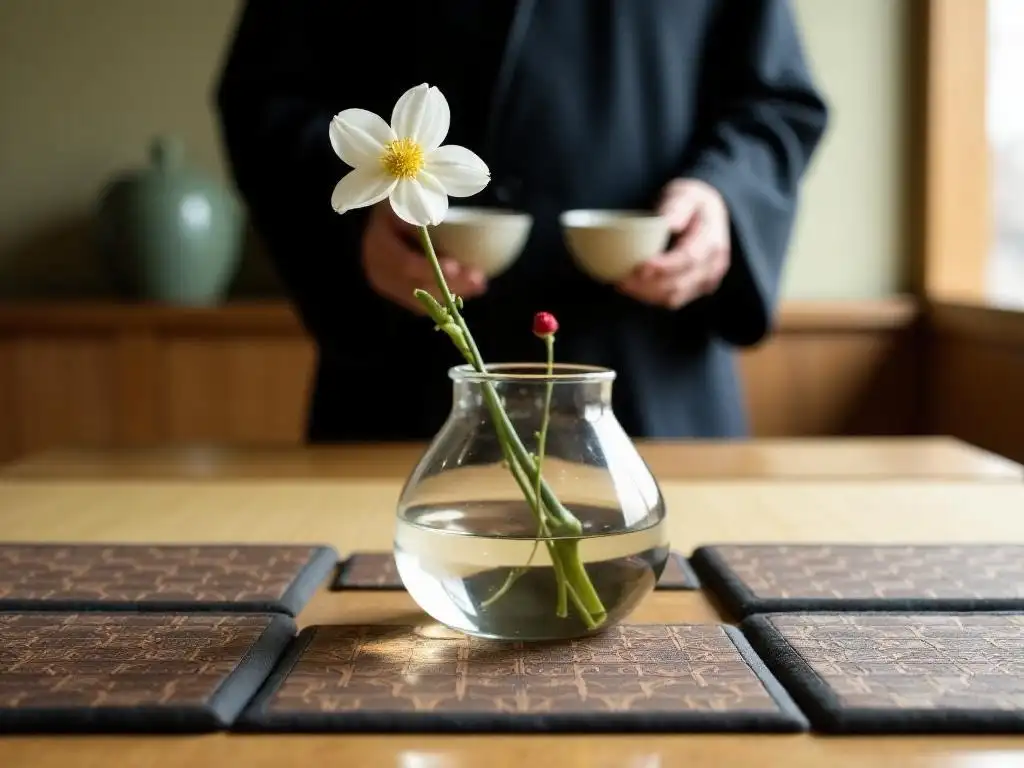
The tea ceremony, or chanoyu, is deeply rooted in the aesthetic principles that resonate with the samurai ethos. At its core, the ceremony embodies a unique fusion of artistry and discipline, characterized by meticulous attention to detail and an appreciation for the fleeting nature of beauty. The aesthetics of the tea ceremony are intertwined with Zen philosophy, emphasizing harmony, tranquility, and a connection to the natural world.
Central to these aesthetic principles are the elements of simplicity, asymmetry, and understated elegance. The utensils used, the setting, and the overall atmosphere are carefully curated to promote a sense of peace and contemplation. Each movement and gesture during the ceremony is performed with intention, reflecting the samurai’s values of precision and respect.
In addition, the tea ceremony encourages mindfulness, inviting participants to immerse themselves in the present moment. This focus on the here and now is particularly significant for samurai, whose lives were often marked by the chaos of battle and political intrigue. Through the tea ceremony, they could find solace and a brief respite from their tumultuous lives.
The Concept of Wabi-Sabi in Tea Ceremony
Wabi-sabi is a Japanese aesthetic that embraces imperfection, transience, and the beauty of the natural world. Within the context of the tea ceremony, wabi-sabi stands as a guiding principle, influencing everything from the choice of tea utensils to the arrangement of the tea room. This concept invites participants to appreciate the beauty in simplicity and the ephemeral nature of existence.
In the tea ceremony, wabi-sabi manifests through the use of rustic, handmade tea bowls that may exhibit cracks or uneven surfaces. Such imperfections are celebrated rather than hidden, symbolizing the beauty of life’s fleeting moments. For samurai, this principle resonated deeply with their understanding of honor and the acceptance of mortality, reinforcing the idea that life’s true beauty lies in its impermanent nature.
Moreover, wabi-sabi encourages a profound connection to nature. The tea ceremony often incorporates natural elements, such as seasonal flowers or the changing light of the day, enhancing the experience and inviting participants to reflect on the world around them. This alignment with nature fosters a sense of peace and grounding, essential for the warrior class, who often faced the uncertainties of battle and life.
The Importance of Simplicity and Nature in the Ceremony
Simplicity is a cornerstone of the tea ceremony, reflecting the samurai’s values of humility and restraint. The ceremony strips away the complexities of daily life, allowing participants to focus solely on the act of making and enjoying tea. This minimalist approach promotes clarity of mind and spirit, essential qualities for samurai who sought to maintain composure amidst the chaos of their duties.
Nature plays a pivotal role in the simplicity of the tea ceremony. The choice of location, often in gardens or natural settings, emphasizes the connection to the environment. The seasonal aspects of the ceremony—such as the selection of tea and utensils—allow samurai to appreciate the changing cycles of life and their own place within that cycle. This reliance on nature also serves as a reminder of the impermanence of life, reinforcing the wabi-sabi philosophy.
Furthermore, the simplicity and natural elements of the tea ceremony create an atmosphere conducive to reflection and camaraderie. Samurai could escape the rigid hierarchies of their society within the tea room, engaging in meaningful dialogue and fostering relationships based on mutual respect and understanding.
Tea Ceremony as a Medium for Samurai Relationships
The tea ceremony served as a vital medium for samurai to cultivate relationships, build alliances, and foster trust. It provided a unique setting where the rigid formalities of samurai society could be momentarily set aside, allowing for genuine interactions. Through the exchange of tea, samurai could convey their respect and appreciation for one another, reinforcing bonds that were critical in a world often defined by conflict and rivalry.
Building Alliances and Trust through the Tea Ceremony
Within the samurai culture, alliances were crucial for survival and prosperity. The tea ceremony offered a platform for samurai to forge these alliances in a serene and controlled environment. By participating in the ceremony, samurai could demonstrate their commitment to peace and cooperation, reinforcing the idea that mutual respect was paramount.
The act of sharing tea was symbolic of sharing one’s spirit and intentions. As samurai engaged in conversation, they could discuss matters of strategy, diplomacy, and camaraderie, all while enjoying the calming ritual of the tea ceremony. This dual focus on social interaction and the aesthetics of the ceremony allowed for deeper connections to be formed, as participants were encouraged to be present and attentive.
Moreover, the tea ceremony provided an opportunity for samurai to display their cultural refinement and mastery of the arts, which were highly esteemed qualities in their society. This display of skill and understanding of the tea ceremony served to enhance one’s reputation, further solidifying alliances and fostering trust among peers.
The Role of the Host and Guest in the Ceremony
In the tea ceremony, the roles of host and guest are defined by a delicate balance of respect and responsibility. The host is tasked with creating a welcoming environment, preparing the tea with precision, and guiding the guests through the ritual. This role is imbued with a sense of honor, as the host must ensure that every aspect of the ceremony reflects their dedication to the participants’ experience.
Conversely, the guest plays a crucial role in appreciating the efforts of the host. Their demeanor and engagement are paramount; guests must observe etiquette, express gratitude, and embody the principles of humility and respect. The interaction between host and guest is a dance of mutual appreciation, where the subtleties of body language and communication convey deeper meanings beyond spoken words.
This relationship is particularly significant for samurai, who were often engaged in politically charged interactions. The tea ceremony provided a space where they could navigate complex social dynamics in a non-confrontational manner. By adhering to the ceremonial protocols, samurai could negotiate and build rapport, facilitating more effective communication and collaboration.
The tea ceremony was not merely a social event; it was a profound cultural practice that shaped the relationships within samurai society. The roles of host and guest exemplified the intricate balance of power and respect, reinforcing alliances and fostering trust in a world marked by uncertainty.
Modern Interpretations and Legacy of the Samurai Tea Ceremony
The samurai tea ceremony, or chanoyu, remains a pivotal cultural practice in Japan, transcending its historical roots to influence modern interpretations of tea rituals. While the structure and etiquette of the ceremony have evolved, its essence—emphasizing mindfulness, respect, and harmony—continues to resonate deeply within contemporary Japanese culture. The samurai's influence imbues the practice with a sense of honor and discipline, allowing it to serve as a bridge between the past and present.
The Revival of Traditional Tea Ceremony Practices
In recent years, there has been a notable revival of traditional tea ceremony practices, largely driven by a desire to reconnect with Japan's rich cultural heritage. Various organizations and tea schools have emerged, focusing on preserving the authentic rituals and teachings of the samurai tea ceremony. This revival is not only an effort to maintain tradition but also a response to the fast-paced modern lifestyle that many individuals experience today.
- Workshops and Events: Numerous workshops and public events are being organized, offering participants a hands-on experience of the tea ceremony. These sessions often highlight the historical context of the samurai's role in tea culture, ensuring that participants gain an appreciation for the ceremony's origins.
- Cultural Exchange: The tea ceremony has become a medium for cultural exchange, attracting international interest. Foreign visitors often seek out authentic tea experiences, leading to collaborations between traditional tea masters and modern cultural institutions.
Influence of Samurai Tea Ceremony on Contemporary Japanese Culture
The influence of the samurai tea ceremony is evident in various aspects of contemporary Japanese culture. Its principles have permeated areas such as art, design, and even corporate environments.
- Aesthetic Principles: The minimalist aesthetics of the tea ceremony can be seen in modern Japanese architecture and interior design, emphasizing simplicity and natural materials.
- Mindfulness Practices: The meditative aspects of the tea ceremony have inspired mindfulness practices in Japan, with many individuals incorporating elements of chanoyu into their daily lives to promote tranquility and focus.
Conclusion: The Enduring Significance of Tea Ceremony in Samurai Culture
The tea ceremony in samurai culture embodies a rich tapestry of historical significance, cultural values, and artistic expression that endures to this day. Its impact extends beyond mere ritual, fostering a sense of community and shared respect among participants.
Reflection on the Cultural Heritage of the Samurai
Reflecting on the cultural heritage of the samurai, the tea ceremony represents more than just a beverage preparation; it is a profound expression of the samurai's philosophy and lifestyle. The emphasis on aesthetics, discipline, and the importance of creating a harmonious environment reflects the values upheld by the samurai class, providing a lens through which to view their societal contributions.
The Lasting Impact of Tea Ceremony on Japanese Identity
The lasting impact of the tea ceremony on Japanese identity is profound. It has become a symbol of Japanese culture that transcends time, adapting to modern contexts while retaining its foundational principles. The tea ceremony continues to be a source of national pride, encapsulating the spirit of Japan and serving as a reminder of the samurai's enduring legacy in shaping the cultural landscape of the nation. Through the practice of tea, the essence of samurai values—such as honor, respect, and tranquility—lives on, influencing generations to come.
- Introduction to Tea Ceremony in Samurai Culture
- Historical Context of the Tea Ceremony
- The Role of Tea Ceremony in Samurai Life
- Key Elements of the Samurai Tea Ceremony
- Aesthetic Principles of the Tea Ceremony
- Tea Ceremony as a Medium for Samurai Relationships
- Modern Interpretations and Legacy of the Samurai Tea Ceremony
- Conclusion: The Enduring Significance of Tea Ceremony in Samurai Culture
Frequently Asked Questions
What is the tea ceremony in Samurai culture?
The tea ceremony is a traditional ritual that emphasizes aesthetic appreciation, mindfulness, and the social connection among participants, particularly within the Samurai class.
How did the tea ceremony influence Samurai values?
The tea ceremony reinforced key Samurai values such as discipline, respect, and tranquility, serving as a meditative practice that aligned with their warrior ethos.
Why is the tea ceremony considered an art form?
The tea ceremony is viewed as an art form due to its meticulous rituals, attention to detail, and the integration of nature, reflecting the beauty of simplicity and harmony.
What role did Zen Buddhism play in the tea ceremony?
Zen Buddhism significantly influenced the tea ceremony, promoting mindfulness and simplicity, which are central to the practice and the overall Samurai philosophy.
How has the tea ceremony evolved over time in Japan?
Over time, the tea ceremony has evolved from a Samurai practice to a broader cultural activity, incorporating modern elements while preserving its traditional roots and significance.
Final Reflection: The Enduring Legacy of the Tea Ceremony in Samurai Culture
The tea ceremony in samurai culture represents more than just a ritual; it embodies the essence of discipline, respect, and harmony that resonates deeply in today's fast-paced world. As we navigate our modern lives, the values instilled by this ancient practice remind us of the importance of mindfulness and connection, urging us to slow down and appreciate the simple yet profound moments that life offers. The tea ceremony serves as a powerful reminder that even in a world dominated by technology and haste, there is beauty in stillness and intentionality.
Culturally, the tea ceremony has transcended its origins, influencing not only Japanese society but also inspiring global appreciation for the art of hospitality and the significance of ritual. The principles of the tea ceremony—such as respect for nature, attention to detail, and the spirit of community—continue to shape social interactions and cultural expressions today. As the philosopher D.T. Suzuki once said, The tea ceremony is a way of life, a way of being, and a way of seeing.
This perspective invites us to reflect on how we engage with our surroundings and the people in our lives, encouraging a deeper understanding of our shared humanity.
As you ponder the insights gained from the tea ceremony in samurai culture, I invite you to embrace the lessons of mindfulness and connection in your own life. Consider how you can incorporate moments of reflection and appreciation into your daily routine, fostering a sense of peace and purpose. Whether through a simple cup of tea or a mindful moment in nature, let the spirit of the tea ceremony inspire you to cultivate harmony within yourself and your community, ensuring that the legacy of this beautiful tradition continues to thrive in our modern world.
Embrace the Art of Tea: Transform Your Perspective!
Thank you for exploring the intricate world of the tea ceremony within Samurai culture! You've uncovered the elegance and deep-rooted significance of this ancient ritual. Now, it's time to take what you’ve learned and apply it to your own life.
Here are some inspiring actions you can take to dive deeper into this beautiful tradition:
- Host your own tea ceremony: Gather friends or family and create a serene space to practice mindfulness and appreciation, just as the Samurai did.
- Explore local tea shops: Discover unique blends and traditional tea ware that can enhance your tea experience.
- Share your insights: Engage with fellow enthusiasts by writing a blog post or discussing your experiences on social media.
How will you incorporate the spirit of the Samurai tea ceremony into your daily routine?