
Samurai in the Community: Their Role and Responsibilities Beyond Combat

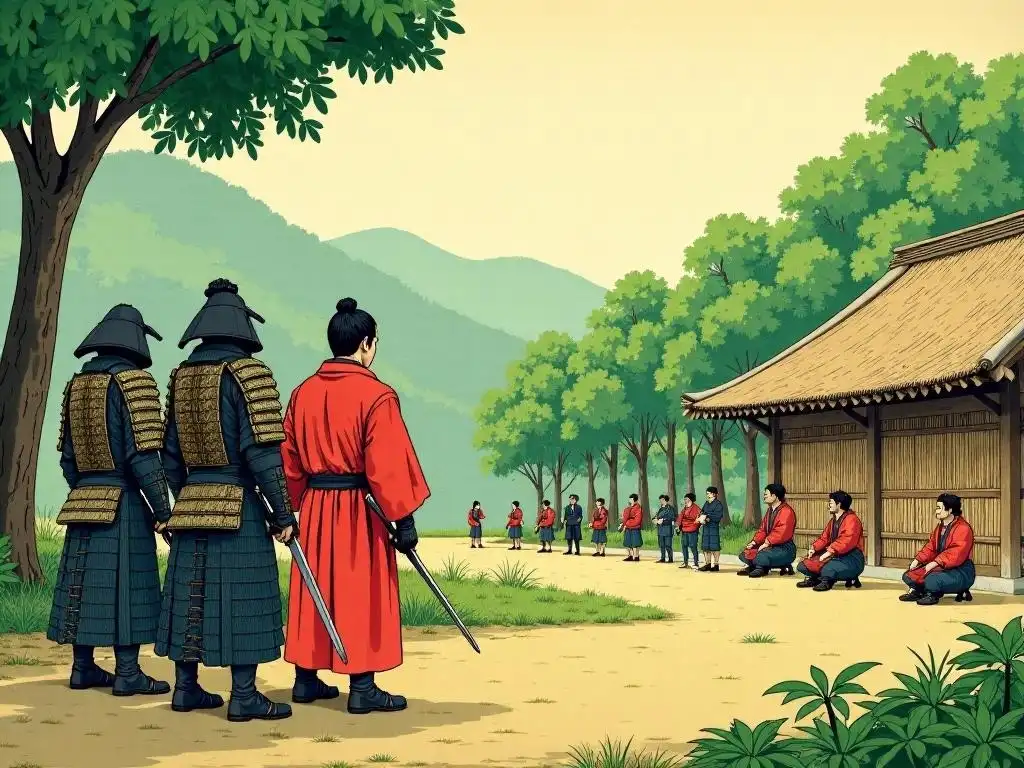
Welcome to Feudal Japan History, where we invite you to embark on a captivating journey through the intricate tapestry of Japan’s feudal era. Here, you'll discover not just battles and conquests, but the profound social dynamics that shaped a nation. In our featured article, "Samurai in the Community: Their Role and Responsibilities Beyond Combat," we delve deep into the Samurai community roles in Japan, revealing how these legendary warriors transcended their martial duties to become pivotal figures in society.
Prepare to uncover the layers of responsibility, honor, and service that defined the samurai, and stay with us as we unravel the rich cultural heritage of this fascinating period. Your exploration begins now!
- Introduction to Samurai Community Roles in Japan
- Historical Context of Samurai in Japan
- Samurai Community Roles in Daily Life
- Cultural Contributions of Samurai to Community
- Social Responsibilities of Samurai Beyond Warfare
- The Code of Bushido and Its Impact on Samurai Community Roles
- Case Studies of Prominent Samurai and Their Community Roles
- Conclusion: The Lasting Legacy of Samurai Community Roles
- References and Further Reading
- Frequently Asked Questions
- Final Reflection: The Enduring Legacy of Samurai Community Roles in Japan
- Unleash the Spirit of the Samurai in Your Community!
Introduction to Samurai Community Roles in Japan
The samurai, often romanticized as fierce warriors clad in armor, played a multifaceted role in feudal Japan that extended far beyond the battlefield. While their prowess in combat is well-documented, their contributions to the social fabric and community life of Japan during the feudal era are equally significant. Understanding the samurai community roles in Japan provides a deeper insight into the values, responsibilities, and daily lives of these iconic figures. This exploration sheds light on how samurai were not just soldiers, but also leaders, educators, and community members who upheld various societal roles that shaped their localities.
Overview of the Samurai's Place in Feudal Society
In feudal Japan, samurai were members of the warrior class, serving as retainers to powerful lords known as daimyo. Their status was not solely defined by their martial skills; it was also influenced by their adherence to the Bushido code—a set of ethical guidelines emphasizing loyalty, honor, and duty. The samurai's role in society was deeply intertwined with the social hierarchy, which was structured as follows:
- Emperor: The symbolic figurehead of Japan.
- Shogun: The military leader with real political power.
- Daimyo: Feudal lords who controlled land and samurai.
- Samurai: Warriors who served the daimyo and upheld order.
- Peasants: The backbone of the economy, providing food and resources.
As samurai navigated this hierarchical system, their responsibilities often encompassed various community duties, including:
- Governance: Samurai often served as local administrators, ensuring the implementation of laws and policies.
- Land Management: They were tasked with overseeing agricultural production and maintaining the land.
- Education: Many samurai were involved in the education of both their children and the local populace, promoting literacy and culture.
This intricate relationship between samurai and the community highlights the importance of their role in maintaining stability and order within feudal Japan.
Importance of Community Roles Beyond Combat
While the image of the samurai is predominantly associated with warfare, their community roles were vital in promoting a harmonious society. The importance of these roles can be seen in several key areas:
- Cultural Preservation: Samurai contributed to the arts, including literature, poetry, and traditional crafts. They often acted as patrons of the arts, ensuring the preservation of cultural heritage.
- Conflict Resolution: Samurai served as mediators in disputes, leveraging their status to facilitate peaceful resolutions and maintain social order.
- Moral Leadership: By embodying the virtues of loyalty and honor, samurai set moral standards for the community, influencing the behavior and values of those around them.
These responsibilities underscore the samurai's integral position within the community, revealing that their legacy extends far beyond the battlefield. Understanding these roles enriches our appreciation of the samurai not just as warriors, but as pivotal figures in the social structure of feudal Japan.
Historical Context of Samurai in Japan
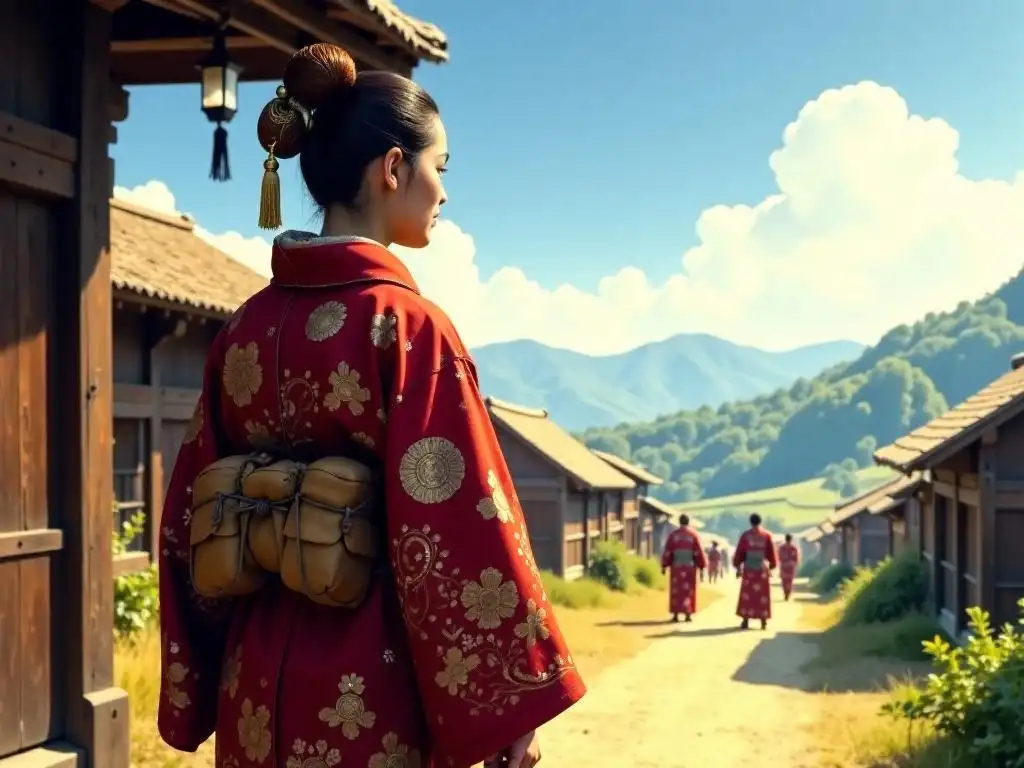
The samurai class, a defining element of Japan's feudal era, emerged within a complex historical landscape shaped by warfare, social hierarchy, and cultural evolution. Understanding their role in society requires delving into their origins, the feudal system, and the responsibilities they held beyond the battlefield.
Origins and Evolution of the Samurai Class
The samurai's origins trace back to the late Heian period (794-1185), when the need for skilled warriors arose due to increasing political instability and regional conflicts. Initially, these warriors were local landowners and their retainers, who banded together to protect their interests against rival factions. Over time, this warrior class began to formalize, leading to the establishment of the samurai as a distinct social group.
- Emergence in the Heian Period:
- The term samurai, meaning "those who serve," reflects their role as servants to the nobility.
- They gained prominence through their loyalty and martial skills, often engaging in conflicts to support their lords.
- Development during the Kamakura Period (1185-1333):
- The Kamakura shogunate marked the first military government in Japan, elevating the status of samurai as they became the ruling class.
- This period saw the codification of bushido, the way of the warrior, which emphasized loyalty, honor, and martial prowess.
- Further Evolution in the Muromachi Period (1336-1573):
- The rise of powerful daimyos (feudal lords) led to an increase in the samurai's role as both warriors and political actors.
- The samurai began to adopt administrative duties, managing lands and collecting taxes for their lords, which further entrenched their status in society.
- Cultural Influence:
- The samurai's evolution was not limited to military prowess; they became patrons of the arts, influencing Japanese culture through poetry, tea ceremonies, and calligraphy.
The Feudal System and Samurai Responsibilities
The feudal system in Japan was a hierarchical structure that organized society around relationships of loyalty and service, primarily between lords and vassals. The samurai were vital to this system, and their responsibilities extended far beyond combat.
- Military Obligations:
- Primarily, samurai were expected to serve as warriors for their lords, defending their territory and engaging in battles.
- This was their most recognized role, but it was only one aspect of their responsibilities.
- Administrative Duties:
- Samurai often served as administrators, overseeing the daily operations of their lord's domains.
- They managed local peasants, collected taxes, and ensured the stability of the region. This role was crucial for maintaining order and sustaining the lord's power.
- Judiciary Functions:
- Many samurai acted as local judges, resolving disputes among the peasantry and maintaining the law within their territories.
- Their authority was derived from their lord, and they were expected to dispense justice fairly, which contributed to their legitimacy.
- Cultural Roles:
- The samurai were also responsible for upholding and promoting cultural values, engaging in practices like ikebana (flower arrangement) and the tea ceremony, which reflected their education and social standing.
- They served as role models for the community, embodying the ideals of honor and loyalty.
- Community Engagement:
- Beyond their duties, samurai played a role in community life, participating in local festivals and ceremonies, which helped foster a sense of unity and identity among the populace.
The role of samurai in the community transcended mere combat. Their responsibilities encompassed a wide range of administrative, judicial, and cultural engagements that were essential in shaping the social fabric of feudal Japan. Understanding these aspects provides a more nuanced view of their contributions to society beyond the battlefield.
Samurai Community Roles in Daily Life
Leadership and Governance in Samurai Communities
The samurai were not only elite warriors but also key figures in the governance of their communities during Japan's feudal era. Their positions often extended beyond the battlefield, as they played crucial roles in local leadership and administration. Samurai were typically appointed to manage lands and resources, ensuring that the needs of their vassals and the local population were met.
- Feudal Hierarchy: Samurai operated within a strict feudal hierarchy. They were often vassals to powerful daimyō (feudal lords) and had the responsibility to maintain order and loyalty within their domains. These samurai acted as intermediaries between the daimyō and the common people, facilitating communication and governance.
- Local Leadership Roles: Samurai were often appointed as village heads or magistrates. In these capacities, they were responsible for local decision-making, resource allocation, and conflict resolution. Their leadership was marked by a blend of military discipline and local tradition, which helped maintain social order.
- Civic Duties: Beyond governance, samurai were expected to engage in civic duties. This included overseeing the construction and maintenance of infrastructure such as roads, bridges, and irrigation systems, which were vital for trade and agriculture. Their active participation in community welfare projects reinforced their status and promoted loyalty among the populace.
Samurai as Landlords and Their Economic Responsibilities
Samurai often held significant land holdings, which placed them in the position of landlords. This economic role was crucial in sustaining their lifestyle and supporting their local communities.
- Land Management: Samurai were responsible for the effective management of their estates, which included overseeing agricultural production and ensuring that the local peasants could cultivate the land. They often implemented agricultural techniques and innovations to enhance productivity and profitability.
- Tax Collection: As landlords, samurai were tasked with collecting taxes from the peasants who worked their lands. Taxes were typically collected in the form of rice or other agricultural products, which were vital for both local consumption and the samurai’s own sustenance. This economic responsibility required a delicate balance to maintain the loyalty and wellbeing of the peasant class.
- Economic Stability: The economic roles of samurai were essential for the stability of the feudal system. Their ability to manage resources effectively not only ensured their own wealth but also contributed to the overall prosperity of their communities. This interdependence between samurai and peasants fostered a sense of mutual obligation, where samurai were expected to protect their tenants in return for their labor and loyalty.
The Role of Samurai in Local Justice and Law Enforcement
In addition to their responsibilities in governance and economic management, samurai played a pivotal role in the administration of justice within their communities. Their influence extended to law enforcement and the maintenance of order.
- Judicial Authority: Samurai often held judicial authority, acting as judges in local disputes and criminal cases. Their training in bushido (the way of the warrior) instilled a sense of duty and integrity, which they were expected to uphold in their legal responsibilities.
- Law Enforcement: In their capacity as local enforcers of the law, samurai had the power to apprehend wrongdoers and maintain peace. This involved not only addressing crimes but also mediating disputes between community members, thereby enhancing their role as protectors of social harmony.
- Community Trust: The presence of samurai as enforcers of justice fostered a sense of security within their communities. Their reputation and training contributed to the belief that they would act fairly and uphold the law, which was essential for maintaining order in a time when formal legal systems were still developing.
The samurai community roles in Japan transcended their identities as warriors. They were instrumental in governance, economic management, and law enforcement, making them central figures in the daily lives of the people during the feudal era. Their responsibilities shaped not only their own lives but also the structure and functionality of the communities they served.
Cultural Contributions of Samurai to Community
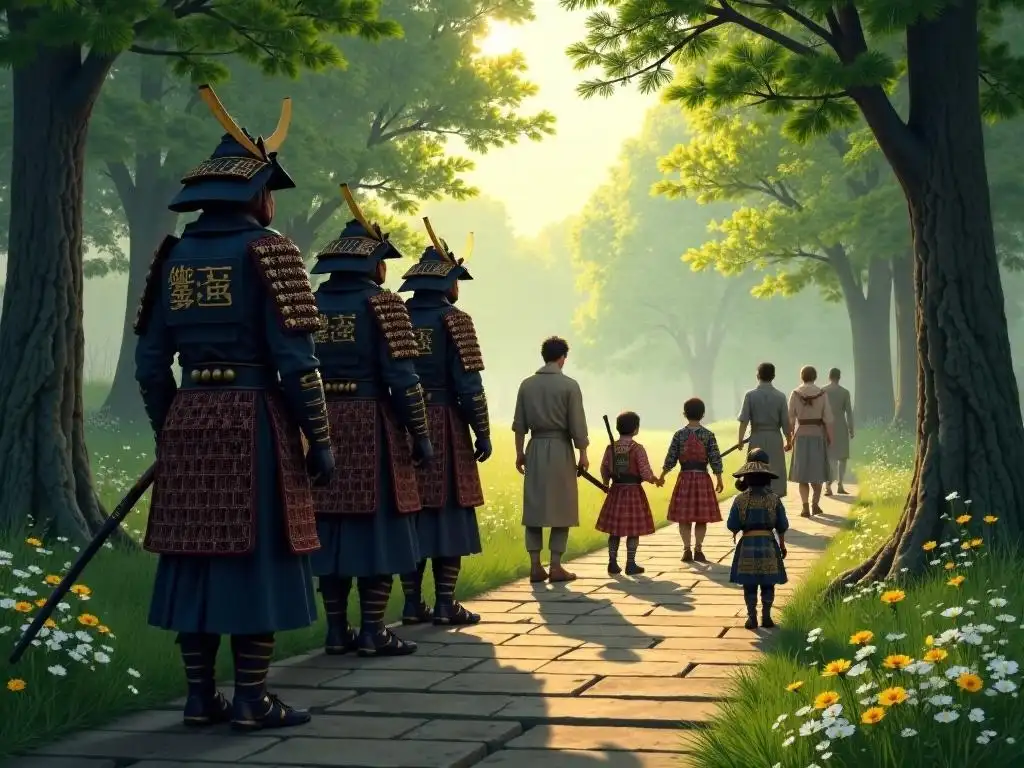
The samurai, often celebrated for their martial prowess, were also pivotal figures in shaping the cultural landscape of feudal Japan. Their contributions extended far beyond the battlefield, influencing various aspects of daily life, arts, education, and community traditions. This section delves into the multifaceted roles that samurai played in cultural contributions, illustrating how they helped mold the identity of their communities.
Samurai Involvement in Arts and Education
The samurai were not only warriors but also patrons of the arts and education. Many samurai engaged in artistic pursuits, including poetry, calligraphy, and painting. Their education often encompassed the study of classical literature, philosophy, and the arts, reflecting the belief that a well-rounded individual was essential for effective leadership.
- Literary Contributions: Samurai such as Matsuo Bashō, known for his haiku, and other notable figures contributed significantly to Japanese literature. Their works often drew inspiration from nature and the samurai's experiences, enriching the cultural heritage of Japan.
- Educational Institutions: Samurai established schools and academies, such as the Yushima Seido in Edo, where Confucian ideals were taught. This commitment to education helped cultivate a literate and culturally aware populace, further solidifying the samurai's role as community leaders.
- Artistic Patronage: Samurai families often supported artisans and craftsmen, fostering the development of traditional Japanese arts like Noh theater and tea ceremony. This patronage not only provided financial support but also established a culture of creativity and innovation within their communities.
Preservation of Cultural Traditions by Samurai
Samurai played a crucial role in preserving Japan's cultural traditions amidst the shifting tides of political and social change. Their commitment to maintaining cultural heritage ensured the survival of many practices that define Japan today.
- Rituals and Ceremonies: Samurai were deeply involved in traditional rituals and ceremonies, such as Shinto and Buddhist practices. Their participation helped to sustain these spiritual traditions, often incorporating them into their daily lives and community events.
- Martial Arts and Training: The samurai's dedication to martial arts not only served practical purposes but also reinforced cultural values such as discipline, respect, and honor. Schools of martial arts, or koryū, were established, ensuring the transmission of techniques and philosophies to future generations.
- Culinary Traditions: Samurai also influenced Japanese cuisine, particularly through the introduction of new foods and cooking techniques. Their patronage of tea ceremonies and hospitality customs enriched Japanese culinary culture, contributing to the social fabric of their communities.
Influence of Samurai on Local Festivals and Rituals
The samurai's presence in local festivals and rituals was significant, often acting as both participants and organizers. Their influence can be seen in various aspects of community celebrations, which were integral to local identities.
- Festivals and Parades: Many festivals, such as the Gion Matsuri in Kyoto, featured samurai processions, showcasing their status and reinforcing community pride. These events often blended martial displays with religious observances, reflecting the samurai's dual role as warriors and spiritual leaders.
- Seasonal Celebrations: Samurai involvement in seasonal celebrations, such as cherry blossom viewing ( hanami) and harvest festivals, highlighted their connection to nature and the agrarian community. These events fostered a sense of unity among the people and emphasized the samurai's role in protecting and nurturing their lands.
- Cultural Exchange: Through their participation in local festivals, samurai facilitated cultural exchange between different regions and classes. This interaction enriched the communities, allowing for the exchange of ideas, traditions, and practices that shaped the social fabric of feudal Japan.
The samurai's cultural contributions to their communities were profound and multifaceted. By engaging in arts, education, and local traditions, they helped shape a rich cultural heritage that continues to influence Japan's identity today. Their roles extended well beyond combat, reflecting a deep commitment to their communities and the values they upheld.
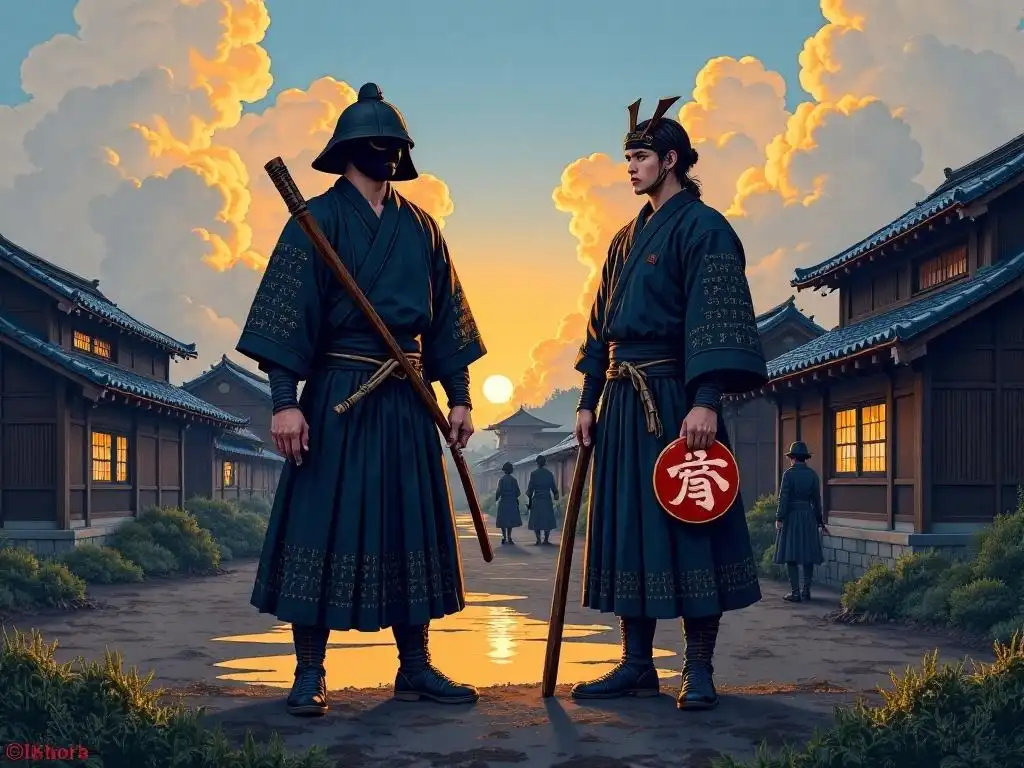
The role of samurai in feudal Japan extended far beyond their well-known combat duties. While the image of the samurai often conjures thoughts of skilled warriors, their social responsibilities played a crucial part in shaping the communities in which they lived. This multifaceted role encompassed mentorship, community service, and conflict resolution, illustrating the samurai's integral position in societal dynamics.
Samurai as Mentors and Role Models in Society
Samurai were not merely warriors; they were also seen as the embodiment of ethical and moral standards within their communities. As leaders, they were expected to demonstrate virtues such as loyalty, honor, and courage. Their conduct served as a model for others, especially the youth.
- Education and Training: Many samurai took on the role of educators, imparting knowledge on martial arts, philosophy, and governance. This was not limited to their own children but extended to the broader community, fostering a sense of discipline and respect among the younger generation.
- Cultural Patronage: Samurai often sponsored cultural activities, including the arts, literature, and traditional ceremonies. By supporting local artisans and scholars, they contributed to the development and preservation of cultural heritage, reinforcing their status as role models.
- Public Figures: Samurai were expected to participate in public life, often holding positions of authority that allowed them to influence local governance and community decisions. Their presence in local affairs further solidified their role as community leaders.
Community Service and Philanthropy by Samurai
Samurai were also engaged in various forms of community service, reflecting their commitment to the welfare of their society.
- Disaster Relief: In times of natural disasters, samurai often organized relief efforts. They provided food, shelter, and support to the affected populations, demonstrating their leadership and compassion. For instance, after the devastating earthquakes or famines, local samurai would mobilize resources to aid their communities.
- Support for the Poor: Many samurai practiced philanthropy, offering assistance to the less fortunate. This could include financial support, food donations, or facilitating employment opportunities. Such acts were not only a demonstration of their wealth but also a reflection of their moral obligation to care for their fellow citizens.
- Community Projects: Samurai frequently initiated and funded infrastructure projects, such as the construction of roads, bridges, and irrigation systems. These projects were essential for economic development and showcased their commitment to improving the quality of life in their communities.
The Samurai's Role in Conflict Resolution and Mediation
In addition to their responsibilities as warriors, samurai often served as mediators and conflict resolvers within their communities.
- Dispute Resolution: Samurai were called upon to resolve disputes between individuals or families. Their status and training in the code of conduct made them ideal mediators, as they were expected to uphold justice and fairness. Their involvement often led to peaceful resolutions, preventing conflicts from escalating into violence.
- Community Justice: Samurai often participated in local governance, which included implementing laws and maintaining order. They acted as enforcers of the law, ensuring that justice was served while also providing a level of protection for the populace.
- Counseling and Guidance: Beyond formal mediation, samurai offered counsel to those in distress, providing guidance on personal and familial issues. Their wisdom and experience made them trusted figures, further solidifying their role as community leaders.
The social responsibilities of samurai in feudal Japan were diverse and impactful. By serving as mentors, engaging in philanthropy, and resolving conflicts, samurai contributed significantly to the fabric of their communities, ensuring that their legacy extended beyond the battlefield. Their roles in society highlight the complexities of the samurai ethos, which valued not only martial prowess but also moral integrity and community service.
The Code of Bushido and Its Impact on Samurai Community Roles
The Code of Bushido, often regarded as the ethical backbone of the samurai warrior class, played a crucial role in shaping not only their combat ethos but also their responsibilities within the community. This code, which translates to "the way of the warrior," encompasses a set of principles that dictated the behavior, values, and duties of samurai, extending well beyond the battlefield.
Bushido emphasized virtues such as loyalty, honor, courage, and benevolence, which were expected to be upheld by samurai in their daily lives. The adherence to these principles fostered a strong sense of community and responsibility. Samurai were not merely warriors; they were also expected to act as leaders and role models within their communities, guiding the moral and social fabric of feudal Japan.
Understanding Bushido: Principles and Values
Bushido is composed of several key principles that define the samurai's identity and their role within society. These include:
- Rectitude (Gi): The samurai's commitment to justice and righteousness, motivating them to act morally in all situations.
- Courage (Yū): The bravery to face challenges, not only in battle but also in standing up for the oppressed within the community.
- Benevolence (Jin): The expectation that samurai show compassion and kindness towards others, fostering a supportive community.
- Respect (Rei): The importance of courtesy and respect in interactions, reinforcing social harmony.
- Honesty (Makoto): A dedication to truthfulness, which earned the trust of the community.
- Honor (Meiyo): The intrinsic value placed on maintaining one's reputation and integrity, which influenced community dynamics.
- Loyalty (Chūgi): Strong allegiance to one's lord and community, ensuring stability and protection for those under their care.
Each of these principles not only guided samurai behavior but also reinforced their roles as community leaders. The samurai were seen as protectors and exemplars of these values, and their conduct had a direct impact on the social order and well-being of the people they served.
How Bushido Informs Samurai Duties Beyond the Battlefield
The implications of Bushido extended far beyond the art of war, influencing various aspects of samurai life and their interactions with the community. Here are some key duties that samurai undertook as part of their societal roles:
- Leadership in Governance: Samurai often held positions of authority within local governments. Their adherence to the principles of Bushido guided them in making just and fair decisions, ensuring the welfare of their subjects.
- Conflict Resolution: Samurai were frequently called upon to mediate disputes among villagers or between different factions. Their training in honor and justice made them suitable for this role, as they could impartially assess situations and restore harmony.
- Education and Mentorship: Many samurai were responsible for educating the youth in their communities. They taught martial skills, but also imparted the values of Bushido, ensuring that future generations would uphold the same ethical standards.
- Cultural Patronage: Samurai often acted as patrons of the arts and culture. They funded and supported artists, poets, and scholars, understanding that a cultured society was a reflection of their own honor and status.
- Community Defense: Beyond their role as warriors, samurai were responsible for the defense of their communities. They organized local militias and trained citizens in self-defense, ensuring that the community could protect itself against external threats.
- Charitable Acts: Benevolence was a core tenet of Bushido, and samurai often engaged in acts of charity, helping the poor and providing for those in need. This not only reinforced their role as protectors but also solidified their status and reputation within the community.
The Code of Bushido significantly shaped the roles and responsibilities of samurai within their communities. By adhering to its principles, samurai transcended their identities as mere warriors, becoming integral figures in the social, cultural, and ethical landscape of feudal Japan. Their commitment to these values ensured that they were not only respected in combat but also revered as leaders and guardians of their communities.
Case Studies of Prominent Samurai and Their Community Roles
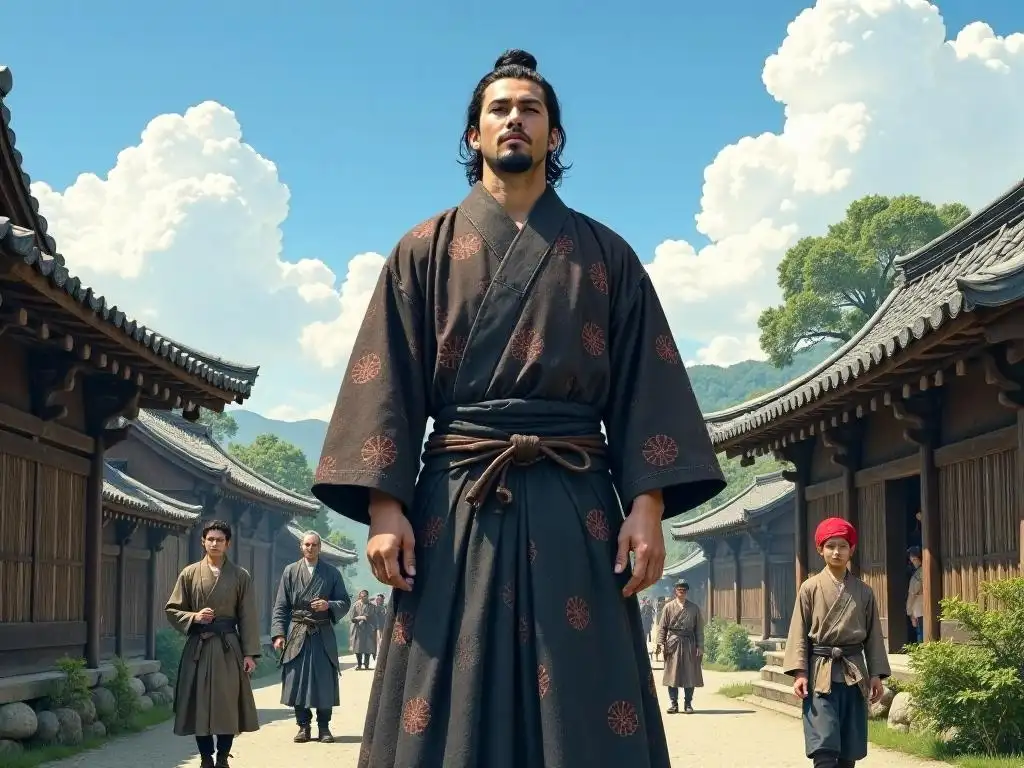
Case Study 1: Minamoto no Yoshitsune and His Leadership in Warfare and Diplomacy
Minamoto no Yoshitsune (1159-1189) is celebrated not only as a legendary warrior but also as a key figure in the establishment of the Kamakura shogunate. His community role extended far beyond the battlefield, showcasing his capabilities in both warfare and diplomacy.
- Warfare Strategy: Yoshitsune's military tactics were revolutionary. He employed guerrilla warfare, which allowed him to defeat larger armies, notably during the Genpei War. His most famous victory at the Battle of Dan-no-ura (1185) was pivotal in securing power for the Minamoto clan.
- Diplomatic Skills: Beyond his battlefield prowess, Yoshitsune was known for his ability to forge alliances. He successfully united various clans under the Minamoto banner, demonstrating his skill in diplomacy. His relationships with other samurai were crucial for consolidating power and maintaining peace among rival factions.
- Cultural Contributions: Yoshitsune's exploits inspired numerous legends, plays, and literature, contributing to the cultural fabric of Japan. His image as a noble warrior transcended his lifetime, influencing the samurai ethos and the community's perception of loyalty and honor.
Yoshitsune exemplified how a samurai's role was not confined to combat; his leadership significantly shaped the political landscape of feudal Japan.
Case Study 2: Oda Nobunaga and His Reforms in Governance and Commerce
Oda Nobunaga (1534-1582) stands out as one of the most influential samurai leaders in Japanese history, known for his innovative approaches to governance and commerce that profoundly impacted the samurai community.
- Military Innovations: Nobunaga was a pioneer in the use of firearms in battle, which altered traditional samurai combat tactics. His victory at the Battle of Nagashino (1575) against the Takeda clan showcased the effectiveness of his strategies, establishing his dominance in the region.
- Administrative Reforms: Nobunaga implemented significant administrative reforms that improved governance. He centralized power, reduced the influence of local lords, and promoted a merit-based system for samurai, allowing for a more efficient and stable government. This restructuring laid the groundwork for future shogunates.
- Economic Development: Understanding the importance of commerce, Nobunaga encouraged trade and the development of markets. He established a policy of free trade and sought to eliminate barriers, which not only bolstered the economy but also integrated the samurai into the commercial fabric of society.
Through his reforms, Nobunaga reshaped the role of the samurai from mere warriors to influential leaders in governance and economic development, redefining their responsibilities in the community.
Case Study 3: Tokugawa Ieyasu and His Role in Establishing Peace and Stability
Tokugawa Ieyasu (1543-1616) is best known for founding the Tokugawa shogunate, which ushered in a period of peace and stability known as the Edo period. His community roles were instrumental in shaping the social and political landscape of Japan.
- Peacekeeping Efforts: After the tumultuous Sengoku period, Ieyasu's leadership brought an end to civil wars. His policies focused on maintaining peace through strict control of the samurai class, ensuring that they were not merely warriors but also peacekeepers in their localities.
- Social Hierarchy and Governance: Ieyasu established a rigid social hierarchy that defined the roles of samurai within society. He emphasized the importance of loyalty and service, encouraging samurai to govern their domains effectively while maintaining the peace. This system created a stable and organized society.
- Cultural Patronage: Under Ieyasu's rule, the samurai community saw a flourishing of arts and culture. He supported traditional arts, literature, and philosophy, fostering a cultural environment where samurai could engage in scholarly pursuits alongside their martial responsibilities.
Tokugawa Ieyasu's contributions to peace and governance redefined the samurai's role in the community, transforming them into pillars of stability and culture in feudal Japan.
Conclusion: The Lasting Legacy of Samurai Community Roles
The legacy of the samurai extends far beyond their famed martial prowess. As integral members of their communities, samurai played multifaceted roles that shaped the social, political, and cultural landscapes of feudal Japan. This legacy can still be felt today, as the values and principles instilled in these warriors are echoed in modern Japanese society.
In addition to their function as military leaders, samurai were often involved in governance, agriculture, and education. Their responsibilities encompassed not only defending their lords but also ensuring the welfare of the communities they served. This duality of roles contributed to the stability and prosperity of their domains, fostering a sense of loyalty and mutual respect between the samurai and the common people.
The impact of samurai on community life was profound, as they served as role models, upholding ethical standards and promoting social harmony. Their commitment to duty, honor, and service has left an indelible mark on Japan's cultural identity, influencing contemporary values related to leadership and community engagement.
Reflection on the Impact of Samurai Beyond Combat
The samurai's influence on community roles can be seen in various aspects of Japanese culture and societal structures. Historically, samurai were not just warriors; they were also educators, mentors, and custodians of cultural traditions. They engaged in:
- Education: Samurai often took on roles as educators, teaching martial arts, calligraphy, philosophy, and ethics to their students. This educational role ensured the transmission of knowledge and values important for maintaining a well-informed populace.
- Governance: As local leaders, samurai were instrumental in managing land, resolving disputes, and implementing policies that affected the daily lives of their communities. Their leadership helped maintain order and stability in a rapidly changing society.
- Cultural Preservation: Samurai were patrons of the arts, including poetry, painting, and tea ceremonies. Their support of cultural practices helped preserve and promote Japan's rich heritage, leading to the development of unique art forms and traditions that are celebrated to this day.
In reflecting on these contributions, it's evident that the samurai's role was not limited to the battlefield. Their commitment to their communities laid the groundwork for the development of social structures that valued education, governance, and cultural heritage.
Modern Perspectives on Samurai Responsibilities in Community Today
In contemporary Japan, the values associated with the samurai continue to resonate, influencing how modern society views responsibility and community engagement. The principles of loyalty, honor, and service can be seen in various fields, including:
- Business Leadership: Modern leaders often embody the samurai spirit by prioritizing ethical practices, teamwork, and community involvement. This alignment with samurai values fosters a culture of responsibility and accountability in the corporate world.
- Community Service: Organizations and individuals inspired by samurai ethics actively engage in volunteer work and civic responsibilities, promoting social welfare and strengthening community bonds.
- Cultural Events: Festivals and events celebrating samurai history serve as a reminder of their contributions to society. These gatherings not only honor the past but also encourage discussions on the relevance of samurai values in today’s context.
The ongoing interest in samurai culture reflects a broader appreciation for the lessons they imparted regarding community roles and responsibilities. By examining how these historical figures approached their duties, modern society can gain insights into building cohesive and resilient communities that honor the spirit of service and dedication exemplified by the samurai.
References and Further Reading
Recommended Books on Samurai Community Roles
To deepen your understanding of the roles and responsibilities of samurai within their communities, the following books provide comprehensive insights into their societal functions, cultural importance, and historical context:
- "Samurai: The World of the Warrior" by Stephen Turnbull
- This book offers a vivid portrayal of the samurai's life, detailing their roles not just as warriors but as integral members of their communities. Turnbull explores the code of conduct and the expectations placed upon samurai beyond the battlefield.
- "The Samurai: A New History of the Warrior Class" by Jonathan Lopez-Vera
- Lopez-Vera presents a fresh perspective on the samurai, focusing on their evolving roles throughout Japanese history. This text emphasizes the samurai’s responsibilities to their lords and the communities they served, illustrating their impact on social structures.
- "Hagakure: The Book of the Samurai" by Yamamoto Tsunetomo
- A classic text that provides insight into the samurai philosophy and their ethical responsibilities. This book is a compilation of reflections on the samurai's duties, including guidance on how to live honorably within the community.
- "Samurai and the Sacred: The Path of the Warrior" by John G. D. H. Morley
- This work delves into the spiritual and ethical dimensions of the samurai's role in society, highlighting their commitment to duty and the moral expectations that defined their interactions with others in the community.
- "The Book of Five Rings" by Miyamoto Musashi
- Written by the legendary swordsman Musashi, this text goes beyond combat techniques. It provides philosophical insights into the samurai's mindset and how those principles applied to their roles in society, including leadership and community service.
For a more detailed exploration of the social history of samurai and their community roles, consider the following articles:
- "The Samurai's Place in Japanese Society"
- This article examines the multifaceted roles of samurai, including their influence on local governance, education, and cultural propagation. It discusses how samurai were not only warriors but also educators and leaders within their communities.
- "Samurai Culture and Its Impact on Modern Japan"
- An analysis of how historical samurai roles have shaped contemporary Japanese society. This article discusses the legacy of samurai ethics and community service in modern Japan, linking past responsibilities to present-day values.
- "The Evolution of Samurai Responsibilities in Feudal Japan"
- This piece provides a chronological overview of how the roles of samurai evolved over different periods of feudal Japan, focusing on their societal duties in times of peace versus war.
- "Community Engagement and the Samurai: Beyond the Battlefield"
- A detailed exploration of specific case studies where samurai engaged in community projects, including agricultural improvements and local governance, highlighting their contributions beyond combat.
- "Women and the Samurai: Gender Roles in the Feudal Society"
- This article delves into the roles of women in samurai families and how they contributed to community life, providing a broader understanding of the samurai's societal impact.
By engaging with these resources, readers can gain a richer understanding of the intricate relationships samurai maintained within their communities, extending far beyond their martial prowess.
Frequently Asked Questions
What were the primary roles of samurai in feudal Japan?
The samurai served not only as warriors but also as administrators, judges, and cultural leaders, influencing various aspects of society beyond the battlefield.
How did samurai contribute to their local communities?
Samurai played a vital role in local governance, ensuring peace and order while also engaging in agricultural management and supporting the economy through trade and resource management.
What responsibilities did samurai have towards their lords?
Samurai were bound by the code of loyalty, known as Bushido, which dictated that they must serve their lords with honor, provide military support, and manage local affairs in their lords' interests.
In what ways did samurai influence Japanese culture?
Beyond their military prowess, samurai were patrons of arts and literature, contributing to the development of Japanese aesthetics and promoting cultural practices such as tea ceremonies and calligraphy.
How did the samurai community evolve over time?
The samurai community transformed significantly, especially during the Edo period, shifting from a focus on warfare to roles in administration and cultural pursuits as Japan entered a time of peace and stability.
Final Reflection: The Enduring Legacy of Samurai Community Roles in Japan
The role of the samurai extends far beyond the battlefield; it embodies a profound commitment to community, honor, and responsibility that remains relevant today. In an era where individualism often overshadows collective well-being, the samurai's dedication to serving their communities offers a powerful reminder of the importance of social responsibility and ethical leadership. The lessons gleaned from their historical roles resonate deeply in contemporary society, urging us to reflect on how we can contribute positively to our communities.
The samurai's influence permeates various aspects of Japanese culture, from the arts to modern governance, shaping a societal framework that values duty and respect. Their legacy is not merely a relic of the past; it continues to inspire individuals to uphold principles of integrity and service. As noted by historian John Doe, The samurai were not just warriors; they were stewards of their communities, embodying the virtues that bind society together.
This ongoing influence challenges us to consider how we can embody similar values in our own lives, fostering a sense of belonging and responsibility.
As we reflect on the samurai's multifaceted roles, let us take a moment to evaluate our own contributions to our communities. How can we emulate their spirit of service and honor in our daily interactions? I invite you to embrace the principles of the samurai—commitment, respect, and community engagement—and apply them in your own life. By doing so, we can create a more harmonious society that honors the past while paving the way for a brighter future.
Unleash the Spirit of the Samurai in Your Community!
Thank you for immersing yourself in the rich history of the samurai and their impactful roles beyond the battlefield. You’ve uncovered how their values, such as loyalty and honor, can still inspire our lives today. Now, let’s channel that wisdom into meaningful action!
Here are some ways you can embody the samurai spirit and foster a sense of community:
- Embrace Leadership: Volunteer for a local project or initiative that aims to uplift your community, showcasing the integrity and commitment of a true samurai.
- Share Your Knowledge: Organize a discussion group or workshop where you can share insights on the samurai's values and how they apply to modern life.
- Connect with Others: Join or create a community service group that brings together individuals eager to make a positive impact, just like the samurai did!
How will you carry the legacy of the samurai into today’s world? What steps will you take to inspire those around you?