
Rituals and Routines: How Samurai Structured Their Days


Welcome to Feudal Japan History, where we invite you to embark on a fascinating journey through the intricate tapestry of Japan’s feudal era. In our featured article, "Rituals and Routines: How Samurai Structured Their Days," you will uncover the daily lives of the legendary samurai, revealing the unique rituals and disciplined routines that defined their existence. What secrets lie behind their unwavering commitment to duty and honor? Dive deeper into their world and discover how these practices shaped not only their lives but the very culture of Japan. Get ready to be captivated by the stories that await!
- Introduction to Samurai Daily Routines and Rituals
- The Morning Rituals of Samurai
- Daily Routines: Structure of a Samurai's Day
- Evening Rituals: Reflection and Preparation
- Cultural Significance of Samurai Routines and Rituals
- Conclusion: The Lasting Legacy of Samurai Daily Routines
- Additional Resources on Samurai Daily Routines and Rituals
- Frequently Asked Questions
- Final Reflection: The Enduring Wisdom of Samurai Daily Routines and Rituals
- Embrace the Samurai Spirit Today!
Introduction to Samurai Daily Routines and Rituals
The daily lives of samurai in feudal Japan were intricately woven into a tapestry of rituals and routines that reflected their status, responsibilities, and cultural values. Understanding the samurai daily routines and rituals provides us with a unique insight into the mindset and societal functions of these formidable warriors.
From the early morning hours to the twilight of their evenings, samurai adhered to a structured schedule that encompassed training, meditation, and ceremonial practices. This article will delve into these daily practices, exploring how they shaped not only the samurai's personal life but also their role within the broader social fabric of feudal Japan.
Overview of Samurai Life in Feudal Japan
Samurai were more than just skilled warriors; they were also custodians of the cultural and spiritual beliefs of their time. Living under the feudal system, they served as vassals to their lords, known as daimyōs. Their lives were governed by the principles of bushidō (the Way of the Warrior), which emphasized loyalty, honor, and discipline.
Key elements of samurai life included:
- Training and Combat: Daily practice in martial arts, swordsmanship, and horseback riding was essential for maintaining their combat readiness.
- Spiritual Practices: Meditation and rituals played a crucial role in their lives, helping to cultivate inner peace and focus.
- Social Obligations: Samurai were expected to uphold their duties to their lords and the community, which included participating in local governance and ceremonies.
This structured lifestyle was essential not only for personal development but also for maintaining the social order of feudal Japan.
Importance of Daily Routines and Rituals in Samurai Culture
Daily routines and rituals were integral to the samurai ethos, reinforcing their values and responsibilities. These practices fostered a sense of discipline and order in their lives, enabling them to navigate the complexities of feudal society. Some key aspects include:
- Discipline and Training: Regular physical and mental training helped samurai hone their skills and embody the principles of bushidō. The commitment to training was seen as a reflection of their character.
- Rituals of Honor: Ceremonial practices, such as tea ceremonies and ancestral worship, allowed samurai to connect with their heritage and express gratitude, reinforcing their sense of identity and belonging.
- Mindfulness and Reflection: Meditation was a daily practice that provided samurai with the opportunity to reflect on their actions and intentions, promoting a balanced and thoughtful approach to both life and combat.
In essence, the daily routines and rituals of samurai were not mere tasks but a way of life that shaped their identity and influenced their legacy in Japanese history. By examining these practices, we gain a deeper appreciation of the samurai's role in shaping the cultural landscape of feudal Japan.
The Morning Rituals of Samurai
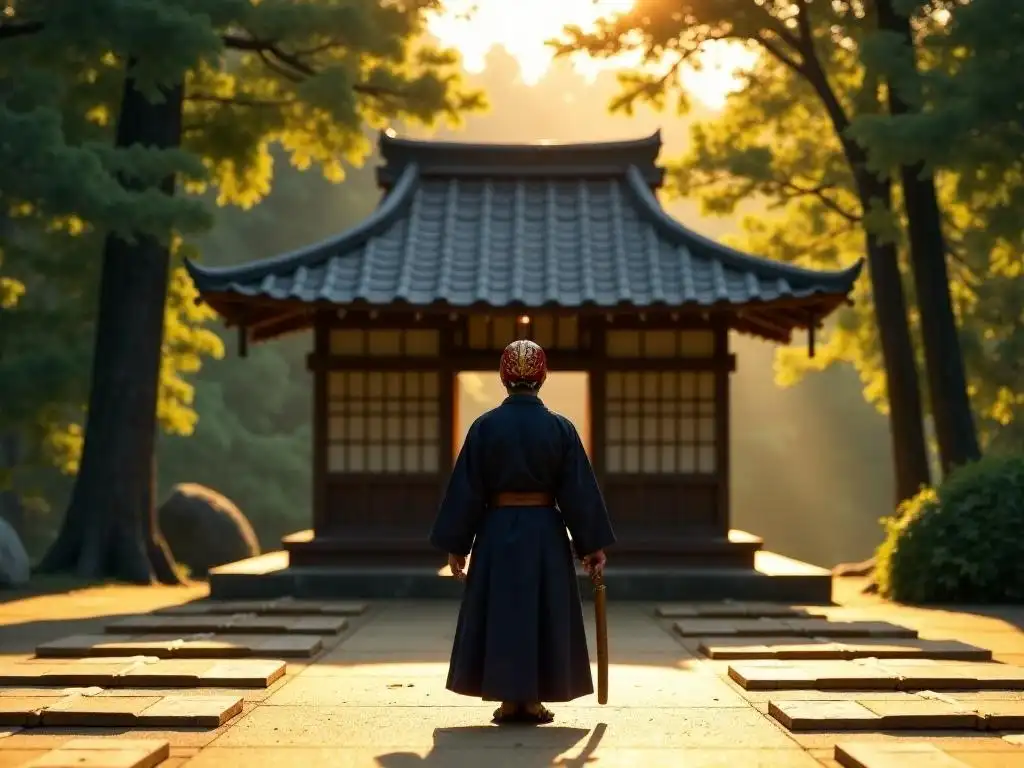
The morning rituals of samurai were not just routine tasks; they were a significant part of their daily lives, reflecting their discipline, values, and connection to the spiritual realm. Each aspect of their morning was meticulously crafted to prepare them for the challenges of the day, both in battle and in governance. The early hours held a special place in samurai culture, as they believed that starting the day with intention set the tone for the hours that followed.
The Significance of Dawn in Samurai Life
Dawn was a pivotal moment for samurai, symbolizing renewal and the opportunity for a fresh start. The Japanese phrase "Asa no kaze" (朝の風) translates to "morning breeze," and encapsulates the idea of awakening both the body and spirit.
- Symbolism of Dawn:
- Spiritual Awakening: The early morning was seen as a time when the world was tranquil, making it ideal for introspection and spiritual connection.
- Connection to Nature: The samurai believed that the first light of day was infused with divine energy, and engaging with nature at this time was essential for grounding oneself.
- Daily Preparation:
- Mindset for the Day: The rituals performed at dawn were aimed at preparing samurai mentally and physically for the responsibilities and potential conflicts they would face.
- Setting Intentions: Many samurai would take a moment at dawn to set personal intentions or affirmations, aligning their actions with their values of honor and loyalty.
Morning Practices: Meditation and Physical Training
Morning routines among samurai often included both meditation and physical training, reflecting their commitment to both mental clarity and physical prowess.
Meditation Practices
- Zazen (座禅): This seated meditation practiced by samurai involved deep breathing and focusing on the present moment. It helped foster a calm mind, essential for making strategic decisions later in the day.
- Kinhin (経行): Walking meditation was often practiced following zazen, allowing samurai to integrate mindfulness into their movements. This was crucial for maintaining focus and discipline throughout their daily tasks.
Physical Training
- Kenjutsu (剣術): The practice of swordsmanship was a fundamental part of a samurai’s morning routine. Training included kata (forms) and sparring, aimed at honing skills necessary for combat.
- Other Martial Arts: Samurai often engaged in various forms of martial arts such as iaido (the art of drawing the sword) and naginatajutsu (the art of the naginata), ensuring they remained in peak physical condition.
Rituals of Purification: Cleansing Body and Mind
Purification rituals were integral to the samurai’s morning routine, serving as a means to cleanse not just the body, but also the spirit.
- Washing Techniques:
- Misogi (禊): This ritual purification involved bathing in natural bodies of water, believed to cleanse the spirit and wash away impurities.
- Ablutions: Samurai often performed ablutions using water from a well or river, focusing on the act as a symbolic cleansing of their thoughts and intentions.
- Spiritual Cleansing:
- Incense and Offerings: Many samurai families maintained small altars where incense was burned, and offerings made to ancestors. This practice served to invoke protection and guidance for the day ahead.
- Meditative Reflection: After physical cleansing, samurai might engage in a brief period of reflective meditation, contemplating their duties and the importance of honor in their actions.
The morning rituals of samurai were a complex interplay of spiritual, physical, and mental practices that set the foundation for their daily lives. These routines were not merely ceremonial but were deeply embedded in the samurai’s identity, reinforcing their commitment to discipline, honor, and readiness for the challenges that lay ahead.
Daily Routines: Structure of a Samurai's Day
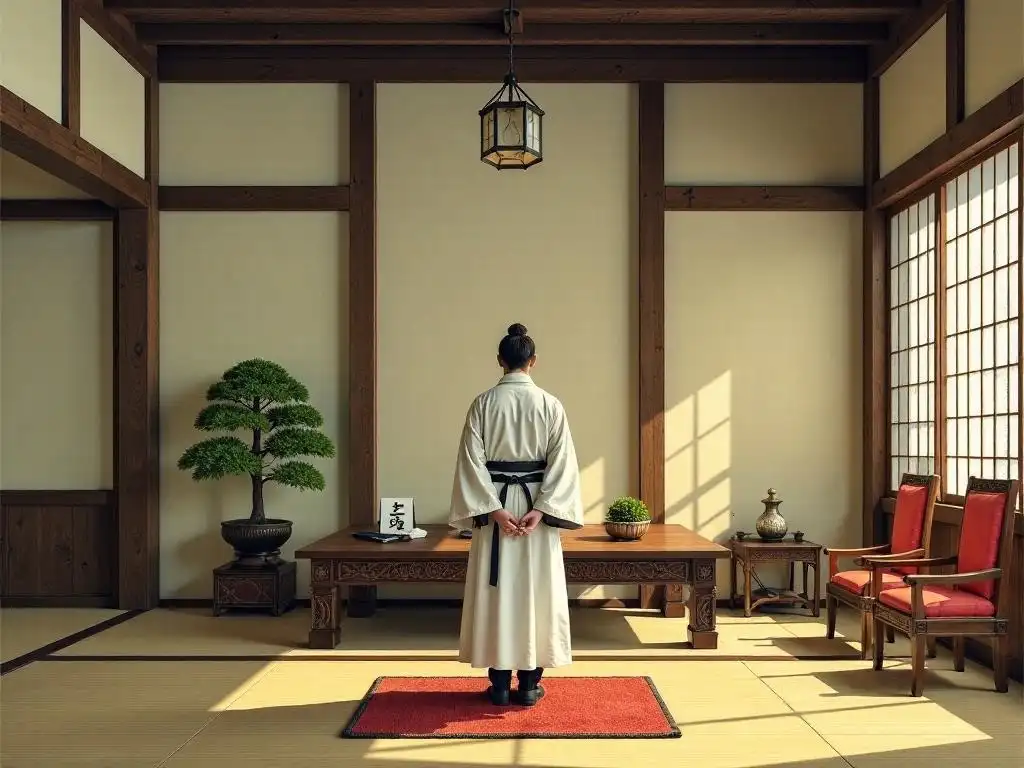
The daily routines of samurai were meticulously structured, reflecting their commitment to discipline, honor, and the fulfillment of various roles within their households and society. A typical day for a samurai began at dawn, where the interplay of duty, training, and cultural pursuits shaped their existence. Understanding these routines provides insight into the life of these iconic warriors and the values they upheld.
Scheduled Activities: From Dawn to Dusk
Samurai daily routines were governed by a strict schedule, balancing physical training, household responsibilities, and cultural activities. The day often began early, around 5 a.m., with rituals aimed at mental and physical readiness.
- Morning Rituals:
- Meditation and Prayer: Starting the day with spiritual reflection was common, allowing samurai to align their thoughts with their values of loyalty and honor.
- Physical Conditioning: Following meditation, samurai typically engaged in calisthenics or light exercises to prepare their bodies for the day ahead.
- Mid-Morning Activities:
- Training Sessions: After breakfast, samurai would dedicate several hours to martial arts training, focusing on techniques such as kenjutsu (swordsmanship) and kyujutsu (archery).
- Weapon Maintenance: Attention to their weapons was crucial; samurai routinely cleaned and sharpened their swords, ensuring they were always ready for use.
- Afternoon Responsibilities:
- Household Duties: After training, samurai were expected to fulfill various household responsibilities, which included overseeing the management of lands and ensuring the well-being of their family and retainers.
- Strategic Planning: Many samurai also engaged in discussions about military strategy or clan affairs, preparing for any potential conflicts.
- Evening Reflections:
- Cultural Practices: The day would often culminate in cultural activities, such as studying literature or engaging in calligraphy.
- Family Time: Evenings were reserved for family and communal meals, reinforcing familial bonds and the samurai's role as a family leader.
Training and Martial Arts: The Core of Samurai Discipline
Training was the cornerstone of a samurai's daily routine, integral to their identity and social standing. The emphasis on physical and mental discipline was paramount, with each martial art serving a specific purpose in their development as warriors.
- Kenjutsu: This sword-fighting technique was the most revered among samurai. Training involved not only combat skills but also the philosophy behind the sword, emphasizing the mental state required for a warrior.
- Archery (Kyujutsu): Proficiency in archery was essential for samurai, especially during battles. Routine practice focused on precision, control, and the mental fortitude needed to excel in this discipline.
- Martial Arts Schools: Many samurai belonged to specific martial arts schools, where they trained under experienced masters. This structured education reinforced the samurai code and fostered camaraderie among practitioners.
Household Duties: Balancing Responsibilities and Training
While martial prowess was vital, samurai also had significant household responsibilities that required careful balancing. These duties were essential for maintaining their status and the well-being of their families.
- Land Management: Samurai were often landowners, and their responsibilities included overseeing agricultural production, collecting taxes, and ensuring the stability of their domain.
- Retainer Management: Many samurai had retainers who depended on them for livelihood and protection. Effective leadership involved fostering loyalty and maintaining a harmonious relationship with their followers.
- Educational Responsibilities: Beyond managing their estates, samurai were tasked with the education of their children and retainers, imparting knowledge about martial arts, ethics, and governance.
Engagement in Arts and Culture: The Role of Calligraphy and Poetry
The life of a samurai was not solely defined by martial discipline; engagement in the arts was a crucial aspect of their identity. Cultural pursuits were considered essential for a well-rounded samurai.
- Calligraphy (Shodō): Mastery of calligraphy was highly esteemed among samurai. It was seen as a reflection of one's character and discipline. Regular practice helped to cultivate patience and precision.
- Poetry (Waka and Haiku): Many samurai were also poets, composing verses that expressed their feelings and philosophies. Poetry provided an outlet for emotional expression and a means of connecting with others.
- Tea Ceremony (Chanoyu): The tea ceremony was another cultural practice that samurai participated in, emphasizing aesthetics, respect, and mindfulness. This ritual was often a social affair that fostered relationships and diplomacy.
The daily routines of samurai were rich and varied, intertwining martial training, household management, and cultural engagement. This structure not only defined their day-to-day existence but also shaped their identity as warriors and leaders in feudal Japan. Understanding these routines offers a glimpse into the disciplined and multifaceted lives of samurai, illuminating their enduring legacy in Japanese history.
Evening Rituals: Reflection and Preparation

Evening rituals were a vital aspect of the samurai's daily life, serving as a time for reflection, preparation, and connection with family and community. These practices not only helped samurai unwind from the day's events but also reinforced their values and commitments. Understanding these rituals provides insight into the samurai's disciplined lifestyle and their emphasis on honor, duty, and familial ties.
The Importance of Evening Meditation
Evening meditation, or zazen, was a common practice among samurai, rooted in Zen Buddhism. This practice allowed samurai to center themselves and reflect on their actions throughout the day. The following points highlight the significance of evening meditation:
- Self-Reflection: Samurai utilized this time to contemplate their decisions, actions, and adherence to their code of conduct, known as Bushido. This reflection ensured that they remained aligned with their values and prepared for future challenges.
- Mental Clarity: Evening meditation helped clear the mind of distractions, enabling samurai to approach the next day with renewed focus and determination.
- Emotional Balance: Engaging in meditation promoted emotional well-being, allowing samurai to process their feelings, whether they stemmed from victories or losses experienced during the day.
- Spiritual Connection: The practice also served as a way to connect with their spiritual beliefs, fostering a sense of inner peace and stability amidst the chaos of their external lives.
Preparing for Tomorrow: Planning and Mindfulness
The evening was also a crucial time for samurai to prepare for the following day. This involved a combination of planning and mindfulness practices that ensured they were ready for any challenge that might arise. Key aspects of this preparation included:
- Reviewing Objectives: Samurai would often outline their goals for the next day, whether related to training, strategy, or personal development. This practice instilled a sense of purpose and direction.
- Training Routines: Many samurai dedicated time in the evening to practice their martial skills, reviewing techniques and strategies. This commitment to continuous improvement was integral to their identity as warriors.
- Mindfulness Practices: Engaging in activities such as calligraphy or tea ceremonies allowed samurai to cultivate mindfulness, helping them to remain present and focused on their actions. These activities were often considered meditative in nature.
- Journaling: Some samurai kept journals to document their thoughts and experiences. This not only served as a personal archive but also facilitated self-exploration and growth.
Rituals of Family and Community: Strengthening Bonds
Evening rituals extended beyond personal reflection and preparation; they also played a significant role in reinforcing family and community ties. Samurai often engaged in the following practices to strengthen these bonds:
- Family Gatherings: Evenings were an opportunity for samurai to gather with family, sharing meals and stories. These moments were essential for fostering unity and maintaining familial relationships.
- Community Engagement: Samurai sometimes participated in community events or gatherings, reinforcing their roles as leaders and protectors within their localities. This involvement helped to build a sense of belonging and responsibility.
- Ceremonial Practices: Rituals such as the chaji (tea ceremony) or seasonal festivals provided samurai with a chance to connect with their heritage and honor their ancestors. These ceremonies often included specific protocols that emphasized respect and gratitude.
- Teaching and Mentoring: Experienced samurai frequently took the time to teach younger generations about martial arts, ethics, and the values of Bushido. This transmission of knowledge reinforced the importance of legacy and community.
The evening rituals of samurai were multifaceted, encompassing meditation, planning, and community engagement. These practices not only structured their days but also strengthened their commitment to their values and relationships, ultimately shaping their identities as warriors and family members.
Cultural Significance of Samurai Routines and Rituals
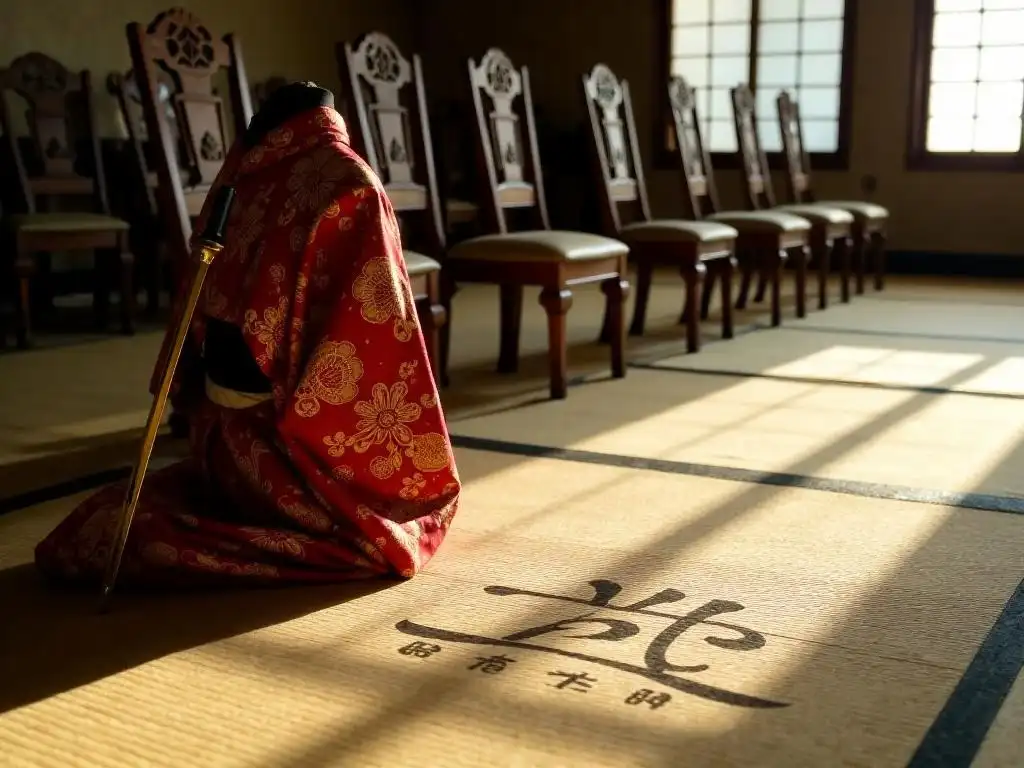
The daily routines and rituals of samurai were not merely a series of tasks; they were deeply embedded in the cultural fabric of feudal Japan. These practices reflected the values and philosophies that guided samurai life, showcasing the intersection between martial prowess and spiritual discipline. The structured patterns of their day were designed to cultivate an inner state of calm and focus, essential for both combat and governance.
The samurai’s daily life was marked by a balance of rigorous training, administrative duties, and spiritual practices. This balance was crucial in shaping individuals who were not only skilled warriors but also respected leaders in their communities. Their routines embodied the ideals of bushido, the way of the warrior, emphasizing virtues such as loyalty, honor, and self-discipline. The significance of these rituals extended beyond the individual; they fostered a sense of identity and belonging within the samurai class, reinforcing social hierarchies and community bonds.
The Influence of Zen Buddhism on Samurai Practices
Zen Buddhism played a pivotal role in shaping the samurai's daily routines and rituals. Introduced to Japan in the 12th century, Zen emphasized meditation, mindfulness, and the development of a deep understanding of the self. These principles resonated with the samurai, who sought to attain mental clarity and emotional control amid the chaos of warfare and political strife.
Samurai often began their day with zazen, seated meditation, which provided them with the mental fortitude necessary for their demanding lifestyle. This practice not only helped them cultivate focus but also instilled a sense of tranquility that was essential for both battle and governance. The focus on mindfulness allowed samurai to respond to challenges with composure, reflecting their commitment to the tenets of bushido.
Additionally, many samurai engaged in tea ceremonies (chanoyu), which were influenced by Zen aesthetics. These ceremonies were not merely social gatherings; they were a form of meditation in action, where every movement was deliberate and infused with meaning. The rituals associated with tea preparation emphasized simplicity, respect, and tranquility—qualities that were indispensable to the samurai ethos. Through these practices, the samurai integrated the spiritual teachings of Zen into their daily lives, reinforcing their values of discipline and honor.
How Rituals Reflect Samurai Values: Honor, Discipline, and Loyalty
The rituals that structured the samurai's day were a manifestation of their core values—honor, discipline, and loyalty. Each routine was carefully designed to reinforce these principles and to prepare the samurai for the responsibilities they bore as warriors and leaders.
- Honor: Honor was the cornerstone of the samurai identity. Daily practices such as morning exercises and weapons training were not merely physical activities; they were rituals that reminded samurai of their duty to uphold their family's name and the expectations of their lord. Engaging in these rituals was a way to affirm their commitment to honor, reflecting the deeply ingrained belief that their actions reflected directly on their lineage.
- Discipline: The rigorous training routines, including martial arts practice and tactical exercises, instilled a sense of discipline that permeated all aspects of samurai life. The repetition of these rituals cultivated not only physical skill but also mental resilience. Discipline was essential for mastering the art of war, and samurai understood that their daily routines directly impacted their effectiveness on the battlefield.
- Loyalty: Loyalty to one's lord and comrades was another fundamental value among samurai. Rituals such as the morning assembly, where samurai would gather to receive orders and share news, emphasized the importance of unity and fidelity. This communal aspect of their rituals fostered bonds of loyalty, ensuring that samurai remained committed to their duties and to each other.
The daily routines and rituals of samurai were far more than mere habit; they were a crucial part of their identity and societal role. Through these structured practices, samurai cultivated the virtues that defined their existence, allowing them to navigate the complexities of feudal Japan with honor, discipline, and unwavering loyalty.
Conclusion: The Lasting Legacy of Samurai Daily Routines

The daily routines and rituals of the samurai are not merely relics of a bygone era; they have left an indelible mark on contemporary Japanese culture and society. The disciplined approach to life that samurai embodied—rooted in a blend of honor, duty, and spirituality—continues to resonate in modern practices. This legacy is not only visible in traditional martial arts but also in various aspects of Japanese daily life, such as the tea ceremony, calligraphy, and even corporate culture.
By adhering to structured routines, samurai cultivated not only physical prowess but also mental resilience. These practices fostered a sense of purpose and direction, qualities that are increasingly valued in today's fast-paced world. The principles underpinning samurai rituals, such as mindfulness, respect for nature, and the importance of community, serve as timeless reminders of how structure can enhance personal well-being and societal harmony.
Modern Relevance of Samurai Rituals in Contemporary Life
In the present day, many individuals and organizations draw inspiration from samurai rituals to create balance and clarity in their lives. For instance:
- Mindfulness Practices: Just as samurai engaged in meditation to center themselves, modern mindfulness practices encourage individuals to focus on the present moment, reducing stress and enhancing overall well-being.
- Discipline in Training: Many martial arts schools emphasize the same routines that samurai followed, such as kata (forms) and weapon training. This discipline cultivates not only physical skills but also mental fortitude.
- Community Building: The samurai's commitment to their clans and communities reflects in contemporary team-building exercises in corporate settings, emphasizing collaboration and shared goals.
- Traditional Arts: Art forms such as ikebana (flower arranging) and the tea ceremony are infused with the samurai's aesthetic appreciation and attention to detail, continuing to influence cultural practices today.
Ultimately, the structured daily routines of samurai serve as a template for achieving balance and purpose in modern life, illustrating the enduring value of their rituals.
Final Thoughts on the Importance of Structure and Rituals in Daily Living
The exploration of samurai daily routines and rituals reveals the profound impact that structured living can have on individuals and society as a whole. By embedding rituals into their lives, samurai were able to cultivate discipline, enhance focus, and foster a sense of belonging—qualities that remain relevant in today's increasingly chaotic world.
Incorporating rituals into daily living can manifest in various forms, from establishing morning routines that promote productivity to evening practices that encourage reflection. These structured habits not only contribute to personal growth but also strengthen interpersonal relationships and community ties.
As we reflect on the samurai's legacy, it becomes clear that embracing rituals and routines can lead to a more balanced, fulfilling life. Whether through the lens of history or in our daily practices, the wisdom of the samurai continues to guide us in navigating the complexities of modern existence.
Additional Resources on Samurai Daily Routines and Rituals
Recommended Readings on Feudal Japan History
For those interested in delving deeper into the daily lives of samurai and understanding the nuances of their routines and rituals, a selection of recommended readings can enrich your knowledge. Here are some essential texts:
- "Bushido: The Soul of Japan" by Inazo Nitobe
- This classic work offers insights into the ethical code of the samurai and the cultural values that influenced their daily practices.
- "The Samurai: A Military History" by Stephen Turnbull
- A comprehensive overview of the samurai's military roles, it also sheds light on their daily routines and societal responsibilities.
- "Samurai: The Last Warrior" by John Man
- This book explores the life of the samurai in a historical context, detailing daily rituals and the evolution of their roles in Japanese society.
- "Hagakure: The Book of the Samurai" by Yamamoto Tsunetomo
- A collection of thoughts and reflections that illustrate the samurai's way of life, including their routines and philosophical approach to daily challenges.
- "The Tale of the Heike" (translated by Burton Watson)
- This epic narrative provides a glimpse into the lives and values of samurai during the Genpei War, offering context for their daily existence.
Further Exploration of Samurai Culture and Society
To further understand the intricate tapestry of samurai culture and society, exploring the following topics can provide additional context:
- Ritualized Practices:
- The samurai's day was marked by numerous rituals, from morning prayers to sword maintenance, which emphasized discipline and mindfulness.
- Consider the role of tea ceremonies and how they were integrated into daily life as a means of fostering social bonds and reflection.
- Training and Martial Arts:
- Daily routines often included rigorous training in martial arts, which was crucial for maintaining physical prowess.
- The practice of kendo and other martial forms was not just a means of combat but a way to cultivate mental discipline.
- Family and Social Structure:
- The samurai's responsibilities extended beyond personal routines to encompass family duties and obligations to their lords (daimyō).
- Understanding the hierarchical nature of their society sheds light on how these relationships influenced daily interactions and rituals.
- Cultural Arts:
- Engaging in cultural pursuits such as calligraphy, poetry, and painting was common among samurai, revealing their appreciation for beauty and creativity in life.
- These artistic expressions often found their way into daily practices, influencing how samurai viewed their own existence and legacy.
By exploring these areas, readers can gain a more comprehensive understanding of how samurai structured their days, reflecting the broader societal and cultural dynamics of feudal Japan.
Frequently Asked Questions
What were the typical daily routines of a samurai?
Samurai typically structured their days around training, morning rituals, and administrative duties. Their routines emphasized discipline and preparation for battle, reflecting their commitment to the bushido code.
What role did rituals play in a samurai's life?
Rituals were essential for samurai as they provided a sense of order and spirituality. Daily rituals often included meditation, tea ceremonies, and prayers, fostering mental focus and readiness for combat.
How did samurai training fit into their daily schedule?
Training was a fundamental part of a samurai's daily routine, often taking place early in the morning. This training included swordsmanship, archery, and horsemanship, ensuring they remained physically sharp and prepared for challenges.
Did samurai have time for leisure activities?
While samurai prioritized their warrior duties, they also engaged in leisure activities such as calligraphy, poetry, and martial arts. These activities helped them develop a well-rounded character and connected them to cultural traditions.
How did the samurai's daily life reflect their societal role?
The daily life of a samurai was a reflection of their status and responsibilities in feudal Japan. Their routines reinforced their roles as warriors, leaders, and administrators, maintaining the balance of power within their feudal lords' domains.
Final Reflection: The Enduring Wisdom of Samurai Daily Routines and Rituals
The daily routines and rituals of the Samurai are not just relics of a bygone era; they resonate profoundly in our fast-paced modern lives. In a world where distractions abound and time slips through our fingers, the disciplined structure of the Samurai’s day serves as a powerful reminder of the importance of intentional living. Their commitment to routine was not merely about productivity; it was a holistic approach to cultivating mindfulness, focus, and resilience.
The influence of Samurai rituals extends far beyond historical interest; they continue to shape our cultural and social landscapes today. As we navigate the complexities of contemporary life, the principles of balance, discipline, and respect embedded in these routines can inspire us to create our own meaningful practices. > “Rituals are the way we make sense of the world, and they help us to navigate the chaos of our lives.” This observation underscores the ongoing relevance of structured routines, encouraging us to find our own paths to clarity and purpose amidst the noise.
As you reflect on the lessons drawn from the Samurai's daily practices, consider how you can incorporate similar rituals into your own life. What small changes can you make to cultivate a sense of discipline and mindfulness in your daily routine? Embrace the opportunity to create a life that honors your values and aspirations, just as the Samurai did. By weaving intentionality into your everyday actions, you can forge a path that not only enhances your productivity but also enriches your spirit and well-being.
Embrace the Samurai Spirit Today!
Thank you for diving into the world of Samurai rituals and routines! You’ve gained unique insights into how these formidable warriors structured their days for success, discipline, and clarity. Now, it's time to take this knowledge and apply it to your own life.
Here are a few actionable steps to help you harness the power of routine:
- Start your own morning ritual: Set aside a dedicated time every morning for reflection, meditation, or physical exercise. Craft a routine that centers your day around purpose and intention!
- Explore and document your daily habits: Take a week to note how you spend your time. This will help you identify areas where you can implement beneficial changes inspired by the Samurai's disciplined lifestyle.
- Share your journey: Connect with others who are also interested in self-improvement by sharing your rituals on social media or forums. Your experience might inspire someone else to embark on their own journey!
As you begin this path of self-discovery and transformation, consider this: What ritual will you adopt today to elevate your everyday life?