
The Role of Music and Arts in Samurai Daily Life

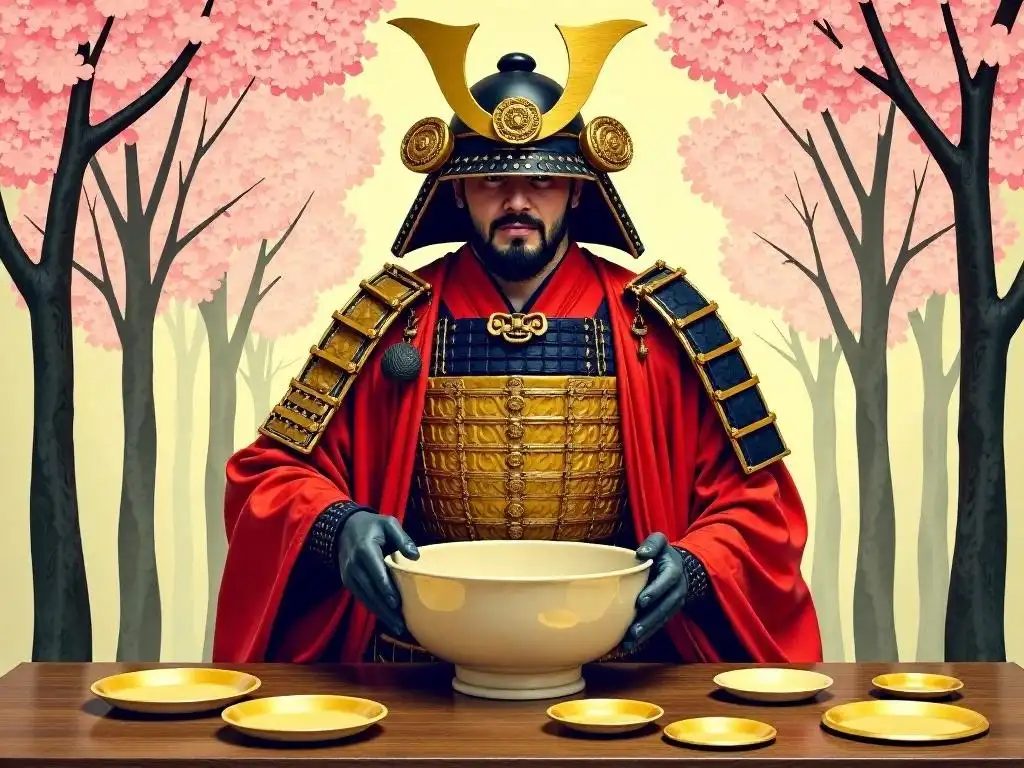
Welcome to Feudal Japan History, where we invite you to journey through the captivating tapestry of Japan's feudal era. Here, you will uncover the intricate layers of historical, cultural, and societal narratives that shaped a fascinating time. In our featured article, “The Role of Music and Arts in Samurai Daily Life,” delve into the rich samurai music and arts culture that not only entertained but also defined the ethos of this esteemed warrior class.
What melodies echoed in their halls? How did art reflect their values and beliefs? Prepare to be intrigued as you explore the profound impact of creativity on the lives of samurai, and discover the stories waiting to be told.
Introduction to Samurai Music and Arts Culture
The samurai era of Japan, spanning from the late 12th century to the mid-19th century, is often romanticized for its warriors, battles, and codes of honor. However, an equally crucial aspect of this historical period is the rich tapestry of music and arts culture that permeated the daily lives of samurai.
Far from being mere soldiers, samurai were also patrons of the arts, engaging in practices that reflected their values, beliefs, and social status. This article delves into the intricate relationship between samurai and the arts, exploring how music and artistic expression shaped their identities and influenced the broader cultural landscape of feudal Japan.
Understanding the Significance of Arts in Samurai Life
The arts held a significant place in samurai life, serving as both a means of self-expression and a reflection of the samurai’s code of honor, known as bushido. This code emphasized virtues such as loyalty, courage, and respect, which were often mirrored in artistic endeavors. Samurai engaged in various forms of art, including:
- Calligraphy: An esteemed practice that showcased discipline and precision.
- Ikebana: The art of flower arranging, symbolizing harmony and balance.
- Tea Ceremony: A ritualistic practice that emphasized aesthetics and mindfulness.
These art forms were not merely hobbies; they were integral to a samurai's identity, reinforcing their social status and philosophical beliefs.
Overview of Music’s Role in Feudal Japan
Music in feudal Japan was multifaceted, encompassing various genres and instruments that played a vital role in both personal and collective experiences. The samurai class particularly favored genres such as gagaku (court music), noh (theatrical music), and shamisen (a three-stringed instrument). Music was prevalent in several contexts, including:
- Ceremonial Occasions: Music accompanied important rituals and celebrations, enhancing the atmosphere and cultural significance.
- Martial Training: Certain music styles were used during training exercises to foster discipline and focus among warriors.
- Social Gatherings: Samurai often gathered to perform music, blending community spirit with artistic expression.
Thus, music served as a conduit for preserving cultural traditions and fostering social bonds within the samurai community.
Historical Context of Samurai Music and Arts
Understanding the role of music and arts in samurai life requires a look at the historical context that shaped these practices. The samurai's relationship with the arts evolved throughout different periods of feudal Japan, reflecting changes in political power, cultural exchange, and societal values.
The Evolution of Samurai Music and Arts Culture
From the Heian period (794-1185) through the Edo period (1603-1868), the samurai's engagement with music and arts underwent significant transformations. During the Heian period, the focus was primarily on courtly arts, which influenced the emerging samurai class. As time progressed, especially during the Edo period, there was a shift towards more localized forms of expression, with samurai embracing folk traditions and regional styles. This evolution was characterized by:
- Increased patronage of artists and musicians by samurai leaders.
- The emergence of distinct regional art forms that reflected local culture.
- A growing appreciation for the aesthetic qualities of art, transcending mere functionality.
Key Influences on Samurai Aesthetic and Creative Expression
The aesthetic values that guided samurai music and arts were influenced by various factors, including Buddhism, Shinto beliefs, and Zen philosophy. These ideologies emphasized harmony, nature, and simplicity, shaping the samurai's artistic expressions. The interplay between these influences resulted in a unique samurai aesthetic characterized by:
- Minimalism: A focus on simplicity and the essence of beauty.
- Nature: Themes drawn from the natural world, reflecting the samurai’s connection to their environment.
- Transience: An understanding of impermanence that influenced both art and music, encouraging a deeper appreciation for the moment.
Through music and arts, samurai expressed their identities, philosophies, and the intricate cultural fabric of their time, leaving a lasting legacy that continues to resonate in modern Japan.
Types of Music in Samurai Culture
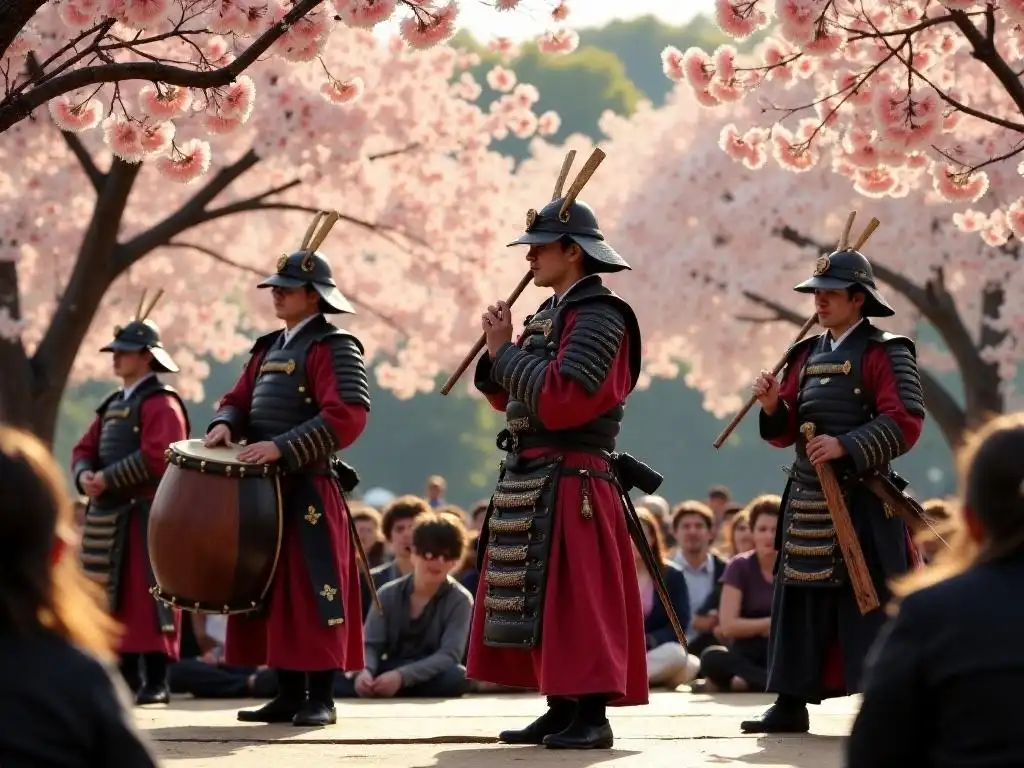
Music played a central role in the daily life of samurai, serving not only as entertainment but also as a means of cultural expression and social cohesion. The samurai class, known for their strict codes of conduct and martial prowess, utilized music in various forms to reflect their values and social status. The types of music prevalent during this era were deeply intertwined with the samurai's identity, often reflecting the ideals of honor, loyalty, and courage.
Traditional Instruments Used by Samurai
The samurai employed a range of traditional instruments that contributed to their unique musical landscape. Key instruments included:
- Shakuhachi: A bamboo flute known for its hauntingly beautiful sound. The shakuhachi was often associated with Zen Buddhism and used by wandering monks (komuso) as a meditative tool.
- Biwa: A four-stringed lute that was played during storytelling performances (narrative music). The biwa's deep, resonant tones were used to accompany tales of valor and honor.
- Koto: A stringed instrument similar to a zither, the koto was frequently played in court settings and during gatherings. Its delicate sounds complemented the more vigorous aspects of samurai life.
- Taiko: Traditional Japanese drums that provided a powerful rhythmic foundation, often used in ceremonies and festivals to evoke a sense of community and strength.
These instruments not only enriched the samurai's cultural experience but also symbolized their connection to nature, spirituality, and the arts.
Genres of Music Popular Among Samurai
Several genres of music were particularly favored by the samurai, each serving distinct purposes:
- Gagaku: This ancient court music emphasized elegance and formality, often performed at ceremonial occasions. It was a reflection of the samurai's status and appreciation for refined aesthetics.
- Noh and Kabuki Theatre Music: These dramatic forms combined music, dance, and storytelling. Samurai often attended performances, which depicted historical events and the samurai ethos, reinforcing cultural values.
- Folk Songs (Min’yo): These songs varied by region and often narrated the everyday lives of the people, including the samurai. They served as a reminder of the samurai's roots and connection to the common folk.
Through these genres, samurai could engage with their cultural heritage while also enjoying communal celebrations.
The Role of Music in Samurai Ceremonies and Rituals
Music held a significant place in samurai ceremonies and rituals, enhancing the atmosphere and emphasizing the importance of the events. Examples include:
- Tea Ceremonies (Chanoyu): Music played a calming role during these spiritual gatherings, often performed on the shakuhachi or koto to set a serene mood.
- Funerary Rites: Traditional music was used to honor deceased samurai, with specific compositions designed to guide the spirits of the dead.
- War Preparations: Drumming and other forms of music were employed to rally troops and instill a sense of unity and determination before battle.
In these contexts, music was not merely an art form; it was a vital component of the samurai's spiritual and cultural identity.
The Impact of Visual Arts on Samurai Life
Visual arts significantly influenced samurai life, serving both practical and aesthetic purposes. From armor design to paintings and calligraphy, these arts reflected the values and ideals of the samurai class while also asserting their status in society.
Traditional Samurai Painting and Calligraphy
Traditional painting and calligraphy were highly regarded forms of expression among samurai. These arts were often used to convey philosophical ideas and personal virtues.
- Sumi-e (Ink Wash Painting): This minimalist style emphasized simplicity and the beauty of nature, reflecting the samurai’s appreciation for harmony and balance.
- Calligraphy (Shodō): The art of beautiful writing was seen as a reflection of one's character. Samurai often practiced calligraphy, using it to express their thoughts and emotions as well as to create decorative scrolls.
Both forms of art were not only a means of personal expression but also served as a way to cultivate discipline and focus, essential qualities for a warrior.
The Influence of Ukiyo-e on Samurai Culture
Ukiyo-e, or "pictures of the floating world," was a genre of woodblock prints that gained popularity during the Edo period. These artworks often depicted scenes of everyday life, landscapes, and kabuki actors, influencing samurai culture in various ways:
- Cultural Reflection: Ukiyo-e captured the essence of samurai life, portraying their leisure activities, clothing, and social interactions, thus providing a visual narrative of their world.
- Collectibles: Many samurai collected ukiyo-e prints as a display of status and taste, often commissioning specific works that reflected their individual preferences or achievements.
- Inspiration: The dynamic compositions and themes found in ukiyo-e often inspired samurai to engage in artistic pursuits, promoting a culture of creativity alongside martial discipline.
Ukiyo-e thus became an integral part of samurai life, blending art with their social and cultural identity.
Samurai Armor as an Art Form
Samurai armor, known as yoroi, was not only a functional piece of equipment but also a remarkable work of art. The craftsmanship involved in creating armor reflected the samurai's status and aesthetic values:
- Design and Decoration: Armor was often elaborately decorated with family crests (mon) and intricate patterns. The design choices were a reflection of the samurai's lineage and personal achievements.
- Materials and Techniques: Artisans used various materials, including lacquered leather, metal, and silk, employing techniques that combined functionality with beauty. This attention to detail showcased the skill and artistry of the craftsmen.
- Symbolism: Each piece of armor carried symbolic meanings, representing bravery, loyalty, and the samurai's connection to their clan and heritage.
As a result, samurai armor was celebrated as an art form that encompassed both martial prowess and artistic expression, embodying the duality of the samurai ethos.
Performing Arts and Samurai
The performing arts were an essential aspect of samurai culture, serving not only as entertainment but also as a means of education and expression. The samurai class, known for its warrior ethos, also embraced the arts as a reflection of their values and ideals. This duality of life—warrior and artist—was crucial in shaping the cultural identity of samurai. Various performing arts, including theatrical forms, dance, and music, played a significant role in the daily lives of these elite warriors, fostering a sense of discipline, honor, and communal identity.
Noh and Kabuki: Theatrical Expressions of Samurai Values
Noh and Kabuki are two traditional Japanese theatrical forms that have deep connections with samurai culture.
- Noh is characterized by its slow-paced, stylized performances that often incorporate masks and elaborate costumes. It reflects themes of spirituality, nature, and the transience of life—concepts that resonate with the samurai’s understanding of honor and mortality. The performances are often based on historical events and literary works, immersing the audience in a contemplative experience that echoes the samurai's introspective nature.
- Kabuki, in contrast, is known for its vibrant storytelling, dynamic movements, and elaborate makeup. Originating in the early Edo period, Kabuki was more accessible to the general public, including the samurai class, who appreciated its dramatic flair and emotional depth. The narratives often glorified samurai heroes and their exploits, reinforcing ideals of bravery, loyalty, and the complexities of human emotions.
Both Noh and Kabuki were not merely entertainment; they were also a means for samurai to connect with their cultural heritage and reflect on their values.
The Role of Dance in Samurai Culture
Dance played a significant role in samurai culture, serving both ceremonial and artistic purposes. Traditional forms of dance, such as Bugaku, were often performed during religious and courtly ceremonies. These dances were characterized by slow, deliberate movements and were accompanied by music from traditional instruments like the sho (a mouth organ) and wa-daiko (Japanese drums).
In addition to formal settings, dance was also a way for samurai to display their physical prowess and disciplined movements, which were essential for their martial training. The practice of dance instilled a sense of rhythm and coordination, qualities that were vital in combat. Moreover, dances often conveyed stories of valor and heroism, serving as a reminder of the samurai's commitment to their code of honor, known as Bushido.
Music and Performance in Samurai Training
Music and performance were integral to samurai training, enhancing their discipline and mental fortitude. The practice of playing traditional instruments like the koto (a stringed instrument) or the shamisen (a three-stringed instrument) was common among samurai. Such musical training not only developed their artistic skills but also fostered patience and concentration—qualities imperative for martial success.
Moreover, music often accompanied training sessions, providing rhythm to exercises and enhancing focus. The act of performing music together also fostered camaraderie among samurai, reinforcing the bonds of loyalty and brotherhood that were central to their culture. Through music and performance, samurai were able to cultivate both their physical and mental abilities, aligning with the holistic approach to training that characterized their way of life.
The Interconnection Between Music, Arts, and Samurai Ethics
The connection between music, arts, and samurai ethics is profound, as these elements collectively shaped the samurai's worldview and behavior. The arts were not seen as separate from the martial ethos; rather, they were intertwined, reflecting the samurai's journey towards self-discipline and moral integrity.
The Philosophy Behind Samurai Arts and Music
The philosophy behind samurai arts and music is deeply rooted in the concept of aestheticism and the pursuit of perfection. Samurai believed that mastery in the arts mirrored the pursuit of excellence in martial skills. Both domains required dedication, practice, and a commitment to continuous improvement.
This philosophy is encapsulated in the Zen principles that influenced many samurai, emphasizing mindfulness and the importance of being present in both art and combat. The act of creating music or engaging in artistic expression was seen as a spiritual practice, allowing samurai to cultivate inner peace and clarity of purpose, which were essential for their roles as warriors.
How Music and Arts Reflected Samurai Values and Ideals
Music and arts served as a mirror to the values and ideals upheld by the samurai. They encapsulated concepts of loyalty, honor, and the transience of life, which were central to the samurai ethos.
For example, many songs and performances often told stories of loyalty and sacrifice, reinforcing the importance of these values in samurai life. Additionally, the themes of impermanence found in Noh plays resonate with the samurai's understanding of life and death, illustrating their acceptance of mortality and the fleeting nature of existence.
Overall, music and arts were not only forms of expression but also vital tools for cultivating the samurai's moral and ethical framework, shaping their identity as both warriors and artists in feudal Japan.
Conclusion: The Lasting Legacy of Samurai Music and Arts Culture
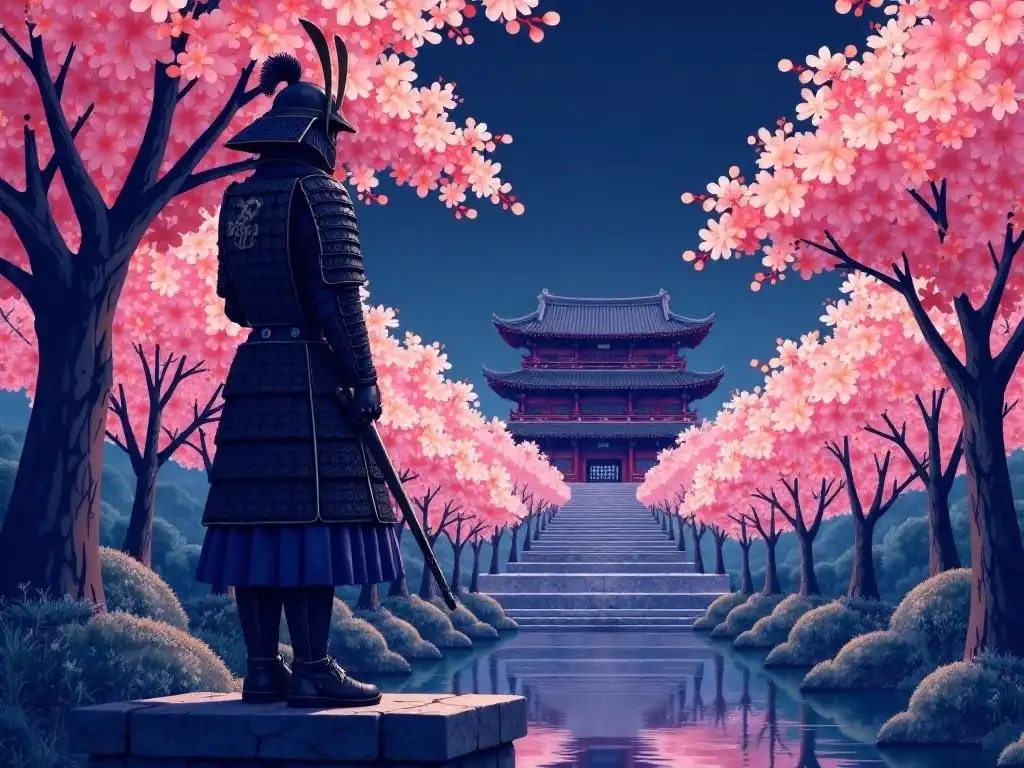
The music and arts culture of the samurai remains a profound testament to the values and aesthetics of feudal Japan. This legacy is not merely historical; it continues to influence contemporary Japanese culture, shaping various artistic expressions, from traditional theater to modern film. The samurai's dedication to the arts reflects a synthesis of martial prowess and cultural refinement, illustrating the belief that a true warrior must also be an accomplished artist.
The intricate relationship between the samurai and the arts underscores the importance of balance in life. This notion of harmony, represented through various forms of artistic expression, has permeated Japanese society and continues to resonate in modern artistic endeavors. The appreciation for melody, poetry, and visual arts in samurai culture has influenced today's musicians, painters, and performers, who draw inspiration from these rich traditions.
Reflections on the Influence of Samurai Arts in Modern Japan
The impact of samurai arts on modern Japan is evident across multiple domains, including literature, theater, and visual arts. For instance, contemporary Japanese authors often reference samurai philosophy and aesthetics in their works, forging a connection between the past and present. The themes of honor, duty, and beauty, prevalent in samurai literature, continue to inspire narratives that resonate with current societal values.
Additionally, traditional performing arts, such as Noh and Kabuki, have evolved but still retain elements of samurai influence. The aesthetics of these performances often reflect samurai ideals, portraying stories of valor and moral dilemmas. The meticulous craftsmanship and discipline found in these art forms serve as a reminder of the samurai's commitment to excellence, further embedding their legacy in modern cultural practices.
The Continuing Appreciation of Samurai Music and Arts Culture
The appreciation of samurai music and arts culture persists not just in Japan but globally. Festivals celebrating traditional Japanese arts often feature samurai-themed performances and exhibitions, drawing audiences keen to explore this rich heritage. Music, particularly the haunting melodies of traditional instruments like the shamisen and shakuhachi, continues to evoke the spirit of the samurai era, captivating both new listeners and long-time enthusiasts.
Furthermore, educational institutions and cultural organizations are increasingly recognizing the importance of samurai arts. Workshops, performances, and exhibitions dedicated to samurai music and arts are designed to foster awareness and appreciation among younger generations. This revival of interest ensures that the lessons and beauty of samurai culture will endure, inspiring future artists and audiences alike.
Further Reading on Samurai Daily Life and Culture
For those interested in delving deeper into the fascinating world of samurai daily life and culture, a variety of resources provide comprehensive insights into this historical period. Whether through scholarly books, engaging articles, or enlightening documentaries, further reading can enhance one’s understanding of samurai music and arts culture.
Recommended Books and Articles on Samurai Music and Arts
-
"The Samurai: A Military History" by Stephen Turnbull
This book offers an in-depth exploration of the samurai's military role while also touching upon their cultural contributions, including music and arts.
-
"The Art of the Samurai: Japanese Arms and Armor" by L. Carrington Goodrich
Focusing on the visual arts, this work delves into the craftsmanship of samurai armor and weapons, highlighting the aesthetic values of the samurai class.
-
"Japanese Music: A Cultural History" by Robert C. W. H. Kwan
This book provides a comprehensive overview of traditional Japanese music, including the influence of samurai culture on its development.
Resources for Exploring Feudal Japan’s Cultural Heritage
-
The National Museum of Japanese History
This museum offers exhibitions and resources related to samurai culture, including music and arts, providing a tangible connection to Japan's feudal past.
-
The Japan Foundation
This organization promotes cultural exchange and understanding through various programs focused on traditional and contemporary Japanese arts.
-
Online Archives and Databases
Websites like the Digital Public Library of America and the Asia Art Archive feature vast collections of documents and images related to samurai history and culture, enabling further research into this captivating era.
- Introduction to Samurai Music and Arts Culture
- Understanding the Significance of Arts in Samurai Life
- Overview of Music’s Role in Feudal Japan
- Historical Context of Samurai Music and Arts
- Types of Music in Samurai Culture
- The Impact of Visual Arts on Samurai Life
- Performing Arts and Samurai
- The Interconnection Between Music, Arts, and Samurai Ethics
- Conclusion: The Lasting Legacy of Samurai Music and Arts Culture
- Reflections on the Influence of Samurai Arts in Modern Japan
- The Continuing Appreciation of Samurai Music and Arts Culture
- Further Reading on Samurai Daily Life and Culture
Frequently Asked Questions
What role did music play in the daily life of samurai?
Music served as an important cultural expression for samurai, providing entertainment and a means of spiritual reflection. It was often performed during ceremonial events and gatherings, reinforcing social bonds.
How were the arts integrated into the samurai culture?
The arts were critical in samurai culture, as they emphasized aesthetics, discipline, and mental training. Samurai practiced various forms, including painting, calligraphy, and poetry, to cultivate their character.
What types of music were popular among samurai?
Samurai enjoyed a variety of traditional Japanese music, such as gagaku and nōgaku, which were often performed at festivals and ceremonies. These musical forms reflected the spiritual themes and history of the samurai era.
How did the samurai view the connection between music and martial arts?
Samurai believed there was a strong connection between music and martial arts. Practicing music was thought to enhance focus, discipline, and mental clarity, which were essential for success in combat.
Were there specific instruments associated with samurai music?
Yes, samurai music often featured instruments like the shakuhachi (bamboo flute) and biwa (lute). These instruments played a vital role in performing traditional pieces that complemented the rituals and ceremonies of samurai life.
Final Reflection: The Enduring Legacy of Samurai Music and Arts Culture
The intricate tapestry of samurai music and arts culture remains profoundly relevant today, as it embodies the spirit of discipline, creativity, and honor that transcends time. In a world increasingly dominated by technology and rapid change, the values and expressions found in the samurai's artistic endeavors remind us of the importance of balance between martial prowess and cultural refinement. The samurai's commitment to music and the arts illustrates that true strength lies not only in combat but also in the ability to appreciate beauty and express oneself creatively.
The influence of samurai music and arts culture continues to resonate in contemporary society, shaping our understanding of discipline and artistry. From traditional performances to modern adaptations, the essence of samurai aesthetics can be seen in various forms of art, music, and even martial arts today. As the renowned philosopher Confucius once said, “Music produces a kind of pleasure which human nature cannot do without.” > This quote encapsulates the timeless connection between music, culture, and the human experience, emphasizing how the samurai's artistic pursuits have left an indelible mark on our cultural landscape.
As you reflect on the lessons drawn from the samurai's integration of music and arts into their daily lives, consider how you can incorporate these values into your own journey. Embrace the idea that creativity and discipline can coexist, enriching your life and the lives of those around you. Whether through exploring a new musical instrument, engaging in artistic expression, or simply appreciating the beauty in the world, let the spirit of the samurai inspire you to cultivate a deeper connection with both the arts and your own personal growth.
Unleash Your Inner Samurai: Experience the Arts!
Thank you for diving into the vibrant world of samurai life and the profound role of music and arts in shaping their daily experiences. You've gained insight into how creativity influenced discipline, culture, and connection in feudal Japan. Now, let’s explore how you can embrace these timeless practices in your own life!
- Engage your senses: Try playing a traditional Japanese instrument such as the shamisen or shakuhachi to connect with the samurai spirit.
- Join a local arts class: Discover the beauty of calligraphy or ink painting to channel your inner warrior through creative expression.
- Share your thoughts! Discuss your favorite aspects of samurai culture or music with friends and family to keep the conversation vibrant and engaging.
Which art form would you love to explore that resonates with the disciplined yet creative lifestyle of the samurai?