
The Samurai's Companion: Pets and Animals in Daily Life


Welcome to Feudal Japan History, where we invite you to embark on an enthralling journey through the captivating world of Japan’s feudal era. Here, history comes alive as we delve into the intricate tapestry of culture and society that defined this remarkable time. In our featured article, “The Samurai's Companion: Pets and Animals in Daily Life,” we uncover the fascinating role of pets in the lives of samurai, revealing how these loyal companions shaped their daily experiences and cultural practices.
What secrets lie behind the bond between samurai and their animals? Join us as we explore the heart of feudal Japan, sparking your curiosity and enriching your understanding of this extraordinary period.
Introduction to Samurai Pets and Daily Life
In the intricate tapestry of feudal Japan, the daily lives of samurai were not solely defined by their martial prowess and adherence to bushido, the way of the warrior. Rather, their existence was enriched by the presence of animals, which played a multifaceted role in their households and society at large.
This article delves into the fascinating world of samurai pets and daily life, exploring the significance of various animals, from loyal dogs to majestic horses, and how these companions influenced the samurai's lifestyle, values, and social interactions. Understanding the relationship between samurai and their pets offers a unique glimpse into the cultural fabric of feudal Japan, highlighting the profound connection between humans and animals in shaping societal norms and personal identities.
Overview of the Role of Animals in Feudal Japan
Animals in feudal Japan held a variety of roles that extended beyond companionship. They were integral to agricultural practices, transportation, and even warfare. Here are some key points about their roles:
- Agricultural Support: Animals such as oxen and chickens were essential for farming, providing food and labor.
- Transportation: Horses were the primary means of transport for samurai, enabling them to cover vast distances quickly.
- Cultural Symbols: Certain animals were regarded as symbols of status and nobility, reflecting the owner's wealth and lifestyle.
The presence of these animals in samurai households not only served practical purposes but also enriched the cultural and social dynamics of their lives.
Importance of Pets in Samurai Culture
Pets held a special significance in samurai culture, often embodying loyalty, honor, and companionship. The samurai's relationship with their pets can be seen through various lenses:
- Emotional Companions: Pets provided emotional support, helping samurai cope with the stresses of their responsibilities and the rigors of their training.
- Cultural Practices: Rituals and traditions often involved animals, such as the practice of keeping birds for poetry inspiration or the importance of dogs in protecting the household.
- Symbolic Representations: Certain breeds and types of animals were seen as extensions of the samurai's character, with their traits reflecting the virtues of bravery and fidelity.
This bond between samurai and their pets illustrates the deeper philosophical beliefs of the time, revealing a world where animals were not merely possessions but integral members of the household.
Types of Pets Commonly Found Among Samurai
The diversity of pets kept by samurai reflects their status and personal preferences, showcasing a range of animals that contributed to their lives in various ways. Here are some of the most common types of pets found among samurai.
Traditional Pets: Dogs and Cats in Samurai Households
Dogs and cats were among the most cherished pets in samurai households.
- Dogs: Often bred for loyalty and protection, dogs were regarded as symbols of fidelity. Certain breeds, such as the Akita, were particularly favored for their noble qualities.
- Cats: Cats were appreciated for their ability to control pests, but they also held a place in the hearts of samurai families for their grace and independence.
Both animals were often depicted in art and literature, embodying the cultural values of the time.
Exotic Animals: Birds and Other Unique Companions
In addition to traditional pets, samurai sometimes kept more exotic animals, reflecting their wealth and tastes.
- Birds: Various species, such as cranes and songbirds, were prized for their beauty and song. Keeping birds involved elaborate cages and training, showcasing the owner's sophistication.
- Other Exotic Pets: Animals like monkeys and ferrets were also kept, often for entertainment or as status symbols among the elite.
These unique companions illustrated the samurai's connection to nature and the aesthetic appreciation prevalent in their culture.
Working Animals: Horses and Their Significance
Horses were not merely pets; they were vital to the samurai's way of life.
- Transportation and Warfare: Horses were essential for travel and played a crucial role in battles, enhancing the samurai's mobility and effectiveness as warriors.
- Cultural Significance: The bond between a samurai and their horse was profound, often depicted in literature and art as a partnership built on mutual respect and understanding.
The significance of horses extended beyond practicality, symbolizing power, prestige, and the samurai's connection to the vast landscapes of Japan.
The relationship between samurai and their pets was deep and multifaceted, reflecting both practical needs and cultural values. Understanding this dynamic provides insight into the daily life of samurai and the societal norms of feudal Japan.
The Symbolism of Pets in Samurai Life
In feudal Japan, pets held a significant place not only as companions but also as powerful symbols reflective of the samurai's status, beliefs, and daily existence. The presence of animals in a samurai's life often conveyed deeper meanings tied to honor, loyalty, and the spiritual connections that defined the samurai ethos. Various pets, particularly dogs, cats, and birds, were cherished not merely for their companionship but also for the roles they played in reinforcing the samurai’s identity and social standing.
Pets as Symbols of Status and Power
For samurai families, owning certain types of animals was a clear indicator of their social status. Larger breeds of dogs, like the Akita, were often associated with nobility and strength, making them a popular choice among higher-ranking samurai. These dogs were not only guardians of the household but also represented the warrior’s prowess and valor.
Similarly, exotic birds, like the Japanese crane, were kept as symbols of longevity and good fortune. The ability to care for such animals signified wealth and an elevated social position, while a lack of such pets could be seen as a sign of reduced status. The meticulous care provided to these animals also reflected the samurai’s discipline and commitment to the virtues of honor and respectability.
Spiritual Beliefs Surrounding Animals in Samurai Culture
In samurai culture, animals were often intertwined with spiritual beliefs. Many samurai viewed their pets as embodiments of protective spirits or messengers from the divine. In Shinto, the indigenous spirituality of Japan, certain animals were revered and believed to carry significant spiritual power. For instance, foxes were associated with the deity Inari and were thought to bring good luck to their owners.
This spiritual connection enhanced the bond between samurai and their pets, as animals were seen not just as companions but as vital participants in the samurai's spiritual journey. The presence of a beloved pet could provide comfort and strength, particularly in times of stress or uncertainty, reinforcing the idea that animals served both practical and spiritual purposes in the daily lives of samurai.
Daily Life with Pets: A Glimpse into Samurai Households
The interaction of samurai with their pets was deeply embedded in their daily routines and reflected various aspects of their lives. Pets were not just passive companions; they played active roles in the household, influencing the samurai’s lifestyle, family dynamics, and even their duties.
Morning Rituals Involving Animals
Each day for a samurai began with specific rituals that included their pets, highlighting the importance of these animals in their lives. Mornings often commenced with the samurai tending to their pets, which could involve feeding, grooming, or simply engaging in playful activities. This daily interaction was seen as a way to cultivate discipline and responsibility, qualities that were essential for a warrior.
Moreover, pets were often part of morning prayers or meditative practices, symbolizing the connection between the spiritual world and daily life. By including their animals in these rituals, samurai reinforced their commitment to harmony and respect for all living beings, reflecting a broader understanding of their role in the universe.
The Role of Pets in Family and Social Life
Pets also played an integral role in the social fabric of samurai households. They were often involved in family gatherings and celebrations, providing joy and companionship that strengthened family bonds. The presence of pets could help alleviate the stress associated with samurai duties, offering emotional support to both adults and children.
In social interactions, a samurai's choice of pets could serve as a conversational starter or a display of wealth and taste. Pets often accompanied samurai during visits to other households, emphasizing their importance as social symbols. Such interactions not only showcased the samurai’s status but also facilitated connections with other families, reinforcing alliances and camaraderie in the tightly-knit samurai community.
Pets in the Context of Samurai Duties and Responsibilities
The responsibilities of a samurai extended beyond warfare and governance; they also encompassed the care of their pets. The way samurai managed their animals was a reflection of their overall character and adherence to bushido, the way of the warrior. A samurai who treated his pet with kindness and respect demonstrated virtues such as compassion and loyalty—qualities that were highly esteemed within samurai culture.
Additionally, pets could serve practical purposes in the samurai's life. For instance, hunting dogs were vital for tracking game, while cats kept homes free of pests. This symbiotic relationship between pets and samurai underscored the interconnectedness of their daily lives, where animals contributed not only to emotional well-being but also to the practicalities of samurai duties.
Overall, pets were integral to the daily lives of samurai, reinforcing their values, responsibilities, and social standings within the complex tapestry of feudal Japan.
Care and Training of Samurai Pets
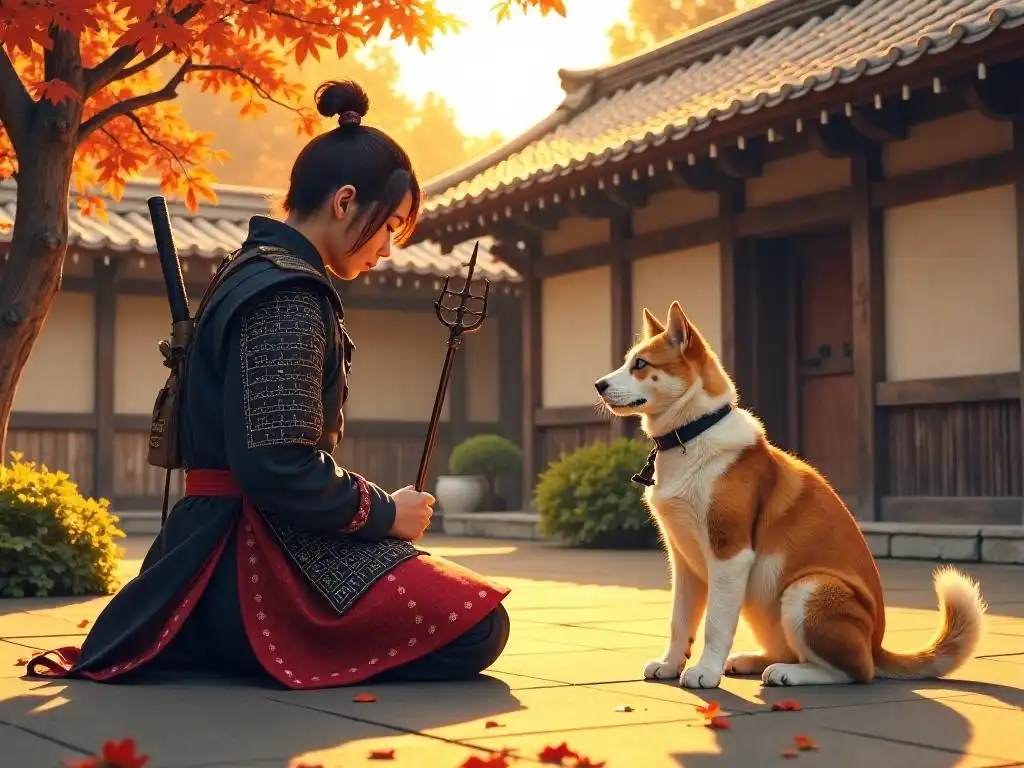
In the feudal era of Japan, samurai pets were more than mere companions; they played significant roles in the daily lives of these noble warriors. The care and training of these animals reflect the values of loyalty, discipline, and respect that were paramount in samurai culture. Pets, particularly dogs, were trained not only for companionship but also for practical purposes such as hunting, guarding, and even as status symbols.
The care of samurai pets was meticulous, often mirroring the samurai's own lifestyle. These animals were provided with high-quality food—often rice, fish, or meat—and were kept in clean and comfortable living conditions. Samurai owners believed that a well-cared-for animal would be more loyal and obedient, embodying the same virtues expected of a samurai. This bond was cultivated through consistent training and nurturing, ensuring that the pets were both healthy and well-socialized.
Training Techniques for Dogs and Other Pets
Training techniques for samurai pets, particularly dogs, were influenced by the principles of discipline and respect that governed samurai life. Common methods included:
- Positive Reinforcement: Samurai owners often used rewards, such as treats or praise, to encourage desired behaviors. This method fostered trust and strengthened the bond between the samurai and their pets.
- Consistent Commands: Commands were delivered in a firm yet gentle manner, ensuring that the pets understood expectations. Consistency was key, as it helped animals learn and respond effectively over time.
- Socialization: Samurai pets were frequently introduced to various people and environments. Early socialization helped reduce anxiety and promote calm behavior, making these animals more adaptable to the samurai's lifestyle.
- Obedience Training: Many samurai engaged their dogs in obedience training, which involved teaching basic commands as well as advanced skills for hunting or guarding. This training not only showcased the pet's capabilities but also reflected the owner's discipline.
These techniques contributed to the development of loyal and capable companions who were integral to the samurai's way of life.
The Importance of Animal Welfare in Samurai Culture
Animal welfare was an essential aspect of samurai culture, reflecting the broader ethical and moral values upheld by these warriors. The samurai code of conduct, known as Bushido, emphasized respect for all living beings, which extended to their pets. This cultural attitude towards animals manifested in several ways:
- Respect and Honor: Samurai viewed their pets with a sense of honor, treating them as part of the family. This was evident in the care they provided and the attention given to their pets' needs.
- Rituals and Ceremonies: Animals were often included in various rituals and ceremonies, highlighting their significance in the samurai's life. For instance, certain pets were given special status during events, illustrating the bond between the samurai and their animals.
- Compassionate Treatment: Abuse or neglect of animals was frowned upon, as it contradicted the values of respect and loyalty. Samurai were expected to demonstrate compassion towards their pets, ensuring they received proper care and attention.
This commitment to animal welfare not only reinforced the samurai's character but also contributed to the overall harmony of their household.
Pets in Samurai Literature and Art
The presence of pets in samurai literature and art provides valuable insights into the daily lives of these warriors. Animals often served as symbols of loyalty, bravery, and companionship, reflecting the deep connections between samurai and their pets. Literature and art from this era frequently depicted these relationships, showcasing the significance of animals in samurai culture.
Representation of Pets in Samurai Poetry and Prose
In samurai poetry and prose, pets were often celebrated as embodiments of loyalty and fidelity. Poets would use animals, particularly dogs, as metaphors for samurai virtues. For instance, a loyal dog might symbolize the unwavering dedication expected of a samurai towards their lord.
Many poems depicted the emotional bonds between samurai and their pets, illustrating moments of companionship and shared experiences. These literary works often highlighted the joys and sorrows associated with pet ownership, creating a nuanced portrayal of the samurai's daily life. Through evocative language, poets captured the essence of these relationships, reinforcing their importance in the samurai's world.
Artistic Depictions of Animals in Samurai Art
Artistic depictions of animals in samurai art further illuminate the role of pets in their lives. Paintings and woodblock prints often featured samurai alongside their loyal companions, emphasizing the bond between man and animal.
- Symbolism in Art: Animals were frequently used symbolically in art, representing ideals such as courage, loyalty, and protection. For example, a dog might be depicted guarding its samurai owner, reinforcing the idea of steadfast loyalty.
- Cultural Significance: The portrayal of pets in samurai art reflects societal values, showcasing the admiration for the loyalty and companionship that animals provided. Such works often served to immortalize the bond between samurai and their pets, ensuring their significance was remembered through generations.
These artistic representations not only highlight the aesthetic qualities of animals but also serve as cultural artifacts that provide a deeper understanding of the samurai's daily life and their relationships with their pets.
The Legacy of Samurai Pets in Modern Japan
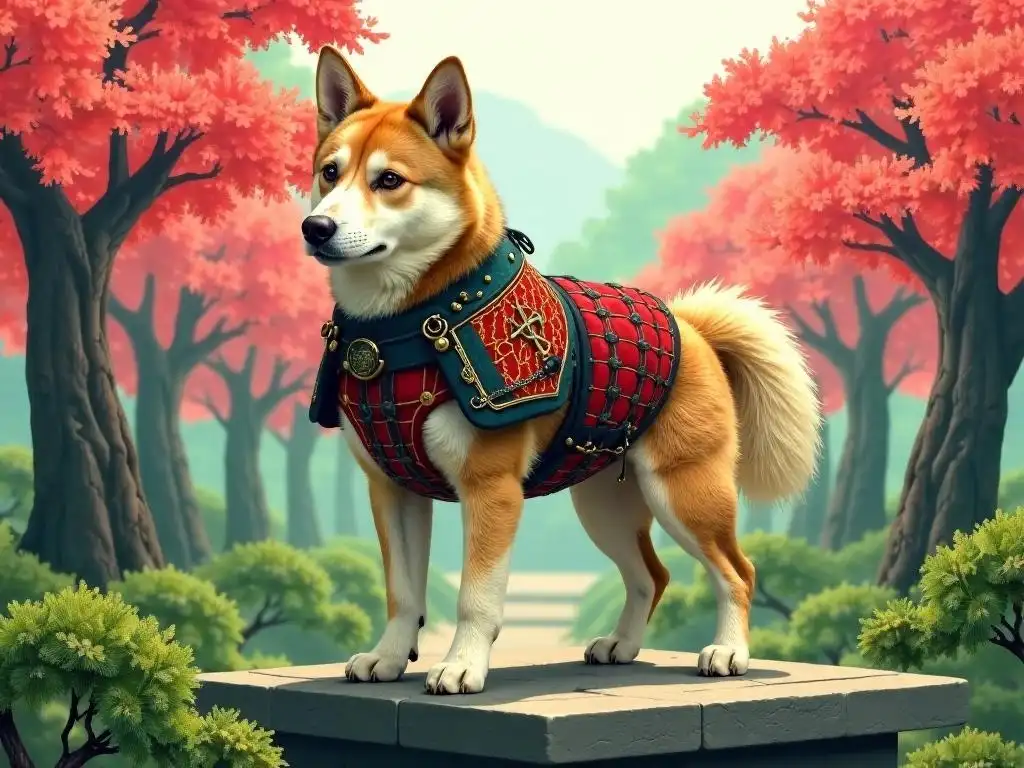
The relationship between samurai and their pets has left an indelible mark on Japanese culture, influencing contemporary views on animal companionship. Samurai pets were not just animals; they were integral members of the household, often held in high esteem, and their presence signified loyalty, fidelity, and honor.
This legacy persists today, where pets are seen as companions that enhance the emotional and psychological well-being of their owners. The reverence for animals within samurai culture has transformed into a broader appreciation in modern Japan, where pets are often treated like family members, receiving care and attention reminiscent of the samurai's devotion.
Moreover, historical texts and artworks depicting samurai with their pets serve as a reminder of this unique bond. These depictions celebrate the aesthetics of nature, reflecting the samurai’s philosophy of harmony with the world around them. As Japan continues to modernize, the legacy of samurai pets serves as a bridge connecting past traditions to contemporary practices, fostering a culture where animals are cherished companions.
Continuing Traditions: Pets in Contemporary Japanese Culture
In contemporary Japan, the influence of samurai traditions can be seen in how pets are treated and valued. Many Japanese people maintain the customs of honoring their pets, often celebrating their birthdays and holding memorial services for deceased animals. This practice echoes the samurai's deep emotional ties to their companions, emphasizing a sense of respect and reverence.
Furthermore, the trend toward pet cafes and themed accommodations reflects a societal shift towards integrating pets into everyday life. For instance, cat cafes and dog-friendly spaces allow people to engage with animals in a communal setting, fostering a sense of companionship and joy. This ongoing cultural phenomenon underscores the enduring legacy of samurai pets, showcasing how their historical significance continues to resonate in modern society.
The Evolution of Pet Ownership from Feudal Japan to Today
Pet ownership in Japan has evolved significantly from the feudal era to the present day. During the samurai period, pets were often kept for practical purposes, such as hunting and guarding, as well as for companionship. The samurai’s relationship with their pets was characterized by loyalty and mutual respect, often reflected in the careful breeding of animals like the Akita and Shiba Inu, which were prized for their qualities.
As Japan transitioned into the Meiji era and beyond, the perception of pets began to shift. The introduction of Western ideals led to a broader understanding of pets as emotional support and companions rather than mere utilitarian animals. Today, pet ownership in Japan is marked by a significant increase in the number of households with pets, as well as a growing market for pet products and services. The evolution of pet ownership mirrors societal changes, highlighting a shift toward nurturing emotional bonds reminiscent of the samurai’s relationship with their animals.
Conclusion: The Enduring Bond Between Samurai and Their Pets
The historical bond between samurai and their pets has left a lasting influence on Japanese culture, shaping contemporary practices surrounding pet ownership. This enduring connection highlights the profound emotional and psychological benefits of having animals in one’s life, reflecting a universal theme of companionship that transcends time and cultural boundaries.
Reflection on the Cultural Significance of Pets in Samurai Life
Pets held significant cultural importance in samurai life, serving not only as companions but also as symbols of status and loyalty. The act of caring for an animal reflected a samurai’s character, embodying virtues such as responsibility, protection, and honor. This cultural significance is echoed in modern Japan, where pets are viewed as family members, emphasizing the deep-seated values of loyalty and companionship that persist from feudal times.
The Lasting Impact of Samurai Pet Practices on Japanese Society
The pet practices of the samurai have had a profound impact on Japanese society, fostering a culture that values the emotional connections between humans and animals. The traditions of care and respect for pets, rooted in samurai heritage, have evolved into a societal norm, encouraging people to treat animals with dignity and compassion. This lasting impact is evident in various aspects of Japanese life, from pet care businesses to the integration of animals into family dynamics, highlighting the enduring legacy of the samurai and their beloved companions.
References
The topic of samurai pets and their daily life draws from a rich tapestry of historical documents, scholarly articles, and cultural studies. Understanding the nuanced relationship between samurai and their animals requires diving into various sources that explore the social, cultural, and historical contexts of feudal Japan. Here are some key references that can provide deeper insights into this fascinating subject:
-
"The Samurai: A Military History" by Stephen Turnbull
This book delves into the military prowess of the samurai and touches upon their daily lives, including their relationships with pets.
-
"Samurai and the Sacred: The 17th Century and Beyond" by William Wayne Farris
Farris explores the cultural significance of animals in samurai society, examining how pets fit into the broader spiritual and social frameworks.
-
"Animals and Society: An Introduction to Human-Animal Studies" by Margo DeMello
This work provides a wider context for understanding human-animal relationships, including those in historical Japan.
Suggested Reading on Samurai Culture and Daily Life
For those interested in further exploring the culture and daily life of samurai, the following texts are invaluable:
-
"Hagakure: The Book of the Samurai" by Yamamoto Tsunetomo
A classic text that presents the philosophy and code of conduct of the samurai, including insights into their personal lives and attachments.
-
"The Book of Five Rings" by Miyamoto Musashi
Written by one of Japan's most famous swordsmen, this text discusses not only martial arts but also the samurai way of life, including aspects related to companionship with animals.
-
"Samurai: The Last Warrior" by John Man
This biography provides an engaging narrative about the last samurai, shedding light on their lifestyle, values, and the role of pets in their lives.
-
"Daily Life in Japan in the Edo Period" by Louis G. Perez
This book offers a comprehensive overview of daily life during the Edo period, providing context for understanding the samurai's interactions with animals.
Additional Resources on Pets in Japanese History
To explore the historical significance of pets in Japan, consider these additional resources:
-
"The History of Cats in Japan" by Yoshiko Yamamoto
This resource examines the role of cats in Japanese society, which often intersected with samurai culture, providing insights into their status as companions.
-
"Dogs in Japanese Culture" by Taro Sato
This work investigates the unique relationship between dogs and their owners in Japan, highlighting their significance in samurai households.
-
"Cultural History of Animals in Japan" by Haruko Sato
This comprehensive study looks at the broader implications of animal companionship throughout Japanese history, including during the feudal era.
By engaging with these texts, readers can gain a well-rounded understanding of how pets influenced the daily lives of samurai and the cultural fabric of feudal Japan.
- Introduction to Samurai Pets and Daily Life
- Types of Pets Commonly Found Among Samurai
- The Symbolism of Pets in Samurai Life
- Daily Life with Pets: A Glimpse into Samurai Households
- Care and Training of Samurai Pets
- Training Techniques for Dogs and Other Pets
- The Importance of Animal Welfare in Samurai Culture
- Pets in Samurai Literature and Art
- The Legacy of Samurai Pets in Modern Japan
- Conclusion: The Enduring Bond Between Samurai and Their Pets
- References
- What role did pets play in the lives of samurai in feudal Japan?
- How did the presence of pets influence samurai culture?
- Were samurai pets treated differently than those of commoners?
- What types of animals were commonly kept as pets by the samurai?
- How did pets contribute to the daily life of a samurai?
Frequently Asked Questions
What role did pets play in the lives of samurai in feudal Japan?
Pets were considered companions and symbols of status among samurai. They often kept animals like dogs and birds, reflecting their wealth and social standing.
How did the presence of pets influence samurai culture?
The companionship of pets contributed to the emotional well-being of samurai, providing a sense of loyalty and support that complemented their often rigorous and disciplined lives.
Were samurai pets treated differently than those of commoners?
Yes, samurai pets were often given better care, special food, and more comfortable living conditions compared to those of commoners, emphasizing the social hierarchy of feudal Japan.
What types of animals were commonly kept as pets by the samurai?
Samurai commonly kept dogs, particularly hunting breeds, and birds, such as caged songbirds. These animals were valued for their companionship and aesthetic appeal.
How did pets contribute to the daily life of a samurai?
Pets provided emotional support, companionship, and even entertainment during the leisure time of samurai, serving as a counterbalance to their rigorous duties and responsibilities.
Final Reflection: The Enduring Bond Between Samurai and Their Pets
The relationship between samurai and their pets serves as a profound reminder of the interconnectedness of life and loyalty in our daily existence. In a world that often prioritizes efficiency over companionship, the samurai's reverence for their animals highlights the importance of nurturing bonds that enrich our lives. This timeless connection between humans and animals continues to resonate today, reminding us that love and loyalty transcend the boundaries of species.
The influence of samurai culture on our understanding of companionship and responsibility is significant and ongoing. The way samurai treated their pets reflects a deep-seated respect for all living beings, a principle that can inspire modern society to foster empathy and kindness. As we navigate our fast-paced lives, we can look to the samurai's example to cultivate meaningful relationships with our pets and the world around us. The greatness of a nation and its moral progress can be judged by the way its animals are treated.
– Mahatma Gandhi.
As you reflect on the lessons from the samurai's relationship with their pets, consider how you can incorporate these values into your own life. Take a moment to appreciate the animals in your life, recognizing their role as companions and teachers. Whether through acts of kindness, spending quality time, or advocating for animal welfare, let the spirit of the samurai guide you in creating a more compassionate world. Embrace the opportunity to deepen your bond with your pets and honor the legacy of loyalty and respect that has endured through the ages.
Embrace the Spirit of Feudal Japan with Your Pets!
Thank you for diving into the captivating world of pets and animals in feudal Japan! We hope you've discovered the deep connection between samurai culture and their four-legged companions. Now, it’s time to bring that spirit into your daily life with some meaningful actions.
Here’s how you can connect with this rich history and make an impact:
- Explore traditional pet care practices from feudal Japan by researching and applying ancient techniques that can enrich your pet's life today.
- Share this article with fellow history enthusiasts or pet lovers in your circle to spark conversations about the significance of animals in cultural contexts!
- Join a community group that focuses on historical pet breeds to learn how to care for or even adopt them.
What unique ways can you honor the traditions of feudal Japan while nurturing your own pets? We invite you to share your thoughts below!