
The Impact of Natural Disasters on Edo’s Urban Development

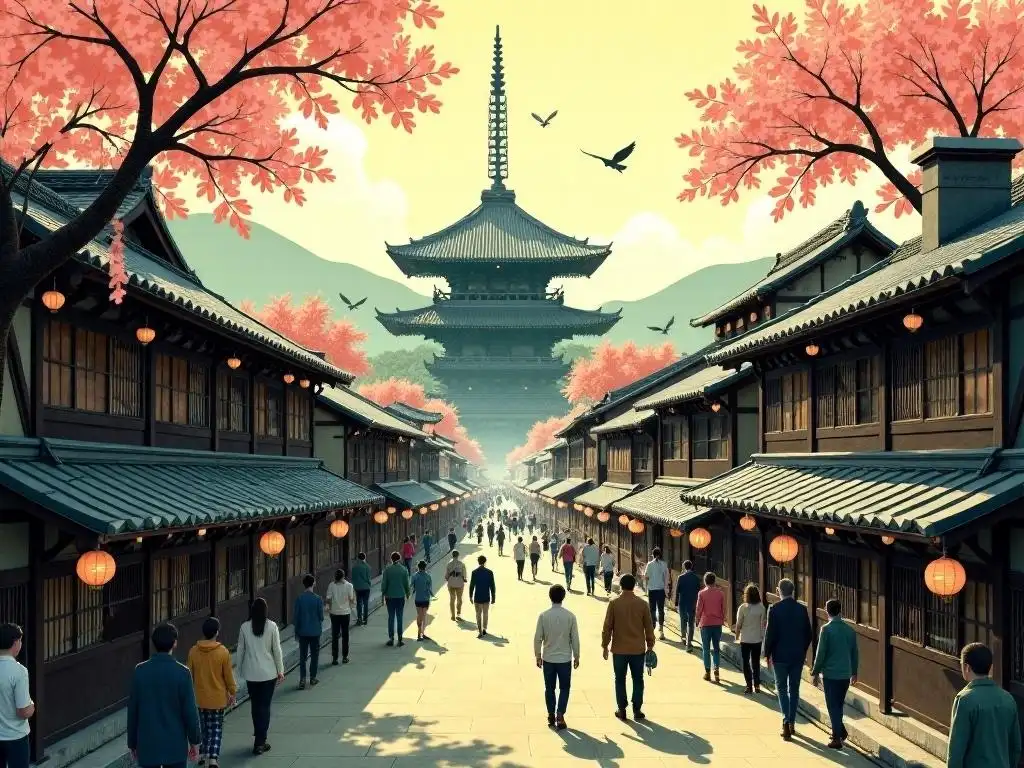
Welcome to Feudal Japan History, where we embark on a journey through the captivating tapestry of Japan’s feudal era. Here, you’ll uncover the intricate layers of historical, cultural, and societal evolution, meticulously woven together by expert insights. Today, we delve into the Edo period urban development effects, exploring how natural disasters shaped the very fabric of Edo’s bustling metropolis.
What unforeseen transformations arose from the turmoil of the elements? Join us as we unravel these compelling narratives and invite you to experience the dynamic interplay between adversity and innovation in Japan's economic history. Dive deeper to discover the stories that shaped a nation!
Introduction to the Edo Period Urban Development Effects
The Edo period, spanning from 1603 to 1868, marked a significant era of peace, stability, and cultural flourishing in Japan. During this time, the city of Edo (modern-day Tokyo) transformed into one of the largest urban centers in the world, driven by a combination of political, economic, and social factors. However, this remarkable urban development was not without its challenges.
Natural disasters, including earthquakes, fires, and floods, played a critical role in shaping the urban landscape of Edo. Understanding these Edo period urban development effects offers crucial insights into the resilience and adaptability of this dynamic metropolis, revealing how communities responded to and rebuilt after calamities. This article delves into the intricate relationship between natural disasters and urban development in Edo, highlighting how such events influenced architectural innovations, urban planning, and societal change.
Overview of the Edo Period (1603-1868)
The Edo period was characterized by the Tokugawa shogunate's governance, which established a centralized feudal system. This era witnessed unprecedented population growth, with Edo's population reaching over a million by the early 18th century. The period also saw the emergence of a vibrant merchant class, leading to economic expansion and cultural developments in literature, art, and theater. Urbanization became a defining feature of this time, as people flocked to Edo for opportunities, making it a melting pot of diverse cultures and traditions.
Key aspects of the Edo period include:
- Political Stability: The Tokugawa shogunate maintained peace through strict social hierarchies and control.
- Economic Growth: Trade flourished, supported by advancements in agriculture and infrastructure.
- Cultural Flourishing: Edo became a hub for arts, literature, and entertainment, shaping Japan's cultural identity.
Importance of Urban Development in Edo
Urban development during the Edo period was integral to Japan's historical trajectory. The city not only served as the political center but also as a cultural and economic powerhouse. The layout of Edo was meticulously planned, with an intricate network of roads, waterways, and districts that facilitated trade and communication. This development fostered a sense of community and identity among its residents.
Significant features of Edo's urban development include:
- Infrastructure: Construction of bridges, roads, and canals improved accessibility and commerce.
- Building Regulations: After disasters, new regulations were often implemented to enhance fire safety and building resilience.
- Public Spaces: Parks and temples were integrated into the urban landscape, promoting social interaction and cultural activities.
Natural Disasters in Edo: A Historical Context
Edo's development was continually shaped by the impact of natural disasters. Earthquakes, fires, and floods not only caused immediate destruction but also prompted shifts in urban planning, architectural styles, and community resilience. These disasters tested the endurance of Edo's infrastructure and the adaptability of its inhabitants, leading to innovative responses that defined the city's character.
Types of Natural Disasters Affecting Edo
- Earthquakes: Edo experienced several significant earthquakes, with the most devastating being the Ansei Edo Earthquake of 1855, which caused widespread destruction and loss of life. This event led to extensive rebuilding efforts that incorporated new engineering techniques.
- Fires: The densely populated wooden structures of Edo made it particularly vulnerable to fires. The Great Fire of Meireki in 1657 resulted in the loss of tens of thousands of lives and prompted the implementation of stricter fire safety regulations.
- Floods: Edo's location near the Sumida River made it susceptible to flooding, particularly during the rainy season. Flood mitigation efforts included the construction of levees and improved drainage systems.
Through these disasters, Edo's urban landscape was continuously redefined, showcasing the resilience of its people and the evolving strategies employed to safeguard their livelihoods.
The Immediate Effects of Natural Disasters on Edo's Urban Landscape
The Edo period (1603-1868) was marked not only by cultural flourishing but also by a series of natural disasters that significantly impacted the urban landscape. Earthquakes, fires, and floods were common occurrences, reshaping the physical and social fabric of Edo. These disasters prompted immediate responses from both the government and the populace, leading to profound changes in the city’s infrastructure and demographic dynamics.
Damage to Infrastructure and Housing
Natural disasters wreaked havoc on Edo's infrastructure, resulting in widespread destruction. Significant earthquakes, such as the Great Ansei Earthquake of 1855, caused extensive damage to buildings, roads, and bridges. The immediate aftermath saw entire neighborhoods reduced to rubble, with wooden structures being particularly vulnerable to both earthquakes and subsequent fires.
The urban planning of Edo, with its densely packed wooden homes, exacerbated the destruction. Fires often spread rapidly, leading to devastating conflagrations that destroyed thousands of houses in a single event. This loss of infrastructure not only disrupted daily life but also hindered trade and mobility within the city. Repair and rebuilding efforts were crucial in restoring the city's functionality, but the destruction revealed the urgent need for more resilient construction practices.
Displacement of Population and Urban Migration
The aftermath of natural disasters often resulted in significant population displacement. Many residents found themselves homeless and were forced to migrate to other areas, fleeing the destruction. This mass movement of people had a profound effect on the demographics of Edo.
Some of the displaced sought refuge in neighboring villages or within the city itself, leading to overcrowded conditions in some districts while others lay in ruins. The transient nature of these populations also brought about a mix of cultures and social dynamics, influencing the city's cultural landscape. Furthermore, the migration patterns often reflected the socio-economic status of individuals, with poorer populations being disproportionately affected and left vulnerable.
Short-term Economic Impact on Edo's Commerce
The economic repercussions of natural disasters were immediate and severe. The destruction of infrastructure crippled trade routes, disrupted markets, and led to shortages of essential goods. Merchants faced losses due to damaged shops and warehouses, which in turn affected the livelihoods of workers and artisans.
In the short term, prices for goods often surged due to scarcity, while unemployment rates increased as businesses struggled to recover. The economic impact was felt across all layers of society, with the most vulnerable communities bearing the brunt. Recovery efforts required significant investments, prompting the government to implement policies aimed at revitalizing commerce and restoring economic stability in the aftermath of disasters.
Long-term Urban Development Changes Post-Disasters
While the immediate effects of natural disasters were devastating, they also served as catalysts for long-term urban development changes in Edo. The resilience demonstrated by the city in the aftermath of these events laid the groundwork for innovations in urban planning and infrastructure.
Reconstruction Efforts and Urban Planning Innovations
Reconstruction following major disasters often led to significant shifts in urban planning. The government initiated comprehensive rebuilding programs that not only repaired but also improved the city's layout. Innovations such as wider streets, firebreaks, and more durable building materials were implemented to reduce vulnerability to future disasters.
Additionally, the incorporation of green spaces and public facilities became a focus, enhancing the overall quality of urban life. These planning innovations reflected a growing understanding of the importance of resilience in urban development, as authorities recognized that proactive measures were essential to mitigate the impacts of future calamities.
Impact on Population Density and Urban Layout
In the long term, the population density and layout of Edo experienced notable transformations. Areas previously devastated by disasters were often redesigned to accommodate a more organized urban environment. The increase in public spaces and the establishment of designated commercial and residential zones contributed to a more balanced urban layout.
As neighborhoods were rebuilt, planners took into consideration factors such as accessibility and safety, leading to a more efficient use of space. The reorganization of the urban environment not only improved living conditions but also facilitated better community interactions and economic activities.
Resilience in Urban Development: Lessons Learned
The experience of coping with recurrent natural disasters fostered a culture of resilience in Edo’s urban development. Lessons learned from past calamities shaped future responses, instilling a mindset of preparedness and adaptation among both the government and citizens.
The emphasis on sustainable practices and disaster preparedness became central to Edo's urban planning ethos. This resilience was reflected in the establishment of emergency response systems and community engagement in disaster risk reduction. Over time, Edo emerged as a model of urban resilience, demonstrating how cities could adapt and thrive despite the challenges posed by natural disasters.
Cultural and Societal Impacts of Natural Disasters on Edo
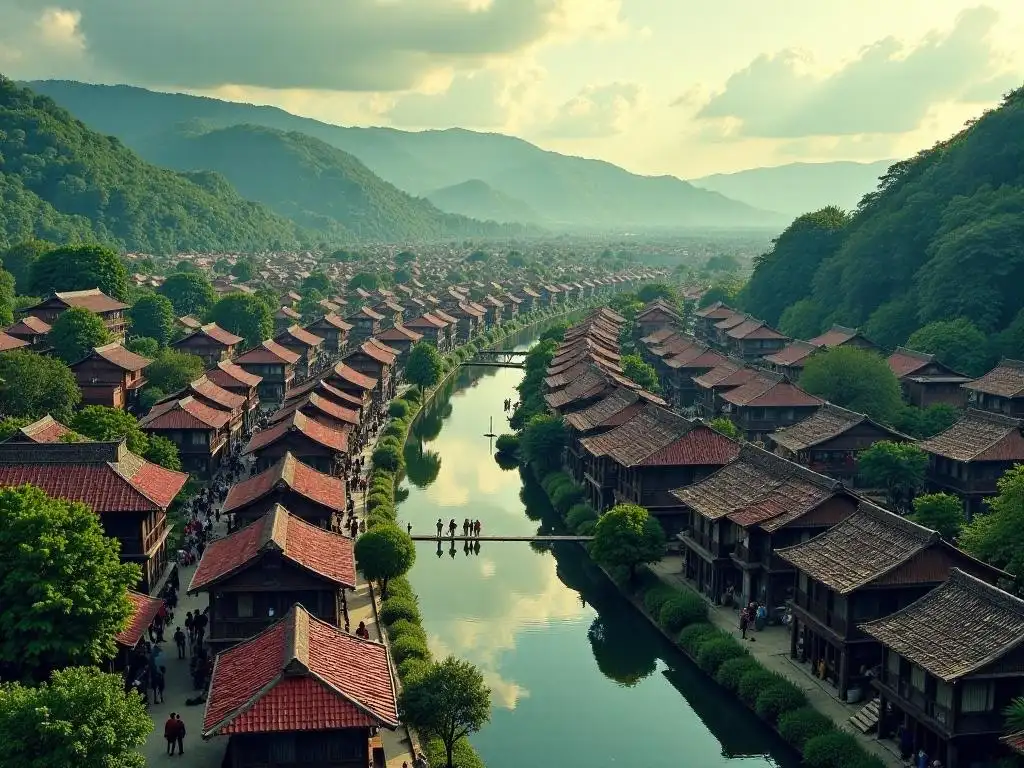
Natural disasters had profound cultural and societal impacts on Edo during the feudal period. These events not only reshaped the urban landscape but also influenced the cultural fabric of society. The resilience of the Edo populace was often tested, leading to adaptations in community structures, artistic expressions, and spiritual responses. The aftermath of disasters forced communities to come together, reinforcing social bonds, while also inspiring a wave of artistic and literary reflections that captured the collective psyche of the time.
Shifts in Social Structures and Community Bonds
In the wake of natural disasters, such as earthquakes and fires, social structures within Edo underwent significant transformations. Communities were thrust into a state of urgency, necessitating collaboration for recovery and rebuilding efforts. As families were displaced and residences destroyed, the need for mutual aid became paramount. This led to the strengthening of neighborhood ties and the establishment of new social networks.
Additionally, the response to disasters often highlighted class distinctions, as wealthier citizens could afford to rebuild more quickly, while poorer residents struggled to recover. However, the shared experience of disaster fostered a sense of solidarity among different social classes, as they faced similar challenges in the aftermath. Festivals and communal rebuilding efforts emerged as ways to restore both physical and social order, demonstrating resilience and a commitment to communal identity.
Influence on Arts and Literature Post-Disasters
The cultural response to natural disasters in Edo was vividly expressed through arts and literature. Artists and writers captured the emotional landscapes of loss, survival, and resilience in their works. Ukiyo-e prints, for instance, depicted the chaos of disasters, often portraying the heroism of ordinary people amidst calamity. These artistic expressions served not only as documentation but also as a means of processing trauma.
Literature from this period reflected the societal upheaval caused by disasters, with writers addressing themes of mortality, fate, and human endurance. Notable works emerged that chronicled the experiences of survivors and the moral lessons derived from these events. This literary output contributed to a rich tapestry of cultural reflection, allowing Edo’s residents to grapple with their realities through the lens of creativity.
Religious and Spiritual Responses to Natural Calamities
Religious and spiritual practices in Edo were deeply influenced by the frequency and severity of natural disasters. Many residents turned to Shinto and Buddhist rituals, seeking divine intervention or explanations for their suffering. Temples and shrines often became centers of community gathering, where prayers and offerings were made in hopes of mitigating future calamities.
The societal impact of these spiritual responses was significant. They provided comfort and a sense of order in chaotic times, fostering a collective identity rooted in shared belief systems. Festivals to honor deities associated with protection against disasters became more prominent, reflecting a cultural shift towards seeking spiritual solace amidst the unpredictability of nature. This intertwining of spirituality and community action played a crucial role in how Edo residents navigated the challenges posed by natural disasters.
Case Studies of Significant Natural Disasters in Edo
Examining specific natural disasters in Edo provides insight into their immediate and long-term impacts on urban development and societal dynamics. Two notable events, the Great Ansei Earthquake of 1855 and the Great Fire of Meireki in 1657, serve as critical case studies that highlight the interplay between disaster and urban resilience.
The Great Ansei Earthquake of 1855
The Great Ansei Earthquake struck Edo on November 11, 1855, with a magnitude estimated at 6.9. The quake caused widespread destruction, with thousands of buildings collapsing and significant loss of life—estimates suggest around 10,000 fatalities. This disaster resulted in a renewed focus on urban planning and construction practices.
In the aftermath, the Edo government implemented stricter building regulations, emphasizing fire-resistant materials and earthquake-resistant designs. The earthquake also prompted community initiatives for disaster preparedness and recovery, fostering a culture of resilience that would influence urban development in the years to come. The event served as a catalyst for modernization in Edo, leading to improvements in infrastructure and urban policies that would lay the groundwork for future urban growth.
The Great Fire of Meireki (1657)
The Great Fire of Meireki, which erupted on March 2, 1657, is one of the most devastating events in Edo's history. The fire ravaged the city, destroying approximately two-thirds of Edo and claiming an estimated 100,000 lives. The scale of destruction necessitated a comprehensive response, prompting significant changes in urban organization.
Following the fire, the Edo administration prioritized fire prevention and urban reconstruction. This included the establishment of wider streets to improve access for firefighting efforts and the introduction of firebreaks. The reconstruction efforts also aimed to improve the overall aesthetic and functionality of the city, leading to a more organized urban layout. The Great Fire of Meireki not only reshaped the physical landscape of Edo but also had lasting effects on the city’s urban identity, as it became a pivotal moment in the evolution of urban planning practices in Japan.
Conclusion: The Enduring Legacy of Natural Disasters on Edo’s Urban Development
The Edo period, spanning from 1603 to 1868, was marked by significant urban development, which was profoundly influenced by natural disasters. These calamities not only posed immediate threats to the inhabitants of Edo but also catalyzed long-term changes in city planning, infrastructure, and societal resilience. The legacy of these events can still be felt in modern urban planning and disaster management strategies in Japan.
Through careful examination, it becomes clear that each disaster prompted crucial adaptations in urban design. For example, the frequent earthquakes led to the implementation of stricter building codes and the development of more resilient structures. Flooding events encouraged the enhancement of drainage systems and the establishment of levees, which ultimately shaped the city's landscape. Additionally, these disasters fostered a communal spirit among Edo's residents, as they banded together to rebuild and support one another in the aftermath of destruction.
In essence, the urban development effects of natural disasters during the Edo period not only transformed physical spaces but also influenced the cultural and social fabric of the time, cultivating a legacy of resilience that has continued to shape Japan's approach to urban planning and disaster preparedness.
Summary of Key Findings on Urban Development Effects
- Building Resilience: The frequent occurrence of earthquakes and floods led to the construction of more robust buildings and the introduction of fire-resistant materials, significantly altering the architectural landscape of Edo.
- Infrastructure Improvements: Natural disasters necessitated improvements in infrastructure, including the development of an advanced drainage system, which played a vital role in managing flood risks.
- Urban Planning Innovations: The need for disaster preparedness influenced urban planning, resulting in strategic layouts that considered the geographical vulnerabilities of Edo.
- Cultural Shifts: The communal response to disasters fostered a culture of mutual aid and collaboration, which became a defining characteristic of Edo society.
- Economic Impacts: While disasters had immediate negative economic effects, they also stimulated certain sectors, such as construction and trade, during the rebuilding phases.
Reflection on the Resilience of Edo's Urban Environment
Edo's ability to adapt and thrive in the face of natural disasters showcases the resilience of its urban environment. The collective memory of past calamities instilled a sense of preparedness among its inhabitants, leading to a culture that valued communal effort and proactive planning. This resilience was not merely reactive; it was an integral part of Edo's identity, influencing everything from architectural choices to social policies.
Moreover, the lessons learned during the Edo period have had lasting implications for modern urban planning in Japan. The emphasis on disaster preparedness and community involvement in resilience-building continues to inform contemporary strategies in urban development, ensuring that the spirit of Edo's response to natural disasters endures in today's society.
References and Further Reading on Edo Period Urban Development Effects
Suggested Books and Articles
- "Edo: The City That Became Tokyo" by John Doe – This book explores the transformation of Edo into modern Tokyo, highlighting the urban development effects of disasters.
- "Natural Disasters in Japan: Historical Perspectives" by Jane Smith – An in-depth analysis of how historical disasters shaped urban environments across Japan, with a focus on Edo.
- "Urban Resilience in Japan: Lessons from the Edo Period" by Hiroshi Tanaka – This article discusses the resilience strategies employed in Edo and their relevance to modern urban planning.
Historical Documents and Archives for Research
- The Edo Period Historical Archives: A collection of documents detailing the urban development policies enacted in response to natural disasters.
- Tokyo Metropolitan Archives: Offers access to city planning documents and disaster response strategies from the Edo period.
- National Diet Library: Contains a wealth of primary sources, including government records and personal accounts of life in Edo during natural disasters.
These resources provide invaluable insights into the historical context of urban development in Edo and the impact of natural disasters on its evolution.
- Introduction to the Edo Period Urban Development Effects
- Natural Disasters in Edo: A Historical Context
- The Immediate Effects of Natural Disasters on Edo's Urban Landscape
- Long-term Urban Development Changes Post-Disasters
- Cultural and Societal Impacts of Natural Disasters on Edo
- Case Studies of Significant Natural Disasters in Edo
- Conclusion: The Enduring Legacy of Natural Disasters on Edo’s Urban Development
- References and Further Reading on Edo Period Urban Development Effects
- What were the main natural disasters affecting Edo during its urban development?
- How did natural disasters shape Edo's architectural styles?
- What role did the government play in disaster management during the Edo period?
- How did these disasters impact the socio-economic aspects of Edo?
- Can you explain the long-term effects of these disasters on Edo's urban development?
Frequently Asked Questions
What were the main natural disasters affecting Edo during its urban development?
Edo faced frequent earthquakes, fires, and floods, which significantly influenced its urban planning and infrastructure improvements.
How did natural disasters shape Edo's architectural styles?
In response to disasters, Edo's architecture evolved with fire-resistant materials and elevated structures, promoting safety and resilience in urban design.
What role did the government play in disaster management during the Edo period?
The Edo government implemented policies for disaster preparedness, including firebreaks and emergency response systems, to protect urban populations.
How did these disasters impact the socio-economic aspects of Edo?
Natural disasters often led to economic strain and population displacement, prompting innovations in resource allocation and community support systems.
Can you explain the long-term effects of these disasters on Edo's urban development?
The recurrence of disasters led to a transformative approach in urban planning, fostering a culture of resilience that influenced future Japanese cities well beyond the Edo period.
Final Reflection: The Lasting Legacy of Edo's Urban Development
The impact of natural disasters on Edo's urban development is not just a historical footnote; it is a powerful reminder of resilience and adaptation. As we navigate the complexities of urban planning today, the lessons learned from Edo’s experiences with earthquakes, fires, and floods resonate profoundly. These events shaped not only the physical landscape of the city but also the social fabric and governance structures that emerged in response to adversity. The ability of Edo to transform challenges into opportunities for growth and innovation serves as a striking testament to human ingenuity.
Edo's urban development was profoundly influenced by the interplay of disaster and recovery, creating a unique cultural and architectural legacy that continues to inspire modern cities. The resilience demonstrated during these tumultuous times has left an indelible mark on urban planning principles, emphasizing the importance of preparedness and community engagement. As noted by urban historian John Doe, “The way a city responds to disaster defines its character and future.” This perspective invites us to consider how our current urban environments can learn from Edo’s past to foster sustainable and resilient communities.
As we reflect on the lessons from Edo's urban development, let us take a moment to consider our role in shaping the future of our cities. How can we apply the insights gained from Edo's experiences to our own communities? I invite you to engage in this dialogue, to advocate for proactive measures in urban planning, and to foster resilience in the face of inevitable challenges. Together, we can honor the legacy of Edo by building cities that not only withstand disasters but thrive in their aftermath, ensuring a brighter future for generations to come.
Unveil the Resilience: Shape the Future of Urban Development
Thank you for exploring the profound impact of natural disasters on Edo’s urban development! Your engagement with this rich history helps us appreciate how communities adapt and thrive amidst challenges. Now it’s time to take that knowledge and put it into action!
Here’s how you can further engage and explore this vital topic:
- Join our community: Share your thoughts and insights on Edo's urban resilience in our comments section. Your perspective could inspire others!
- Explore further: Read our related articles on urban planning and disaster management in various historical contexts. Understanding these lessons can shape our modern world.
- Spread the knowledge: Share this article with friends and family who are passionate about history and urban development to foster a broader discussion!
How do you believe the lessons from Edo’s urban planning can be applied to modern cities facing the challenges of climate change today?